Groove is the Mood

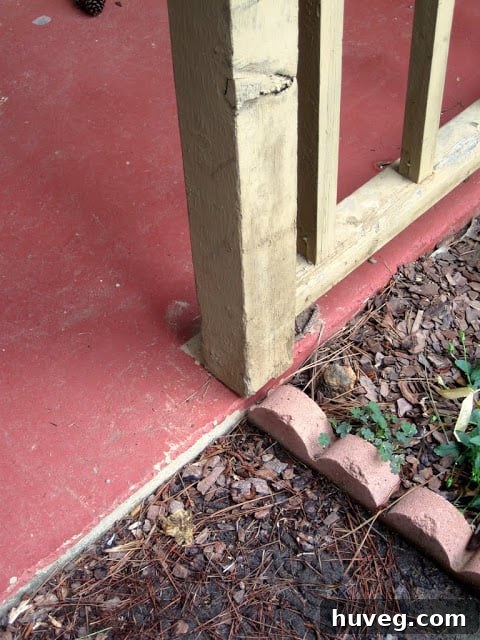
The integrity of your home’s structure is paramount, and few things are as unsettling as discovering a critical support element, like a porch post, isn’t as solid as it should be. Imagine leaning against a porch post only to feel it shift, or worse, noticing a subtle movement where none should ever exist. These posts are not merely decorative; they are fundamental components, often bearing the substantial weight of a roof or an entire porch overhang. When a porch post begins to move, it’s not just a minor annoyance; it’s a clear signal of underlying structural issues that demand immediate attention for the safety and longevity of your home.
Unveiling the Mystery: Why Do Porch Posts Move?
A moving porch post is rarely an isolated incident; it’s usually a symptom of deeper structural distress. Understanding the root cause is crucial for implementing an effective, lasting solution. Several factors can contribute to this alarming problem:
- Foundation Settlement: Over time, the ground beneath your porch can settle unevenly due to soil compaction, erosion, or changes in moisture content. This settlement can cause the footing supporting the post to sink, leading to a visible gap or instability in the post itself.
- Wood Rot and Decay: For wooden porch posts, moisture is the enemy. Constant exposure to rain, snow, or even persistent humidity can lead to wood rot. This decay weakens the post from within, compromising its ability to bear weight and making it susceptible to movement. Pests like termites or carpenter ants can accelerate this degradation.
- Improper Installation: Sometimes, the problem originates from the very beginning. If porch posts were not adequately anchored to their footings or the overhead beam during construction, they might never have had the stability required for long-term support. Inadequate fasteners, insufficient concrete footings, or a lack of proper bracing can all lead to eventual movement.
- Material Degradation: Even materials like concrete, stone, or metal can degrade over time. Cracks in concrete, rusting of metal bases, or erosion of mortar in stone pillars can all weaken the post’s connection to the ground or the structure it supports.
- Impact Damage: Accidental impacts from vehicles, heavy machinery, or even severe weather events like strong winds or falling branches can jar a post out of alignment or damage its base, leading to instability.
The Grave Risks of a Shifting Support Post
Ignoring a moving porch post is akin to ignoring a persistent cough – it might be minor, or it could be a sign of something much more serious. When a post designed to hold up part of your roof starts to sway, the implications can be dire:
- Risk of Roof Collapse: This is the most immediate and terrifying danger. If a load-bearing post fails, the section of the roof it supports can sag, crack, or even collapse entirely. This poses an extreme threat to anyone underneath and can cause catastrophic damage to the entire home.
- Compromised Structural Integrity: The porch is an integral part of your home’s overall structure. Instability in one area can transfer stress to other parts, leading to cracks in walls, misaligned doors and windows, and a general weakening of the entire building envelope.
- Safety Hazard for Occupants: Beyond a full collapse, a wobbly post can cause a trip hazard or lead to someone falling if they lean on it expecting solid support. Falling debris from a sagging roof or porch ceiling can also cause injury.
- Decreased Property Value: A visibly unstable porch post is a major red flag for potential buyers and significantly diminishes your home’s curb appeal and market value. It signals neglect and costly future repairs.
- Escalating Repair Costs: A small, localized problem, if left unaddressed, will almost certainly worsen, leading to more extensive damage and significantly higher repair costs down the line.
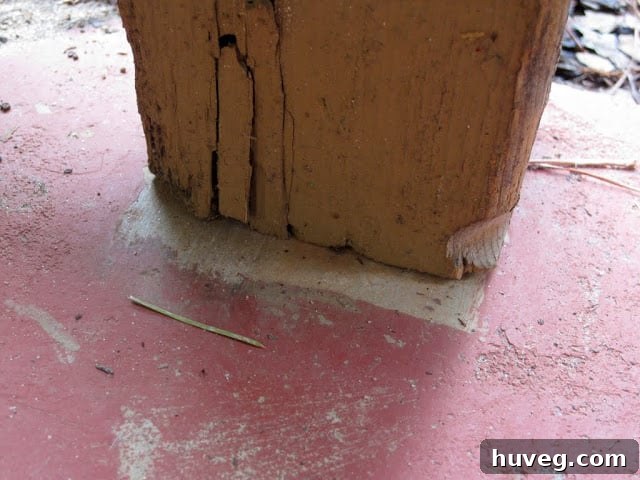
The Immediate (But Temporary) Remedy: The Shim Solution
When faced with a moving porch post, immediate action is necessary to prevent further damage or potential collapse. While not a permanent fix, a temporary solution like shimming can provide crucial stabilization. This method aims to fill any gaps that have formed, effectively “jacking up” the post back into its correct position and providing temporary support.
The process typically involves:
- Gathering Materials: You’ll need sturdy shims (often made of wood, composite, or even metal, depending on the gap size), a hammer, a pry bar, a level, and safety glasses. For aesthetics and protection, you might also need exterior paint or sealant.
- Assessing the Movement: Carefully observe where the post is moving and how much. Is it just at the base, or is the entire post swaying? This helps determine where the shims need to be placed.
- Lifting and Inserting Shims: Using a pry bar, carefully lift the affected beam or post just enough to create a gap for the shims. Slide the shims into place, ensuring they are tightly fitted and provide firm contact between the post and its support surface (either the footing below or the beam above). Work slowly and methodically to avoid over-lifting or causing new damage.
- Securing and Testing: Once the shims are in place, tap them securely with a hammer until the post feels stable. Use a level to ensure the post is plumb (perfectly vertical) and test its stability by gently pushing or pulling on it.
- Protecting the Fix: If using wooden shims, painting or sealing them will protect them from moisture and weather, prolonging the effectiveness of this temporary repair. While it might look a bit piecemeal, this temporary measure can literally save your roof from collapsing, buying you valuable time to plan a permanent solution.
It cannot be stressed enough: shimming is a stop-gap measure. It addresses the symptom (the gap and movement) but not the underlying cause. While it can prevent immediate catastrophe, relying on shims indefinitely is unwise and can lead to more significant problems down the line.
The Permanent Fix: Restoring Long-Term Stability
Once the immediate danger has been mitigated with a temporary fix, the focus must shift to a lasting solution. This almost always involves professional assessment and potentially comprehensive repairs or replacements. A qualified structural engineer or experienced contractor can properly diagnose the underlying issue and recommend the most effective course of action.
Professional Inspection is Key
Before any major work begins, a thorough inspection by a professional is vital. They can:
- Determine the exact cause of the movement (e.g., foundation issues, rot, improper installation).
- Assess the extent of the damage to the post, footing, and surrounding structure.
- Recommend appropriate repair or replacement strategies, ensuring compliance with local building codes.
Replacement Options and Material Choices
Replacing the compromised post is often the most reliable long-term solution. When considering replacement, you have several material options, each with its own advantages:
- Treated Wood: A traditional choice, pressure-treated lumber is resistant to rot and insects, making it a durable option when properly maintained. It’s versatile and can be painted or stained to match your home’s aesthetic.
- Composite Materials: Made from a blend of wood fibers and plastic, composite posts are highly resistant to moisture, rot, and pests. They require minimal maintenance and offer excellent longevity.
- Vinyl: Vinyl posts are essentially maintenance-free, never needing to be painted or stained, and are impervious to rot and insects. They come in various styles and colors.
- Aluminum or Steel: For maximum strength and durability, metal posts are an excellent choice, especially in areas prone to severe weather or heavy loads. They can be powder-coated for weather resistance and aesthetic appeal.
- Stone or Brick: For a more traditional or robust look, masonry posts offer exceptional stability and longevity, though they can be more expensive and labor-intensive to install.
Addressing the Root Cause
Simply replacing the post without addressing the underlying issue is a recipe for recurring problems. If foundation settlement is the culprit, underpinning the footing or improving drainage around the porch might be necessary. If wood rot was due to persistent moisture, improving grading, installing gutters, or adding a vapor barrier could be part of the solution.
DIY vs. Professional Installation
While the temporary shim fix might be a DIY project, the permanent replacement of a load-bearing porch post is best left to professionals. This type of work requires specialized knowledge, tools, and an understanding of structural engineering to ensure safety and compliance with building codes. Improper installation could lead to severe structural damage or even collapse.
Preventive Measures: Safeguarding Your Porch Posts
Once your porch posts are stable and secure, adopting a routine of preventive maintenance is essential to avoid future issues:
- Regular Inspections: Periodically check your porch posts for any signs of movement, cracks, rot, or insect damage. Pay close attention to the base where the post meets the ground and the top where it connects to the beam.
- Moisture Management: Ensure proper drainage around your porch. Install or maintain gutters and downspouts to direct water away from the foundation. Seal any cracks in concrete footings and apply a fresh coat of exterior paint or sealant to wooden posts every few years.
- Pest Control: Be vigilant about termites, carpenter ants, and other wood-boring insects. Implement regular pest inspections and treatments if necessary. Keep vegetation trimmed away from wooden posts to reduce moisture retention and pest access.
- Proper Landscaping: Maintain appropriate grading around your home to prevent water from pooling near the porch foundation. Avoid planting shrubs or trees too close to posts, as their roots can interfere with footings, and foliage can trap moisture.
- Use Quality Materials: When building or replacing, invest in durable, weather-resistant materials designed for exterior use. Pressure-treated lumber, composite materials, or metal posts offer superior longevity.
Conclusion: Prioritizing Your Home’s Structural Health
A moving porch post is more than just a cosmetic flaw; it’s a critical indicator that your home’s structural integrity might be compromised. While a quick shim can buy you time, it’s imperative to identify and address the root cause with a long-term, professional solution. By understanding the potential dangers, choosing appropriate repair strategies, and implementing diligent preventive maintenance, you can ensure your porch remains a safe, welcoming, and stable part of your home for many years to come. Don’t let a wobbly post undermine the safety and value of your most important investment.