Where Excitement Goes to Die

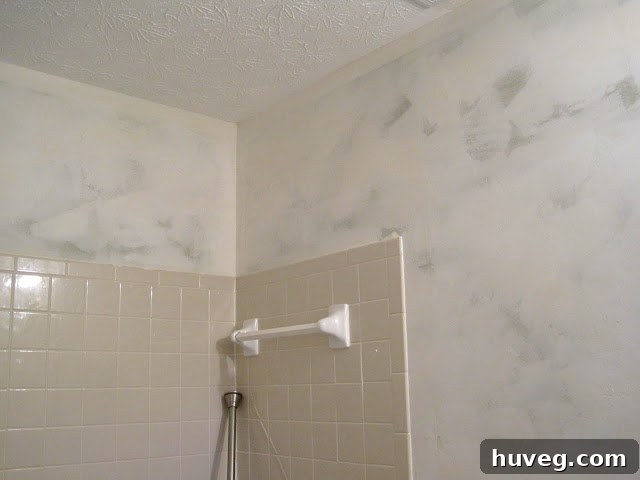
Transforming the look and feel of your living space often starts with the walls. While the glamour of new paint colors or elegant wallpaper grabs immediate attention, the true secret to a professional, high-end finish lies beneath: perfectly smooth surfaces. This is where skim coating enters the picture – a powerful, yet often overlooked, technique in home improvement that can elevate your interiors from ordinary to extraordinary. Forget about uneven textures, minor imperfections, or the ghosts of old wallpaper; skim coating offers a fresh, flawless canvas, ready for any decorative finish you envision.
For many DIY enthusiasts and homeowners, the idea of skim coating might seem daunting, conjuring images of messy plaster and complex techniques. However, with the right approach, tools, and a bit of patience, skim coating is a highly achievable project that yields incredibly rewarding results. It’s more than just a repair job; it’s an investment in the aesthetic quality and longevity of your home’s interior. This comprehensive guide will demystify the process, highlight its numerous benefits, and equip you with the knowledge to achieve a beautifully smooth finish on your walls and ceilings, transforming your home into a haven of perfection.
What Exactly Is Skim Coating?
At its core, skim coating is the application of a very thin layer (or multiple layers) of drywall joint compound, also known as “mud,” over an existing surface. This technique creates a smooth, uniform, and pristine foundation, effectively masking a variety of imperfections. Think of it as giving your walls a fresh, unblemished skin. Unlike patching a hole or simply filling a crack, skim coating covers the entire surface, providing a consistent texture and an ideal base for subsequent finishes like paint or wallpaper. It’s a meticulous process, but the outcome is a visibly superior finish that simply cannot be achieved by painting over an uneven or damaged surface.
The joint compound used for skim coating is specifically formulated to be spread thinly and evenly, drying to a hard, sandable surface. This allows for meticulous sanding and feathering, ensuring that the new surface seamlessly blends with any untouched areas. The beauty of skim coating lies in its versatility and efficacy, turning an otherwise problematic wall into a smooth, attractive feature. It’s an essential skill for anyone serious about achieving truly professional-level wall finishes in their home improvement projects.
Why Skim Coat Your Walls? The Transformative Benefits
The reasons for undertaking a skim coating project are numerous and compelling, extending far beyond simple aesthetics. It’s a foundational step that impacts the overall quality and durability of your wall finishes.
Achieve Perfectly Smooth Surfaces
This is arguably the most significant benefit. Skim coating eliminates minor bumps, ridges, shallow holes, and other inconsistencies that would otherwise be painfully obvious once painted or wallpapered. It creates a billiard-table smooth surface that reflects light evenly, enhancing the perception of space and cleanliness in a room. This level of smoothness is particularly crucial for walls that will be painted with high-gloss or semi-gloss paints, which tend to highlight every single flaw.
Prepare for Flawless Paint & Wallpaper Application
A smooth base is non-negotiable for a flawless paint job or wallpaper installation. Paint adheres better and looks more uniform on a skim-coated surface, preventing issues like flashing (uneven sheen) and ensuring consistent color. For wallpaper, a smooth wall prevents unsightly bumps and air pockets, making the application process smoother and ensuring the wallpaper lasts longer and looks impeccable. It provides the ideal adhesion surface, free from any textural interference.
Repair Damaged Drywall & Plaster
Over time, walls can suffer from various forms of damage: hairline cracks, stress fractures, minor dents from furniture, or even larger areas where drywall paper has peeled. Skim coating is an excellent solution for rehabilitating these surfaces. Instead of replacing entire sections of drywall, which can be costly and labor-intensive, a well-applied skim coat can effectively conceal and reinforce these damaged areas, making them structurally sound and visually appealing once again. It breathes new life into old, tired walls.
Update Outdated Wall Textures
Many older homes feature textured walls – think orange peel, knockdown, or even popcorn ceilings. While these textures were once popular, they can now make a home feel dated. Skim coating offers an effective way to modernize these surfaces without the extreme mess and effort of completely removing the original texture. By applying thin layers of joint compound, you can effectively smooth over these textures, bringing your walls into the 21st century and providing a clean, contemporary aesthetic.
Enhance Room Aesthetics & Value
Ultimately, perfectly finished walls contribute significantly to the overall appeal and perceived value of your home. A room with smooth, meticulously prepared walls feels more refined, thoughtfully cared for, and of higher quality. This attention to detail can make a substantial difference, whether you’re simply enjoying your living space or preparing to sell your property. Skim coating is a strategic home improvement that offers both immediate visual gratification and long-term value.
When Should You Consider Skim Coating?
Understanding the scenarios where skim coating is most beneficial can help you decide if it’s the right solution for your next project.
After Wallpaper Removal
Removing old wallpaper often leaves behind a sticky residue, torn drywall paper, or minor damage to the underlying surface. Painting directly over these imperfections will highlight every flaw. Skim coating provides a clean slate, sealing the surface and creating a uniform texture, making it ideal for painting or applying new wallpaper.
Dealing with Uneven or Heavily Patched Walls
If your walls have seen numerous repairs over the years, or if the original drywall installation was less than perfect, you might have an uneven surface with visible patches and seams. A skim coat will unify these disparate areas, creating a seamless and consistent plane.
Before Repainting Old Walls
Even if your walls don’t have major damage, years of multiple paint layers, minor dings, and general wear and tear can result in a less-than-perfect surface. A light skim coat can refresh and rejuvenate these walls, preparing them for a truly pristine new coat of paint.
Eliminating Popcorn Ceilings
While often a more intensive process than wall skim coating, the same principles apply to smoothing out textured ceilings. After scraping off the bulk of the popcorn texture, a skim coat is essential to create a smooth, paint-ready ceiling, transforming the feel of an entire room.
Essential Tools and Materials for a Successful Skim Coat
Having the right equipment is paramount for a successful and less frustrating skim coating experience. Here’s what you’ll need:
- Drywall Joint Compound (Mud): Available in various types (all-purpose, lightweight, topping). All-purpose is often suitable for beginners. You can buy it pre-mixed in buckets or as a dry powder to mix with water.
- Mixing Tools: A large bucket and a powerful drill with a paddle mixer attachment are crucial for achieving a lump-free, consistent compound.
- Taping Knives & Trowels: You’ll need a range of sizes. A 6-inch knife for corners and smaller areas, a 10-inch or 12-inch knife for general application, and possibly a large drywall trowel (14-18 inches) for broad, smooth strokes on large walls.
- Sanding Equipment: A pole sander with fine-grit (150-220) sanding screens or sandpaper is essential. A hand sander block might also be useful for detailed work.
- Safety Gear: Dust masks or respirators are non-negotiable due to the fine dust created during sanding. Safety glasses are also recommended.
- Cleaning Supplies: Sponges, buckets of clean water, and drop cloths to protect floors and furniture.
- Primer: A high-quality drywall primer/sealer, ideally one formulated for new or repaired drywall, is critical before painting.
- Work Lights: Bright, movable work lights are invaluable for spotting imperfections during application and sanding.
A Step-by-Step Guide to Skim Coating Your Walls
Executing a successful skim coat requires patience and adherence to a systematic process. Follow these steps for best results:
1. Preparation is Key
Thorough preparation saves countless headaches later. Clear the room of furniture or cover it completely. Lay down drop cloths to protect your flooring. Remove switch plates and outlet covers. Clean your walls thoroughly to remove any dirt, grease, or loose debris. Use a damp cloth to wipe them down and let them dry completely. Scrape off any loose paint or wallpaper fragments. Fill any deep holes or large cracks with patching compound and let it dry.
2. Mixing the Compound
If using dry compound, mix it according to the manufacturer’s instructions to a smooth, creamy consistency, similar to thick pancake batter. For pre-mixed compound, you might need to add a small amount of water (a few ounces per gallon) and mix it thoroughly with your drill and paddle mixer until it’s lump-free and has an easy-to-spread texture. Avoid making it too thin, as it will be harder to control, or too thick, which will make it difficult to spread evenly.
3. Applying the First Coat
Start in a corner or a less conspicuous area to get a feel for the technique. Load a generous amount of compound onto your 10 or 12-inch taping knife or trowel. Apply the compound to the wall at a slight angle (around 20-30 degrees) from the surface, pressing firmly but not excessively. Use long, overlapping strokes to spread a very thin, even layer. The goal is to fill in the low spots and smooth out the high spots. Feather the edges by applying less pressure and holding the knife flatter as you reach the end of your stroke. Don’t worry about achieving perfection on the first coat; focus on even coverage.
4. Drying Time and Inspection
Allow each coat to dry completely. Drying times vary depending on humidity, temperature, and coat thickness, but typically range from 12 to 24 hours. Once dry, use your movable work light to inspect the wall for imperfections, ridges, or missed spots. Gently scrape off any significant ridges or globs with your taping knife before sanding.
5. Applying Subsequent Coats
Most walls will require at least two coats, sometimes three, to achieve a perfectly smooth finish. Repeat the application process for the second coat, applying it thinly and evenly. Often, the second coat is where you truly start to refine the surface. If needed, apply a third coat, focusing on any remaining imperfections. Allow each coat to dry completely before the next.
6. Sanding for Perfection
Once your final coat is completely dry, it’s time to sand. Attach fine-grit (150-220) sandpaper or a sanding screen to your pole sander. Sand the entire surface in a circular or sweeping motion, applying light, even pressure. The goal is to remove any knife marks, small bumps, and to feather the edges of your skim coat seamlessly. Use your work light to identify and address any rough spots. Wear your dust mask! This step generates a lot of fine dust. The surface should feel baby-smooth to the touch when finished.
7. Final Cleaning & Priming
After sanding, thoroughly clean the walls to remove all sanding dust. You can use a shop vacuum with a brush attachment, followed by a damp cloth (ensure it’s just damp, not wet, and allow the wall to dry completely). Once the walls are clean and dust-free, apply a high-quality primer/sealer specifically designed for new drywall or joint compound. This seals the porous compound, promotes better paint adhesion, and ensures a uniform paint finish. Allow the primer to dry according to the manufacturer’s instructions before painting or wallpapering.
Tips for Achieving Professional Results
- Work in Sections: Don’t try to skim coat an entire large wall at once. Work in manageable sections (e.g., 3×3 feet or 4×4 feet) to maintain a wet edge and prevent the compound from drying too quickly.
- Thin Coats are Best: Always apply multiple thin coats rather than one thick coat. Thin coats dry faster, are easier to smooth, and are less prone to cracking.
- Maintain a Wet Edge: When working across a wall, try to blend the fresh compound into the still-wet edge of the previously applied section. This helps avoid visible seams.
- Proper Lighting is Crucial: Use a bright, movable work light or floodlight directed across the wall surface. This highlights shadows cast by imperfections, making them easier to spot and fix during application and sanding.
- Patience Pays Off: Skim coating is not a race. Take your time, especially during application and sanding. Rushing these steps will lead to a less-than-perfect finish.
Common Mistakes to Avoid
- Applying Too Thick: This is the most common mistake. Thick coats take forever to dry, are harder to sand, and are more likely to crack or peel.
- Not Mixing Thoroughly: Lumps in your compound will transfer to the wall, creating frustrating imperfections that are difficult to smooth out.
- Insufficient Drying Time: Applying a new coat or sanding before the previous coat is fully dry will cause smearing, tearing, and a weak finish.
- Over-Sanding: While sanding is important, over-sanding can expose the underlying surface, requiring more compound and extra work. Light, even pressure is key.
- Skipping Primer: Priming is not optional. It ensures consistent paint absorption and a durable finish, preventing issues like paint flashing or poor adhesion.
DIY vs. Professional Skim Coating
While skim coating is a highly rewarding DIY project, it does require a certain level of patience and attention to detail. If you have large areas to cover, complex wall damage, or if you simply prefer professional results without the time commitment, hiring a professional drywall finisher might be a worthwhile investment. Professionals have the experience, tools, and techniques to deliver flawlessly smooth walls efficiently. However, for smaller rooms or less severe imperfections, tackling it yourself can be a deeply satisfying way to improve your home.
Conclusion
Skim coating, though a meticulous process, is an invaluable technique for anyone looking to achieve truly professional-grade wall finishes in their home. It transforms rough, damaged, or textured surfaces into a pristine, smooth canvas, ready to showcase your chosen paint color or wallpaper with absolute clarity. While it might seem like a task akin to “watching paint dry” in terms of immediate gratification, the enduring beauty and enhanced value it brings to your home are undeniable. By understanding the benefits, gathering the right tools, and following our comprehensive step-by-step guide, you’re well on your way to mastering this art and enjoying the flawless walls you’ve always desired. Embrace the journey to perfectly smooth walls – the results are truly worth every stroke.