Upcycled Wood Magnetic Bottle Opener

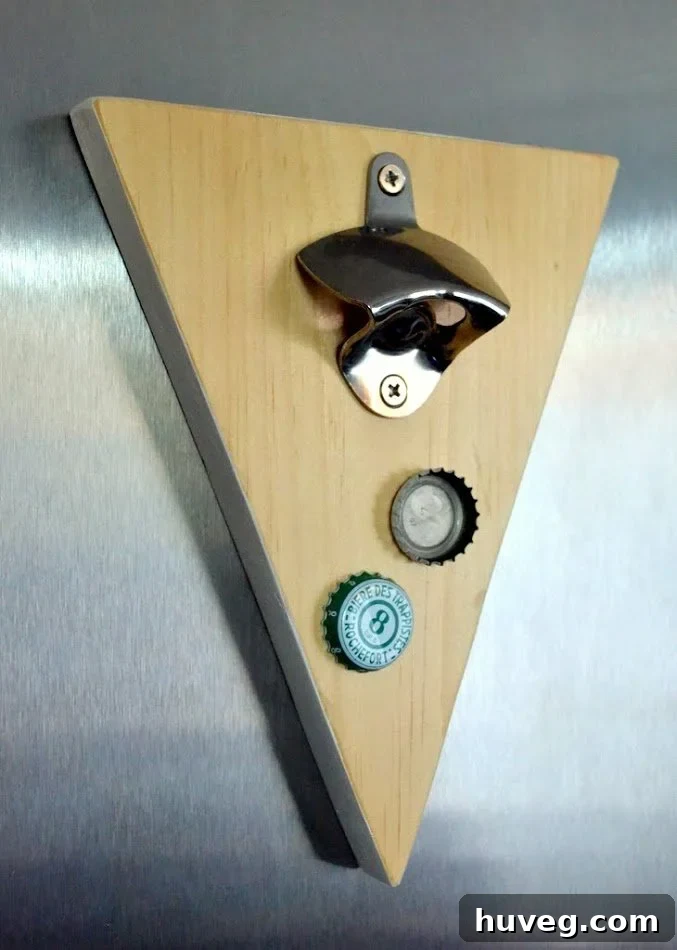
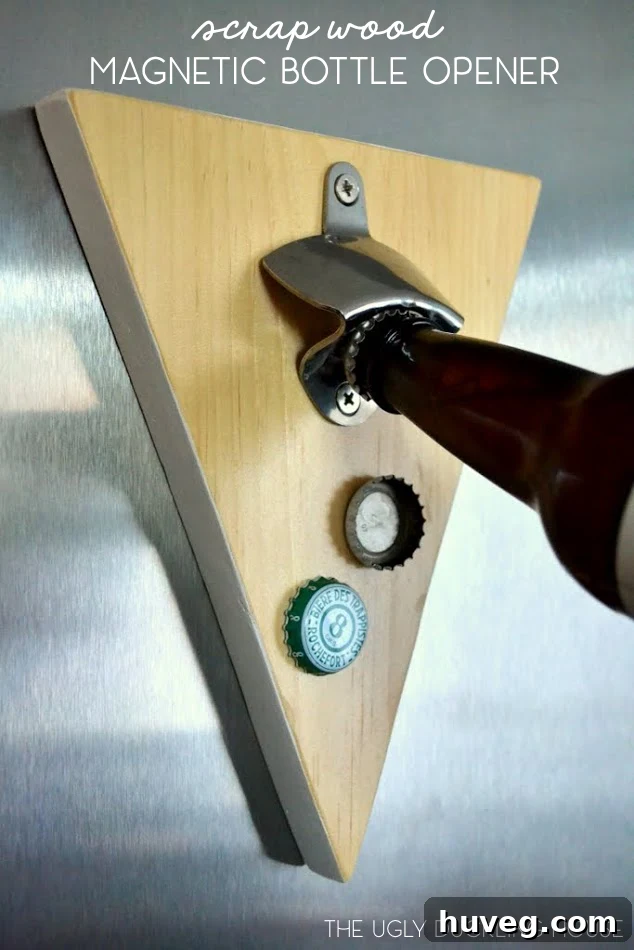
Transforming Wood Scraps: Craft Your Own Magnetic Bottle Opener with Style
For any dedicated DIY enthusiast, the sight of a burgeoning scrap wood pile is more than just clutter; it’s a treasure trove of untapped potential. This collection of forgotten off-cuts, remnants from grander projects, embodies an unwavering optimism and a firm belief that nothing goes to waste. We meticulously gather these pieces, convinced that one day, a project will emerge that demands that perfectly sized, oddly shaped, or uniquely grained piece of lumber. It’s a sentiment deeply ingrained in the DIY ethos: every scrap holds the promise of a future creation. Without this cherished hoard, we’d be, in our minds, completely stuck. (Though, in reality, a trip to the local hardware store is always an option!)
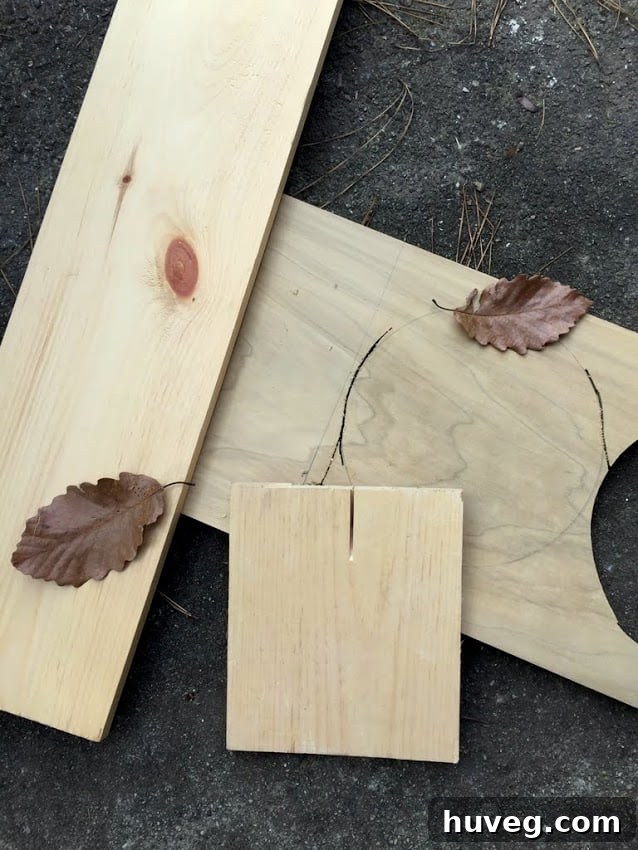
Like many who revel in hands-on creation, my garage, too, houses a diverse collection of scrap wood. These pieces often linger, waiting for that perfect inspiration to strike. Recognizing this universal dilemma, Sandra from Sawdust Girl initiated an inspiring “Scrap Wood Challenge.” The premise was simple: instead of letting these precious materials gather dust, why not commit to creating something meaningful? This challenge was the perfect nudge I needed to dive into my own scrap pile and bring a long-desired DIY project to life.
Effective Scrap Wood Storage: A DIYer’s Dilemma and Solution
Before delving into the project itself, a word of caution about scrap wood storage: avoid using a trash can. While seemingly convenient, it quickly becomes a frustrating “Splinter City,” wedging pieces together and obscuring your inventory. Trust me, I speak from experience! The lack of proper organization can turn a creative endeavor into a daunting task, as you wrestle with jammed pieces and hunt for the right size. An organized workspace is paramount for efficient DIY. Soon, once my primary bathroom renovation frees up garage space from new vanity and toilet storage, I plan to construct a mobile lumber cart. This custom-built solution will feature designated compartments, including a dedicated area specifically designed for scrap pieces, allowing for easy access and visibility. This will transform my garage from a chaotic storage zone into an optimized creative hub, proving that even the storage of scraps can be a project in itself!
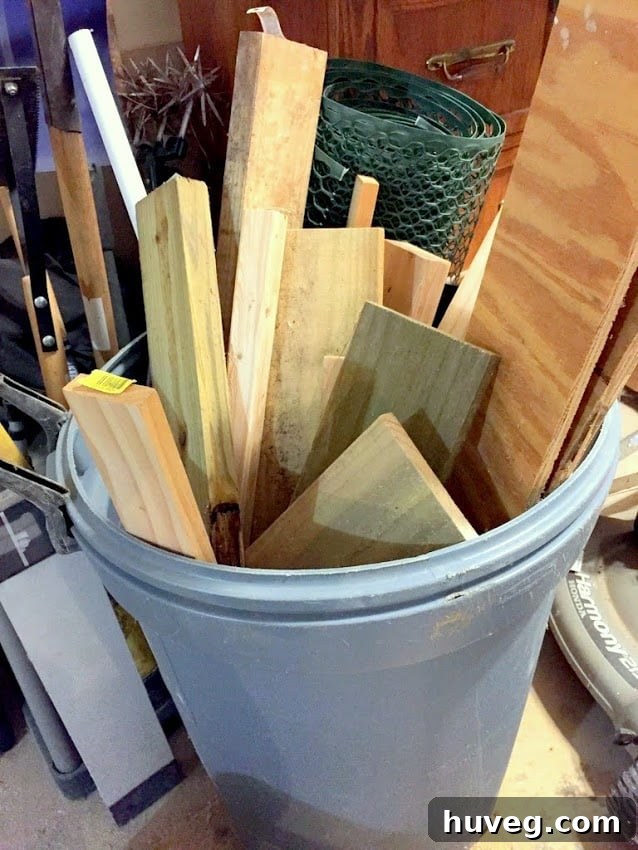
Putting aside the ongoing battle with my splinter-inducing scrap bucket, the Scrap Wood Challenge’s core principle is wonderfully straightforward: utilize your existing materials to craft something amazing. The rules were clear—no new wood purchases were allowed, but reclaimed wood or natural branches were fair game. My original intention was to fashion a stylish bar for my kitchen wall using leftover walnut from my butcher block countertops. However, that ambitious project requires more planning and time for a truly refined finish. So, I pivoted to a smaller, yet equally fulfilling, DIY craft idea I’ve been eager to try.
DIY Magnetic Beer Bottle Opener: A Creative Cap-Catching Hack
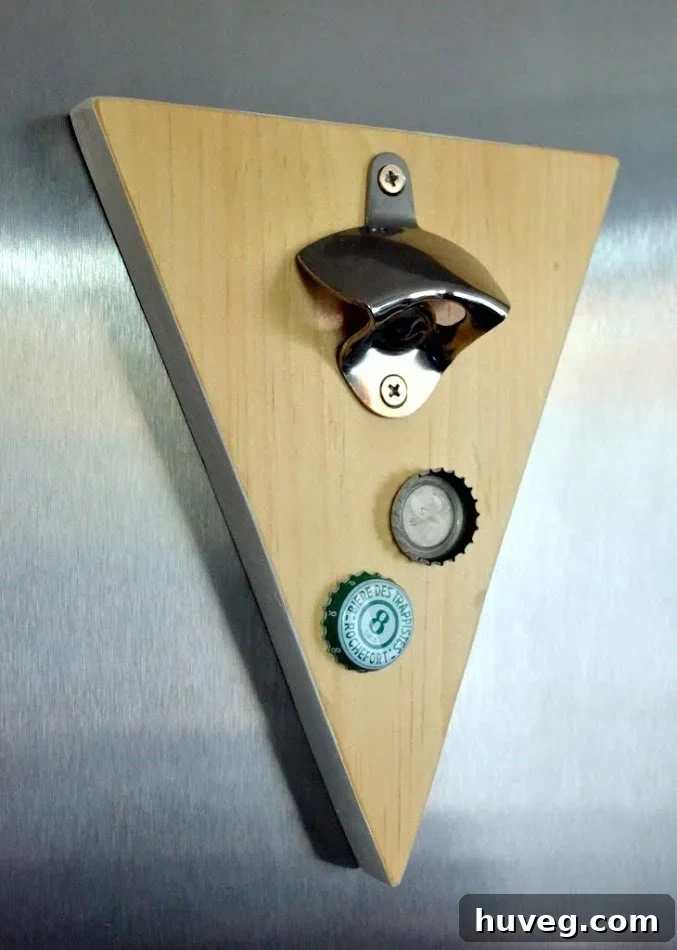
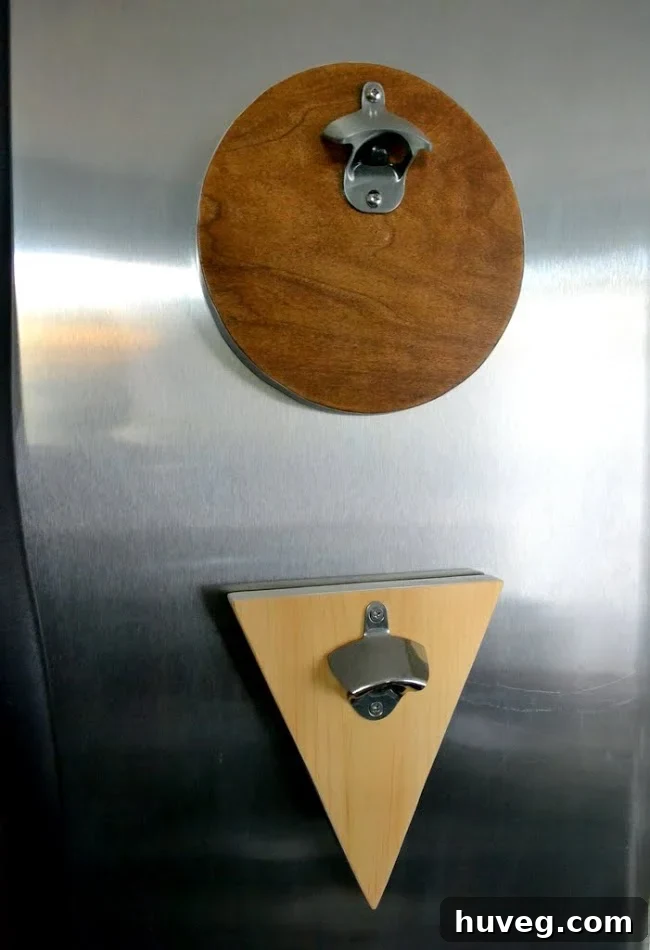
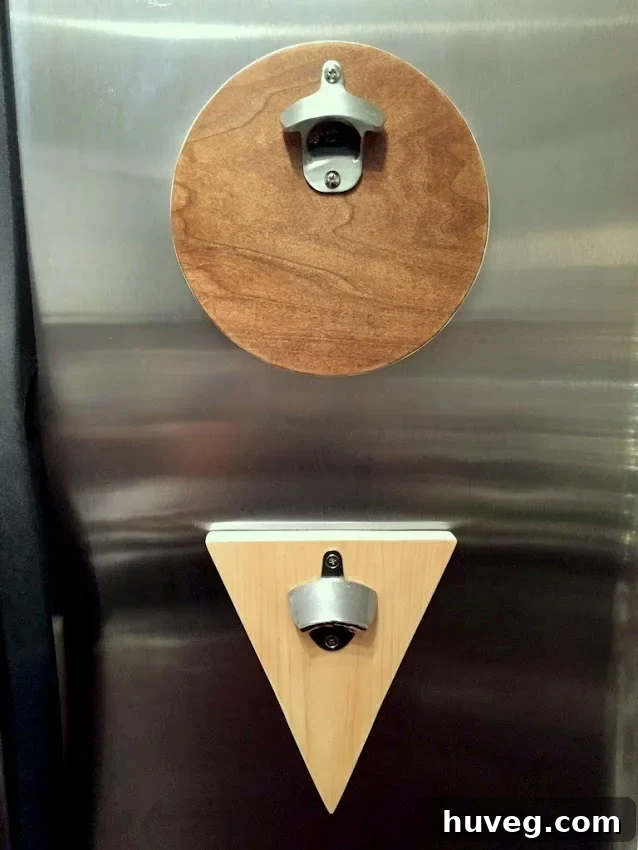
Before embarking on this project, I extensively researched various DIY magnetic bottle opener tutorials online. A common observation was that nearly all designs featured a similar long, rectangular shape, typically 8-10 inches in length. While there’s nothing inherently wrong with this classic design, I craved something unique and better suited to my kitchen’s aesthetic. My goal was to create bottle openers that were not only functional but also reflected a more personalized style. Therefore, I decided to experiment with a circular and a triangular shape, challenging the conventional and adding a distinctive flair to a common kitchen accessory. These unconventional shapes would allow my DIY magnetic bottle openers to stand out and truly become a conversation piece in any home bar or kitchen.
Materials Required for Your Custom Magnetic Bottle Opener
Gathering the right materials is the first step towards a successful DIY project. For these magnetic bottle openers, you’ll mainly be working with wood scraps and a few essential tools. Here’s what you’ll need:
- Scrap Wood: Poplar and pine are excellent choices due to their workability, but feel free to use any wood scraps you have on hand.
- Forstner Bits: Crucial for drilling clean, flat-bottomed holes for your magnets. Ensure the bit size matches your magnet diameter.
- Magnets: While ceramic magnets work, consider upgrading to stronger rare-earth magnets (like neodymium) for optimal cap-catching power and fridge adhesion.
- Strong Adhesive: A heavy-duty glue like E6000 is necessary to secure the magnets. Standard wood glue will not suffice.
- Straight Edge: Essential for accurate measurements and marking lines.
- Clamps: To secure your wood pieces while cutting, drilling, and gluing, ensuring safety and precision.
- Metal Bottle Opener Hardware: Choose a style and finish that complements your design. I sourced mine easily from Amazon.
- Miter Saw: Ideal for making precise angular cuts, particularly useful for the triangular design.
- Jigsaw: For cutting curved shapes, like the circular bottle opener.
- Mouse Sander: Great for detailed sanding in smaller areas and corners.
- Sandpaper: A variety of grits (60, 120, 240) for progressive smoothing and shaping of the wood.
- Wood Stain: To enhance the wood’s natural grain and add color.
- Paint: Your choice of color for decorative edges or accents.
- Wood Filler/Putty: For correcting imperfections, filling gaps, and smoothing rough edges.
- Clear Spray Sealer: A non-yellowing gloss finish to protect and seal the wood.
Step-by-Step Guide to Crafting Your Unique Bottle Openers
1. Shaping Your Scrap Wood: The Art of the Cut
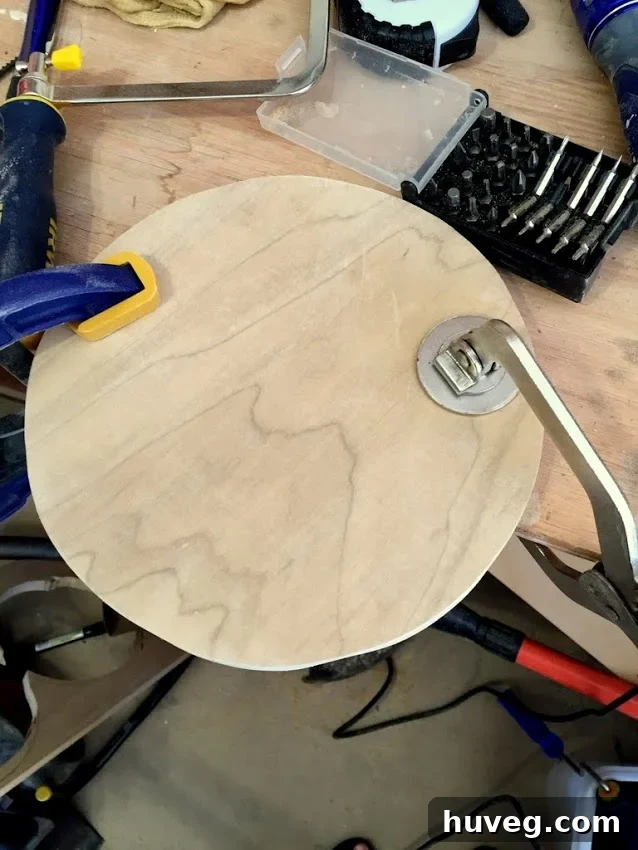
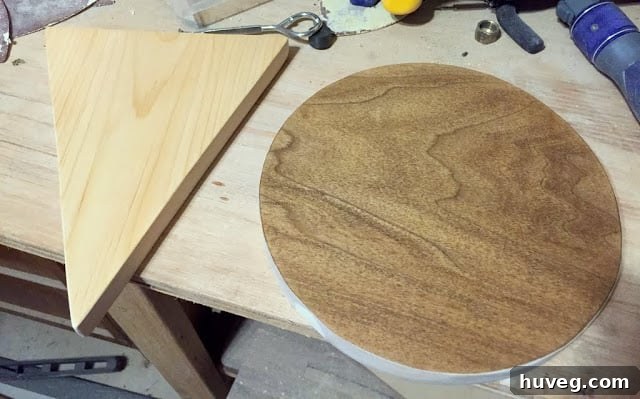
I began with the circular design, which proved to be the more challenging of the two. To achieve the round shape, I simply traced around a bowl, clamped the wood securely, and carefully cut it out with a jigsaw. Creating a perfect circle with a jigsaw requires a steady hand and a bit of practice – a skill I’m still perfecting! My jigsaw, which has a history of wandering, left a few uneven spots, necessitating some corrective work. Don’t be discouraged if your initial cuts aren’t flawless; wood filler and diligent sanding can remedy many imperfections.
The triangular version was significantly simpler. Starting with a square piece of 1×8 pine, I measured approximately 9 inches down from the top edge and marked the board at its halfway point. Then, using a straight edge, I drew lines from each top corner to this central mark, creating a perfect triangle outline. Despite my miter saw not having a sliding function, which can sometimes limit precision, the cuts were reasonably good. Any minor inaccuracies were easily addressed with wood putty and subsequent sanding.
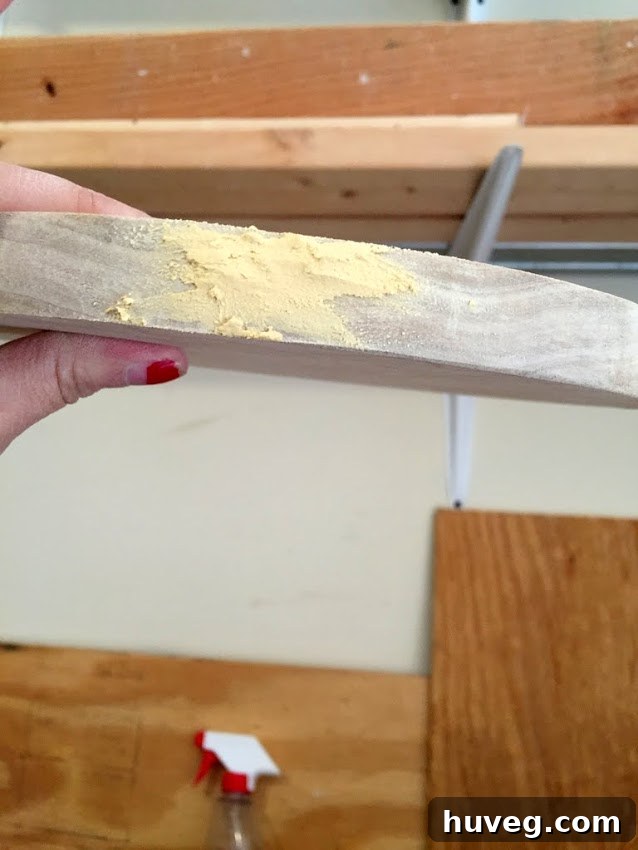
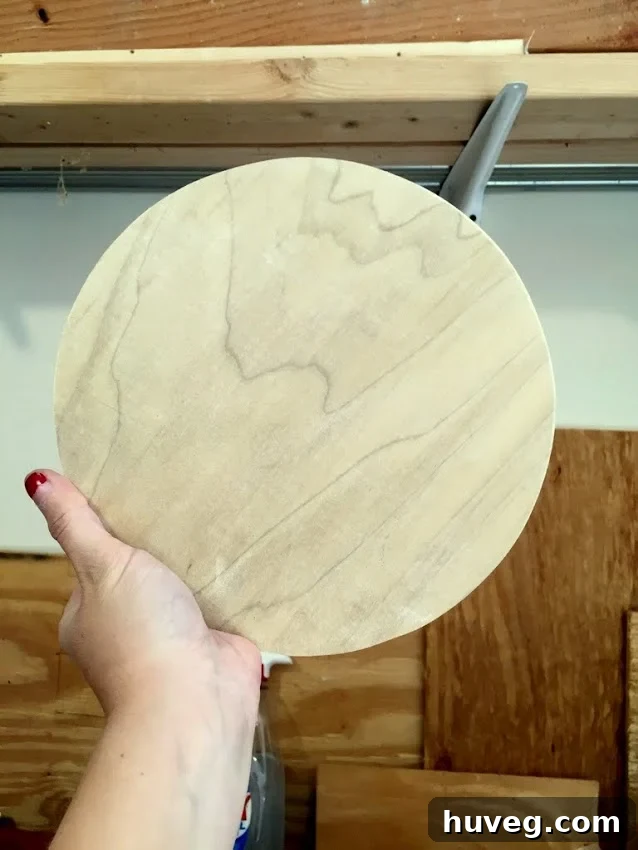
Speaking of sanding, has anyone else ever found themselves in this predicament?
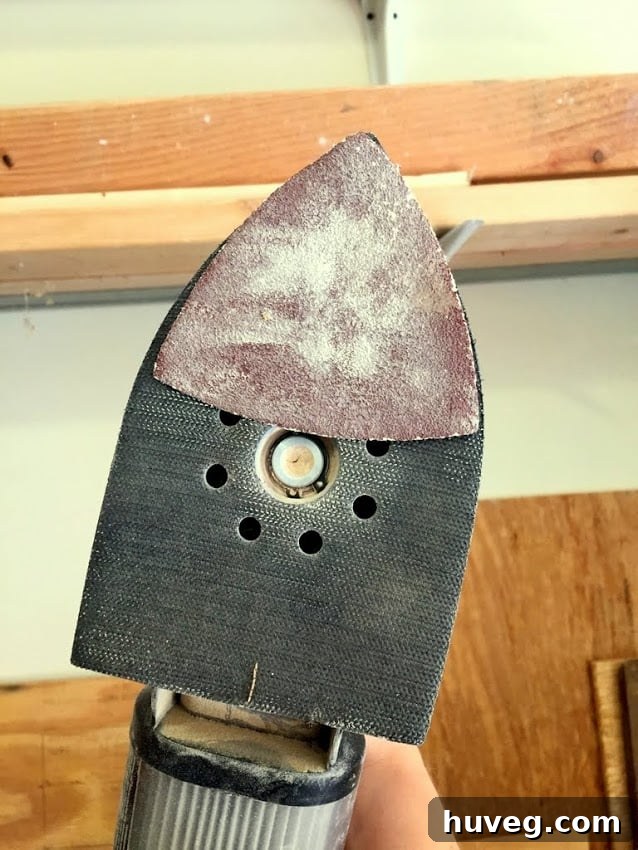
I know I possess sandpaper of the correct size, and I’m certain I have a sanding head that perfectly matches it. Yet, when the moment comes, these elusive items are nowhere to be found! Out of sheer impatience, I fashioned a makeshift sanding tip, and surprisingly, it worked quite well. Resourceful or just plain lazy? Perhaps a bit of both, but the job got done. After initial shaping with 60-grit sandpaper, I progressively smoothed both pieces using 120-grit and then 240-grit, creating a beautifully refined surface. I also focused on rounding the sharp corners for a softer, more finished look and feel.
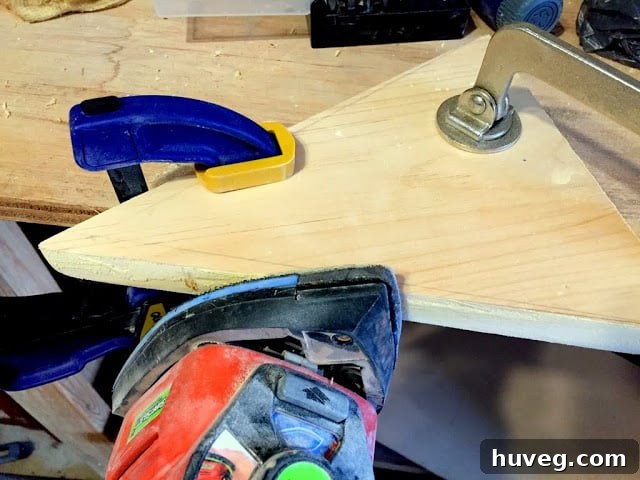
2. Staining and Finishing for Aesthetic Appeal
Next up was the staining process, where the character of the wood truly begins to emerge. For the triangular pine piece, I opted to leave it in its natural state, appreciating the light, unadorned beauty of the wood. The circular piece, however, received a richer treatment. I initially applied a coat of Burnished Walnut stain. When it appeared a bit too light for my desired depth, I followed up with two light coats of ZAR in Modern Walnut, achieving a deep, inviting hue that perfectly complemented the unique shape. This layering technique allows for greater control over the final color, ensuring the perfect finish for your DIY wood project.
3. Precisely Drilling for Magnets: The Key to Functionality
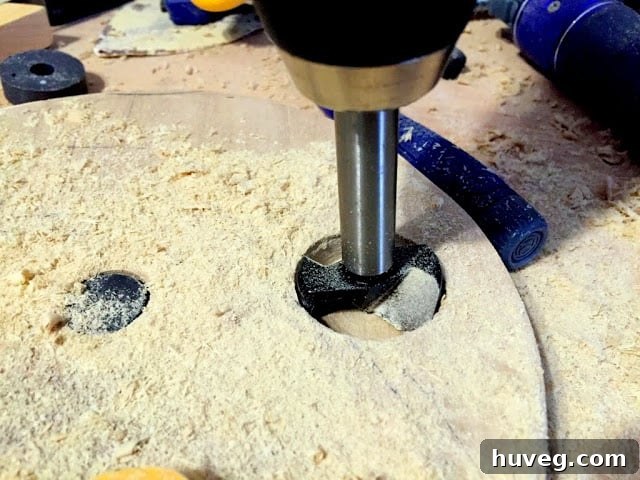
With the staining complete, my impatience got the better of me, and I moved on to drilling the holes for the magnets as soon as the stain was dry. I used two different-sized magnets for this project, thinking that a larger magnet for each opener would provide a stronger magnetic pull. Consequently, I used two different drill bits. Initially, I considered using spade bits, a common tool found in many homeowner’s bit sets and often recommended in online tutorials. However, I quickly realized that spade bits have a long centering point that would pierce through the relatively shallow wood pieces I was using, ruining the front surface.
To prevent this, I invested in a set of Forstner bits. These specialized bits are invaluable for woodworking, as they bore perfectly flat-bottomed holes without a protruding center point, making them ideal for creating precise, blind holes for magnets or other inlays. This ensured a clean, professional finish for my magnetic bottle openers.
4. Securing the Magnets: Maximizing Magnetic Power
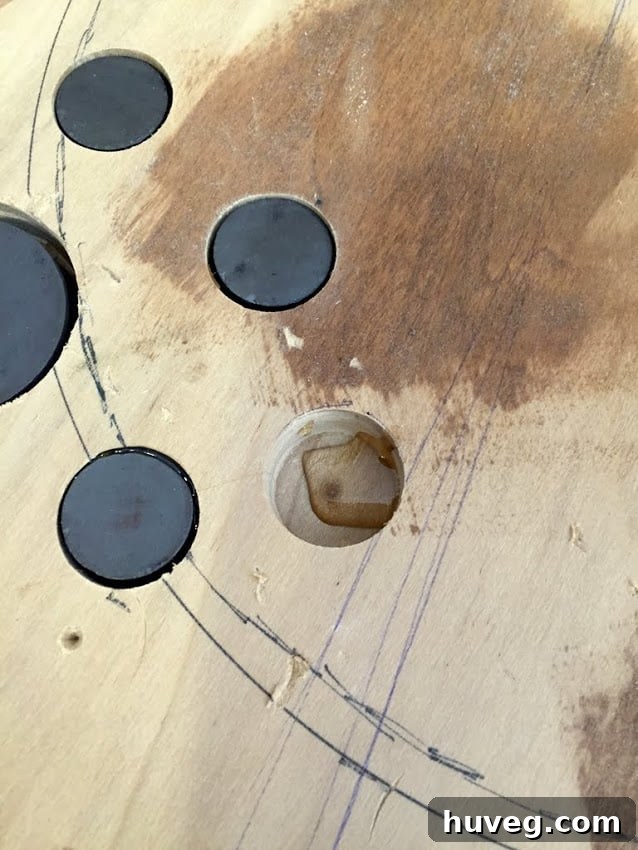
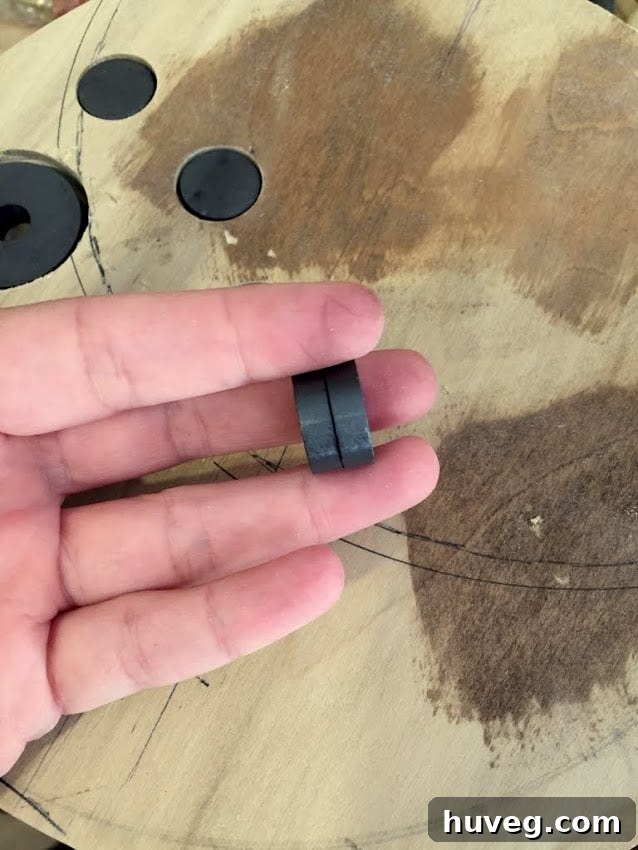
Once all the holes were meticulously drilled, it was time to secure the magnets. I used a strong adhesive like E6000, which is essential for a lasting bond. It’s crucial to note that standard wood glue will not provide the necessary strength to hold magnets securely in place, especially with the constant force of bottle caps. To enhance the magnetic pull and ensure maximum cap-catching ability, I doubled up each magnet, stacking them for increased strength. I utilized ceramic magnets that I already had on hand from a previous project, which was a great cost-saving win for this scrap wood challenge. While these ceramic magnets performed adequately for attaching to the fridge and catching bottle caps, if I were to redo the project or consider an upgrade, I would definitely opt for rare-earth magnets (like neodymium). These are significantly more powerful and would offer superior performance for a magnetic bottle opener, making it an even more impressive home bar accessory.
5. Final Touches and Testing
With the magnets securely in place, the edges of both wooden openers were painted a crisp, high-gloss white using a small paintbrush, providing a clean contrast to the stained wood. For durability and a polished finish, the entire surface was then sprayed with a non-yellowing gloss spray sealer. After allowing ample time for everything to dry thoroughly, the final step was simply attaching the chosen metal bottle opener hardware to the front of each piece. Then came the most enjoyable part: the quality control test! Always ensure your new creation works perfectly by testing it on a few (two to three, to be precise) beer bottles. No judgment here, just thorough testing!
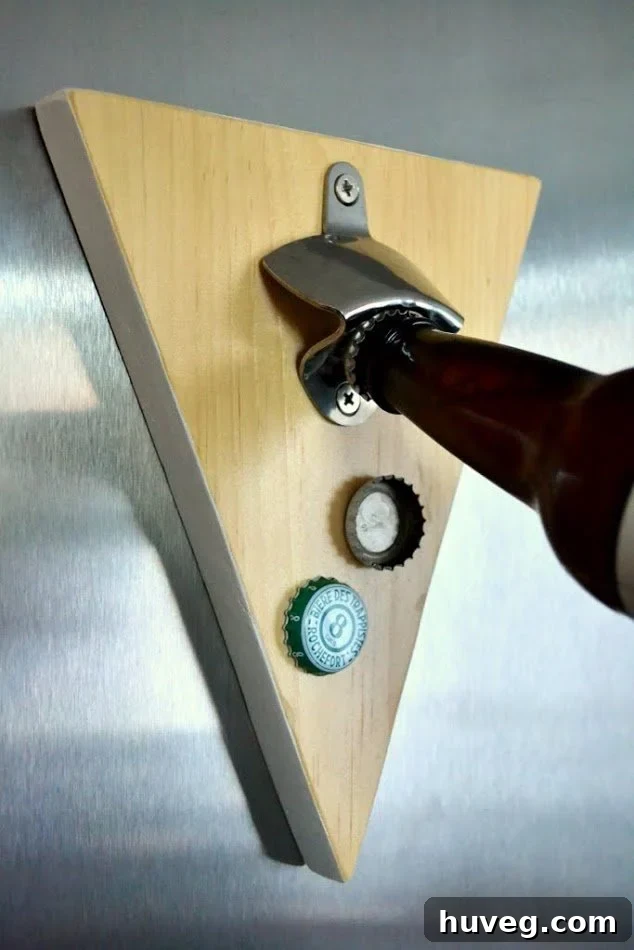
In total, each opener utilized two larger magnets and approximately ten smaller ones, all strategically clustered along the back for maximum magnetic force. These magnets proved strong enough to securely attach the wooden bottle opener directly to a refrigerator door, making it a convenient and stylish kitchen accessory. For those who prefer a more permanent fixture, you can easily drill an additional hole at the top with a Forstner bit to allow for screw mounting, transforming it into a stationary wall-mounted bottle opener. This flexibility in mounting options makes it a versatile addition to any kitchen, garage, or home bar.
Personalizing Your Creation and Hardware Choices
And there you have it – a truly unique and functional piece crafted from humble wood scraps! This magnetic bottle opener isn’t just a practical tool; it’s also an exceptional gift idea, especially for holidays or birthdays, given the myriad ways it can be personalized. Imagine adding custom lettering, painting the edges to perfectly match existing decor, or stenciling a unique pattern onto the magnetized area. The possibilities for customization are virtually endless, making each one a truly bespoke item. Personally, I found myself favoring the triangular design more, so the round one is likely destined to be a thoughtful birthday present for a friend (after I upgrade those magnets, of course!).
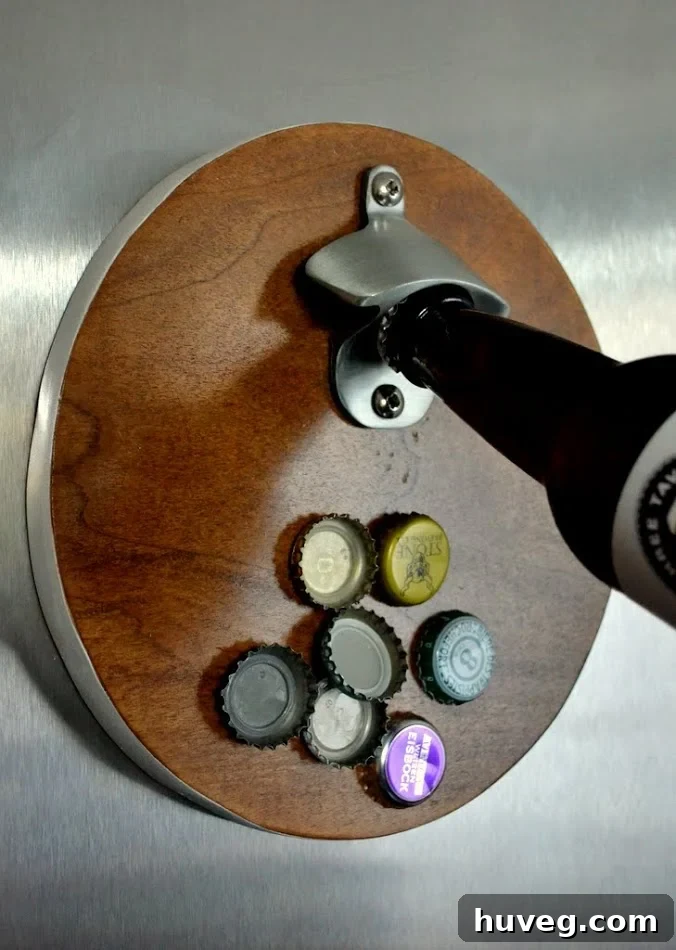
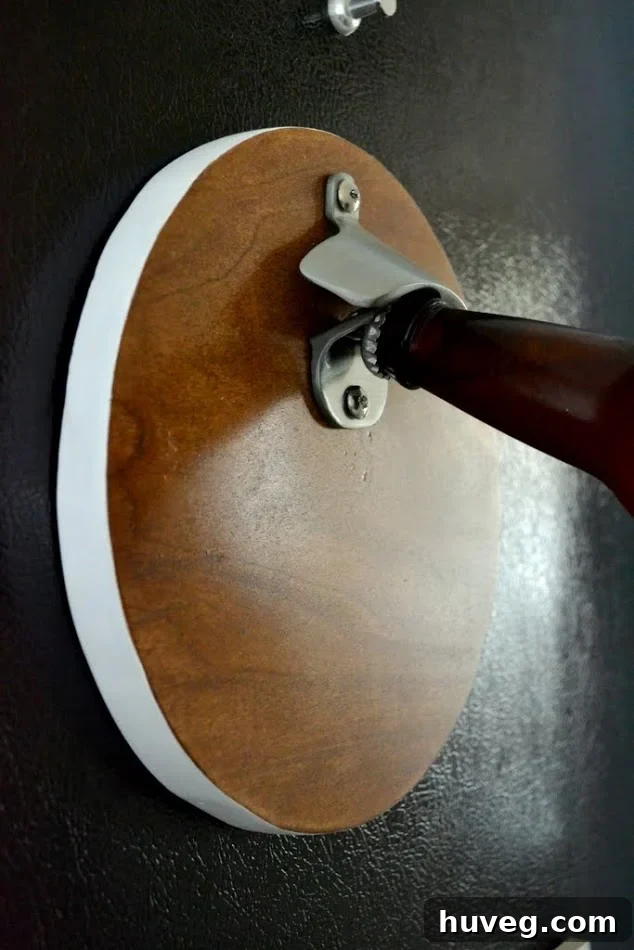
An interesting observation during testing was the significant difference in performance between the metal bottle opener hardware. The brushed stainless steel bottle opener used on the round version worked remarkably better than the polished one on the triangle. This was a bit disappointing, as I aesthetically preferred the polished look and its screws were of better quality (the brushed stainless hardware stripped quite easily). For future projects, I’ve also spotted a beautiful gold/brass option at Rockler that I’m keen to try, offering even more ways to customize the look and feel of these scrap wood creations.
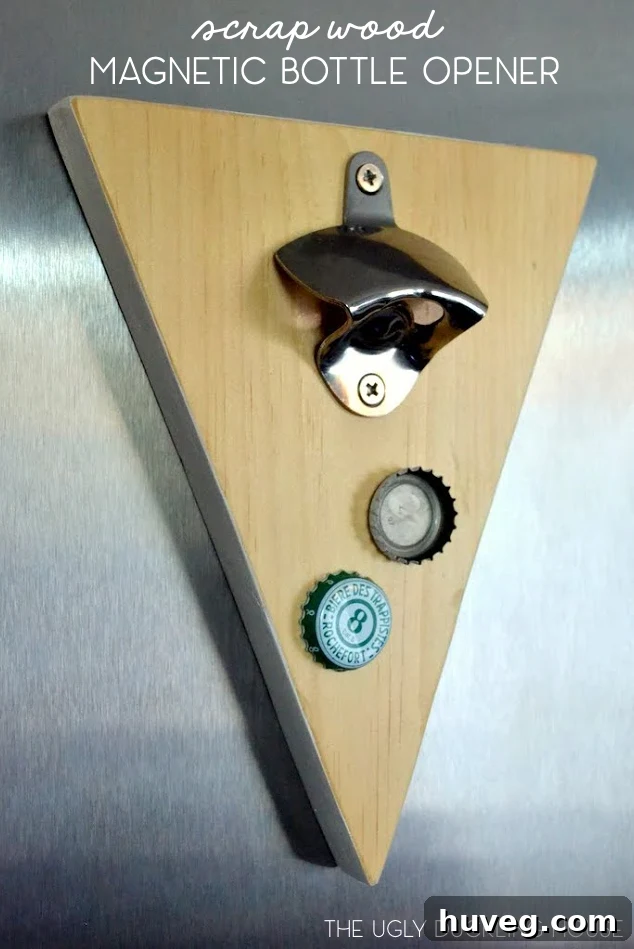
UPDATE: After spending more time with these creations, I managed to capture another candid snap of both at night. While the triangular version remains my personal favorite for its distinctive edge, the round one has steadily grown on me. Both are fantastic examples of how a simple bottle opener can be transformed into a truly crafty and stylish piece using nothing more than scrap wood. It’s an excellent way to elevate your bottle-cap opening experience and add a personal touch to your kitchen or entertaining space.
Want more Creative Scrap Wood Project Ideas?
The potential of scrap wood extends far beyond bottle openers! Don’t let those valuable off-cuts from larger woodworking projects and home DIYs go to waste. Repurpose, reuse, and revitalize them into stunning new creations. Below, you’ll find a curated collection of inspiring ideas on how to transform your wood scraps into gifts, decorative items, and much more. Click on any image or link to explore the detailed tutorial and start your next sustainable DIY adventure!
More Scrap Wood Ideas for Your Next Project
SEE ALL
From practical household items to charming decorative accents, these ideas will help you maximize the value of every piece of leftover lumber. Embrace sustainable DIY and discover the endless possibilities that await in your scrap wood pile!
-
Outdoor Bench Seat | DIY Garden Bench Plans
-
DIY Carved Hexagon Planter with Plant Stand
-
DIY Pinecone Christmas Place Card Holders
-
Wood Inlay Ornament with German Glass Glitter
-
Scrap Wood Wall Art
-
How to Build a Better Bee House | Free Plans
Do you have a secret stash of scrap wood accumulating around your house? What ingenious creations are you planning to bring to life with it? If this challenge has inspired you to tackle your own pile, I’d absolutely love to hear about your projects and see your unique scrap wood ideas come to fruition. Share your DIY journey and join the community of makers transforming wood scraps into extraordinary items!