Unfolding Brilliance

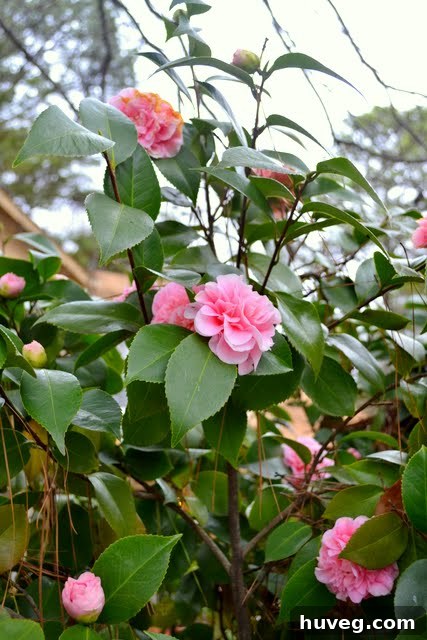
A Triumphant Return: The Story of Our Resilient Winter Camellias
Last year, our home experienced a significant refresh, thanks in no small part to the invaluable help of my aunt and uncle. Their week-long visit transformed from a casual reunion into a full-scale home improvement project. Together, we tackled an ambitious list: moving heavy cabinets, completely remodeling the downstairs bathroom, and giving much-needed attention to the front garden. Amidst the drywall dust and paint fumes, my aunt, with her discerning eye for landscaping, set her sights on a particular challenge in the front yard: the wildly overgrown camellia bushes.
These camellias, which had grown into what I affectionately called “Afro-like” mounds of foliage, were certainly distinctive, but lacked structure and elegance. My aunt, however, saw their potential. With a clear vision and an experienced hand, she embarked on a mission to transform these unruly bushes into beautifully coiffed, stately trees. It was a dramatic makeover, involving a significant amount of pruning and shaping that left me wondering if we hadn’t been a little too aggressive.
The Great Garden Pruning: Apprehension and Hope
Witnessing such a dramatic hacking – and I mean ‘hacking’ in the most loving, albeit slightly nervous, sense – can often leave a plant in shock, potentially sending it into a year-long dormancy. Add to that the subtle shifts in soil composition over time or unpredictable weather patterns, and you have a recipe for uncertain outcomes. Does it sound like I’m making up sophisticated botanical explanations? Because, honestly, I largely am! My personal knowledge of horticulture is, shall we say, minimalist. My gardening philosophy often boils down to a simple prayer: “Please, just stay green.” I consider myself incredibly lucky when my plants not only survive but sometimes even thrive.
For months, the transformed camellia trees stood silently, beautiful in their new architectural form but devoid of blooms. I wondered if my aunt’s bold intervention, despite her good intentions and expertise, had indeed sent them into a year-long sulk. The front garden, while tidy, missed the vibrant splash of color the camellias usually provided. There’s a particular kind of anxiety that comes with aggressive pruning, especially when you’re not entirely confident in your own gardening prowess. You question every cut, every decision, and anxiously await signs of life.
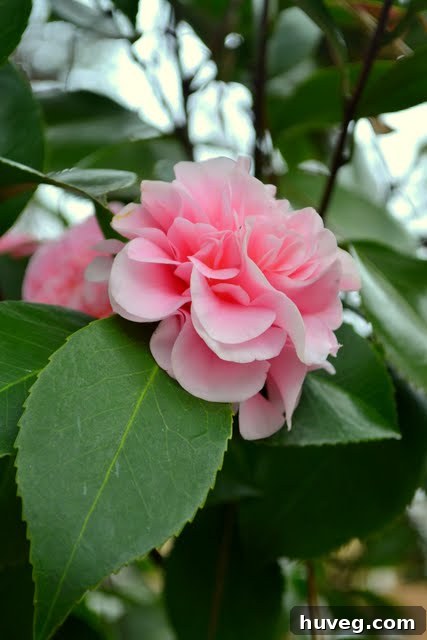
A Resilient Return: The Joy of Late Bloomers
This year, however, my patience and the camellias’ remarkable resilience were beautifully rewarded. As the cooler months set in, much to my immense pleasure, the first buds began to appear, slowly unfurling into spectacular flowers. It was a triumphant return, a testament to the hardiness of these magnificent plants. Prior to their radical trim last year, their blooms were a deep, rich pink, almost velvety in appearance. This year, something wonderful and unexpected happened: the flowers emerged in a lighter, more delicate shade – what I like to call a “Skipper” pink rather than the deeper “Barbie” hue. While a subtle change, it was nonetheless striking and brought a fresh, vibrant energy to the winter garden.
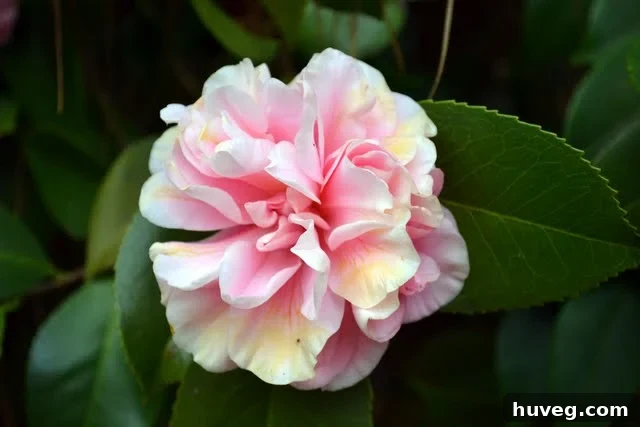
Understanding Camellias: A Mini Guide for Enthusiastic Amateurs
The experience with my camellias taught me a valuable lesson about gardening: sometimes, a bold intervention can lead to renewed vigor and beauty. For those inspired by this story, or perhaps facing their own overgrown camellia challenges, here’s a brief dive into understanding these gorgeous winter bloomers:
Types of Camellias and Their Blooming Habits
Camellias are broadly categorized into several types, with Camellia japonica and Camellia sasanqua being the most popular for home gardens. Japonicas are known for their large, often formal flowers and tend to bloom in late winter to early spring. Sasanquas, on the other hand, typically feature smaller, more delicate blooms and start their show in autumn and early winter. My camellias, with their late winter to early spring appearance, are likely Japonicas, known for their resilience even after significant pruning.
The Art of Pruning Camellias: When and How
The timing and technique of pruning are crucial for camellia health and bloom production. The best time to prune camellias is immediately after they have finished flowering. Pruning too late in the season, especially in summer or fall, risks removing the buds that have already formed for the next blooming cycle. While my aunt’s “dramatic hacking” was indeed bold, it was done at an opportune time (likely before new buds had extensively formed for the subsequent year) and with a clear purpose: reshaping. For light pruning, focus on removing dead, diseased, or crossing branches to improve air circulation. For heavier structural pruning, like transforming a bush into a tree, gradually remove lower branches over time to develop a strong central leader and an appealing canopy. Always use sharp, clean tools to ensure clean cuts that heal quickly, minimizing stress on the plant.
Essential Care for Thriving Camellias
Camellias thrive in well-drained, acidic soil, rich in organic matter. They prefer partial shade, especially protection from intense afternoon sun, which can scorch their leaves. Consistent moisture is vital, particularly during dry spells, but avoid overwatering as this can lead to root rot. A layer of mulch around the base of the plant helps retain soil moisture and regulate temperature. Feeding camellias with an acid-forming fertilizer formulated for acid-loving plants (like azaleas and rhododendrons) in early spring, after they’ve bloomed, can encourage robust growth and abundant flowers. Observing your plants for signs of pests or diseases and addressing them promptly will also contribute to their overall health.
The Mystery of Flower Color Change
While my camellias’ color shift from deep to “Skipper” pink was a delightful surprise, such changes can sometimes be attributed to various factors. Soil pH, for instance, can influence the pigment expression in some flowers, though camellias are not as dramatically affected by pH as hydrangeas. More commonly, environmental stressors, age of the plant, or even natural genetic variation can lead to subtle shifts in bloom coloration from one season to the next. Regardless of the scientific explanation, the refreshed hue added another layer of joy to their unexpected re-emergence.
Beyond the Blooms: The Therapeutic Power of Gardening
Seeing those beautiful, slightly lighter pink blooms reappear was more than just a visual delight; it was a profound lesson in patience and the indomitable spirit of nature. Gardening, even for a self-proclaimed novice like me, offers incredible psychological benefits. It teaches us to observe, to wait, and to appreciate the small victories. It connects us to the cycles of life and reminds us that sometimes, after a period of rest or a radical change, the most beautiful things can emerge. The transformation of our camellias from unruly bushes to elegant trees, and their subsequent, slightly-altered bloom, has become a cherished story in our home.
My garden, much like life, often throws delightful surprises my way. This winter, it was the stunning, re-emergent camellias. How about your yard? Have you experienced any surprising late bloomers or unexpected transformations that brought joy to your outdoor space? Share your stories and tips for winter gardening – I’d love to hear them!

Did you enjoy this post and want to stay updated on our latest home and garden adventures? Please subscribe to receive the freshest content delivered directly to your reader or inbox for free!