Transforming Shrubs into Elegant Small Trees

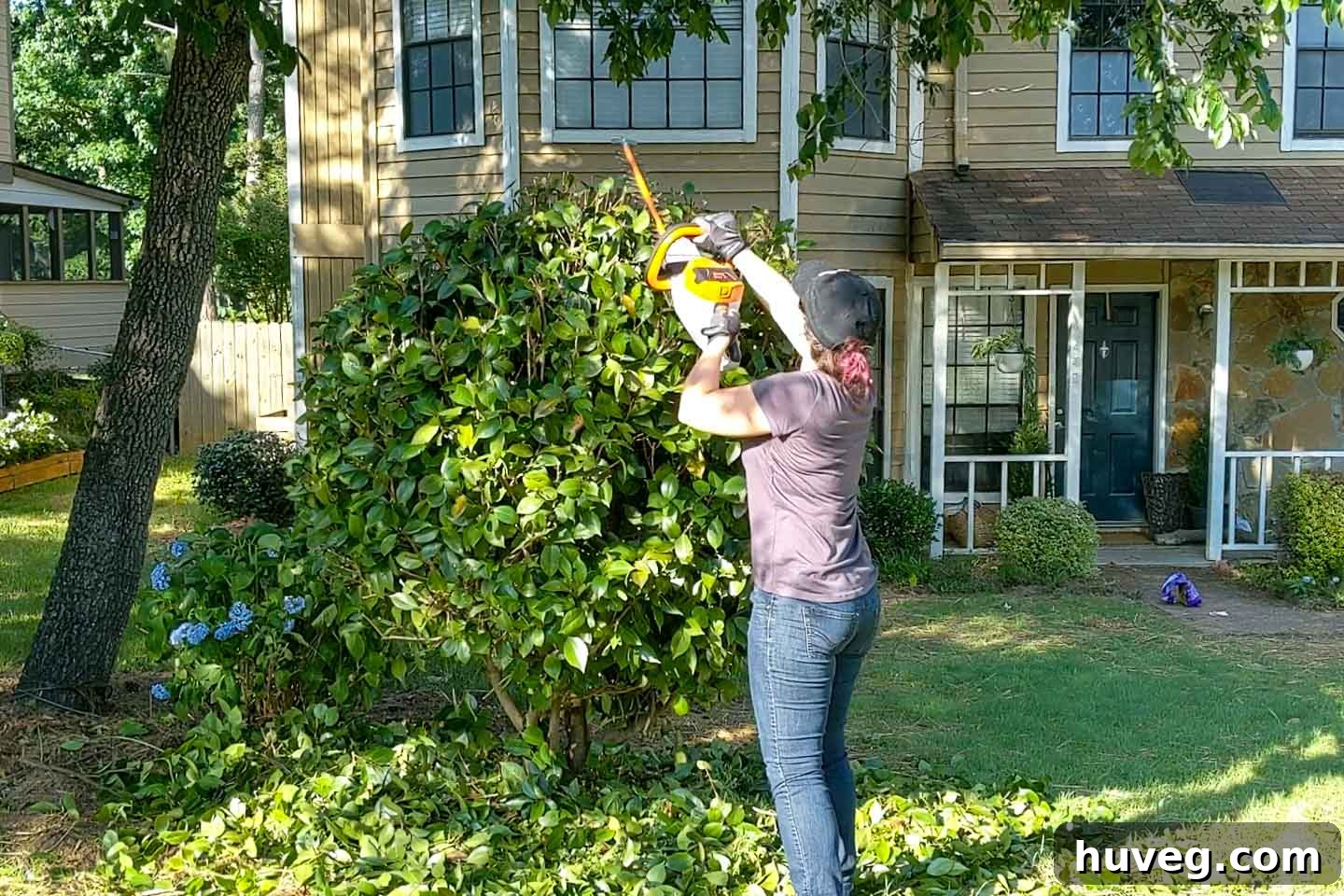
There’s a unique charm in transforming an overgrown, dense shrub into an elegant, miniature tree. This process, often called “standardizing” a shrub, elevates its aesthetic appeal, opens up your garden space, and creates a focal point that’s both sophisticated and natural. While the idea of reshaping a large bush into a single-stemmed, or multi-stemmed tree-like form might seem daunting, it’s a rewarding endeavor that can significantly enhance your landscape. In this comprehensive guide, we’ll walk you through the essential steps, tools, and techniques to successfully achieve this stunning garden transformation, turning your robust shrubs into petite, graceful trees.
Mastering the Art of Shrub-to-Tree Transformation
The journey from a bushy shrub to a refined small tree involves careful planning, precise pruning, and a good dose of patience. The key distinction, and indeed the entire objective, is to cultivate a prominent trunk (or a few select trunks) that supports a sculpted canopy above. This isn’t just about aesthetics; creating a clear trunk allows for better air circulation, less disease susceptibility, and opportunities for underplanting. Let’s dive into the specifics.
Selecting the Perfect Shrub for Transformation
Not all shrubs are equally suited for this elegant makeover. The success of your project largely depends on choosing the right candidate. Look for shrubs that naturally develop strong, upright stems that can eventually serve as your chosen trunk(s). My camellias, for instance, were prime candidates in my front yard. Their established structure and dense growth made them ideal for the “shrub-into-tree” process. I even documented one such transformation, showcasing the initial stages of selecting and shaping these beautiful plants.
Ideal Characteristics to Look For:
- Strong Central Stems: The most crucial factor. You need one or more sturdy stems that can be trained into a trunk. Avoid shrubs with overly weak, brittle, or multi-branching stems right from the base.
- Good Branching Structure: Once the lower branches are removed, the remaining upper branches should be capable of forming an attractive canopy.
- Vigorous Growth: A healthy, robust shrub will recover better from the significant pruning involved.
- Examples of Suitable Shrubs: Camellias, Privet, Lilac (Syringa), Some Hydrangeas (especially paniculata varieties), Viburnum, Dogwood, and even certain larger varieties of Rose of Sharon can be excellent choices. These varieties typically possess the necessary stem strength and growth habits.
Once you’ve identified your chosen shrub, the next step is to prepare your tools and your strategy for the actual pruning process.
Essential Tools for Precise Pruning and Shaping
Attempting this transformation with inadequate tools is not only incredibly difficult but can also harm your plant. While a simple pair of hand pruners might work for very small, young shrubs, tackling a larger, established bush requires more robust equipment. Investing in quality tools will save you time, effort, and ensure cleaner cuts for the health of your plant.
The Power of Battery-Powered Hedge Trimmers
For significant clearing and initial shaping, a reliable hedge trimmer is indispensable. Trying to cut through numerous thick branches by hand is laborious and can lead to uneven results. A battery-powered hedge trimmer, specifically, offers unparalleled convenience and efficiency. You’ll be moving all around, above, and even below the shrub to achieve the desired shape, and being tethered by a cord or managing fuel for a gas-powered unit is simply impractical. The freedom of movement and consistent power of a battery unit make the task considerably easier and safer.
I personally rely on my STIHL battery-powered hedge trimmer. Having reviewed my set of STIHL battery-powered tools previously, I can confidently say they remain my absolute favorite. The consistent performance, ease of use, and rugged durability make them invaluable for various yard tasks, especially for projects like shaping shrubs into trees.
The Advantages of a Unified Battery System
One of the biggest perks of modern battery-powered gardening tools is the ecosystem they create. With systems like STIHL’s, you can typically use the same battery across multiple tools – from your hedge trimmer to a leaf blower, chainsaw, or even a lawnmower. This interchangeability means less time spent searching for the “right battery” for a specific tool and more time getting work done. It’s a massive upgrade from the days of disparate, corded, or gas-powered equipment, which often meant dealing with tangled wires, messy fuel, or unreliable refurbished tools.
Beyond hedge trimmers, you might also need:
- Hand Pruners (Bypass Type): For making precise cuts on smaller branches (up to ¾ inch thick).
- Loppers: Essential for cutting thicker branches (up to 2 inches thick) that are too large for hand pruners but not quite thick enough for a small saw.
- Pruning Saw: For any branches thicker than 2 inches, ensuring a clean cut close to the main trunk.
- Safety Gear: Always wear sturdy gardening gloves and eye protection. Depending on the size of the shrub and tools used, ear protection and long sleeves/pants are also recommended.
The Step-by-Step Pruning Process for Shaping Your Shrub
With your tools ready and your ideal shrub identified, it’s time to embark on the actual transformation. Remember, this is a gradual process that prioritizes plant health over immediate results. Patience is your best friend here.
Identifying and Nurturing the Central Trunk
The first and most critical step is to identify the strongest, most upright stem(s) that will form your future trunk. For a single-stemmed tree, choose the straightest and most vigorous central leader. If you prefer a multi-stemmed look, select 2-3 strong, well-spaced stems. Clear away any debris or smaller branches at the base to get a clear view.
Once you’ve chosen your trunk(s), begin by systematically removing all other competing stems and branches that originate from the ground or very low on the chosen trunk(s). Use your loppers or pruning saw for thicker stems, making clean cuts as close to the ground or the main trunk as possible without damaging the bark of the chosen trunk.
The 2/3 Rule: A Golden Guideline for Plant Health
This rule is paramount for the health and recovery of your shrub. When trimming an overgrown shrub, it’s crucial not to remove too much foliage at once. Drastically reducing the plant’s leaf mass can put it into shock, hinder its ability to photosynthesize, and make it difficult to recover. The general rule is to never remove more than one-third of the plant’s total foliage in a single pruning session.
For our shrub-to-tree transformation, this means focusing on the bottom third of the plant each year. Gradually remove lower branches from your chosen trunk(s) in stages, allowing the plant to recover between pruning cycles. If your goal is a tall, clear trunk, it might take two or even three years to achieve it safely, adhering to this rule. Even if that means not cutting everything down to a single trunk in the first year, the health of your camellias (or other shrubs) will thank you. Upper foliage is vital for nutrient production, especially when lower, soil-touching branches are removed. Allow the shrub to recover for a full year before undertaking another significant pruning session.
Step Back and Check Your Progress Frequently
Shaping a shrub into a tree is more an art than a science, requiring an “easy-does-it” approach. After making a few cuts, step back and observe your work from a distance. Then, approach the shrub from multiple angles – from the street, from your doorstep, from the side, and even from above if possible. What looks good from one perspective might appear unbalanced or awkward from another. This iterative process of cutting, stepping back, and evaluating will help you achieve a well-proportioned and aesthetically pleasing result that looks good from every viewpoint.
Long-Term Care and Maintenance for Your Newly Formed Tree
Once you’ve established the initial tree shape, ongoing maintenance is crucial to preserve its form and ensure its health. This includes:
- Regular Pruning: Continue to remove any new suckers that emerge from the base of the trunk or from the ground. Trim back any branches that grow too low on the trunk. Lightly shape the canopy to maintain its desired form, removing crossing branches or those growing inward.
- Watering and Fertilization: Support your newly trained tree with adequate water, especially during dry spells, and an appropriate fertilizer to encourage healthy growth and recovery.
- Pest and Disease Monitoring: With improved air circulation, many standardizing plants become less prone to certain fungal diseases. However, always keep an eye out for pests and diseases, addressing them promptly.
With a little patience and consistent care, your shrub will gradually transform into a beautiful, enduring small tree that adds immense character to your garden.
Beyond Pruning: Enhancing Your Garden with Essential STIHL Tools
While the hedge trimmer is central to shrub shaping, a well-equipped gardener needs a versatile set of tools for overall yard maintenance. Last year, STIHL generously provided me with several yard tools, and this year, they’ve upped the ante with two new pieces of equipment that have significantly streamlined our outdoor chores.
The Next Generation of Lawn Care: STIHL’s Battery-Powered Mower
Our old gas-powered mower gave up the ghost, leaving us with a massively overgrown lawn in both the front and back. It was a rough start to spring, reminding me how crucial proper lawn care is. Thankfully, our efforts to cultivate a lush lawn in the back paid off, preventing it from becoming a weed-filled jungle like the front had become!
Enter the hero: our new battery-powered mower from STIHL. This machine is a game-changer. It’s noticeably quieter than its gas-guzzling predecessor, yet incredibly powerful. The grass in the back had grown exceptionally tall, a challenge that would have typically required multiple passes or even pre-trimming with the old mower. With this new STIHL mower, we set the cutting height once, and it devoured the tall grass effortlessly, without missing a beat.
Another fantastic feature is its compact design. It conveniently folds up, allowing for easy storage in the shed, a significant space-saver compared to bulkier mowers. Our dog, Stella, is also much happier now that the grass no longer towers over her, making her backyard adventures far more enjoyable!
The only minor “con” compared to our old mower is that it’s not self-propelling. However, this is a small trade-off for the immense benefits: no more trips to refuel, no more wrestling with pull-cords to start it (a simple button press does the trick!), which often served as my excuse to delegate mowing duties. While I may never truly love mowing, this new battery-powered marvel significantly reduces the obstacles, making it much easier to simply get the job done efficiently.
Unleash the Power of Clean with a New Pressure Washer
And for the second new addition to our arsenal? A brand-new pressure washer! I received countless jokes when we painstakingly hand-washed Ruby, with everyone suggesting we “just use a pressure washer.” The simple truth was, we didn’t have one! (Plus, that particular spot near the camper lacked a hose or water supply, but that’s a story for another time.)
Now, I have a powerful, efficient option to get things absolutely squeaky clean! This tool is incredibly versatile and useful for all sorts of outdoor cleaning tasks. From thoroughly washing vehicles like Ruby to deep cleaning patios, siding, decks, fences, and even garden furniture, a pressure washer makes quick work of stubborn dirt and grime. I’ll be dedicating a separate post to delve into all the specific ways we put this fantastic tool to use around our home and property.
Transforming your garden doesn’t have to be a monumental task. With the right approach to pruning, a clear vision, and reliable tools, you can create stunning focal points like elegant small trees from existing shrubs. Embrace the journey, enjoy the process, and revel in the beauty of your enhanced outdoor space.
Don’t forget to pin this guide for future reference and share your own shrub-to-tree transformation stories!