Sinkhole Repair and Yard Makeover Part 1

A significant milestone in my home improvement journey has just been reached, and I’m incredibly eager to share this update. As I pen this post, a profound sense of accomplishment, albeit accompanied by a touch of lingering exhaustion, washes over me. This feeling is intimately tied to the substantial undertaking I hinted at in my previous article: a massive mound of earth that promised to transform my backyard.
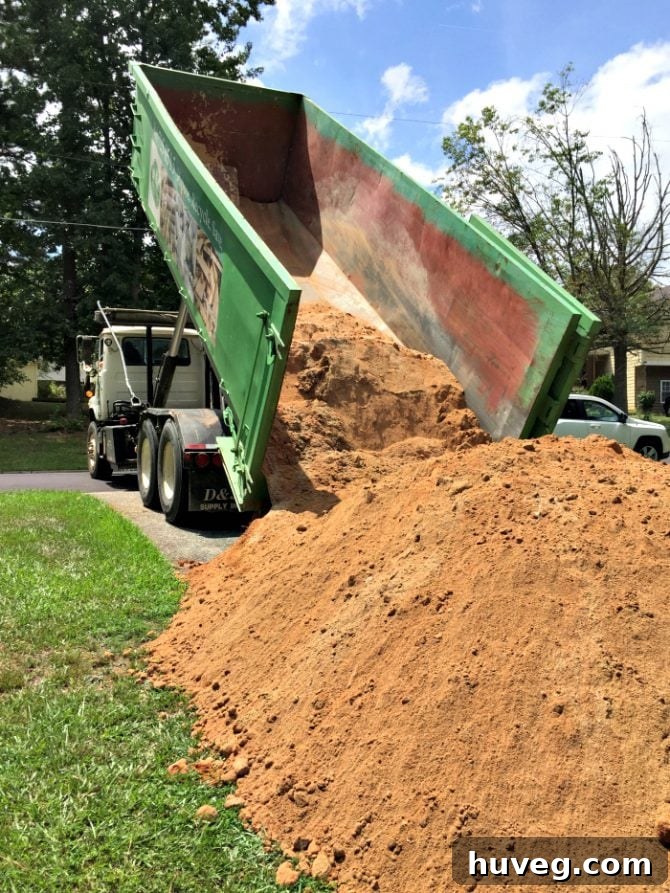
I’ve successfully tackled one of the most ambitious projects I’ve ever undertaken at the Ugly Duckling House. Over the past week, two essential deliveries arrived at my home: this imposing pile of fill dirt, followed by a crucial load of nutrient-rich topsoil. These materials were vital for addressing a long-standing issue in my backyard – a persistent sinkhole that had rendered a significant portion of my outdoor space unusable. For those who have been following my progress on social media channels like Instagram and Facebook, you’ve likely caught glimpses of the journey through photos and videos. This is precisely where the transformation began:
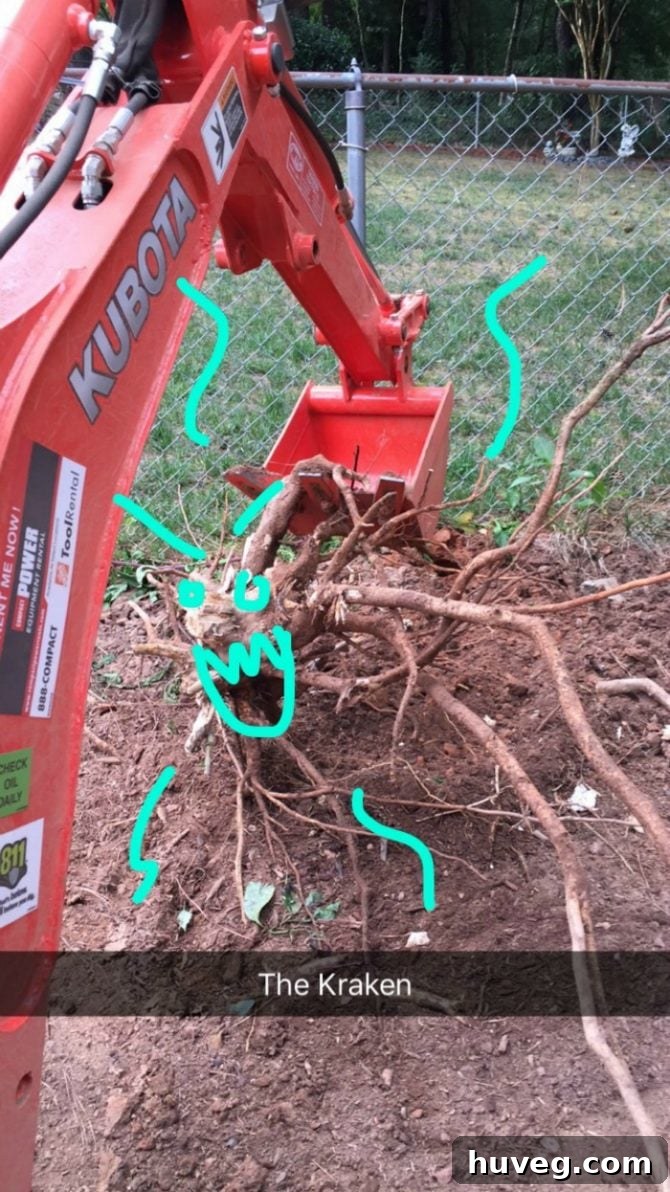
After several grueling days under the Georgia sun, operating what I affectionately dubbed “a giant toy,” I confess there were moments when my resolve wavered. The relentless task of extracting tenacious roots and maneuvering heavy equipment pushed me to my limits, leading to a few delightfully goofy interludes. My dedication to this backyard leveling project was unwavering, even if it meant a temporary lapse into playful exhaustion.
While the urge to present a dramatic before-and-after transformation in one sweeping reveal is strong, the sheer volume of details to cover necessitates a multi-part series. I’m saving the truly stunning final shots for the concluding post, which will also feature an exciting giveaway from my project sponsor, Compact Power Equipment Rental. Trust me, the wait will be entirely worthwhile for the full reveal of this comprehensive backyard makeover. Stay tuned!
If you’re wondering about my current state of fatigue, let me assure you, your assessment is unequivocally correct. The intense physical labor involved in this backyard transformation has left me utterly drained, yet incredibly satisfied. Just this morning, I noticed one of my favorite tank tops had acquired an unexpected pink hue on the back, perfectly outlining my sports bra. This curious dye transfer, occurring after countless washes, speaks volumes about the sheer volume of sweat produced during those five consecutive days in the relentless Georgia summer heat. Beyond the peculiar wardrobe alteration, I’ve accumulated an array of distinctive tan lines across my shoulders, back, and legs, testament to my prolonged exposure to the sun. Furthermore, my body is experiencing a symphony of unusual muscle aches, a direct consequence of operating heavy machinery not typically designed for someone of my stature. In essence, I embraced the role of a dirt-covered, bug-spray-scented, human swamp monster – all in the noble pursuit of reclaiming my backyard from its persistent hollow.
Numerous half-formed jokes are currently swirling in my mind after that last description, but my exhaustion prevents me from crafting them into proper punchlines. So, I shall simply move forward with the story of this significant home improvement project.
Mastering the Backyard Sinkhole: A DIY Guide
This extensive backyard transformation unfolds in a comprehensive 3-part series, guiding you through every step of addressing a sinkhole and achieving a perfectly level yard:
- Part 1: Your journey begins here, with an introduction to the project and the history of my backyard sinkhole.
- Part 2: Diving deep into the nitty-gritty details – practical steps, challenges, and solutions for effective yard leveling.
- Part 3: The grand reveal with stunning before and after photos! Discover the dramatic transformation and celebrate the completion of this ambitious project.

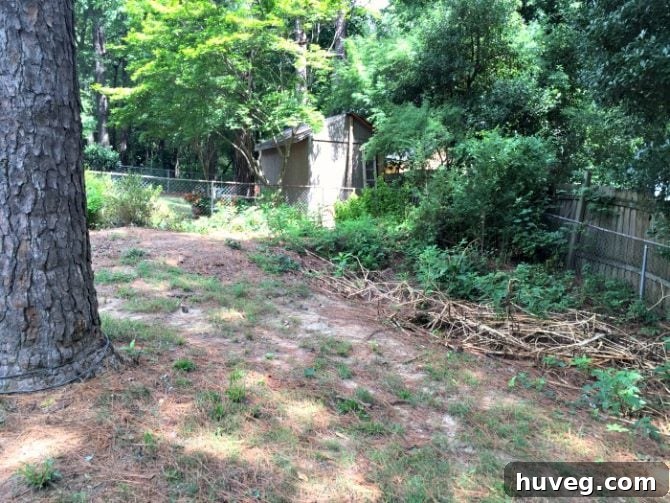
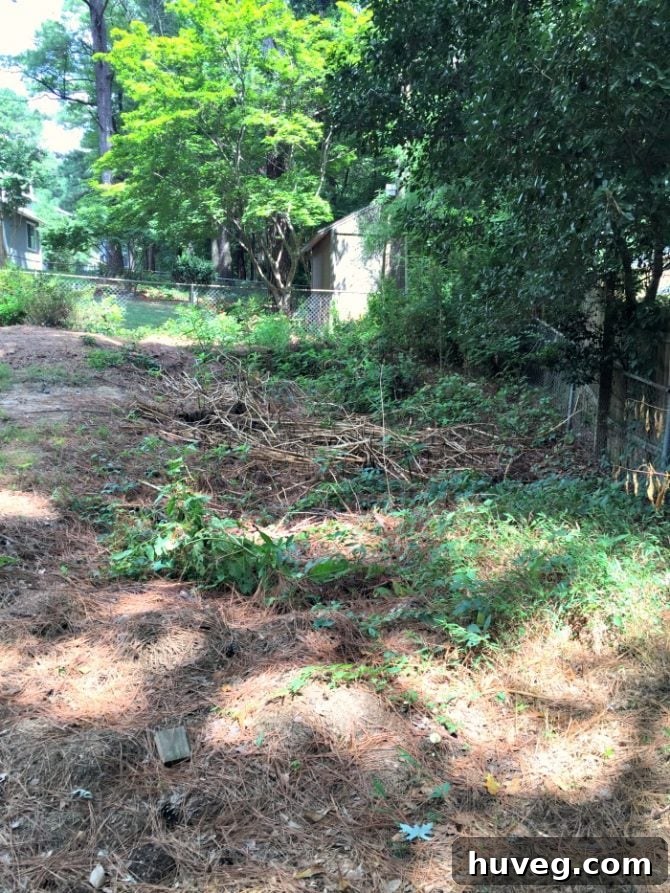
The genesis of this entire project was a fascinating blend of necessity and serendipity. I’d been aware of the sinkhole in my backyard for several years, a nagging issue that constantly eluded resolution due to budgetary constraints. The combined cost of fill dirt, topsoil, machinery rental, and potential labor was simply too prohibitive at the time. Consequently, my approach for years involved merely tossing yard debris into the depression and strategically avoiding the area altogether. My dog, Charlie, seemed perfectly content with this arrangement; it had become her secluded outdoor sanctuary, undisturbed and offering ample privacy. Regrettably, this meant that for approximately six years, half of my backyard remained an unsightly, underutilized expanse. But let’s rewind and delve deeper into the origins of this particular sinkhole, ensuring we’re all on the same page regarding its unusual history.
The Hidden History: Uncovering My Backyard Sinkhole’s Origins
When the term “sinkhole” is mentioned, many people immediately conjure images of dramatic news reports: entire streets collapsing, vehicles swallowed whole, and the earth appearing to have been violently bitten away. However, in my personal experience, the reality of my backyard sinkhole was far less apocalyptic, though no less problematic. The root cause traces back to 1982, the year my house was constructed. It was a common, albeit unethical, practice for builders and contractors in Georgia to cut corners by burying construction waste – including tree stumps, general trash, and other yard debris – directly on the building site, rather than incurring the expense and effort of hauling it to a proper dump for disposal. Over a period of 10 to 15 years, this buried organic matter would inevitably decompose, causing the ground above to settle and sink. Nature would then exacerbate the issue, with rainwater washing away additional soil, further deepening the depression, often by several feet. The surface might appear subtly sunken, or the issue might only become apparent and potentially hazardous when stepped upon. If these hidden pits were located near a foundation, driveway, or other structural elements, they could lead to significant and costly problems. Unfortunately, many builders often escaped accountability, either due to statutes of limitations expiring or fines being insignificant compared to proper disposal costs.
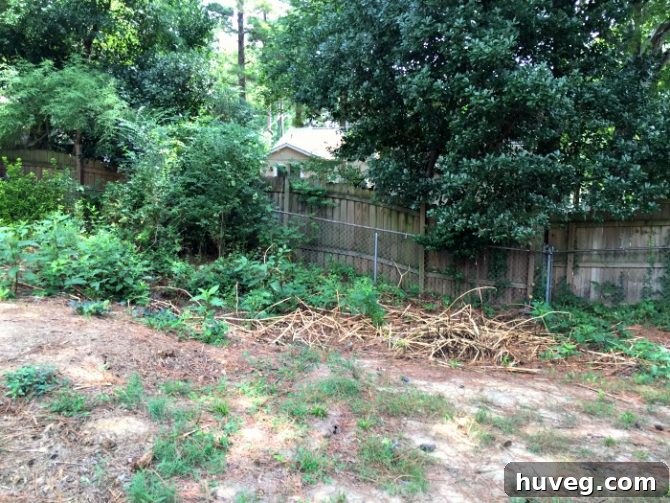
Considering my previous encounters with the lazy construction practices employed on this property – such as discovering a ceiling fan box in the attic that was never installed, or unearthing a pile of trash beneath the stairs during a repair – it’s entirely plausible, even expected, that the original builders were responsible for this hidden sinkhole. This pattern of negligence made the existence of a buried debris pit in my backyard all the more believable.
While laws introduced since the 1990s have aimed to curb such practices, various articles suggest that burying construction waste remains an occasional clandestine act. Fortunately for me and my immediate neighbors, we were comparatively lucky. These historical trash pits were located in back corners of our lots, far from the house foundations. This meant they were primarily an annoyance – sunken sections of the yard – rather than structural threats. Insurance companies, typically, show little concern unless foundational integrity is compromised. The previous owner, in compliance with disclosure laws, informed me that she had once filled the hole with fill dirt. Given that the buried materials had likely not fully decomposed at that time, it was understandable that the area continued to settle over the years. Many of my neighbors have taken similar action, filling their respective pits once or twice and then leveling the surrounding yard. Their experiences provided invaluable insight, giving me a clear roadmap for how to effectively tackle and permanently fix the sinkhole in my own backyard, empowering me to approach this significant DIY project with confidence.
—————
Before delving into the subsequent phase of this backyard transformation saga, I feel it’s important to preemptively address a crucial point, likely to spark discussion in the comments section. I’ve received a wealth of advice from experienced individuals regarding this issue, and some online resources vehemently advocate for a different approach. They often assert, with multiple exclamation points, that the “correct” method involves extensive excavation of the problematic area to remove any remaining stumps or debris that could continue to decay, thereby preventing future settling. While this method guarantees a more definitive long-term solution, it comes with significant drawbacks. I ultimately chose not to pursue full excavation for several compelling reasons:
- Firstly, nearly 35 years have elapsed since the trash was initially buried, far exceeding the typical 10-15 year window during which most remediation efforts occur. This extended period suggests that a substantial portion of the organic decay has already taken place, minimizing the risk of significant future settling.
- Secondly, the previous owner undertook her own filling and compaction efforts approximately 15-20 years ago. To excavate now would first require digging up all the soil she painstakingly added, essentially undoing past work before even beginning the primary excavation.
- Thirdly, and perhaps most importantly, full excavation is a monumental project, often costing tens of thousands of dollars. As a homeowner with student loan obligations, a spare $25,000 for dirt removal is simply not a feasible option. My chosen method, even if it requires re-filling the pit once more before I eventually move, remains considerably more cost-effective. Moreover, many of my neighbors have successfully managed their similar sinkholes using this approach for years without significant issues, providing a practical precedent.
- Lastly, and perhaps with a touch of defiance: it’s my yard, and I’ll cry if I want to… and if I want to fill it my way, I will!
—————
Sourcing the Right Tools: Finding Equipment for Your Backyard Project
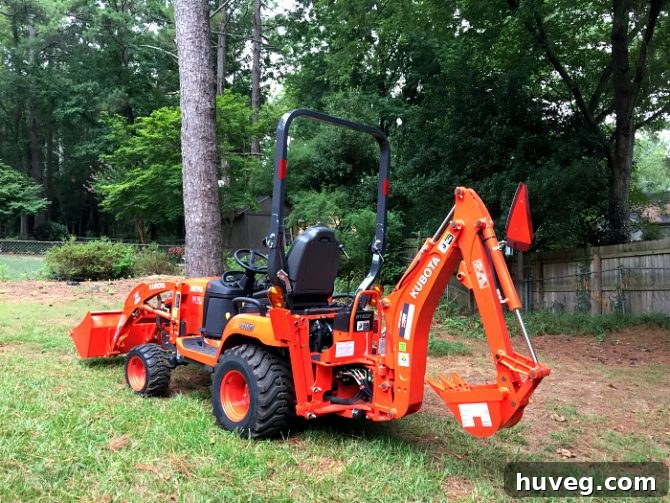
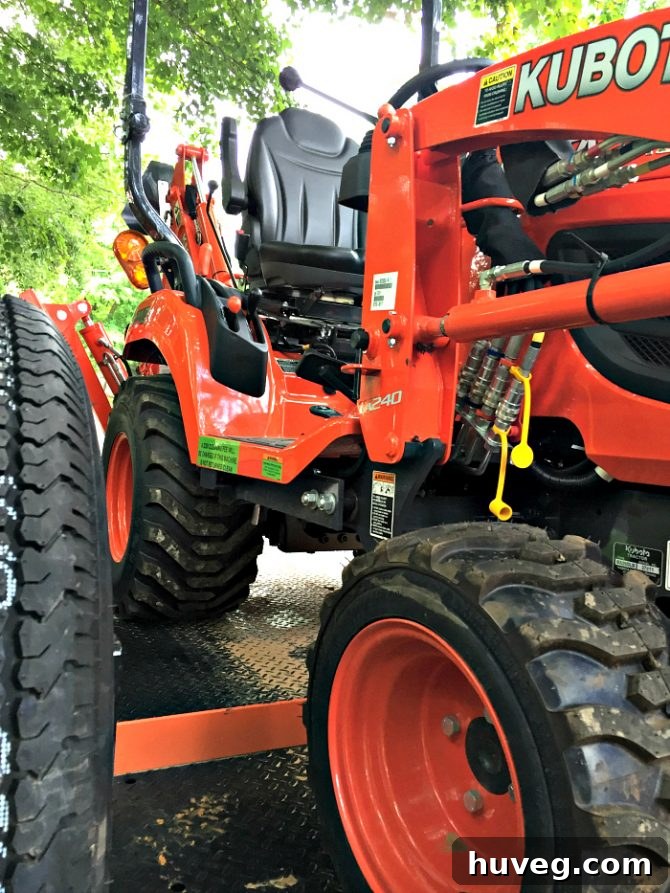
Years ago, when I first purchased this house, I knew that eventually I would need to address the backyard’s uneven terrain by adding fill dirt. However, with a seemingly endless list of indoor renovation projects, this outdoor endeavor consistently found itself at the bottom of my priority list. After removing a cluster of problematic pine trees last year, the idea of tackling the sinkhole resurfaced, prompting me to investigate the costs of fill dirt, labor, and overall project pricing. This is where the truly serendipitous turn of events unfolded. A few months ago, I received an email from Compact Power Equipment Rental (CPER). They specialize in renting large, towable equipment from select Home Depot locations, catering to both seasoned professionals and enthusiastic DIYers like myself. I honestly had no idea that homeowners could rent equipment of this scale – I had always assumed special licenses were required! Their email instantly ignited my excitement, and I immediately knew I wanted to collaborate with them as a project sponsor. I sent them photographs of my backyard and outlined my project vision. After reviewing the dimensions to ensure the equipment would fit through my fence gate, they recommended a tractor loader backhoe. This versatile machine offered incredible advantages: its front loader would be perfect for efficiently spreading the existing mound of dirt around the sinkhole, and it would also handle the new load of fill dirt with ease. Moreover, the rear backhoe attachment promised to be invaluable for digging new garden beds, extracting the extensive root systems left behind by the removed pine trees, and even excavating a small trench to run lighting to the one remaining pine tree I kept for shade. It was a win-win situation!
Safety First: Always Call 811 Before You Dig
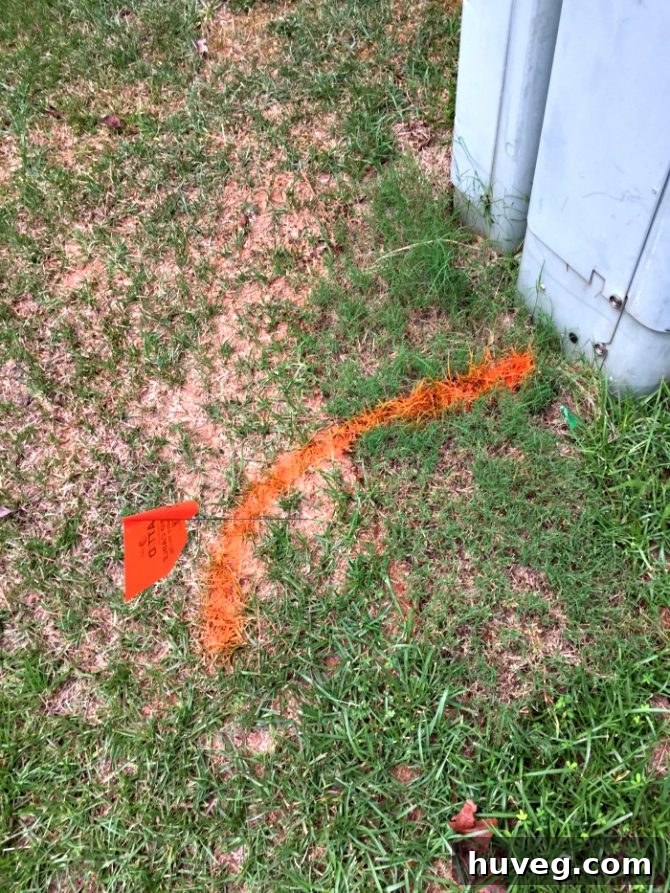
Orchestrating all the moving parts of this extensive backyard leveling project required meticulous planning and coordination, and even then, minor hiccups are inevitable. However, before I even considered breaking ground, I made it an absolute priority to contact 811 to inform them of my excavation plans. This essential nationwide service acts as a vital intermediary, contacting all utility companies that might have underground lines buried within or around your property. It’s a critical safety measure that cannot be overstated for any digging project.
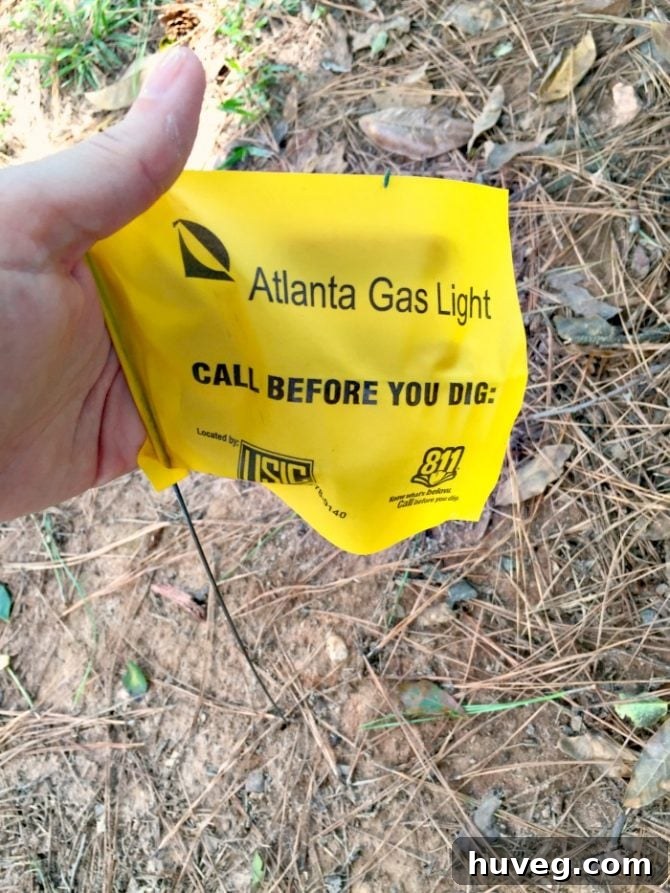
Upon notification, each utility company potentially impacted by your project will send out representatives to mark off the exact locations of their underground lines. These markings, typically in various colors, clearly indicate where it is unsafe to dig. This process then grants you a legal window – a specific period – during which you can safely complete your project. Should your work extend beyond this timeframe, a simple phone call is all it takes to renew the request. In my case, the utility companies came out just a few days before my project was set to begin, but I would strongly advise allowing at least a week’s lead time to account for any unforeseen delays. While my digging was confined solely to the backyard – an area where I knew there were no gas lines, as pine trees had previously occupied the space – contacting 811 still provided immense peace of mind. Driving a heavy piece of equipment across my property without knowing the precise location of buried lines would have introduced an unnecessary risk, potentially leading to far greater trouble had things gone awry. This simple call is a crucial step for preventing accidents and ensuring a smooth, safe home improvement experience.
Acquiring the Earth: How to Find Reliable Fill Dirt for Your Project
Surprisingly, locating a suitable fill dirt provider proved to be the most challenging aspect of this entire backyard leveling endeavor. The project’s components – the equipment rental, the 811 utility marking, and the dirt delivery – converged in a rather chaotic fashion, seemingly both over a prolonged period and yet almost overnight. Synchronizing all these elements to arrive at the precise moment was genuinely tricky. The dirt, crucially, needed to be delivered before the heavy equipment, and 811 markings had to be in place. However, many fill dirt suppliers operated with inconsistent hours, and some even insisted on visiting my property before committing to delivering their trucks. My persistence finally paid off when I stumbled upon a disposal company that specialized in recycling dirt waste. Not only did they offer clean fill dirt, but their rates were significantly discounted compared to competitors, and they generously delivered more cubic yards than initially quoted. Their phone support was exceptionally helpful, and they could arrange delivery within just a few days. Success!
A crucial detail to remember when ordering fill dirt is to ensure absolute clarity regarding the drop-off location. This seemingly minor point can significantly impact your project’s logistics. In my situation, as you observed in the initial photographs, the substantial pile of dirt was deposited directly in my driveway. While not ideal if you require immediate vehicle access (in which case, planning to park on the street for a few days is a wise precaution), it was the only viable option for my yard. The delivery trucks couldn’t maneuver the dirt all the way to the back of the property due to low-hanging power lines. There was a significant risk that as the truck bed tilted back to dump its load, it would raise dangerously close to or even contact the power lines – a scenario I was determined to avoid at all costs, as it would open an entirely new and far more problematic can of worms.
Empowering DIY: Renting a Backhoe for Your Yard Work
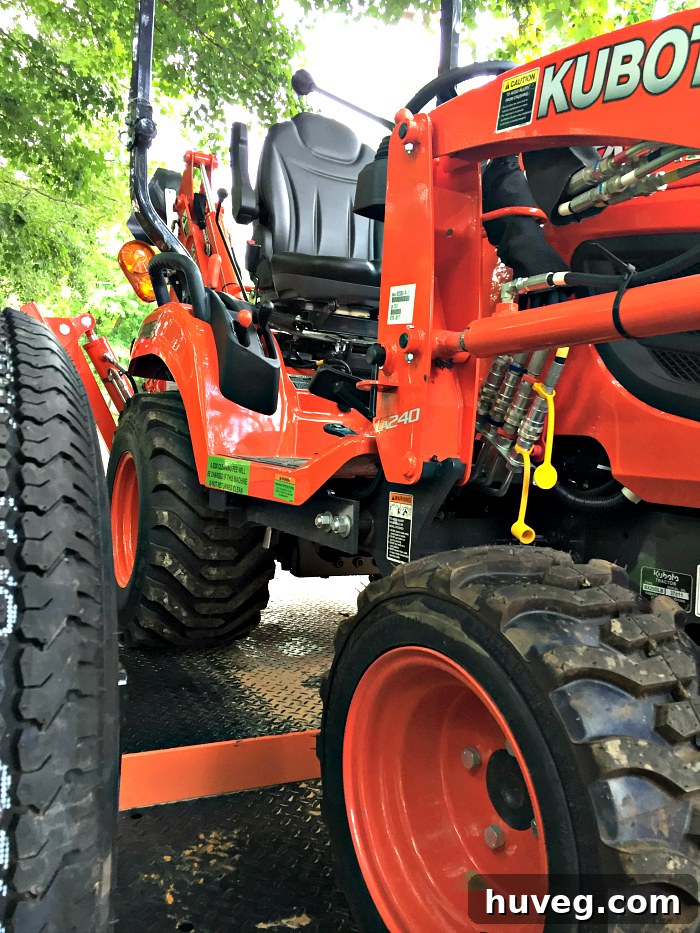
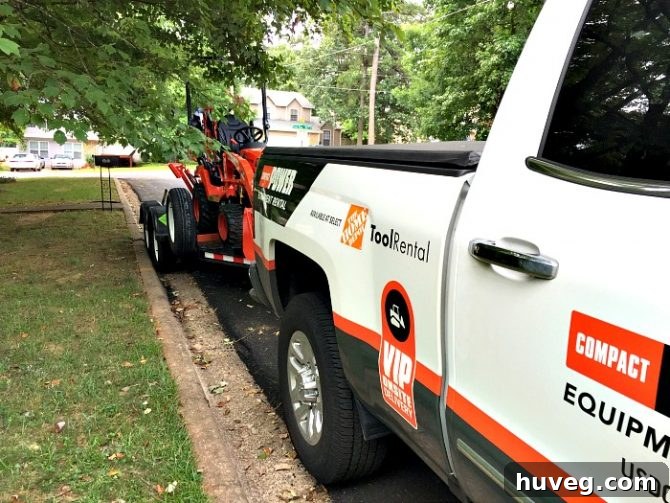
Without a doubt, the most exhilarating part of this entire experience was the arrival of my gleaming, brand-new backhoe, delivered by Chuck, the regional representative from Compact Power Equipment Rental (CPER). A fantastic aspect of CPER’s service is their commitment to empowering DIYers: they include a comprehensive training session that thoroughly demonstrates how to operate their equipment, allowing you to jump right into your project with confidence. Chuck, ever the professional, also provided his contact information, knowing that I would inevitably encounter a few learning curves along the way – challenges like mastering the seat rotation for backhoe functionality or understanding why the engine occasionally stalled (which I later realized was due to my lighter weight affecting a safety sensor!). Yet, despite these minor hurdles, I was absolutely thrilled. I don’t think I’ve ever felt quite so formidable and capable. My friends stopped by to observe (more on their reactions later!), and even my neighbors were treated to a spectacle, watching me expertly maneuver soil and transform the landscape with the giant mound of dirt in my driveway. I garnered numerous curious glances, a few outright stares, and at least one approving grin and thumbs-up from an elderly gentleman. The realization that I was on the cusp of creating a beautifully level and functional yard filled me with an eager anticipation to begin this exciting new chapter of my home’s outdoor space.
Given that this post has already become quite extensive, I will reserve a detailed play-by-play of the initial days of progress for the next installment in this series. In the interim, I encourage you to check out some of the live videos and sneak peeks I shared on my Facebook page to get a visual sense of the early stages of this ambitious backyard transformation. More exciting updates are coming soon!
Continue Your Backyard Transformation Journey Here:
- Part 2: Witness the Incredible Progress of My Backyard Leveling Project
- Part 3: The Spectacular Results! See the Full Before & After of My Transformed Backyard