Outdoor Upkeep Made Easy: Your Guide to Tools and Tasks

Understanding when and how to approach exterior repairs, garden planting, transplanting, lawn reseeding, and more is key to maintaining a beautiful and healthy home environment. This comprehensive guide provides a seasonal checklist and essential insights to empower homeowners in tackling their outdoor projects with confidence.
As a homeowner, the journey of DIY and home improvement can feel overwhelming, especially when faced with the vast array of tasks required to maintain a property. From the moment you pick up your first power tool or close on your first home, questions arise: What should I do first? What can wait? What tools do I need? And perhaps most importantly, when is the best time to do it? These questions, often unspoken, are common for many embarking on the path of homeownership and DIY.
Early in my own DIY journey, I often felt intimidated by seemingly simple tasks, from selecting lumber to understanding the correct order of operations for a project. Even knowing which task precedes another, or which can be deferred, felt like a secret known only to experienced homeowners. This guide aims to demystify seasonal outdoor maintenance, providing a clear roadmap to help you plan and execute your yard work and exterior repairs throughout the year.
In This Post
- Spring Outdoor To-Dos
- Summer Outdoor To-Dos
- Fall Outdoor To-Dos
- Winter Outdoor To-Dos
- Essential Tools for Outdoor Maintenance
- The Advantage of a Single Battery System
Whether you’re looking for more renovation inspiration or detailed project plans, a fundamental understanding of basic home maintenance skills is invaluable. This post is designed to be one of those foundational resources, offering practical advice and a structured approach to tackle the continuous cycle of yard and exterior upkeep. We’ll explore a seasonal calendar, essential tools, and smart strategies to make your outdoor maintenance tasks more manageable and effective.
Seasonal Yard and Exterior Maintenance Calendar: Your Year-Round Guide
The rhythm of home exterior and yard maintenance is a never-ending dance with the seasons. It can often feel like a formidable, maintenance-heavy subject, leaving many homeowners wondering what to do and, crucially, *when* to do it. Is there truly a “best” time for specific tasks? And with countless tools available, which ones are essential for each job? It’s a common dilemma, and one that frequently leads to feeling like there’s never enough time in the weekend to get everything done.
To help you navigate this constant cycle, I’ve developed a detailed checklist. This guide will help you organize your seasonal to-do list for your yard, exterior repairs, and general home upkeep. While some tasks offer flexibility in timing, allowing for personal preference (for instance, I prefer working in the summer’s extended daylight hours, while others might favor cooler months), this list serves as an excellent starting point. It’s a foundational blueprint that you can adapt to create your own personalized maintenance plan. I encourage you to use it as a living document, revisiting it frequently to add your own tips and insights, making it as comprehensive and useful as possible for your specific needs and climate.
Disclosure: This post is sponsored by Stihl. All words are 100% my own.
Spring Outdoor To-Dos: Revitalizing Your Home and Garden
- Order Summer-Blooming Bulbs: Get a head start by ordering gladiolus, lilies, caladiums, and elephant ears. These should typically be planted after the last threat of frost has passed in your region, ensuring they establish well for a vibrant summer display.
- Refinish Decks and Outdoor Stained Items: Spring is the ideal time to inspect and refinish wooden decks, fences, and other outdoor stained surfaces. Winter weather can take a toll, so cleaning, sanding, and reapplying stain or sealant now will protect them for the year ahead and enhance your home’s curb appeal.
- Fertilize the Lawn: As temperatures rise and grass begins to actively grow, apply a suitable lawn fertilizer. This provides essential nutrients, promoting vigorous growth, a lush green color, and improved resilience against weeds and pests throughout the season.
- Repair Leaking Outdoor Faucets: Inspect all outdoor spigots and hoses for any leaks or damage from winter freezing. Repairing these promptly prevents water waste and potential structural damage to your home’s foundation or exterior walls.
- Plant Annuals: Once the danger of frost is completely over, it’s time to add a splash of color to your garden beds and containers with annual flowers. Choose varieties that thrive in your local climate and complement your existing landscape design.
- Build and Plant Vegetable Garden Beds: For the avid gardener, spring is prime time to construct new raised garden beds or prepare existing ones. Fill them with nutrient-rich soil and plant your favorite vegetables, herbs, and fruits to enjoy a bountiful harvest later in the year.
- Inspect Siding, Roof, and Chimney: Conduct a thorough visual inspection of your home’s exterior. Look for loose or damaged siding, missing roof shingles, cracked flashing, or chimney issues. Addressing these minor repairs now can prevent more costly problems down the line.
- Take Softwood Cuttings for Propagation: For those looking to expand their garden, spring is excellent for taking softwood cuttings from new growth on perennials, shrubs, and vines. This propagation method is a cost-effective way to multiply your favorite plants, such as hydrangeas.
- Call for Quotes on Major Tasks: If there are significant exterior projects you plan to outsource, like roof replacement, extensive landscaping, or painting, spring is a good time to start getting quotes. Contractors often have more availability before their busy summer schedules begin.
Summer Outdoor To-Dos: Maximizing Productivity and Curb Appeal
- Pressure Washing: My personal preference for pressure washing is after the spring rainy season has subsided. This minimizes the likelihood of mud splashing back onto siding and porches, and I find it much more agreeable to deal with wet tasks when there’s no lingering cold chill in the air. Pressure washing is excellent for rejuvenating driveways, walkways, patios, and home siding, removing accumulated dirt, grime, and mildew.
- Inspect and Repair Driveway/Sidewalk Cracks: The perfect time to tackle these repairs is right after cleaning them thoroughly with a pressure washer. Once dry, fill cracks in concrete or asphalt surfaces to prevent further deterioration and improve safety. This also enhances your property’s overall appearance.
- Remove Lint from Dryer Vents: Regularly cleaning your dryer vent is crucial for fire safety and dryer efficiency. Summer provides ample dry weather to ensure the vent system is fully clear after vacuuming out accumulated lint, which is a common fire hazard.
- Great Time for Front Porch Improvements: With long daylight hours and generally pleasant weather, summer is ideal for enhancing your front porch. Consider painting, adding new railings, updating lighting fixtures, or creating inviting seating areas to boost your home’s curb appeal and welcoming atmosphere.
- Continue Exterior Repairs: Summer’s extended daylight hours offer maximum productivity for ongoing exterior repairs. In warmer climates like Georgia, I often schedule these tasks for the cooler morning and evening hours to avoid the intense midday heat, ensuring comfort while still making significant progress.
- Trim Hedges, Trees, and Shrubs: After the initial flush of spring growth, summer is an excellent time for shaping and maintaining hedges, trees, and shrubs. Regular trimming encourages healthier growth, maintains desired size and form, and prevents overgrowth that can obscure windows or pathways.
- Clean the Grill: Before prime grilling season really kicks off or as part of your regular summer routine, give your grill a thorough cleaning. Remove grease buildup, clean grates, and check propane tanks or gas lines to ensure safe and enjoyable outdoor cooking.
- Take Semi-Hardwood Cuttings: Mid-summer is suitable for propagating plants from semi-hardwood cuttings. This method works well for many shrubs like azaleas and camellias, allowing you to easily expand your garden collection.
Fall Outdoor To-Dos: Preparing for Winter and Next Spring
- Rake, Aerate, and Overseed the Lawn: Fall is arguably the most critical season for lawn care. Rake up leaves to prevent smothering the grass. Aerate your lawn to improve air, water, and nutrient penetration to the roots. Immediately follow with overseeding, especially with cool-season grasses, to fill in bare spots and create a thicker, more resilient lawn for the following year.
- Order Spring-Blooming Bulbs: Plan ahead for next spring’s vibrant displays by ordering bulbs like tulips, irises, daffodils, hyacinths, allium, and crocus. These should be planted about 6-8 weeks before the ground typically freezes in your area, allowing them time to establish roots.
- Prune Back Hydrangeas & Other Shrubs: Timing is crucial for pruning. While some hydrangeas bloom on old wood and should be pruned right after flowering in summer, others bloom on new wood and can be pruned in late fall or early spring. Always check specific plant requirements and your local last cut-back dates to avoid impacting next year’s blooms.
- Clean Up Garden Beds and Prepare for Overwintering: Remove spent annuals, trim back dead or decaying perennial foliage, and clear any weeds. You can also add a fresh layer of compost or mulch to enrich the soil and protect plant roots during winter.
- Repair, Paint, and Touch-Up Exterior Siding and Trim: Cooler fall temperatures and lower humidity make it an excellent time for exterior painting and repairs. Address any peeling paint, cracks, or damage to siding and trim before winter weather sets in, protecting your home and improving its appearance.
- Clean Out Gutters: As leaves fall, gutters can quickly become clogged. Thoroughly clean them to ensure proper drainage and prevent water from backing up and causing damage to your roof, fascia, or foundation. Install gutter guards if you want to reduce future cleaning frequency.
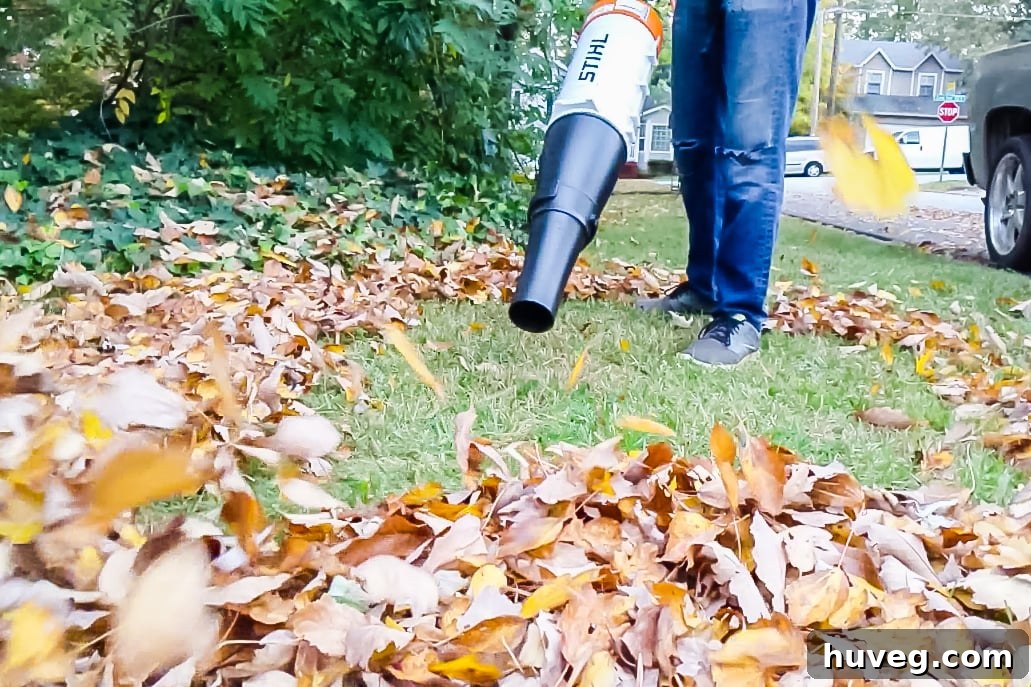
- Blow and Rake Up Leaves and Pine Straw: Managing fallen leaves is a significant fall task. Beyond aesthetics, excessive leaf cover can harm your lawn. Utilize a blower or rake, and consider composting them or, as a unique tip, you might find people willing to pick up your yard debris for their own composting or gardening needs.
- Transplant Shrubs and Trees: As plants prepare for dormancy, fall is an optimal time to relocate shrubs and trees. With cooler temperatures and reduced foliage, plants expend fewer resources on growth, allowing them to focus energy on establishing new root systems in their new location before winter.
- Clean and Repair Window and Door Screens: Remove screens, wash them thoroughly to remove dirt and pollen, and repair any tears or holes. Storing clean, repaired screens indoors for winter can extend their lifespan.
- Pack Up Soil and Seed Bags, and Store: Ensure all open bags of potting soil, garden seeds, and fertilizers are sealed tightly and stored in a dry, rodent-proof location. This prevents spoilage and maintains their viability for next season.
- Drain and Repair Hoses; Store: Disconnect all garden hoses, drain them completely to prevent freezing and cracking, and repair any leaks. Coil them neatly and store them in a shed or garage to protect them from winter damage.
- Cut and Stack Firewood: If you use a fireplace or wood stove, fall is the time to cut and stack firewood. Ensure it’s seasoned (dried) for efficient burning. Consider building a sturdy and aesthetic firewood rack to keep it organized and off the ground, promoting air circulation.
- Take Hardwood Cuttings: Late fall and early winter are suitable for taking hardwood cuttings from deciduous shrubs and trees. These mature, dormant stems can be rooted over winter for new plants in the spring.
Winter Outdoor To-Dos: Protection and Preparation
- Cover Plant Roots with a Thick Layer of Mulch: Before the first hard frost, apply a generous layer of mulch (straw, wood chips, shredded leaves) around the base of sensitive perennials, shrubs, and trees. This insulation protects their root systems from extreme temperature fluctuations and helps retain soil moisture.
- Clean and Winterize Outdoor Tools: Proper winterization is crucial for extending the life of your power tools. Drain fuel from gas-powered equipment (or add fuel stabilizer), clean blades, spray lubricant on moving parts, and ensure all tools are stored in a dry, protected environment. This includes mowers, chainsaws, trimmers, and blowers.
- Plant Seeds Indoors: As the coldest months arrive, start planning for your spring garden. Utilize grow lights or a bright, south-facing window to start seeds indoors. This gives vegetables and flowers a head start, allowing them to develop into robust seedlings ready for transplanting once warm weather returns.
Essential Tools for Outdoor Maintenance: Smart Choices for Every Homeowner
Having the right tools can transform daunting outdoor tasks into manageable projects. Recently, we integrated the Stihl KombiSystem into our outdoor tool arsenal, and it’s been a game-changer. The genius of this system lies in its single powered engine that pairs with a wide array of swappable attachments. This innovative design allows us to access a multitude of tool features without the need to store numerous separate, bulky pieces of equipment. It’s particularly beneficial for specialty tools that might not see daily use but are indispensable when needed, offering both efficiency and significant space savings.
- Straight Edger: Essential for achieving crisp, clean lines along sidewalks, driveways, and garden beds. A well-edged lawn dramatically improves curb appeal and creates a polished look for your entire property.
- Pole Pruner: This attachment extends your reach, making it safe and easy to trim high tree limbs and branches without the need for a ladder. It’s invaluable for maintaining tree health and preventing overgrowth.
- Blower: Far more efficient than raking, a blower quickly clears fall leaves, pine straw, grass clippings, and other debris from lawns, driveways, and patios, keeping your outdoor spaces tidy with minimal effort.
- Mini-Cultivator: Perfect for preparing and rejuvenating garden beds. It easily breaks up compacted soil, mixes in compost and other soil amendments, and helps create an optimal environment for planting.
- PowerSweep: An incredibly versatile attachment for cleaning various surfaces. It effectively sweeps away caked-on mud from decks and sidewalks, clears gravel from pathways, and even helps with light snow removal, making it a year-round asset.
Beyond the KombiSystem, we’ve also accumulated several other Stihl tools over the years, all sharing the same convenient battery system. This compatibility is a major advantage:
- Mower: A reliable battery-powered mower offers quiet operation and zero emissions, making lawn care a more pleasant experience.
- Chainsaw: Battery chainsaws are powerful enough for most homeowner tasks, from felling small trees to cutting firewood, without the hassle of gas and oil.
- Trimmer: Essential for maintaining neat edges around garden beds, fences, and trees, giving your lawn a professional finish.
- Hedge Trimmer: Makes quick work of shaping hedges and shrubs, ensuring they look tidy and healthy throughout the growing season.
The Advantage of a Single Battery System for Outdoor Power Tools
One of the most significant benefits we’ve discovered is the power of a unified battery system. While some of our batteries offer longer run times or increased power for specific tools, they all share a common charging base. This compatibility significantly contributes to keeping our shed, garage, or workshop much tidier and more organized. With a dedicated, single charging area, we always know exactly where to find a fully charged battery, eliminating the frustrating search when one runs out of power mid-task.
This seamless interchangeability also means we can switch from one tool to another effortlessly. If the battery in our trimmer still has a charge, we can pop it into the hedge trimmer, for example, and continue working without interruption. These batteries are designed to last a good while, providing ample power for most projects before needing a recharge.
For new homeowners or anyone looking to upgrade their outdoor tools, I cannot stress this recommendation enough: invest in a battery system, and more importantly, **commit to a single battery system and stick with it.** Battery-powered tools are not only quieter and produce zero emissions, but they also free you from the constant errands for gasoline and the concerns of winterizing fuel containers. While the initial investment for a high-quality battery system might be higher, and it may take a little longer to build your collection compared to purchasing a variety of inexpensive, mismatched tools, the long-term benefits are undeniable. Opting for a system you genuinely want from the start ensures consistent performance, reliability, and ultimately, a more satisfying and efficient experience with your outdoor maintenance tasks. Settling for “so-so” performance often leads to eventual replacement, proving more costly in the long run.
I am committed to sharing more detailed posts on many of these topics throughout the year, elaborating on specific techniques and projects. I’ve already linked to a few relevant articles above, and I’ll continue to update this post with new links as more content goes live. This ensures that anyone discovering this guide first will easily find comprehensive, step-by-step instructions for each task.
Don’t forget to pin this guide for future reference!