My Laziness, Their Lushness: The Neglect Method

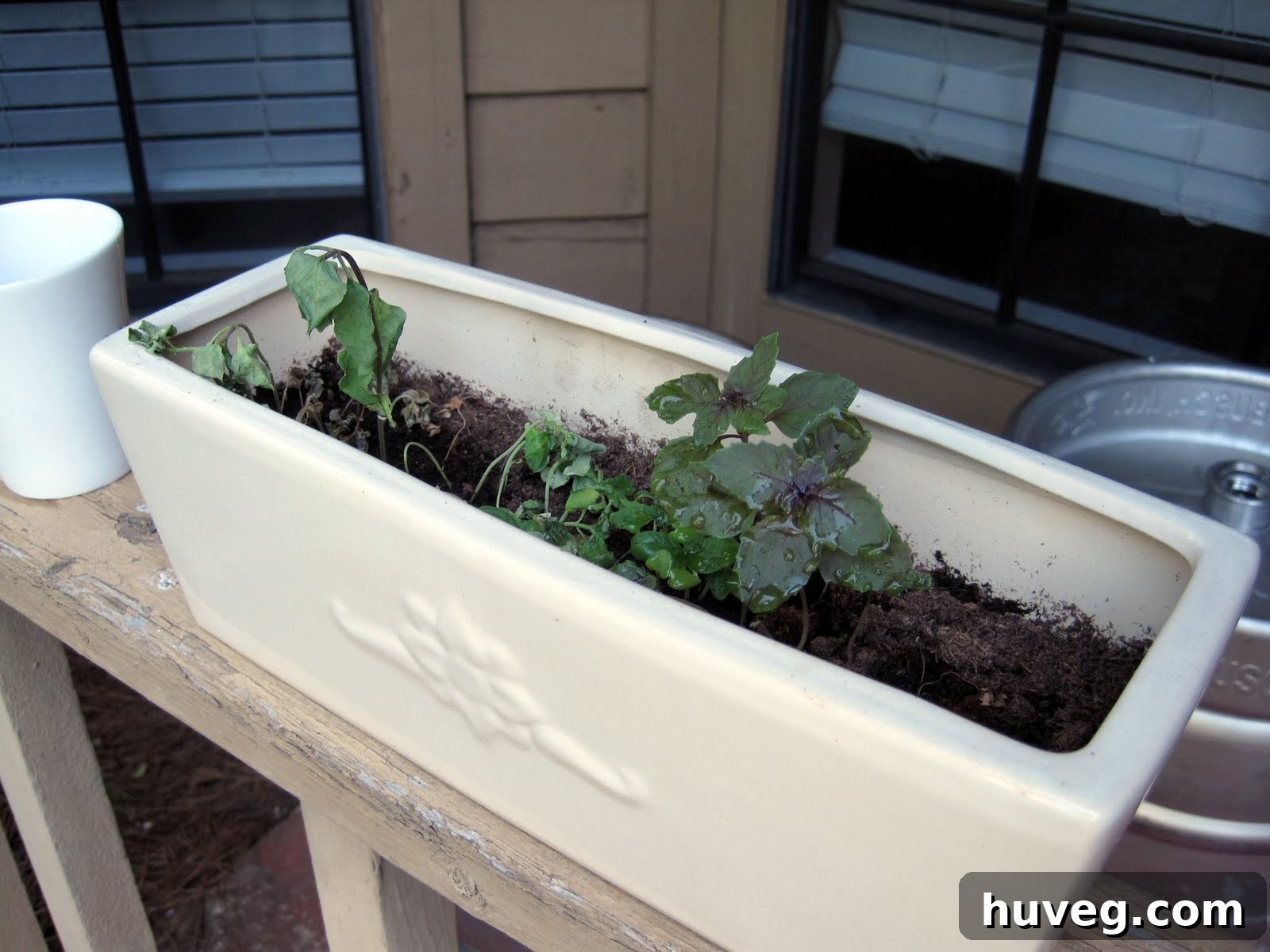
For those new to my corner of the internet, you might not yet be privy to a rather infamous secret of mine: I possess the ultimate “brown thumb.” Many self-proclaimed plant enthusiasts strive for a vibrant green, but I, seemingly, am the horticultural equivalent of the Angel of Death. Even plants lauded for their hardiness – those described as “tough to kill” or “beginner-friendly” – often find themselves succumbing to my unwitting touch. Take, for instance, my past attempts at cultivating fresh basil in our kitchen. I remember the excitement of planting those tiny seeds, nurturing them with initial enthusiasm. They sprouted, showing such promise, only to inevitably wither and perish. It became clear they required far more attention than my absent-minded watering schedule could ever provide. And for those curious about the backdrop of some of my early project photos, yes, that’s a beer keg you might spot. My boyfriend’s professional life revolves around beer, and I’ve found that these empty kegs make surprisingly sturdy sawhorses, perfect for painting doors and other home improvement items.
My persistent struggle with plant survival has long been a source of gentle frustration and self-deprecating humor. However, recent, rather astonishing revelations have turned my entire perception of gardening on its head. What if my inability to keep plants alive isn’t a failure, but rather a misguided effort? What if the secret to a thriving garden, for me, lies not in diligent care, but in complete and utter neglect? It appears that for some plants, all I need to do is entirely, 100% disregard them, and they might just flourish independently, defying all expectations.
Embracing the Accidental “Neglect Gardening” Philosophy
As I continue the fascinating journey of uncovering the quirks and secrets of my new home, one of the earliest discoveries I made last year was the unexpected beauty of the blossoming daylilies in the front garden area. Their vibrant colors and cheerful disposition immediately caught my eye, adding a touch of established charm to what was otherwise a blank canvas. I had always envisioned a different landscape design for that particular spot and fully intended to relocate these hardy perennials after the summer season concluded. However, as often happens with extensive home renovation projects, Scott and I got a little sidetracked with pressing interior changes. Our focus shifted dramatically indoors, and the ambitious plans for the daylilies, along with my usual intentions for diligent plant care, simply faded into the background.
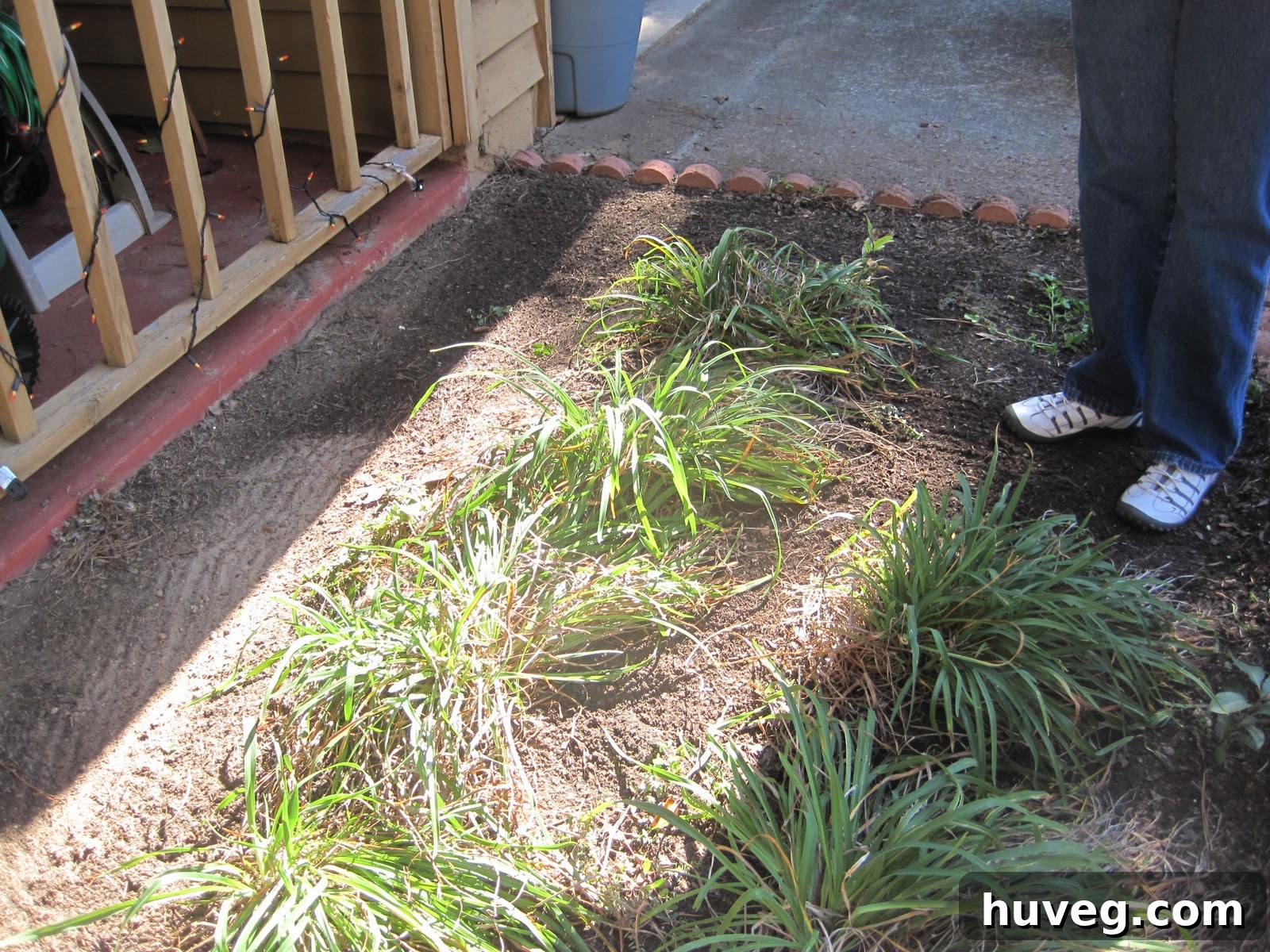
The true testament to their resilience, and my evolving “neglect gardening” philosophy, began with an even more dramatic turn of events. We did, in fact, embark on the task of removing them from their original bed. With good intentions, we carefully dug up every single daylily clump, aiming to move them to a more suitable location along the backyard fence. For temporary safekeeping, they were placed on a sturdy pallet Scott had brought home one day, a common sight around our perpetually transforming “ugly duckling house.” The expectation was clear: they would remain there for a short period before being replanted. And then, somehow, life intervened, and we did nothing. Absolutely, unequivocally nothing.
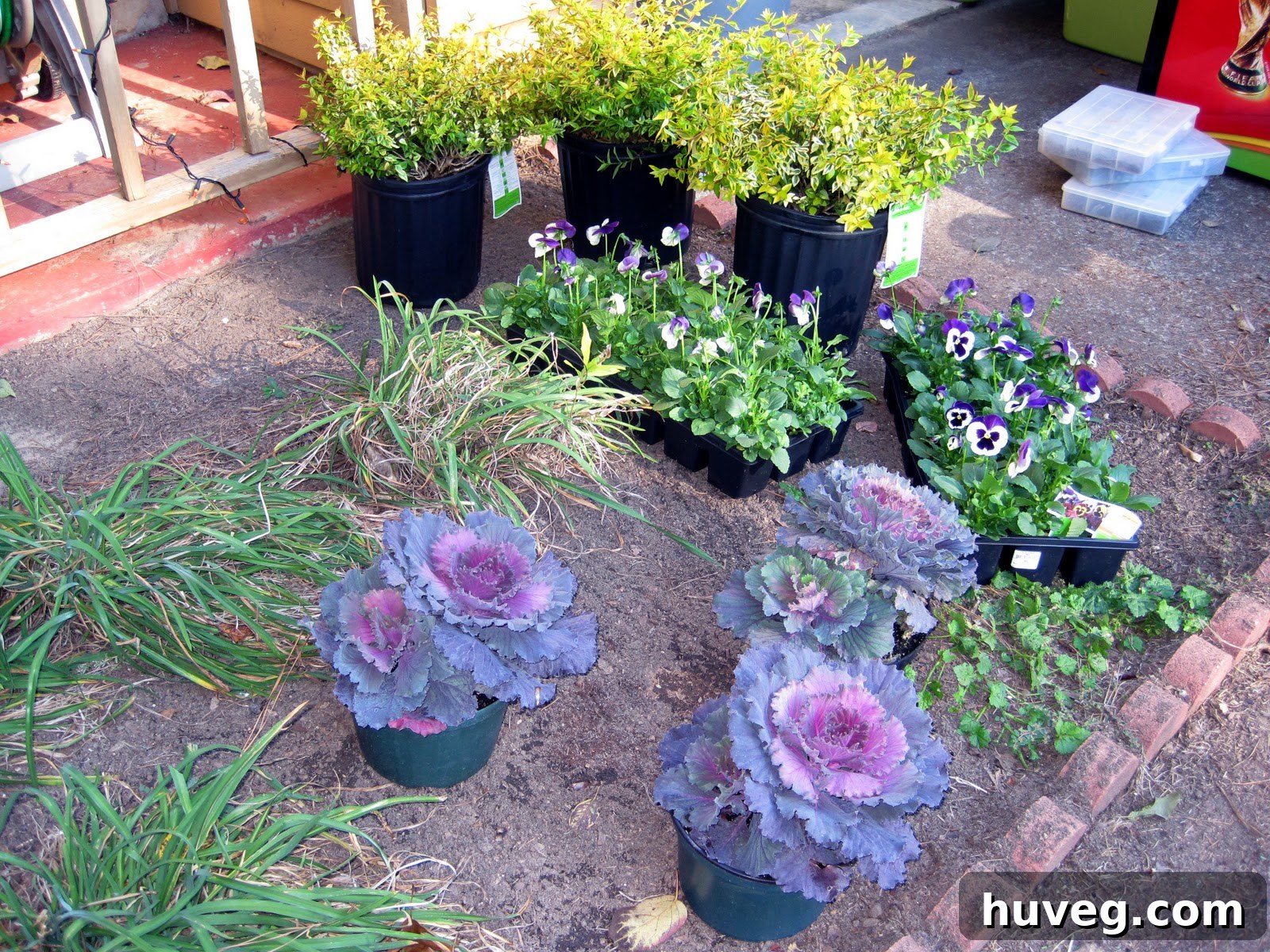
I mean, literally, nothing happened next. We left these perfectly healthy plants, their roots fully exposed to the elements, lying haphazardly on that pallet by the side of the house. There was no soil, no careful covering, no water – just open air and the passage of time. Meanwhile, the original garden area, now cleared, received a fresh fall and winter makeover, adorned with vibrant purple pansies and ornamental cabbage, creating a stark contrast to the abandoned daylilies.
The Winter of Doubt and Spring’s Miraculous Revival
As winter descended upon Georgia, bringing with it a blanket of snow and biting cold, I fully resigned myself to the fate of the daylilies. My mental narrative was clear: they had perished. Neglected, abandoned, a lost cause – or perhaps more accurately, a cause I had inadvertently abandoned – these hardy perennials, I presumed, had succumbed to the harsh conditions. Exposed roots, no protective soil, and several layers of snow and ice seemed an insurmountable challenge for any plant, let alone ones that had been uprooted and left on a wooden pallet. A pang of guilt would occasionally surface, but it was quickly rationalized by the sheer volume of other renovation projects demanding our attention. It was a casualty of the “ugly duckling house” transformation, a testament to my notorious brown thumb.
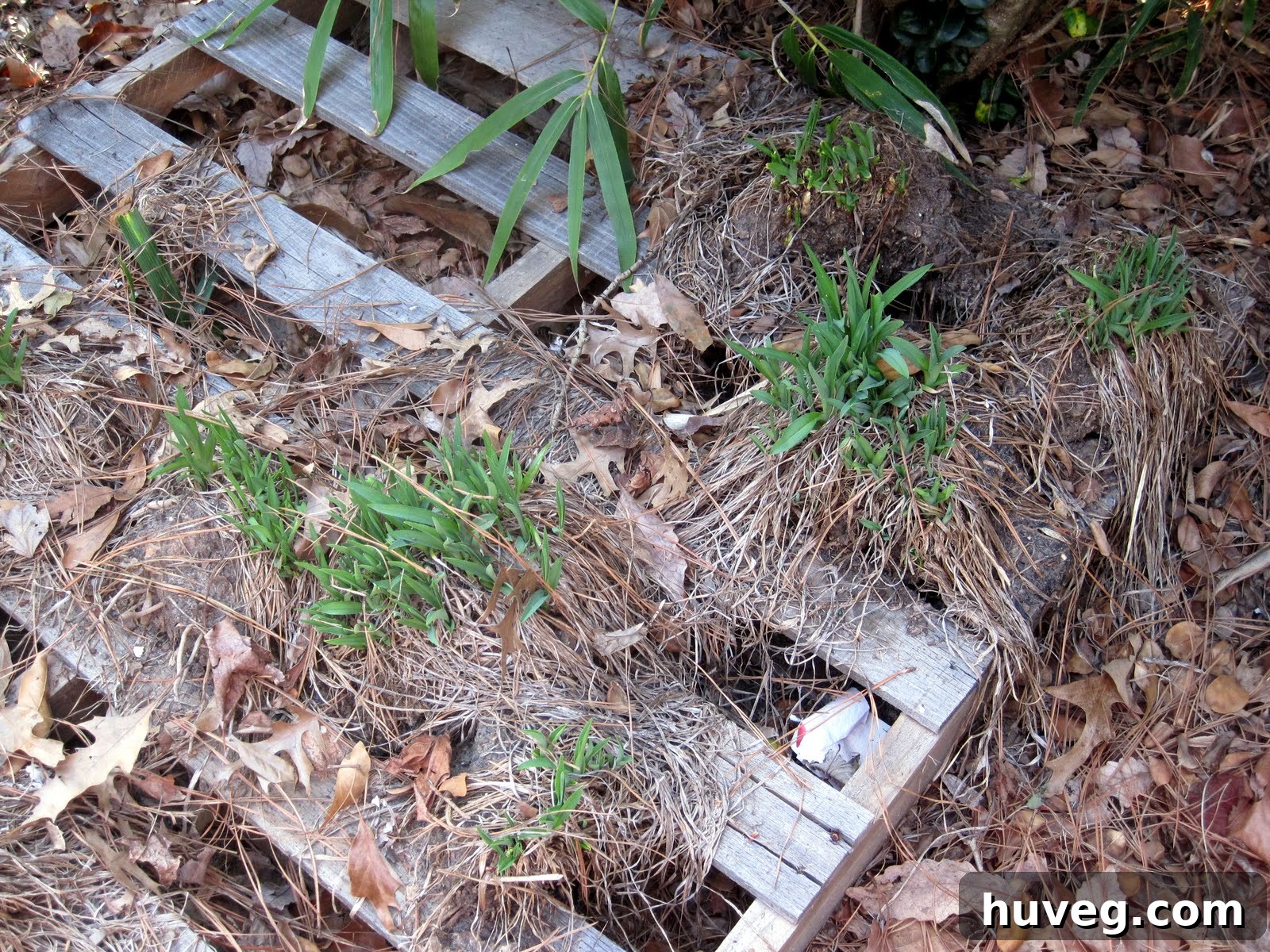
Then, Sunday arrived, bringing with it the glorious promise of spring. The snow and the biting cold seemed to have graciously gone on vacation, replaced by the gentle warmth of the sun and a refreshing breeze. Scott and I, invigorated by the change in weather, enthusiastically began our annual spring yard work, hopeful that this year would finally see significant external improvements to our home. We tackled weeds, tidied beds, and envisioned vibrant new plantings. It was during this hopeful venture that I glanced towards the side of the house, towards the pallet that had become a silent monument to my horticultural neglect. And that’s when I saw it. The most incredible, unbelievable sight that instantly challenged every preconceived notion I had about plant care: green.
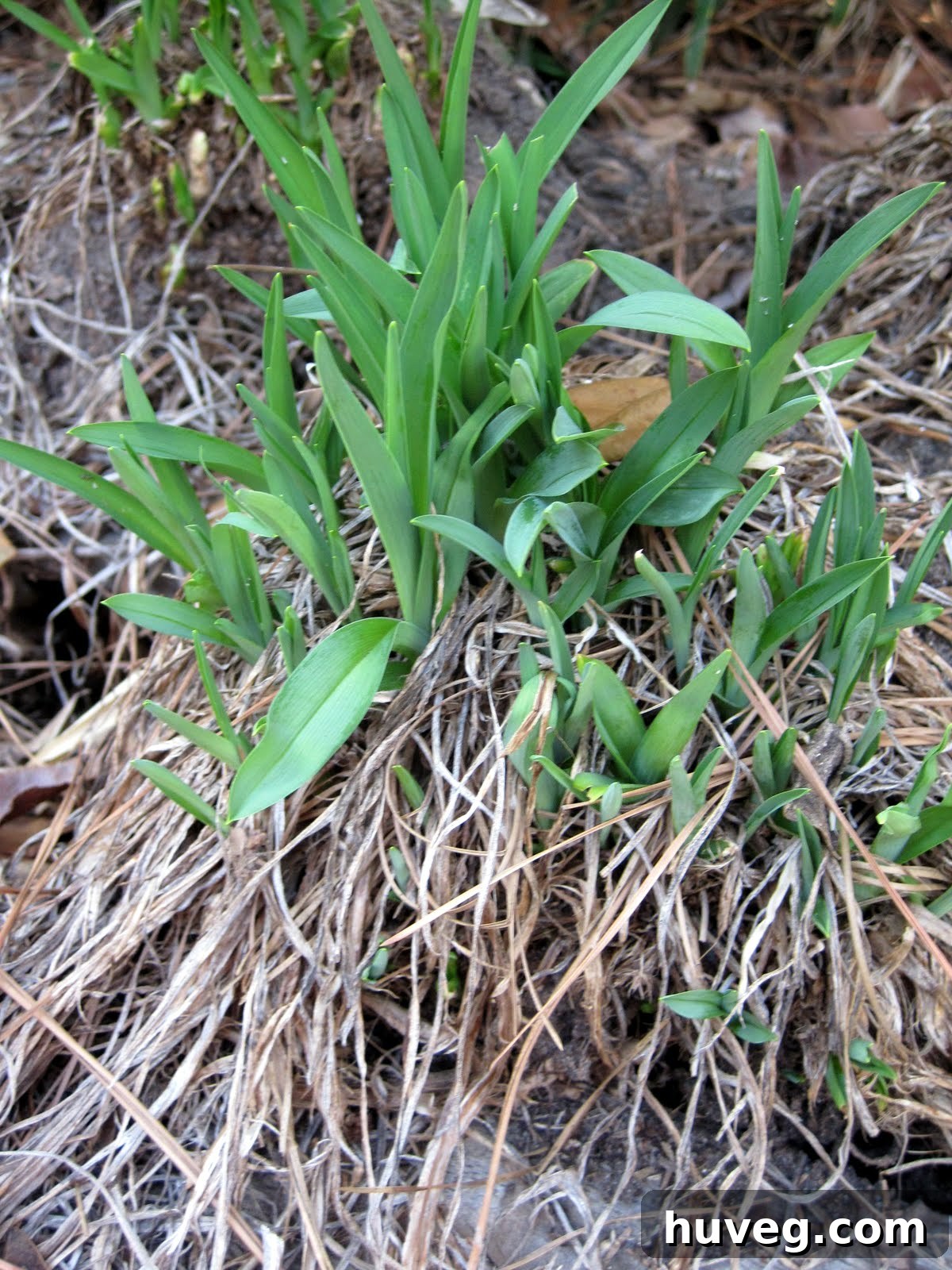
Small, vibrant green shoots were emerging from the shriveled remnants of the daylily clumps. These plants were not only alive; they were actively growing, despite their roots having been exposed to the full brutal force of winter, resting atop a wooden pallet for months on end. It was a horticultural miracle, a defiant shout against the odds, and a personal awakening. If ever there was a compelling argument to completely disregard my plants from this moment forward, this was it. The evidence was undeniable: sometimes, less truly is more, especially when you have a brown thumb like mine.
A New Home for the Resilient Survivors
While the revelation about “neglect gardening” was profound, I also had to temper my newfound philosophy with a dose of practical reality. Georgia summers are notoriously hot and unforgiving. Even the most resilient daylilies, having just survived an epic winter ordeal without soil, would likely struggle to endure the intense summer sun with exposed roots. Moreover, leaving a pallet full of semi-exposed plants indefinitely on the side of the house, while a fascinating experiment, certainly didn’t contribute to the aesthetic transformation of our “ugly duckling house.” It leaned a bit too much into a “white trash chic” look that wasn’t quite what we were aiming for.
So, striking a balance between embracing neglect and offering a fighting chance, I decided it was time to intervene – not with overbearing care, but with a gesture of appreciation for their incredible fortitude. The next best thing to completely neglecting them, while also cleaning up the general appearance of the house’s exterior, was to give these twelve budding survivors a proper, well-deserved new home. I carefully gathered each resilient clump and transported them to a prime location in the front yard, nestled right under and next to the established camellia bush-trees. This spot offered partial shade, a bit of protection from the most intense afternoon sun, and good drainage – conditions that would allow them to truly thrive without demanding constant intervention from my notoriously brown thumb.
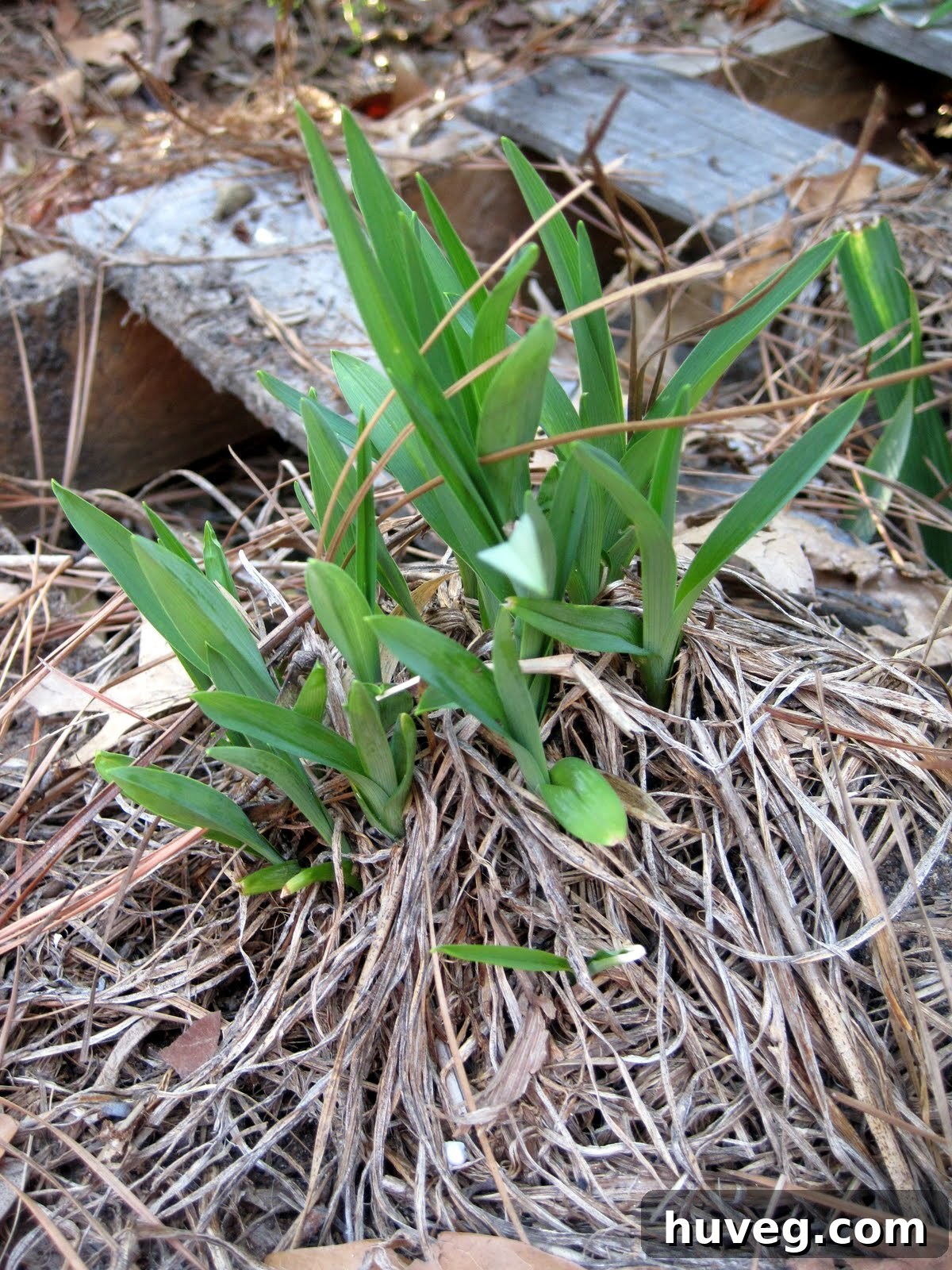
After enduring an entire winter without dying on me, surviving what I thought was certain doom, the very least I could do for these incredible plants was to return them to their natural element: good, nourishing soil. It felt like a pact, a silent agreement between a self-proclaimed plant killer and her surprisingly tenacious green companions. The act of replanting them wasn’t about control; it was about acknowledging their strength and providing the fundamental conditions for continued life. It was a lesson in humility and resilience, not just for the plants, but for me as a gardener.
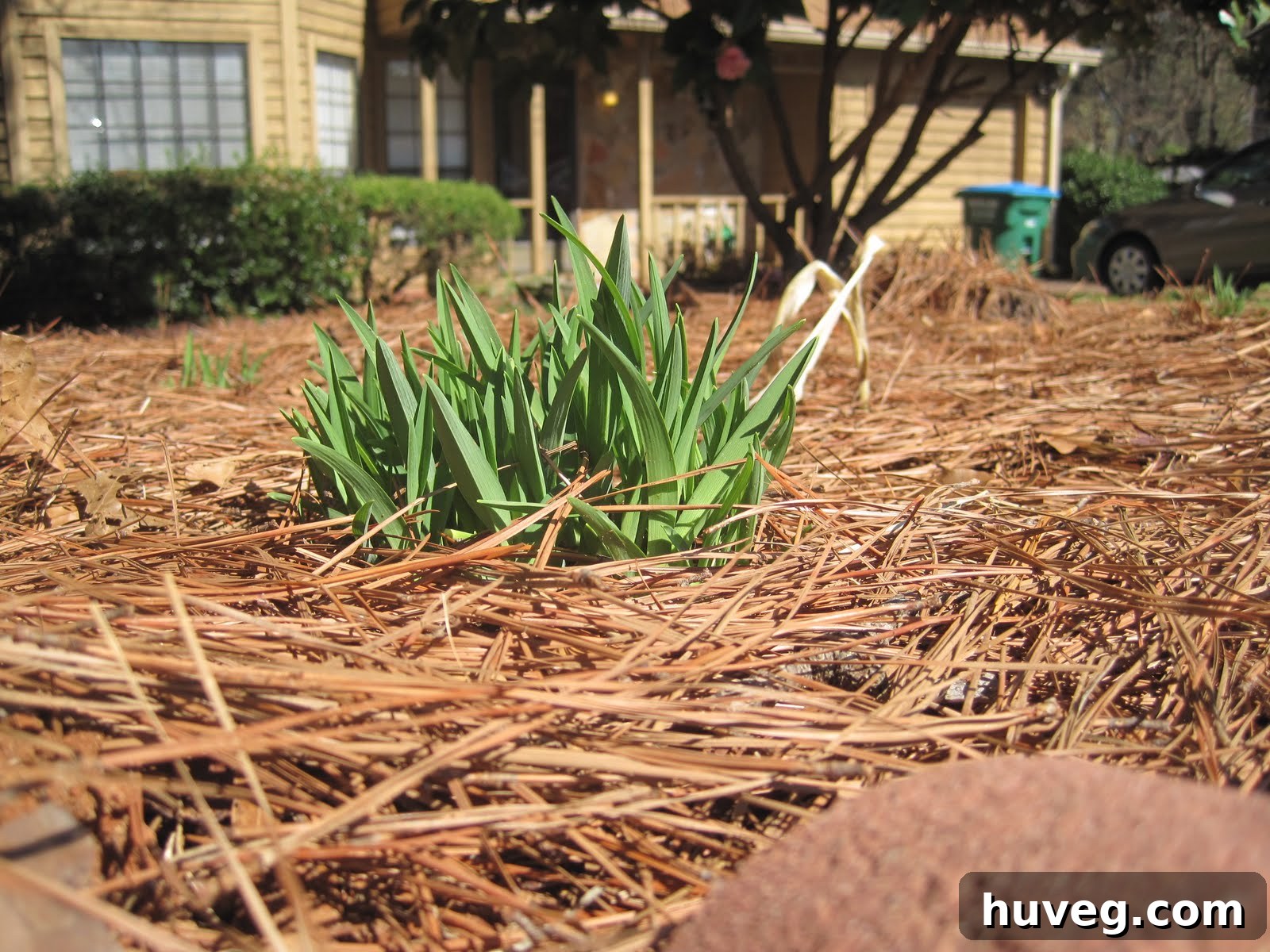
Hey, look closely! My photography skills are undeniably improving, showcasing the transformation of both the plants and my approach to gardening. Er, wait… try to ignore that glaring trash can in the background. Damn. Old habits, or rather, old clutter, die hard. But at least the daylilies are thriving, proving that sometimes, the best way to garden is to simply get out of nature’s way and let resilience do its miraculous work.