Getting Started: Priming Kitchen Cabinets

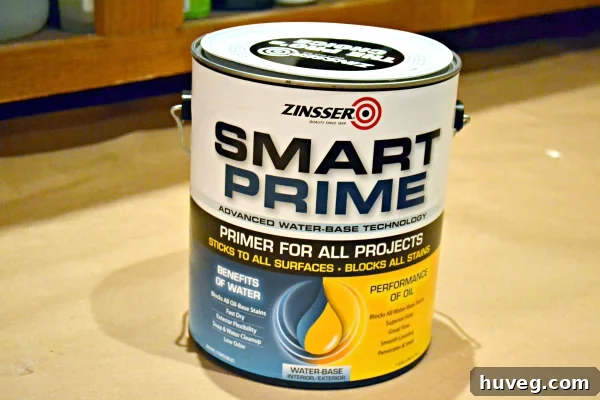
Embarking on a kitchen cabinet transformation is a significant undertaking, and the foundation of any successful paint job lies in meticulous preparation and the selection of the right products. My journey to revitalize the heart of my home began with “Day One” dedicated almost entirely to priming. Having thoroughly scrubbed the cabinets, gathered all necessary supplies, and armed myself with extensive research, I felt genuinely ready to tackle this exciting project. Online resources consistently highlight two critical elements for achieving professional-looking painted cabinets: unparalleled preparation and an intelligent choice of primer. For my cabinets, I opted for Zinsser Smart Prime, a decision based on its impressive list of benefits prominently featured on its label.
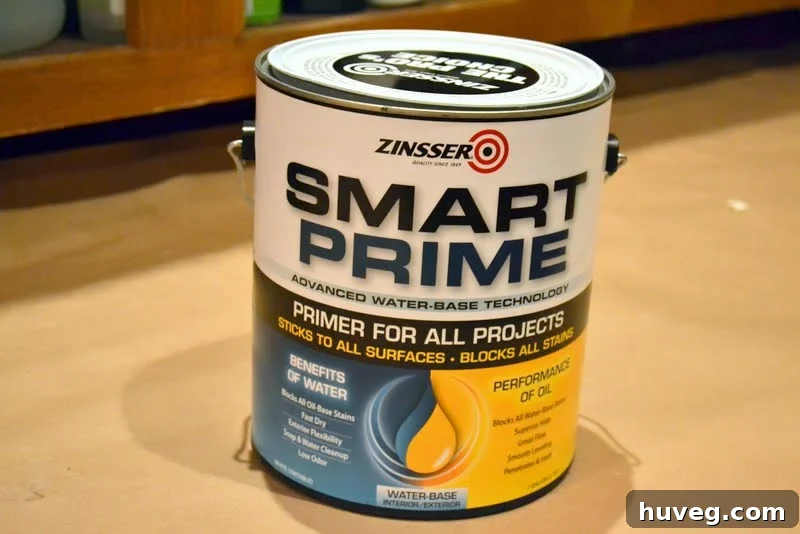
Why Zinsser Smart Prime Was the Perfect Choice for My Kitchen Cabinets
Selecting the ideal primer is a cornerstone of a durable, beautiful cabinet finish. It acts as a bonding agent, a stain blocker, and a crucial barrier that ensures your topcoat adheres flawlessly. Zinsser Smart Prime stood out from the competition due to several key attributes that directly addressed my project’s specific needs and my personal preferences for a more enjoyable DIY experience:
- Remarkably Fast Dry Time: In the world of DIY, efficiency is golden. This primer boasts a dry-to-the-touch time of just 30 minutes, allowing for a recoat in a mere 1 hour. Its interior stain-blocking capabilities fully activate within 2 hours. This rapid drying process meant I could apply multiple coats in a single day, significantly accelerating the project timeline and allowing me to move forward with subsequent steps much faster than with traditional primers.
- Low VOC Formulation: As someone who frequently engages in painting projects, I’ve become increasingly conscious of indoor air quality and chemical exposure. The “Low VOC” (Volatile Organic Compound) designation was a major selling point. It translates to fewer harsh fumes, making for a much more pleasant and safer working environment, especially in an enclosed space like a kitchen. This commitment to health and comfort is something I now prioritize in all my painting endeavors.
- Effortless Soap & Water Cleanup: There’s nothing more convenient than a water-based formula when it comes to cleanup. The ease of simply washing brushes and rollers with soap and water at the end of a long painting session saves time and eliminates the need for harsh chemical solvents, further contributing to an environmentally friendlier approach. This practical benefit truly makes a difference in the overall DIY experience.
- Superior Adhesion to Glossy Surfaces: My cabinets were in good condition but featured a somewhat glossy finish. I made the conscious decision to skip sanding—a task I often find arduous—and opted instead for a thorough deglossing process. Given this choice, a primer designed to stick exceptionally well to shiny, difficult-to-adhere surfaces was absolutely essential. Zinsser Smart Prime’s promise of robust adhesion provided immense peace of mind, ensuring the paint would bond securely without chipping or peeling later on.
- Effective Stain Blocking & Sealing Without Wood Grain Swelling: My kitchen cabinets are a classic, albeit somewhat dated, oak. While some degree of grain texture is inherent to oak and unavoidable, my goal was to achieve the smoothest possible painted surface. This primer’s ability to block stains and seal the wood without causing the grain to swell excessively was a critical factor. It helped minimize the appearance of the oak grain, contributing to a more modern and refined finish once the topcoats were applied.
Essential Tools for a Flawless Cabinet Priming Process
Beyond the primer itself, having the right tools makes all the difference in achieving a professional-looking finish. For the priming phase, my toolkit was surprisingly concise yet highly effective. I relied primarily on two key applicators:
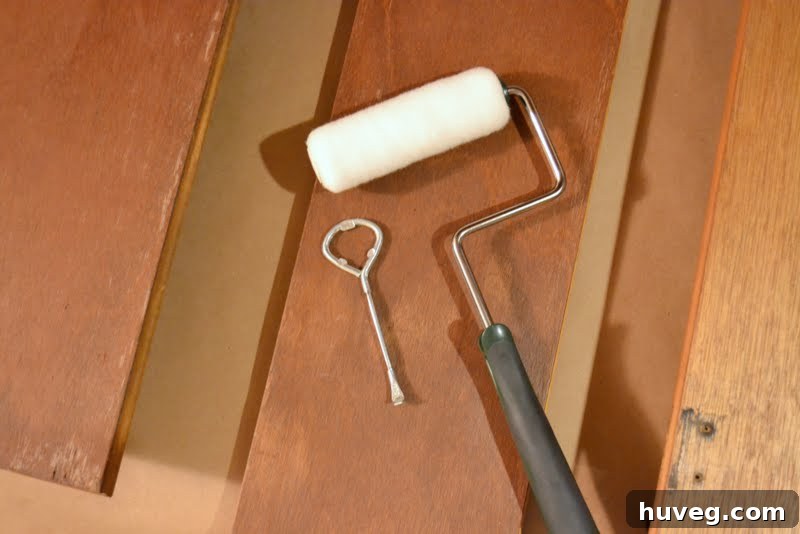
- Thin Angled Paintbrush: This versatile brush was indispensable for precision work. Its angled bristles allowed me to meticulously paint the recessed areas, the intricate “lips” of cabinet door edges, and the inside borders of drawer fronts. It provided the control needed to avoid drips and ensure even coverage in tight spaces where a roller couldn’t reach.
- Shed-Resistant Roller with 3/8″ Nap: For the broader, flat surfaces of the cabinet doors and drawer fronts, a high-quality, shed-resistant roller with a 3/8-inch nap was my go-to tool. The shorter nap ensures a smoother finish, minimizing texture from the roller, which is crucial for cabinets. The “shed-resistant” aspect is equally important; there’s nothing more frustrating than picking stray roller fibers out of wet primer.
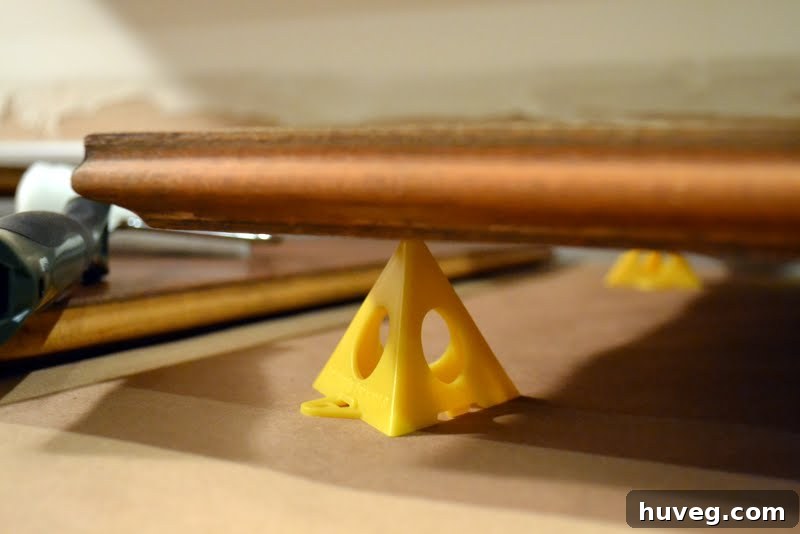
In addition to these, a vital component for efficient cabinet painting, particularly for doors, came in the form of these ingenious little plastic triangle thingies that I discovered in the paint aisle. While I typically lean towards budget-friendly alternatives like spray paint caps to prop up items, the unique design and functionality of these “paint pyramids” justified the small investment. They were instrumental in keeping my freshly primed doors elevated off the countertops, allowing for maximum airflow around all edges. This elevation is critical for even drying and prevents the wet primer from sticking to surfaces. Two packs provided enough pyramids to simultaneously support all the cabinet doors I needed to paint. For smaller doors, I sometimes used fewer than four per door, strategically placing them in a triangular formation to maximize coverage from each pack. Given the limited workspace in my home, optimizing space utilization was paramount. I maintained a methodical approach, priming doors for the cabinets directly below their intended location to ensure everything stayed organized and minimized confusion during reassembly.
The Methodical Approach to Priming Cabinet Doors for a Smooth Finish
Achieving a smooth, factory-like finish on cabinet doors requires a precise and patient approach. My strategy involved starting each coat on the back side of the doors first. This might seem counterintuitive, but there’s a practical reason behind it: any slight imperfections or marks that might occur from resting the door on the paint pyramids will be on the less visible interior side. Once the back side was dry to the touch, as per the primer’s rapid drying instructions, I carefully flipped each door over. Then, I applied the primer to the front side. While the paint pyramids are designed to leave minimal marks, I wanted to eliminate any risk of blemishes on the highly visible front surfaces.
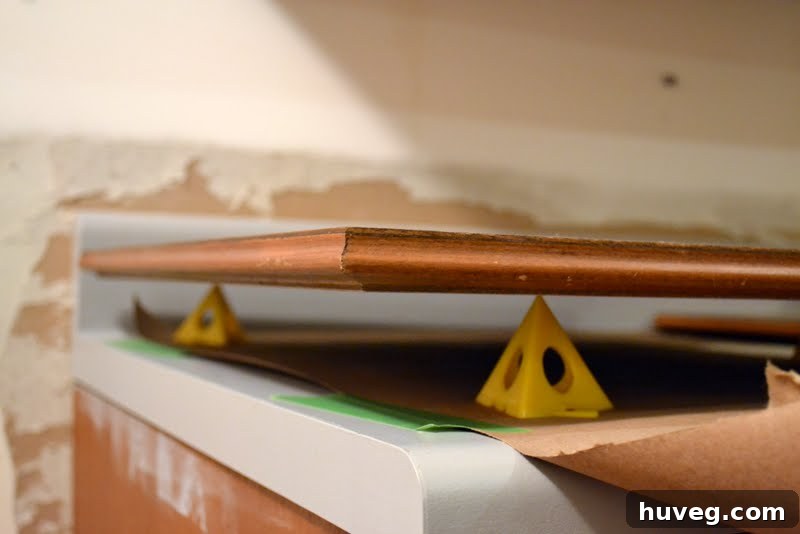
This same meticulous process—back first, then front—will be repeated for the second primer coat, and subsequently for all coats of the actual paint. By ensuring the front side is always the last to be painted while facing upwards, I allow the self-leveling properties of the primer and paint to work their magic. This maximizes the opportunity for brush strokes and roller marks to smooth out, resulting in an exceptionally even and flawless surface. It’s a small but significant detail that elevates the final outcome from good to truly exceptional. This method ensures that the most visible side benefits from the longest “open time” for self-leveling, which is crucial for a professional-grade finish.
The Reality of DIY: Messes and Unique Talents
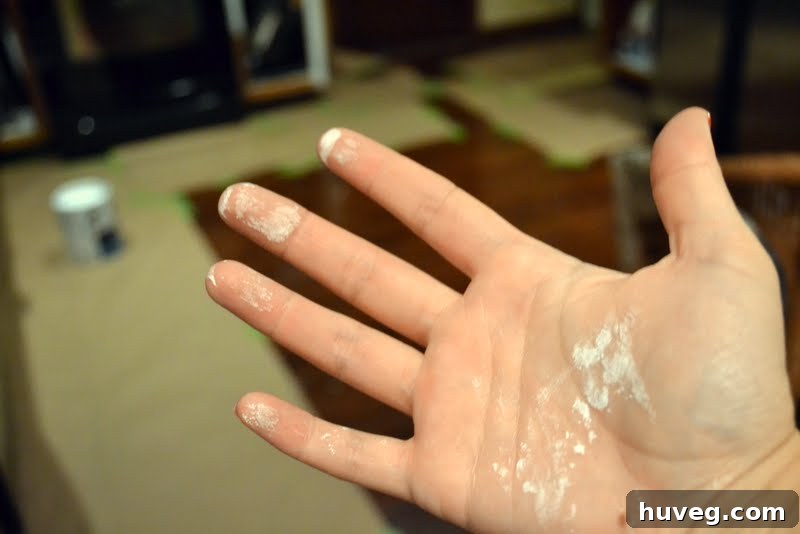
Despite my best efforts to be tidy, painting often turns into a full-body experience for me. By the end of this priming session, I had primer on just about every inch of my arms. I confess, I’m not the neatest painter when it comes to keeping myself pristine. However, it’s a curious paradox that while I might end up looking like I’ve wrestled with the paint can, I somehow manage to avoid dripping paint all over the floor. I consider this a unique talent – a testament to my ability to contain the mess to myself rather than my surroundings. It’s all part of the authentic DIY journey, embracing the minor inconveniences for the major satisfaction of a job well done.
Embracing Ingenuity: A DIY Sound Hack and Beyond
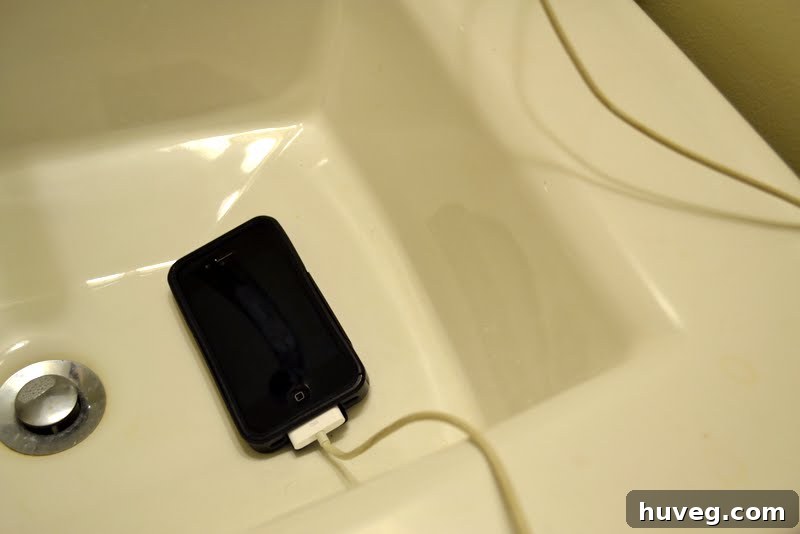
Speaking of unique quirks and talents, I might very well be the only person who resorts to this particular solution for background music (and it’s perfectly fine if you find it a bit odd; I’m enough of a geek to genuinely appreciate the simple science behind it). When I’m too absorbed in a project or simply too lazy to locate my portable speakers, I plug my phone into its charger in the bathroom and carefully place it inside the (completely dry) ceramic sink. The ceramic bowl acts as a natural amplifier, significantly magnifying the sound and allowing me to enjoy my favorite playlist hassle-free as I work. You could easily replicate this clever trick with a ceramic bowl right in the kitchen itself. Or, you know, just take the extra minute to actually *find the friggin’ speakers*.
Building Anticipation: The Transformation Begins!
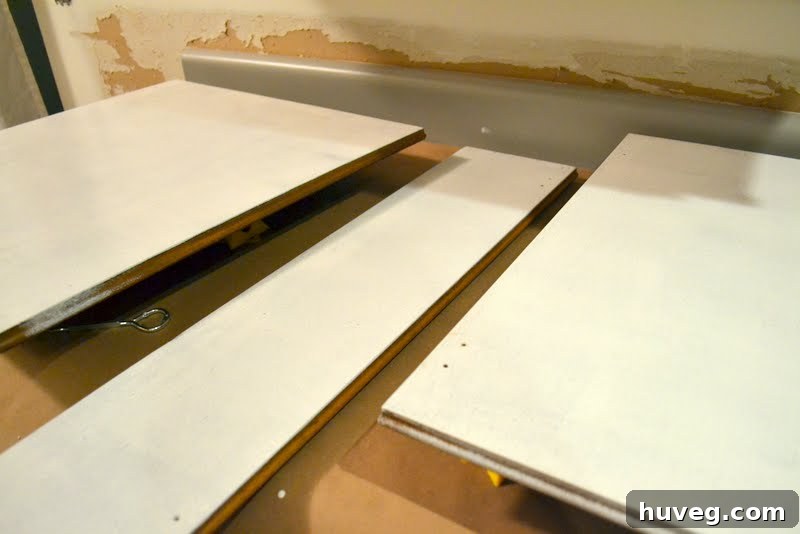
With the primer coats successfully applied, the vision for my transformed kitchen is starting to take shape. The once tired, glossy oak cabinets now boast a clean, uniform, and slightly textured base, perfectly prepared for the color that will soon breathe new life into them. This stage marks a significant milestone in the journey, moving past the foundational work and onto the exciting part where aesthetic choices truly come to fruition. The smooth, primed surfaces are a testament to the effort put into preparation and the quality of the chosen primer. I’m well on my way to achieving beautifully painted cabinets, and the excitement is palpable! Woo hoo!
A Glimpse into the Future: The Chosen Cabinet Color
And as promised, here’s a sneak peek at the chosen hue that will adorn these newly prepped cabinets. Selecting the right paint color is a deeply personal decision that can dramatically alter the mood and style of a kitchen. After much deliberation and consideration of lighting, existing decor, and desired ambiance, I settled on a shade that I believe will perfectly complement the space:
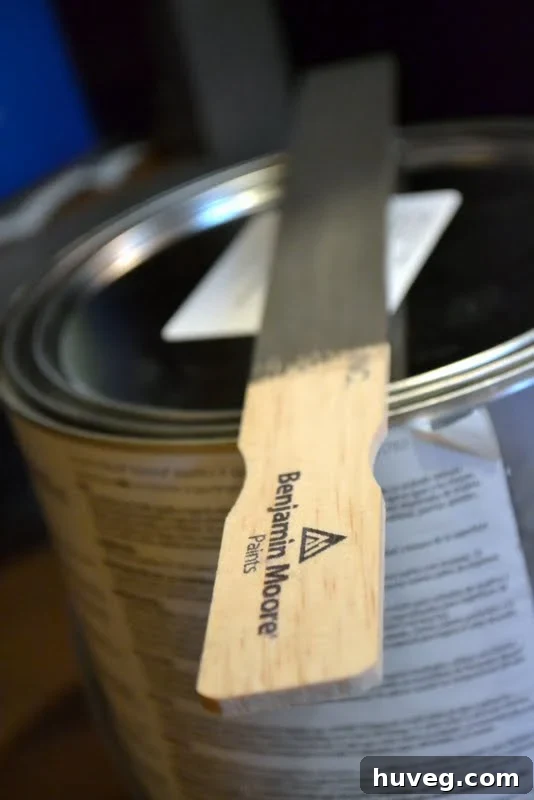
The color is “Seal,” from Martha Stewart’s paint collection. This sophisticated shade promises to bring a fresh, elegant, and timeless appeal to my kitchen, moving it light-years away from its “ugly duckling” past. The anticipation of seeing this color transform the entire room is immense, and I can’t wait to share the next steps in this exciting kitchen cabinet makeover journey with you.
More updates and progress to come tomorrow!