Fixing Small Tile Errors

Mastering Tile Installation: Essential Tips for Correcting Thin-Set Mistakes and Achieving Perfect Grout Lines
When embarking on a tile installation project, precision is paramount. Every DIY enthusiast and professional alike understands that the goal is a perfectly level, uniformly spaced, and immaculately adhered surface. In the world of tiling, the word wiggle is usually a red flag, indicating potential issues with adhesion or alignment. A fundamental lesson in tiling is the critical importance of addressing any corrections or cleanup before the thin-set begins its irreversible curing process. Once thin-set, the adhesive mortar that secures your tiles, hardens, it transforms into a material as unyielding as rock. This is, of course, its intended purpose – to form a durable bond between the tile and the substrate. However, this same strength makes it incredibly challenging to remove if it inadvertently ends up where it doesn’t belong, specifically anywhere other than directly under the tile itself.
The success of your tiling project hinges not just on laying the tiles correctly, but also on meticulous cleanup during the installation phase. Neglecting to wipe away excess thin-set from grout lines or tile surfaces while it’s still pliable can lead to significant headaches down the road. Wet thin-set is relatively easy to clean with a sponge and water, but once it starts to set, it rapidly becomes a formidable opponent. This early cleanup is crucial for both aesthetics and functionality, ensuring that your grout lines will be uniform and strong, and your tile surface pristine. Overlooking this step often results in dried, stubborn thin-set residue that can compromise the final look and durability of your tiled surface, making the subsequent grouting process much more difficult and less effective.
The Critical Window: Why Early Thin-Set Cleanup Matters
Understanding the curing process of thin-set is essential for any successful tile installation. Thin-set typically begins to set within 20-30 minutes of being mixed, and full cure can take anywhere from 24 to 72 hours, depending on the product, temperature, and humidity. This initial setting period represents your critical window for making adjustments and, more importantly, for cleaning up any errant thin-set. During this time, the material is still relatively soft and can be easily scraped off or wiped away with a damp sponge. Failing to act within this window means dealing with a progressively harder substance, which transitions from a sticky paste to a crumbly consistency, and finally to a solid, concrete-like state.
The consequences of neglecting this timely cleanup are manifold. Firstly, dried thin-set on the surface of tiles can be an aesthetic nightmare, dulling the finish and making the entire installation look unprofessional. More critically, thin-set that has oozed into the grout lines can severely impede the grouting process. Grout needs sufficient depth and a clean surface to adhere properly. If thin-set fills a significant portion of the grout joint, it reduces the space available for the grout, leading to shallow, weak grout lines that are prone to cracking, crumbling, and premature failure. Such compromised grout lines can also become pathways for moisture penetration, potentially leading to issues like mold growth or damage to the substrate beneath the tiles. Therefore, diligent cleanup isn’t just about making the job easier; it’s about ensuring the longevity and integrity of your tiled surface.
Understanding Thin-Set Squeeze-Out: A Common DIY Tiling Blunder
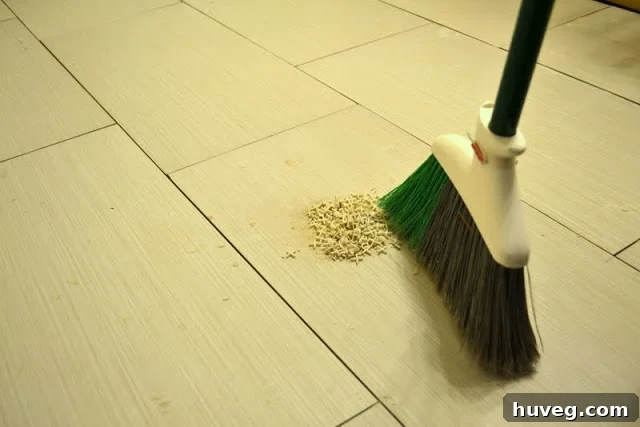
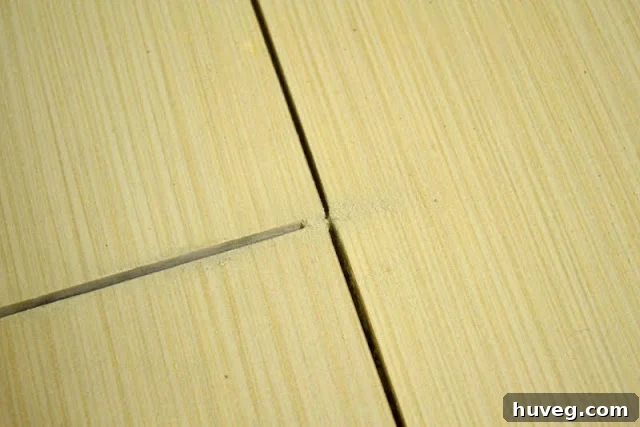
Once your tiles are carefully glued into place and the thin-set has had ample time to dry and cure, the next exciting phase is grouting. Before applying grout, a critical step involves removing any tile spacers and thoroughly cleaning the joint lines. While sweeping up spacers is usually straightforward, it’s not uncommon to discover areas where the thin-set has aggressively squished its way up and between the tiles. This phenomenon, often referred to as “thin-set squeeze-out” or “thin-set overflow,” leaves very little effective space for the grout to properly adhere when it’s eventually applied. This is a common pitfall, especially for those new to tiling, and can be caused by various factors, such as applying too much thin-set, using an incorrect trowel size, or pressing the tiles down with excessive force.
If these areas of dried, protruding thin-set are left unaddressed, they pose a significant risk to the longevity and appearance of your grout. Grout requires a minimum depth to form a strong mechanical bond and provide structural integrity to the tile assembly. When the joint is largely filled with thin-set, the grout becomes superficial, forming only a thin cap over the hardened adhesive. This shallow layer of grout is highly susceptible to chipping, cracking, and dislodging over time, particularly in high-traffic areas or environments exposed to moisture and temperature fluctuations. In the worst-case scenario, the grout might never properly stick at all, eventually finding its way back out from between the tiles. This not only detracts from the finished look but also compromises the water-resistant barrier that grout provides, potentially exposing your subfloor or wall structure to moisture damage. Addressing this issue pre-grouting is absolutely essential for a durable and aesthetically pleasing result.
Tools of the Trade: Your Arsenal for Thin-Set Correction
The challenge then becomes how to effectively remove this extra dried thin-set without damaging the perfectly laid tiles. While a hammer and chisel might seem like a brute-force option, they carry a high risk of chipping or cracking your newly installed surfaces. Manual scraping tools can be painstakingly slow and often struggle with hardened thin-set. This is where modern power tools shine, offering precision and efficiency that hand tools cannot match for this specific task. For the diligent DIYer, having the right tool for such corrections can be a game-changer, transforming a potentially frustrating setback into a manageable part of the project.
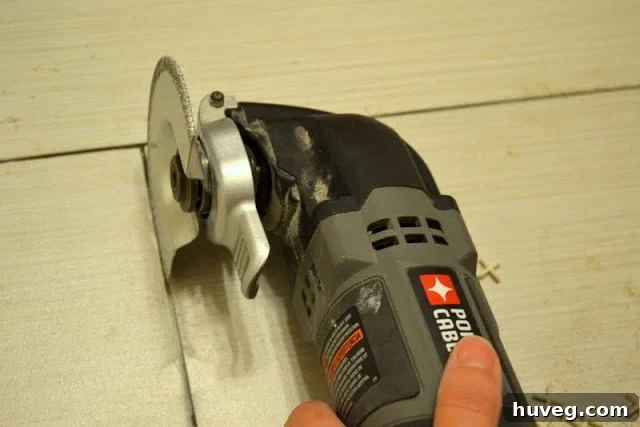
Intrigued by the possibility of a less destructive and more efficient solution, many turn to versatile power tools. One such indispensable tool in a DIYer’s arsenal is the oscillating multi-tool. Known for its rapid, high-frequency oscillations, this tool is incredibly adaptable and can be fitted with a variety of blades and attachments to perform numerous tasks, from cutting and sanding to grinding and scraping. Its unique oscillating action allows for precise material removal without the aggressive rotational force of other power tools, significantly reducing the risk of collateral damage to surrounding areas. This precision makes it an ideal candidate for carefully excavating hardened thin-set from narrow grout lines, offering a controlled approach to what could otherwise be a very delicate and damaging task. I decided to take a gamble and put my Porter-Cable oscillating tool to the test, and the results were surprisingly impressive.
The Power of the Oscillating Tool: Precision Thin-Set Removal
Using a Grout Blade for Straight Lines
For the majority of the straight grout lines, a specialized grout removal blade proved to be exceptionally effective. These blades are typically carbide-tipped or diamond-coated, designed to cut through hardened materials like grout and thin-set with ease. The particular blade I used was perfectly sized, matching the exact width of the tile spacers. This precise fit was crucial, allowing the blade to glide effortlessly through the narrow channels between the tiles, efficiently pulverizing and removing the dried thin-set without touching the edges of the tiles themselves. The oscillating action of the tool, combined with the aggressive cutting edge of the grout blade, made quick work of ridding the joint lines of the hardened adhesive, preparing them beautifully for the upcoming grouting process. This method not only saved a tremendous amount of time but also ensured a clean and consistent depth for the grout, which is vital for its long-term integrity.
Tackling Tricky T-Joints and Corners with a Metal/Wood Blade
While the grout blade performed admirably on straight runs, some areas presented a unique challenge. Specifically, sections where tiles converged in a “T” shape, or at intricate corners and intersections, made it difficult to maneuver the standard grout blade at the optimal angle. The rigid design of the grout blade, while excellent for linear cuts, could not navigate the tight curves or reach into the deep, confined spaces of these complex joints without potentially scraping or chipping the tile edges. For these particularly stubborn and delicate areas, a strategic adjustment was necessary to ensure precision and prevent damage to the finished tile surface. Safety is paramount when working with power tools, so always wear appropriate personal protective equipment (PPE), including safety glasses and hearing protection.
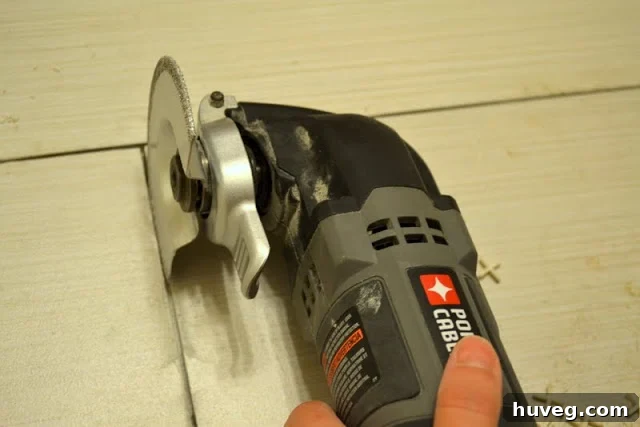
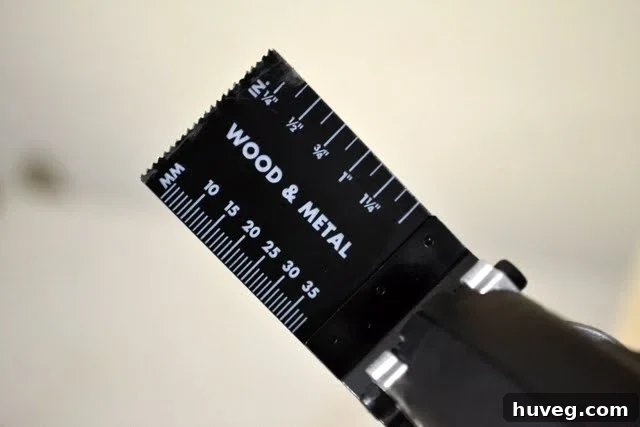
To overcome this hurdle, I switched to a different attachment: a metal/wood cutting blade. Although not specifically designed for grout removal, its narrower profile and sharper edge offered greater flexibility and precision in tight spots. By carefully angling the multi-tool and using the tip or edge of the metal/wood blade, I was able to meticulously chip away at the thin-set in these difficult T-joints and corners. The key here was a lighter touch and a keen eye, ensuring that only the dried thin-set was targeted, and the ceramic or porcelain tile remained untouched. The versatility of the oscillating tool truly shone in this situation, demonstrating its capability to adapt to various challenges during a tiling project. I was genuinely thrilled at how effectively this alternative blade worked, allowing for a clean finish even in the most challenging parts of the installation, ultimately saving the project from potential imperfections.
Beyond the Fix: Preventative Measures for Future Tiling Success
While having effective methods for correcting mistakes is reassuring, the ultimate goal in any tile installation is to get it right the first time. Preventing excessive thin-set squeeze-out can save a lot of time and effort during cleanup. Here are a few preventative tips:
- Use the Right Trowel: Ensure you are using the correct notched trowel size for your specific tile and application. Using too large a notch can apply too much thin-set.
- Proper Thin-Set Consistency: Mix your thin-set to the manufacturer’s recommended consistency. If it’s too wet, it’s more prone to squeezing out. If it’s too dry, it won’t bond properly.
- Back-Buttering (Optional): For larger tiles, back-buttering helps achieve full coverage, but apply a thin, even coat to avoid excess.
- Don’t Over-Press: While ensuring good contact, avoid pressing tiles down with excessive force that pushes thin-set up through the joints.
- Regular Cleanup: During the installation, make it a habit to periodically check and clean the grout lines with a utility knife or a damp sponge while the thin-set is still wet and pliable. This is the easiest and most effective way to prevent hardened thin-set issues.
Adhering to these best practices will significantly reduce the likelihood of encountering hardened thin-set in your grout lines, making the entire tiling process smoother and more efficient. Remember, prevention is always better than cure in home improvement projects.
Embracing Imperfection: The DIYer’s Journey to Confidence
It’s important to acknowledge that sawing into thin-set should not be seen as a crutch or a technique to rely on for cleaning up every single mistake. The ideal scenario will always involve meticulous initial application and prompt cleanup. However, for those of us who are not seasoned experts in tile installation, mistakes are an inevitable part of the learning process. Whether it’s a minor oversight or an unexpected squeeze-out, perfection is rarely achieved on the first attempt, especially in DIY projects.
Knowing that you have effective tools and techniques at your disposal to rectify imperfections can be incredibly empowering. This reassurance is precisely what many aspiring DIYers need to actually do the project in the first place, rather than being intimidated by the fear of irreversible errors. While I may not want any “wiggle room” on the tile itself, ensuring it’s firmly set and perfectly aligned, having that metaphorical “wiggle room” for my own mistakes is always a welcome relief. It fosters confidence, encourages experimentation, and ultimately leads to the satisfaction of a successfully completed project, even if it required a little extra effort to get there. Embrace the learning curve, equip yourself with the right knowledge and tools, and transform those minor blunders into valuable learning experiences on your journey to becoming a confident home improvement enthusiast.
Final Thoughts on Achieving Flawless Tile Finishes
Ultimately, a successful tile project is a blend of careful planning, diligent execution, and the willingness to learn and adapt when challenges arise. While the initial goal is to lay each tile perfectly and manage thin-set meticulously, the reality of DIY often includes unexpected hiccups. Understanding how to effectively deal with issues like thin-set squeeze-out, particularly with the aid of versatile tools like the oscillating multi-tool, can make all the difference. This not only ensures a high-quality finish, free from weak grout lines and unsightly adhesive, but also instills confidence in your abilities as a home renovator.
By investing a little extra time in cleanup during installation, or by knowing how to correct hardened thin-set, you protect the aesthetic appeal and structural integrity of your tile work. Remember the importance of having proper depth for your grout, which is critical for preventing cracks, ensuring water resistance, and maintaining the overall durability of your tiled surface. So, the next time you embark on a tiling adventure, remember these tips: clean as you go, and don’t be afraid to employ smart tools for smart fixes. Your beautifully finished, long-lasting tile installation will be a testament to your patience, skill, and resourcefulness.