Eradicating Obstacles and Irritants

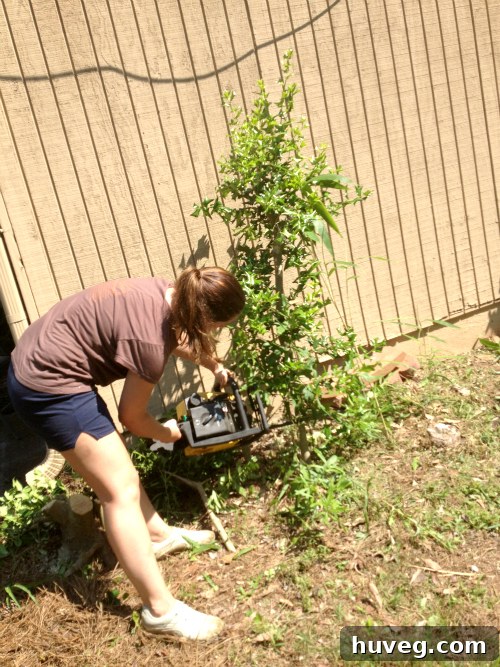
Transforming Your Outdoor Space: Battling Overgrowth and Backyard Blunders
The journey of revitalizing a home often extends beyond its walls, spilling into the embrace of its surrounding landscape. This week, our ongoing saga of yard work continues, building upon the foundational efforts we’ve already shared. We’ve meticulously addressed essential maintenance tasks, ensuring our mulch and gutters are in prime condition. We also tackled the problem of obscured views, successfully clearing away intrusive branches that previously hid our home from the street, thanks to the efficiency of a new pole saw. Yet, the work is far from complete, and the next phase promised even more significant changes.
Yeah, buddy.
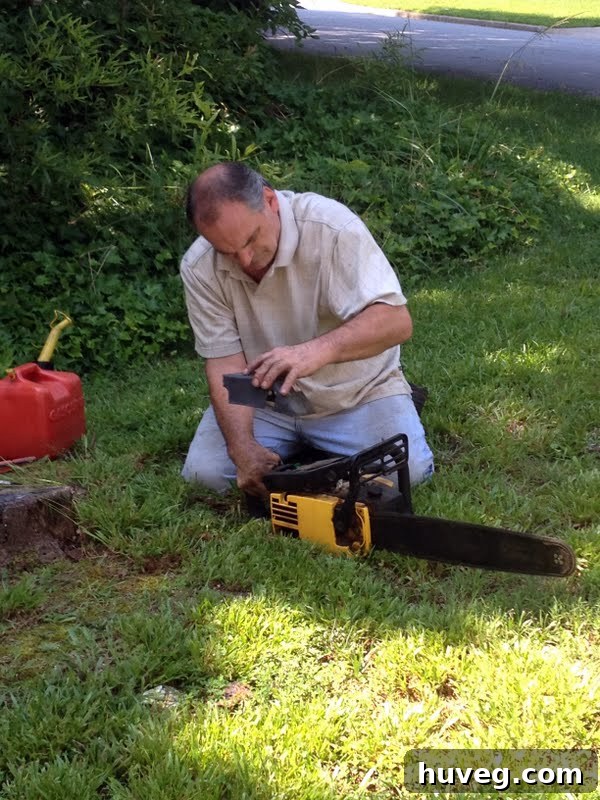
There’s a certain satisfaction that comes with confronting a truly daunting outdoor task, a feeling often accompanied by a primal grunt of determination. Or maybe that’s just me?
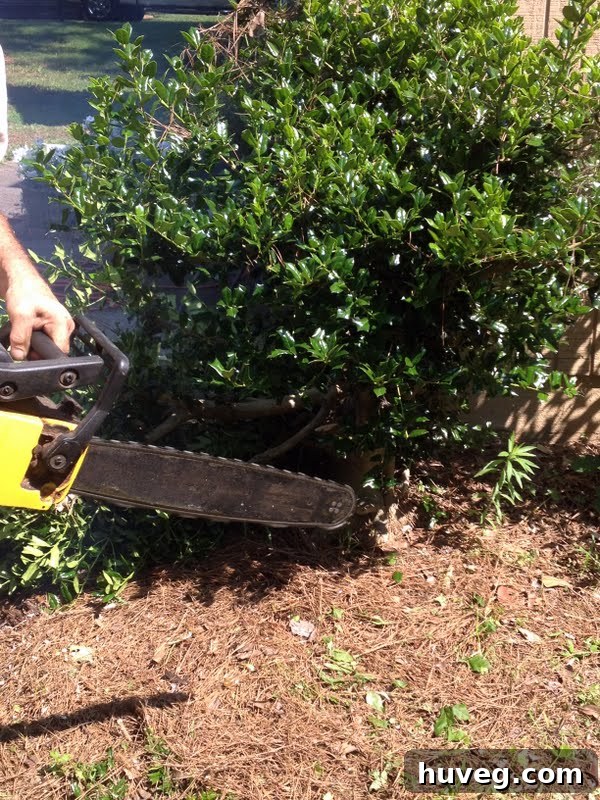
No? Just me then. (#fistbump, Colleen)
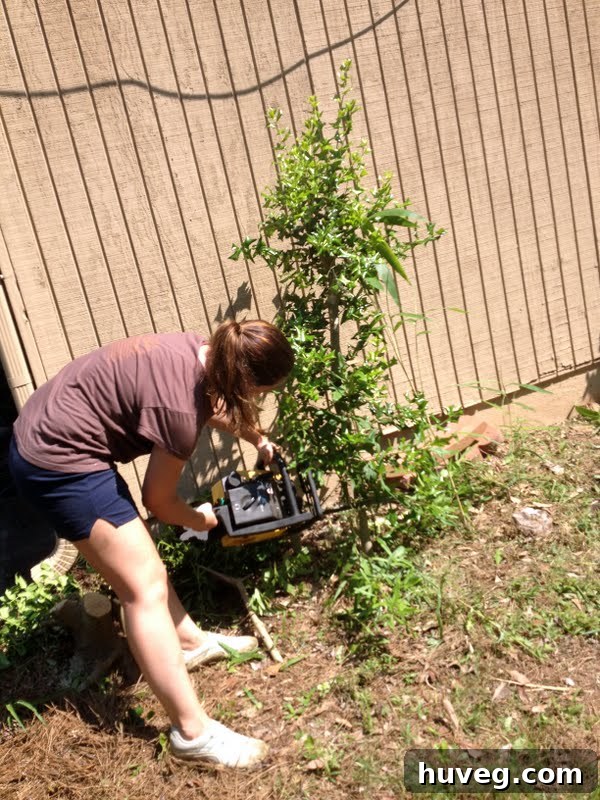
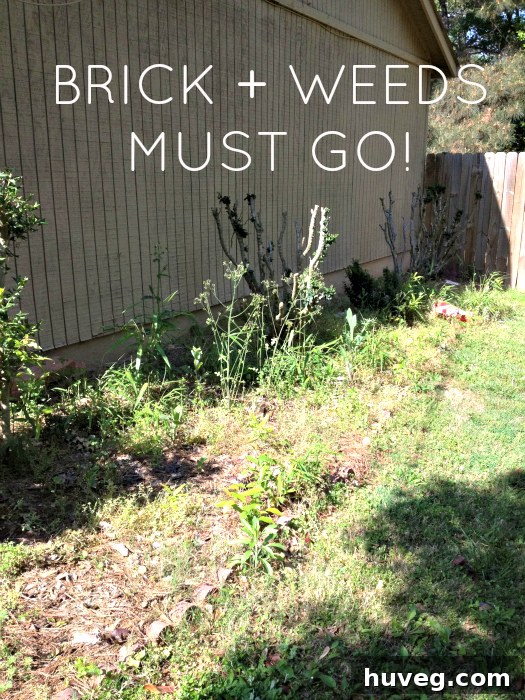
For those keeping tabs, this particular project – the radical overhaul of these sprawling bushes – held a prominent spot on my birthday wish list for the exterior. It was a vision long awaited, a promise of cleaner lines and more manageable greenery.
The Mighty Chainsaw: Taming the Wild Side Yard
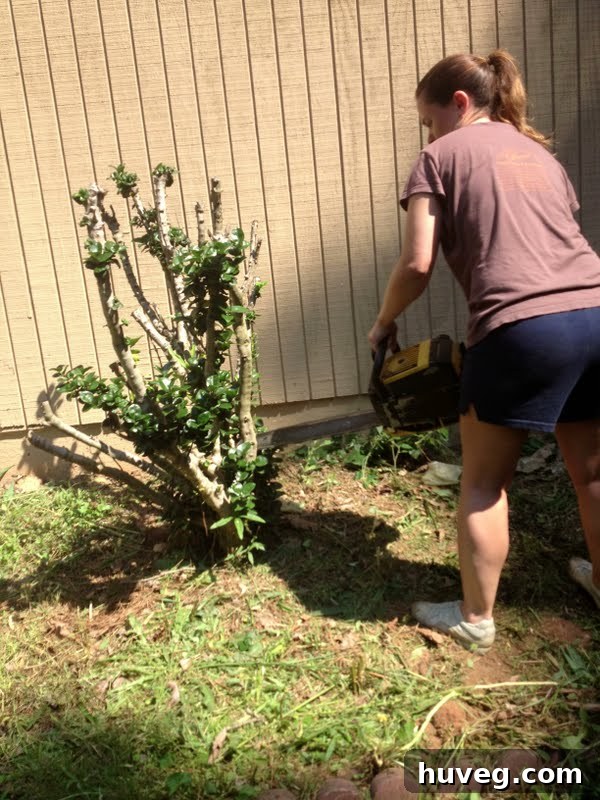
Wielding that chainsaw was no small feat; it was undeniably heavy, a testament to its power and purpose. Yet, despite the physical exertion, it quickly became evident that this formidable tool was the most efficient and practical method for tackling the dense, unruly bushes that had claimed dominion over the side of the house. This hands-on experience has truly ignited a desire within me to own my very own chainsaw – not just for future projects, but perhaps for the unexpected bonus of a rigorous upper-body workout! The satisfaction of seeing immediate results and the sheer force of the tool are compelling.
The bushes themselves presented a dual challenge. One particular specimen was an absolute menace, bristling with vicious prickers that would routinely inflict minor injuries upon my hands during any attempt at manual weeding. (Yes, I’m aware of the amusement derived from pairing “bushes” and “prickers” in the same sentence, but trust me, there was nothing amusing about those thorns!) The remaining flora, though less aggressive, were simply overgrown, gangly, and completely out of control, detracting significantly from the home’s curb appeal.
Drawing from past experience, specifically observing the bush that was chopped down last year, I know these resilient plants will eventually grow back. My current strategy is not total eradication, but rather a drastic reset. For now, I am perfectly content with these low-maintenance “stubs” as I strategically plan and configure the rest of the garden bed. This approach allows time to design a more harmonious and manageable landscape, ensuring that when they do regrow, they can be pruned into much more petite and aesthetically pleasing forms. This initial aggressive cut provides a blank canvas for future garden bed enhancements, allowing for the introduction of new elements or simply a more structured regrowth of the existing plants.
A Tale of Misplaced Phlox and Crooked Bricks
Amidst the chaos of the overgrowth, a hopeful experiment had begun earlier in the spring: the planting of delicate creeping phlox. These charming groundcovers, known for their vibrant blooms and ability to suppress weeds, were intended to add beauty and functionality to the area. Unfortunately, due to the sheer density of the existing foliage, I never had the opportunity to capture their initial progress. Worse still, in a classic case of misidentification, my dad, bless his heart, mistook them for weeds during a recent yard session and mowed right over them this past weekend. A truly heartbreaking moment for any gardener! While photos are, regrettably, out of the question for now, I hold onto the hope that their roots were sufficiently established to weather the unfortunate incident and that they will indeed thrive, eventually creating a beautiful, relatively weed-free carpet of color.
Another subtle, yet persistent, issue in this area was a scalloped brick border. This decorative edging was presumably installed to create a clean separation between the lawn and the garden bed, defining the space. However, as is often the case with DIY projects of unknown origin, its execution left much to be desired. The brickwork appeared to have been laid by someone with a distinct aversion to straight lines, or perhaps a profound misunderstanding of geometric principles. The erratic, wavering pattern is not just an aesthetic annoyance; it’s the kind of visual imperfection that can truly make an eye twitch! Addressing this crooked border – either by carefully digging it out and realigning it, or perhaps replacing it entirely with a more functional and appealing solution – is definitely on the agenda. But, as with many ambitious outdoor endeavors in my world, that particular task is earmarked for another day. Prioritizing projects in a large yard transformation is key, and sometimes, the visual annoyance has to wait its turn for a full remedy.
Mastering the Chainsaw: Essential Safety & Operation Tips
Using a chainsaw, while incredibly effective, demands respect and adherence to safety protocols. Here are a few vital tips I learned and re-learned during this project, and that I hope you’ll always keep in mind:
- Selecting the Right Tool for the Job: A chainsaw is ideal for aggressive removal – when you need to take down large sections of wood or entirely eliminate a stubborn bush. However, for smaller trimming tasks, such as pruning a few minor limbs or shaping a hedge, a reciprocating saw equipped with a heavy-duty serrated blade, or even traditional hedge clippers, will offer greater control, precision, and safety. Using an unnecessarily powerful tool for a delicate job can be inefficient and increase the risk of accidents.
- Optimizing Your Grip and Stability: When operating a chainsaw, aim to hold it in such a way that the tool’s inherent weight rests against the material you are cutting. This seemingly small adjustment makes a significant difference. It leverages the saw’s own mass to aid in the cutting process, effectively reducing the strain on your arms and shoulders. More importantly, it enhances the saw’s stability, providing a more controlled and predictable cut, minimizing the chance of the saw kicking back or veering off course.
- Ergonomic Handle Design: Modern chainsaws are designed with a wrap-around handle, allowing for multiple grip positions. This isn’t just a design quirk; it’s a critical safety and comfort feature. It enables you to adjust your hold without excessively twisting your arms or wrists, reducing fatigue and improving your ability to maintain a firm, balanced grip from various angles. Always utilize both hands for maximum control.
- Prioritizing Personal Protective Equipment (PPE): This is paramount and cannot be stressed enough. While I regrettably didn’t lead by perfect example in every instance, let my lapse be a lesson for you. Always, without exception, wear robust ear protection to safeguard against cumulative noise damage. Eye protection, such as safety glasses or a face shield, is non-negotiable for guarding against flying debris, sawdust, and wood chips. Furthermore, consider wearing heavy-duty gloves for improved grip and hand protection, sturdy work boots, and long sleeves and pants to protect against scratches and minor impacts. Your safety is worth the extra few minutes of preparation.
- Maintaining a Safe Cutting Direction: This might seem obvious, but vigilance is key. Always position yourself and the chainsaw so that the cut is directed away from your body. Think of it like opening a box with a knife: you wouldn’t point the blade towards your face. Similarly, with a chainsaw, you must always be conscious of the path the chain will take and where debris might fly. Be acutely aware of potential kickback – a sudden, violent upward or backward motion of the saw – which can occur if the tip of the bar unexpectedly contacts a hard surface. Planning your cut and maintaining a clear work area are crucial for preventing such dangerous incidents.
Front Yard Refresh: A Team Effort with Tony
Once my arms had reached their physical limit and continuing with the chainsaw would have compromised safety, my trusted partner, Tony, stepped in to continue the shrub-clearing mission. This time, our focus shifted to the front yard, addressing a collection of shrubs that also demanded attention. Some of these were inherently beautiful, boasting lush, green, waxy foliage – their only crime being their rampant overgrowth. For these healthy specimens, our approach was strategic: we meticulously cut them down below the window line. The intention here is not permanent removal, but rather a drastic pruning to encourage new, more compact, and manageable growth. This will allow natural light to stream into the house more freely and restore a clean aesthetic to the home’s facade.
However, not all shrubs in the front yard were as fortunate. A different species among them appeared to be grappling with some form of plant disease or severe neglect. Their appearance was truly chaotic and unhealthy, somewhat akin to a four-year-old’s enthusiastic, yet anatomically incorrect, self-haircut. Recognizing the signs of distress and the potential for disease spread, these particular shrubs received a more definitive treatment: they were chopped completely down to ground level. This decision clears the space for healthier plantings in the future and prevents any further decline from impacting the rest of the garden. It’s a harsh but often necessary step in rejuvenating a landscape, ensuring that only the most vibrant and resilient plants contribute to the overall beauty and health of the yard.
And can you believe it? Despite all these substantial outdoor updates and the literal heaps of debris generated, we’re still not entirely finished! The outdoor transformation journey is an extensive one, with yet another significant project on the horizon. Stay tuned for the next installment, where we’ll share one more update, along with an amusing (and perhaps slightly terrifying) picture illustrating the sheer volume of material that results when you chop down everything within reach and gather it into one colossal pile. The satisfaction of seeing the progress, despite the ongoing effort, is truly rewarding!