Build Your Own Modern Cedar Bench

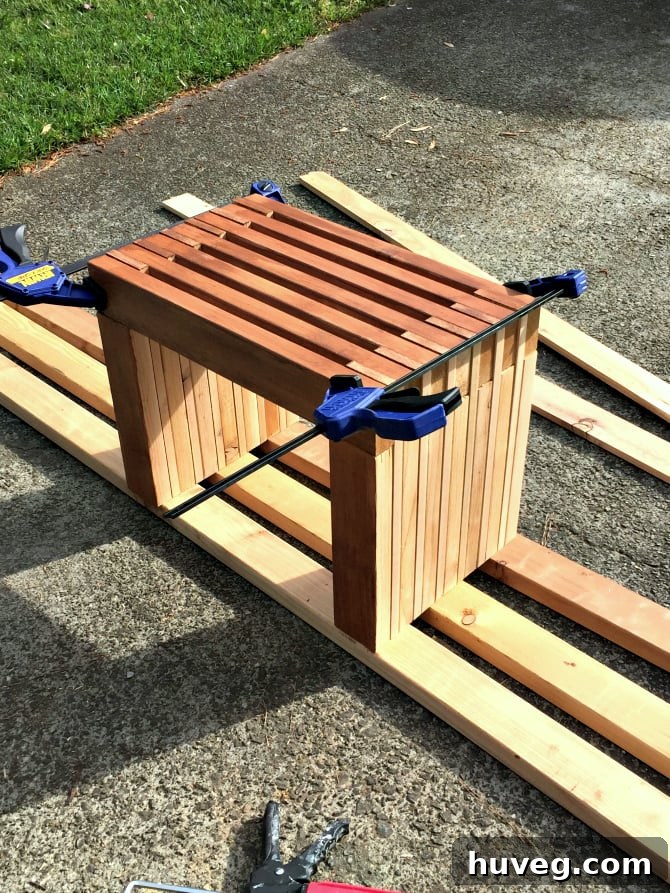
Transforming your outdoor living area into a functional and aesthetically pleasing space doesn’t have to be a daunting task. With a touch of DIY spirit and some quality materials, you can create stunning features that elevate your home’s exterior. This comprehensive guide will walk you through building a beautiful, modern yet rustic cedar bench – a perfect blend of style and practicality for any patio or garden. We’ll explore the design inspiration, the simple construction process, and how this versatile piece can enhance your outdoor entertaining dreams.
For years, I’ve harbored a vivid dream of creating an expansive outdoor oasis – a space where friends and family could gather, relax, and make lasting memories. My current patio, while cozy, has always felt a little too modest to accommodate those grand visions. It’s a common dilemma for many homeowners: wanting more out of their outdoor areas but feeling limited by space or existing structures. That’s precisely why a thoughtful and strategic approach to outdoor projects can make all the difference.
The Grand Vision: Transforming an Outdoor Space
My journey to creating the ultimate outdoor haven has been a gradual one, involving various projects both big and small across the front and back yards. From the satisfaction of installing raised garden beds along the fence line, which instantly added charm and greenery, to more intensive structural improvements, each step contributes to the larger picture. An outdoor space isn’t just about furniture; it’s about creating an experience, an extension of your home.
Previous projects have laid the groundwork, tackling both aesthetic and functional elements. These include foundational improvements that enhance curb appeal and livability:
- Adding a robust and stylish fence to define boundaries and provide privacy.
- Sprucing up the mailbox area, a small detail that makes a significant first impression.
- Enhancing garden beds with perennials, ensuring vibrant color and life throughout the seasons.
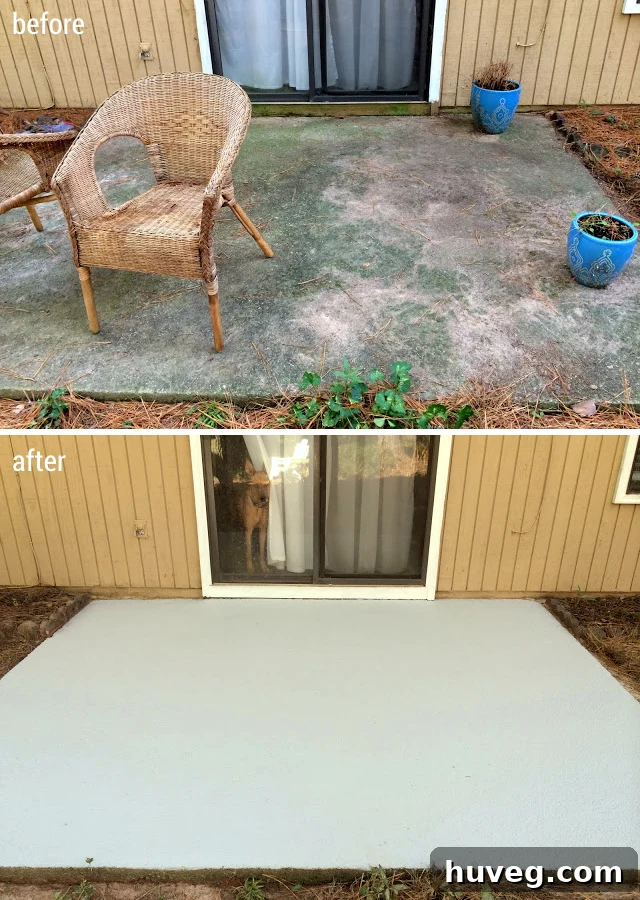
- Revitalizing the small patio slab in the backyard, demonstrating that even a modest budget can yield impressive results (as seen above).
- Undertaking the demanding task of removing several troublesome pine trees, opening up the space and improving sunlight.
- Relocating shrubs and other plants to optimize the layout and protect existing flora.
- Upgrading the outdoor gate with a self-adjusting latch for improved functionality and security.
While these past endeavors have been rewarding, they serve as mere preludes to the ambitious plans I have for this year. The scope of upcoming projects promises to be significantly larger, potentially involving heavy machinery and substantial transformations. Those details will unfold in future posts, but today, I wanted to focus on a more immediate, manageable, and equally impactful project: the modern rustic cedar bench.
Embracing the DIY Spirit: The Great Outdoors Challenge
The impetus for this particular project came from Katie’s #greatoutdoorschallenge. These types of collaborative DIY challenges are something I genuinely love. Despite often being pressed for time, they provide that crucial spark of motivation needed to finally tackle those long-standing items on my to-do list – tasks that sometimes get pushed aside until almost forgotten. My participation in previous challenges, such as creating a scrap wood magnetic bottle opener, a DIY light fixture knockoff, an organized silverware drawer insert, and even Christmas kitchen window decorations, consistently proves their value.
So, this week, amidst an already hectic schedule, I committed to a simple goal: add some much-needed seating to our currently modest patio. The process began with careful selection of materials, precise cuts, and thoughtful consideration of stain choices. The goal was to create pieces that were not only functional but also aesthetically appealing, blending seamlessly with both existing and future outdoor decor.
As is often the case with DIY projects, especially when balancing them with an already demanding schedule, the finish line proved a bit elusive within the initial timeframe. While not entirely complete within the 24 hours I optimistically allotted, significant progress was made. In the world of blog challenges, timely participation is key, so sharing the journey and the progress, rather than waiting for absolute perfection, is often the best approach. This post showcases the exciting advancements in creating our new cedar benches.
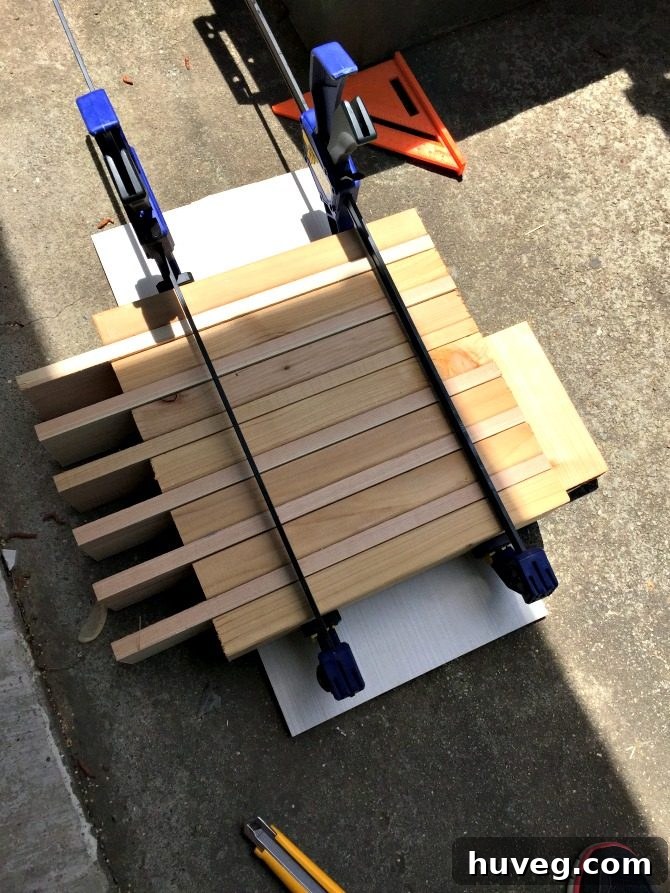
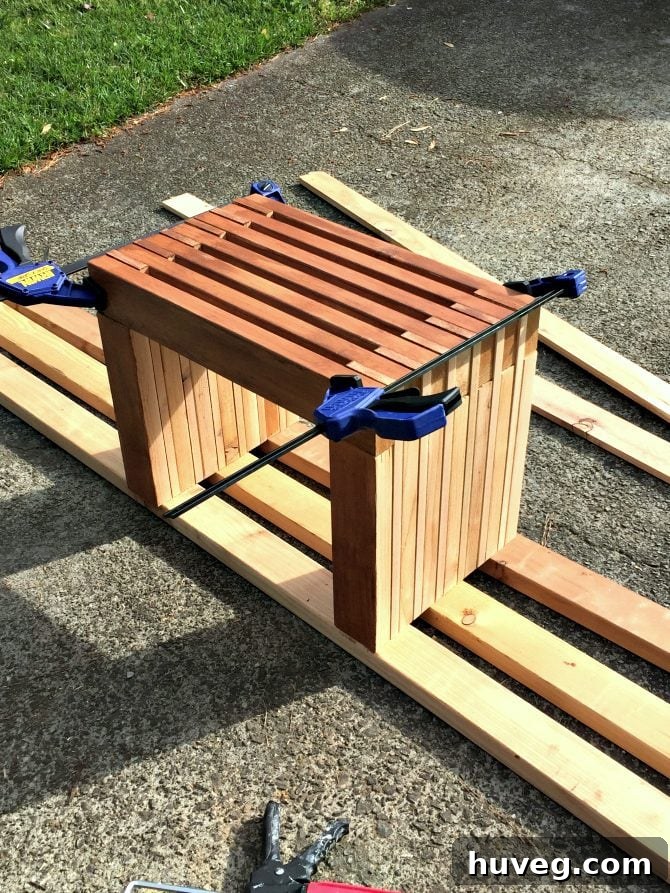
The Modern Rustic Cedar Bench: Design and Construction Philosophy
Achieving a modern yet rustic aesthetic might seem contradictory, but it’s a design philosophy that brings warmth and contemporary appeal together beautifully. For these benches, the rustic element comes naturally from the choice of cedar – a wood known for its beautiful grain, inherent durability, and charming imperfections. The “modern” aspect is introduced through clean lines and a straightforward, functional design. While the stain color is still under evaluation (and the drying process can make it appear uneven at first), time often mellows and integrates the finish, so patience is key before making any hasty decisions – a common sentiment among DIY enthusiasts when stains don’t immediately meet expectations!
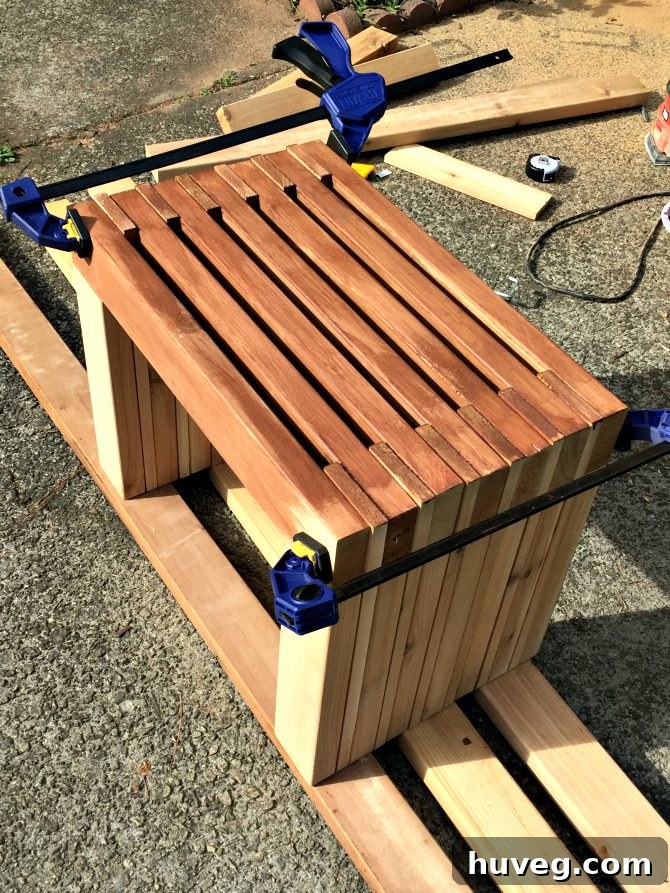
My inspiration for these benches drew from various excellent resources, including design concepts found here, here, and here. I customized the overall length and decided on incorporating subtle gaps between the 2x4s on the bench tops. This choice not only adds to the modern slat design but also allows for natural drainage, a practical benefit for outdoor furniture. While some tutorials suggest perfectly smooth, table-sawn edges, embracing the slightly rougher, natural texture of cedar planks actually enhances the rustic charm. This approach reduces the need for meticulous sanding and perfectly flat surfaces, making the project more accessible for the average DIYer and truly celebrating the character of the wood.
Materials and Tools You’ll Need
Crafting these cedar benches requires a thoughtful selection of materials and standard woodworking tools. Cedar is an excellent choice for outdoor furniture due to its natural resistance to rot, insect damage, and moisture, ensuring longevity and minimal maintenance. Its beautiful aroma and rich color also add to its appeal.
Key Materials:
- Cedar 2x4s: These form the main structural components and the top slats of the bench.
- Cedar 1x4s: Used for supportive elements and potentially decorative trim, adding stability.
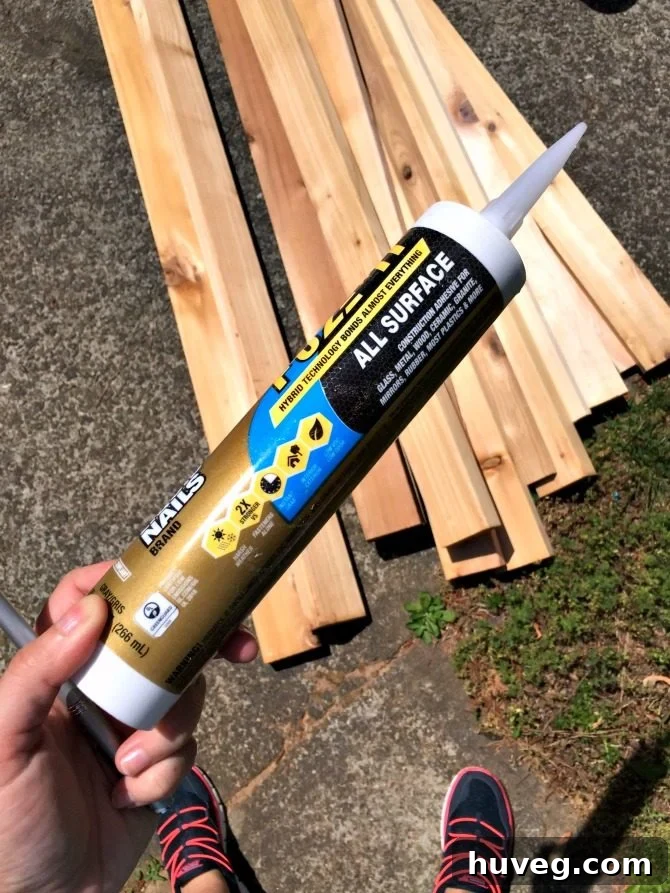
- Liquid Nails (indoor/outdoor formula): A high-strength construction adhesive essential for securely bonding wood joints, providing extra durability alongside mechanical fasteners.
- Long adjustable bar clamps: Indispensable for holding pieces firmly together while the adhesive cures, ensuring strong, even bonds.
- Thompson’s WaterSeal transparent waterproofing stain in Acorn Brown: A vital finishing product that both protects the wood from the elements and enhances its natural beauty with a rich, transparent tint.
Essential Tools:
While specific power tools can speed up the process, many of these tasks can be accomplished with hand tools. Always prioritize safety by wearing appropriate protective gear.
- Miter Saw or Circular Saw: For making precise cuts to your cedar lumber. A miter saw offers excellent accuracy for repeatable cuts.
- Drill/Driver: For pre-drilling holes to prevent splitting and driving screws.
- Measuring Tape and Pencil: For accurate measurements and marking cuts.
- Speed Square or Combination Square: To ensure square cuts and assemblies.
- Sander (orbital or block): For smoothing rough edges and preparing the wood for stain. While I embraced the rustic look, some sanding is always beneficial.
- Wood Glue (in addition to Liquid Nails): A good quality exterior wood glue for joints, applied liberally for maximum strength.
- Exterior Wood Screws: Stainless steel or galvanized screws are recommended for outdoor use to prevent rust.
- Paint Brushes or Applicators: For applying stain and sealer evenly.
- Safety Glasses and Gloves: Always protect your eyes and hands when working with tools and chemicals.
This post contains affiliate links — for the full disclosure policy, click here.
Step-by-Step Construction (High-Level Guide)
While a detailed cut list will be provided once both benches are fully completed and finalized, here’s a general overview of the construction process to guide your own DIY outdoor bench project:
- Planning and Design: Determine the desired dimensions of your bench based on your space and needs. Sketch out a simple design, noting where each 2×4 and 1×4 will be used. Consider the height, depth, and length for comfortable seating.
- Cutting the Lumber: Carefully measure and cut all your cedar pieces to the appropriate lengths. Double-check your measurements before making any cuts. For the bench top, ensure your slats are consistent.
- Assembling the Frame: Construct the base frame using your 2x4s and 1x4s. This typically involves creating two end frames and connecting them with longer support pieces. Use exterior-grade wood screws and construction adhesive (like Liquid Nails) at every joint for maximum strength. Ensure all corners are square.
- Attaching the Top Slats: Once the frame is sturdy, attach the cedar 2×4 slats to the top. Maintain even spacing between each slat if you’re opting for a slatted design. Secure each slat with screws, again using adhesive for a lasting bond.
- Sanding and Preparation: Lightly sand any rough edges or surfaces. Even with a rustic aesthetic, smooth edges prevent splinters and provide a better surface for staining. Wipe away all dust before proceeding.
- Staining and Sealing: Apply your chosen waterproofing stain and sealer. Follow the manufacturer’s instructions carefully for application and drying times. This step is crucial for protecting the cedar from UV rays, moisture, and mildew, significantly extending the life of your bench. Apply multiple coats if recommended, ensuring even coverage.
- Final Touches: Once the stain is fully dry, inspect your bench for any loose screws or areas needing touch-ups. Adjust any dividers or internal components if necessary.
Beyond Seating: The Versatility of Modular Design
One of the most appealing aspects of these DIY outdoor benches is their remarkable versatility. Designed with a modular-ish approach, they are far more than just simple seats. They possess multiple personalities, capable of adapting to various needs and occasions, making them incredibly handy for fluctuating crowd sizes or changing outdoor layouts.
- Future Side Tables: When not needed for seating, these benches can easily function as elegant side tables, perfect for holding drinks, books, or small decorative items.
- Coffee Table Configuration: Placed side-by-side, two benches can transform into a charming and robust outdoor coffee table, offering ample surface area for snacks and beverages during gatherings.
- Footrests: Providing a comfortable spot to put your feet up after a long day, adding to the relaxation quotient of your patio.
This inherent flexibility means they will effortlessly scale up with a larger seating area once the more ambitious outdoor projects come to fruition later this summer. They are designed to be robust enough to comfortably bear weight, yet sleek enough to integrate into diverse arrangements.
Looking Ahead: Future Outdoor Endeavors
While the focus today is on these beautiful cedar benches, they are just one piece of a much larger puzzle. My vision for the outdoor space includes an even more expansive and inviting seating area, and I eagerly anticipate tackling that project this summer. For now, with the first bench largely complete and the second underway, it’s time to celebrate this small victory and enjoy the satisfaction of a project well on its way to completion. The journey of transforming a house into a dream home is often a marathon, not a sprint, filled with crazy months and rewarding moments.
Join the Outdoor DIY Community!
Don’t forget, this cedar bench project is part of a larger collaborative effort – the Great Outdoors Challenge! Many other talented bloggers are participating, sharing their incredible outdoor transformations and inspiring ideas. These challenges are fantastic for sparking creativity and finding innovative solutions for your own outdoor spaces. I encourage you to explore their projects by clicking on the links below:
Great Outdoors Challenge Participants
Addicted 2 DIY
Ugly Duckling House (you’re HERE)
Pneumatic Addict
That’s My Letter
My Repurposed Life
My Love 2 Create
Her Tool Belt
You can also share your own outdoor projects and join the community spirit! Summer is the perfect time to tackle those outdoor to-do lists and bring your Pinterest board dreams to life. There’s no judgment here – we all have ambitious plans for our homes. If you’re inspired to start your own project, share it with us!
Looking for another outdoor seating idea? After building my floating deck, I later created a series of versatile outdoor bench seats specifically designed to complement a firepit area:
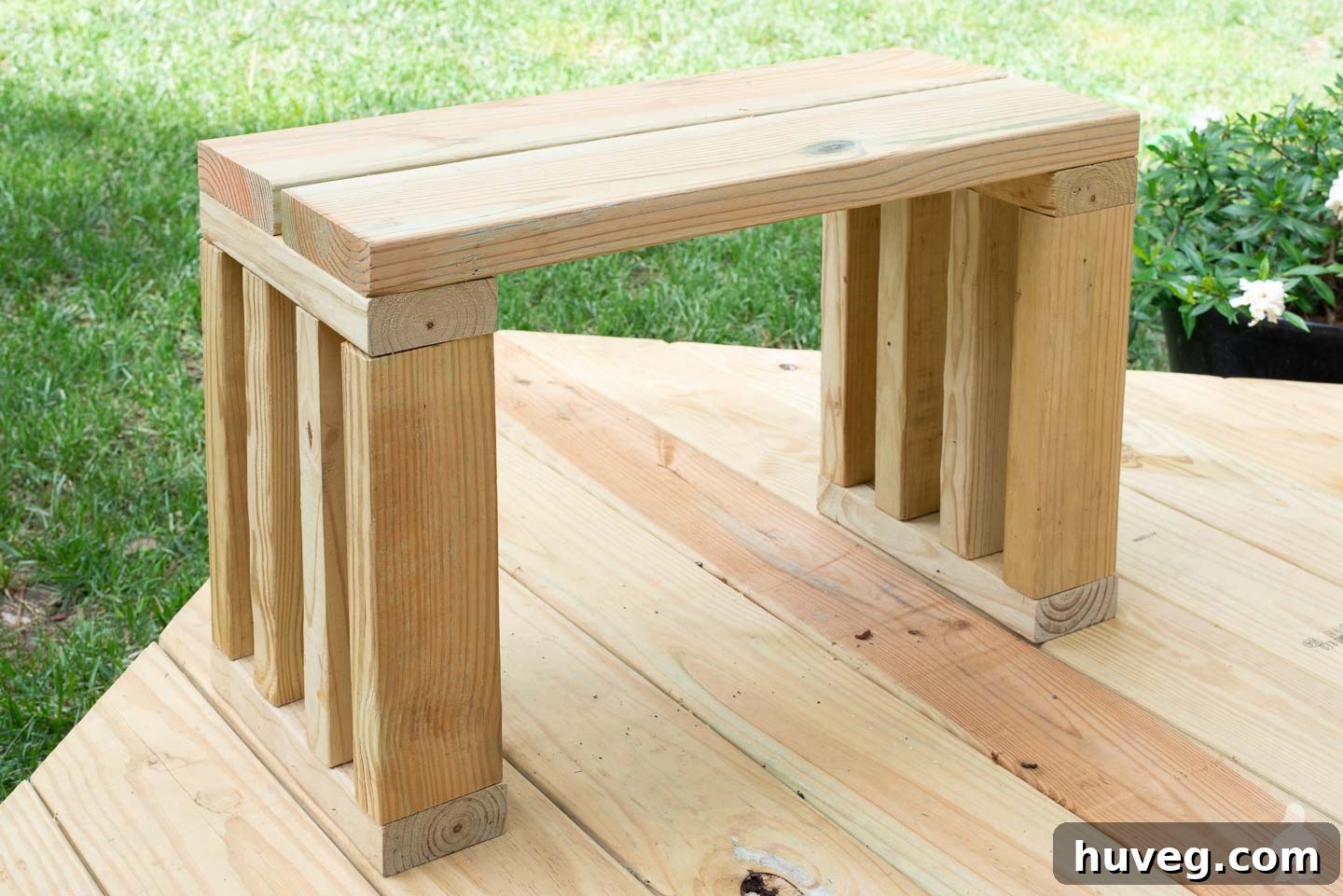
Whether you’re embarking on a full patio overhaul or simply adding a new piece of custom furniture, the satisfaction of building something with your own hands is truly unparalleled. These modern rustic cedar benches are more than just seating; they’re an invitation to enjoy your outdoor space to the fullest, a testament to the power of DIY, and a beautiful step towards creating the outdoor sanctuary you’ve always envisioned. Happy building!