Autumn Lawn Overseeding and Yard Winterization

Achieving a lush, vibrant, and healthy lawn that truly stands out in your neighborhood often feels like an elusive goal for many homeowners. While professional landscapers frequently employ a powerful, yet often overlooked, technique, most DIY enthusiasts remain unaware of its transformative potential. This secret weapon? Overseeding the lawn.
Recently, I dedicated a significant amount of time to my yard, tackling various projects from preparing for a new fire pit to general clean-up. While awaiting a final gravel delivery to complete that project, my attention naturally shifted to another crucial aspect of lawn improvement: overseeding. If you dream of a denser, greener, and more resilient lawn, understanding the ‘how,’ ‘when,’ and ‘why’ of overseeding is absolutely essential. It’s the key to turning those aspirations into a tangible reality.
Understanding Overseeding: What It Is and Why It Matters
At its core, “overseeding the lawn” is precisely what the name implies: the strategic spreading of new grass seed directly over your existing turf. It’s a foundational technique in advanced lawn care, designed to invigorate and thicken your grass without the need for a complete lawn renovation.
When I first ventured into homeownership, the concept of overseeding was entirely new to me. I quickly learned that it’s far more than just scattering seeds; it’s a deliberate practice with profound benefits. Properly executed overseeding addresses common lawn problems by filling in sparse or bare areas, thereby preventing weeds from establishing a foothold. It also helps maintain your lawn’s vibrant green color, particularly as seasons change and some grass varieties enter dormancy. For instance, understanding the difference between summer and winter grasses, and how overseeding can bridge the visual gap, is crucial for year-round appeal.
Think of overseeding as a rejuvenation treatment for your lawn. While the initial transformation might be subtle, consistent application yields dramatic improvements in density, color, and overall health. It’s an ongoing commitment to nurturing your green space, much like any essential home maintenance. The results, however, are far more gratifying than, say, cleaning gutters!
Over the past year, those who’ve followed my journey have witnessed the extensive efforts I’ve poured into transforming my backyard. This has included significant projects like grading the terrain, planting new grass, and even establishing a temporary fire pit to efficiently clear old tree stumps. While each step has contributed to the overall improvement, overseeding has undeniably played a pivotal role in achieving the greener, healthier lawn I now enjoy.
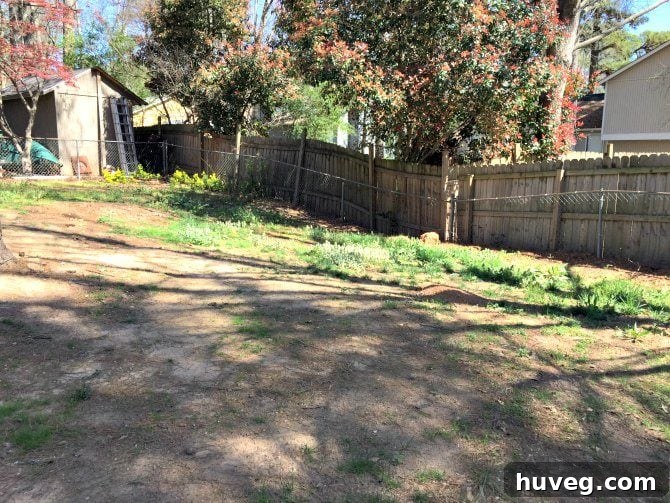
As fall approached and temperatures began to cool, my long-term vision for the yard from spring resurfaced. Some of the initial grass, specifically the ryegrass, naturally died back as expected. Given the aggressive weed problem I faced before establishing any grass, I understood that achieving a truly healthy lawn would be a marathon, not a sprint. This realization prompted further research into sustainable lawn care practices.
The consensus among online lawn care experts and enthusiasts unequivocally points to overseeding as a superior method for cultivating thick, healthy turf. They consistently recommend fall as the optimal time for this process. Embracing this advice, I decided to give overseeding a try, eager to see how much more vibrant and full my yard would look by the time spring arrived again.
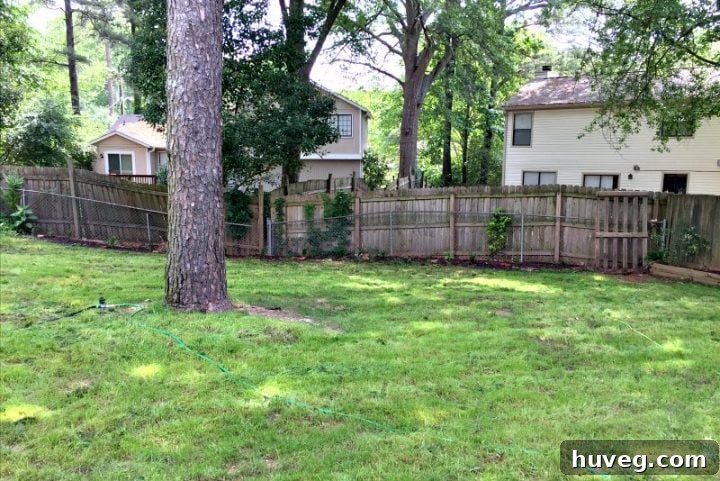
The transformation was undeniable. The combined efforts of selective seeding and consistent care began to pay off, and the prospect of even greater improvement through overseeding was incredibly motivating. It’s a testament to the fact that with the right techniques, even a struggling lawn can be brought back to life.
The Optimal Timing for Overseeding Your Lawn
Timing is paramount when it comes to successful overseeding, and adhering to regional recommendations can significantly impact your results. For my specific region in Georgia, the ideal window for overseeding typically falls between September and October. This period allows the new grass seeds to establish strong root systems before the harsh cold of winter sets in, or before the intense heat of summer stresses young seedlings.
However, practical considerations sometimes necessitate slight deviations from the textbook schedule. Due to upcoming travel and other fall projects, I made the pragmatic decision to overseed a bit earlier than strictly recommended. My rationale was simple: completing the task while temperatures were still within the suitable range was preferable to indefinite procrastination, which would likely result in no seeding at all. Often, getting the job done “good enough” is better than waiting for “perfect” and never starting.
My strategy involved a two-phase approach. First, I focused on reseeding with my primary, year-round grass type: fescue. This drought-tolerant variety thrives in Georgia’s climate, forming the backbone of my lawn. Following this initial seeding, I plan to introduce winter rye. While winter rye is a temporary solution that eventually dies off, it serves several crucial purposes: it provides a vibrant green color during the colder months, helps suppress emerging weeds, and significantly reduces soil erosion—a persistent challenge in many yards. By combining these efforts, I aim to create a resilient, attractive lawn that remains healthy year-round, even if I’m not following every single expert recommendation to the letter. These basic grass seeding principles have already yielded positive results for my lawn, and I continue to build on that success.
Essential Lawn Preparation: Spreading Soil and Raking
Many homeowners, myself included for a long time, mistakenly believe that achieving a lush, gorgeous lawn is as simple as purchasing a bag of seed and haphazardly scattering it with a broadcast spreader. Unfortunately, this “throw and go” approach rarely yields the desired results, as evidenced by my own prolonged struggle to cultivate dense, healthy grass.
Effective overseeding begins with meticulous lawn preparation. One unexpected benefit from having a temporary fire pit in my yard over the past year was the accidental creation of a rich, dark compost. The combination of burned yard debris, ash, and rainwater transformed into an incredibly fertile material, teeming with beneficial worms and microorganisms. Discovering this ready supply of nutrient-dense compost was a game-changer, providing an ideal, healthy soil amendment to spread across the yard in anticipation of the new grass seed.
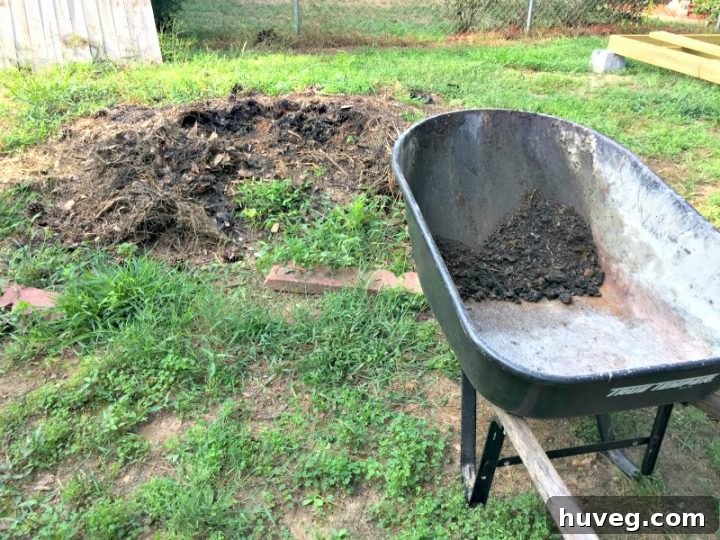
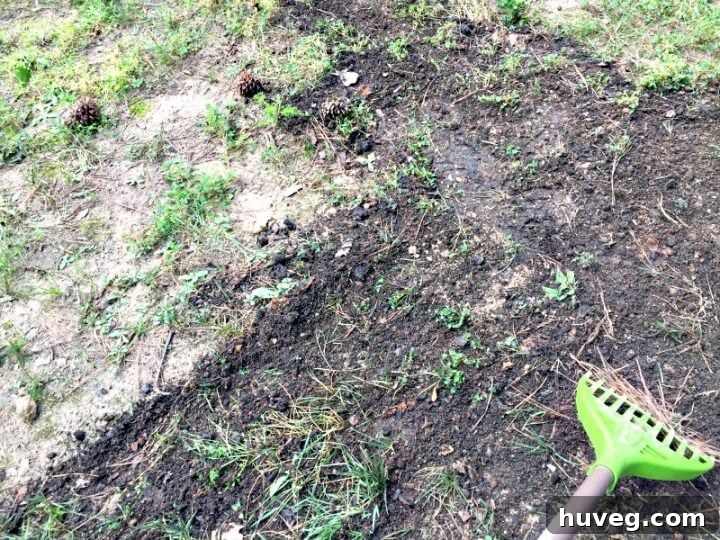
In addition to spreading this valuable compost, I dedicated time to thoroughly raking up “thatch.” Thatch is an accumulation of un-decomposed organic matter – tiny bits of grass clippings, twigs, and leaves – that collect above the soil line and around the base of the grass blades. A thick layer of thatch can impede water, nutrients, and air from reaching the grass roots, making it difficult for new seeds to germinate and establish. By carefully raking and removing this thatch, I created a much more hospitable environment for the new seeds, allowing for better soil contact and improved germination rates. This crucial step primed the yard perfectly for the subsequent stages of the overseeding process.
The Step-by-Step Guide to Overseeding Your Lawn
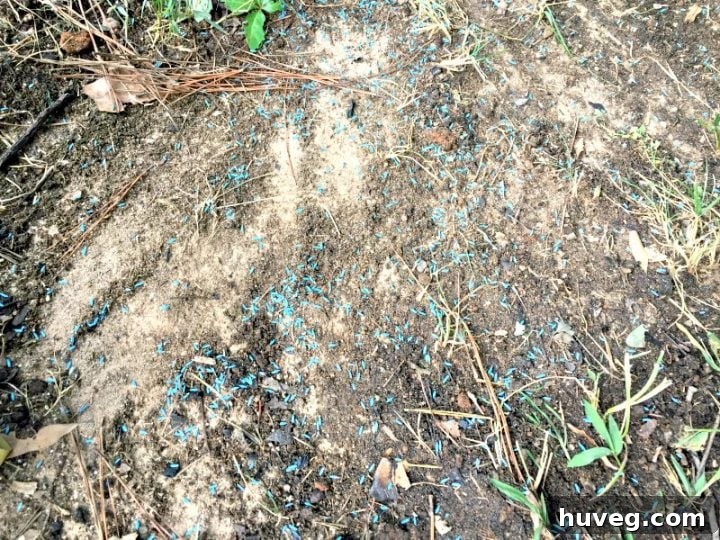
When it comes to selecting grass seed, while I anticipate eventually transitioning to more economical, pure seed options, for now, I gravitate towards varieties that include a starter fertilizer. These “all-in-one” formulations are often more forgiving and can germinate even in less-than-ideal conditions, making them perfect for accelerating growth in challenging areas. You’ll find several reputable brands of grass seed with integrated fertilizer available at any local home supply store, offering a convenient solution for beginners or those tackling tough lawn spots.
The instructions on the grass seed package are your best friend. For the specific seed I chose, the recommendation was to spread the seed in three separate passes to ensure maximum coverage and even distribution. I meticulously followed this advice, carefully scattering the seed across the entire lawn, with particular attention paid to any bare or thin patches that needed extra revitalization. After the initial application, a light raking followed, as also suggested on the packaging. This gentle raking serves a crucial purpose: it helps mix the new seeds with the existing soil and compost, improving seed-to-soil contact. This contact is vital for germination, as it ensures the seeds are sufficiently embedded to retain moisture and receive nutrients. The entire overseeding process was remarkably smooth and efficient, yielding a sense of accomplishment knowing I had set the stage for a thicker, healthier lawn.
The Importance of Adding a Layer of Straw After Seeding
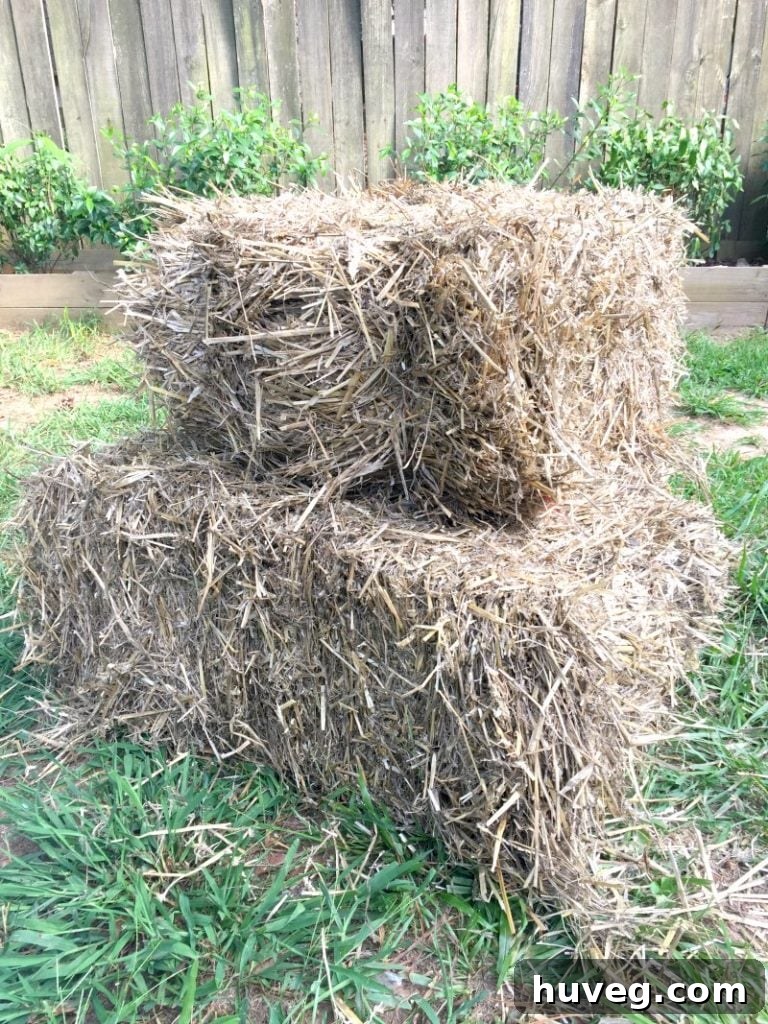
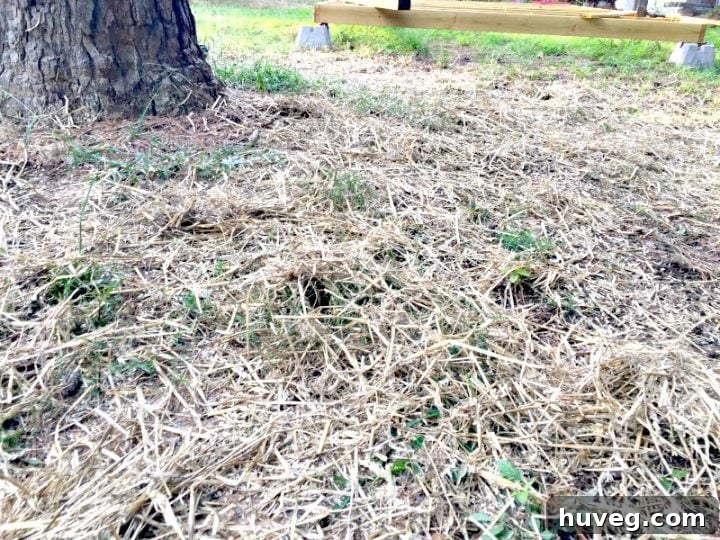
For the first time in my lawn care endeavors, I decided to incorporate a step highly recommended by seasoned experts: applying a thin, protective layer of straw over the newly laid grass seed. This simple yet highly effective technique offers a multitude of benefits, critical for the successful germination and establishment of your new grass.
Firstly, straw acts as an excellent insulator, preventing rapid moisture evaporation from the soil. This creates a consistently warm and moist environment—the perfect conditions for grass seeds to germinate efficiently. Without this protective layer, young seeds are far more susceptible to drying out, particularly during sunny or windy periods. Secondly, the straw provides a physical barrier that keeps loose dirt and tiny grass seeds from being displaced by strong winds or heavy rainfall. This ensures that your carefully spread seeds remain in place, rather than washing away or congregating in uneven patches. Lastly, and perhaps most importantly, a layer of straw offers crucial protection against hungry birds. Newly sown grass seeds are an irresistible feast for avian visitors, and straw effectively shields them, allowing the seeds ample time to take root and thrive without becoming a snack. This additional step significantly boosts the chances of a dense, uniform stand of new grass.
Mowers & Lawn Tool Tune-Ups: Nurturing New Grass and Equipment
One of the most critical, yet often overlooked, aspects of successful overseeding is refraining from mowing your newly seeded lawn for a specific period. It’s essential to allow the new grass seeds sufficient time to germinate and establish their delicate root systems. Typically, this means delaying mowing until the new grass blades are at least 2-3 inches tall, usually a few weeks after seeding. During this waiting period, I temporarily decommission my mower, providing a welcome break for both me and my equipment.
This forced pause from lawn duties presents an excellent opportunity to give my neglected lawn tools some much-needed tender loving care. For the past year and a half, I relied on a neighborhood service to maintain my lawn. This arrangement worked perfectly for a while—it freed me from a task I genuinely dislike and alleviated the burden of tool maintenance. However, several mishaps began to occur: cherished plants were smothered, favorite tools mysteriously disappeared into yard debris piles or even burn pits, and general inconsistencies became frustratingly common.
After investing significant renewed effort into upgrading my lawn care regimen through diligent overseeding, I quickly realized that my previous hands-off approach was no longer sustainable (pun intended!). Taking direct control meant reconnecting with my own tools, and it became evident that they were in dire need of attention after languishing unused in the garage for so long. Proper tool maintenance is not just about longevity; it’s about efficiency and effectiveness when you finally resume your lawn care tasks.
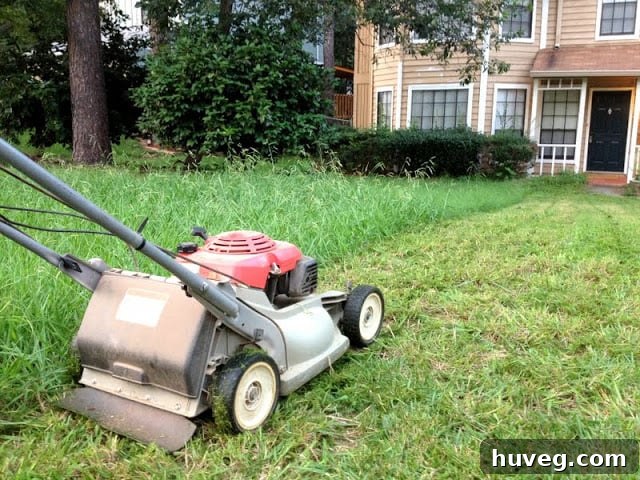
Rest assured, embracing DIY lawn care doesn’t mean I’m going it alone. I have invaluable support systems. One is in the form of my incredibly helpful partner, who possesses a genuine interest in yard care and shares his expertise—like troubleshooting my mower when it unexpectedly broke down this spring. His mechanical aptitude is a huge asset.
Another fantastic resource comes from a new partnership with Sears PartsDirect, offering comprehensive DIY repair guides. Despite having authored numerous home repair guides myself over the years, anything mechanical can be quite intimidating for me. Partnering with a company that provides detailed guides on essential tasks like mower repair and sharpening mower blades was a no-brainer. This invaluable resource empowers me to confidently tackle mechanical issues, ensuring my equipment is always in top working order. With several other household items also needing attention, I now have a growing list of repairs and parts to order, all supported by reliable guides.
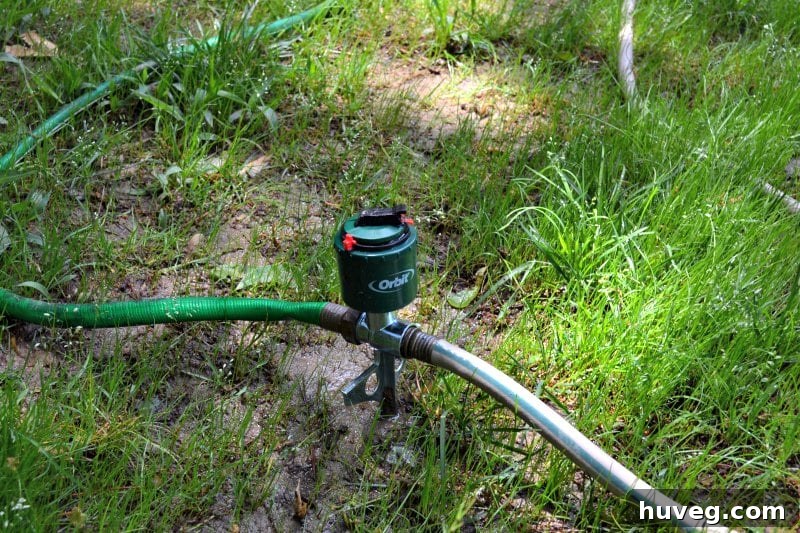
The results of my overseeding efforts are already evident: delicate grass sprouts are beginning to emerge, and my lawn is visibly starting to fill in, transforming bare patches into a dense, green carpet. In just a few short weeks, I plan to apply a lawn starter fertilizer to further nourish the young seedlings and will make a final decision on whether to lay down some winter rye – a choice I’m heavily leaning towards, given its benefits for winter color and erosion control. The sprinklers are diligently running their cycles (set to operate at night to maximize water absorption and minimize evaporation, as it’s far too early for manual watering right now!). I am confident that by consistently applying these overseeding techniques, my yard will achieve a lush, healthy, and envy-worthy appearance in no time.
What are your tried-and-true secrets for maintaining a healthy lawn? Do you have any personal overseeding tips or tricks you’ve discovered along your lawn care journey? Share your insights and let’s cultivate greener spaces together!