All You Need Is Inside

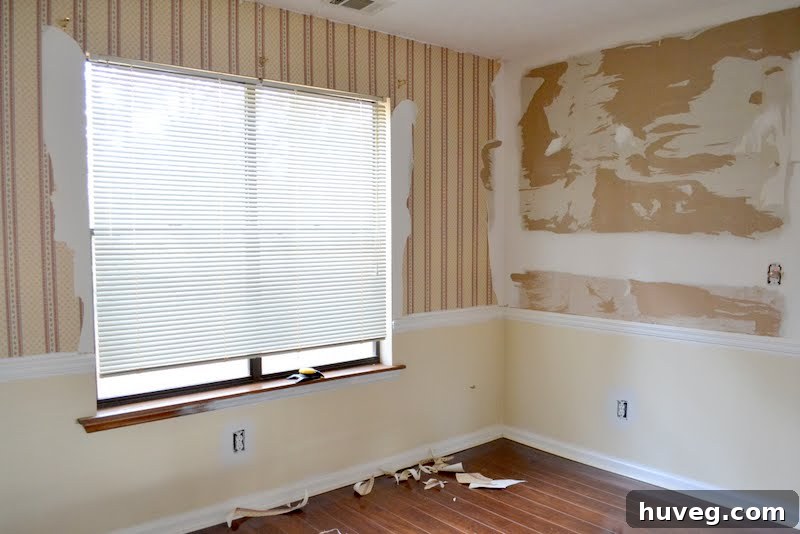
(If you haven’t figured it out by now, most of my post titles come from song lyrics; today’s is courtesy of one of my favorite rainy day songs).
Transforming Your Dining Room: From Rainy Day Delays to Renovation Dreams
Sometimes, the best-laid plans go awry, and sometimes, that’s precisely when the most exciting indoor transformations begin. My recent weekend was a perfect testament to this truth. What started as a meticulously planned schedule for exterior home improvements quickly dissolved under a relentless downpour. The heavy, chilly rain wasn’t just a minor inconvenience; it forced my dad and our trusted neighborhood handyman, Tony, to reschedule their visit, effectively postponing all my outdoor aspirations for at least another week. While initially frustrating, this unexpected turn of events presented a unique opportunity: a complete shift in focus towards an indoor project that had been patiently waiting for its turn – the dining room.
Instead of wallowing in the disappointment of cancelled plans, I found myself standing in the heart of my dining room, a space that, despite its central location, felt surprisingly overlooked. This wasn’t merely idleness; it was a deep dive into contemplative planning, a crucial phase for any successful DIY home improvement project. It’s a moment many homeowners can relate to: pausing amidst the chaos of unfinished rooms, visualizing the “after” and systematically breaking down the path to achieve it. This quiet introspection allowed me to meticulously outline a comprehensive list of tasks, prioritizing not just what needed to be done, but also the logical sequence of steps for a seamless dining room renovation.
The Grand Blueprint: Crafting a Detailed Dining Room Renovation Plan
Creating a detailed to-do list is the cornerstone of any effective home improvement project. It transforms vague ideas into actionable steps, providing clarity and direction. My dining room list grew organically from my contemplative walk-through, encompassing both aesthetic enhancements and practical upgrades. This wasn’t just about making the room look better; it was about enhancing its functionality, comfort, and overall appeal. Each item on the list plays a crucial role in achieving the desired transformation, from fundamental structural improvements to the smallest decorative details that truly bring a space to life.
Architectural Elegance: Casing and Molding Installation
One of the first priorities for my dining room transformation involves adding elegant casing and molding. This seemingly minor detail can dramatically impact a room’s character and perceived value. The plan includes installing casing around the doorways leading into both the kitchen and the living room, effectively framing these transitions and adding a sophisticated, finished look. Beyond the doorways, the large picture window will also receive similar treatment, enhancing its presence and integrating it more seamlessly into the room’s design. Choosing the right style of molding—whether traditional or more contemporary—is crucial to complement the home’s overall aesthetic and create a cohesive flow between spaces. Furthermore, to elevate the lower half of the walls, I plan to introduce picture frame molding below the existing chair rail. This classic architectural detail adds texture, depth, and a touch of bespoke elegance, transforming plain walls into a sophisticated backdrop without the need for extensive wallpaper or paneling. It’s a fantastic way to introduce visual interest and elevate the room’s interior design, making it feel more custom and inviting.
Window Wellness: Repairing Drafts and Optimizing Comfort
Beyond aesthetics, practical considerations such as energy efficiency and comfort are paramount. The large picture window, while beautiful, requires attention to its functional integrity. Repairing any existing drafts or old caulk issues is a critical step in preparing the room. Drafty windows can significantly impact indoor temperatures, leading to higher energy bills and a less comfortable living environment. Addressing these issues with fresh caulk and weatherstripping not only improves the room’s thermal performance but also contributes to a quieter space by reducing outside noise. This small but significant repair is essential before any painting or final decorative touches are applied, ensuring the room is as functional as it is beautiful.
Modernizing the Core: Lighting and Smart Home Integration
Modernizing the dining room also involves key electrical upgrades. Finding the perfect light fixture is more than just selecting a decorative piece; it’s about setting the right ambiance and providing adequate illumination for various activities, from intimate dinners to casual gatherings. I’ll be looking for a fixture that complements the room’s new aesthetic while offering sufficient lumens and the ability to dim. Speaking of dimming, switching out the old dimmer switch for a modern, reliable unit will allow for precise control over lighting levels, creating different moods and saving energy. Perhaps the most exciting technological upgrade on the list is replacing the old thermostat. I’m particularly interested in smart thermostats like the Nest thermostat. These devices offer significant benefits, including energy savings through learning capabilities, remote control via smartphone apps, and integration with other smart home systems. Given my “review freak” tendencies, I’ll be diving deep into user feedback and technical specifications to ensure it’s the right fit for my home, promising both comfort and efficiency for years to come.
The Essential Grind: Surface Preparation and Painting
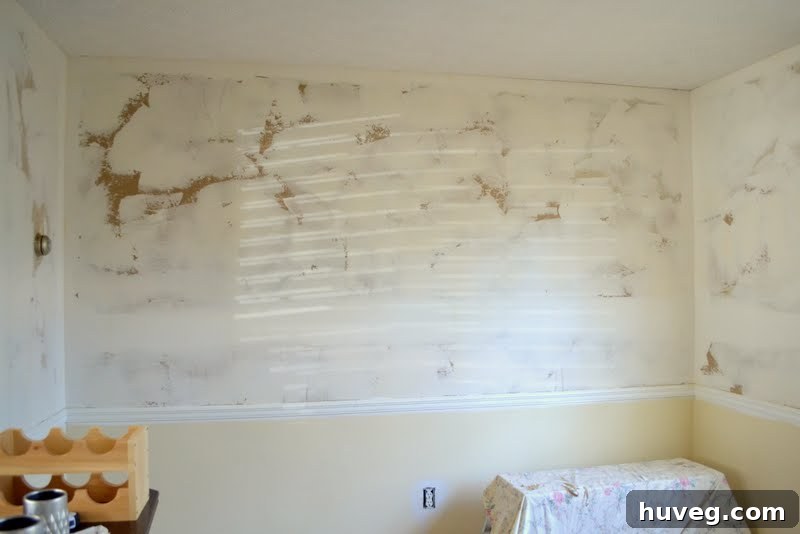
Before any paint can touch the walls, proper preparation is non-negotiable. This stage, while often tedious, is critical for a smooth, professional-looking finish. My list includes hanging plastic sheeting around all doorways and openings to protect adjacent rooms and furniture from dust. Following this, the walls will need thorough sanding. I admit, the thought of this task fills me with a mix of dread and excitement – dread for the effort, but excitement for the flawless surface that will emerge. Sanding helps to smooth out imperfections, remove old paint residue, and create a better adhesion surface for the new paint. After sanding, a meticulous cleaning of the walls is necessary before applying primer, followed by the chosen paint color. Choosing the right paint color and finish is a pivotal decision that will define the room’s new character, so I’ll be exploring various swatches to find the perfect hue to complement the new molding and overall decor.
The Final Flourishes: Furniture, Blinds, and Curtains
The culmination of all this hard work will be the exciting task of moving the furniture back into its rightful place. This is often the most rewarding part of any renovation, as the room finally begins to feel complete and lived-in. To enhance privacy, control natural light, and add another layer of texture and style, I’ll be hanging 2-inch white blinds and complementary curtains. These elements are not just functional; they play a significant role in the room’s overall aesthetic, tying together the architectural details and furniture selections. The combination of blinds and curtains offers flexibility in light management and an opportunity to introduce soft textiles that warm up the space, making the dining room truly welcoming and functional.
Here’s a condensed look at my comprehensive dining room renovation checklist:
- Add casing/molding around the doorways leading to the kitchen and living rooms for architectural definition.
- Install casing around the large picture window to enhance its prominence.
- Repair any draft or old caulk issues from the picture window for improved energy efficiency and comfort.
- Add picture frame molding to the lower half of the walls, below the existing chair rail, for added elegance and texture.
- Source and install a suitable light fixture that complements the room’s new aesthetic and provides ample illumination.
- Switch out the old dimmer switch for a modern equivalent, allowing for precise control over lighting ambiance.
- Upgrade the old thermostat to a smart thermostat, specifically exploring the benefits and features of the Nest system for energy savings and smart home integration.
- Hang plastic sheeting around all doors and openings, followed by thorough sanding of the walls to prepare them for painting.
- Apply primer and paint the walls with a carefully selected color to define the room’s new character.
- Move the furniture back into the newly renovated dining room, arranging it for optimal flow and functionality.
- Hang 2-inch white blinds and coordinating curtains to control light, ensure privacy, and complete the room’s decor.
Strategic Moves: Furniture Reorganization and Project Flow
My initial assumption that this dining room makeover would be a “quick fix” proved to be quite naive. For the longest time, I simply worked around the awkwardly placed furniture, tolerating the suboptimal flow. However, the realization that I needed to hang plastic sheeting and completely clear the doorways for proper sanding finally spurred me into action. This pivotal moment initiated a large-scale furniture reorganization. The living room couch, chairs, and the dining room table and chairs all had to be temporarily relocated, fitting snugly into the living room. This wasn’t just about clearing space; it was a strategic move to ensure that every nook and cranny of the dining room would be accessible for the renovation work. It highlights a common truth in home improvement: sometimes, you have to create a bigger mess to achieve a better outcome. This phase of the project also involved careful planning to ensure the temporary setup in the living room was still functional, making the best of the displaced items without completely disrupting daily life.
The Power of a Deadline: Finding Motivation for Renovation
I’m diving back into this ambitious dining room renovation project with renewed vigor, driven by two compelling reasons that serve as powerful motivators. Firstly, this project is intrinsically linked to another significant home improvement task: the repainting of the living room. To move forward with the living room, I absolutely must get all the dining room furniture out of the way, and quite simply, there isn’t anywhere else for it to go permanently. This creates a domino effect, where completing the dining room is a prerequisite for advancing the living room, ensuring continuous progress across my home improvement journey. Moreover, I’m keenly aware of my own habits; if I were to merely move the furniture back into the dining room before it’s fully completed, the chances of the room ever getting truly finished would be slim to none. This self-awareness acts as a powerful deterrent against procrastination.
Secondly, and perhaps most importantly, a concrete deadline looms on the horizon: my graduation celebration this December. I envision hosting this significant event in my home, welcoming guests into a beautifully transformed and functional space. For this vision to become a reality, the dining room absolutely has to be finished by then. This specific, unmovable date provides the ultimate impetus, turning a leisurely project into a focused mission. The added bonus of having a break from school this month offers dedicated time and focus, making it the perfect window to tackle the more labor-intensive tasks like hanging the protective sheeting and preparing the walls. This combination of interconnected projects, personal accountability, and an exciting future event coalesces into exactly the kind of motivation needed to push through the challenges and see this dining room transformation to its glorious completion.
Embracing the Unexpected: A Silver Lining
Looking back, getting rained out wasn’t a setback but a redirection. It served as a valuable reminder that unexpected changes can often lead to productive shifts in focus. Sometimes, the universe has a way of nudging us towards tasks we might have otherwise deferred. This unplanned pivot to the dining room project, complete with its detailed planning, strategic furniture reshuffling, and a firm deadline, feels like a silver lining to an initially soggy weekend. It underscores the dynamic nature of DIY home improvement, where flexibility and a positive attitude can turn obstacles into opportunities for progress. Every home renovation project is a journey of discovery, problem-solving, and ultimately, the satisfaction of creating a space that truly reflects one’s vision and effort. How was your weekend? Did any unexpected twists lead you down a new, productive path?