Abrasive

Navigating DIY Furniture Restoration with Seasonal Allergies: A Guide to Smooth Finishes and Clear Noses
Embarking on a furniture restoration project can be incredibly rewarding, transforming an old, forgotten piece into a cherished item. However, the hands-on nature of DIY, especially tasks like sanding, often brings unique challenges. For those of us who battle seasonal allergies, these projects can become a surprising test of endurance. What started as a simple desire to refresh a piece of furniture can quickly turn into a sneezing, itching ordeal. This article delves into how to tackle crucial steps like sanding while managing common allergy symptoms, ensuring your home improvement journey is as smooth as your finished project.
The Fine Dust Challenge: Sanding Furniture and Allergy Triggers
My recent project, rejuvenating an old wooden table with intricate legs, perfectly illustrated this delicate balance. While the satisfaction of seeing progress was immense, it often came at the cost of an incessantly itchy nose and watery eyes – classic signs of my seasonal allergies flaring up. Sanding, a critical step in preparing any wooden surface for paint or stain, inevitably creates a fine dust. This dust, even from wood, can exacerbate allergy symptoms for sensitive individuals, blending with ambient pollen and other allergens to create a potent airborne irritant. It’s a stark reminder that even seemingly simple DIY tasks require thoughtful preparation, especially when personal health considerations are in play.
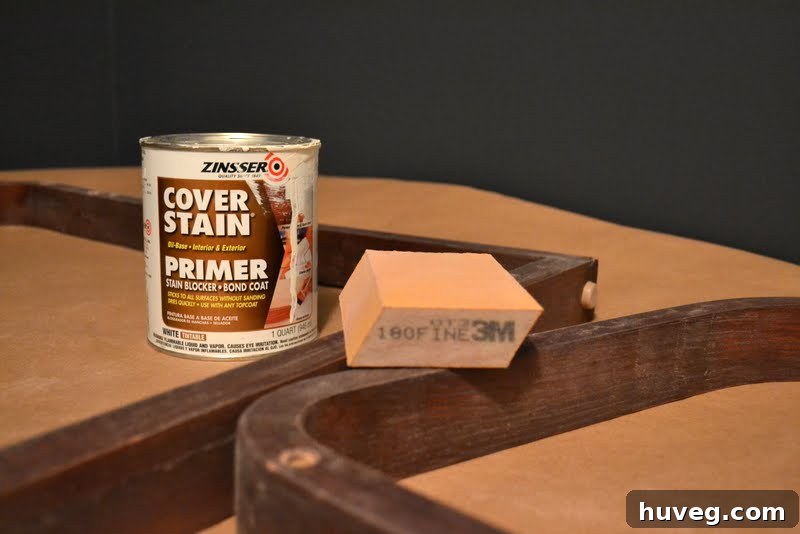
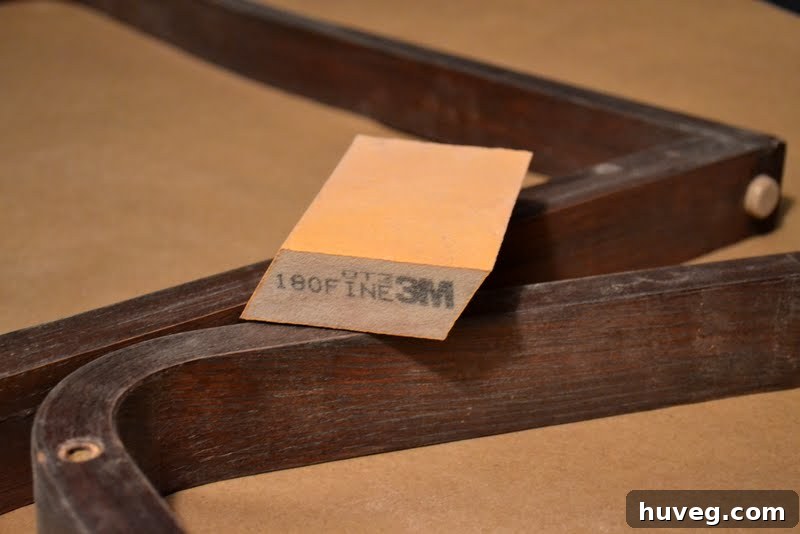
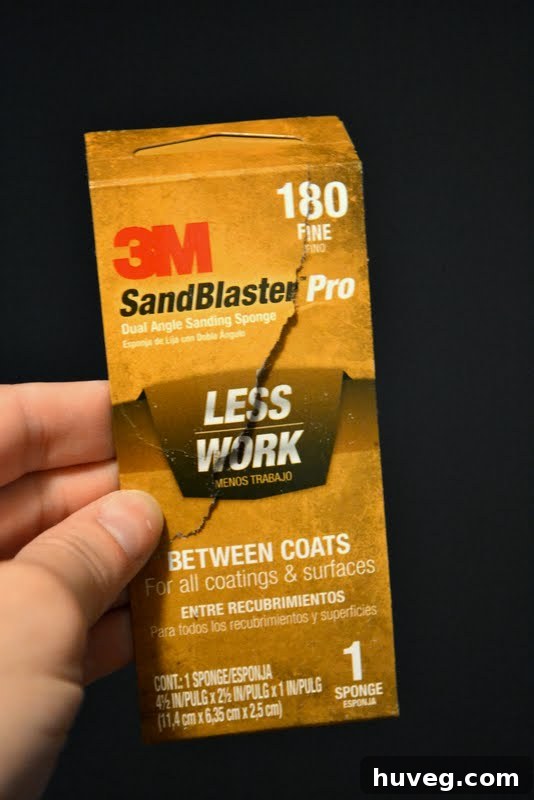
Proper preparation is key to achieving a flawless finish. For this particular piece, the goal was to meticulously rough up the existing finish on the table legs, creating a porous surface for the new paint to adhere firmly and last longer. I opted for a 180-grit angled sanding block. The genius of an angled block lies in its ergonomic design, allowing for much easier access to tight corners, ornate carvings, and the many crevices typical of vintage furniture legs. Unlike flat sandpaper, which struggles to conform to irregular shapes, the slanted sides of the block provided the necessary flexibility, ensuring every inch was properly scuffed without the need for extensive disassembly. Taking the legs apart further simply wasn’t an option without risking damage or complex reassembly challenges, making the angled block an indispensable tool in my arsenal for furniture refinishing.
Using the correct grit sandpaper is paramount for a successful outcome. A 180-grit is considered a medium grit, ideal for removing minor imperfections, old finishes, or preparing a surface for a primer or paint. It provides enough abrasion to create a good “tooth” for subsequent coats without leaving deep scratches that would show through the final finish. For heavier material removal, coarser grits like 60 or 80 would be used, followed by progressively finer grits (e.g., 120, 180, 220) to smooth the surface and achieve a professional feel. Conversely, for ultra-fine finishing work or buffing, grits of 320 or higher might be employed. Understanding this progression and selecting the right sandpaper for each stage is crucial for any successful refinishing project, ensuring both efficiency and superior results.
DIY Mishaps and the Importance of Documentation
It’s often said that experience is the best teacher, and sometimes, those lessons come from minor blunders that are both frustrating and humorous. During the flurry of excitement to start the project, eager to get my hands dirty, I committed a classic DIY faux pas: I ripped off the label of a key product – in this case, a special primer specifically formulated for challenging surfaces – *before* thinking to snap a reference photo. It was only after the fact that the thought crossed my mind: “Oops, I might have needed that for future reference!” This eagerness to dive in, while commendable for its enthusiasm, can sometimes lead to overlooking small but incredibly important details.
Product labels, especially for paints, primers, sealants, stains, or specialty adhesives, contain vital information that can be invaluable throughout a project and beyond. This includes batch numbers, specific application instructions (like ideal temperature ranges or layering techniques), precise drying and curing times, proper clean-up procedures, and crucial safety warnings. Without this information readily available, recreating a specific finish, troubleshooting an unexpected issue, or even disposing of excess product correctly can become significantly harder, potentially leading to wasted time or materials. A simple label can hold the key to success or failure in a complex step.
This incident served as a good reminder of the overarching importance of documenting your DIY projects thoroughly. Simple steps like taking a photo of product labels *before* use, jotting down paint codes and mixing ratios in a dedicated project notebook, or even keeping small swatches of materials can save immense headaches down the line. It ensures consistency if you need to buy more of the same product, helps you recall specific techniques used, and serves as a valuable resource for future projects or when sharing your methods with others in the DIY community. A small moment of foresight can prevent a large amount of frustration and uncertainty later on, turning a potential setback into a learning opportunity.
Maintaining Your Sanity: The Role of Humor in DIY
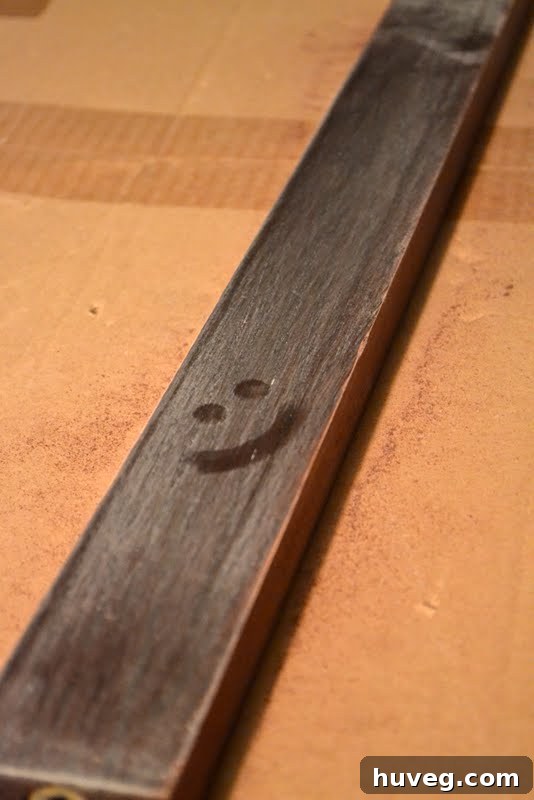
Beyond the technical aspects of sanding, painting, and problem-solving, there’s a significant mental component to DIY projects. They rarely, if ever, go exactly as planned. Paint might drip unexpectedly, a screw might strip, a measurement could be slightly off, or, as in my case, seasonal allergies might decide to crash the party uninvited. In such moments, a good sense of humor becomes an absolutely invaluable tool, perhaps even more so than any specialized sandpaper or paintbrush. Being able to laugh off the minor setbacks, the unexpected challenges, and even your own occasional oversight (like that ripped label) can make all the difference between a deeply frustrating experience and a memorable one filled with learning.
This isn’t just about personal well-being; it’s intrinsically linked to project longevity and quality. Frustration can easily lead to rushed work, cutting corners, or making hasty decisions, and ultimately, a less-than-satisfactory result. Embracing a lighthearted perspective allows for problem-solving with a clearer head, encourages patience when things aren’t going smoothly, and helps maintain the inherent enjoyment and passion that drew you to DIY in the first place. Every project, no matter how small or large, presents opportunities for learning, growth, and self-discovery, and sometimes, the best lesson is simply to not take yourself or the inevitable imperfections of the process too seriously.
Practical Strategies for Allergy-Prone DIYers
For those of us who find immense joy and satisfaction in DIY, but are plagued by seasonal allergies or sensitivities to dust, proactive strategies are not just helpful – they are essential for comfort and health. Here’s a comprehensive guide on how you can minimize dust and allergen exposure during your next furniture refinishing or woodworking project, ensuring a more pleasant and productive experience:
- Wear Appropriate Personal Protective Equipment (PPE): A high-quality dust mask (N95 or higher) is non-negotiable. It effectively filters out fine dust particles, wood fibers, and other airborne irritants that can trigger respiratory symptoms. Additionally, consider safety glasses or goggles to protect your eyes from dust and potential irritants, and gloves to prevent skin contact with finishes or chemicals.
- Work Outdoors When Possible: If weather conditions permit, performing dusty tasks like sanding or cutting outdoors can significantly reduce the concentration of airborne dust within your home or enclosed workspace. However, be mindful of local pollen counts and other environmental allergens, as outdoor work might expose you to different triggers.
- Ensure Adequate Ventilation: If working indoors, always open windows and use fans to create effective cross-ventilation. This strategy helps draw dust and fumes out of your workspace, preventing them from settling and being re-circulated. Positioning a fan to exhaust air outwards is particularly effective.
- Utilize Dust Collection Tools: Many power sanders, saws, and other woodworking tools come equipped with dust collection bags, but connecting them to a shop vacuum with a HEPA (High-Efficiency Particulate Air) filter is even more effective. For hand sanding, use a powerful vacuum with a brush attachment to frequently clean your workspace and the workpiece itself.
- Consider Wet Sanding: For certain applications and materials, wet sanding (using water or a specialized lubricant with waterproof sandpaper) can nearly eliminate airborne dust. Always check if this method is suitable for your specific project and the type of wood or finish you are working with, as it’s not universally applicable.
- Clean as You Go: Don’t let dust accumulate on surfaces or the floor. Regularly wipe down surfaces with a tack cloth or a slightly damp rag to capture dust. Vacuum your entire work area thoroughly after each sanding session, not just at the end of the project.
- Time Your Projects Strategically: If your allergies are particularly severe during specific seasons (e.g., spring for tree pollen, fall for ragweed), try to schedule dust-intensive projects during off-peak allergy times. This simple scheduling adjustment can make a world of difference.
- Proactive Medication and Post-Project Clean-up: Take allergy medication proactively before starting work, especially on days you anticipate significant dust exposure. After a dusty session, shower and change clothes immediately to remove any lingering allergens from your hair, skin, and clothing, preventing their spread throughout your home.
- Employ Air Purifiers: Place a portable air purifier with a high-quality HEPA filter in or near your workspace. These devices are excellent at capturing fine airborne particles and allergens, contributing to cleaner air while you work.
By thoughtfully implementing these precautions, you can significantly reduce the impact of sanding dust and other airborne irritants on your respiratory system and overall well-being. This allows you to truly enjoy your DIY endeavors without constant discomfort, transforming potentially challenging tasks into fulfilling creative pursuits. The goal is always to create a healthy, safe, and enjoyable environment for your passion for home improvement.
The Rewards of Perseverance in DIY
Ultimately, DIY furniture restoration is far more than just painting or sanding; it’s a profound journey of patience, creativity, and persistent problem-solving. It’s about taking something old and forgotten, seeing its potential, and giving it new life, imbuing it with your personal touch and a piece of your spirit. While challenges like seasonal allergies, unexpected material issues, or minor project hiccups are almost inevitable, they also contribute to the unique story and character of each finished piece. Overcoming these hurdles, whether it’s through careful planning, acquiring the right specialized tools, researching innovative techniques, or simply maintaining a healthy dose of humor, amplifies the satisfaction of seeing your vision come to fruition.
Each scratch removed, each layer of dust cleared, and every moment of decision-making culminates in a finished product that is not just a refreshed piece of furniture, but a tangible testament to your dedication, skill, and resilience. The sense of accomplishment that comes from creating something beautiful and functional with your own hands, especially after navigating a few bumps along the way, is truly unparalleled. So, the next time you find yourself with an itchy nose while sanding, or dealing with an unexpected twist in your project, remember that you’re not alone. Embrace the process, prepare wisely, protect your health, and don’t forget to laugh a little. The beautiful, smooth finish – and perhaps a less irritated nose – will be your well-deserved reward, encouraging you to tackle your next creative challenge with confidence.