A Pawsitive Start: Welcoming Your New Dog

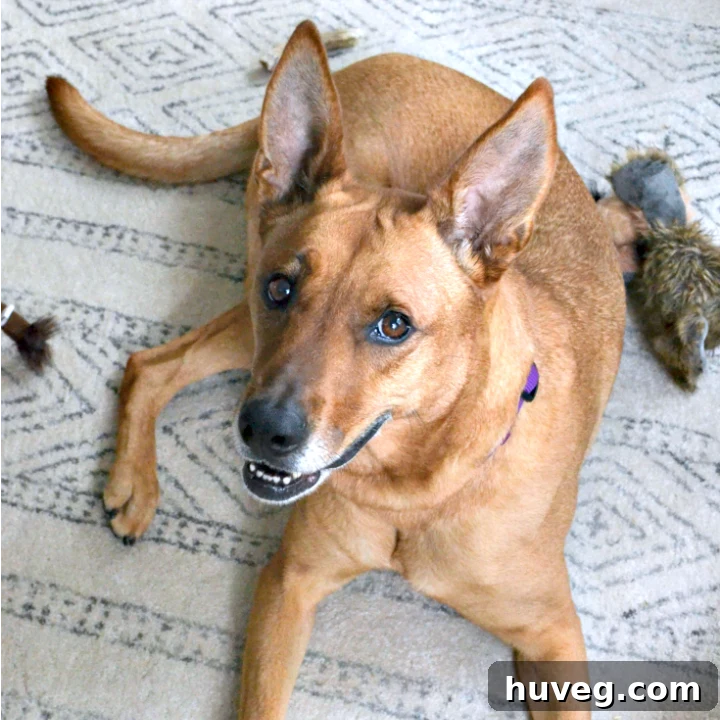
The enchanting days of summer often bring a unique rhythm, and lately, it seems to have swept through my social circle like a cheerful, four-legged epidemic. While my own projects involve a whirlwind of activity—from meticulously sanding down surfaces and nurturing a budding garden to the exhilarating chaos of a bathroom demolition (yes, it’s finally happening!) and a myriad of other ventures yet to be unveiled (some exciting reveals are just around the corner, and mark your calendars for a special furniture DIY on July 1st!)—my friends have, almost in unison, embraced the heartwarming journey of pet parenthood.

It’s been a delightful sight to witness. One friend discovered an unexpected litter snuggled beneath her garden shed, another recently welcomed a charming 2-year-old chihuahua mix into her home, and a particularly adorable couple has been keeping me constantly updated with endearing Snapchat videos of their new puppy (and rest assured, that’s absolutely *not* a complaint!). My social media feeds are now vibrant tapestries woven with fluffy faces, wagging tails, and the inevitable, often comical, learning curves that accompany the blossoming adventure of pet ownership. As a seasoned guardian to my own wonderfully wild and spirited canine companion, Charlie—a dog renowned for her rooftop escapades, fence-clearing leaps, and an undeniable passion for car rides—I find myself endlessly entertained by each friend’s unique, roller-coaster ride into the world of pet parenting.

While my personal experience is primarily dog-centric (I never had a cat growing up and have only owned dogs as an adult), the sudden surge of new dog owners among my friends seemed like the perfect catalyst to share my own journey. Looking back to the day Charlie first came home, there were many aspects I anticipated: the daily walks, the training sessions, and the endless array of toys and food. However, there were also countless unexpected moments and invaluable lessons I wish I had known from the start. Moreover, I made a casual promise to a few of these eager new pet parents that I’d put together some helpful posts just for them, and I’m determined to make good on that!
Therefore, I’m thrilled to declare this “Sarah’s Personal Pet Week” (the official National Pet Week was back in May, so this is entirely my own initiative!). We’re diving into a special two-part series dedicated to all things related to welcoming a new canine companion:
- Part One (This Post): What to truly anticipate and remember when you bring a new puppy home.
- Part Two: A comprehensive guide to the essential products I’ve discovered over the years that have profoundly simplified life with Charlie.
My hope is that my friends will find these insights incredibly helpful, and I encourage you to share this with anyone in your life who has recently caught the delightful, albeit sometimes challenging, new-puppy-bug!

Oh, and for the sake of absolute transparency and a touch of lightheartedness, I probably should preface this with a cheesy, spokesperson-style announcement, something along the lines of:
“Sarah’s Pet Week is proudly brought to you by Swiffer! Swiffer: Because when your beloved pet ensures frequent cleaning is a daily ritual, you’ll find our products indispensable.”
My apologies for the momentary silliness—I’m feeling a bit whimsical today! However, the core message is that online advertising regulations mandate I disclose any material relationships if I mention a brand’s products within my content. Given that we’re about to delve into the delightful, yet often messy, realities of pet hair and paw prints, I was going to inevitably recommend Swiffer anyway, as their products are truly my go-to for keeping up with Charlie’s messes. So, I’m simply declaring these posts sponsored by them, even though the primary goal is to share adorable puppy pictures and genuine advice. Fair enough?
One more crucial disclaimer: I am not a veterinarian, nor do I have any professional background in animal science or medicine. The information and tips shared here are based purely on my personal experiences as a dog owner and are intended as general advice for my friends who might be navigating the initial anxieties of new pet parenthood. This content should not be construed as professional medical advice. (Oh, blogging disclaimers sure have become an art form, haven’t they?). Alright, with those important notes out of the way, let’s dive in! *Please note: Affiliate links may be included below.*
Ten Essential Things to Know When Welcoming Your New Puppy Home
1. Initial Calm Can Be Deceiving: Expect Them to Be Tired… At First.
When you first bring your adorable new pup home from the adoption center, they might appear incredibly sweet, docile, and ready for endless snuggles. It’s vital to understand that this initial quiet demeanor is rarely an accurate reflection of their true personality or boundless energy levels. Think about it: a day at an adoption center often involves constant interaction, being picked up and cuddled by countless enthusiastic people—and let’s be honest, their sheer cuteness is irresistible, which is likely why you fell in love! All that attention can be incredibly exhausting for any animal. They might also be recovering from a recent spay/neuter surgery and still experiencing the lingering effects of medication, making them extra drowsy. Once they settle into their new environment and regain their full energy, prepare for moments of pure, unadulterated puppy exuberance. You might even find yourself wondering if your sweet fluffball has been replaced by a tiny, adorable demon bent on challenging your sanity and disrupting your sleep patterns! The secret to managing this delightful chaos is proactive engagement: provide plenty of structured playtime, engaging training sessions, and stimulating activities to help them expend their energy positively. Alternatively, don’t hesitate to “pawn them off” temporarily on eager friends and family who are desperate for some puppy cuddles and playtime. Encouraging appropriate naps in a quiet space also helps them recharge and regulates their energy throughout the day.
Charlie at the Atlanta Humane Society, deceptively calm and cuddly…

Fast forward just 24 hours after arriving home…

2. Your New Companion Might Arrive with a Common Cold.
Imagine a kindergarten classroom during flu season – that’s often what adoption centers or boarding facilities can be like for puppies. Despite diligent vaccination efforts, bringing a group of dogs together in close quarters inevitably increases the risk of exposure to various common illnesses. Even with the best care, your new pup might arrive home with a mild cold, often due to the stress of a new environment combined with exposure to new germs. It’s crucial to closely monitor your puppy for any signs of discomfort or illness. Common symptoms to watch for include sneezing, coughing (which can sound like a honking goose in the case of kennel cough), nasal or eye discharge, lethargy, or a decrease in appetite. While some symptoms might be as benign as allergies or the anxiety of adjusting to their new surroundings, they could also indicate more serious conditions like canine influenza. A visit to the vet for a comprehensive check-up soon after adoption is highly recommended, not just if they show symptoms, but to establish a baseline of health. I vividly recall my first vet visit with Charlie; as I was signing her in, she unleashed a rather spectacular green snot bubble right onto her own face. She looked utterly mortified and pitiful, but after a thorough examination, we left with a course of antibiotics, and she recovered beautifully. Early intervention can prevent minor issues from becoming major health concerns for your new furry family member.
3. Brace Yourself for Moments of Regret – They Are Surprisingly Common.
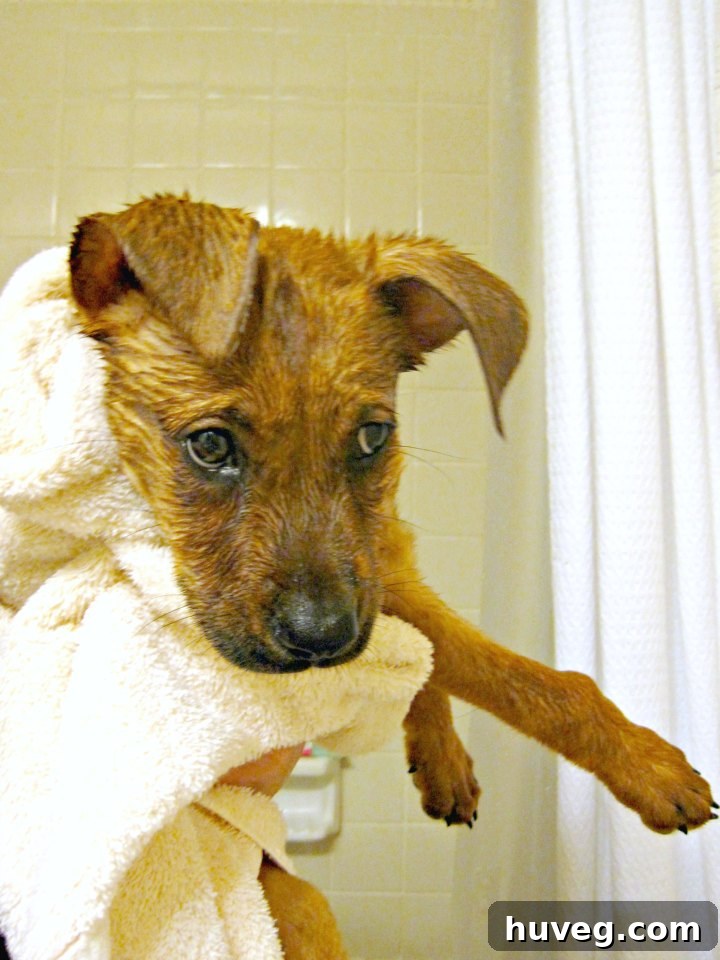
The honeymoon phase of new puppy ownership can be incredibly short-lived, often giving way to what many term “puppy blues.” My first night with Charlie felt like a triumph; she slept soundly through the night without a single accident, and I woke up feeling immensely proud. However, the very moment I placed that little rascal on the floor the next morning, she locked eyes with me and deliberately peed a massive puddle right on my carpet. The subsequent days were a whirlwind of adjusting to a puppy’s incessant need for potty breaks (which included setting middle-of-the-night alarms), navigating her very first bath, and an extraordinary amount of scrubbing to remove various “nightmare fuels” from my carpets (and yes, the types of messes were not always consistent, *if you catch my drift*). There were tears, too. I was on the cusp of starting grad school, and the overwhelming responsibility, combined with the lingering emptiness after a recent long-term relationship ended, made me question if I had made a terrible mistake out of loneliness. It’s entirely normal to second-guess your decision to adopt a pet. These feelings of doubt and regret usually begin to fade once you start getting consistent sleep, and your puppy survives a full day without needing an emergency bath. Charlie and I eventually navigated those challenging early weeks, and looking back, I am profoundly grateful we did. The initial struggles are a temporary phase in a lifelong bond.
4. Capture Every Moment: Take as Many Videos as You Possibly Can.
While taking countless pictures of your adorable new puppy will undoubtedly come naturally, I cannot stress enough the importance of also capturing as many videos as possible, especially during their fleeting puppyhood. Photos are wonderful for freezing a moment in time, but videos truly bring those memories to life. They allow you to relive their clumsy play, their funny barks, their sleepy yawns, and the unique sounds they make. You’ll be able to watch their charming antics, their first wobbly steps, and the way they interact with their new world. The speed at which puppies grow and change is astonishing, and you’ll blink and they’ll be fully grown. My biggest regret is not having enough video footage of Charlie when she was a tiny pup. Those early days are precious and pass by far too quickly. Don’t rely solely on static images; embrace the dynamic storytelling that video offers. These recordings will become cherished treasures, allowing you to fondly look back on the innocent, often comical, beginnings of your incredible journey together.
5. They Are Surprisingly Human-Like… Yet Fundamentally Different.
Within the first few weeks of bringing your new dog home, you’ll experience numerous moments of pure awe at their intelligence, unique personality, and the depth of emotion contained within their little bodies. Their expressive facial expressions, their distinct reactions to various stimuli, and even their cute sneezes or exaggerated yawns will quickly endear them to you. It won’t take long to realize that dogs perceive and interact with the world in a way that is profoundly different from humans, and they are incredibly adept at using that to their advantage. Those areas you’re absolutely convinced are impenetrable or puppy-proof? They’ll likely find a clever way to squeeze right by or over them. They are master escape artists and explorers:

Did you know that some medications developed for humans can sometimes be safely administered to pets? This, of course, comes with a **CRITICAL** disclaimer: you *must* consult with your veterinarian first. Never self-medicate your pet. However, in certain situations, common over-the-counter medications like Benadryl for allergies, Neosporin for minor cuts, Pepcid AC or Pepto Bismol for upset stomachs, and even prescription medications like Xanax for anxiety (Charlie has a prescription for her nail trims!) can be approved by a vet. This similarity can be misleading, though.
Despite these interesting parallels, it’s imperative to remember: **they are not human babies.** While it’s delightful to spoil them, revel in their cuteness, and laugh at their human-like personalities, it’s dangerously easy to assume that if something is safe for you, it’s safe for your dog. During those initial days in a new home, puppies are driven by instinct to push boundaries, explore their environment, and learn through their mouths. We all know about the dangers of chocolate, but many other common foods are highly toxic, including avocado, grapes, raisins, garlic, onions, xylitol (a common sugar substitute), and even some nuts. Beyond food, household plants, cleaning products sprayed on surfaces, and even seemingly innocuous items can pose significant risks. It’s shockingly easy to overlook these hidden dangers. You must quickly educate yourself on what is harmful to dogs to prevent accidentally making your new pup sick. Don’t forget about easily accessible trash cans, especially in bathrooms, which are a common source of “trash gut” incidents. The ASPCA Animal Poison Control Center offers an excellent, comprehensive list of toxic substances. Take the time to learn it thoroughly, and puppy-proof your home with extreme vigilance.
6. Stock Up on Pet-Safe Cleaners – You’ll Need Plenty!
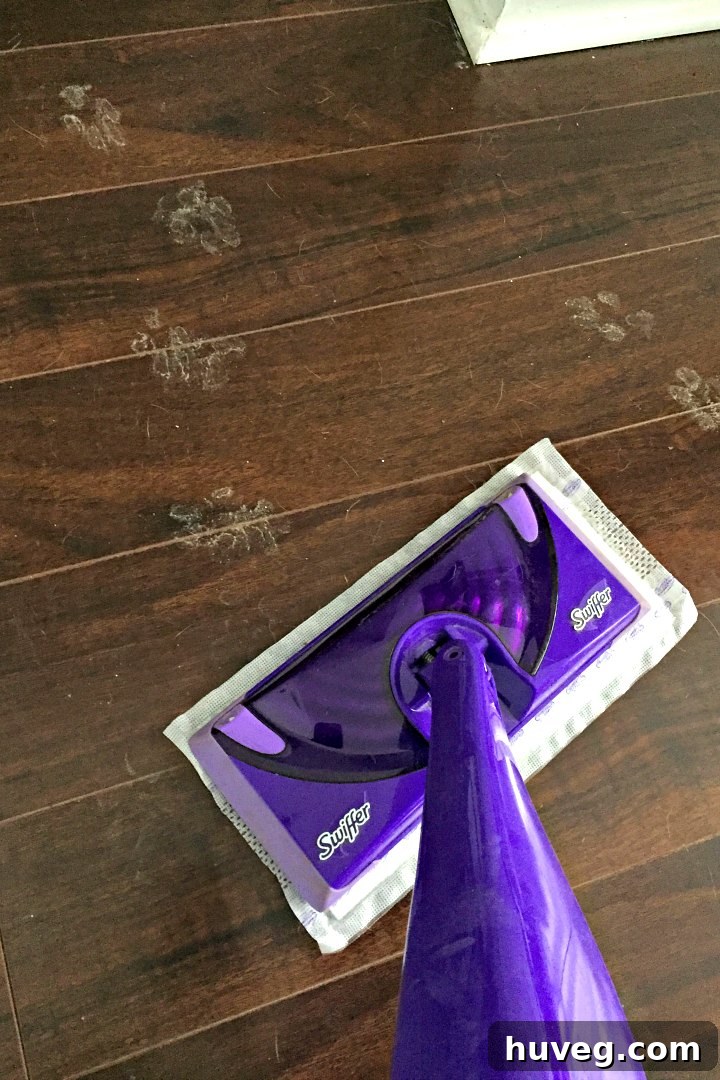
Speaking of messes and maintaining a healthy home environment, one of the most practical pieces of advice I can offer is to have a robust supply of pet-safe cleaning products on hand. When Charlie first moved in, my cleaning product consumption skyrocketed! Many conventional household cleaners contain harsh chemicals that can be toxic or irritating to pets, so always make it a habit to scrutinize labels for pet-friendly warnings or certifications. Even now that Charlie is older and (mostly) past her puppy antics, the daily reality of dog ownership still involves a fair amount of cleaning. I rely heavily on a good vacuum to tackle the impressive tumbleweeds of fur that mysteriously appear, and Swiffer’s WetJet is an absolute lifesaver for quickly mopping up muddy paw prints, drool spots, and water splashes, especially around her water and food station. It’s effective, convenient, and safe for my floors and my dog. On a related note, if you’re ever struggling for a thoughtful gift idea for a friend who just got a new dog, a well-stocked box of Swiffer products will be met with genuine enthusiasm and gratitude! I’ve personally gifted Swiffer bundles to my sister, my parents, and other friends, and the response is always incredibly positive. It’s a practical gift that truly helps new pet parents keep their homes clean and fresh without added stress.
7. Prepare for the Inevitable: They WILL Destroy Something You Cherish.
It’s not a matter of *if* but *when* your new puppy will chew on or destroy something you hold dear. This universal truth of puppy ownership stems from their natural instincts: puppies explore with their mouths, they teethe, they get bored, and sometimes, they just get into mischief. Perhaps it will be your brand-new running shoes, your most comfortable yet stylish pair of underwear, or maybe, in a very specific incident, the wooden bun foot you painstakingly sourced for a DIY project (yes, that truly happened to me!). No matter how vigilant you try to be, there will be moments when you simply forget that you now have a curious, energetic, and boundary-pushing new family member. They will inevitably discover something you didn’t anticipate, and you will undoubtedly mourn the loss of that item. And here’s the kicker: it will almost certainly happen again! Eventually, you’ll (hopefully) learn to be more diligent and consistently keep valuables out of reach. Or, if you’re like some, you might continue to underestimate your dog’s cleverness at your own peril. Hiding your cherished possessions isn’t just about saving your wallet from replacement costs; it’s critically important for your dog’s health. Ingesting certain items can cause severe illness, choking, or internal blockages, leading to incredibly expensive emergency vet bills and potential long-term health issues. Prevention through proper puppy-proofing and supervision is far cheaper and safer than dealing with the aftermath of a chewed-up treasure or a sick pup.
8. The Mighty Power of Simple Toys: Never Underestimate an Empty Water Bottle or a Cardboard Box.
Dogs, particularly puppies, possess an innate desire to chew, shred, and explore textures and sounds. They are fascinated by things that squeak, crinkle, or offer satisfying resistance. To my absolute surprise and immense relief, a simple, empty plastic water bottle proved to be one of Charlie’s most beloved and engaging toys. The crinkly sound it made when she squeezed it, the way it rolled and bounced, and the satisfying texture for chewing kept her entertained for ages, often more so than expensive, store-bought alternatives.

Similarly, dogs love to shred. As long as they aren’t *eating* and ingesting the pieces (which could cause a dangerous obstruction), providing them with appropriate items to tear apart can satisfy a natural instinct. For me, a plain cardboard box or even a sturdy stick from the yard was often far easier to clean up after than the cheap, synthetic fluff that seems to magically multiply when ripped out of some dog toys. As a puppy, Charlie couldn’t get enough of these simple, readily available “toys,” and they proved instrumental in diverting her attention away from my shoes, furniture, and other household items. Always supervise your dog when they play with improvised toys to ensure they aren’t swallowing small pieces, but don’t underestimate how much fun and stimulation they can derive from these humble objects.

9. Prepare for the Worry: A Lot of It.
The initial days and weeks with a new puppy can be emotionally intense, filled with an unexpected amount of worry. This is especially true if you work outside the home during the day. Your mind will race with endless questions: *Are they feeling lonely or upset? Are they eating properly? Are they getting enough restful sleep? Do they have fleas, or is that just an itch? Did I choose the right brand of food? Why is their poop runny this time? Is the item they just ingested toxic?* You will experience a surge of strong feelings about myriad things you never once considered before. Guilt will creep in when you’re at work, imagining your pup missing you at home. Your mom might even text you pictures of your dog staring longingly at the door while you’re away, intensifying those feelings. While people often joke about puppies being like human babies (and some even take offense at the comparison), for many, this is their first profound experience of being entirely responsible for another living creature. Puppies are utterly dependent on your care for their well-being, and that level of responsibility can be genuinely scary at first. You’ll find yourself discussing every tiny detail, every worry, and every adorable milestone with everyone you know, seeking reassurance and shared experiences. This worry is a testament to your growing love and commitment.
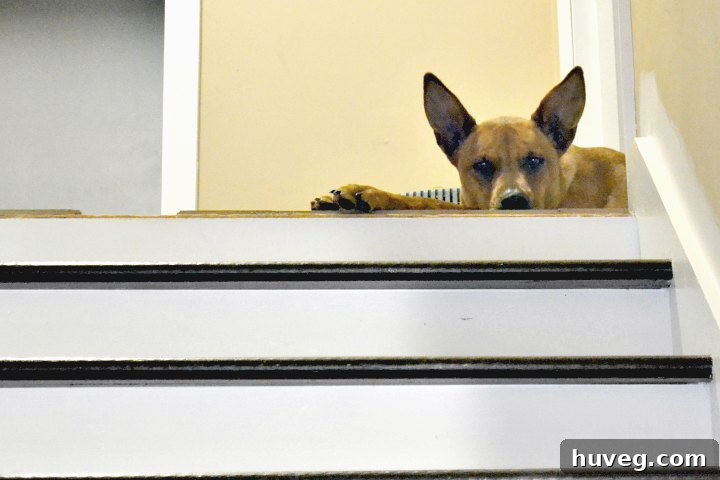
10. Remember This Comforting Truth: It Will Pass.
As with most significant life adjustments, the initial overwhelming phase of new puppy ownership is temporary. You will eventually settle into a comfortable rhythm, understanding your pet’s unique limitations, needs, and quirks. The constant vigilance will ease as routines become second nature. You’ll become adept at planning weekend activities that thoughtfully incorporate blocks of time to return home to your beloved pooch. Beyond the initial hurdles, you will discover immense joy and unparalleled companionship. There is truly nothing quite like the pure, unadulterated happiness that radiates from their entire being when you walk through the door, and they greet you as if you’ve been gone for years. Charlie has become an integral and cherished member of our family; very few decisions in this household are made without considering her well-being—whether it’s selecting a durable, Charlie-proof fabric for a new chair, ensuring the air conditioning is swiftly repaired if it gets too warm, or countless other small considerations that factor her into our daily lives. While you will undoubtedly worry a lot in the beginning, rest assured, you will navigate this journey with grace and grow immensely as a pet parent. You’ll be absolutely *fine*.

Take a deep breath. Welcome to the wonderful, wild, and incredibly rewarding adventure of Puppyhood. Cherish every moment, even the messy ones. You’ve got this!
Disclosure: This post was sponsored by Swiffer, but all opinions, humorous anecdotes, and slightly embarrassing confessions are 100% my own and authentically reflect my experience.