Get a Picture-Perfect Fence Trimming Your Pickets Like a Pro

DIY Fence & Gate Repair: Solving Ground Contact Issues and Preventing Wood Rot
If you caught part 1 of this fence repair saga, you know the unexpected journey we’ve been on. For those just joining, here’s a quick recap of how my fence found itself in need of a major overhaul:
- My dad, with an enthusiastic but slightly misguided use of a rented backhoe (intended for leveling the backyard), managed to take out a section of my fence last fall. We can laugh about it now, but it certainly created a new priority project!
- My initial attempt to set a new fence post with a specialized product unfortunately failed, leading me to revert to the tried-and-true method of quick-dry concrete for stability.
- Now, the focus shifts to the final, crucial step: addressing the long-standing water flow problems and ensuring the fence and gate no longer scrape the ground. This post dives deep into that very solution!
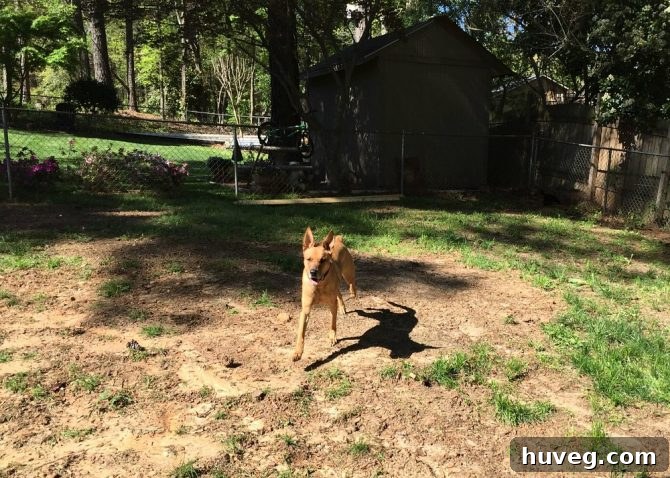
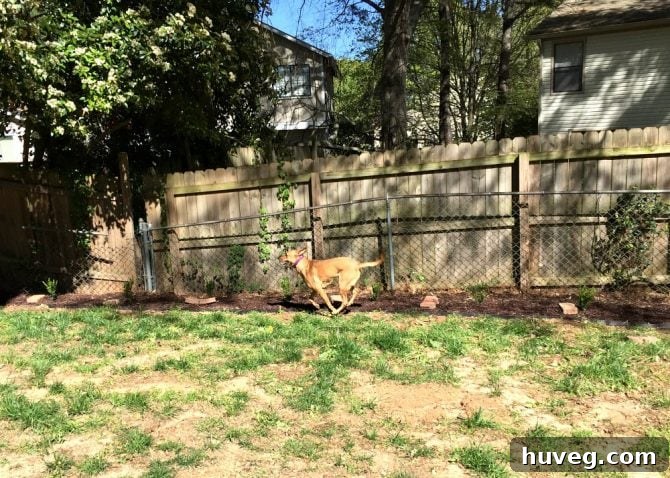
Fixing this fence became an urgent spring project, especially with my energetic furball, Charlie, who considers an open gate an invitation for backyard escapades. His love for unrestricted running (often straight through any unguarded opening) meant that a secure, functional fence was not just about aesthetics or property lines – it was about keeping my beloved dog safe within the confines of our yard.
Why Addressing Ground Contact is Crucial for Fence Longevity
The incident with the backhoe and the subsequent need to reset a post provided an unexpected but welcome opportunity to tackle some long-standing issues. When the fence was originally installed, I regrettably overlooked a critical aspect of fence maintenance: proper ground clearance. Each picket was left touching the ground, a common mistake that leads to several problems. This oversight resulted in significant mud buildup along the base of the fence and, more critically, accelerated wear and tear. Constant contact with moist soil is a primary cause of wood rot, warping, and premature deterioration of fence pickets, significantly shortening their lifespan and necessitating frequent, costly replacements.
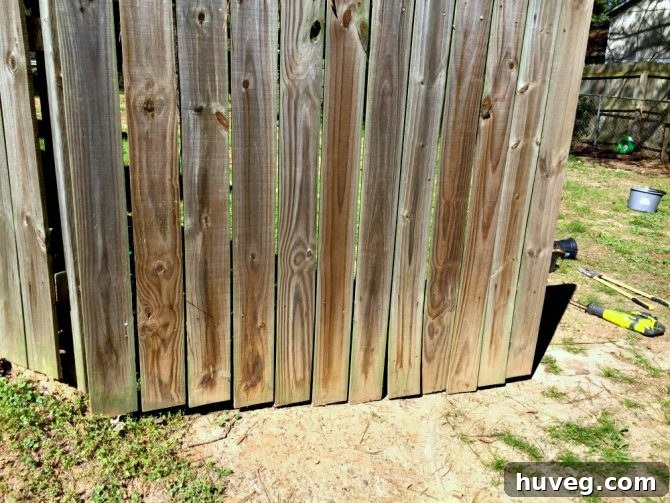
Beyond the fence panels, the gate itself suffered from similar ground contact issues. It would drag and catch in various spots, preventing it from opening fully or smoothly. Even after extensive efforts to level out the backyard (and a necessary call to 811 to locate underground utilities), there were still areas where the ground level posed a challenge. Given the proximity of utilities, digging deeper in those specific spots was not a viable or safe option. The most practical and safest solution was to trim the bottom of the gate, allowing it to swing freely and unencumbered, thereby restoring its full functionality.
Essential Tools and Materials for Your Fence & Gate DIY
Some links in this post may contain affiliates. This means I may earn a commission if you purchase a product I recommend, at no extra cost to you. This income helps support this site and allows me to continue sharing helpful DIY content. Thank you for your support!
What You’ll Need:
- Safety Glasses: Non-negotiable for eye protection when cutting wood.
- Ear Protection: Power tools can be loud; protect your hearing. Disposable ones with a cord are convenient.
- Circular Saw: Your primary tool for making precise cuts to the gate and fence panels.
- Carpenter’s Pencil: These flat, wide pencils are ideal for marking wood, providing clear, visible lines on rough surfaces.
- Cordless Drill: Essential for fastening screws. (A reliable model like mine is a great investment for any DIYer).
- Drill Bit Set: Ensure you have bits that match the gauge of your exterior screws.
- Coarse Thread Exterior Screws: Specifically designed for outdoor use and provide strong hold in wood, resisting corrosion.
Step-by-Step Guide to Lifting Your Fence and Trimming Your Gate
This DIY project, while impactful, is surprisingly straightforward. Here’s how I approached tackling the ground clearance issues:
1. Elevating the Fence Panel for Optimal Drainage
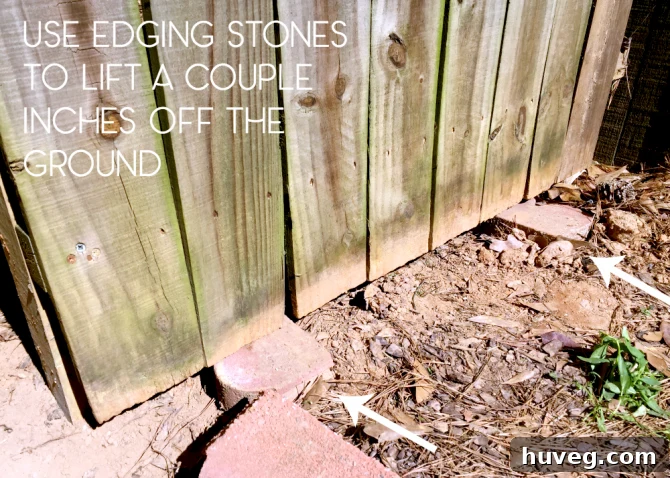
Starting with the fence panel adjacent to the gate on the right side, my goal was to lift it permanently off the ground. Instead of the more time-consuming task of cutting off the bottom section (which was already marred by dirt buildup and potential rot), I opted for a simpler and equally effective method: elevation. I used some nearby scalloped garden edging stones to create a stable, elevated base for the fence panel. These stones provided just enough height to ensure the wood was no longer in direct contact with the soil, preventing future moisture damage and promoting better drainage.
Once elevated, I carefully repositioned the panel and secured it back into the new fence post using coarse thread exterior screws. A crucial tip here: when driving screws into wood pickets, especially older ones, start slowly with your drill. This minimizes the risk of splitting the wood, ensuring a clean and secure attachment. This simple lift significantly extends the life of the fence by protecting it from moisture-induced rot and warping, saving effort and money in the long run.
2. Marking the Gate for a Precise Cut
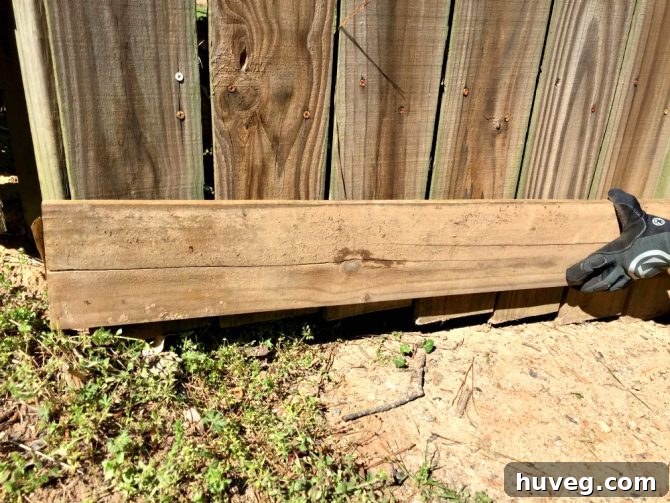
The next critical step involved addressing the gate’s dragging issue. I temporarily re-hung the gate back on its hinges and swung it open to the exact point where it typically got stuck on the ground. This position was key, as it allowed me to accurately determine the necessary cutting angle and line to ensure the gate would swing freely.
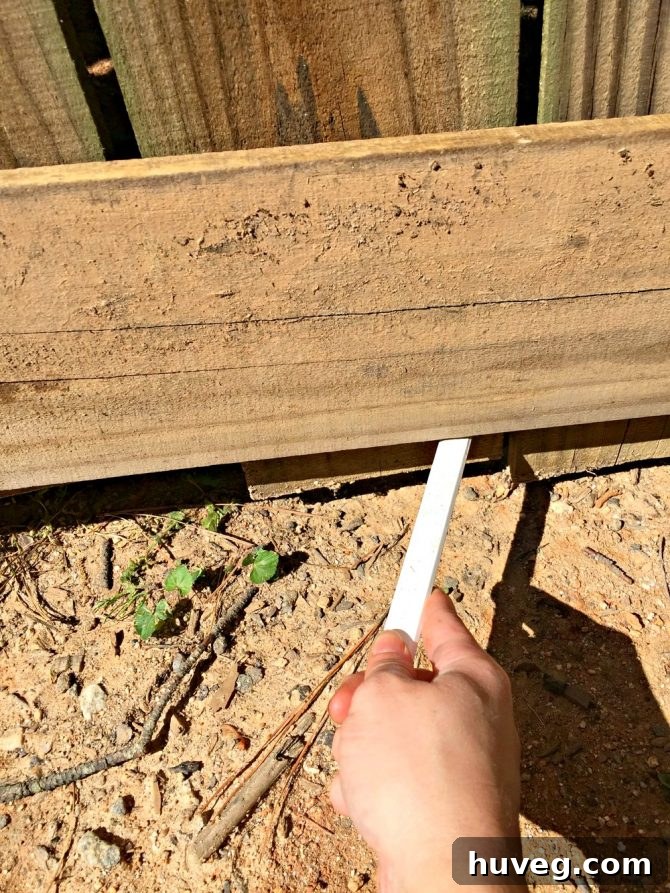
To create a precise cutting guide, I took a spare fence picket – any straight piece of wood would work – and angled it along the bottom edge of the gate, aligning it with the desired clearance from the ground. This spare picket served as my perfect straight edge. Then, using a reliable carpenter’s pencil, I traced a clear, continuous line along the bottom of the gate’s pickets, using the spare board as my guide. Carpenter’s pencils are invaluable for this type of task due to their flat, wide lead, which creates a more visible and consistent line on rough wood surfaces compared to a standard pencil, making your cut much easier to follow.
3. Making the Cut with Precision and Safety
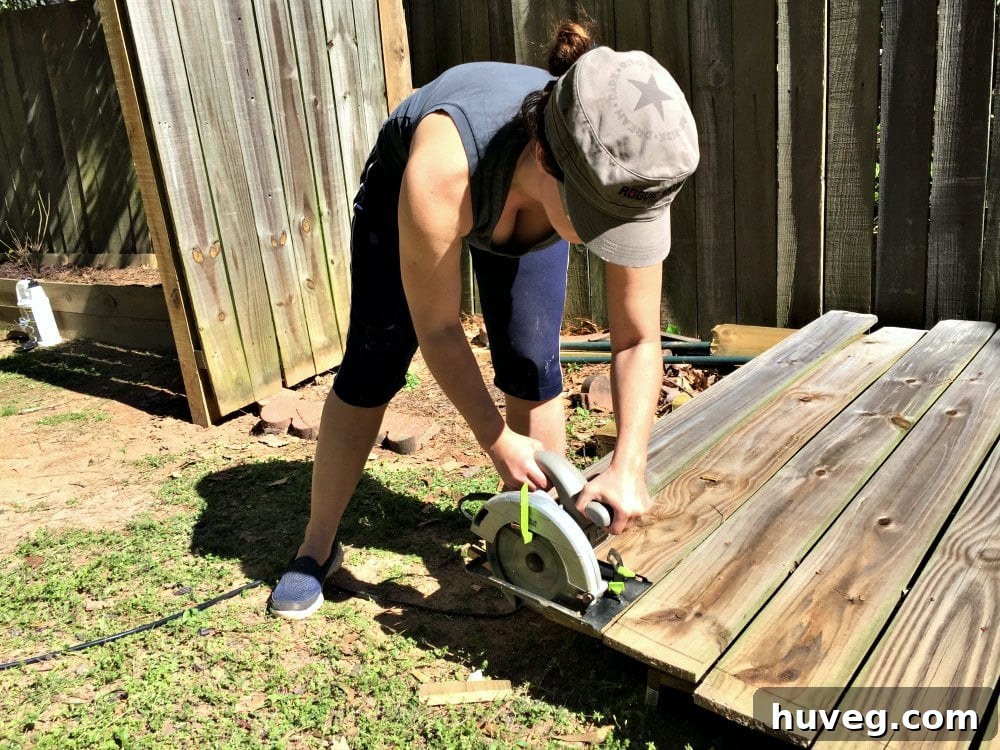
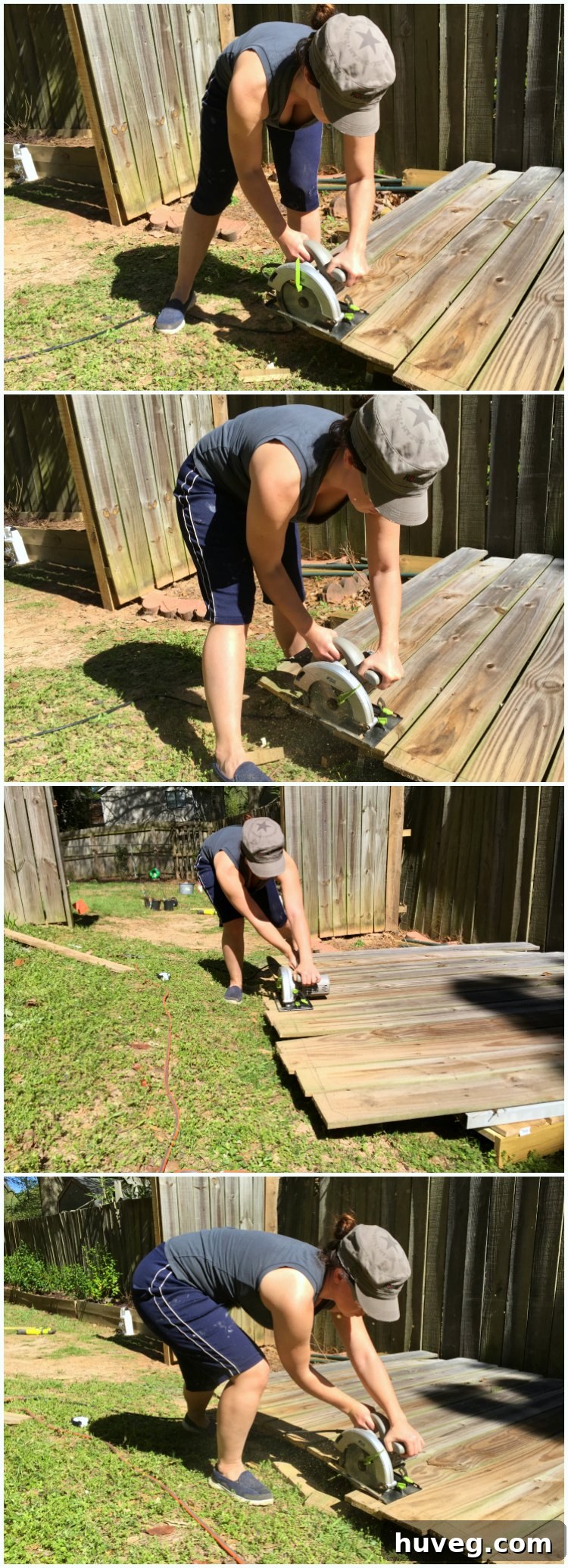
With the cutting line clearly marked, I carefully lifted the gate off its hinges once more. I then laid it down on a sturdy, elevated surface – in this case, a frame from another outdoor project (which I’ll be sharing details about soon!). This elevated platform provided crucial stability and made the cutting process far more manageable, preventing the gate from shifting during the cut. While it’s possible to manage this solo (I had moved the gate by myself last fall), its weight, especially with the hardware, makes it much easier and safer with an extra set of hands.
Before making any cuts, safety is paramount. I donned my safety goggles and ear protection. Using my circular saw, I carefully aligned the blade with the pencil line I had just drawn. Taking a steady, controlled approach, I guided the saw along the marked line, ensuring a clean and precise cut across the bottom of the gate pickets. The goal was a straight cut that would provide ample clearance without compromising the gate’s structural integrity.
4. Reassembly and Final Adjustments
Once the cut was complete and the excess wood removed, the gate was carefully re-hung on its hinges. The difference was immediately noticeable: the gate now swung open smoothly and fully, without any scraping or sticking. This also allowed me the perfect opportunity to re-install the self-adjusting gate latch onto the newly set post. With the gate operating as it should, the project was officially deemed a success!
The Transformed View: Before & After
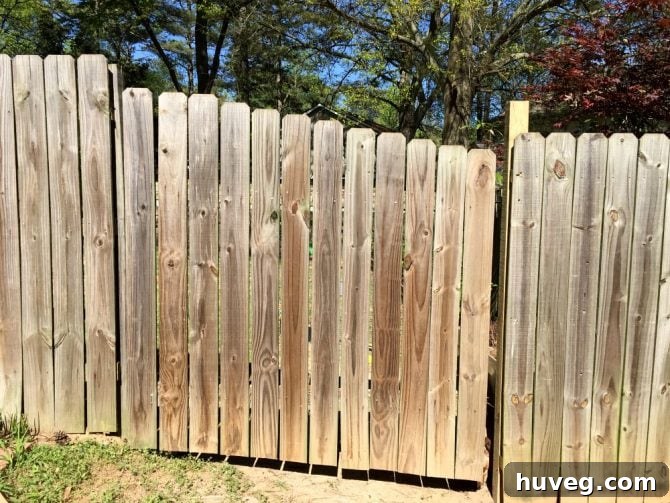
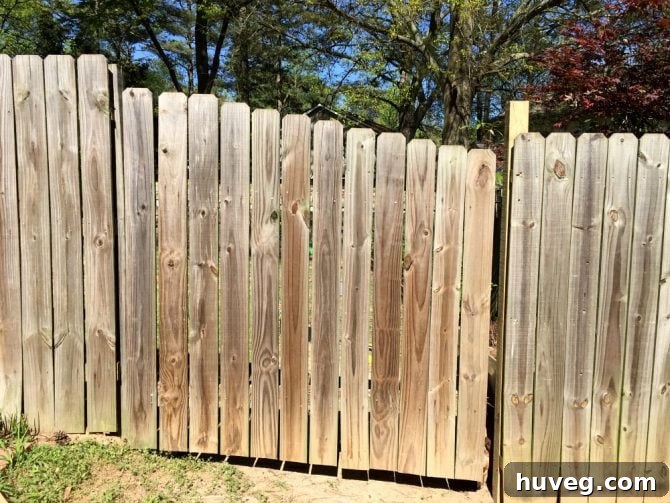
The improvements, though subtle, made a huge difference in both functionality and appearance. From the street, the once problematic gate now blends seamlessly with the fence line:
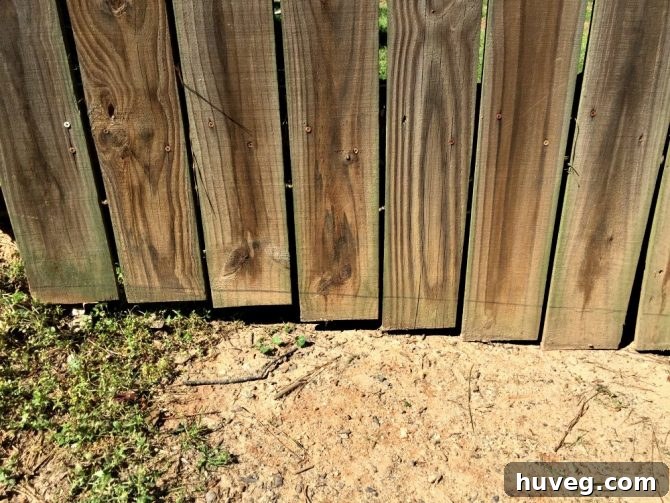
And from the backyard, the improved clearance is evident, promising a longer life for the fence and gate components:
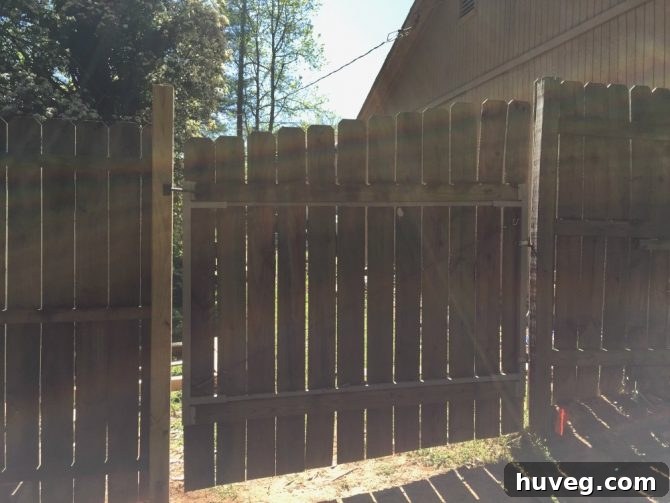
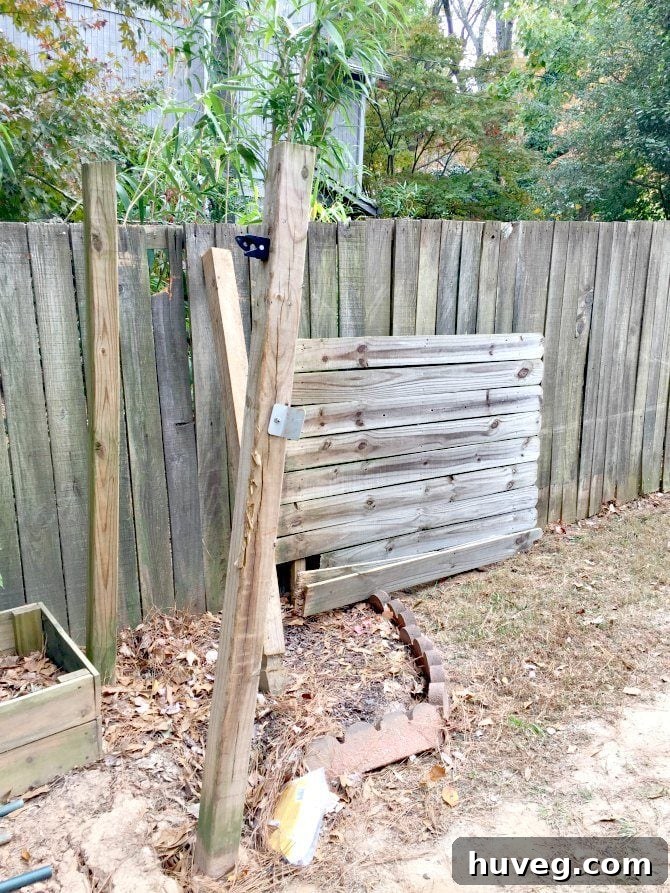
Admittedly, it’s not a show-stopping, glamorous DIY transformation. The gate might look a tad shorter compared to the adjacent fence panels, but I genuinely don’t mind. Its primary purpose – functionality and protection against wood rot – has been perfectly served. More importantly, it looks vastly better from the street compared to its previous, damaged state:
Looking Ahead: Enhancing Your Backyard Oasis
While the immediate crisis of the damaged fence and dragging gate is resolved, there are always those lingering finishing touches. I still need to trim the top of the new fence post to align it with the rest of the fence line. And, let’s be honest, the entire fence could greatly benefit from a thorough power wash and perhaps a fresh coat of stain to truly revitalize its appearance and provide additional protection against the elements. These smaller tasks will enhance the fence’s aesthetic appeal and further extend its lifespan.
But for now, with the gate securely closing and the fence standing strong, my adventurous furball Charlie can finally enjoy the freedom of our backyard once more, without any escape routes or obstacles. Knowing he’s safe and happy makes all the DIY effort worthwhile. <3
This particular weekend was a flurry of outdoor DIY activity! Keep an eye out for future posts where I’ll be sharing details on other projects, including the installation of a new hedge and the fresh mulch line along the back fence. There’s always something new to improve in the backyard!