Elevate Your Backyard with a Floating Deck

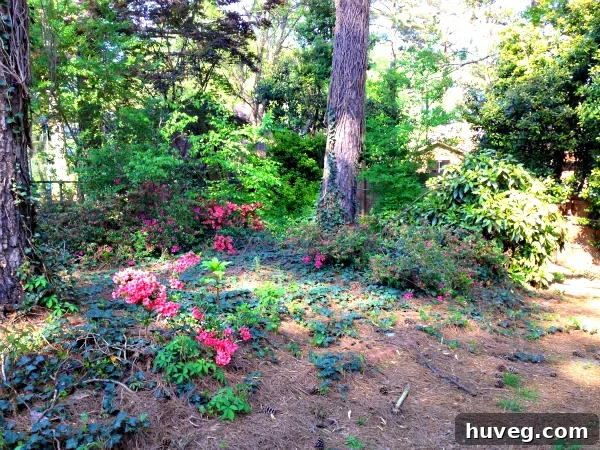
Every homeowner dreams of a backyard oasis – a serene extension of their living space where memories are made, relaxation is paramount, and nature is embraced. For many, this dream is easily attainable, but for others, like myself, it comes with a unique set of challenges. My personal dilemma revolves around a collection of majestic, yet somewhat unruly, pine trees that dominate a significant portion of my backyard. For years, these towering sentinels have dictated the usability of the space, turning what could be a vibrant entertainment zone into a perpetually shaded, needle-strewn area that felt more like a chore than an opportunity.
The conventional wisdom might suggest tree removal, clearing the slate for a completely new landscape. However, the reality of removing mature pine trees is far from simple or inexpensive. My backyard, like many urban and suburban properties, offers little room for large trees to fall safely without risking damage to a neighbor’s house or tearing down a fence. This necessitates a specialized, top-down removal process, where skilled professionals meticulously cut the trees into manageable sections from the canopy downwards, then carefully lower and haul away each heavy chunk. We’re talking significant capital investment – major dollars for licensed and insured arborists, not to mention the subsequent costs of grading, landscaping, and building. Frankly, that’s dough I’d rather allocate to other essential home improvements, such as a much-anticipated kitchen renovation. This financial and logistical hurdle meant I had to find a creative, cost-effective solution that would transform my backyard challenge into its most appealing feature.
Embracing Nature: The Vision of a Floating Deck
After countless hours of pondering, sketching, and browsing for inspiration, the perfect solution finally presented itself: a floating deck integrated with the existing pine trees. This ingenious concept allows me to work with the trees, rather than fruitlessly fighting against them. Instead of viewing them as obstacles, I now see them as natural pillars, offering shade, privacy, and a unique aesthetic to what will become a stunning outdoor living space. The idea is elegantly simple: construct a freestanding deck structure that artfully incorporates the base of each tree, creating custom openings and allowing them to rise through the platform naturally.
A floating deck, by its very nature, is a versatile and often more manageable outdoor construction project compared to traditional attached decks with extensive footings. It’s designed to rest on a ground-level foundation, typically concrete blocks or pre-cast piers, rather than being anchored to the house or requiring deep, frost-line footings. This characteristic makes it an ideal choice for challenging landscapes or for homeowners seeking a less invasive building process. Imagine a spacious, multi-level platform winding its way through the pine grove, offering distinct zones for dining, lounging, and quiet contemplation. This vision has ignited a level of excitement I haven’t felt about backyard projects in a very long time, truly making me look forward to rolling up my sleeves and getting started.
Key Advantages of a Tree-Integrated Floating Deck
The benefits of pursuing a floating deck design, especially one built around existing trees, are numerous and compelling:
1. Navigating Utility Concerns with Ease
One of the primary advantages that makes this concept so appealing is the reduced need for extensive digging near the house. Traditional deck constructions often require digging deep post holes, which always carries the inherent risk of encountering underground utilities like water lines, gas pipes, or electrical conduits. The process of locating these utilities, often requiring professional marking services, can add significant time and cost to a project. A floating deck, with its minimal ground penetration, largely mitigates these concerns. By building a freestanding structure that hovers just above the ground, I can avoid the complexities and potential hazards associated with excavating near critical infrastructure, providing invaluable peace of mind during construction.
2. Maximizing Neglected Outdoor Space
Perhaps the most transformative aspect of this project is its ability to convert a previously neglected and underutilized area into a vibrant, functional extension of my home. The area around the pine trees has always been difficult to maintain – a constant battle against fallen needles, shaded turf, and uneven terrain. This space, once an “eyesore” or at best, an untamed wild zone, will be reimagined as a valuable outdoor living room. It will become a place where family and friends can gather, children can play safely, or simply a quiet retreat for morning coffee amidst the natural beauty of the trees. This strategic utilization of space dramatically enhances the overall usability and aesthetic appeal of the entire property.
3. Cost-Effective and Eco-Conscious Landscape Solution
As previously highlighted, the cost of tree removal can be prohibitive. By opting for a tree-integrated deck, I’m making a conscious choice to invest in enhancing my property rather than simply removing a perceived problem. This approach is not only more budget-friendly in the long run but also environmentally responsible. Preserving mature trees contributes to local biodiversity, provides essential shade in warmer months – reducing energy consumption for cooling – and helps maintain the natural beauty of the neighborhood. It’s a win-win scenario that benefits both my wallet and the environment.
4. Enhanced Aesthetics and Unique Design Opportunities
Beyond the practical benefits, the aesthetic potential of a floating deck built around trees is truly captivating. Imagine a expansive platform, with the majestic trunks of the pines rising through thoughtfully designed openings. This creates a natural canopy and a striking architectural feature. The trees themselves become living sculptures, and with the addition of ambient lighting – perhaps charming lights wrapped around their trunks, creating a magical glow in the evenings – the space will take on an enchanting character. This unique design approach promises to elevate my backyard from ordinary to extraordinary, making it a standout feature of my home.
From Concept to Creation: Planning the Transformation
While the idea is simple, bringing it to life will require diligent planning and execution. The journey begins with a thorough site assessment and considerable yard cleanup. Years of accumulated debris, pine needles, and undergrowth will need to be cleared to prepare the canvas for construction. This initial phase is crucial for establishing accurate measurements and identifying any unforeseen challenges or opportunities within the landscape.
Next comes the exciting part: design and layout. I’ve already started doodling initial concepts, envisioning how the deck will flow around each tree, creating distinct zones for different activities. The plans will need to consider not only the current dimensions of the trees but also their future growth and the vital root systems beneath the surface. It’s essential to design the deck in a way that allows for tree growth and does not impede their health. This might involve creating larger-than-necessary openings or incorporating flexible expansion joints around the trunks.
While I enjoy a good DIY project, I also recognize the value of professional input. Consulting with a landscape designer or a structural engineer for the initial plans can ensure the deck is not only beautiful but also safe, durable, and compliant with local building codes. Even for a floating deck, understanding load bearing, material choices (such as durable composite decking or pressure-treated lumber), and proper fastening techniques is paramount.
The final touches will involve selecting materials that complement the natural surroundings and installing the magical lighting that will bring the space to life after sunset. From selecting the right decking boards that offer both longevity and aesthetic appeal to planning the electrical layout for accent and safety lighting, every detail will contribute to the overall ambiance. Built-in seating, planters, and perhaps even a small water feature could further enhance the deck’s functionality and charm, creating a truly bespoke outdoor retreat.
The Promise of a Transformed Oasis
This floating deck project, while not replacing my current priority list of exterior projects, has certainly risen to the forefront of my excitement. The thought of transforming a problematic, neglected space into a vibrant, functional, and aesthetically pleasing outdoor oasis is incredibly motivating. It’s about more than just building a deck; it’s about reimagining my relationship with my backyard, embracing its natural features, and creating a unique extension of my home that truly reflects my style and needs. I can already envision warm summer evenings spent under the softly lit canopy of the pines, enjoying the tranquility and beauty of a space that was once a challenge, now a cherished asset. This transformation isn’t just a dream anymore; it’s a meticulously planned reality I’m eager to embark upon. Stay tuned for the journey from concept to creation!