The Grafted Terror

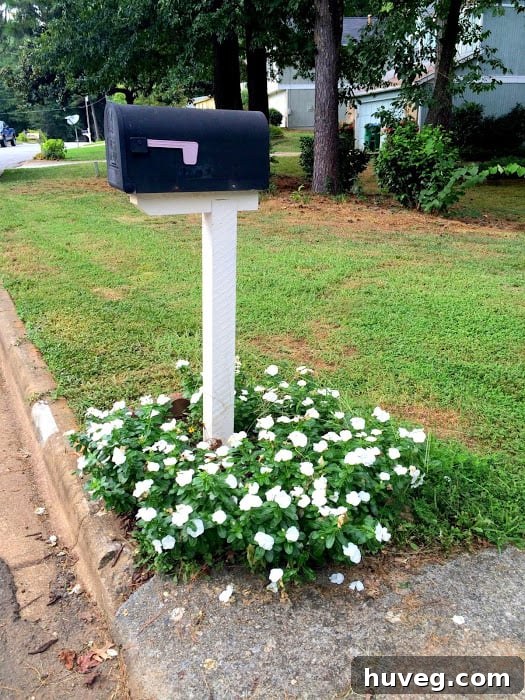
It often feels like fate has a peculiar sense of timing. Just as the thought of moving out of my beloved home this year becomes a serious consideration, I’ve stumbled upon the perfect, low-maintenance flowers for my mailbox that would effortlessly thrive year after year. The irony isn’t lost on me; after countless gardening endeavors, I’ve finally discovered plants that require zero upkeep – absolutely none – throughout the entire summer season, and astonishingly, they look even more vibrant and flourishing now than the day I first planted them. This unexpected success story, a testament to resilience and perhaps a touch of luck, has become a bittersweet revelation, highlighting the continuous learning curve of home gardening and the joy of finding truly sustainable solutions for curb appeal.
A few months ago, while deeply engrossed in plans to enhance my home’s marketability, I shared a valuable insight regarding home staging: the strategic use of yellow flowers as a powerful tool for attracting potential buyers. According to renowned real estate and landscaping experts, the bright, cheerful hue of yellow possesses a unique ability to capture attention more effectively than other colors. This visual magnetism is, naturally, an invaluable asset when your goal is to ensure every passerby and prospective buyer notices your house is proudly listed for sale. My initial strategy was straightforward: test the performance of these eye-catching blooms specifically around the mailbox area. If they proved successful, the plan was to scale up, purchasing more to integrate throughout the rest of the front yard, thereby creating a cohesive and inviting aesthetic that would undoubtedly boost my home’s curb appeal and overall desirability.
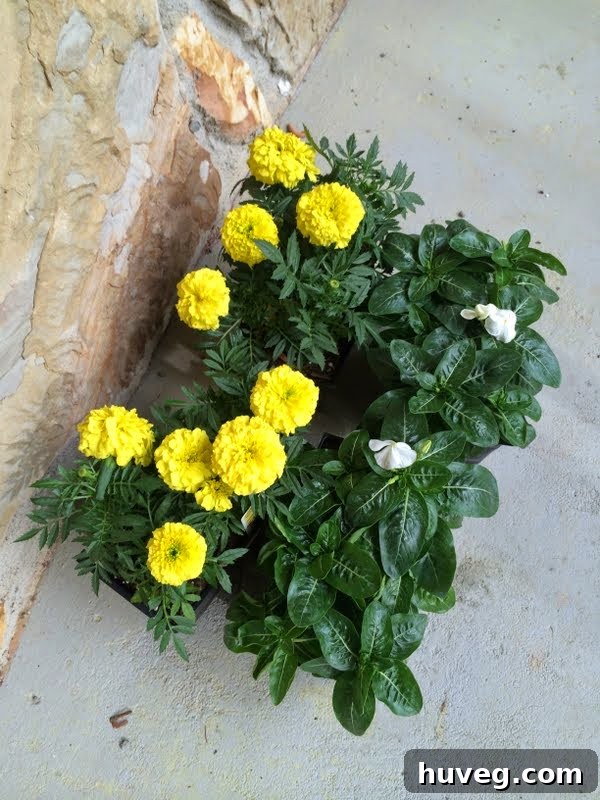
The quest for the perfect yellow bloom led me to select bright yellow marigolds. While I must admit marigolds aren’t my absolute favorite yellow flower aesthetically, their reputation precedes them: they are champions of the sun and promise a continuous display of blooms throughout the summer months. This seemed like a practical choice for a high-visibility area. To add a layer of visual interest and dimension, I also considered their potential height, typically growing between 12 to 16 inches. To complement them and create a tiered planting arrangement, I decided to purchase white vinca, intending to encircle the taller marigolds. The vision was clear: shorter, elegant vinca flowers forming a pristine perimeter, gradually rising to meet the vibrant marigolds closer to the mailbox base, creating a dynamic and appealing landscape feature that would impress from afar.
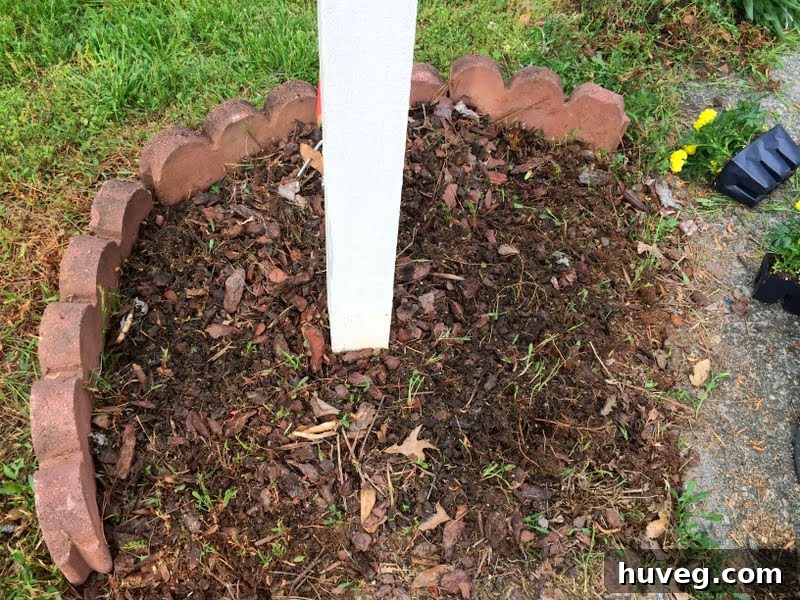
Based on the plant labels, the white vinca was expected to achieve a more modest height, somewhere in the range of 8 to 12 inches. This height differential was crucial to my design concept, ensuring the marigolds would stand out beautifully. However, as often happens in the world of DIY and home improvement, distractions arose. I became fully immersed in an intensive dining room renovation project, which regrettably diverted my attention from further planting efforts in the front yard. For a while, the initial planting seemed to be thriving, holding its own without much intervention. And then, quite literally, what felt like overnight, a dramatic transformation occurred in the mailbox bed, completely upending my carefully laid plans and revealing an entirely different landscape:
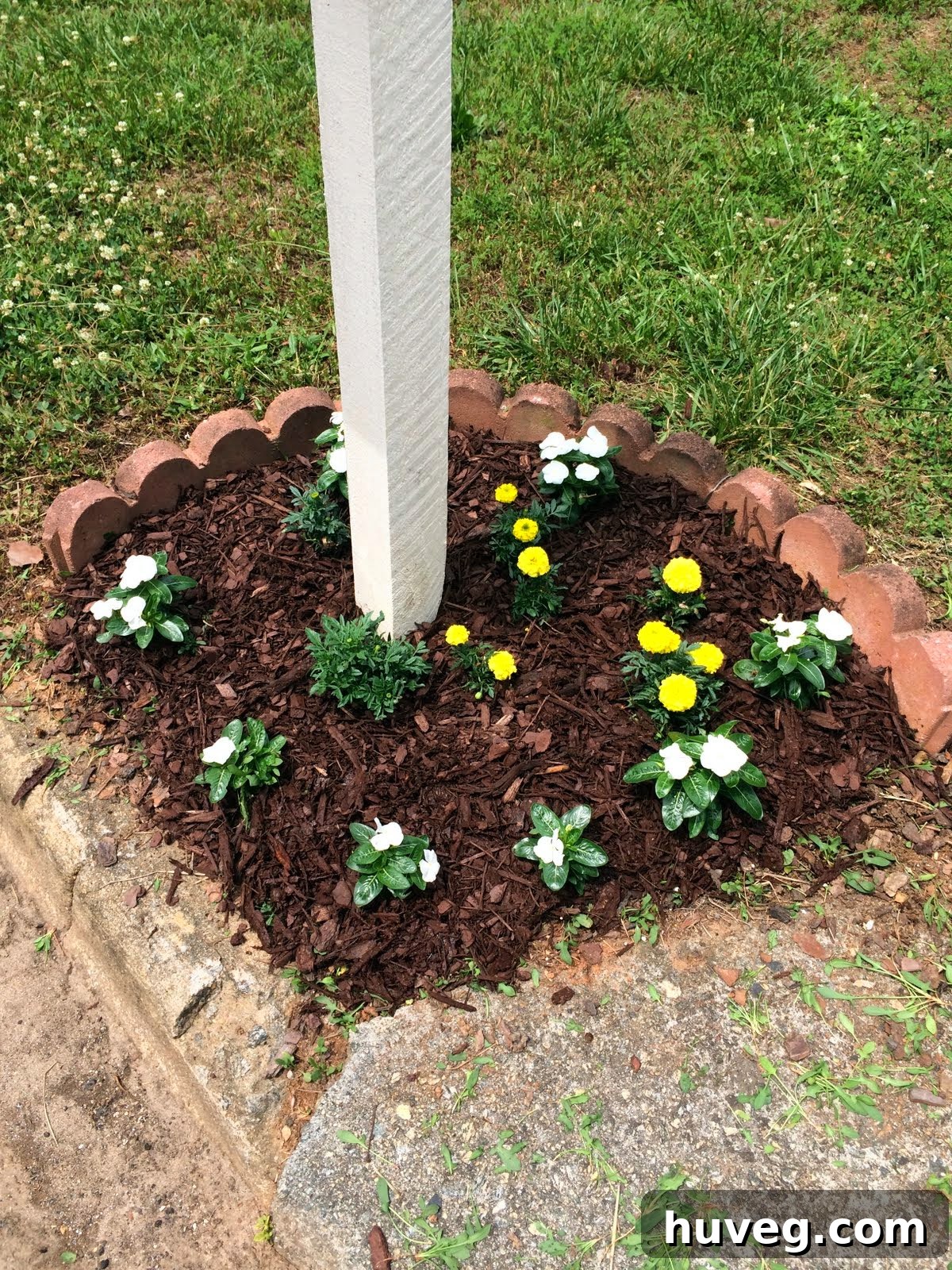
And then, seemingly overnight, this striking change manifested, challenging my preconceived notions of plant growth:
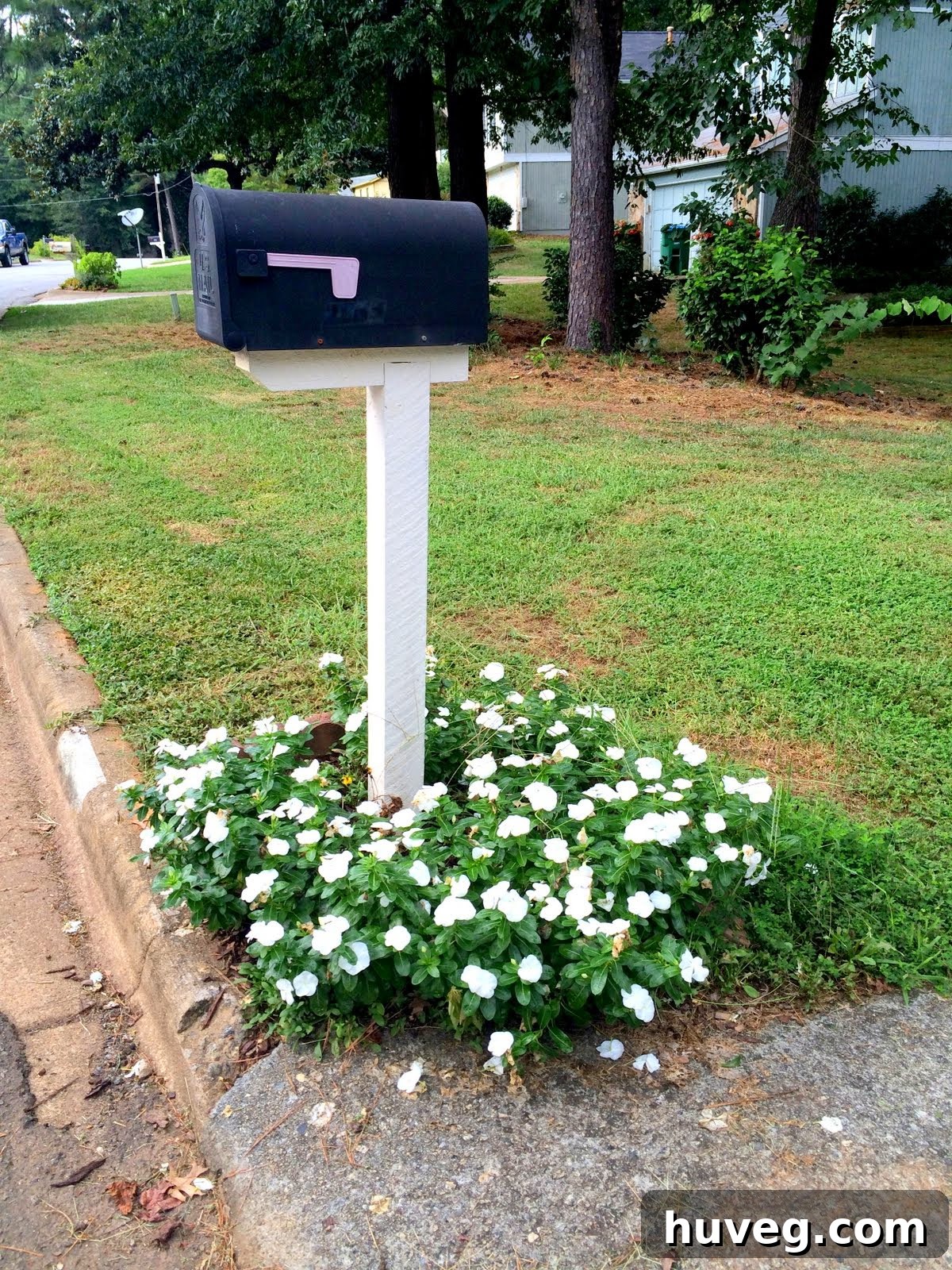
Oh, the joys and humbling realities of gardening! Once again, I found myself embracing the self-proclaimed title of a “gardening idiot.” Over the course of the past few months, the vinca plants, with an almost monstrous vigor, went full “Frankenstein” on me, far surpassing their promised height and spreading with an unexpected exuberance. Under normal circumstances, this rampant growth might not have been a significant concern; after all, they maintained themselves beautifully throughout the entire summer, enduring intense heat and requiring virtually no effort on my part, save for a minimal amount of weed maintenance. The only drawback was their overwhelming dominance: they utterly dwarfed the central marigolds, effectively smothering them into obscurity. So here I am, in my fourth year of attempting to cultivate a vibrant garden, expecting different results from familiar methods, and once again, likely providing some unintentional amusement for my neighbors who already have my half-finished exterior trim to observe. Perhaps, in a twisted way, they even found some satisfaction in my botanical misadventures.
However, amidst the comedic horticultural mishap, there is indeed a silver lining, a valuable lesson learned through trial and error. The undeniably good news is that I have now unequivocally identified a flower that thrives in full sun conditions with minimal fuss: vinca. My previous attempts with various other full-sun plants have yielded far less impressive and often disappointing results, characterized by wilting, browning, and a general lack of vitality. I suspect a significant factor in vinca’s unparalleled success lies in the inherent qualities of its waxy, resilient leaves; they consistently maintain a remarkably healthy, glossy appearance, radiating vibrancy regardless of external conditions. This discovery is a game-changer for my challenging sun-drenched garden spots, offering a reliable, low-maintenance solution for lasting beauty and an invaluable addition to my roster of go-to plants for DIY landscaping projects.
The inherent resilience and striking appearance of vinca, even in the face of my initial misjudgment, makes it a true gem for any gardener looking for robust, full-sun performers. Their waxy foliage not only contributes to their disease resistance but also gives them a perpetually fresh and vibrant look, making them ideal for high-impact areas like mailbox gardens or borders where continuous display is desired. This unexpected success story truly highlights the importance of experimentation in gardening, turning what seemed like a failure into a profound learning experience and a definitive win for effortless curb appeal. Understanding a plant’s true growth habit, rather than just relying on label descriptions, has been a critical takeaway from this experience.
My property, it seems, presents a rather dichotomous challenge when it comes to plant selection, offering primarily two extreme environments: areas demanding full, relentless sun exposure, or spots requiring deep, pervasive shade. There are very few “in-between” zones that cater to plants with more moderate light requirements. This extreme segmentation is largely due to the imposing presence of massive pine trees that cast a perpetual shadow over the entire backyard, while conversely, the front of the house is almost entirely exposed to direct sunlight for the majority of the day. This unique landscape has compelled me to engage in extensive, often frustrating, experimentation. Many of my gardening attempts have, unfortunately, resulted in rather dismal outcomes characterized by brown, scraggly, and uninspired growth, though I have managed to achieve a handful of gratifying successes, providing glimmers of hope amidst the botanical struggles.
Navigating these distinct microclimates within my own yard has been a significant learning curve. Understanding the specific light conditions – whether it’s full sun (at least 6 hours of direct sunlight), partial sun/shade (3-6 hours, often morning sun), or full shade (less than 3 hours of direct sun) – is paramount for successful planting. My yard’s extremes mean that plants often either thrive or rapidly decline, with little room for error. This ongoing challenge reinforces the need for careful plant selection and a willingness to learn from both triumphs and setbacks, especially when dealing with the significant impact of large trees on light availability and soil composition. For other homeowners facing similar light extremes, researching native plants or highly adaptable species can often yield the best, most sustainable results.
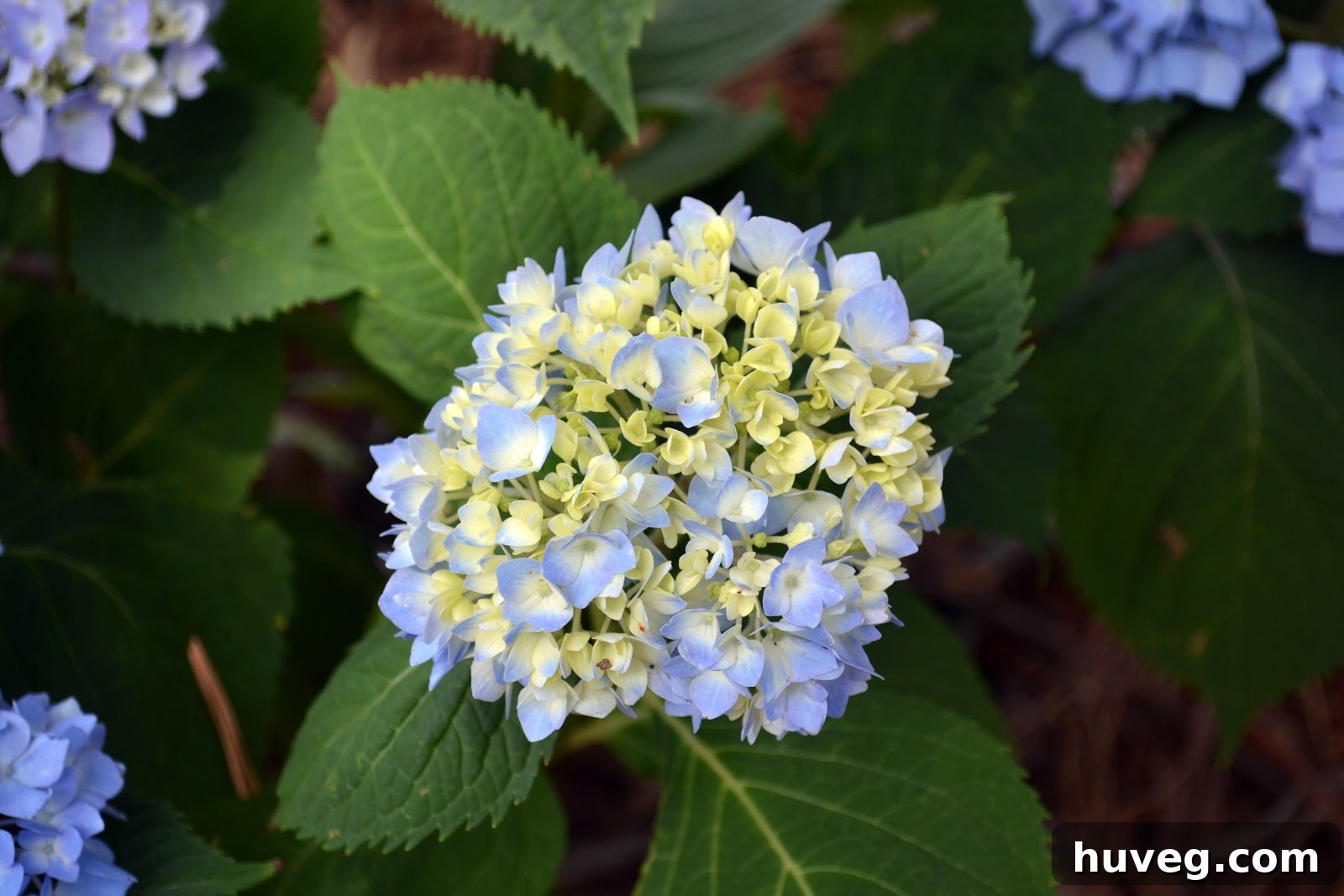
So, after four long years of trial, error, and numerous brown patches, I’ve finally identified at least one flower that demonstrably flourishes in my specific home environment. It feels like a small, hard-won victory in the grand scheme of gardening. I’m not entirely sure how to celebrate this minimal triumph – perhaps a quiet “Yay?” to acknowledge the effort and the eventual breakthrough. This discovery, however modest, marks a crucial turning point, providing a reliable cornerstone for future landscaping projects and an encouraging sign that sustained effort can indeed lead to fruitful (or in this case, flowery) results, even for the most challenged of gardeners. It certainly adds another feather to the cap of my ongoing home improvement journey.
With the cooler weather expected to arrive within the next month or so – and it’s worth noting that “cooling off” here often means a mere ten-degree drop from our scorching summer temperatures – I need to formulate a comprehensive new game plan for the entire front of the house, particularly focusing on the notoriously overgrown area situated off to the side of the garage. My dad, ever the helpful hand, recently paid a visit and bravely tackled some of the most unruly, taller growth, rendering that section only *slightly* less chaotic than it was a month ago. Let’s just say that the abundance of rather unflattering “before” photos of my yard will undoubtedly make for a truly spectacular and dramatic “after” reveal, should I ever manage to complete this daunting transformation. The vision for improved curb appeal and functionality drives these ambitious landscaping aspirations.
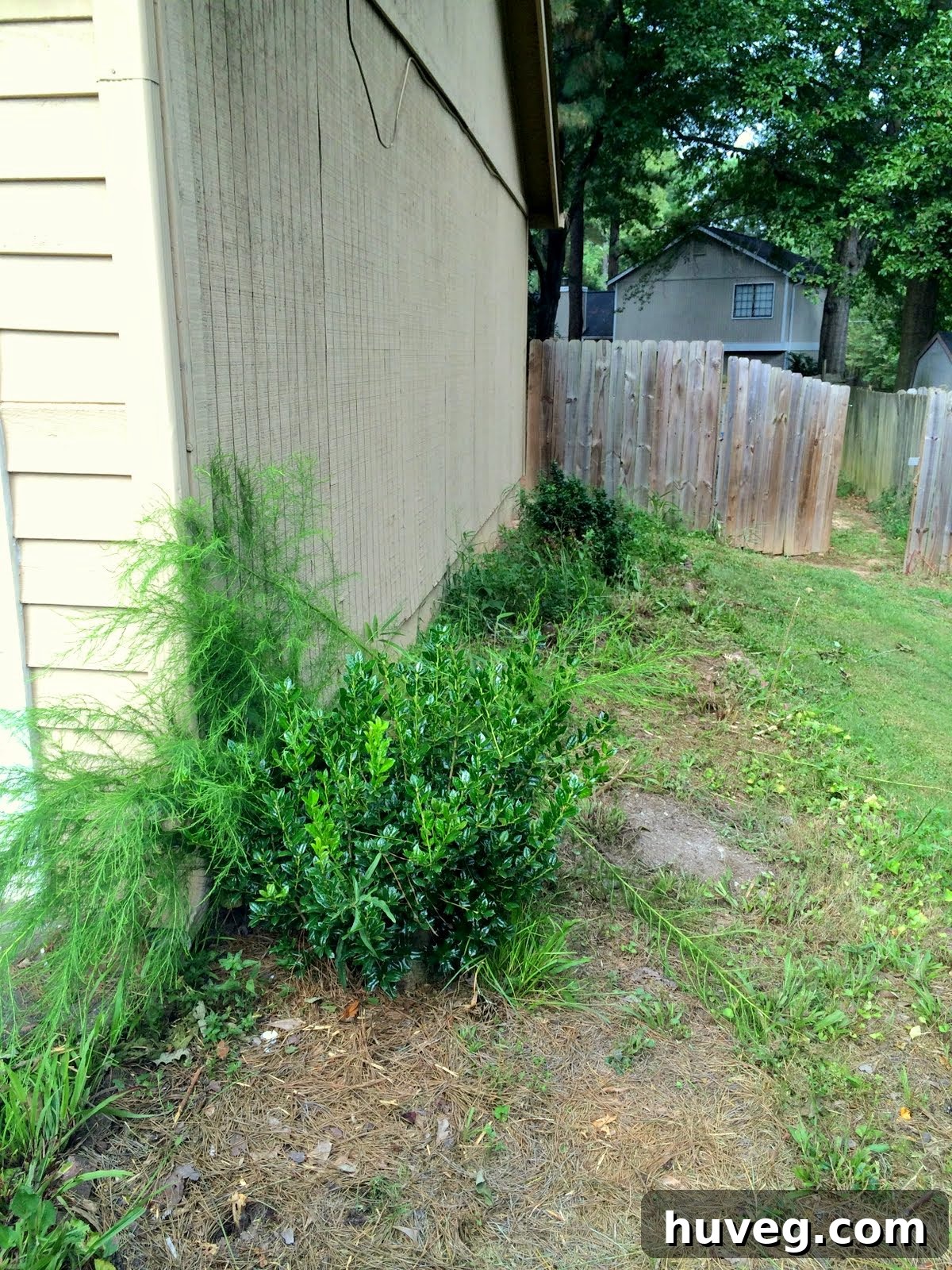
The next critical steps now fall squarely on my shoulders: devising an effective and aesthetically pleasing gardening scheme for this challenging area. After considerable research and brainstorming, I believe I may have finally found the perfect inspiration and direction. Drawing from the resounding success of last year’s backyard makeover project, which proved exceptionally well-suited for fall planting, I am optimistically hoping that within the coming month, I’ll be blessed with one of those gloriously overcast, perfectly temperate weekends. Such conditions would be ideal, allowing me to dedicate extensive hours to vigorous yard work and planting without the risk of succumbing to the heat – a critical factor for any large-scale landscaping endeavor. This strategic planning for fall not only leverages the cooler temperatures but also provides plants with ample time to establish their root systems before the heat of the next summer, promising a more resilient and vibrant garden.
As I embark on this exciting new phase of outdoor transformation, I find myself brimming with ideas but also keenly aware of the vast wealth of collective gardening wisdom out there. Therefore, I’m reaching out to fellow gardening enthusiasts and seasoned DIYers: do you have any brilliant suggestions or proven recommendations for what I should plant in these challenging areas? Perhaps drought-tolerant perennials that thrive in neglect, or shade-loving annuals that bring vibrant color to dim corners? I am genuinely all ears and eager to hear your insights and experiences. Your expert advice could be the missing piece in achieving my dream garden and truly maximizing my home’s curb appeal, especially as I prepare it for sale. Every tip, every recommendation, is incredibly valuable to me.
(P.S. For those of you who’ve been wondering about my ongoing moving plans and other exciting developments, I provided a brief but comprehensive update on this recent post. Hopefully, that will address many of your questions for the time being, and I look forward to sharing more details as things progress!)