Master Wood Filler Fast

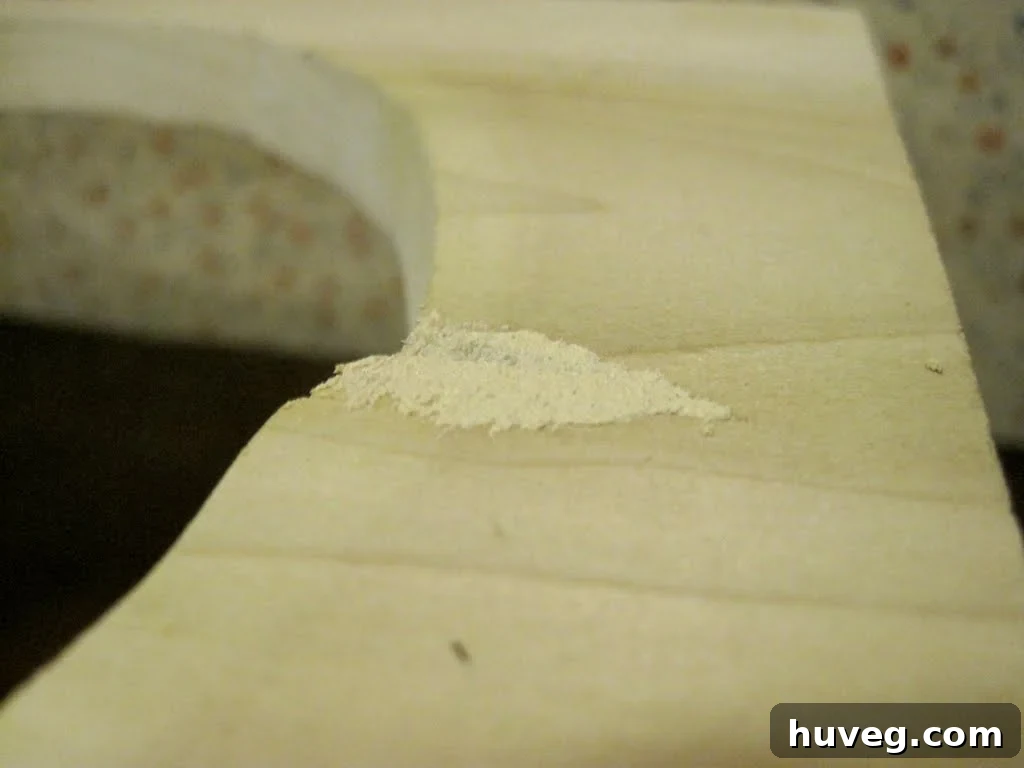
Life often throws curveballs, and sometimes those curveballs come in the form of out-of-town commitments or major sporting events, pushing our beloved DIY projects to the back burner. This past weekend was a perfect example, as my ambitious DIY plans were largely sidelined by a wedding and the Super Bowl. Despite the distractions, I managed to carve out a small window of time to tackle a pressing, albeit minor, woodworking task: patching up a few “oops” holes on our custom-built dog dish stand. It’s a testament to the fact that even small, seemingly insignificant repairs can bring a sense of accomplishment and keep the DIY momentum going.
Mastering Wood Filler: A Real-World Guide to Flawless Wood Repair
Every DIY enthusiast, whether a seasoned pro or a weekend warrior, inevitably encounters those little imperfections during a project. These could be accidental nail holes, minor gouges, or simply misdrilled spots that need a quick fix. That’s where the humble yet indispensable wood filler comes into play. While the art of using wood filler might seem straightforward, mastering its application for a seamless finish requires a bit of know-how and, sometimes, a touch of creative problem-solving. Join me on a candid journey as I demonstrate how I recently used wood filler to perfect the dog dish stand that my friend David, Scott, and I meticulously crafted a few weeks prior. This isn’t just a guide; it’s a real-life account of the small victories and humorous missteps that define the DIY experience.
Why Wood Filler is a DIY Essential
Before diving into the steps, let’s briefly touch upon why wood filler is a staple in any woodworking or home improvement toolkit. Wood filler isn’t just for covering up mistakes; it’s a versatile product designed to repair and restore wooden surfaces, making them ready for painting, staining, or sealing. It’s perfect for filling nail holes, screw holes, cracks, gouges, and other minor imperfections that can detract from the beauty of a finished piece. Properly applied, wood filler creates a smooth, uniform surface that blends seamlessly with the surrounding wood, ensuring a professional-looking result. Whether you’re building furniture from scratch, refinishing an antique, or simply patching up everyday wear and tear, understanding how to effectively use wood filler is a fundamental skill that elevates the quality of your DIY projects.
A Step-by-Step, Unfiltered Look at Using Wood Filler
Sometimes, the best tutorials are the ones that show you what *really* happens in a DIY project – the triumphs, the improvisations, and the occasional chuckle. Here’s a play-by-play of how I tackled those “oops” holes on the dog dish stand, transforming minor flaws into an invisible finish with the help of wood filler.
Step 1: Preparing the Workspace and Clearing Obstructions
The first crucial step in any successful DIY repair begins with proper preparation. For me, this meant creating a clean and accessible work environment. My dog, Colby, a charming but often messy character, had left his usual trail of crumbs and slobber around the stand. So, the initial task was to remove both dog dishes and give the stand a quick wipe-down. It’s an essential pre-step: ensuring the area you’re working on is free of debris, dust, or anything that could interfere with the wood filler’s adhesion or the overall finish. Even a small piece of food residue can compromise the repair. Acknowledging Colby’s adorable face usually makes up for the mess, but precision in DIY demands cleanliness above all!
Step 2: Selecting and Setting Up Your Work Surface
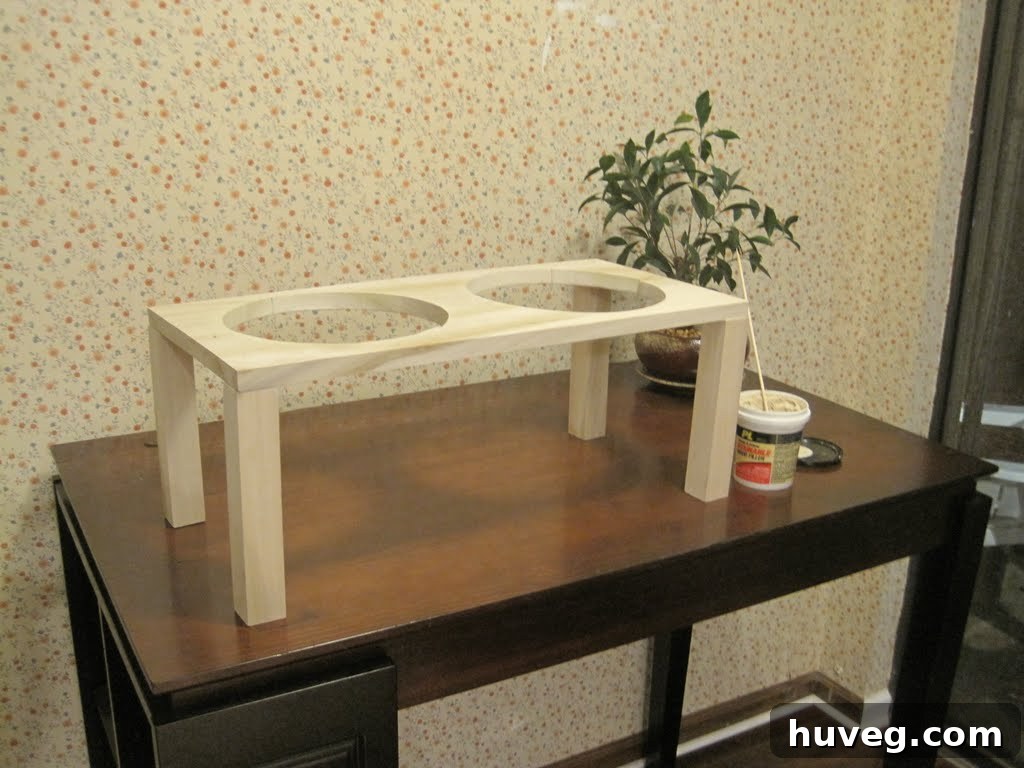
With the stand cleaned, the next step was to position it on a suitable work surface. In a perfect world, I’d have a dedicated workbench for such tasks. However, in the spirit of realistic home DIY, my kitchen table often serves as an impromptu workspace. This time, it proved to be the most convenient spot, primarily because it was already clear of food items – a rare occurrence in our bustling home! Placing the stand on the table not only elevated it to a comfortable working height but also ensured stability. I couldn’t help but chuckle at the thought of a neighbor peering in, imagining I owned a dog tall enough to eat at table height, or perhaps even a horse. Fortunately, neither scenario is true, and the kitchen table, despite its unconventional use, made for an ideal temporary repair station, offering ample light and space to maneuver.
Step 3: The Quest for the Elusive Wood Filler and Embracing Resourcefulness
Ah, the classic DIY challenge: finding the right tool. My wood filler, a tiny but mighty container, had been placed on the highest shelf in the garage by Scott, who, being considerably taller, doesn’t always consider the ergonomic challenges for us average-height individuals. After a quick mental reminder of my mission, I ventured into the garage. Reaching the shelf required some ingenuity. Rather than resorting to a step stool (which was likely buried under other DIY treasures), I spied one of Scott’s tap handles. Using it as an extension, I carefully nudged the wood filler container to the edge of the shelf. A gentle tap, a quick drop, and a surprisingly agile catch prevented both a floor impact and a potential head injury. That little victory, securing the wood filler without incident, brought a satisfying smile to my face. It’s these small moments of resourcefulness that truly define the DIY spirit.
Step 4: Finding the Perfect Applicator – The Improvised Solution
With the wood filler secured, the next hurdle was finding a suitable applicator. My garage and kitchen contain a myriad of tools, yet sometimes the specific one you need is elusive. My initial preferences, in order, were a plastic knife, a plastic spoon, or even plastic wrap (to use with my thumb for a cleaner application). After a brief but fruitless search for these standard items, I stumbled upon a tool that, while unconventional, proved to be perfectly tailored for the job: a wooden barbecue skewer. This moment perfectly illustrates the DIY philosophy of working with what you have. Often, the most effective solutions are those born out of necessity and a creative eye for everyday objects. The slender, pointed nature of the skewer offered precision that many other tools wouldn’t have.
Step 5: Applying the Wood Filler Liberally and Precisely
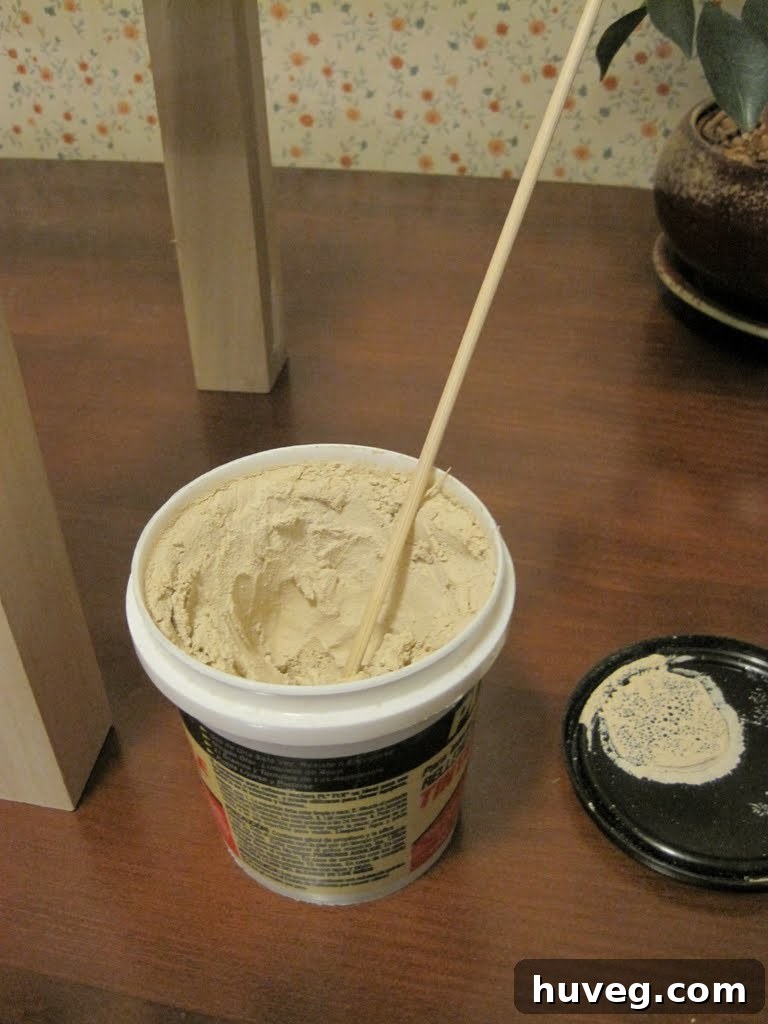
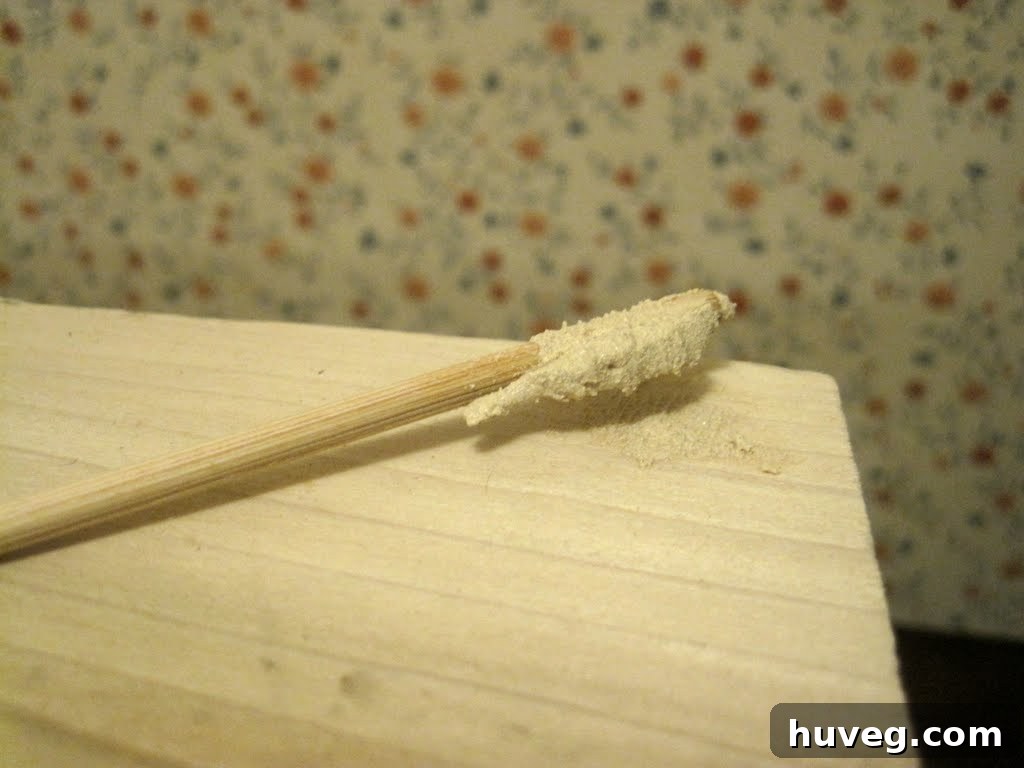
Finally, it was time for the main event: applying the wood filler. Opening the container, I gave the filler a quick stir with my newly discovered barbecue skewer to ensure a smooth, consistent texture. The holes on the dog dish stand weren’t deep, but they were noticeable – one in a corner and a mysterious gouge in the middle of the surface. Using the skewer, I applied the wood filler liberally, pushing it firmly into each imperfection. The key here is to overfill slightly, creating a mound above the surface. This ensures that as the filler dries and potentially shrinks a tiny bit, it still leaves enough material to be sanded flush with the surrounding wood. The skewer, with its fine point, allowed for surprisingly precise application, pushing the filler into every crevice without excessive mess.
Step 6: Expertly Scraping Off Excess for a Smoother Finish
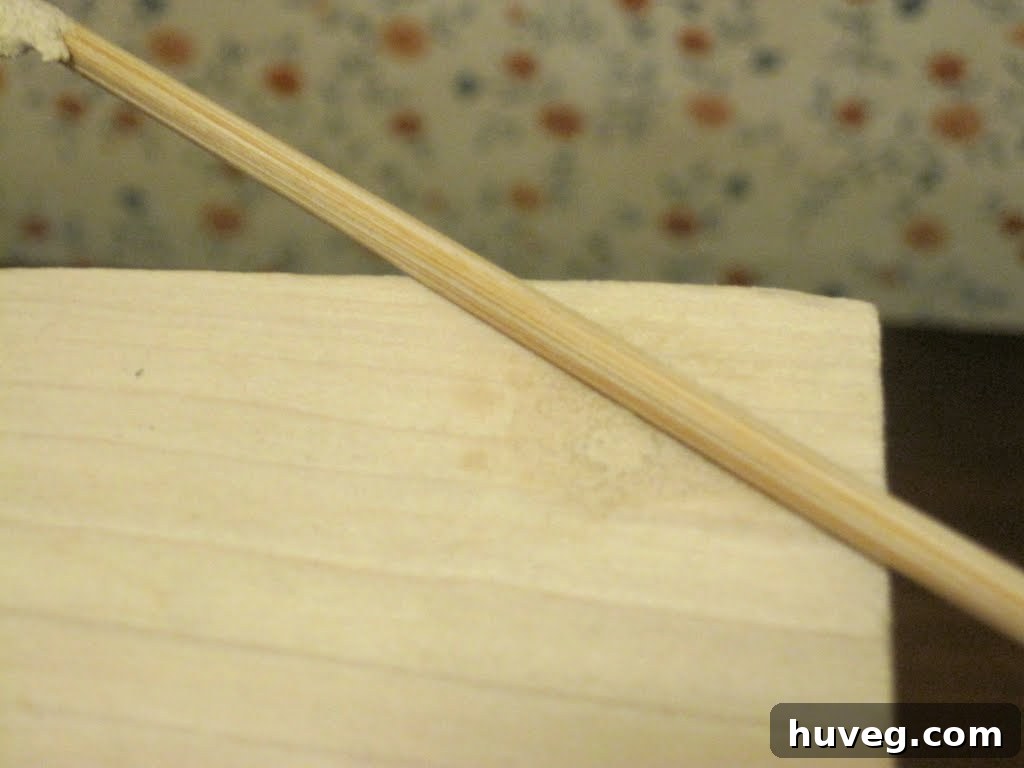
Immediately after applying the filler, the next critical step is to carefully scrape off any significant excess. This doesn’t mean removing all of it, but rather eliminating the large, raised portions to make the subsequent sanding process much easier and quicker. Using the flat edge of the same barbecue skewer, I gently scraped across the filled areas, aiming to leave a slight mound of filler that would dry slightly proud of the wood surface. This technique minimizes the amount of filler that needs to be sanded away later, saving time and effort. It was at this point that I truly realized the barbecue skewer, initially a makeshift tool, was indeed the perfect choice for both application and initial scraping. Its rigid yet somewhat flexible nature allowed for effective material removal without damaging the surrounding wood. This discovery only solidified my belief in the power of creative improvisation in DIY projects.
Step 7: Drying Time and Initial Sanding for a Flush Surface
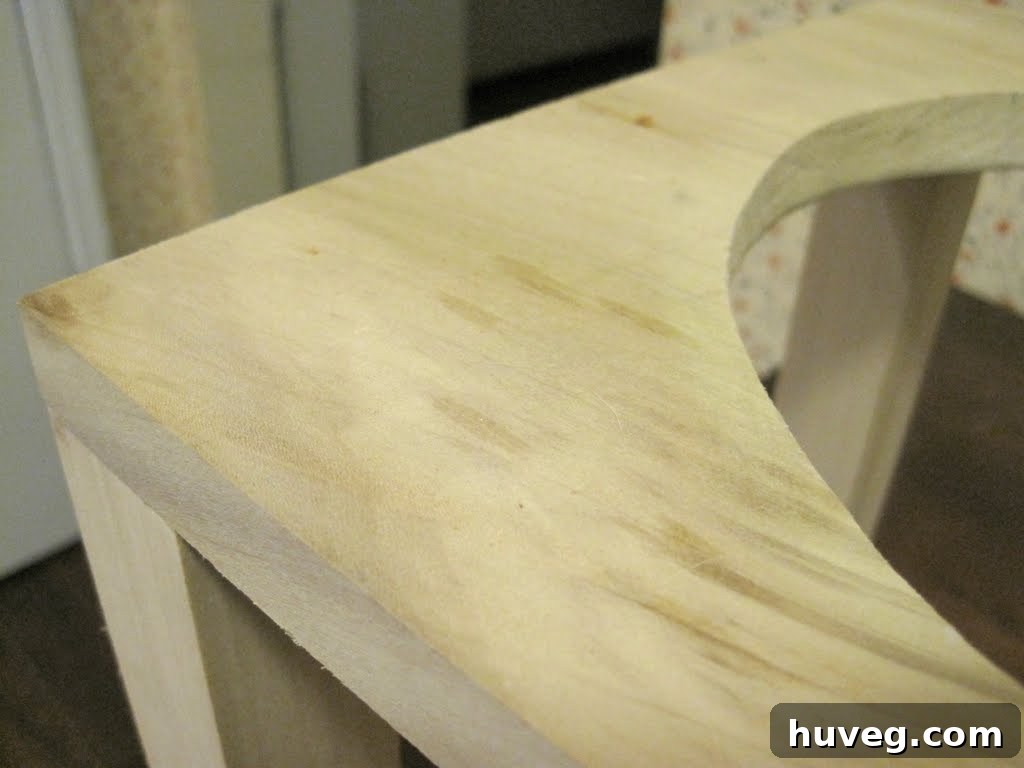
With the wood filler applied and the excess removed, it was time for the filler to dry thoroughly. Drying times can vary depending on the type of wood filler, humidity, and the depth of the application, so always refer to the manufacturer’s instructions. In my case, this provided a perfect opportunity to step away and enjoy the Super Bowl at a friend’s house, allowing the filler ample time to cure completely. Upon returning home, the filler was hard and ready for sanding. I rummaged through the garage once more to find some fine-grit sandpaper. The goal of this initial sanding pass is to carefully smooth down the dried filler, making it flush with the surrounding wood surface. Gentle, circular motions are key to avoid creating depressions or scratching the wood. This step is crucial for achieving an invisible repair, ensuring that the patched area feels and looks like an original part of the wood.
Step 8: Final Cleaning and Preparing for the Next Finish
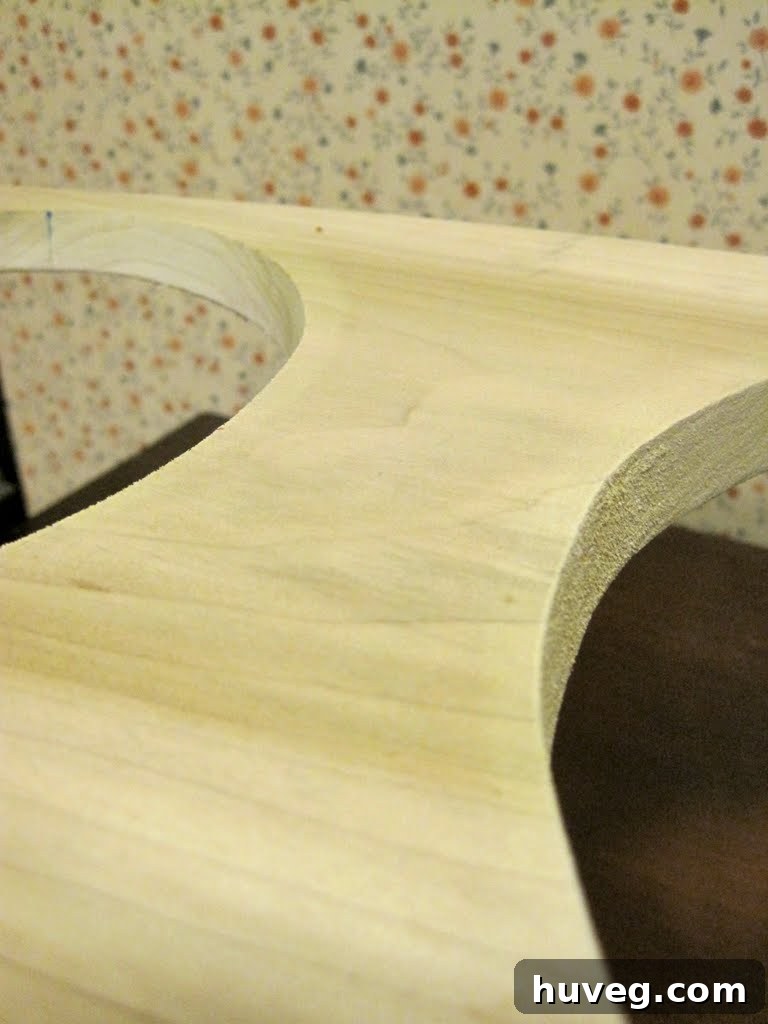
The last and equally important step involved a thorough cleaning and final sanding of the dog dish stand. After the wood filler was sanded flush, there was inevitably some dust and general puppy messiness accumulated on the stand. I used a fine-grit sandpaper (around 180-220 grit) to gently sand the entire surface of the stand, not just the patched areas. This served multiple purposes: it removed any remaining dirt or grime, further smoothed the surface, and most importantly, prepped the wood for its upcoming coat of paint and polyurethane. Sanding creates a slightly textured surface that allows primers, paints, and clear coats to adhere better, ensuring a durable and beautiful finish. After sanding, I wiped down the stand with a tack cloth to remove every last particle of dust, leaving a pristine surface ready for its final transformation.
The Satisfying Conclusion of a Small DIY Project
And just like that, the “oops” holes were gone, replaced by a smooth, uniform surface, ready for its next stage of transformation. While this might seem like a small task, the satisfaction of tackling a minor flaw and bringing a project closer to completion is immense. It’s these small victories that fuel the larger DIY ambitions. This process wasn’t just about filling a hole; it was about problem-solving, improvising, and seeing a project through, even amidst the distractions of life. I’ll be back again soon with updates on how the dog dish stand ultimately looks in its full glory in the kitchen, complete with its fresh coat of paint and protective poly finish.
As you can see, using wood filler effectively isn’t overly complicated, but it does benefit from attention to detail and a willingness to adapt. And no, this wasn’t strictly a formal, exhaustive tutorial on how to fill a hole; I’ve already written a more in-depth guide on that very topic! Instead, I hope you enjoyed this candid, real-world account of a typical DIY weekend, complete with a chuckle or two at the journey. Remember, every little repair contributes to the overall beauty and longevity of your home projects. So go ahead, tackle those minor imperfections – your DIY pieces will thank you for it!