Your 60-Minute Cabinet Priming Guide

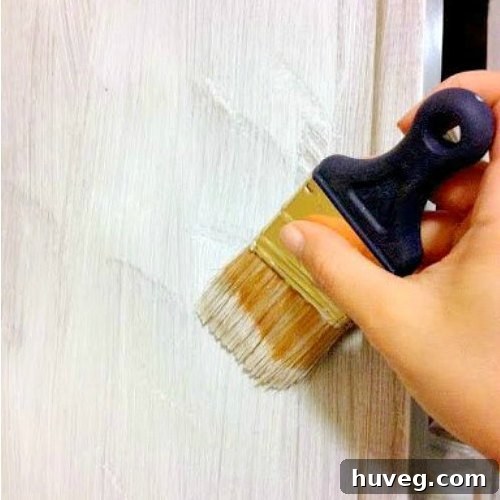
Last night, I walked through my front door with a clear mission: to dive headfirst into my kitchen cabinet project and get those upper cabinets primed to perfection. However, life, with its perpetually chaotic schedule, had other plans. Before I knew it, the clock displayed 11 PM, and not a single swipe of paint had touched my cabinets.
The sensible choice would have been to retreat to bed earlier than usual, perhaps secure a little extra sleep, and maybe even dream about being in some kind of Zach Braff/Adam Levine love triangle. But when the opportunity to make significant progress arises, sometimes you just have to seize it, even if it means working against the clock. So, instead of sleep, I opted for this:
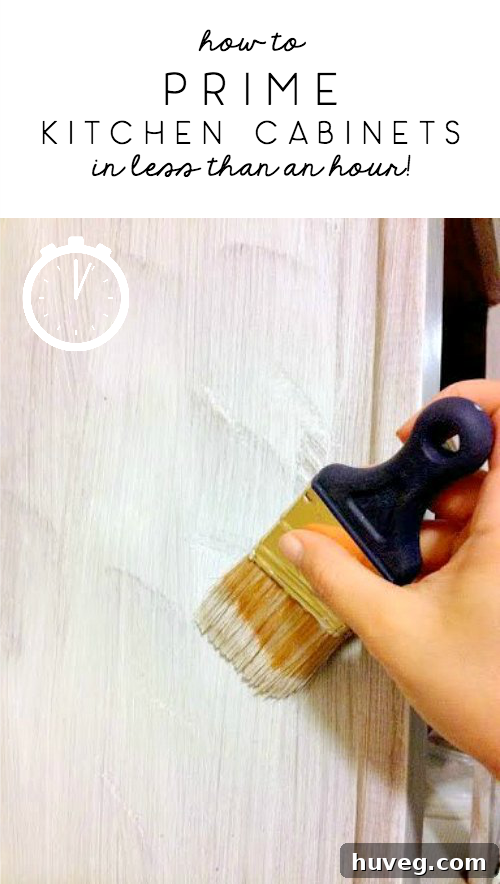
Mastering Kitchen Cabinet Priming: Get Professional Results in Under an Hour (Seriously!)
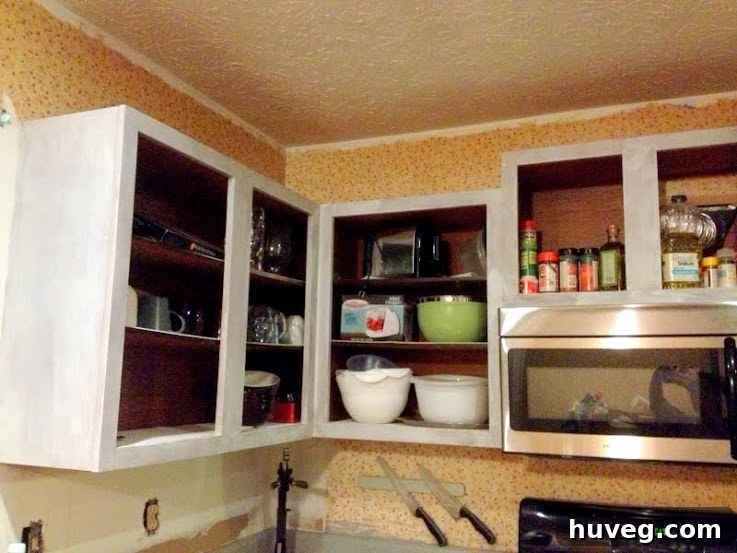
BAM! Even with less-than-stellar camera phone pictures, the sheer satisfaction was immense. You might be wondering, what’s the trick to priming your kitchen cabinets in less than an hour while still achieving a flawless, professional-looking finish? Honestly, a significant part of it comes down to sheer determination and a touch of what I like to call “paint ninja” confidence.
This rapid approach to kitchen cabinet priming meant ditching some of the traditional, time-consuming steps. There was no meticulous application of painter’s tape along every edge, no spreading out cumbersome drop cloths to cover every inch of the floor, and absolutely no concern about getting a little primer on my hands. Instead, it was just me, humming the Wonder Woman theme song, fully embracing my role as a paint ninja. And the surprising outcome? Not a single stray drop on the floor, and all my kitchen appliances remained entirely paint-free. Call it hubris, but with the right tools and a streamlined technique, this seemingly impossible task was accomplished in record time.
Why Priming Your Kitchen Cabinets is Absolutely Non-Negotiable
Even when you’re aiming for speed, the importance of a good primer cannot be overstated. Primer isn’t just an optional step; it’s the foundation for a durable, beautiful, and long-lasting cabinet finish. It ensures superior adhesion of your topcoat to the cabinet surface, preventing chipping and peeling down the line. A quality primer also acts as a powerful stain blocker, concealing any existing imperfections or wood tannins that might bleed through your new paint. Furthermore, it creates a uniform surface for your paint, allowing for a consistent color application and fewer coats of your final paint, ultimately saving you time and money. Investing a little time in priming correctly, even quickly, pays dividends in the final outcome.
The Right Tools for Rapid and Professional Cabinet Priming
Achieving such efficient and clean results relies heavily on selecting the correct materials and tools. These two items were my secret weapons in this fast-paced cabinet transformation:
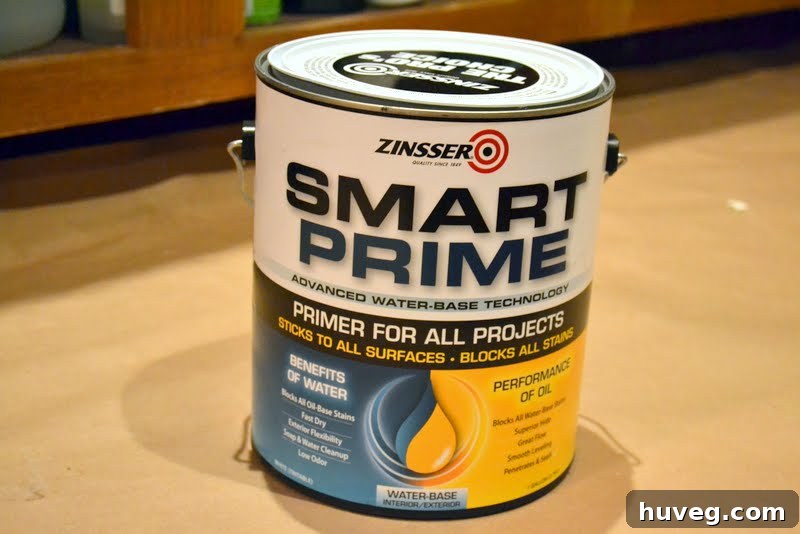
Smart Prime: The Game-Changing Primer for Cabinets
My primer of choice for this demanding task is called Smart Prime. This isn’t a product you’ll typically find readily available at the large chain home improvement stores in my area. However, I consistently manage to locate it at a local specialty paint shop, a testament to its specialized quality. For those without a dedicated local store, it’s also conveniently available through Amazon, ensuring accessibility regardless of your location.
Smart Prime truly shines by offering the best of both water- and oil-based paint worlds. This hybrid formula provides exceptional benefits: it covers stubborn stains with ease, adheres brilliantly to slick, hard-to-paint surfaces (like old cabinet finishes), and, crucially for a quick project, it dries lightning fast. Beyond its performance, it boasts a remarkably low odor, which is a significant advantage when you’re working indoors and trying to finish quickly. These combined features make Smart Prime an ideal choice for anyone looking to achieve a professional, durable finish on their kitchen cabinets without extensive drying times or strong fumes.
The Essential Tool: Wooster Shortcut Angled Sash Brush
In addition to the right primer, the success of this method largely hinges on one specific paintbrush: the Wooster Shortcut angled sash brush. This isn’t just any brush; its unique design is perfectly suited for detailed cabinet work, especially when you’re aiming for speed and precision without painter’s tape.
The brush features a short, comfortable rubber handle that fits snugly in smaller hands (cue the “that’s what she said” joke!), providing excellent control and reducing hand fatigue. Its angled sash bristles are designed to create incredibly sharp, precise paint lines, making it an invaluable tool for cutting in around edges and corners. With a little practice, I’m confident that anyone can learn to paint like a pro thanks to the control this brush offers. Unlike Smart Prime, the Wooster Shortcut brush is widely available at major big box stores like Home Depot, where I usually pick mine up. For those eager to master painting straight lines freehand, I’ve also put together a detailed tutorial here that complements this technique beautifully.
Mastering the No-Sanding Priming Technique for Kitchen Cabinets
One of the biggest time-savers in this entire process is the strategic elimination of traditional, laborious sanding. Before any primer touched the cabinets, I had already applied a specialized liquid sander/deglosser. This crucial product works wonders by chemically preparing the cabinet surfaces, effectively cleaning, deglossing, and etching them to ensure optimal primer adhesion—all without the dust, mess, and effort associated with mechanical sanding. It’s an indispensable step for a smooth, lasting result, especially when you’re on a tight schedule and aiming for efficiency.
Achieving a Flawless, Smooth Finish: The Dry Roller Secret
The secret to achieving a perfectly smooth surface, entirely free of unsightly brush strokes, lies in a simple yet highly effective two-step application technique: apply quickly, then smooth immediately. Here’s how to do it:
- Apply Primer Swiftly: Use your Wooster Shortcut brush to apply the primer to the cabinet surface as quickly and evenly as you can. The goal is a thin, consistent coat across the area you’re working on.
- Smooth with a DRY Foam Roller: While the primer is still wet (this is the critical part!), immediately roll over the freshly brushed area a couple of times with a completely dry foam paint roller. The emphasis on “dry” is paramount; you are not trying to apply more product, but rather to gently smooth out any brush marks, leaving a pristine, even finish.
Remember, primer doesn’t need to be applied thickly to do its job effectively. A thin, even coat is all that’s required for excellent adhesion, stain coverage, and to create the perfect base for your topcoat. Thanks to Smart Prime’s rapid drying capabilities and this efficient application method, the cabinets were not only fully primed but also dry to the touch in a remarkably short time. This quick dry time means less waiting and faster progress on your overall kitchen cabinet painting project.
Early Sneak Peek: Testing the Topcoat Color
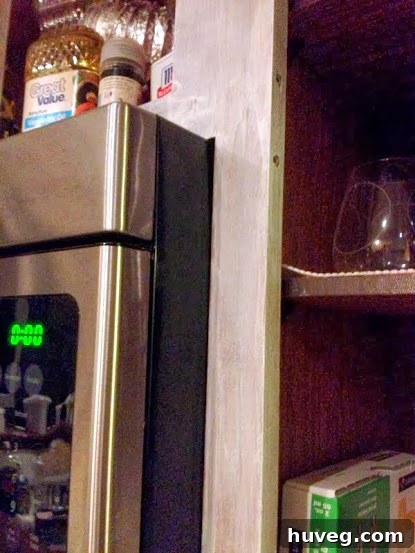
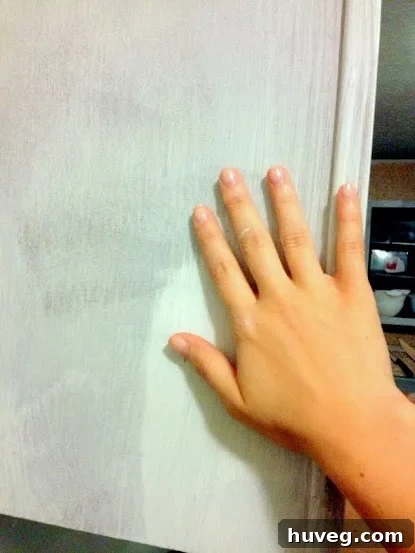
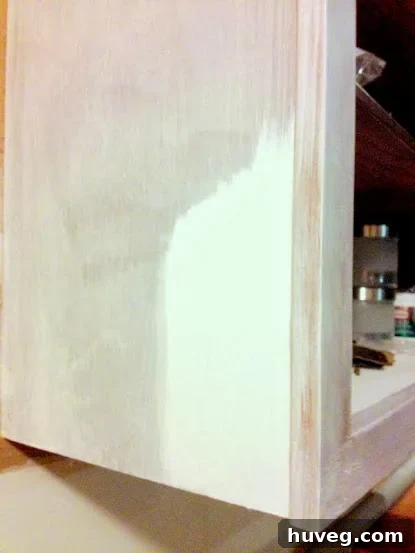
My impatience often gets the best of me, and after the primer was dry to the touch, I couldn’t resist going rogue. I decided to apply a test spot of my chosen paint without waiting for the full cure time. While it’s generally recommended to allow primer to fully cure, I was eager to see how my color choice would truly look on the cabinet surface. I had selected Benjamin Moore’s Decorator’s White, a shade highly praised by expert designers for its crisp, clean appeal, so I felt confident in their collective wisdom and my initial swatch choice.
Even though the night lighting in my kitchen isn’t ideal for evaluating paint colors, I could immediately tell I had picked a winner. I assure you, it doesn’t glow or look bluish in person as it might appear in a dimly lit photograph – it’s simply a beautiful, classic white that brightens the space and provides a perfect contrast. This early visual confirmation fuels the motivation to push forward with the rest of the project with renewed vigor.
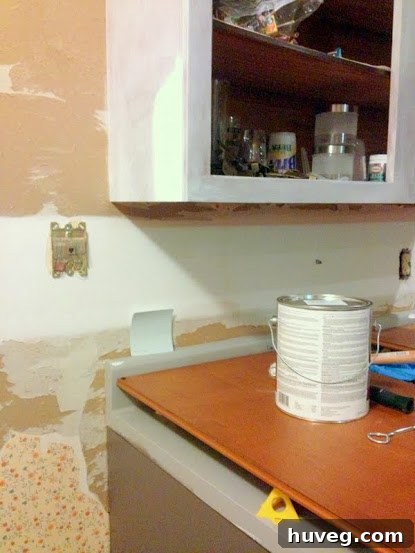
Taking a step back, I could appreciate the emerging palette: the fresh, bright white of the upper cabinets, the sophisticated dark gray that will soon adorn the lowers, and the tired, dated old oak that will thankfully become a distant memory. This visual progress makes all the effort worthwhile.
Next Steps: From Priming to Painting and Beyond
As it stands, only the upper cabinet frames are primed – the doors are still waiting their turn for this crucial step. However, this initial priming stage is incredibly valuable, not just for adhesion, but because it mercilessly exposes any nicks, dings, or crevices in the cabinet surfaces that will need attention. This allows for precise repairs before the final paint coats, ensuring a truly smooth and professional finish. I’m highly satisfied with the progress achieved so far this week, laying a solid foundation for the remainder of the project.
Here’s a realistic look at the planned schedule for the rest of the week, acknowledging that DIY life often throws curveballs and that flexibility is key:
- Wednesday: My plan is to patch any necessary areas on the cabinet frames with wood filler and caulk. Simultaneously, I’ll apply the liquid sander to all cabinet doors, then prime both sides of each door and set them aside to dry thoroughly.
- Thursday: This day is dedicated to finishing whatever I didn’t manage to get done from Wednesday (a highly likely scenario in any DIY project!). Following that, I’ll apply the first coat of white kitchen paint to both the cabinet frames and the first side of the doors.
- Friday: Screw it, it’s Friday! Sometimes, a well-deserved break is the most productive thing you can do.
- Saturday: College football is often better than kitchen cabinets – priorities, right?!
- Sunday: This will be the day to apply the second, final coat of paint to the cabinet frames and paint the second side of all the doors.
While this ambitious schedule means I won’t get absolutely everything done before my aunt and uncle come to town, it DOES ensure that the most essential components of the cabinet transformation will be completed on time. Mission “Half-Ninja” successfully achieved!
Embracing DIY: The Rewards of Transforming Your Kitchen
Taking on a kitchen cabinet painting project yourself, especially with efficient and clever methods like the one outlined here, offers a multitude of benefits. Beyond the significant cost savings compared to hiring professional painters, you gain complete control over the color, finish, and overall aesthetic. It’s an incredibly rewarding process that not only transforms the look and feel of your kitchen but also builds valuable DIY skills and confidence for future home improvement endeavors. Even if your schedule is packed, strategic planning and the right tools can make a seemingly daunting task entirely manageable and enjoyable, leading to results you can proudly say you accomplished.
More Kitchen Remodeling Resources
SEE ALL KITCHEN PROJECTS
Continue Your Kitchen Transformation Journey with These Related Posts:
- Prepping cabinets for paint (without sanding)
- Priming Cabinets (You are here!)
- Painting the lowers and uppers
- Replacing the countertop
- Cutting the hole for the sink (and fixing a misaligned cut!)
- Treating the butcher block
Popular Kitchen Project Tutorials and Guides:
-
How to Tile a Backsplash (Step by Step Guide)
-
How to Protect Butcher Block Counters During Projects
-
How to Fix a Bad Cut in Butcher Block Counters with an Undermount Sink
-
No-Sew Faux Roman Shade and My Christmas Kitchen Window
-
How to Seal Damaged Drywall
-
How to Prep Kitchen Walls for a Tile Backsplash