Hearth or Hatch

Mastering Your Kitchen Remodel Timeline: A DIY Guide for Beginners
Embarking on a home remodel, especially a kitchen transformation, often feels like stepping into a labyrinth. The timeline – what comes first, what follows next, and what absolutely cannot be messed up – is arguably one of the most thought-provoking and perplexing steps for any DIY enthusiast. If you’re like many aspiring home renovators, the burning question isn’t just about choosing the perfect countertop or cabinet style, but rather, “What the heck comes first?”
As a DIY newbie, the challenge extends far beyond aesthetics. It’s about orchestrating a complex sequence of tasks to ensure each step builds correctly upon the last, preventing costly mistakes and unnecessary rework. A well-planned timeline is the cornerstone of a successful and stress-free kitchen renovation, transforming overwhelming chaos into an organized, achievable project.
From Powder Room to Kitchen: Understanding the Scope
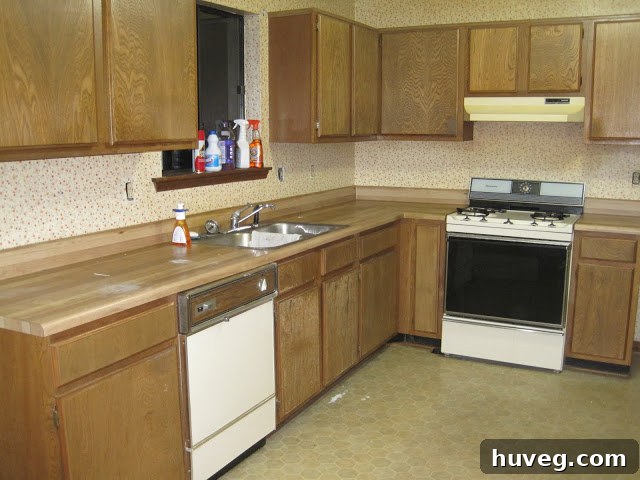
My first foray into home renovation was a powder room remodel. With professional guidance, the process felt manageable. Tasks like painting walls and replacing a sink were straightforward, providing valuable insights for future bathroom projects. However, a kitchen is an entirely different beast. It’s not just a quick refresh; it’s a comprehensive overhaul involving multiple trades and critical decisions. We’re talking about tearing out old countertops, installing new backsplashes, meticulously painting cabinetry, updating plumbing, revamping lighting, integrating new appliances, and potentially laying down entirely new flooring. The sheer scope of work can be daunting, even for seasoned DIYers.
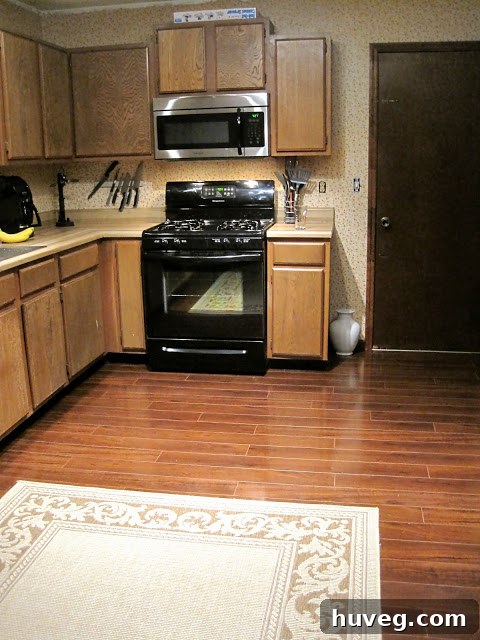
For our kitchen, some decisions were made out of immediate necessity. New, energy-efficient appliances were a must-have, and our beautiful new laminate floors were installed early. While conventional wisdom often suggests installing flooring last to protect it from potential damage during other stages, our situation required a different approach. Fitting a full kitchen remodel into “Year One” wasn’t feasible, so installing the flooring for the entire downstairs, including the kitchen, made logistical sense at the time. This highlights a crucial aspect of DIY remodeling: sometimes, practical constraints dictate deviations from the ideal timeline, and adaptability becomes key.
The Essential Stages of a DIY Kitchen Remodel Timeline
Navigating the intricate dance of kitchen renovation steps can be tricky, but a clear roadmap is invaluable. Here’s a detailed, SEO-friendly timeline designed to guide DIY beginners through a kitchen remodel, ensuring a smooth progression from start to finish.
Stage 1: Comprehensive Planning & Design (The Brainstorming Phase)
Before a single hammer swings, meticulous planning is paramount. This foundational stage dictates the success and efficiency of your entire project.
- Set a Realistic Budget: Determine your financial limits and allocate funds for each major component, including a contingency fund for unexpected issues.
- Envision Your Dream Kitchen: Define your style, layout preferences, and functional needs. Create mood boards, gather inspiration, and consider how the new kitchen will integrate with your home’s overall aesthetic.
- Detailed Design & Layout: Sketch out your kitchen’s new layout. Consider the “work triangle” (sink, stove, refrigerator) for optimal efficiency. If moving walls or major plumbing/electrical, consult with professionals for structural integrity and code compliance.
- Material and Appliance Selection: Research and select all your materials – cabinets, countertops, flooring, backsplash tiles, sink, faucet, light fixtures, and appliances. Early selection is critical, as lead times for custom items can be extensive.
- Permits & Regulations: Investigate local building codes and secure any necessary permits. Ignoring this step can lead to costly fines or forced re-dos.
Stage 2: Demolition & Rough-Ins (The Deconstruction & Foundation Phase)
This is where the visible transformation begins, but it’s also about preparing the hidden infrastructure.
- Protect Adjoining Areas: Seal off the kitchen to contain dust and debris, protecting other parts of your home.
- Demolition: Carefully remove existing cabinets, countertops, appliances, flooring, wallpaper, and any non-load-bearing walls. Dispose of debris responsibly.
- Rough Plumbing & Electrical: This crucial step involves moving or installing new plumbing lines (water, drain, gas) and electrical wiring (outlets, switches, lighting circuits) behind the walls, before they are sealed up. Ensure these meet current codes.
- HVAC Modifications (if needed): Adjusting ventilation or adding new ductwork for range hoods should happen now.
Stage 3: Walls & Ceilings (The Canvas Preparation Phase)
With the infrastructure in place, it’s time to perfect the backdrop for your new kitchen.
- Wall Repair & Drywall Installation: Patch any holes, repair damaged drywall, or install new drywall if walls were moved. Ensure smooth surfaces.
- Wallpaper Removal (if applicable): Thoroughly strip old wallpaper. This is often messier than anticipated, requiring proper tools and techniques to avoid damaging the underlying drywall.
- Surface Preparation: Sand and prime all walls and ceilings. Primer ensures better paint adhesion and a more uniform finish, especially after repairs or wallpaper removal.
- Painting Walls & Ceilings: Apply your chosen paint colors to walls and ceilings. Doing this before cabinet installation prevents paint splatters on new cabinets and allows for easier, more thorough coverage.
Stage 4: Flooring (The Groundwork Phase – Revisited)
While traditionally placed later, there are valid reasons for doing flooring earlier.
- Installing New Flooring: Whether it’s hardwood, tile, or laminate, install your new kitchen flooring. If you have chosen to install it before cabinets (as in my case), ensure it’s protected throughout the subsequent stages with heavy-duty floor protection.
- Pros of Early Installation: It allows for a continuous flow of flooring, simplifies cabinet installation as they sit directly on the finished floor, and avoids awkward cuts around installed cabinets later.
- Cons & Considerations: Increased risk of damage from falling tools, spills, or heavy equipment. This risk can be mitigated with proper protection.
Stage 5: Cabinet Installation & Painting (The Core Structure Phase)
Cabinets define the structure and storage of your kitchen.
- Assemble & Install Cabinets: Begin by installing upper cabinets, ensuring they are perfectly level and securely mounted. Follow with base cabinets, aligning them properly.
- Cabinet Painting (if applicable): If you’re painting existing cabinets or raw new ones, this is the ideal time. Remove all doors and drawer fronts. Thoroughly clean, sand, prime, and paint them. Painting cabinets *before* countertops are installed minimizes the risk of paint drips on new surfaces and allows for easier access to all cabinet areas. Applying a durable, high-quality paint finish is crucial for longevity.
Stage 6: Countertop Installation (The Workspace Phase)
The countertops define your primary workspace and often become a visual focal point.
- Measurement & Fabrication: Once cabinets are installed, precise measurements are taken for your countertops. This is usually followed by off-site fabrication.
- Countertop Installation: Install your chosen countertops. This step typically involves professional help due to the weight and precision required.
- Sink & Faucet Installation: With countertops in place, the sink can be set, and the faucet connected. Reconnect water lines and test for leaks.
Stage 7: Backsplash Installation (The Detail Phase)
The backsplash adds a decorative element and protects your walls.
- Prepare the Surface: Ensure the wall area above the countertop is clean, dry, and free of any debris.
- Tile Installation: Apply mastic or thin-set mortar and carefully install your backsplash tiles. Work in sections, ensuring level lines and consistent spacing with spacers.
- Grouting & Sealing: Once the adhesive has cured, apply grout to fill the gaps between tiles. After the grout dries, apply a sealer to protect it from moisture and stains.
Stage 8: Final Appliance & Fixture Installation (The Connectivity Phase)
Bringing all the functional elements online.
- Install Major Appliances: Move in and connect your refrigerator, range, dishwasher, and microwave.
- Lighting Fixtures: Install all ceiling lights, pendant lights, and under-cabinet lighting.
- Final Plumbing Connections: Ensure all remaining plumbing, such as the garbage disposal, water filter, and ice maker, are connected and leak-free.
Stage 9: Finishing Touches & Cleanup (The Grand Reveal Phase)
The last steps that pull everything together.
- Hardware Installation: Attach cabinet knobs and pulls.
- Trim & Baseboards: Install any decorative trim, crown molding, and baseboards, then paint as needed.
- Deep Cleaning: Thoroughly clean the entire kitchen, removing all construction dust and debris to reveal your beautifully transformed space.
- Enjoy Your New Kitchen: Finally, step back, bask in your accomplishment, and celebrate your hard work!
Your Remodel Journey: Seeking Wisdom
So, am I on the right track with my proposed sequence, or am I completely off? Was installing the floor early a stroke of genius or a rookie mistake? The world of DIY is vast, and every project offers unique learning opportunities. Your tips and insights are not just appreciated; they are invaluable. Please share your experiences, advice, or any lessons learned from your own kitchen remodels. As I progress through this exciting (and sometimes bewildering) journey, I’ll be updating this post with new tips and discoveries. Thanks in advance for helping a fellow DIYer out!