DIY Tree Pruning and Trimming Essentials

When the term “tree trimming” comes to mind, especially around the holidays, many envision festive lights and ornaments. However, for homeowners, “tree trimming” often refers to a much more practical and vital task: the strategic removal of tree branches to promote health, ensure safety, and enhance the aesthetic appeal of your property. It’s about tackling the kind of “hot mess” that can arise when nature gets a little too close for comfort.
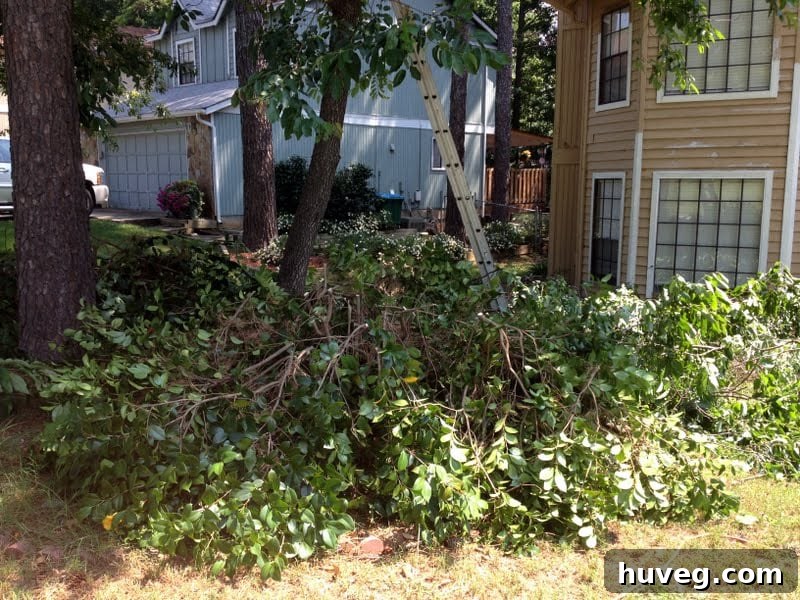
An apt subtitle for this guide could be: “Mastering the Art of Tree Pruning: How to Safely Remove Significant Portions of a Tree Without Harming Yourself or the Tree.” Just like dealing with curious squirrel visitors, managing your trees is an ongoing aspect of homeownership. Over the years, I’ve handled my share of tree maintenance, from minor snips to hiring professionals for larger, more complex projects. Through these experiences, I’ve gathered a wealth of practical knowledge on the DIY tree pruning process, especially when addressing unruly or overgrown limbs. This guide is designed to equip you with the essential tips and techniques for confident, effective, and safe tree trimming.
Why is Tree Trimming Essential?
Beyond branches encroaching on your home or dangling precariously over the roof, there are numerous compelling reasons to regularly prune your trees. Proper tree care isn’t just about appearances; it’s fundamental for the tree’s health, your property’s safety, and the overall vitality of your landscape.
1. Enhancing Safety and Preventing Hazards
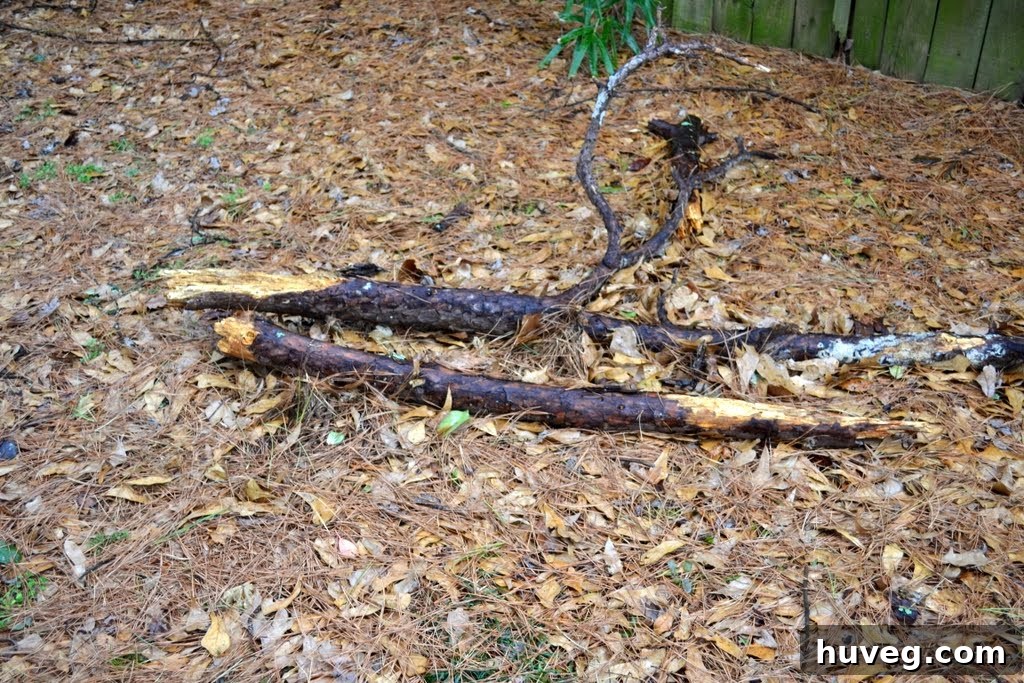
One of the most critical reasons for tree trimming is safety. Dead, dying, or weak limbs are commonly referred to as “widowmakers” – and for good reason. What might appear as a harmless stick from the ground can be incredibly heavy and dangerous. A falling branch can cause significant property damage, smashing windows, damaging roofs, or even crushing vehicles. More importantly, it poses a severe threat to personal safety, potentially causing serious injury or even fatality. Proactive removal of these hazardous branches mitigates risks, safeguarding your family, pets, and property from unforeseen accidents, especially during storms or high winds.
2. Promoting Tree Health and Vigor
Regular pruning plays a vital role in maintaining the long-term health and structural integrity of your trees. Removing dead or diseased wood prevents the spread of decay, pests, and fungal infections to healthy parts of the tree, or even to neighboring plants. Think of it as preventative medicine for your trees. Thinning a dense tree canopy also allows for better air circulation and sunlight penetration. This not only encourages new, healthy growth throughout the tree but also helps dry out the canopy, reducing the conditions favorable for many tree diseases and insect infestations. A well-maintained tree is a resilient tree, better equipped to withstand environmental stresses and remain a vibrant part of your landscape for years to come.
3. Improving Aesthetics and Curb Appeal
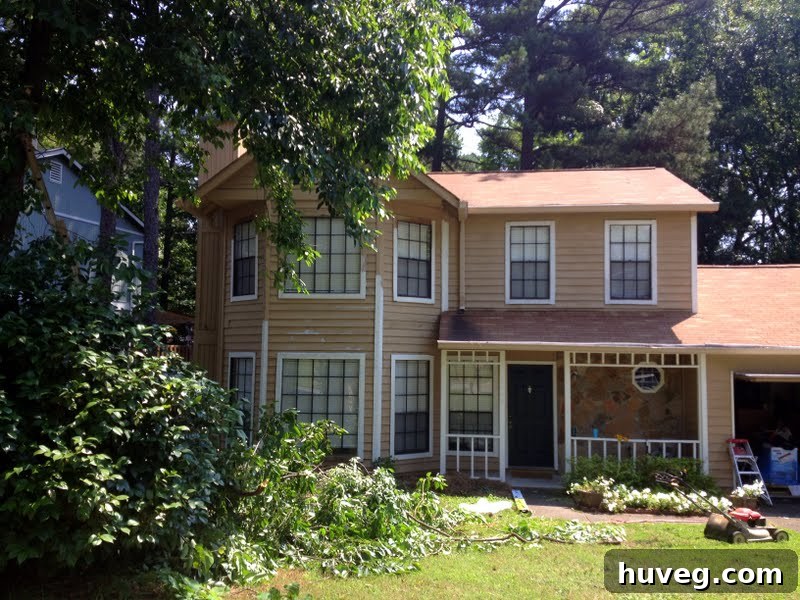
While safety and health are paramount, the aesthetic benefits of tree trimming should not be overlooked. A well-pruned tree enhances the overall beauty and tidiness of your yard, contributing significantly to your home’s curb appeal. Removing errant branches, shaping the canopy, and clearing obstructions can transform an unruly, “haunted house” look into a manicured and inviting landscape. Strategic pruning can open up views, highlight architectural features of your home, and ensure pathways remain clear and safe for foot traffic.
When to Trim Your Trees: Timing is Key
The “when” of tree trimming is almost as important as the “how.” The optimal time to prune depends largely on the tree species and your specific goals. Generally, the dormant season (late fall to early spring, after leaves have dropped but before new buds form) is ideal for most deciduous trees. During dormancy, trees are less susceptible to stress, and the absence of leaves allows for better visibility of the tree’s structure, making it easier to identify dead or crossing branches. Pruning at this time promotes vigorous new growth in the spring.
Summer pruning, on the other hand, is typically reserved for slowing growth on a particular branch, shaping, or removing water sprouts and suckers. Avoid heavy pruning during late spring or early summer when trees are actively growing, as this can stunt their development or cause excessive sap bleeding. Also, avoid pruning in the fall, as new growth stimulated by pruning may not harden off before winter, making it vulnerable to frost damage, and open wounds can be entry points for disease just before dormancy.
DIY Tree Trimming: What You Can Tackle
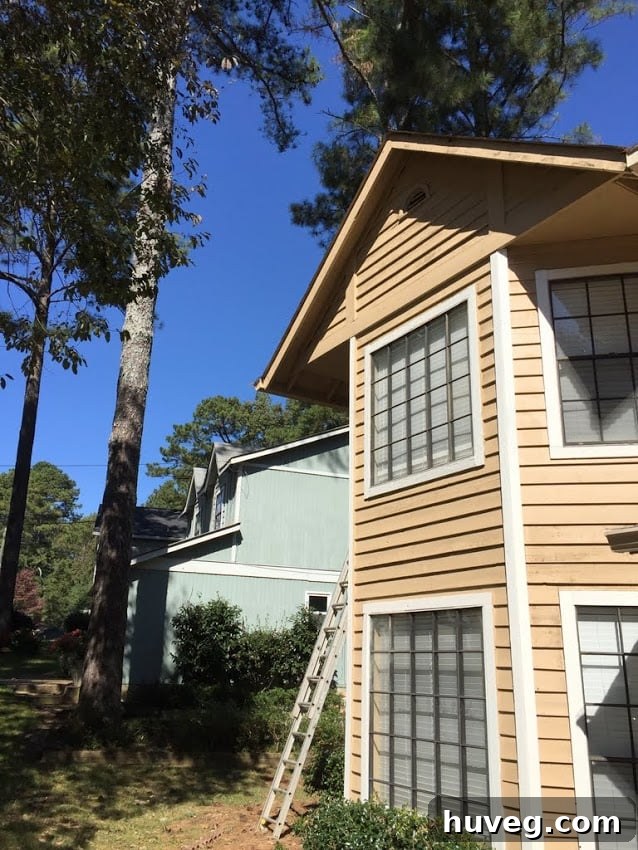
For many homeowners, the idea of climbing a ladder, wielding a pole saw overhead, and combining these tasks with heights can be daunting. It’s true, a healthy respect for heights and power tools is crucial. However, with the right approach, proper gear, and an emphasis on safety, a significant amount of tree maintenance is well within the capabilities of a diligent DIY enthusiast.
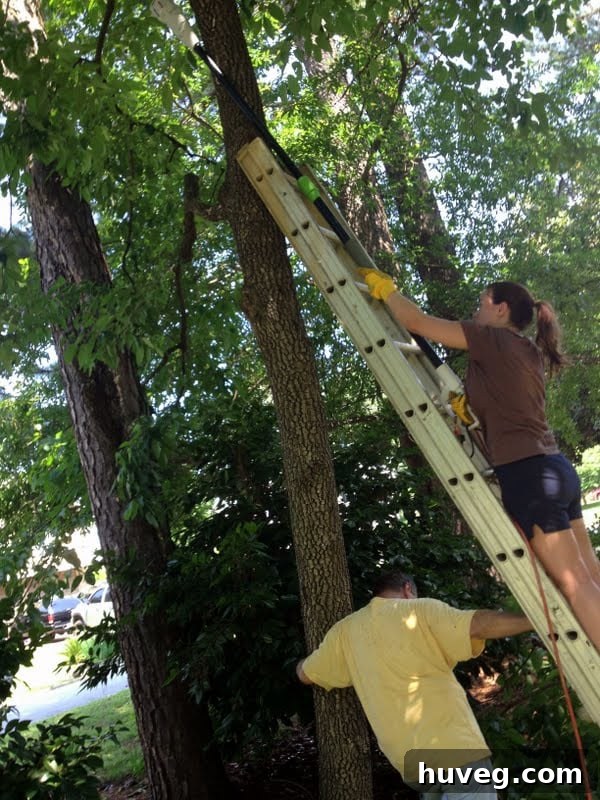
This includes tasks like removing lower dead branches, clearing limbs that are rubbing against each other, or pruning smaller branches to improve light and airflow. Pole saws, especially electric models, have made reaching higher branches much more manageable, allowing homeowners to handle tasks that once seemed inaccessible without professional help. As long as you have a reliable spotter to stabilize your ladder, utilize personal protective equipment (PPE), and meticulously plan your cuts to stay clear of falling branches, you can confidently address many common tree pruning needs.
When to Call a Professional Arborist
While much can be done yourself, it’s vital to recognize the limits of DIY tree trimming. For larger, more complex jobs, such as removing substantial pine trees, limbs that are well over your head and require climbing higher than a standard extension ladder, or branches near power lines, it is always safer and more efficient to contact a certified arborist. Professionals have the specialized equipment, training, and insurance to handle high-risk situations safely and effectively, preventing potential damage or injury. Err on the side of caution; a professional’s fee is a small price to pay for safety and peace of mind.
Mastering Pruning Techniques: Avoiding Tree Death
One of the most valuable lessons from tree care professionals is about the extent of pruning. A common rule of thumb is never to remove more than 15-20% of a tree’s canopy in a single growing season. For DIY enthusiasts, a more conservative 10% is a safer target, as it’s easy to get carried away. Excessive pruning, known as over-pruning, severely impacts a tree’s ability to photosynthesize and produce food, weakening its defenses against pests and diseases, and potentially leading to a slow decline or even death. After significant trimming, allow the tree a few years to recover fully before undertaking another major pruning session.
Making the Right Cut: Preserving Tree Health
Equally important is making the cut in the correct location on the branch. Understanding tree anatomy is crucial here. Each branch has a “branch collar,” a swollen area at its base where it connects to the trunk or a larger limb. This collar contains specialized cells that facilitate wound closure. The ideal cut should be made just outside the branch collar, without damaging it. Cutting too close to the trunk (“flush cut”) injures the branch collar, preventing proper healing and creating an entry point for disease and decay. Conversely, cutting too far down the limb, leaving a stub, creates a “widowmaker” situation – a dead stub that won’t heal and will eventually rot, posing a future hazard.
For larger branches, employ the “three-cut method” to prevent bark stripping. First, make an undercut about 6-12 inches from the trunk, cutting about one-third of the way through the branch. Second, make a top cut a few inches further out from the undercut, cutting completely through the branch. This removes most of the weight. Finally, make the finishing cut just outside the branch collar, removing the remaining stub. While ideal cuts are always the goal, sometimes challenging angles or a waning ladder situation might compromise perfection. In such cases, prioritize safety and aim for the best possible cut, always making sure to clean up any remaining stubs once the branch is safely on the ground.
The Right Tools for Effective Tree Trimming
Having the appropriate tools is paramount for both efficiency and safety in tree pruning. Investing in quality equipment will make the job easier and yield better results.
- Ladder: An A-frame ladder is excellent for lower limbs, while an extension ladder is necessary for higher work. Look for models that offer versatility, serving as both. Always use a reliable buddy to hold and stabilize the ladder at the base while you work. Your buddy can also assist by handing you tools, ensuring you maintain three points of contact on the ladder.
- Rope: For enhanced stability and peace of mind, especially when working at heights, secure the upper section of your ladder to the tree trunk with a sturdy rope. This significantly reduces sway and minimizes the risk of slippage, a critical safety measure.
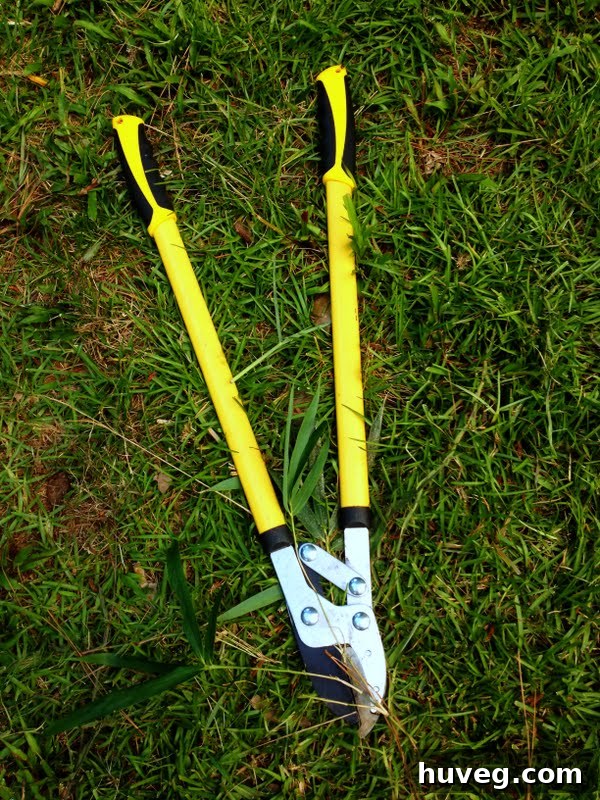
- Hand Pruners/Loppers: These two-handed pruning shears are remarkably effective for cutting branches up to 1.5-2 inches in diameter. They offer excellent leverage, making quick work of smaller branches and helping you feel accomplished with a growing pile of trimmed foliage in minutes.
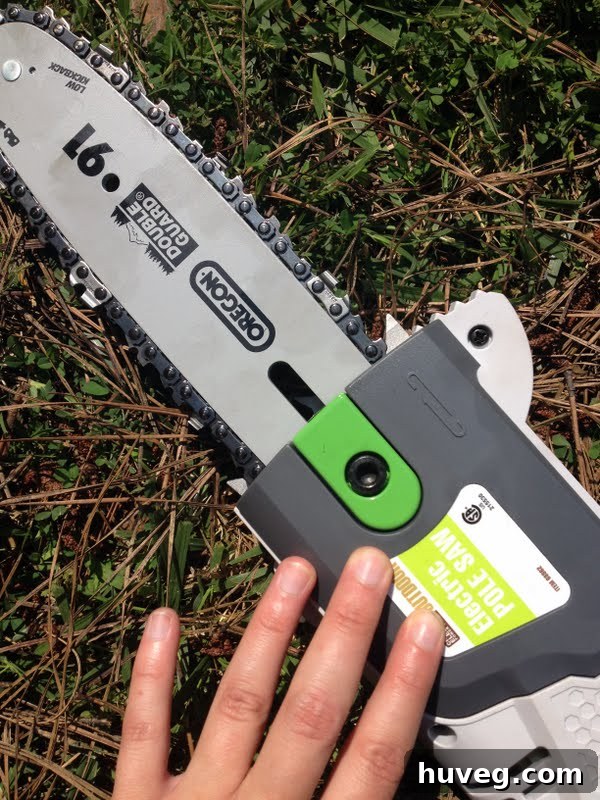
- Telescoping Pole Saw: For branches beyond arm’s reach but still within a safe working height, a pole saw is indispensable. Manual versions are effective but can be physically demanding for extensive work or thicker limbs.
- Electric Pole Saw: Once you experience the convenience of an electric pole saw, you’ll likely never look back. While often heavier than manual versions, the powered blade does the majority of the work, significantly reducing physical strain, especially on thicker branches. The ease of operation makes it a worthwhile investment for frequent tree maintenance.
Prioritizing Safety: A Comprehensive Guide to Tree Trimming
Safety should be your absolute top priority when trimming trees. Many accidents are preventable with careful planning and adherence to safety protocols. Remember the overarching rule: always get out of the way.
Personal Protective Equipment (PPE)
- Safety Glasses: Non-negotiable. Wood chips, sawdust, and splinters will fly, and protecting your eyes is paramount.
- Gloves: Protect your hands from splinters, cuts, and blisters.
- Hard Hat: Essential, especially when working directly under branches or with falling debris.
- Sturdy Footwear: Boots with good ankle support and non-slip soles are crucial for stability on uneven ground and ladders.
- Hearing Protection: If using power tools, earplugs or earmuffs are recommended.
Ladder Safety Protocols
- Proper Positioning: Position your ladder on firm, level ground. The base of the ladder should be placed so that for every four feet of height, the base is one foot away from the wall/tree (a 75-degree angle).
- Secure the Ladder: As mentioned, tie the top of your extension ladder to the tree for added stability. Ensure your buddy holds the base firmly.
- Avoid Overreaching: Never lean or overreach. If a branch is tempting but requires you to stretch dangerously, descend, reposition the ladder, and then climb back up.
- Maintain Three Points of Contact: Always have two hands and one foot, or two feet and one hand, in contact with the ladder at all times.
- Weather Conditions: Never use a ladder in wet, icy, or excessively windy conditions.
Working with Saws and Power Tools
- Electrical Cord Management: For electric pole saws, loop the extension cord through the saw’s handle before plugging it in. This creates a strain relief, preventing accidental unplugging while you work.
- Clear Fall Zones: Before making any cut, meticulously assess where the branch will fall. Ensure no people, pets, power lines, or property are in the direct path. Position yourself and your ladder away from this anticipated fall zone. Branches often begin to break and swing down before the cut is complete; plan for this movement.
- Get Out of the Way (Again!): This cannot be stressed enough. Once a branch starts to give, it can fall much faster and with more force than you expect. Your immediate reaction should always be to move clear.
- Pole Saw Gets Stuck: If your pole saw binds or gets stuck in a branch, do not force it or wiggle it aggressively. This can burn out the motor (for electric saws) or lodge it further. Safely retreat and wait. Often, gravity will eventually cause the branch to shift or break, freeing the saw. Crucially, never walk directly under a tree with a stuck saw or partially cut branch. Always approach from a safe distance, even if trying to use a rope to pull the branch down.
Efficient Cleanup and Branch Disposal
Once the trimming is complete, the final step is efficient cleanup, which can often feel as laborious as the pruning itself. Learning from professional landscapers, the key is to process the material effectively.
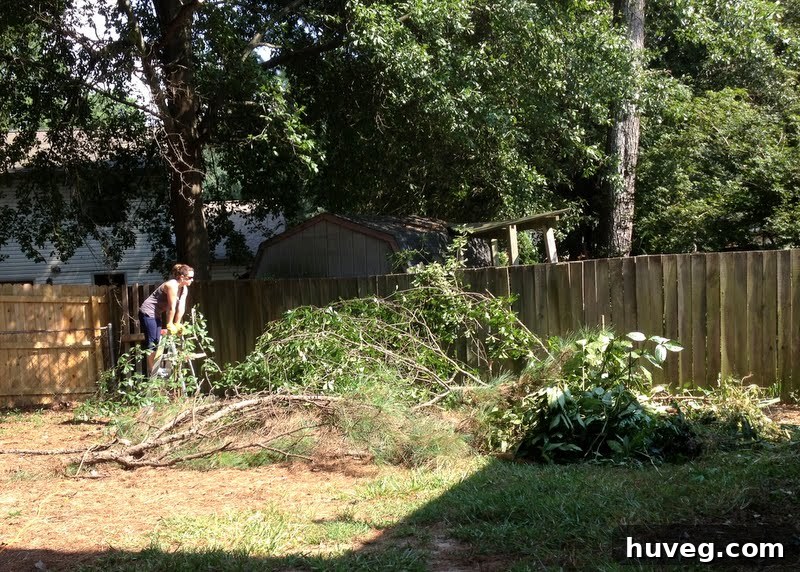
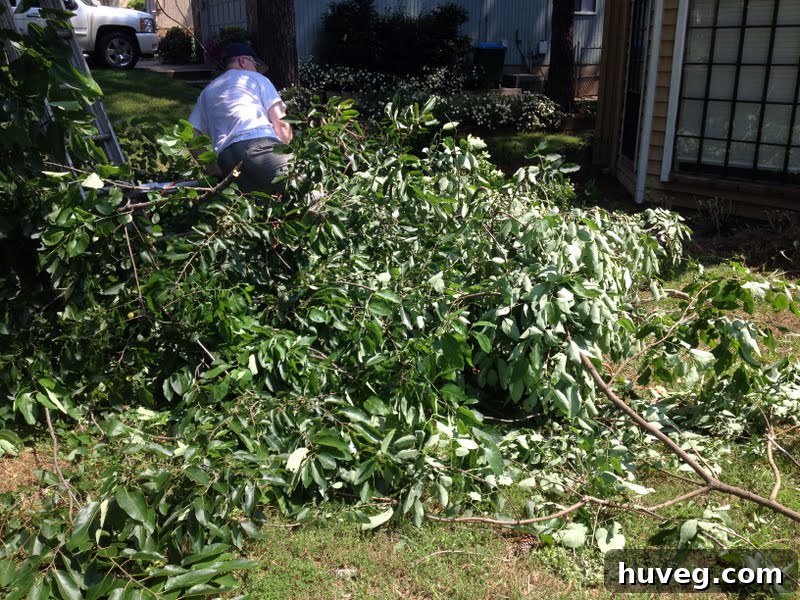
Start by clipping larger branches into more manageable, smaller pieces that are easier to transport. The real magic for maximizing space, especially if you’re loading into a truck bed or trailer, involves a simple, yet effective technique: don’t just toss branches in. Instead, climb carefully onto the pile of branches (wearing sturdy shoes, of course) and use your body weight to stomp and compress them down. Simultaneously, use your pruning shears or loppers to continue snipping at any stubborn branches that refuse to lay flat. This “clip, stomp, clip, stomp” method can surprisingly turn what looks like two trips to the disposal site into a single, efficient haul. This not only saves time but also reduces fuel consumption and effort. For larger volumes of waste, consider renting a wood chipper or contacting your local municipal waste service for branch disposal options.
By following these comprehensive guidelines, you can confidently approach DIY tree trimming, ensuring the health and beauty of your trees while maintaining a safe environment for yourself and your property. Remember, a well-pruned tree is not just aesthetically pleasing but also a healthier, safer, and more resilient part of your home landscape.
*Note: The links provided for tools are affiliate links. Should you choose to purchase through these links, I may receive a small commission at no extra cost to you, which helps support this content.