Deep Cuts

The Unpredictable Nature of DIY: A Lesson in Tool Safety and Pet-Proofing
Embarking on a new DIY project always brings a mix of excitement and trepidation. We meticulously plan, gather our tools, and envision the perfect outcome. Yet, as any seasoned home improvement enthusiast knows, the journey rarely unfolds exactly as anticipated. Recently, I found myself navigating just such a scenario, where the expected dangers proved far less menacing than the unforeseen ones. It’s a common tale in the world of DIY: you prepare for one challenge, only to be surprised by another. This particular adventure began with a simple tool maintenance task and quickly evolved into a larger mission to create a more harmonious living space for my beloved canine companion, Charlie.
When Preparedness Meets Reality: The Jigsaw Incident
Interestingly, the moment I thought I was most vulnerable — during the delicate process of changing out the jigsaw blade — passed without incident. I approached the task with caution, ensuring every step was followed precisely, and breathed a sigh of relief as the new blade clicked securely into place. It seemed my diligence had paid off, and I was ready to tackle the woodworking tasks ahead. Little did I know, the universe had a different kind of lesson in store for me regarding tool safety and the importance of unwavering focus during any DIY endeavor.
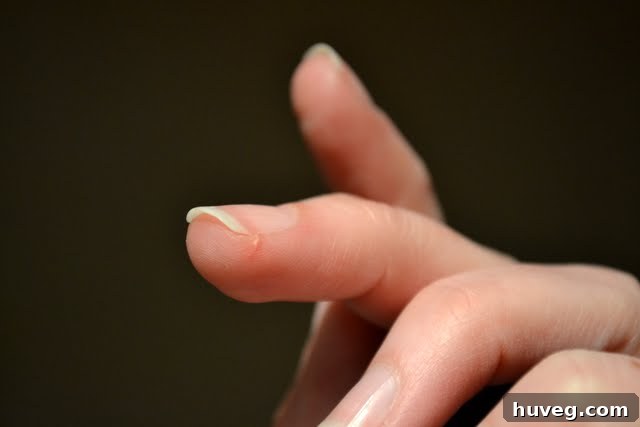
The very next day, with the fresh blade eager for action, I actually used the jigsaw for a project. That’s when the unexpected happened. A momentary lapse in focus, a slight miscalculation of pressure or angle, and suddenly, a minor cut graced my hand. It wasn’t severe, more of a sharp reminder that even the most routine tasks can harbor unforeseen risks. This incident served as a stark yet gentle reaffirmation of a fundamental DIY principle: safety isn’t just about preparing for the big, obvious dangers; it’s about maintaining constant vigilance with every cut, every drill, every swing. It’s about respecting the power of your tools, no matter how familiar they may seem, and understanding that even small mistakes can lead to minor injuries. This experience reinforced my commitment to safe woodworking practices in all my home improvement projects.
Addressing Charlie’s Chaos: The Motivation for a Pet-Friendly Solution
Despite the small mishap, the cut was truly no big deal in the grand scheme of things. In fact, it was for a good cause – the greater good of bringing order to Charlie’s corner of the house. Anyone with a playful pet understands the unique challenges they can present. Our furry friends bring immense joy, but sometimes, they also bring a bit of chaos into our living spaces. For Charlie, my energetic and beloved dog, this often manifested in a few persistent habits that required a creative, long-term solution. Tackling pet-proofing challenges is a common aspect of homeownership, especially when you have an active companion.
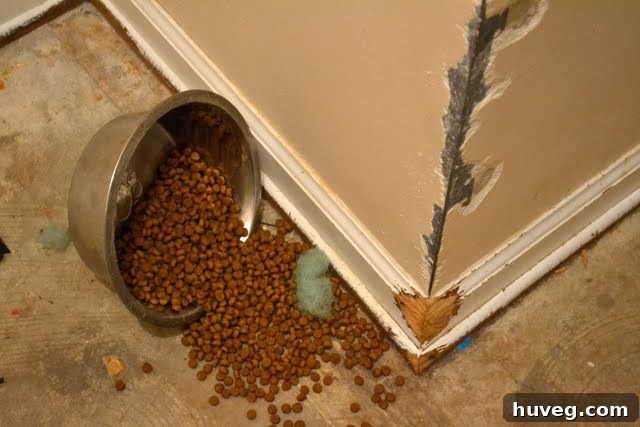
One particular issue had been nagging me for months: a troublesome corner where Charlie seemed intent on creating his own unique brand of interior design. While that specific behavioral issue had been successfully addressed and rectified some time ago, another daily occurrence continued to test my patience: the perpetually overturned food bowl. Every morning, without fail, I’d walk into the kitchen to find his meticulously prepared breakfast scattered across the floor, a testament to his playful — or perhaps just clumsy — nature. This wasn’t just an annoyance; it was a waste of food, a hygiene concern, and a daily chore that I was determined to eliminate through a thoughtful DIY pet solution.
The Quest for a Perfect Pet Feeding Station: Why DIY?
The daily ritual of cleaning up spilled kibble spurred me into action. I began researching various pet-proofing strategies and feeding solutions available on the market. While there are many commercially available elevated dog bowls and feeders, I felt that a custom-built solution would offer unparalleled advantages. A DIY dog stand would not only perfectly fit Charlie’s specific needs but also integrate seamlessly with our home’s existing aesthetic. This approach to home improvement allows for personalized touches that mass-produced items simply can’t offer. A homemade elevated dog feeder offered the flexibility to choose the right height, select durable materials, and craft a design that was sturdy enough to withstand Charlie’s enthusiastic dining habits, while also being stylish enough to be a welcome addition to our kitchen decor. It’s about combining functionality with personalized design.
The benefits of an elevated dog feeder are well-documented and extend beyond just containing messes. For larger breeds or older dogs, eating from a raised position can significantly aid digestion, reduce neck and joint strain, and promote a more comfortable and ergonomic eating posture. This can be particularly beneficial for dogs prone to bloat or with arthritis. For a rambunctious dog like Charlie, however, the primary benefit would undoubtedly be enhanced stability. A heavy, well-designed and constructed stand would make it significantly harder for him to flip his bowls, thus ending the daily food fiasco. This project wasn’t just about convenience or cleanliness; it was about improving Charlie’s overall dining experience and, by extension, my peace of mind, contributing to a happier household environment.
Designing and Building Charlie’s Custom Dog Stand
With the objective clear – to create the ultimate pet feeding solution – the planning phase began in earnest. Designing a functional yet appealing dog stand required careful consideration of several key factors. My goal was to create a piece that was both practical and aesthetically pleasing, a true testament to effective DIY design.
- Optimal Height: This was crucial for Charlie’s comfort and digestive health. I needed to measure him accurately while he was standing to determine the ideal bowl elevation, ensuring he wouldn’t have to strain his neck or bend uncomfortably low to eat or drink.
- Enhanced Stability: Given Charlie’s history of overturning bowls, the stand had to be exceptionally robust and heavy enough not to be easily nudged or tipped. A wide, stable base and sturdy construction using solid joinery were paramount to achieving this stability.
- Durable Materials: I opted for durable wood that could be easily cleaned and finished to match the existing kitchen decor. Selecting wood that is resistant to moisture and easy to maintain is key for a pet feeder, preventing warping or damage from inevitable spills.
- Secure Bowl Integration: The design needed to securely hold the bowls in place. This meant incorporating precisely cut-out holes that recessed the bowls snugly into the stand, preventing them from being dislodged or flipped during enthusiastic meal times.
- Integrated Aesthetics: While functionality was primary, I also wanted the stand to look good and complement our home’s interior design, rather than being an eyesore. Thoughtful design elements and a quality finish contribute significantly to this aspect of the home improvement project.
Tools of the Trade and Safe Woodworking Practices
For this woodworking project, the trusty jigsaw, despite our recent minor incident, was an indispensable tool. Its versatility makes it perfect for cutting curves and intricate shapes, which are essential for creating the precise bowl cut-outs or any decorative elements I might incorporate into Charlie’s custom dog stand. However, the earlier reminder of its power meant I approached its use with renewed respect and an even greater commitment to safety protocols.
Essential Jigsaw Safety Tips for Every DIYer:
- Always wear appropriate personal protective equipment, especially safety glasses, to shield your eyes from sawdust and flying debris.
- Ensure the workpiece (the wood you’re cutting) is securely clamped to a stable surface. This prevents it from shifting during cutting, which can lead to dangerous kickbacks, imprecise cuts, or loss of control.
- Use the correct blade type for the specific material you are cutting. A wood blade for wood, a metal blade for metal, and so on.
- Let the saw do the work; avoid forcing the blade through the material. Applying excessive pressure can cause the blade to bind, overheat, or even break.
- Keep your fingers clear of the blade path at all times, even when the saw is powered off, as residual momentum can still be dangerous.
- Always unplug the saw from its power source when changing blades, making adjustments, or performing any maintenance to prevent accidental activation.
Beyond the jigsaw, other basic woodworking tools like a drill (for pilot holes and assembly), a reliable tape measure (for accuracy), various clamps (for securing pieces during gluing or cutting), sandpaper (for smooth finishes), and a finishing brush (for applying paint or stain) would be essential. Careful measurement and precise cuts are fundamental to a professional-looking and stable final product. I focused on drafting clear plans, double-checking all measurements, and making pilot holes for screws to prevent wood splitting, ensuring the durability and integrity of Charlie’s new feeding station.
The Road Ahead: Anticipating a Cleaner, Happier Home
The construction of Charlie’s new custom dog stand is currently underway, a testament to the power of DIY to solve everyday problems and enhance our living spaces. It’s more than just a piece of furniture; it’s a carefully crafted solution designed to improve Charlie’s daily routine and bring a greater sense of calm and cleanliness to our kitchen. This project underscores the versatility of home improvement tasks – they can range from major renovations to small, impactful changes that dramatically enhance daily life for both humans and their furry companions.
DIY projects offer immense satisfaction, not just in the finished product but in the learning process itself. Each cut, each joint, each brushstroke of paint contributes to a growing skill set and a deeper understanding of practical problem-solving. It teaches patience, precision, and resilience – qualities that extend far beyond the workshop, enriching various aspects of life. The journey from identifying a problem to meticulously crafting a solution is incredibly rewarding and a core reason why so many people embrace the DIY lifestyle.
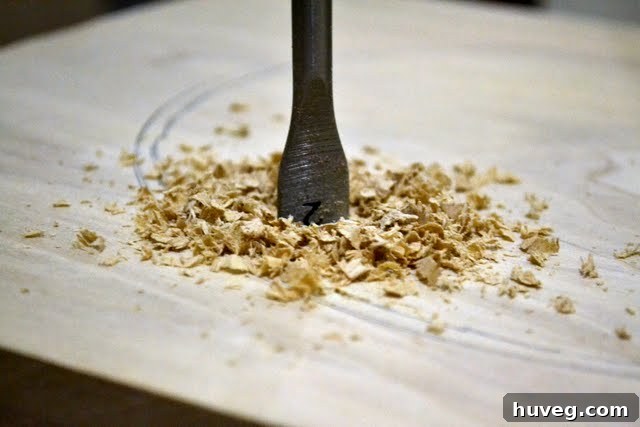
With one problem at a time, we’re steadily making progress towards a more organized and pet-friendly home. I’m trying out a few design variations and construction techniques to ensure optimal functionality, durability, and aesthetic appeal for Charlie’s new dog stand. The aim is to create something truly exceptional that lasts for years to come, making daily life easier and more enjoyable for everyone. I’m excited to share more updates on Charlie’s new elevated dog stand next week, including progress photos, detailed steps of the build process, and the final reveal of the finished product. This ongoing journey is a perfect example of how a small frustration can spark a creative DIY project, leading to a practical, elegant solution and a much happier home environment for both pets and their owners. Stay tuned for more insights into pet-friendly DIY solutions, woodworking adventures, and home improvement tips!