Blush Radiance

Revitalizing Your Curb Appeal: A Simple Spring Mailbox Makeover with Petunias
As the last vestiges of winter fade and the vibrant hues of spring begin to emerge, many of us feel a renewed urge to refresh our surroundings. The drab grays and muted tones of the colder months give way to a yearning for color and life. This seasonal transition isn’t just for our indoor spaces; it’s a perfect opportunity to bring that fresh energy to our home’s exterior. Last fall, our cheerful mums gracefully ran their course, leaving the mailbox feeling a little bare and outdated. With the warmer weather arriving and the rest of the lawn getting much-needed attention, I felt it was the perfect time to give our mailbox a charming spring uplift. It’s amazing how a small touch can create a significant impact, breathing new life into a forgotten corner of your property and welcoming the new season with open arms.
The Power of a Pretty Mailbox: Enhancing Your Home’s First Impression
Your mailbox isn’t just a functional object for receiving letters; it’s often the very first impression visitors and passersby get of your home. A well-maintained and aesthetically pleasing mailbox can significantly boost your property’s curb appeal, making your entire home feel more welcoming and cared for. Conversely, a neglected mailbox can detract from an otherwise beautiful yard. Investing a little time and effort into its appearance can speak volumes about your attention to detail and pride in your home. This simple spring refresh wasn’t just about adding color; it was about elevating that initial greeting, ensuring our home radiated warmth and charm from the street.
Seasonal decorating, especially outdoors, connects your home to the rhythm of nature. From festive holiday lights to blooming spring planters, these touches celebrate the changing seasons and bring joy to both residents and the community. A spring mailbox makeover is a delightful way to participate in this tradition, signaling the end of winter dormancy and the beginning of vibrant growth. It’s a small canvas, but one with immense potential for expressing personal style and enhancing the overall ambiance of your property.
A Simple Solution: Vibrant Pink Petunias for Instant Charm
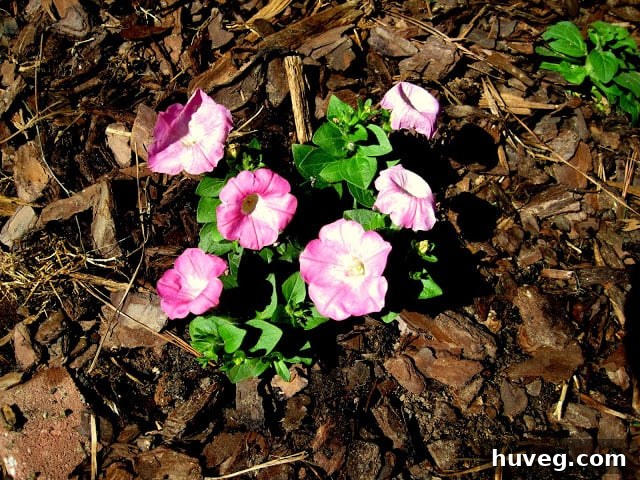
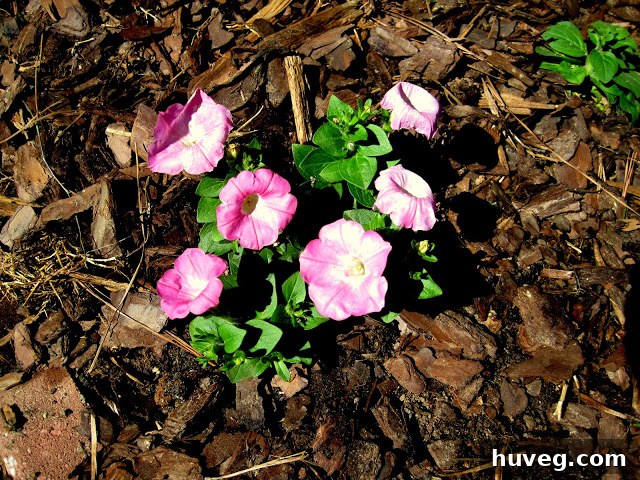
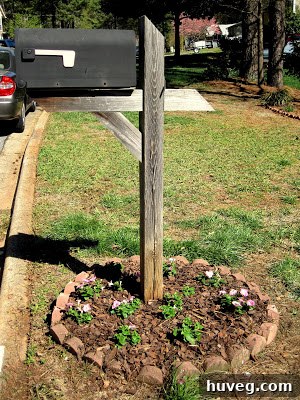
Sometimes, the most impactful transformations come from the simplest ideas. For our spring mailbox refresh, all it took was a small, bountiful bunch of cheerful pink petunias. These resilient and colorful annuals are a go-to choice for instant garden gratification, and for good reason. Their cascading blooms and vibrant hues can quickly fill a space with life and beauty, making them ideal for a quick yet stunning update. The beauty of petunias lies in their versatility and their ability to produce an abundance of flowers throughout the growing season, provided they receive proper care. This easy addition immediately brought a burst of freshness and color to an otherwise unremarkable spot, instantly updating our mailbox for the glorious spring season.
Why Petunias are a Spring Favorite for Outdoor Decor
Petunias are undeniably one of the most popular annuals for container gardening, hanging baskets, and indeed, mailbox planters. Their widespread appeal stems from several key characteristics. Firstly, their incredible color range – from pure whites and soft pastels to vibrant reds, purples, and the delightful pinks we chose – means there’s a petunia for every aesthetic. Secondly, their prolific blooming nature ensures a continuous display of color from spring until the first frost. They produce numerous trumpet-shaped flowers, creating a lush, full appearance that can transform any space.
Furthermore, petunias are relatively easy to care for, making them perfect for busy homeowners or novice gardeners. They thrive in full sun, which is often abundant around mailboxes, and require consistent watering but are generally forgiving. Their trailing varieties are particularly well-suited for adding dimension and softness to a planter, gently spilling over the edges for an enchanting look. Opting for a single color, like our chosen pink, creates a cohesive and striking visual statement that is both elegant and eye-catching.
Selecting the Perfect Petunias for Your Project
When selecting petunias for your mailbox makeover, consider a few factors. Look for healthy plants with lush foliage and several unopened buds, indicating they’ll continue to bloom vigorously. While single colors create a strong visual, don’t shy away from mixed varieties if you prefer a more eclectic look. Trailing petunias, often labeled “wave” or “spreading” varieties, are excellent for creating that cascading effect around the base of your mailbox. Bushier, mounding types will give a more compact, upright display. Decide which aesthetic best suits your existing landscape and the overall vibe you want to achieve.
Your Step-by-Step Guide to a Spring Mailbox Makeover
Transforming your mailbox into a welcoming beacon of spring is a straightforward and rewarding DIY project. Here’s how you can achieve a similar charming look with ease:
Gathering Your Supplies
Before you begin, ensure you have all the necessary items on hand:
- A small bunch of your chosen spring flowers (petunias, pansies, violas, etc.)
- A suitable planter or container that fits snugly around the base of your mailbox post or can be attached to it. Ensure it has drainage holes.
- High-quality potting mix, ideally one formulated for containers, which will provide good drainage and nutrients.
- A small trowel for planting.
- Watering can.
- Optional: slow-release fertilizer or liquid plant food for a boost.
- Gardening gloves to protect your hands.
Prepping Your Mailbox Area
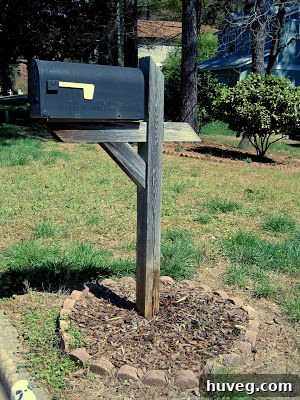
First, assess the existing situation. If you have an old planter, clear out any dead foliage, debris, or old soil. Clean the planter thoroughly. If your mailbox post itself needs a refresh, consider a quick scrub or even a fresh coat of paint. For a more permanent base for your planter, ensure the ground around the mailbox post is level and clear of weeds. If you’re attaching a new container, make sure the fasteners are secure and appropriate for the mailbox material. Our mailbox had a simple base perfect for slipping in a small container.
The Planting Process
Once your area is prepped, it’s time to plant.
- Fill your chosen container about two-thirds full with fresh potting mix.
- Gently remove your petunia plants from their nursery pots. Loosen any circling roots at the bottom with your fingers to encourage outward growth.
- Arrange the plants in your container, ensuring they have enough space to grow but still look full. For a small bunch, you might place them centrally or slightly staggered.
- Add more potting mix around the plants, gently tamping it down to remove air pockets. Leave about an inch of space from the rim of the container for watering.
- Water the plants thoroughly immediately after planting until water drains from the bottom of the container. This helps settle the soil and hydrate the roots.
Styling for Maximum Impact
With your plants nestled comfortably, take a step back and admire your handiwork. Ensure the container is positioned perfectly to showcase your beautiful blooms. A well-placed planter can instantly add charm and a focal point to your front yard. The vibrant pink of our petunias immediately popped against the neutral tones of the mailbox, creating a cheerful welcome that brightened the entire street view.
Nurturing Your Blooming Beauty: Mailbox Garden Maintenance
A beautiful spring display requires a little ongoing love and care to thrive throughout the season. While petunias are generally low-maintenance, a few simple steps will ensure they continue to grace your mailbox with their vibrant blooms.
Watering Wisely
Container plants, especially those in sunny locations like a mailbox, tend to dry out more quickly than plants in the ground. Petunias prefer consistently moist, but not soggy, soil. Check the soil moisture daily by sticking your finger an inch or two into the potting mix. If it feels dry, it’s time to water. During hot, dry spells, you might need to water twice a day. Early morning is generally the best time to water, allowing the foliage to dry before nightfall, which can help prevent fungal diseases.
Feeding for Flourish
As petunias are prolific bloomers, they are also heavy feeders. The nutrients in fresh potting mix will eventually deplete. To encourage continuous flowering, fertilize your petunias every two to four weeks with a balanced liquid fertilizer or incorporate a slow-release granular fertilizer into the potting mix at the time of planting. Follow the product instructions carefully to avoid over-fertilizing, which can burn the plants.
The Art of Deadheading
Deadheading, the process of removing spent or faded flowers, is crucial for encouraging new blooms and maintaining a tidy appearance. When a petunia flower fades, it begins to produce seeds, signaling to the plant that its reproductive cycle is complete. By removing these spent flowers, you trick the plant into producing more blooms in an effort to create more seeds. Simply pinch or snip off the faded flower and its small stem just above the nearest leaf or bud. This practice also prevents the plant from looking leggy and encourages a bushier growth habit.
Protecting Your Precious Petunias: Battling Nature’s Challenges
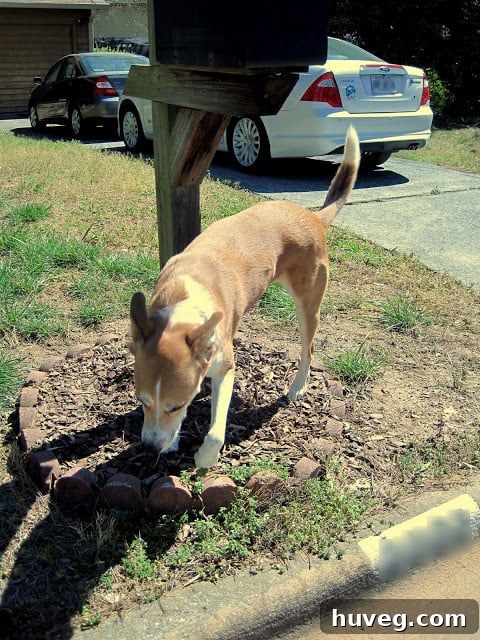
While we love the beauty of outdoor plants, they are also susceptible to various environmental factors and curious creatures. My initial joy over the blooming petunias was always tempered by a humorous, yet practical, thought: “At least, that is, until the neighborhood dogs get to it.” This common concern highlights the need for a few protective measures to keep your mailbox garden thriving.
Fido-Friendly Solutions and Other Critter Control
Neighborhood dogs (and sometimes cats or other small wildlife) can be attracted to new plantings, either out of curiosity or a natural instinct to mark their territory. While you can’t always control every animal, here are a few gentle strategies:
- Placement: If possible, choose a planter that elevates the plants slightly off the ground, making them less accessible.
- Scent Deterrents: Some natural scents are disliked by animals. A light sprinkling of cayenne pepper (reapply after rain) or commercial animal repellents (ensure they are safe for plants) around the base of the planter can sometimes deter curious sniffers.
- Physical Barriers: For persistent visitors, a small, decorative fence around the mailbox post or planter can create a barrier without detracting from the aesthetics.
- Plant Choice: While petunias are generally safe, if you have very persistent animal issues, research plants that are known to be less appealing to local wildlife.
Weathering the Elements
Beyond animals, your mailbox garden also faces the elements. Strong winds can damage delicate blooms and even knock over lighter containers. Consider the weight of your planter and fill it with enough soil to provide stability. Heavy rain can flatten blooms or overwater plants, so good drainage is essential. Prolonged periods of intense sun can also stress plants; while petunias love sun, extreme heat might require a bit more vigilance with watering. Being mindful of these challenges allows you to adapt your care routine and protect your beautiful display.
Beyond Petunias: Expanding Your Curb Appeal Efforts
While a simple pot of petunias works wonders, the concept of enhancing your mailbox and surrounding area can extend much further. This initial project might inspire you to explore other ways to elevate your home’s exterior.
Other Spring Flower Ideas for Your Mailbox
If petunias aren’t quite your style or you’re looking for variety, many other spring annuals are perfect for mailbox planters:
- Pansies & Violas: Cold-tolerant, cheerful, and available in a wide array of colors, perfect for early spring.
- Impatiens: Ideal for shadier spots, offering vibrant color in more protected locations.
- Marigolds: Hardy, bright, and often act as natural pest deterrents.
- Geraniums: Classic, robust, and offer continuous blooms with a pleasant fragrance.
- Lobelia: Creates beautiful blue or white cascades, excellent for adding a “spiller” element.
Consider mixing and matching for a multi-textured and colorful display, always keeping the sunlight exposure of your mailbox in mind.
Long-Term Mailbox Enhancements
For a more permanent upgrade, think beyond just seasonal flowers.
- Paint or Stain: A fresh coat of paint or stain on the mailbox post itself can make a significant difference.
- Decorative Planter Boxes: Install a more robust, built-in planter box around the base of your post for a cohesive look.
- House Numbers: Ensure your house numbers are clearly visible and complement the style of your mailbox.
- Landscaping Around the Base: Consider planting low-growing, perennial ground covers or small shrubs around the mailbox for year-round interest.
- Lighting: A solar-powered light can illuminate your mailbox at night, adding both aesthetics and functionality.
The Lasting Impact of a Little Effort
Ultimately, a small gesture like planting a bunch of pink petunias around the mailbox yields disproportionately large returns. It’s not just about the flowers; it’s about the feeling. It’s the joy of seeing a splash of color greet you every time you arrive home, the silent nod of approval from neighbors, and the satisfaction of knowing you’ve invested a little piece of yourself into making your home more beautiful. Can’t blame a girl for trying to make her corner of the world a little brighter, right? And the effort is always worth it.
So, as spring unfolds its beauty, take a moment to look at your own mailbox. Does it need a little pick-me-up? A burst of color? A touch of your personal style? A simple DIY project like this not only enhances your property but also brings a sense of accomplishment and a daily dose of cheer. Embrace the season, get your hands a little dirty, and watch how a tiny effort can blossom into a grand statement for your home’s exterior.