Finding Your Perfect Gray Sectional and Mastering Furniture Negotiation


Finally, the hunt is over! I’ve found the perfect gray sectional that truly transforms our living room into a sanctuary of comfort and style. Join me for the full reveal of this fantastic addition to our home, along with my tried-and-true tips on how to haggle your way to significant savings, just like I did!
There comes a pivotal moment in every home renovator’s journey when the dust settles, and a profound realization dawns: the house is no longer just a project; it’s genuinely becoming a home. After dedicating more than seven years to getting my hands (and feet) very, very dirty, I’m increasingly finding opportunities to simply sit back and revel in the space I’ve poured so much effort into creating. This isn’t to say my home is “finished” – a concept I suspect will forever remain elusive – but there are now mornings when I sip my coffee, not pondering the next task like how I need to finish sanding that last coat of joint compound on the walls, but rather gazing around and thinking: “How on earth did I manage with such a tiny couch in the living room for so long?”
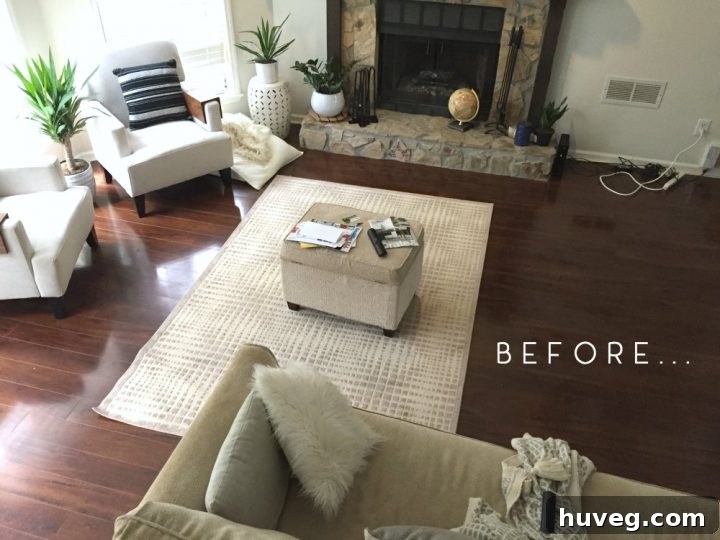
The straightforward answer, of course, is that for over half a decade, it was predominantly just me and Charlie, my loyal canine companion. And while I don’t exactly encourage her to sprawl out on the couch with me, there was always just enough space for the two of us. Moreover, as a dedicated renovator, “sitting down uninterrupted” wasn’t a luxury I frequently enjoyed. Consequently, a spacious sofa never ascended to the top of my priority list. Even my furry friend didn’t seem particularly bothered by the compact seating arrangements.

However, circumstances gradually shifted. With more major projects behind me, I found myself with extra time for everyday homeowner activities: preparing meals in my beautifully renovated kitchen, tackling a load of laundry, and generally just living in and enjoying the space. This evolution spurred me to purge items I’d owned since my apartment days (dating back to 2009!), such as my old coffee and side tables. It also led to finally investing in an area rug that properly fit the room. More recently, the addition of two more cherished bodies to our household meant our once-adequate seating became hilariously, and quite uncomfortably, crowded during our cherished Sunday morning routine.

Lately, my financial focus has been on saving for several long-anticipated projects that I simply haven’t had the resources to tackle until now. These include planning an actual vacation (as a self-employed individual, “getting away” often means working with a nicer view, so I’m striving for a proper break this time), initiating the primary bathroom renovation, and executing some much-needed exterior upgrades. And, of course, the crown jewel: my new living room sectional!
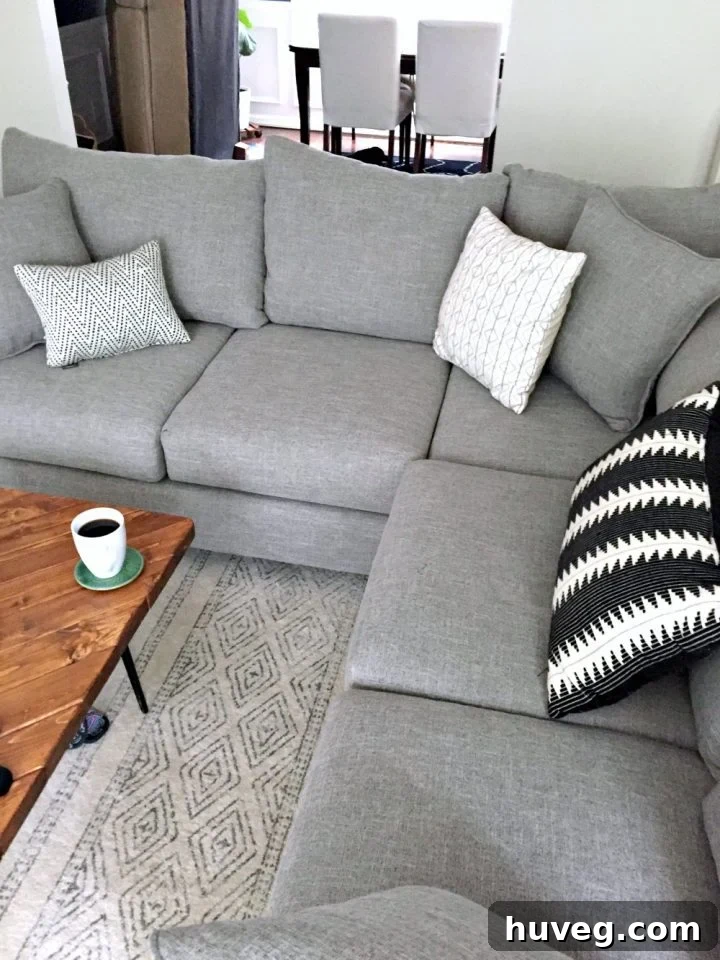
Woohoo! The excitement is real!

My living room can now comfortably seat more than just me and my “shouldn’t-be-on-the-couch” pup! I shared a sneak peek on Instagram Stories a short while ago, and we’ve had just over a week to adjust to our new setup. We’re still in the process of moving furniture and arranging everything perfectly, which explains the current lack of fully styled room shots. But rest assured, the transformation is delightful.
I sourced this fantastic piece from a local supplier named Exclusive Furnishings. For those of you in the Atlanta area, I apologize, but I couldn’t locate a website for them. However, if you’re interested, please don’t hesitate to reach out to me, and I’ll gladly provide the address. As expected, Charlie wasted no time making herself at home, promptly claiming ownership of the side that offers an optimal vantage point for monitoring the goings-on outside the front windows.

No longer do I receive those wistful, longing glances from Charlie when two people and one ten-pound dog are squeezed snugly onto a sofa with absolutely no room to spare. The new sectional has truly solved our space conundrum.

This spacious addition also resolves a somewhat awkward crowding issue I experienced during my birthday this year, when my friends had no choice but to gather in the dining room, as there was simply nowhere else for us all to sit together. I assure you, I am an adult who typically has adequate seating!
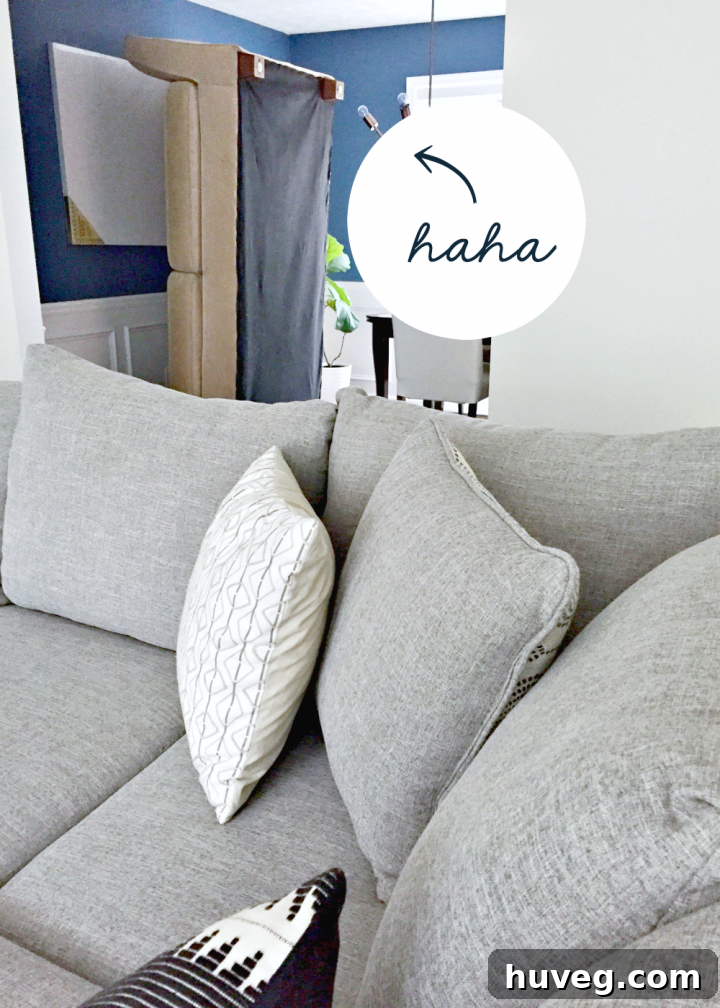
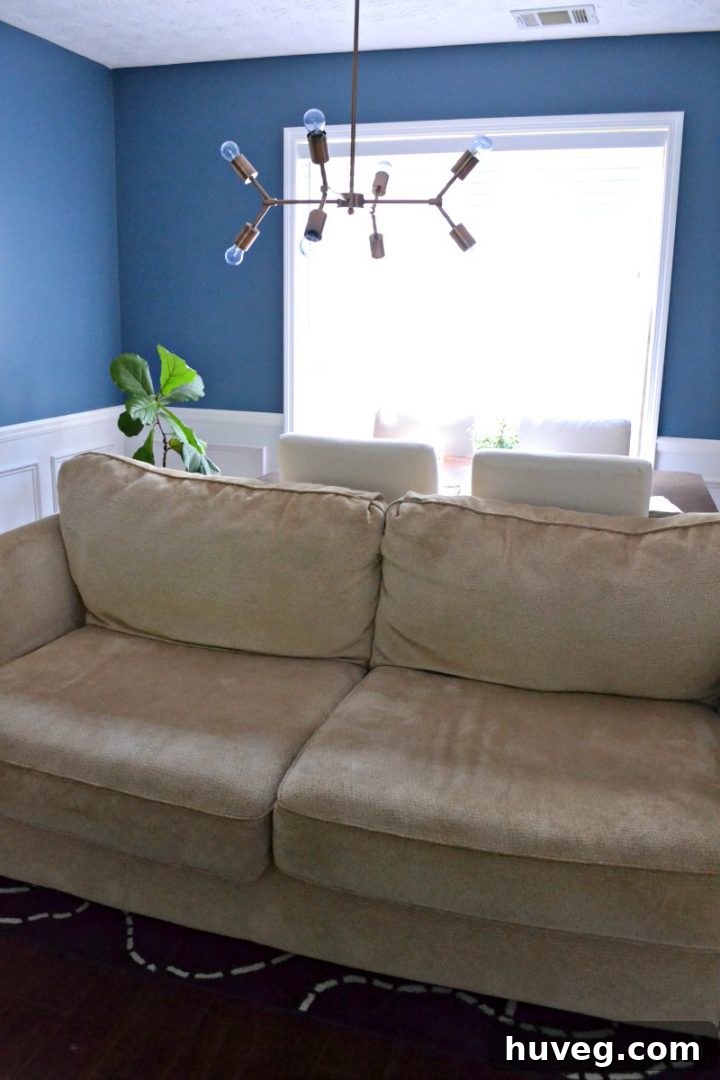
Now, instead of a mismatched beige couch from my old apartment days, which clashed with nearly every other piece of furniture, I boast a beautiful gray sectional. The old couch, however, hasn’t found a new home on Craigslist yet, so it’s currently occupying space in my dining room, giving the impression that I’ve installed theater seating.
I cannot adequately express the sheer joy of being able to sit down without having to contend for space in my own home. This was a significant purchase, and I dedicated considerable time to finding the perfect piece. The challenge wasn’t just finding something I could afford or that fit the room; it was discovering a sectional that was truly comfortable – something I could genuinely nap on. But beyond finding “the one,” I also engaged in a little negotiation magic: I haggled my way to saving over $300 off the original price! The negotiation tactics I honed in grad school proved incredibly useful once again, and I’m excited to share them with you.
Expert Tips for Haggling and Saving on Furniture
Securing a fantastic deal on furniture often comes down to savvy negotiation. Don’t be shy about asking for a better price – many retailers have more flexibility than you might think. Here are my top strategies, refined through personal experience and formal training, to help you save significantly on your next furniture purchase.
1. Thoroughly Do Your Research
As someone who pores over reviews like they’re sacred texts, this is always my first piece of advice! A well-stocked arsenal of knowledge is your most powerful weapon in any negotiation. Before stepping foot in a store, I meticulously check Yelp, Google, and other online review platforms to gauge if a particular establishment is known for its willingness to negotiate prices. These reviews often provide surprising insights into *how much* flexibility they might have, the quality of their customer service, and what services, such as delivery, are typically included or require additional negotiation. Understanding these nuances can save you time and money, and give you valuable talking points.
Furthermore, research can uncover unexpected opportunities. For instance, did you know that even major home improvement stores like Home Depot and Lowe’s are often open to bargaining? I’ve shared my own successful experiences with this tactic here, demonstrating that a simple inquiry can lead to significant savings. Always look for competitive pricing from other stores that you can leverage.
2. Establish and Adhere to Your Budget
Once you’ve completed your online research, you’ll have a clearer picture of the going rates for various furniture pieces, from budget-friendly options to luxury brands. You’ll quickly identify price trends, noting how certain colors or fabric types might command higher prices due to demand. This knowledge can be a starting point for negotiation; if a similar item in a less popular color is cheaper, you can sometimes argue for the same price on your preferred item. In my case, I knew precisely that I wanted a gray sectional and set a firm budget of less than $1,000, ideally aiming for the $800-900 range. While challenging, I knew it wasn’t impossible with the right approach. Stick to your defined budget and use it as your anchor throughout the negotiation.
3. Cultivate Comfort in Asking for a Better Deal
Ask! Ask! Ask! Many sales associates and businesses are prepared to negotiate but won’t proactively offer a discount unless prompted. You often won’t know their flexibility until you pose the question. While it might feel awkward or embarrassing initially, with practice, it becomes far more natural. In industries like discount furniture, negotiation is often an anticipated part of the sales process. Consider your phrasing: instead of a potentially haughty “Can I get a discount?”, try a more collaborative approach like “Is this the absolute best price I can get on this?” or “Would you be willing to accept X amount?” Alternatively, openly state your budget and ask if they can help you meet it. This is a classic “you can catch more flies with honey than with vinegar” scenario – always approach the conversation respectfully and listen to any justifications they offer. Acknowledging their points, even if you don’t fully agree, can build rapport and facilitate a more positive outcome.
4. Justify Your Offer and Be Prepared to Walk Away
Your research empowers you here. If you know a competitor offers a similar item at a better price, if you’ve spotted a minor flaw in the piece, or if you’re aware that the item is available in a different finish or color at a lower cost, use these details to substantiate your offer. Presenting concrete reasons for your proposed price makes your offer sound well-considered and reasonable, rather than arbitrary. Even a seemingly minor imperfection, from your perspective, can be framed as a reason for a discount – you’re willing to take it off their hands, despite its minor flaws.
Furthermore, don’t underestimate the power of your physical presence, or lack thereof. Salespeople often employ tactics like leading you to a different part of the store, involving a manager, or other maneuvers to make you feel less in control. You can turn this dynamic to your advantage. If a negotiation isn’t progressing as you wish, subtly begin to walk towards the exit. Many times, as you take a few steps, the salesperson will interject with a revised, more appealing offer, realizing they might lose the sale entirely.
5. After Stating Your Desired Price, Embrace Silence
Silence is a profoundly effective bargaining tool. Nervous chatter or overly slick communication from either party can be easily detected and undermine the negotiation. Once you’ve made your offer or asked for a specific concession, become quiet and observe. Salespeople will often attempt to fill this void with additional details or elaborate on their sales pitch, perhaps assuming it will preempt your objections. If they perceive your silence as dissatisfaction or contemplation, they might proactively revise their offer, often by including extras such as free delivery or a direct monetary discount (e.g., $100 off). If they revise their offer multiple times, mentally tally all the concessions they’ve made. This allows you to eventually ask for *all* those bundled benefits (e.g., $100 off AND free delivery) as part of your final agreement to purchase.
6. Be Open to Waiting or Arranging Your Own Pickup
Smaller furniture stores frequently operate with limited inventory, meaning many pieces on the showroom floor are display models requiring an order for a new unit. Others might have stock readily available in a warehouse. Both scenarios present negotiation opportunities. You could ask for a discount on the floor model, arguing that it’s technically “used” and has been handled by countless potential buyers. Alternatively, if you’re willing to wait 4-6 weeks for a new piece to be ordered and delivered, you can leverage this extended wait time to request a discount. Waiting often translates to lower inventory costs for the store, a benefit they might pass on to you.
Another powerful tactic, though not strictly bargaining, is offering to pick up the item yourself. If you have access to a truck (or a kind friend with one, *cough cough*), eliminating the delivery cost can be a substantial saving. This also doubles as sound “protect-your-investment” advice: third-party delivery services can sometimes be unreliable. Issues like refusing to take back damaged items or incorrect orders can lead to frustrating disputes. While such issues often lead to unhappy customers and negative reviews (something to remember when doing your initial research!), by handling pickup yourself, you minimize these potential headaches and maintain greater control over the condition of your new furniture.
7. Consider Offering Cash
In many independent retail environments, cash remains a strong bargaining chip. Sellers often prefer cash payments because they avoid transaction fees associated with credit card processing, which can add up to a noticeable percentage of the sale. This translates to a slightly higher profit margin for them, making them more amenable to lowering the price. However, I advise caution when offering cash, especially if you have any reservations about the store’s reliability or their ability to uphold their end of the deal. If you’re placing a special order that won’t be available for weeks, if it’s an independent store rather than a well-established chain, or if you get a “used-car vibe” where all sales are final, paying with a card offers an added layer of protection in case of disputes. If you do proceed with cash, meticulously document everything: take pictures of your receipts and maintain frequent communication with the store regarding your order.
My Personal Haggling Story
To provide a real-world illustration of these tips in action, I’ll share my own recent experience. I reside in an area of town bustling with outlets, discount suppliers, and fabricators, making it a popular destination for friends and family scouting showrooms or estimating renovation costs. Back in June, I embarked on a shopping trip with my mom and sister, not truly expecting to purchase a new sectional by day’s end. However, I had already done extensive research, so I was genuinely interested but in no rush – fully prepared to walk away if the right deal didn’t materialize. After running our initial errands, I ventured into a few more stores independently, presenting the same clear criteria at each: I was looking for a medium gray sectional within my $800-900 budget. With no promising options yet, I eventually entered what I anticipated would be my penultimate or antepenultimate furniture store of the day. There, I immediately spotted a sectional that caught my eye:
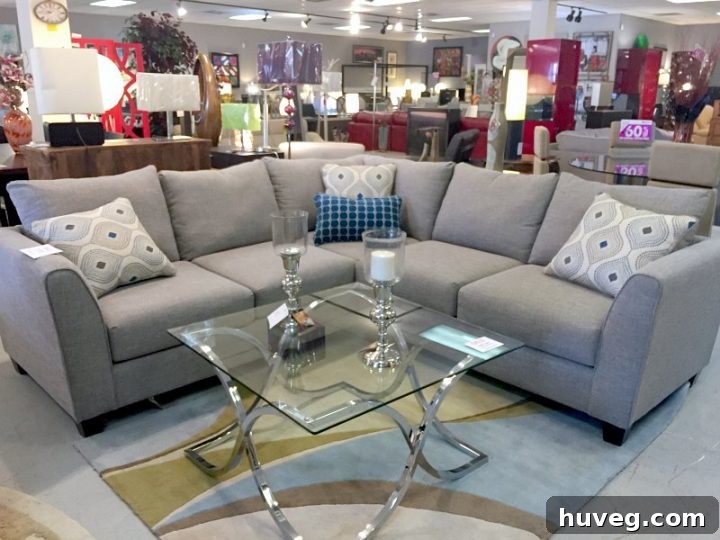
It was incredibly comfortable – a critical factor for me, as I envisioned napping on it. The color was a perfect medium gray, not too dark or too light (ideal for camouflaging Charlie’s fur, and soon, Stella’s!). Crucially, it wasn’t microfiber, which isn’t my preference. And a huge bonus: the cushions were washable. I knew I wanted it. The tag indicated an original price of $2200, discounted to $1100 (a 50% markdown). It would have been easy to assume this was the lowest they would go. Or, perhaps, the $2200 was an inflated “original” price, and $1100 was their standard asking price, cleverly designed to make me feel like I was already getting a bargain – a likely scenario given that every item in the store had a discount tag.
Almost immediately after I sat down, a salesman approached. I reiterated my specific needs: a gray sectional with a strict budget of $800-900. He shook his head, then guided me to a different, cheaper gray sectional that was so uncomfortable I instantly stood back up. I politely thanked him and inquired if he had anything similar to the first, desirable sectional within my stated price range. He insisted no, but then showed me a gray sofa – again, a no-go, as I needed more seating. He continued talking (very quickly) and, without much prompting, lowered the price on the first sectional I had admired to $1000. I thanked him again but firmly stated that if he couldn’t meet my budget, I would simply continue my search. I emphasized that I didn’t mind and wasn’t in any rush, maintaining a casual, rather than stern, tone. I took a few deliberate steps towards the door. Before I could reach it, he called out “hold on” and walked over to consult with his manager.
He explained to his manager that I wanted the sectional, but my budget was $800 (I silently noted his use of $800, knowing I wouldn’t bring up $900 again). The manager initially shook his head, then led me back to the first sectional. He elaborately lifted the cushions, launching into a lengthy explanation of its superior quality. I smiled silently, nodding in agreement, acknowledging that yes, I understood it was well-made. But I calmly repeated that I wasn’t in a hurry and would simply keep looking until I found something that fit my budget, adding a polite “thank you” as I resumed my walk towards the exit. This was my strategic “walk away” tactic.
That’s when he made the final offer: if I was willing to wait for a new unit to be ordered, he would sell me *the new one* (not the floor model) for $800, citing the waiting period as the reason for the discount. Sold! However, since this was not a chain store and I had limited knowledge of their past customer experiences, I took several precautions. I made copies of the receipt, snapped photos of the item with my phone (to easily verify the fabric order), and chose to pay with my credit card. This was purely for the added layer of security, allowing me to dispute the charge if any issues arose (I was feeling particularly paranoid, given the “this could be a rip-off” vibe). While it took a bit longer for the sectional to arrive than the initial estimate (it was supposed to be four weeks, but the 4th of July holiday also factored in), I finally picked up my new sectional, and it is absolutely perfect! Including taxes, I saved a total of $318 off the sticker price, and substantially more if their original price was at all truthful (which I doubt, but an $800 sectional is a significant bargain in any case).


I’ll be sharing more photos of the rearranged living room very soon, but for now, I am incredibly pleased with the outcome! The sectional fits beautifully around the new DIY coffee table (which, admittedly, I planned for), and everyone in the household seems quite content with this excellent new addition.
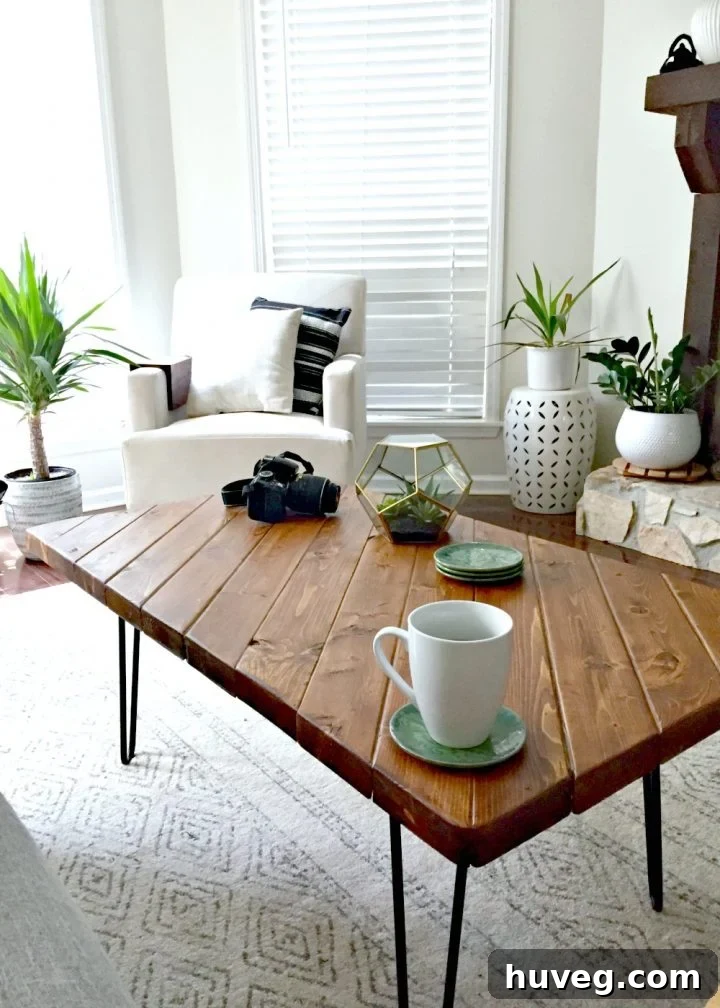
I understand that finding this specific sectional locally might not be helpful for those outside the Atlanta area, so I’ve curated a selection of fantastic online options for gray sectionals below! Simply scroll through the links to discover some great choices.
This post contains affiliate links — for the full disclosure policy, click here.
Online Picks for Gray Sectionals
Have you recently made any significant furniture purchases? Do you have any personal bargaining tips that have proven particularly effective in your experience? Share your wisdom in the comments below!