Secrets to Long-Lasting Cut Flowers

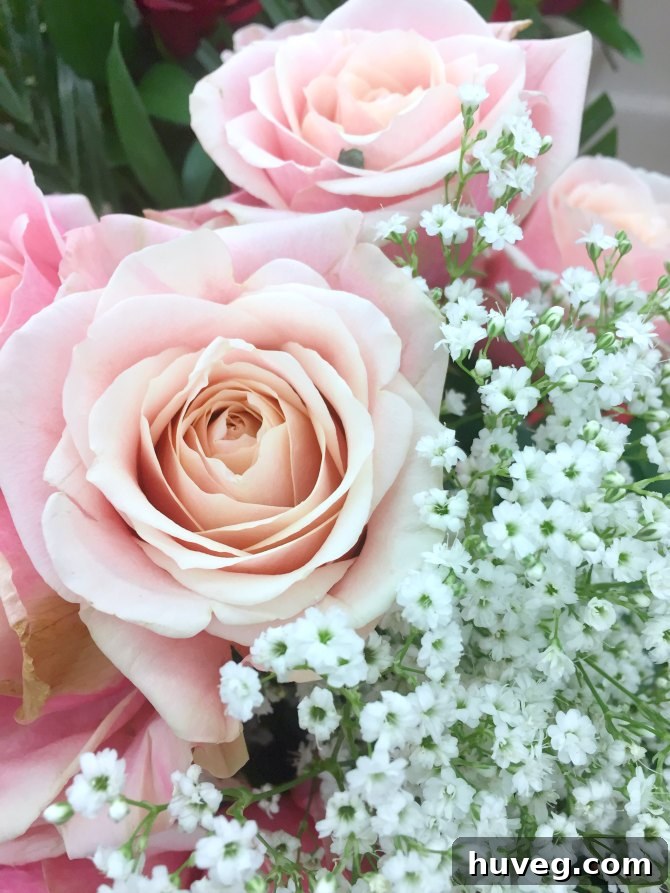
As a child, I vividly recall a particular notion of affluence: the ever-present display of fresh flowers in a home. Adults often murmured – especially around holidays like Valentine’s Day – about the apparent extravagance of spending on something so transient and delicate. In my young mind, this reinforced the idea that only those with substantial financial means could regularly indulge in such a seemingly frivolous luxury. It fueled a quiet daydream of a future where a constant supply of vibrant blooms would be my reality, a small, tangible sign of having “made it.”
However, as I’ve journeyed into adulthood, I’ve discovered a delightful truth: having beautiful, fresh flowers doesn’t have to be an exclusive luxury reserved for the wealthy. With a bit of knowledge and a few clever tricks, anyone can enjoy the simple elegance and mood-boosting presence of fresh cut flowers in their living space without breaking the bank. It turns out that finding bargains on common varieties like roses, lilies, and more is entirely possible, and not just during holiday sales. My personal goal is to rarely spend more than $5 on a single bouquet. Whether I need a splash of color to brighten an interior photo or simply desire a little pick-me-up, flowers are my go-to. Over time, I’ve honed a series of practical strategies for selecting the best bouquets and ensuring they stay vibrant and fresh for as long as possible. This guide will walk you through these essential tips, transforming your home into a haven of natural beauty, affordably.
The Undeniable Allure of Fresh Flowers: Beyond a Status Symbol
The presence of fresh flowers in a home offers far more than just aesthetic appeal; it’s a sensory experience that enriches daily life. The soft fragrance, the vibrant hues, and the delicate textures contribute to an atmosphere of calm and beauty. Studies have even shown that flowers can positively impact mood, reduce stress, and enhance creativity. They connect us to nature, bringing a piece of the outdoors inside, and creating a welcoming and serene environment. What once felt like an unattainable luxury is, in fact, an accessible way to cultivate joy and enhance your living space. By understanding how to source and care for them effectively, you can transform that childhood dream into a regular, budget-friendly reality.
Unlocking the Secret to Affordable Blooms: Smart Shopping & Selection
1. Smart Sourcing: Know Where to Find Budget-Friendly Bouquets
The first step in enjoying fresh flowers without overspending is knowing where to shop. Not all floral retailers are created equal when it comes to value. While high-end florists offer exquisite arrangements, grocery stores, and discount retailers have emerged as champions for everyday affordable blooms. My top recommendations for inexpensive yet beautiful bouquets are Aldi and Trader Joe’s. It’s no coincidence they share the same parent company, as both consistently offer impressive floral selections at remarkably low prices. I personally lean slightly towards Trader Joe’s for its diverse and often unique range of flowers, but Aldi is an excellent alternative if I happen to be shopping there. Aldi often features brighter, more vibrant color palettes, whereas I often prefer muted tones like soft pinks, whites, or elegant greens. For a change of pace, or when I’m looking for unique foliage to complement my arrangements, Kroger can also be a surprisingly good source for inexpensive greenery mixes that photograph beautifully. Beyond these specific stores, consider exploring local farmers’ markets during peak season, where you might find unique varieties directly from growers at competitive prices. Always keep an eye out for clearance sections in grocery stores too; sometimes, slightly older but still perfectly viable flowers are deeply discounted.
2. The Art of Selection: Go for the Closed Bouquet
Once you’ve found a promising location, the next crucial step is selecting the right bouquet. This single decision can significantly impact how long your flowers last. When choosing flowers like roses, lilies, or tulips, always opt for bunches where the majority of the buds are still relatively closed, rather than fully bloomed. These tight buds indicate freshness and promise a longer display period at home. Look for firm, vibrant buds with no signs of browning or bruising. Avoid bouquets with open flowers that already show signs of wilting or discoloration on the petals or leaves, as they are nearing the end of their vase life. Additionally, check the stems for firmness and ensure the leaves are green and healthy, not yellowed or slimy. A little careful inspection goes a long way in ensuring your chosen bouquet offers maximum enjoyment.
Maximizing Longevity: Essential Flower Care Rituals
3. The Foundation of Freshness: Clean the Vase Thoroughly Between Bouquets
This tip might seem minor, but it’s absolutely fundamental to prolonging the life of your cut flowers. Every time you discard a wilted bouquet, make it a habit to thoroughly clean your vase before introducing new flowers. The residue left behind by old water, decaying stems, and previous flower food can harbor a host of bacteria and microorganisms. These unseen enemies will quickly contaminate fresh water and accelerate the decay of your new bouquet by clogging the stems’ ability to absorb water and nutrients. A good scrubbing with hot, soapy water is usually sufficient. For an even deeper clean, especially if you notice a slimy film or stubborn residue, use a brush designed for vases or add a splash of bleach or vinegar to the wash cycle to sanitize completely. Ensure the vase is rinsed thoroughly to remove all cleaning agents before adding fresh water and flowers.
4. The Critical Cut: Cut the Stems at an Angle & Under Water
Upon bringing your flowers home, proper stem preparation is paramount. As soon as possible, remove about an inch from the bottom of each stem. The key, however, is the technique: cut the stems at a sharp angle and, ideally, under water. The angled cut increases the surface area through which the flower can absorb water and nutrients, preventing the stem from resting flat against the bottom of the vase and blocking water uptake. Cutting stems underwater is crucial because it prevents air bubbles from entering the vascular system of the stem, a phenomenon known as an air embolism. If air gets trapped, it creates a blockage, hindering the flower’s ability to draw up water, leading to premature wilting. You can achieve this by submerging the stem ends in a bowl of water while you cut with a sharp knife or floral shears, or by cutting each stem individually under a running faucet. Always use a very sharp knife or dedicated floral snips to ensure a clean cut that doesn’t crush the delicate capillaries of the stem, which would also impede water absorption.
5. Pruning for Purity: Remove Any Leaves That Will Touch the Water
Another vital step in preparing your flowers is to meticulously remove any leaves or foliage that would fall below the waterline once placed in the vase. Leaves submerged in water will quickly rot and decompose. This decomposition introduces bacteria and fungi into the water, rapidly contaminating it and creating a hostile environment for your fresh flowers. These microorganisms thrive in stagnant, nutrient-rich water, producing an unpleasant odor and, more importantly, blocking the stems from absorbing clean water and vital nutrients. By pruning away submerged foliage, you ensure that the water in your vase remains as clean and clear as possible, directly contributing to the extended freshness and vibrancy of your bouquet. Use your floral snips or a sharp knife for clean removal, being careful not to damage the stems themselves.
6. Nutrient Nurturing: Use the Flower Food Packet (or a DIY Mix) Daily
Within a day or two of bringing your flowers home, you’ll notice the closed buds beginning to unfurl beautifully. To support this process and maximize their lifespan, consistent hydration and nutrition are essential. It’s highly recommended to change the water daily, but even every other day makes a significant difference. Each time you change the water, add the specialized flower food packet that usually accompanies your bouquet. These packets are scientifically formulated with a precise balance of sugar (as food for the flowers) and a biocide (to inhibit bacterial growth in the water). This combination is far more effective than many popular home remedies like aspirin, bleach, or soda, which often lack the necessary balance or can even be detrimental. When you change the water, take a moment to re-trim the stem ends, as fresh cuts enhance water absorption. If you run out of commercial flower food but your blooms are still going strong, a simple DIY mixture can provide a temporary solution: combine one teaspoon of sugar (for energy) and a few drops of white vinegar or a tiny drop of bleach (to deter bacteria) per quart of fresh water. This homemade concoction helps nourish your flowers and keeps the water clean, extending their beautiful display.
7. The Cool Factor: Keep the Bouquet Cool (If You Can)
Temperature plays a significant role in how quickly flowers age. Warmer environments accelerate their metabolic processes, causing them to bloom and wilt more rapidly. Conversely, cooler temperatures slow down these processes, allowing flowers to retain their freshness for longer. If you’re not immediately setting up your bouquet upon arriving home, or if you simply want to extend their life even further, consider placing your flowers in the refrigerator. This is a common practice in grocery stores and florists, where entire sections are dedicated to keeping flowers chilled. A brief stint in the fridge can “pause” their aging, buying you extra time to arrange them or prolonging their beauty in the vase. Always avoid placing flowers in direct sunlight, near heat sources like radiators or electronics, or in drafty spots, as these conditions can dehydrate and stress the blooms, leading to premature wilting. A consistently cool spot in your home will significantly contribute to their longevity.
Embracing the Full Cycle of Beauty: From Bud to Bloom
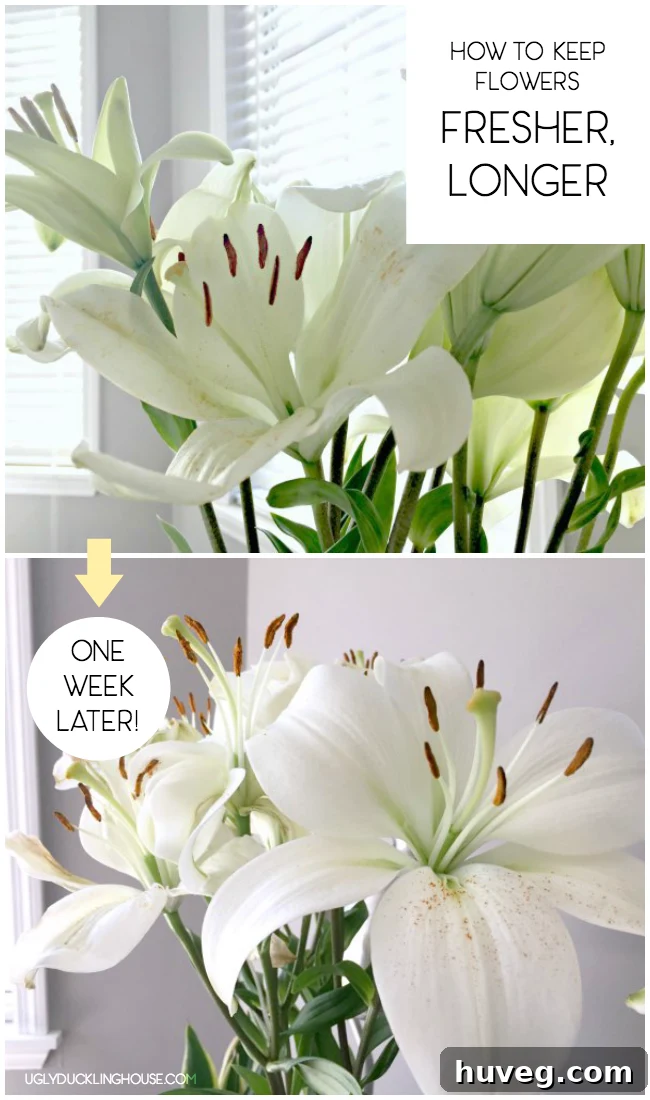
By diligently following these simple yet effective care tips, you can dramatically extend the life of your fresh cut flowers. On average, I find that my bouquets typically last about 7 days, with some resilient varieties like lilies often gracing my home for 9 days or even longer. While the primary goal is to enjoy their peak freshness, remember that even as flowers begin to dry, they can offer a different kind of beauty. Some, like hydrangeas, dry wonderfully, transforming into elegant, preserved decor. Regardless of the variety, the act of nurturing and appreciating these natural beauties brings a profound sense of luxury and contentment to everyday life. It’s a small indulgence that consistently pays dividends in joy and aesthetic pleasure, proving that a steady supply of fresh flowers is not just a childhood dream, but an achievable reality for everyone.
Do you have any cherished tricks or secret methods you employ to keep your flowers vibrant and beautiful for longer? Share your wisdom! And on a festive note, I hope you have a truly wonderful Valentine’s Day filled with beauty, perhaps even a gorgeous bouquet of your own!