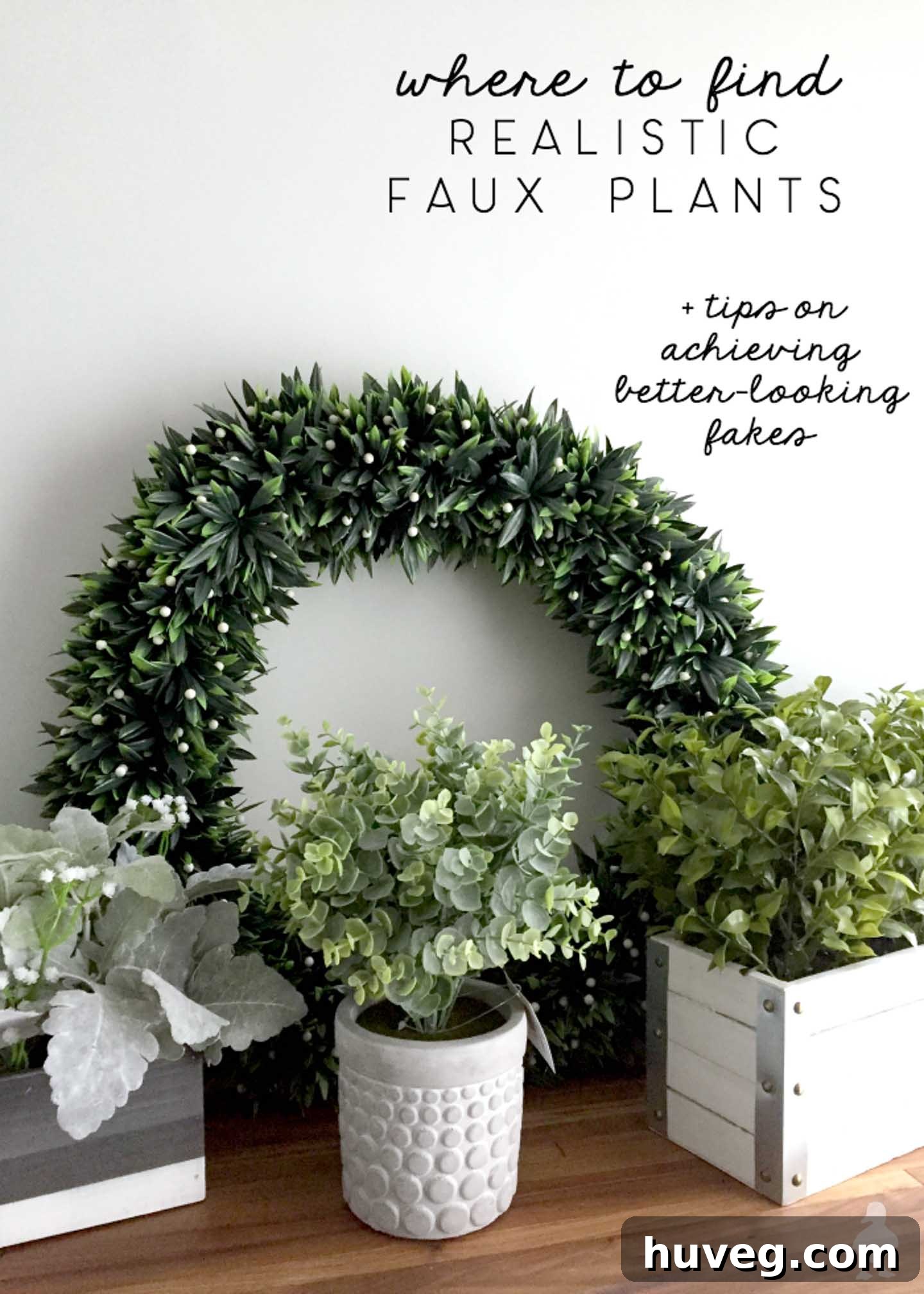
Lifelike Faux Plants for Your Home and the Smartest Time to Buy

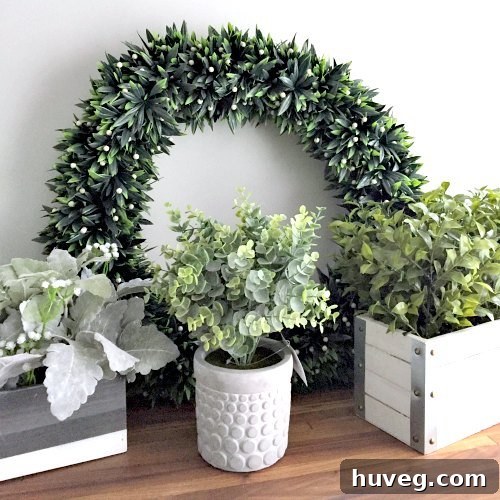
For many of us, the allure of vibrant indoor greenery is undeniable. Houseplants add life, color, and a sense of tranquility to any space. However, not everyone is blessed with a natural green thumb, and even the most dedicated plant parent can face challenges like low light conditions, inconsistent watering schedules, or the demands of a busy lifestyle. If your aspirations for a lush indoor oasis often lead to a plant graveyard, you’re not alone. This is precisely where the magic of high-quality, realistic artificial plants comes into play, offering a stunning, low-maintenance alternative to bring enduring botanical beauty into your home. This comprehensive guide will equip you with insider tips for selecting the most convincing, budget-friendly faux plants on the market, understanding when to snag the best deals, and simple DIY tricks to elevate their realism.
Over the years, I’ve come to terms with the reality of my “brown thumb.” While I manage to keep a few resilient succulents thriving in bright spots like my kitchen sink, certain areas of my home are simply not conducive to live plants, whether due to my forgetfulness or a lack of adequate natural light. This recurring cycle of buying, nurturing (or attempting to), and ultimately replacing deceased plants can be disheartening and costly. That’s why I’ve fully embraced the world of artificial greenery, discovering that with the right approach, faux plants can seamlessly integrate into your decor, providing all the aesthetic benefits without any of the stress.
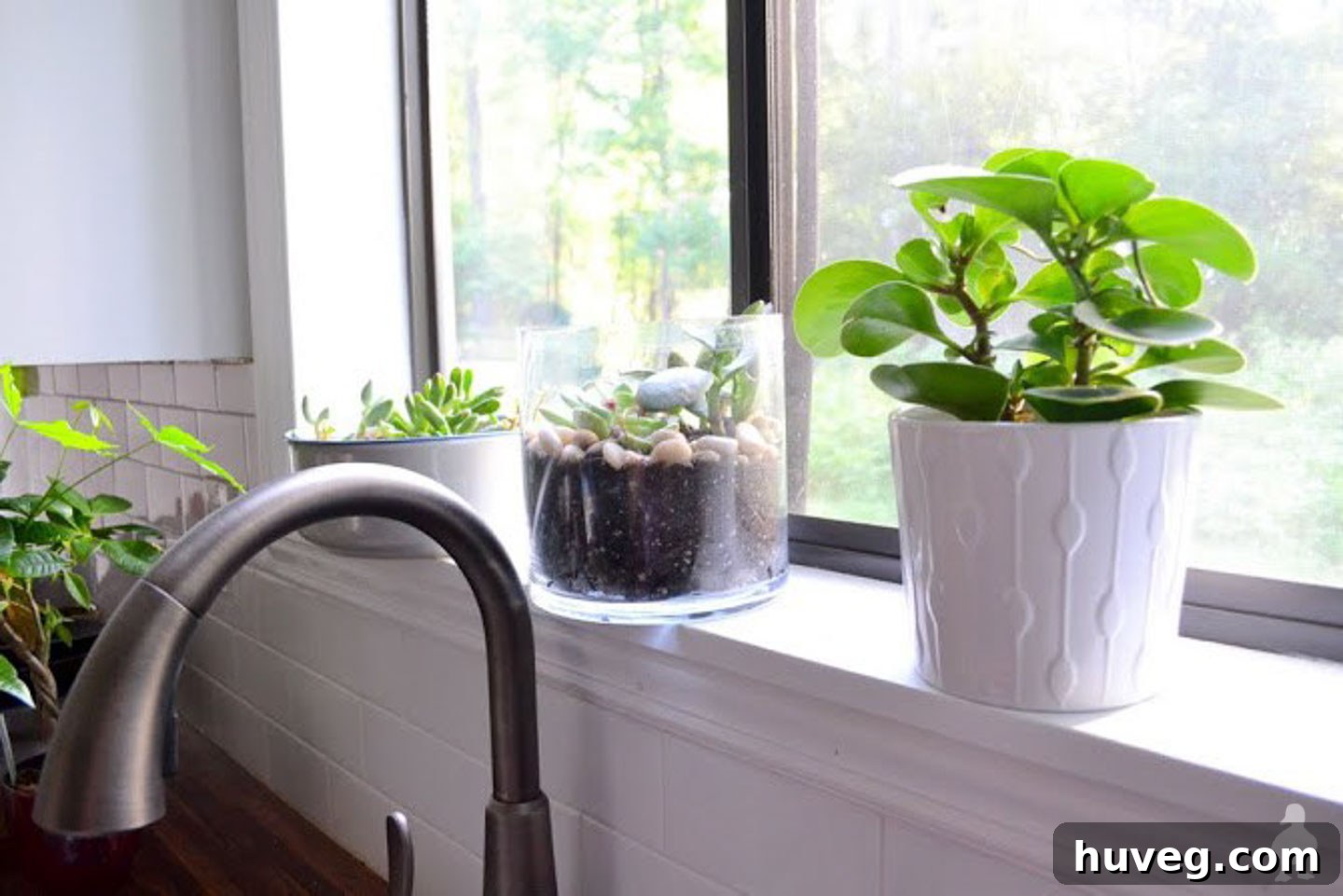
My journey into the world of faux plants began out of necessity. Certain corners of my house, despite my best intentions, consistently suffer from neglect. I love the look of green foliage, so I often find myself impulsively purchasing plants, fully aware of their potential fate in my rather nice (but certainly not a plant sanctuary) trash can. The cycle would inevitably continue: plants would wither from lack of water or light, I’d replace them with renewed vows of diligence, only to forget again. This frustrating pattern persisted until I realized the obvious solution: strategically placing realistic faux plants in these challenging zones. The goal was to find options convincing enough to pass for real, allowing me to enjoy year-round greenery without battling my watering forgetfulness or the naturally darker areas of my home. Through this process of trial and error, I’ve honed a few essential strategies, covering:
- The prime locations and retailers for finding top-notch artificial plants.
- The optimal seasons and times to shop for the widest selection and best value.
- Ingenious methods to enhance their appearance, making them virtually indistinguishable from their living counterparts.
Having recently completed a successful “HomeGoods haul” where I discovered several new artificial additions for my home, it feels like the perfect moment to delve deeper into these tips and share my accumulated wisdom.
Why Choose Realistic Faux Plants for Your Home?
Beyond simply forgiving a brown thumb, there are numerous compelling reasons to incorporate realistic artificial plants into your home decor strategy. They are a fantastic solution for spaces that lack sufficient natural light, such as windowless bathrooms, dimly lit hallways, or shelves tucked away from windows. Unlike living plants, faux greenery requires no sunlight, specific humidity levels, or consistent fertilization, making them truly maintenance-free. This also means no messy soil spills, no worrying about toxic plants if you have pets or small children, and no need to arrange for plant sitters when you travel. Faux plants offer consistent beauty, always looking their best regardless of the season or your attention span. They are a sustainable choice, providing lasting decor that doesn’t need to be replaced due to neglect, ultimately saving you money and reducing waste in the long run.

Where to Find Quality & Budget-Friendly Faux Plants
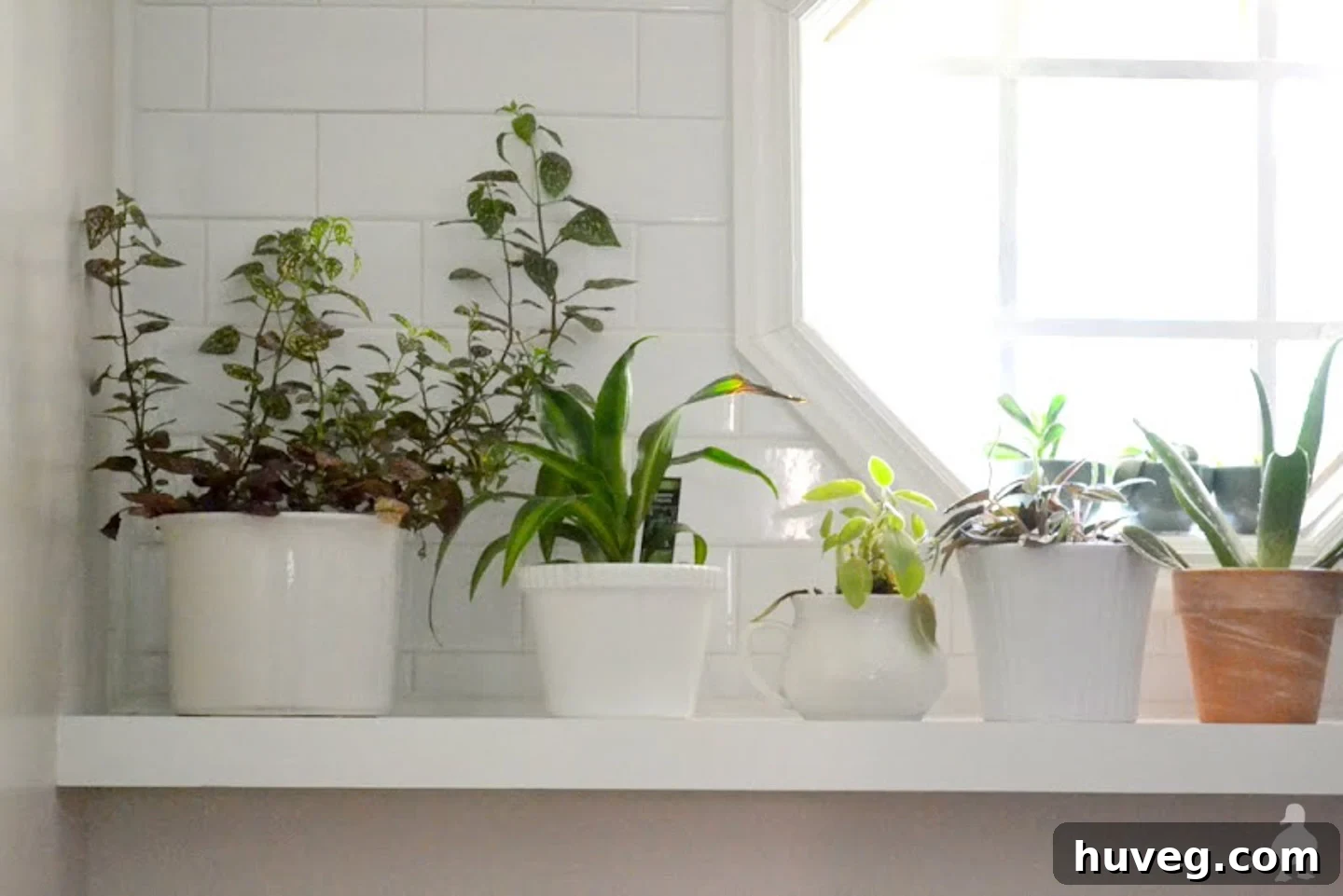
My initial venture into artificial plants was driven by a desire to rejuvenate the back shelf in my laundry room. This particular space, with its small, hexagonal window, receives very little natural light. During a winter makeover project, I observed that only the most resilient aloe and succulent varieties, positioned directly in front of the window, somehow managed to cling to life – mostly through sheer neglect. This experience solidified my need for truly hands-off greenery.
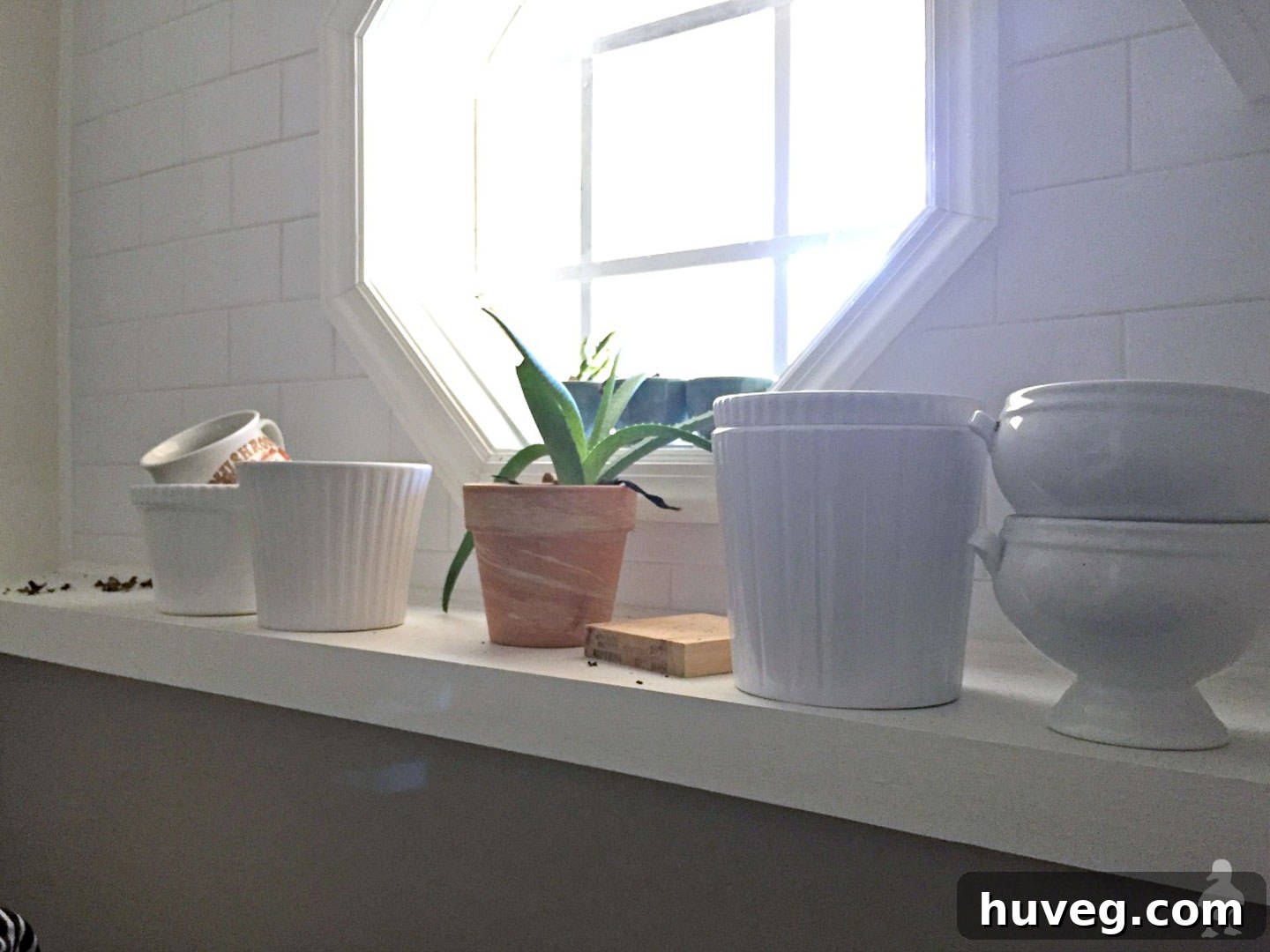
Finding realistic artificial plants, especially online, can be challenging due to misleading product photos. During holiday seasons, local selections often dwindle. I discovered that sourcing products with authentic-looking photos was paramount. Etsy became a treasure trove for this, with several shops providing genuine portrayals of their faux botanicals. I’ve since favorited these retailers for future decorating projects, particularly for windowless rooms like my two bathrooms. They offer a diverse range, and often, you can find unique, handcrafted arrangements that truly stand out.
Recommended Etsy Retailers for Faux Plants: VividPetal, SimplySierraFloral (don’t forget to check their clearance sections for gems!), dirtcouture, LemonLeafMarket (excellent for pre-arranged pieces), and HeavenlyHomesFlowers.
Effective Search Keywords for Online Shopping: To refine your search and uncover the most realistic options, use terms like “faux [specific plant name],” “real touch,” or “realistic faux.”
You can also explore my curated Etsy list here for quick inspiration: f a u x p l a n t s.
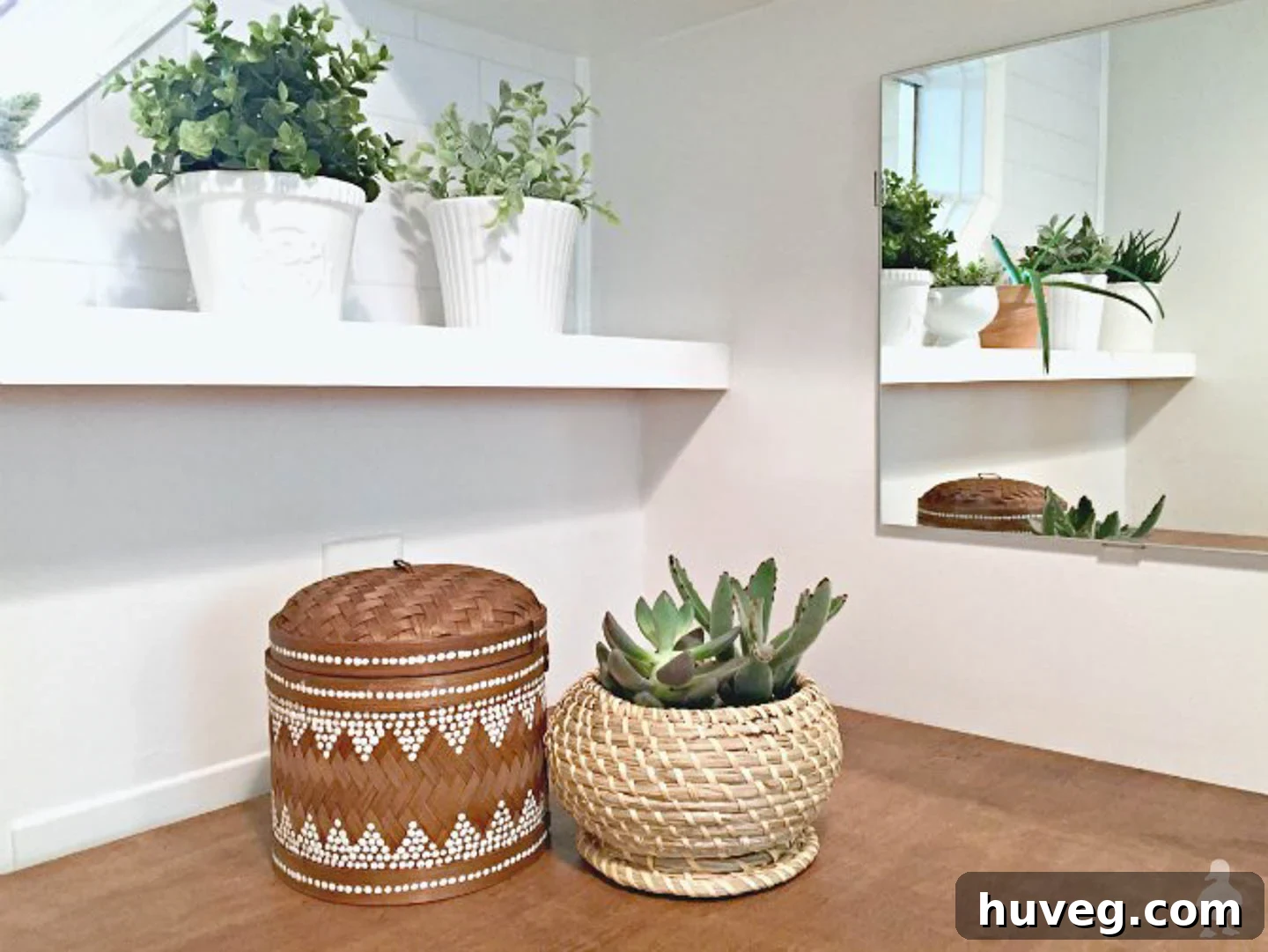
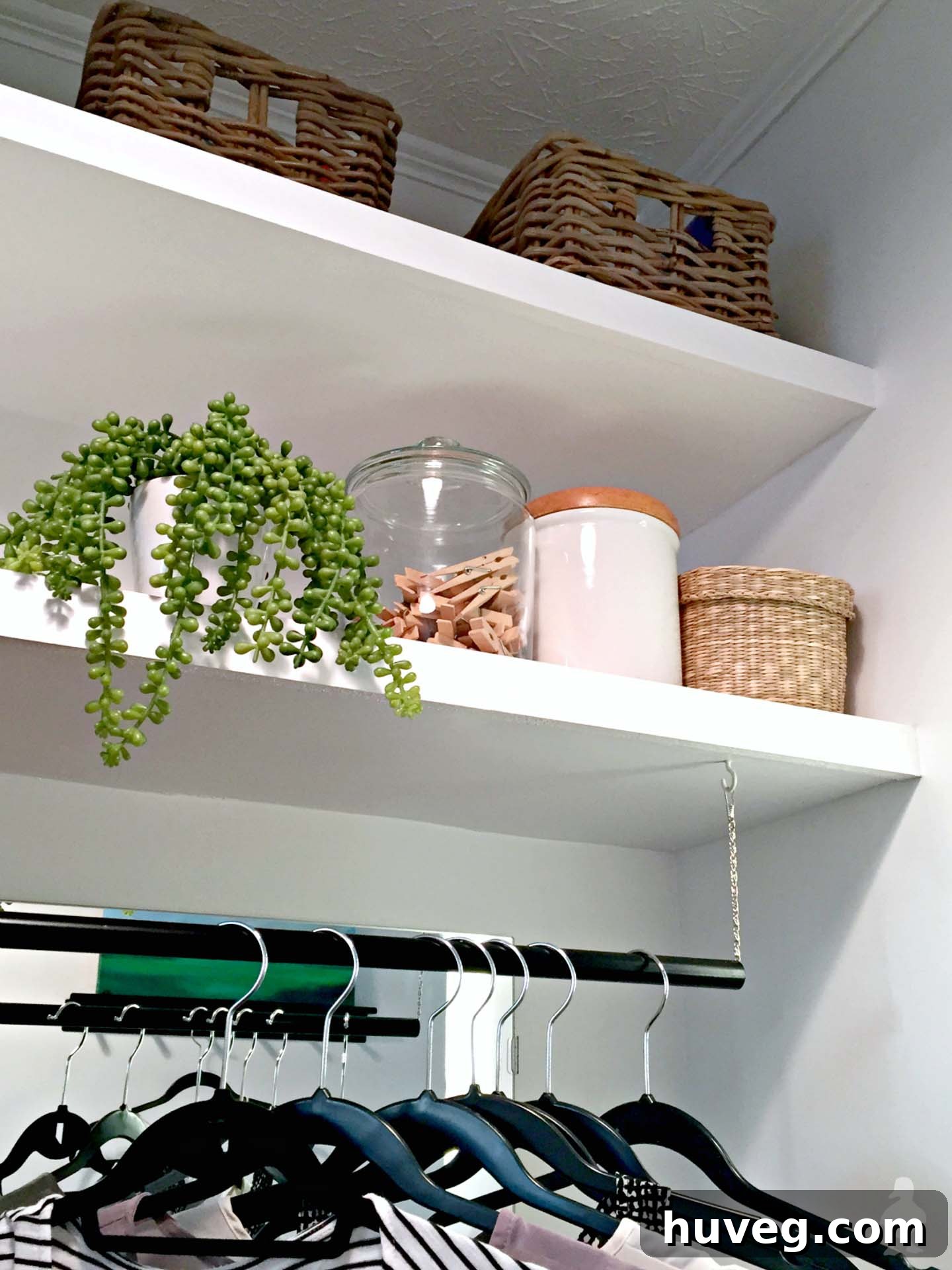
Beyond Etsy, online reviews led me to West Elm, where I discovered a highly-rated faux trailing succulent. This piece now graces my side shelf and is destined for a bathroom post-makeover. A word of caution, however: West Elm’s plant quality can be inconsistent, so always prioritize reading customer reviews before making a purchase.
The Art of Selection: What to Look for in Realistic Artificial Plants
The secret to finding a truly believable faux plant lies in recognizing that nature itself is imperfect. Therefore, the best artificial plants mimic these natural variations and subtle flaws, rather than striving for an unrealistic perfection. Keep these crucial elements in mind during your search:
- Embrace Imperfection and Variation: Real plants rarely exhibit perfectly uniform leaves. Look for artificial plants with slight variations in color, size, and leaf length. This is especially important when purchasing individual faux stems you plan to arrange yourself, as natural variance contributes significantly to an authentic appearance. Avoid anything that looks too symmetrical or uniform.
- Prioritize a Matte Finish Over Glossy Shine: This is arguably the most critical differentiator. Most natural plants do not possess a super glossy, waxy sheen. A highly shiny surface is a dead giveaway that a plant is plastic. Many product photos are retouched to remove this unnatural gloss, so don’t be fooled. Instead, seek out plants with a matte finish or those designed to replicate naturally waxy leaves (like some succulents) without appearing overly coated. Dusty-looking plants or those with naturally very waxy leaves tend to translate best into the faux realm, as their inherent textures can be recreated more convincingly.
- Select Naturally Convincing Plant Types: Some plant varieties are simply easier to replicate realistically than others. Their natural textures and forms lend themselves well to artificial materials. I’ve found that the following types often excel as faux options:
- Fiddle Leaf Fig: Its broad, distinct leaves often look striking in faux versions.
- Rubber Plant: Known for its thick, leathery leaves which can be well-simulated.
- Boxwood: Excellent for topiary or dense greenery, often made with realistic textures.
- Snake Plants: Their upright, stiff leaves are relatively easy to mimic.
- Eucalyptus: The muted, dusty green tones and delicate leaves are often reproduced beautifully.
- Succulents & Cactus: Their fleshy, often thick leaves and unique shapes lend themselves perfectly to artificial materials, minimizing the “fake” appearance. This includes varieties like sedum and aloe.
- Ferns: Delicate and feathery, good quality faux ferns can add lushness.
- Spider Plants: Their trailing nature and specific leaf pattern can be quite realistic.
- Dusty Miller and Lamb’s Ear: These plants have naturally soft, fuzzy, or textured leaves, which can be replicated to great effect, often looking more real than smooth-leafed alternatives.
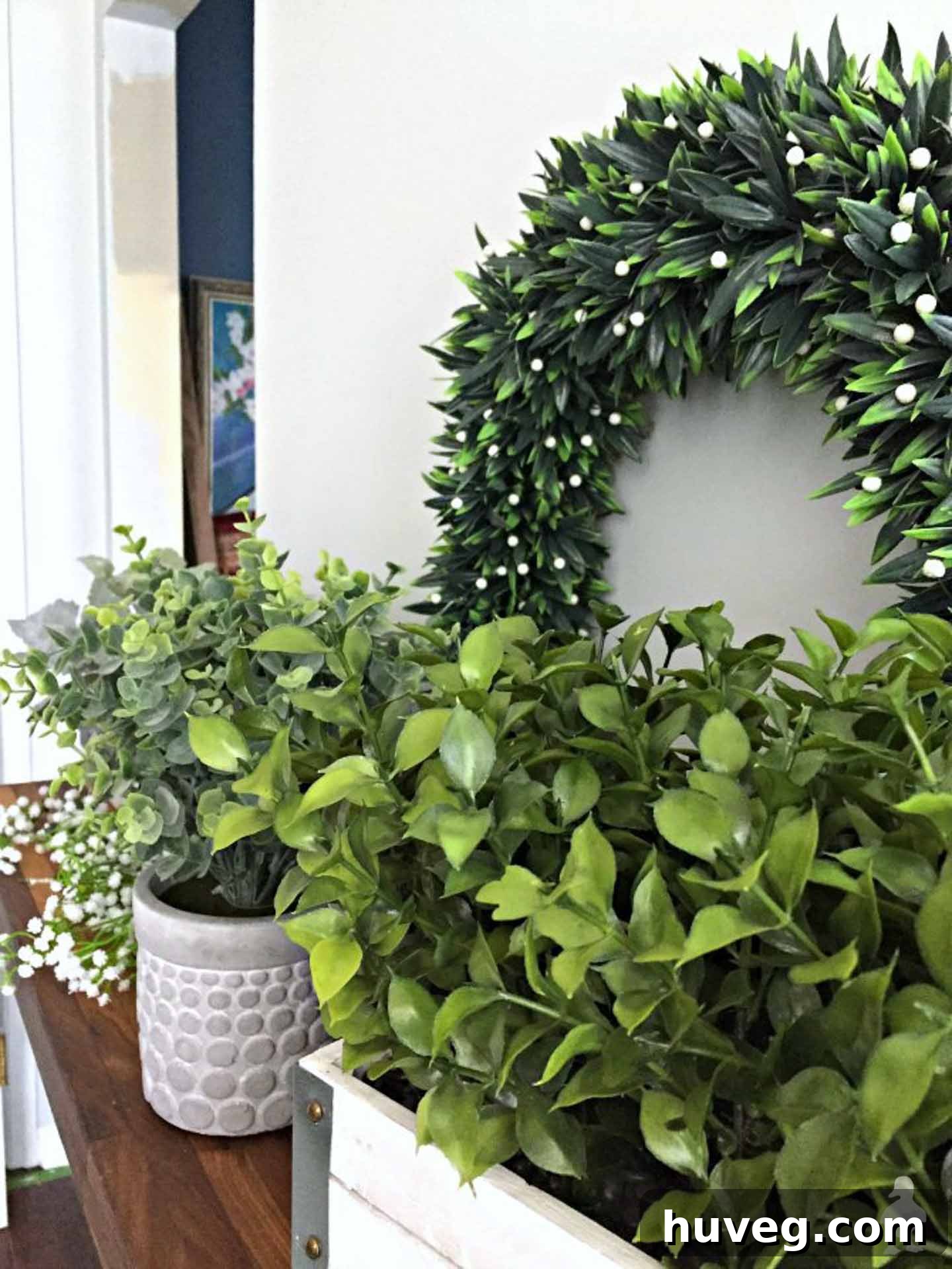
- Look for Specific Product Descriptions: Keep an eye out for terms like “real touch,” “nearly natural,” or “UV protected” in product descriptions. While not universally guaranteed, these descriptors often indicate a higher quality product, better craftsmanship, and materials designed to mimic natural textures and withstand environmental factors like fading. Such plants typically receive superior ratings and are less likely to have that tell-tale plastic odor.
- Greenery Over Flowers: In general, realistic faux flowers are significantly harder to come by than convincing faux greenery. The intricate details, delicate textures, and subtle color gradients of real flowers are tough to replicate authentically. For a truly realistic look, I often opt for fresh-cut flowers for pops of color, while relying on high-quality faux greenery as the enduring staple in my decor. This allows for both natural beauty and lasting appeal.
- Consider DIY Potential: Sometimes, a faux plant’s shortcomings aren’t inherent to the plant itself, but rather its presentation – perhaps it’s squished, poorly arranged, or sits in an unattractive pot. Look for plants with bendable stems and leaves, or those that can be easily disassembled and reassembled. This flexibility allows for simple adjustments and personalized arrangements later on. Discreetly check the base or how elements are attached in the store to gauge their adaptability; you want to be able to tweak, not dismantle, your purchase!
Optimal Times to Buy Faux Plants (for Best Selection)
Timing your purchases can significantly impact the variety and availability of realistic faux plants. Generally, the best selection in retail stores tends to emerge in spring, or as winter begins to recede. This aligns with a broader seasonal shift towards home and garden refresh. Many of the beautiful pieces seen in the accompanying photos were found during recent trips to HomeGoods and TJMaxx. Additionally, keep an eye on larger retailers like Target and West Elm, as they often offer excellent deals when their seasonal decor, including faux plants, goes on clearance or during major sales events.
A Brief Note on Dried Plants and Stems
While dried plants and stems offer a different aesthetic, it’s largely a matter of personal preference. I personally lean away from them. I find that they often have a somewhat “dead” appearance, and I prefer the vibrant, lasting color that realistic faux plants provide. Another practical consideration is dusting; dried plants can be quite fragile and prone to breaking apart with anything less than the gentlest touch, which, unfortunately, isn’t always my dusting style.
DIY Enhancements: Making Your Faux Plants Look Truly Real
It’s always a hassle to return items that don’t quite meet expectations. Fortunately, if you find a faux plant that’s almost perfect but just a little too shiny or stiff, there are several simple DIY fixes that can dramatically improve its realism:
- Combat Excessive Shine with a Matte Sealer: If your faux plant has an unnatural, glossy sheen, a quick spray with a matte sealer can work wonders. Simply apply it to the leaves to tone down the artificial shine. Don’t worry about getting every single nook and cranny perfectly; a slight inconsistency in the finish will actually mimic natural variations in real leaves, further enhancing its authenticity.
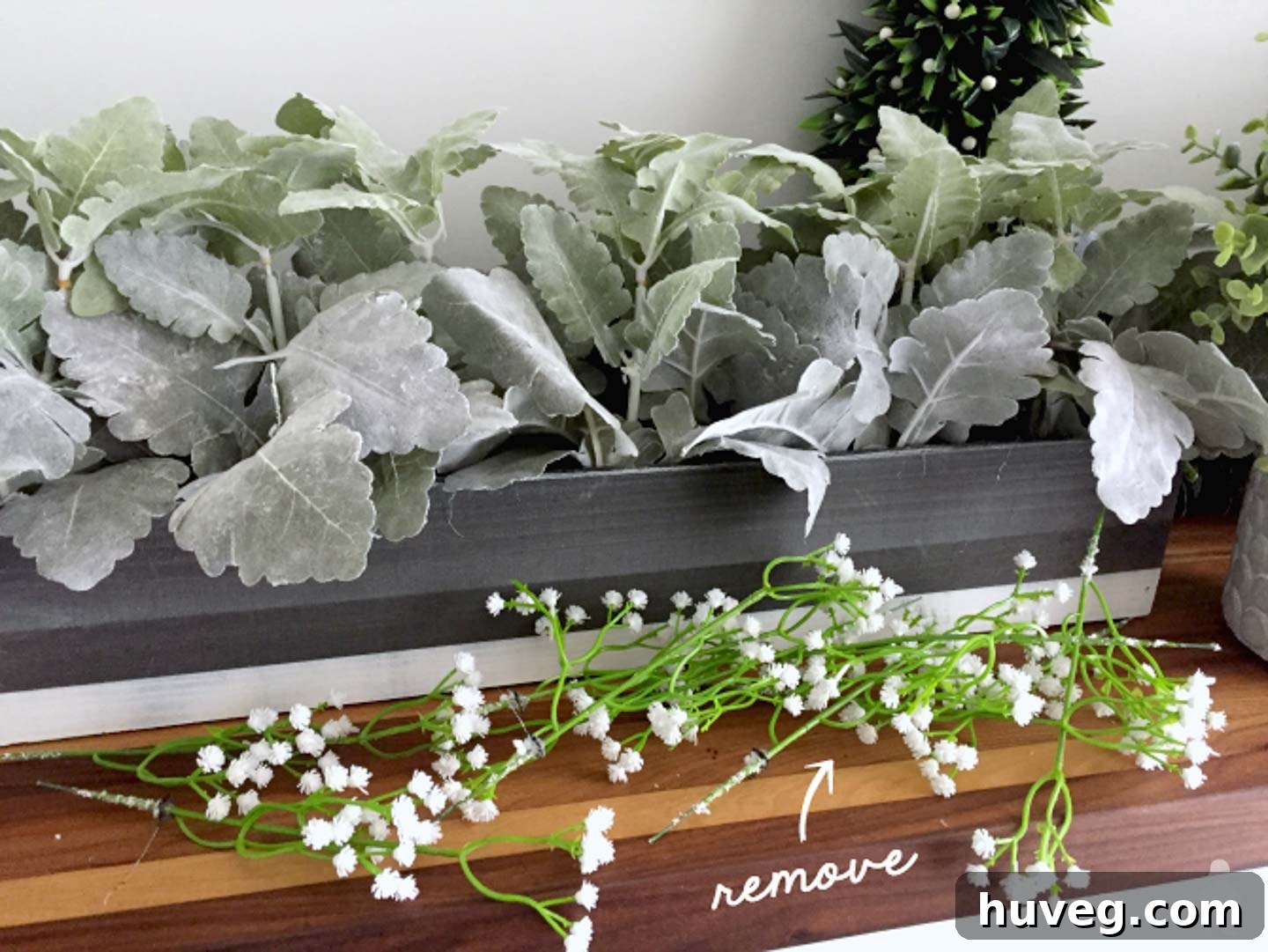
- Rearrange and Customize Your Stems: Many faux plant arrangements, particularly those sold as bundles or in simple containers at discount stores like HomeGoods, are quite basic. Often, stems are merely inserted into a floral foam block or secured with a small amount of hot glue. This makes them incredibly easy to pull out and rearrange to create a more organic, personalized display. You can even dismantle an entire arrangement into individual stems, allowing you to create multiple smaller groupings or integrate them into other decor. This can sometimes be a more cost-effective way to acquire a variety of stems compared to buying them in bulk from specialty retailers. Bend the wires within the stems to give them a natural drape and spread the leaves out to avoid a “squished” appearance.
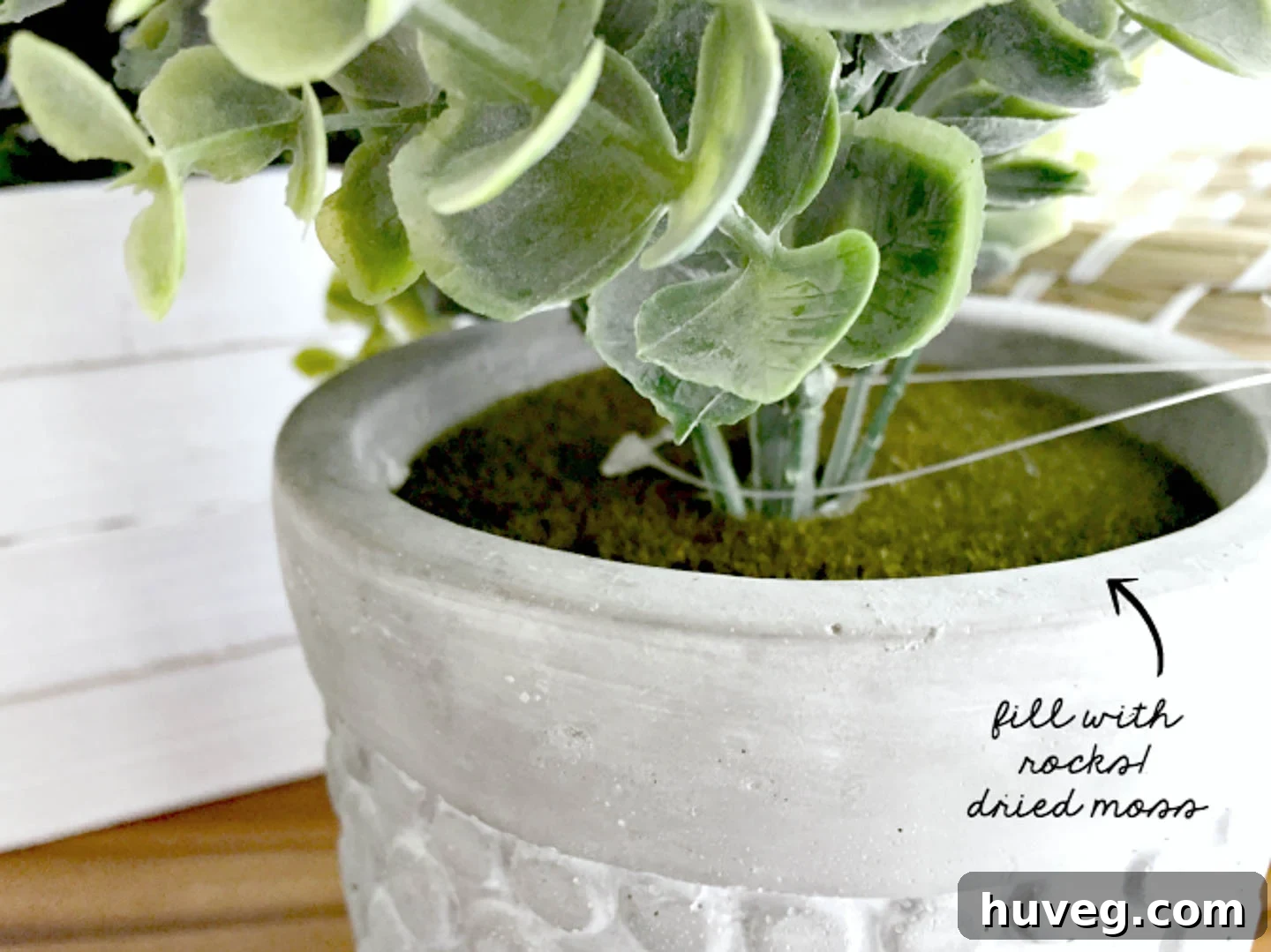
- Repot for a Proportional & Polished Look: Sometimes, the plant itself isn’t the problem, but its container. A common flaw in budget-friendly faux plants is an ill-fitting or cheap-looking pot that makes the entire piece appear “dinky” and highlights its artificiality. As Young House Love demonstrated with a faux fiddle leaf fig from Target, simply repotting it into a more substantial, aesthetically pleasing planter and then fluffing and rearranging the leaves can transform it into a believable piece. Ensure the new pot is proportionate to the plant’s size, providing balance and drawing attention away from any imperfections at the base. You can also add natural elements like dried moss, small rocks, or a layer of decorative soil to the surface of the pot to hide any visible floral foam or plastic base, further enhancing the illusion of a real plant.
- Strategic Placement: Integrate with Real Elements: One of the most effective ways to make faux plants look real is by strategically placing them. Intermixing artificial plants with real ones, as I do in my laundry room, creates an environment where the fake ones naturally blend in. However, be cautious not to place the faux version of a specific plant directly beside its living counterpart, as this comparison can sometimes betray the illusion. Instead, group them in different areas or use different species.
- Surround with Natural Textures and Warm Metals: The right accessories can significantly elevate the perceived realism of your faux plants. Incorporate natural elements like wood, woven straw baskets, terracotta, or warm metals such as brass and copper. These materials inherently exude an earthy, organic vibe that complements and enhances the natural feel that real plants provide. Repotting your faux plant into a planter made from one of these materials can make a substantial difference. Additionally, consider adding natural elements like dried moss or river rocks to the top of the potting medium to hide any visible floral Styrofoam or plastic, solidifying the natural appearance.
Embrace the Beauty of Faux Greenery
The journey to a beautifully adorned home doesn’t have to be fraught with the struggles of plant care. Realistic artificial plants offer a liberating solution, allowing you to enjoy the aesthetic benefits of lush greenery without any of the commitment. By carefully selecting plants with natural imperfections, prioritizing matte finishes, and employing simple DIY enhancements like repotting and strategic placement, you can create stunning botanical displays that will fool even the keenest eye. So, go ahead, embrace the world of faux, and bring enduring, stress-free beauty into every corner of your home.
Do you have a favorite go-to faux plant that you swear by? Or perhaps some ingenious tips of your own to share?
Don’t forget to pin this guide for future reference!