Unleash Your Garden’s Potential: Build a Breathtaking Flower Bed for Ultimate Curb Appeal

Transforming your front yard into a vibrant, healthy garden is one of the most rewarding home improvement projects. Beyond boosting curb appeal, it creates a welcoming atmosphere and offers a personal sanctuary. In this comprehensive guide, we’ll walk you through the journey of creating a flourishing front garden, from initial planning to long-term maintenance. Whether you’re a seasoned gardener or just starting, these practical, easy-to-follow tips will help you build a garden bed that thrives for years to come.
Disclosure: Our sponsored partnership with Stihl made it possible for our garden transformations this year, where you’ll see some of their helpful tools featured. All words and opinions are 100% my own. Hope you enjoy!
For many homeowners, the front yard primarily consists of an established lawn, leaving limited space for floral accents and shrubbery. My own front yard followed this pattern, but I always envisioned transforming a small area in front of the porch into a captivating flower bed. Over the years, I experimented with various approaches, from planting oversized shrubs that quickly became unruly to seasonal flowers that ultimately suffered from neglect. This time, however, I was determined to approach it differently. My goal was to discover and implement a more efficient, sustainable, and ultimately, the right way to garden. Through this process, I documented every step, gathering essential photos and videos to share some of my favorite easy gardening tips that you, too, might find invaluable.
6 Easy Steps to a DIY Flower Bed for Unmatched Curb Appeal
Materials & Tools for Your Garden Transformation
- Landscape Fabric: Essential for long-term weed control.
- Gardening Gloves: Protect your hands from soil, thorns, and blisters.
- Soil Cultivator: (I use the Stihl KombiSystem with Mini Cultivator attachment) – For aerating and mixing soil efficiently.
- Garden Hose: For watering plants and preparing soil.
- Soil Test Kit: To understand your soil’s composition and nutrient needs.
- Bags of Garden Soil & Compost: For enriching your existing soil.
- Flat Shovel: For digging larger holes and moving soil.
- Garden Spade: Ideal for precision digging and planting.
- Utility Knife: For cutting landscape fabric.
- Garden Staples: To secure landscape fabric.
- Mulch: Organic material like wood chips or shredded bark for moisture retention and weed suppression.
Optimal Timing: When to Create Your DIY Garden Bed
Deciding when to establish or revamp a garden bed often comes down to personal schedule and energy levels. For many, the intensive tasks of digging, amending soil, and moving heavy bags of mulch are best tackled when the scorching sun isn’t at its peak. However, if you’re seeking expert advice, most horticulturists agree that planning is ideally done during the winter months when the garden is dormant and anticipation for warmer weather is high. Breaking ground after the last significant frost of spring ensures a long growing season, allowing new plants ample time to establish strong root systems before the heat of summer or the chill of winter sets in.
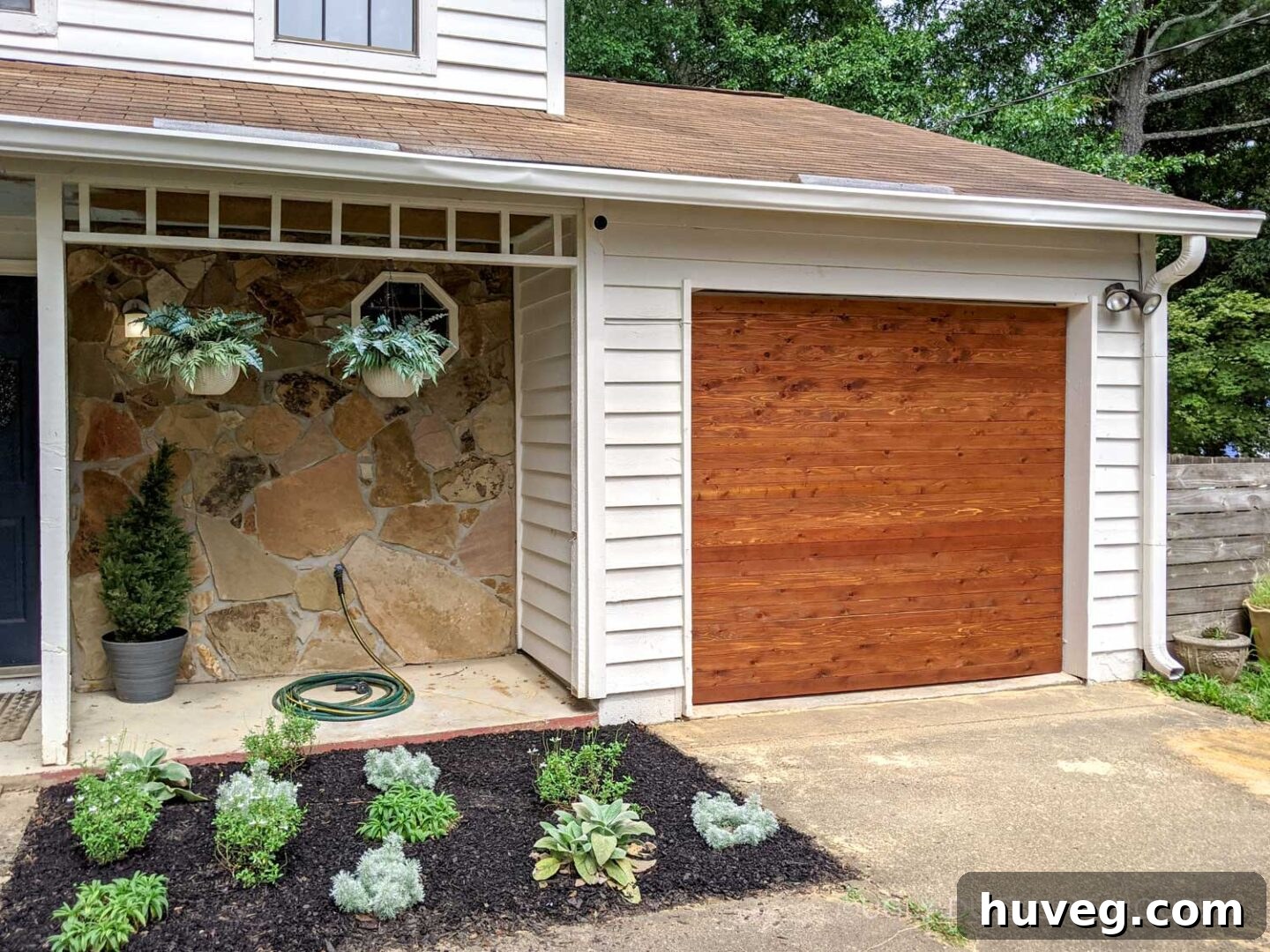
Regarding the best time of day for planting, late afternoon or early evening is generally preferred. The sun’s intensity is significantly reduced during these hours, which helps minimize the risk of transplant shock. Newly planted roots are vulnerable to scorching, which can severely hinder growth or even lead to the demise of the plant. Giving them a cooler, gentler start can make all the difference. My personal journey with this garden bed began with the planning phase during my garage door makeover, demonstrating how different home projects can inspire and influence one another.
Strategic Planning for Healthy, Low-Maintenance Plants
I’m certain many gardeners can relate to the over-optimism of past selves, dreaming of endless hours tending to a picture-perfect garden. I used to imagine myself like a character from a movie, effortlessly maintaining an array of exotic, high-maintenance flora. In reality, time constraints and other commitments often meant these dream gardens quickly turned into neglected patches. This time, I approached my front yard renovation with a much more realistic perspective. My primary goal was not to create an elaborate, fantasy garden that demanded constant attention, but rather to select plants and implement strategies that would ensure minimal upkeep while still delivering maximum visual impact. Achieving this required a deep understanding of the local environment and the specific needs of potential plants:
- Thorough Site Observation: Before purchasing any plants, take the time to observe the area you intend to plant. How many hours of direct sunlight does it receive daily? Is it predominantly shady, or does it fall somewhere in between? Understanding the light conditions is paramount. Also, research your region’s USDA plant hardiness zone to ensure chosen plants can survive local winter temperatures. Evaluate the drainage; does water pool after rain, or does it soak in quickly? Poor drainage can lead to root rot. Lastly, consider any local pests like deer or rabbits that might impact your plant choices. All these factors are typically listed on plant tags, making informed decisions easier.
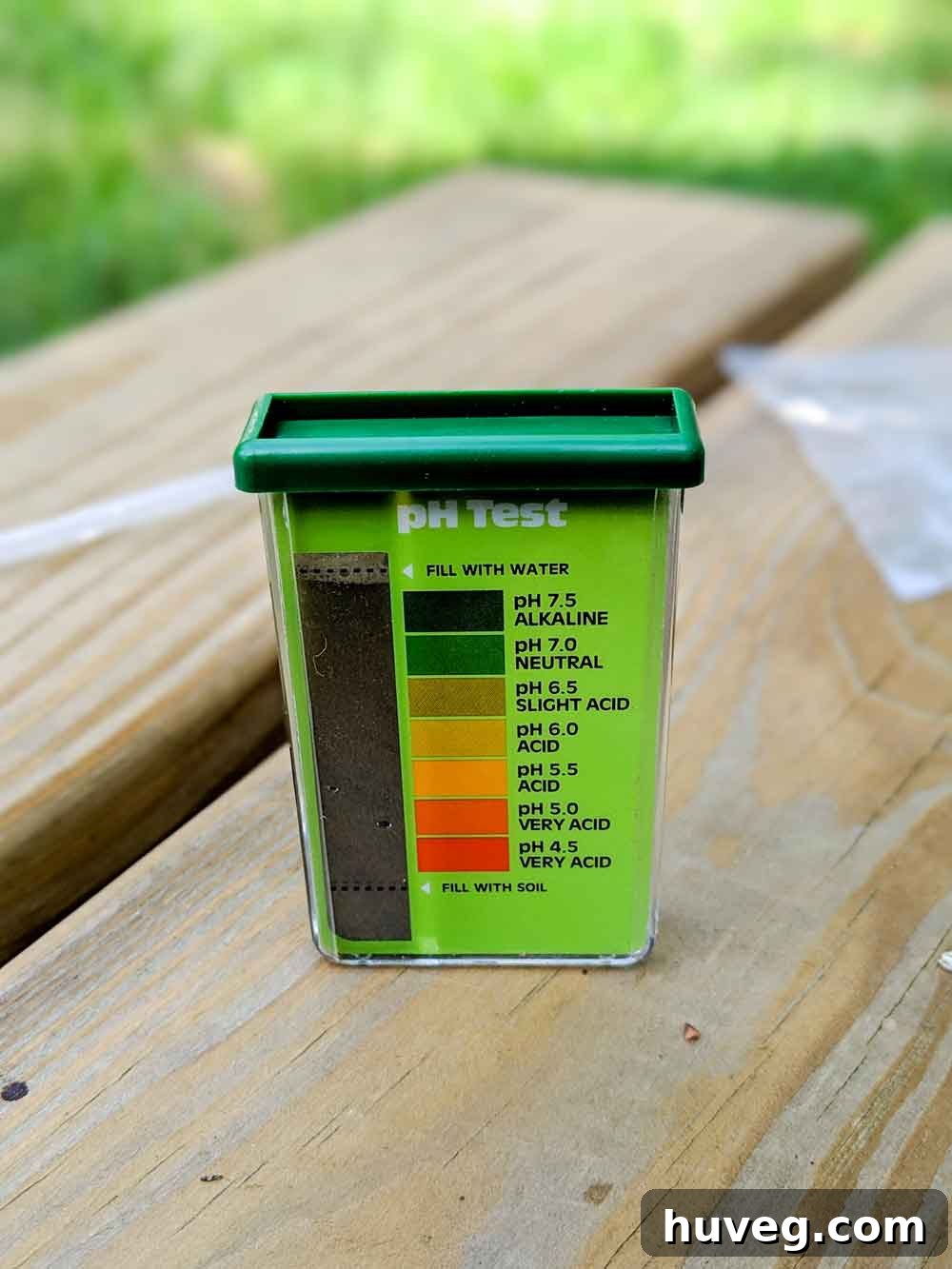
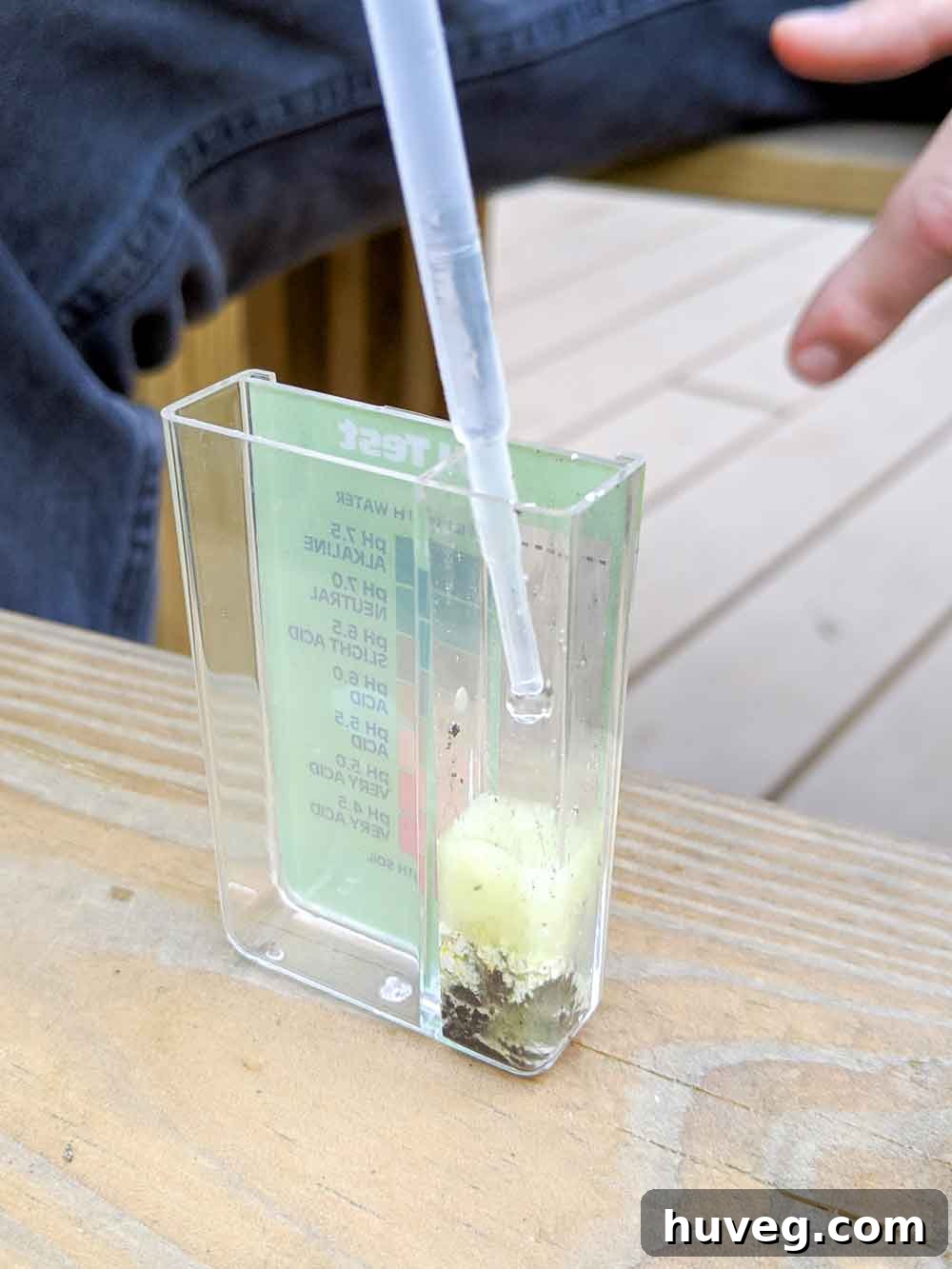
- The Value of Soil Testing: While optional, a soil test is highly recommended, especially if you’ve had gardening challenges in the past. Kits like this one are readily available and provide invaluable insights. Simply take a small soil sample, mix it with distilled water, and follow the kit’s instructions to determine pH levels and identify any nutrient deficiencies. This knowledge allows you to apply “soil amendments” effectively. For instance, if your soil is heavy clay, common in areas like Georgia, incorporating “organic matter” such as compost and topsoil is often the best recommendation to improve aeration and drainage. For sandy soils, organic matter also helps retain moisture and nutrients.
- Consider Mature Plant Size and Spacing: Plants require adequate room to grow and flourish. Always check the plant tag for information on its mature size (both height and width). While a newly planted garden may look sparse initially, it can quickly become overcrowded if you don’t account for the plants’ full potential. Overcrowding leads to poor air circulation, increased disease risk, and competition for nutrients. In my case, I wanted to add height to balance the porch columns but had to ensure the chosen shrubs wouldn’t grow so tall as to interfere with the roofline. Planning for mature size from the outset saves you the effort of relocating plants later.
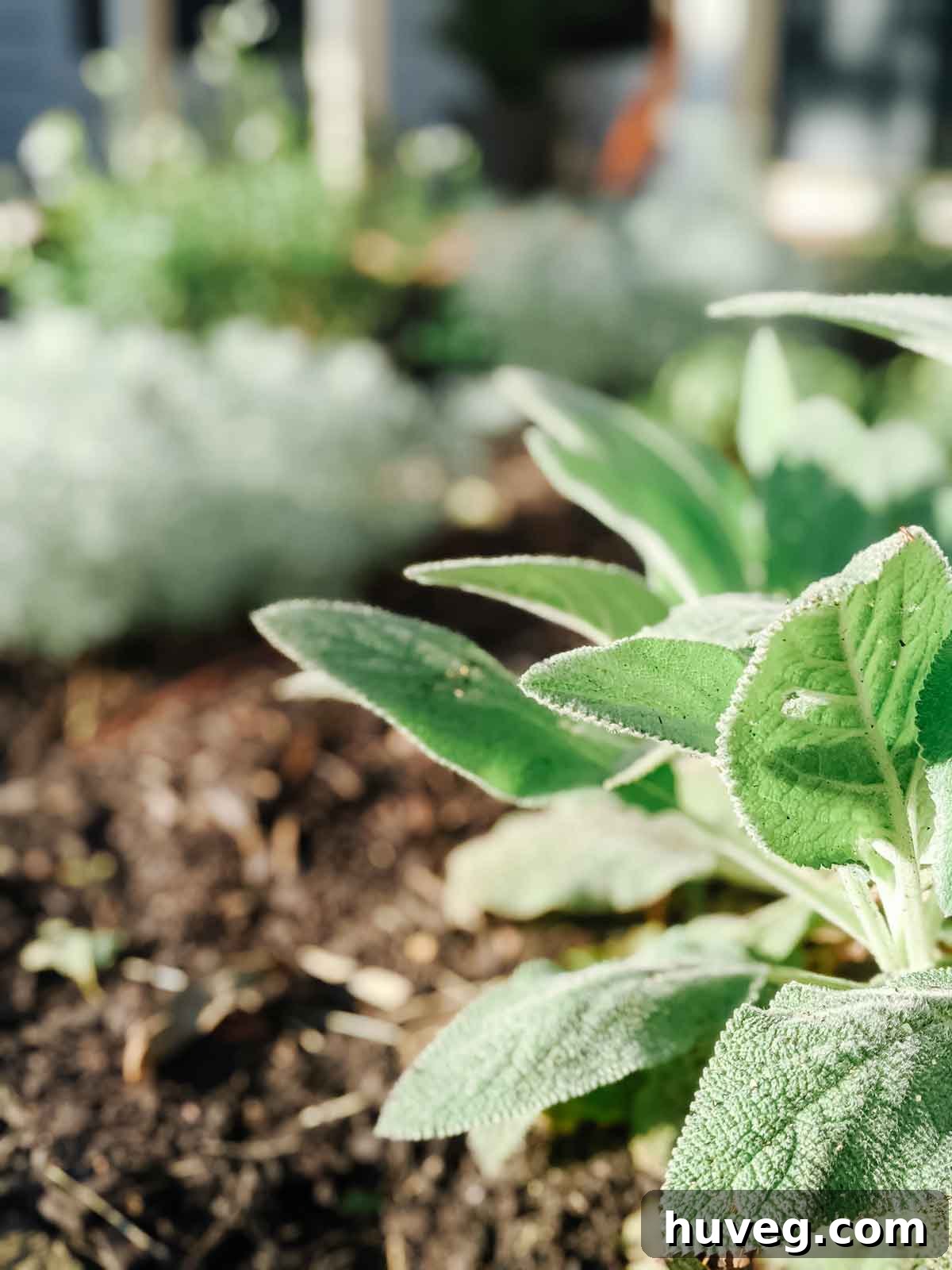
- Harmonizing Color Schemes and Textures: Garden design extends beyond just flower colors. Consider the leaf color and texture as well. I have a particular fondness for silvery-green foliage and textured leaves, which led me to incorporate plants like Lamb’s Ear and Artemisia into my design. These offer visual interest even when not in bloom. A yellow-green shrub, for example, might clash with a cooler, silvery palette. Thoughtfully combining varying leaf colors and textures creates a cohesive and appealing landscape.
- Annuals vs. Perennials: Your long-term gardening commitment will dictate your plant choices. If you enjoy changing your garden’s look annually or every other year, then annuals are an excellent choice, providing vibrant, season-long color. For a more permanent, low-maintenance garden, perennials are ideal, returning year after year and establishing themselves over time. My front garden mainly features perennials to reduce the need for frequent replanting.
Step 1: Preparing the Ground – Removing Existing Vegetation
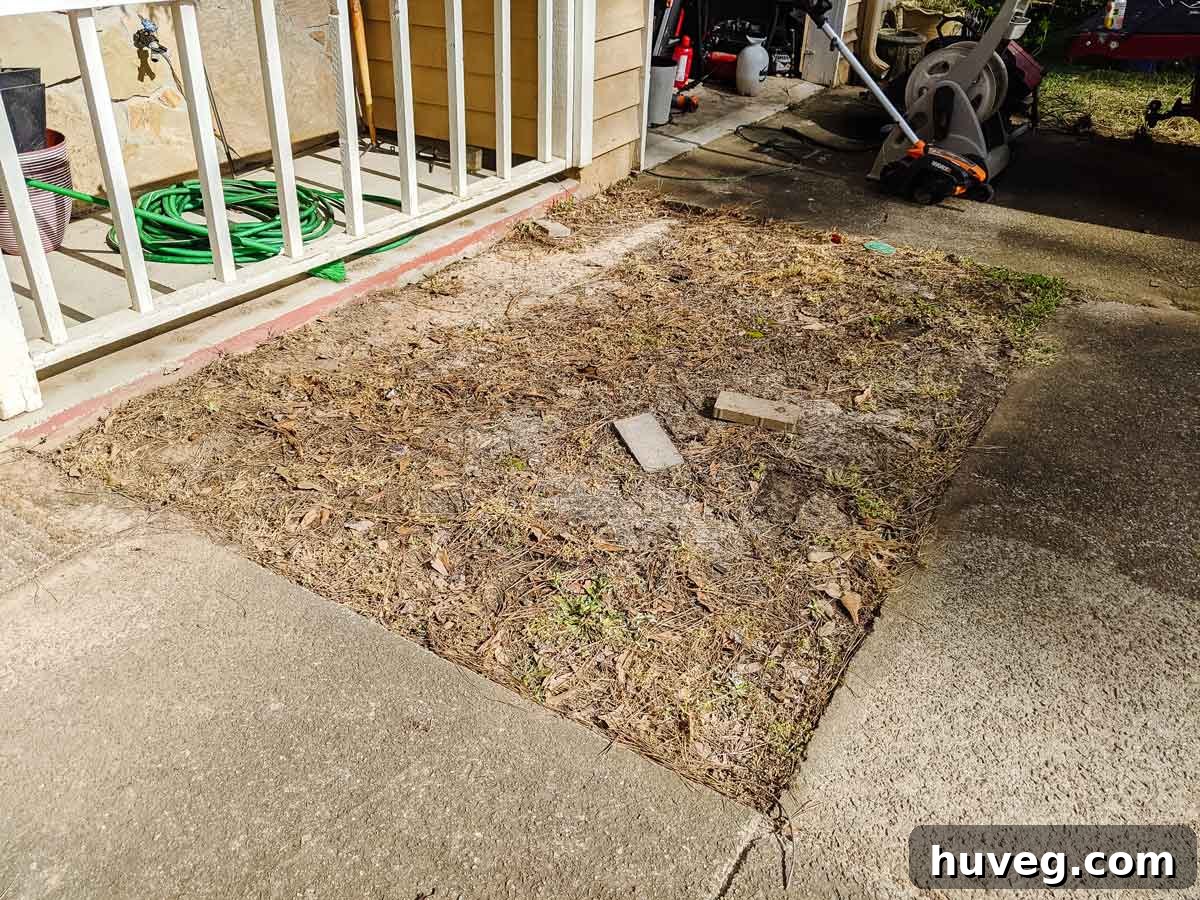
The first critical step in creating a new flower bed, or revitalizing an old one, is to clear the canvas. For my project, this meant carefully removing the existing plants – specifically, those overgrown shrubs that had outstayed their welcome and were no longer suited for their location. It’s important to acknowledge that sometimes, plants simply don’t thrive where they were initially placed, or they outgrow their space. Don’t be afraid to remove them to make way for a better design.

Tip: Don’t just plan your dream garden; remember that you’re human and set realistic expectations of what you’re going to be able to maintain long-term. A pristine and beautiful garden doesn’t often stay that way without some kind of minimal effort, so planning around your environment AND your own personal level of upkeep are key! Pay close attention to the maintenance requirements on the plant tag and opt for low-maintenance plants if that’s all you typically have time for.
If you’re establishing a brand new garden bed on a grassy area, you’ll need to remove the top layer of turf. There are several effective methods for this. One of the simplest, albeit time-consuming, is solarization: weigh down a dark tarp over the area and let the sun’s heat kill off the grass and weeds underneath. This method is surprisingly effective and minimizes physical labor. While I was working with an existing bed, I used a similar principle to suppress stubborn weeds by covering the area, a tactic that significantly reduced future weeding efforts.
Step 2: Cultivating the Soil for Optimal Plant Health
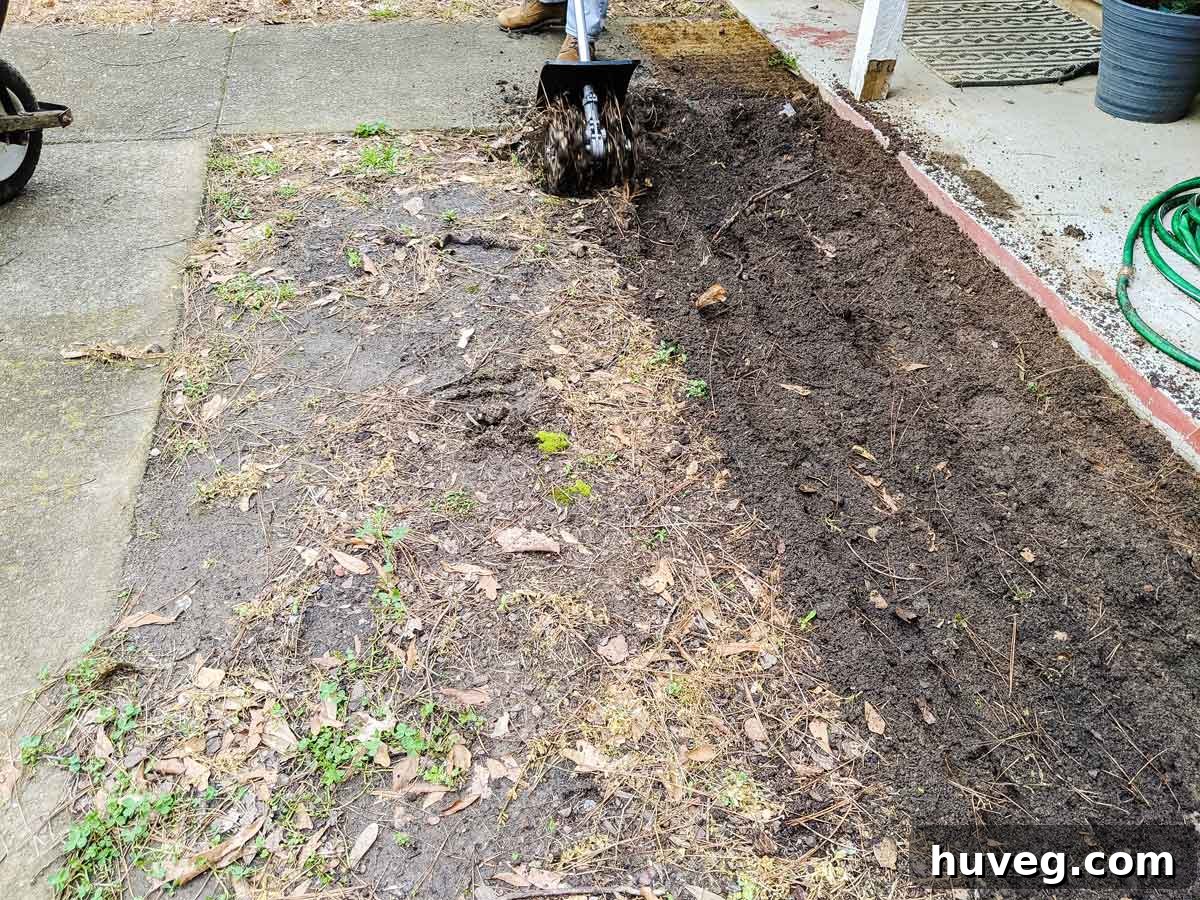
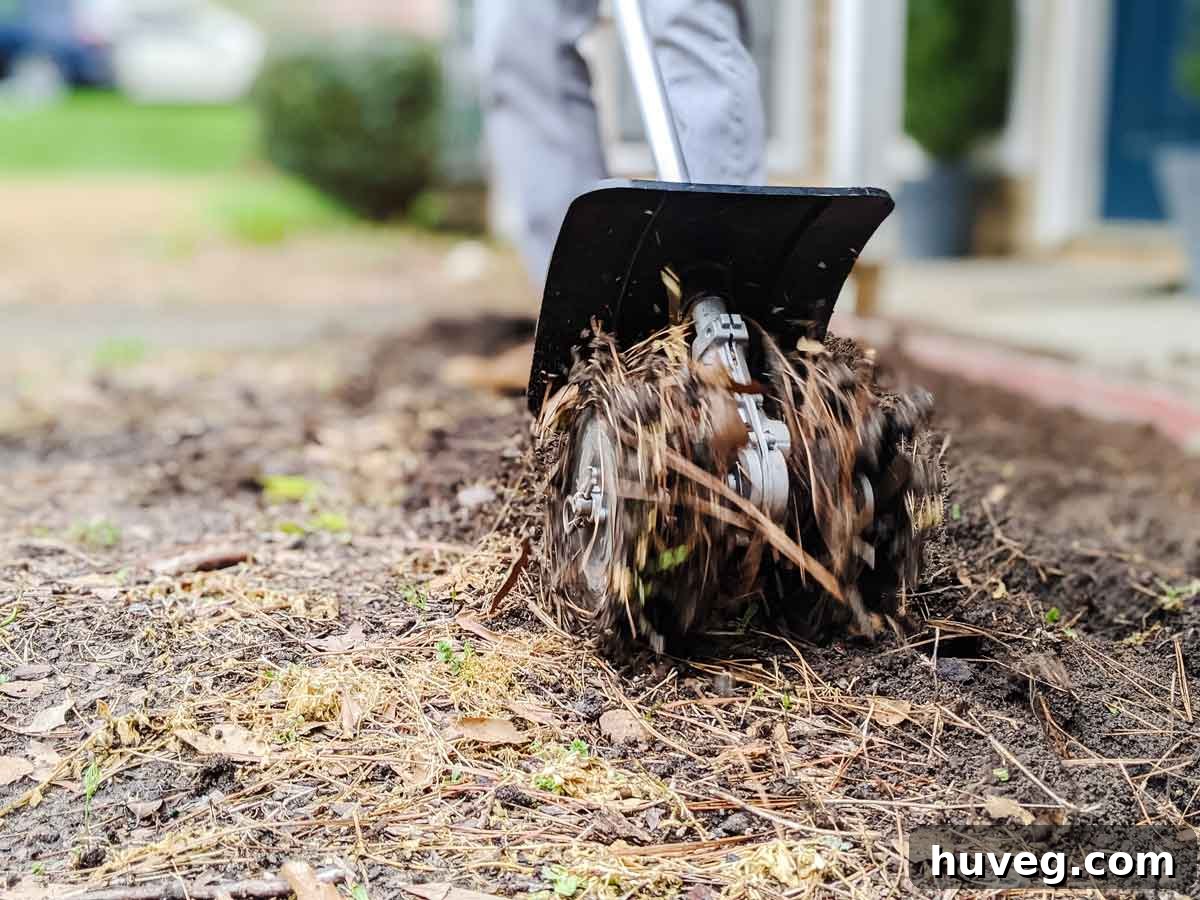
Once the existing vegetation is cleared, it’s time to prepare the soil – the very foundation of your garden’s success. This step is critical for ensuring good plant health and growth. After eliminating the weeds, we used my Stihl KombiSystem with its cultivator attachment to thoroughly mix the existing soil with a generous layer of fresh compost and garden soil. Tilling, or cultivating, creates small air pockets in the soil, which significantly improves air circulation around plant roots. This not only makes the soil less compacted and dense, allowing earthworms, water, and plant roots to move through it more easily, but also ensures better nutrient absorption.
I’ve been a long-time user and advocate for Stihl tools, especially their impressive line of battery-powered products. The KombiSystem is particularly remarkable for its versatility; it’s essentially one powerful tool base that accepts a wide array of different attachments, transforming it into a trimmer, pruner, blower, edger, and more. This multi-tasking capability is invaluable for any homeowner or avid gardener, reducing the need for multiple specialized tools and saving storage space.
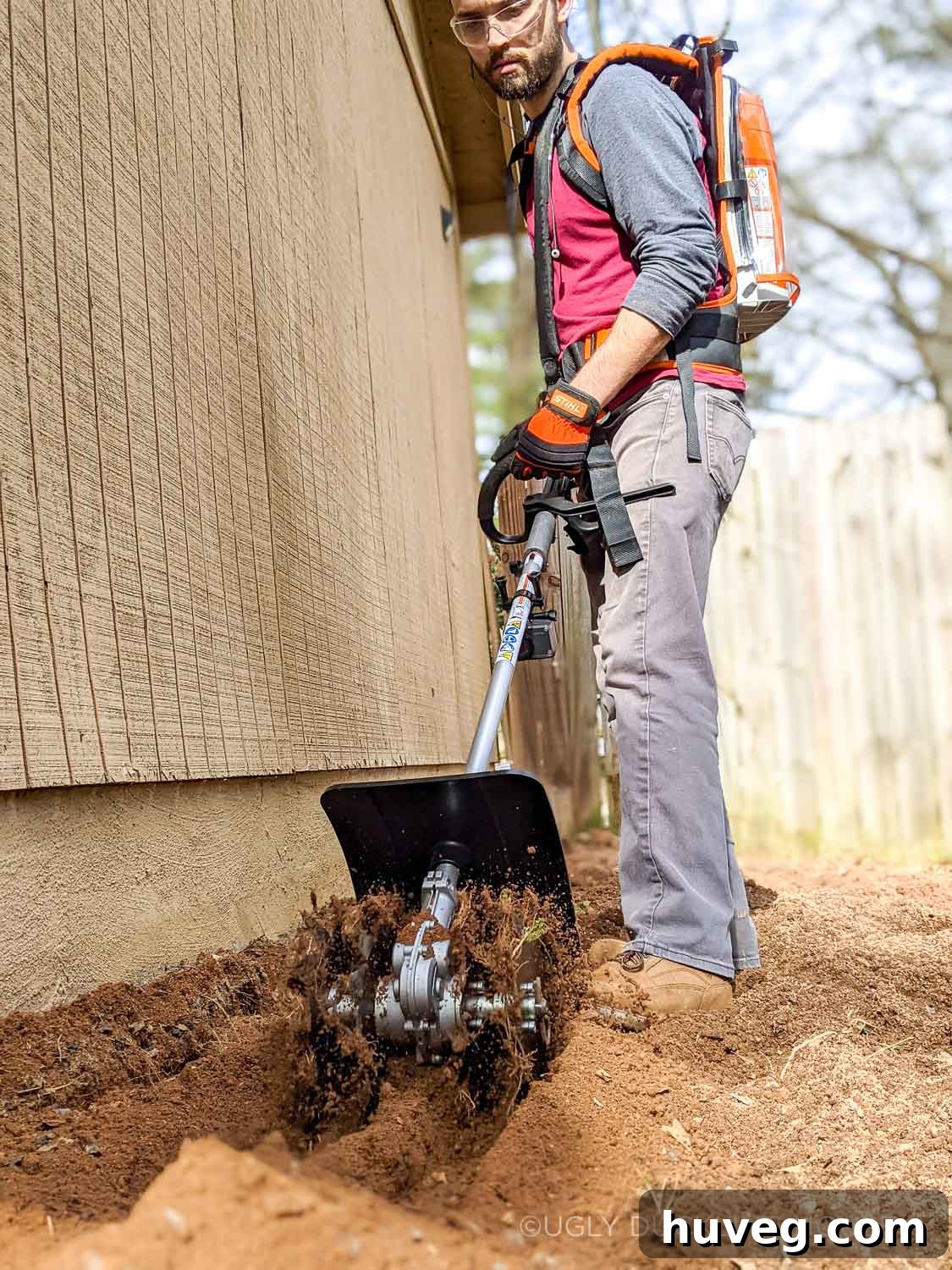
This allowed us to efficiently use the mini cultivator attachment for the garden bed and then seamlessly switch to the blower attachment to clear the sidewalk of debris after planting was complete. Once the soil is thoroughly mixed and aerated, it’s crucial to rake it level and smooth, creating a uniform surface for planting. This is also the ideal moment to lay down a weed barrier. While newspaper layers can work for annual beds (breaking down faster), for a perennial garden designed for longevity, high-quality landscaping fabric is a superior choice. It provides a more robust and lasting barrier against weeds. Secure the fabric firmly in place with garden staples, ensuring it remains taut and effective.
Step 3: Strategic Layout – Visualizing Your Garden Design
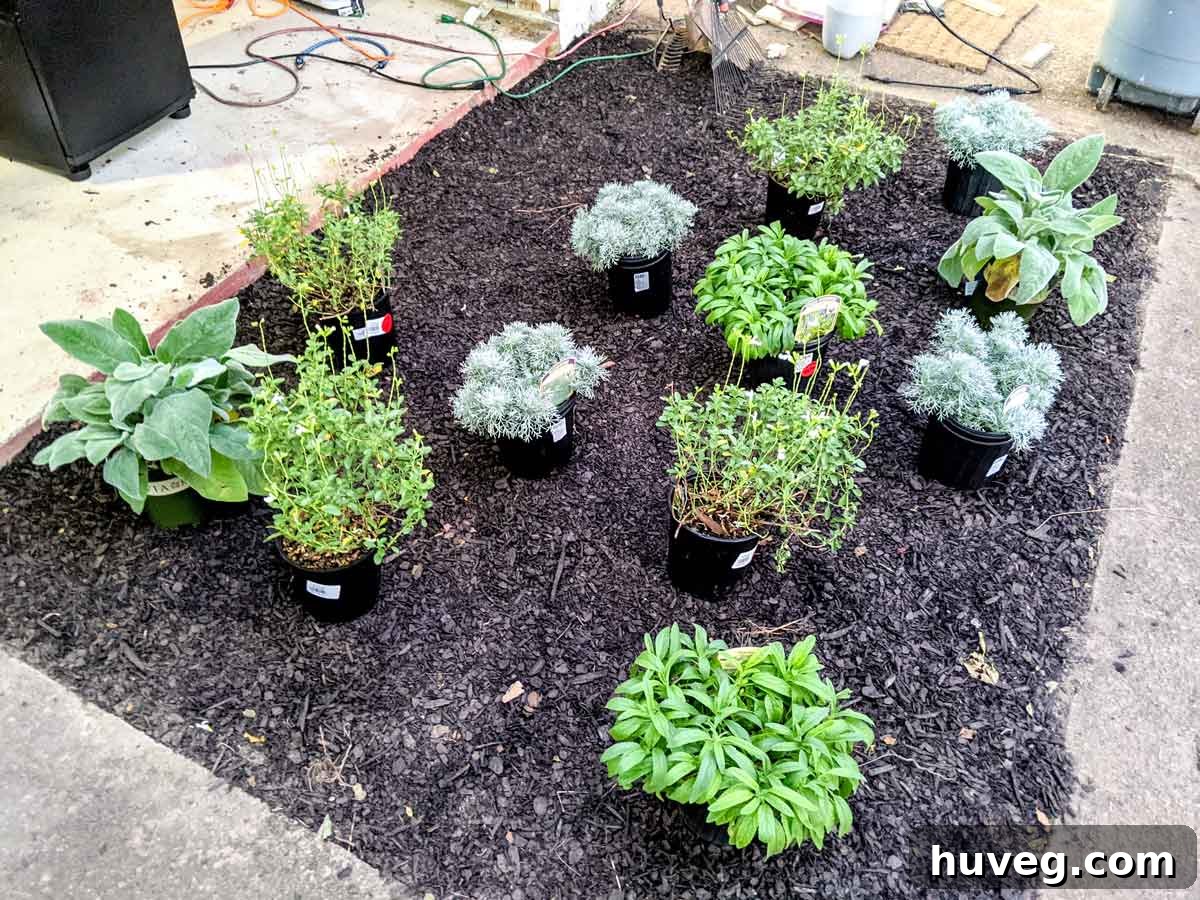
Before you even think about digging a single hole, take all the potted plants you’ve purchased and arrange them directly on the garden bed in their containers. This “dry run” is an indispensable step in garden design. It provides a clear visual representation of how each plant will fit into the overall scheme, allowing you to fine-tune spacing, visualize their mature height and spread, and identify any unexpected gaps or overcrowded areas. This pre-planning phase saves immense effort and potential mistakes down the line. By confirming your layout upfront, the actual planting process becomes significantly faster and more efficient, as you can focus solely on the physical task of planting without the added mental load of deciding on placement.
Step 4: Planting Your Garden – A Gentle Approach
With your weed barrier firmly in place and your plant layout finalized, you’re ready to begin planting. Using a sharp utility knife, cut an ‘X’ or ‘+’ shape into the landscape fabric at each designated plant location. This is surprisingly satisfying! Fold back the resulting flaps to expose the prepared soil underneath. Dig a hole that is sufficiently wide and deep to comfortably accommodate the plant’s entire root ball, allowing a little extra space for expansion.

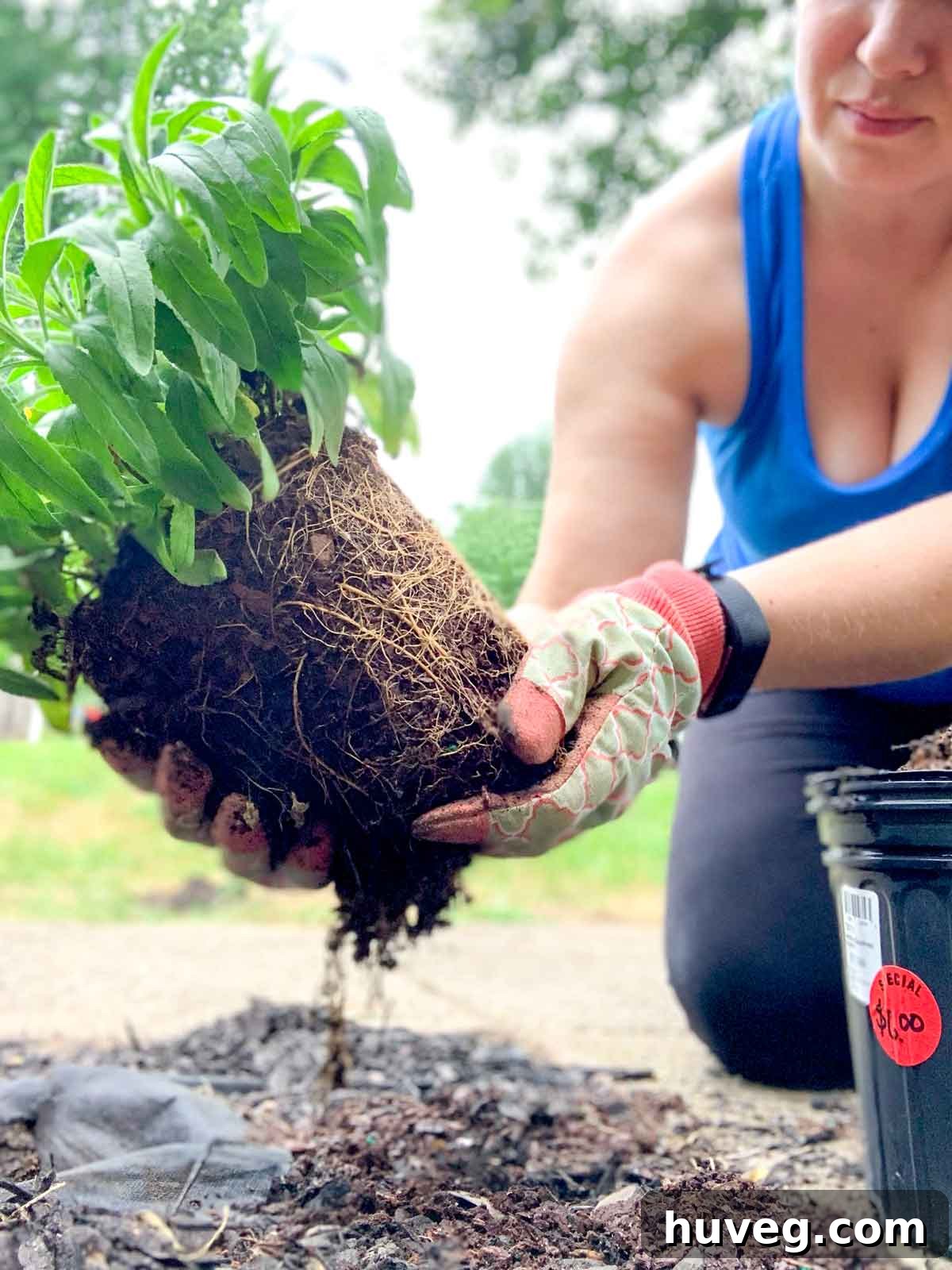
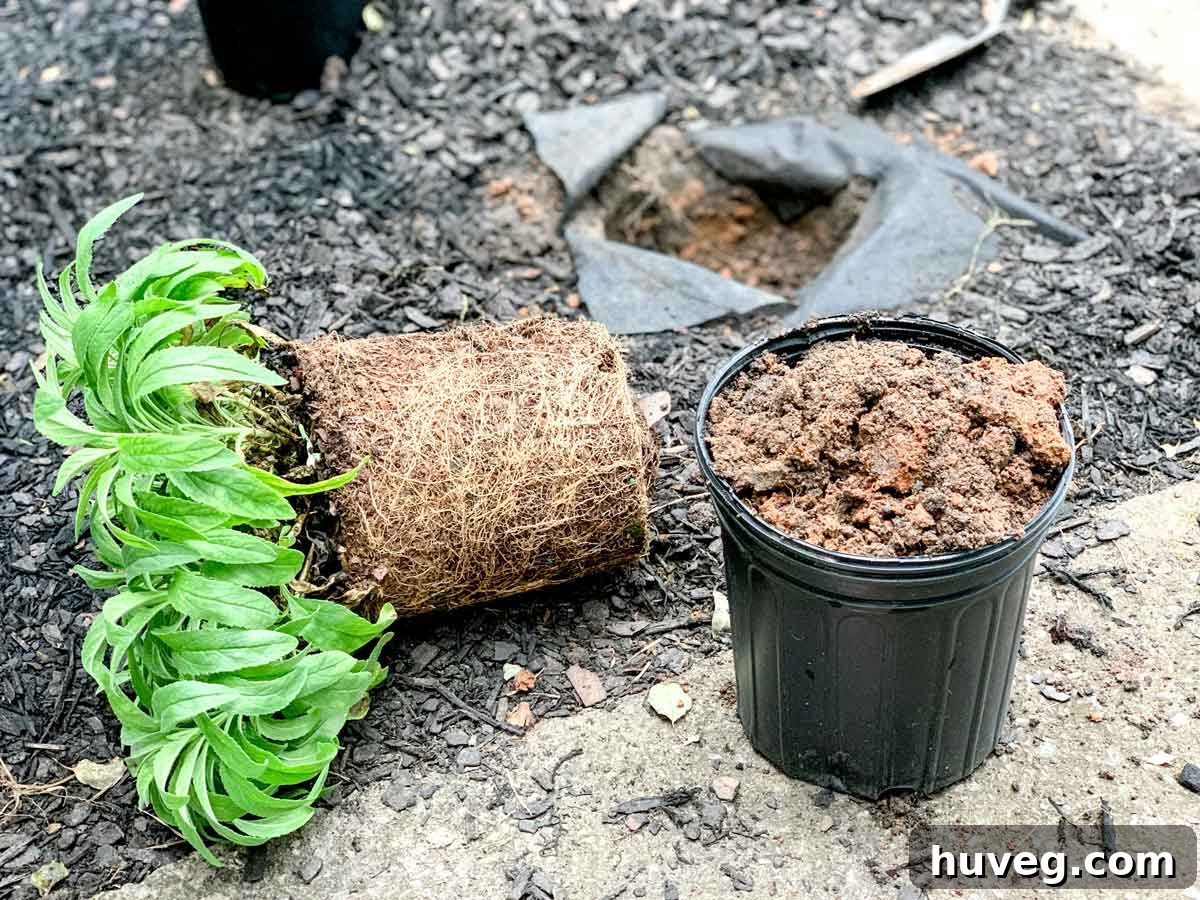
Next, gently remove the plant from its nursery pot. A common mistake is pulling the plant by its stem, which can cause significant damage. Instead, lay the plant on its side and apply gentle, even pressure around the bottom and sides of the pot. This technique helps loosen the root ball, allowing the plant to slide out without stress to the stem or roots. If you’re working with amended soil, you can often put any excess soil from the plant pot back into the empty pot for later reuse.
Tip: Avoid this common mistake! Many gardeners try to hold the plant by its base and pull the container off, which can damage the stem and root system. Instead, gently lay the potted plant on its side and apply pressure around the pot’s bottom until the plant loosens. The root ball will then easily slip out intact.
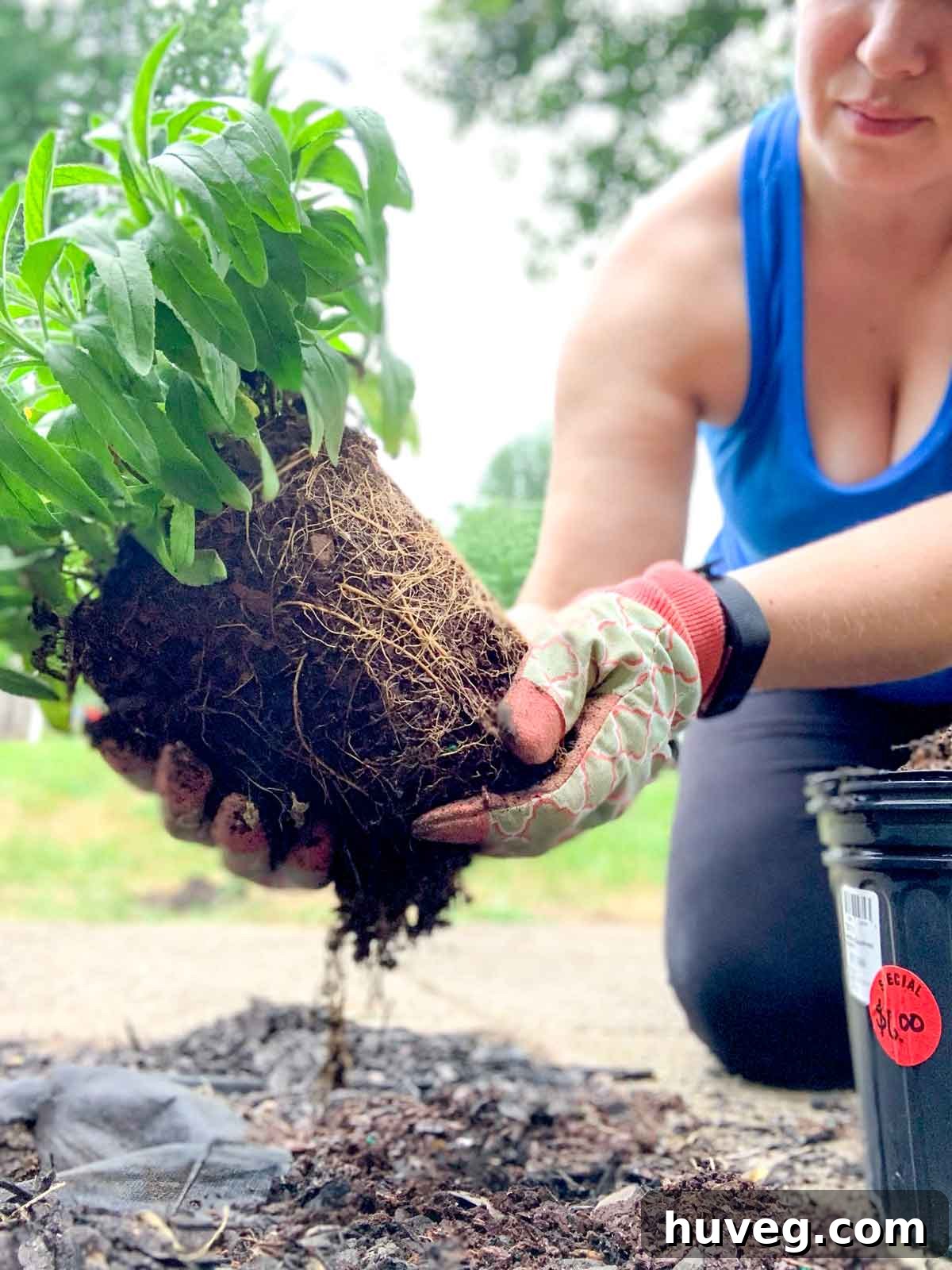
Before placing the plant in the ground, it’s crucial to gently loosen and tease apart the root ball, especially if the roots are circling tightly. This encourages the roots to spread outwards into the new soil rather than continuing to grow in a compacted shape. Mix some of the soil from the plant pot with the surrounding garden soil in the hole; this helps the plant transition smoothly, preventing “transplant shock” where growth might stall due to drastic changes in soil composition. Position the plant at the same depth it was in its nursery pot, ensuring the crown is level with the surrounding ground. Fill any gaps around the root ball with your prepared garden soil, gently but firmly packing it down to remove air pockets. Once complete, fold the flaps of the landscape fabric back over the soil around the plant’s base. Repeat this process for all your plants.
Step 5: The Finishing Touches – Mulch and Immediate Watering
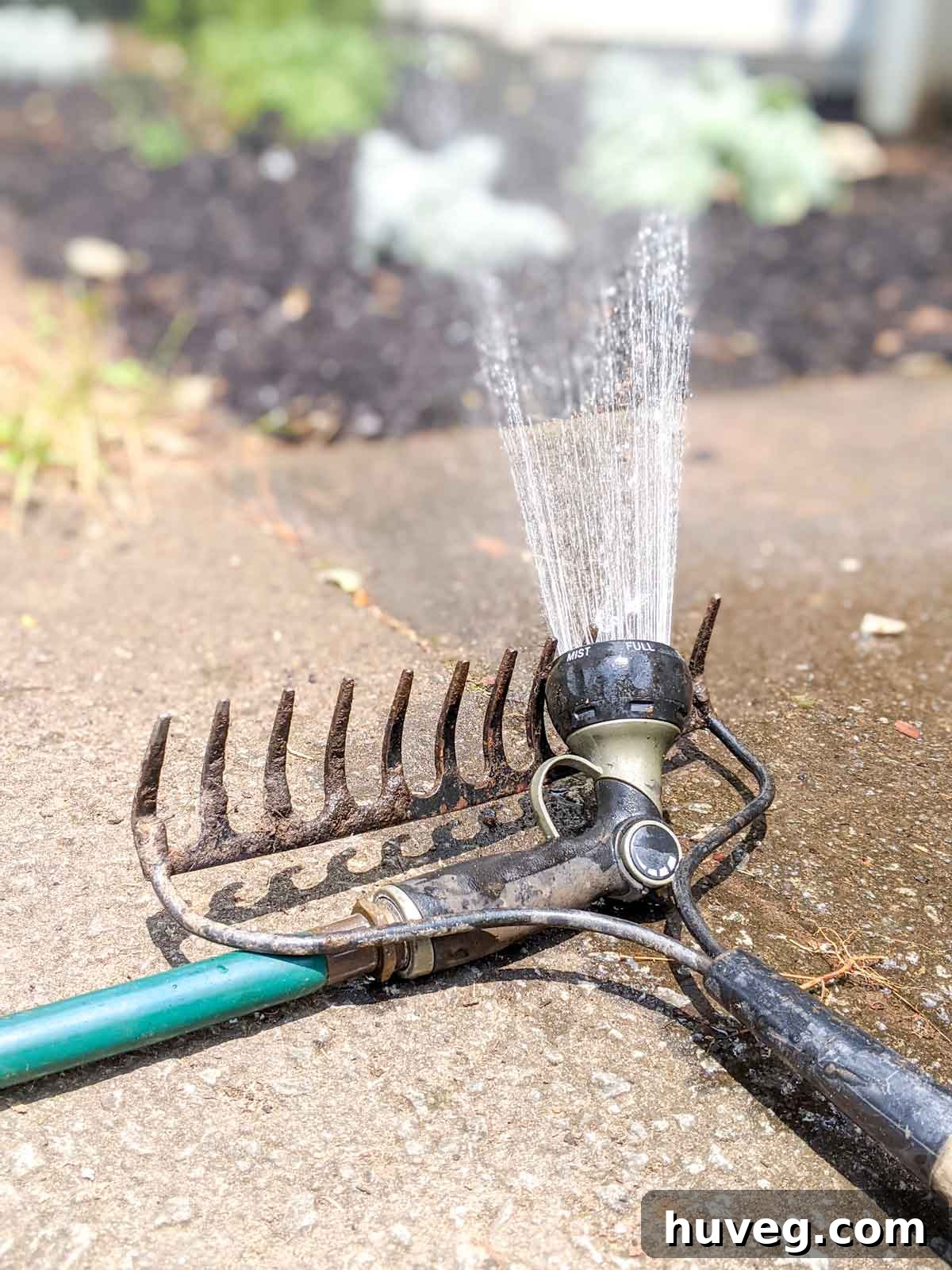
With all your plants securely in the ground, the next vital step is to apply a thick layer of mulch across the entire garden bed. I personally favor black wood mulch over rock, primarily for its numerous benefits to soil health. As organic mulch decomposes over time, it continuously enriches the soil with essential nutrients, enhancing its fertility and structure. Furthermore, mulch is an exceptional weed suppressant, significantly reducing the amount of time you’ll spend weeding. It also acts as an insulating layer, helping to regulate soil temperature and, crucially, retaining soil moisture, which means less frequent watering. Aim for a 2-4 inch layer, keeping it a few inches away from the stems of your plants to prevent rot. After mulching, give your newly planted garden a thorough and deep watering with a garden hose. Immediate watering is paramount because replanting can temporarily expose delicate root systems to dry air, especially on a sunny day. This initial soak helps settle the soil around the roots, eliminating air pockets and providing much-needed hydration for a strong start.
Step 6: Step Back and Enjoy Your Beautiful, New Flower Garden!
The transformation of my front yard garden has been nothing short of amazing! I deliberately waited a few months to share this update, wanting to observe how the plants matured and performed throughout the summer season. This wait allowed me to confirm that my initial spacing and plant choices were indeed correct. The Lamb’s Ear, for instance, grew in magnificently, creating a lush, silvery carpet that garnered constant compliments from neighbors and delivery personnel alike. The frequent inquiries about the names of my plants were, to me, the ultimate validation that this new design was a resounding success and a vast improvement over previous attempts.

And speaking of successful designs: the enhanced curb appeal worked wonders precisely when we decided to LIST THE HOUSE! That’s right – after much deliberation, we concluded it was time for our next grand adventure in home remodeling. This successful garden transformation was a key factor in presenting our home beautifully to potential buyers. Stay tuned for many more post updates, as I have a wealth of exciting news and captivating reveals to share from our next chapter!
More Gardening Ideas to Inspire You
SEE ALL GARDENING
Discover DIY tips on how to improve and grow vegetables in your backyard, nurture beautiful flowers, and much more.
-
How to Build a Beautiful Flower Bed for Tons of Curb Appeal
-
Not Sure What to Plant? Try a Summer Butterfly Garden
-
How to Build a Better Bee House | Free Plans
-
Buying Houseplants Online: What to Look For & My Fave Shops
-
3 Easy Ways to Propagate Hydrangeas
-
Adding Some Wow to the Deck with Colorful New Plants & Planters