How does the floor fare?

Painted Linoleum Floors: How My DIY Experiment is Holding Up Years Later
It’s been quite some time since I embarked on my rather adventurous journey of painting linoleum floors. This budget-friendly, DIY floor makeover project sparked a lot of curiosity, and understandably, I’ve received a steady stream of questions from readers eager to know the long-term verdict. The main concerns? Durability, the presence of scratches, whether I’d recommend doing it again, and crucial advice for anyone considering this transformation for their own home.
Today, I’m peeling back the curtain to give you an honest and detailed update on my painted linoleum floor experiment, offering insights gained through real-world use – and even a significant renovation project. Let’s dive into how this unconventional flooring choice has truly stood the test of time and turmoil.
Surviving the Renovation Onslaught: A True Test of Durability
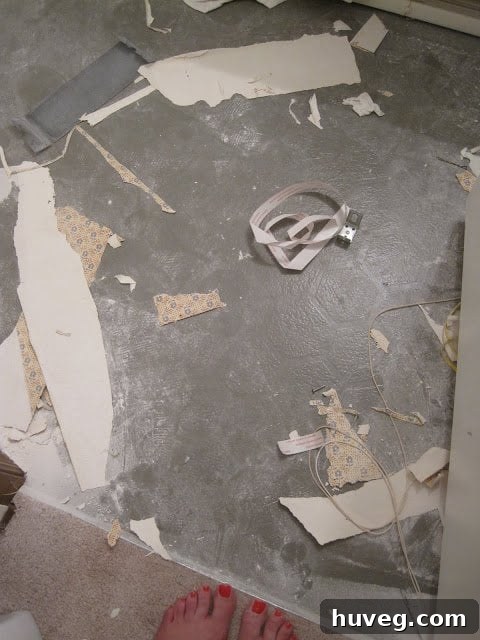
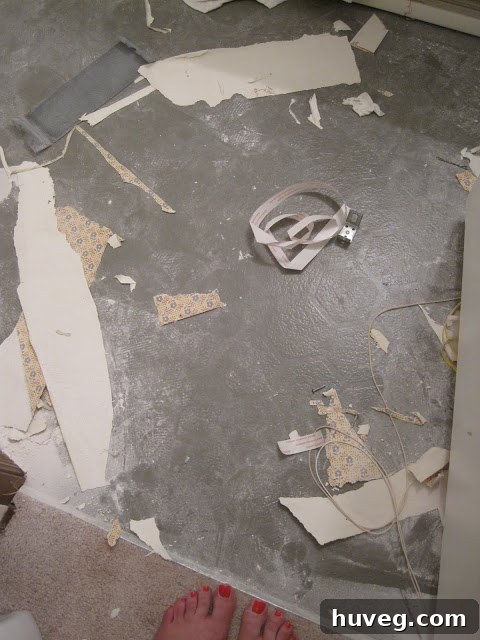
As you might have inferred, the very floor I painted became an unwitting participant in a major room overhaul. This space has been at the epicenter of my recent renovation efforts, enduring everything from aggressive demolition to detailed skim coat work. It has been subjected to an incessant onslaught of joint compound, drywall dust, the accidental drop of metal tools, scraping, and even wet paper during wallpaper removal. Through all of this chaos, I am genuinely thrilled and, frankly, a little surprised to report that the painted linoleum floor is still in remarkably good shape.
This room, currently far from its finished state and certainly not what one would call “inhabitable,” has provided the ultimate stress test. I anticipated significant damage, scratches, or peeling under such harsh conditions. Yet, the paint has held fast, exhibiting an impressive level of resilience against the everyday (and not-so-everyday) abuses of a construction zone. This experience has truly elevated my confidence in the potential of painted linoleum as a viable and surprisingly durable flooring solution, especially when done correctly.
Where the Paint Met Its Match: Lessons from Wallpaper Removal
While the overall performance has been stellar, there has been one notable instance of minor damage that warrants discussion. The only time I’ve observed the paint suffering has been during the “wet paper + glue” phase when I removed old wallpaper from the walls. The incredibly stubborn old wallpaper, saturated with water and glue, managed to adhere pretty fiercely to certain spots of the painted surface.
When the wet paper was pulled away, it took small flecks of the paint with it in a few isolated areas. This suggests that while the paint adheres well to the linoleum, a strong, prolonged adhesive contact, particularly with moisture, can challenge its bond. Fortunately, these minor imperfections are relatively easy to address. The most likely and straightforward fix involves carefully scraping off any remaining loose spots and then touching them up with a fresh coat of the original paint. This small incident serves as a valuable lesson: painted surfaces, regardless of their robustness, have their limits, and extreme adhesive interactions are among them.
Considering a Painted Linoleum Floor? Essential Advice for Success
If my long-term review has sparked your interest in painting your own linoleum floor, there are critical steps and considerations to ensure your project’s success and longevity. This isn’t just about picking up a brush; it’s about smart planning and meticulous execution.
1. Prioritize Your Renovation Order: Walls. Then. Floor.
This is perhaps the most crucial piece of advice, not just for painted floors but for virtually any flooring installation or refresh. Before you even think about putting paint on your linoleum, ensure that all “dirty” and potentially damaging work in the room is completed. This includes:
- Painting Walls and Ceilings: To prevent paint drips and splatters from marring your freshly painted floor.
- Installing or Painting Cabinets: Heavy cabinets can scratch or dent new floors, and painting them in place risks drips.
- Drywall Work, Skim Coating, Plastering: These processes generate immense dust and debris that are difficult to clean thoroughly without damaging a new finish.
- Any Demolition or Construction: Tools, falling debris, and heavy foot traffic are all enemies of a pristine floor.
By adhering to the “walls, then, floor” mantra, you protect your hard work and investment, ensuring your painted linoleum remains flawless from day one.
2. Meticulous Preparation is Non-Negotiable
The success of any painting project, especially on a surface like linoleum, hinges almost entirely on proper preparation. Skimping here will inevitably lead to peeling, chipping, and frustration.
- Thorough Cleaning: Begin with an exhaustive cleaning to remove all dirt, grease, wax, and grime. Use a strong degreaser and scrub the entire surface. Rinse thoroughly with clean water multiple times to ensure no residue remains. Allow the floor to dry completely.
- Sanding/Scuffing: Linoleum often has a slick, sometimes waxy finish. Lightly scuffing the surface with a fine-grit sandpaper (e.g., 180-220 grit) will create “tooth” for the primer and paint to adhere to. This doesn’t require heavy sanding; just enough to dull the sheen. Vacuum thoroughly after sanding to remove all dust.
- Priming is Paramount: Do not skip primer. Use a high-quality bonding primer specifically designed for difficult surfaces like vinyl or linoleum. Oil-based primers or specialty primers like Zinsser B-I-N Shellac-Base Primer are often recommended for their superior adhesion and stain-blocking properties. Apply two thin coats, allowing adequate drying time between each.
3. Choose the Right Paint and Topcoat for Durability
Not all paints are created equal, especially when it comes to floors. You need a product designed to withstand foot traffic and abuse.
- Floor-Specific Paint: Opt for a durable floor enamel or porch and floor paint. These paints are formulated for high-traffic areas and offer enhanced scuff and scratch resistance. Latex-based floor paints are easier to clean up, but oil-based versions often provide a harder, more durable finish.
- Consider Epoxy Paint: For exceptionally high-traffic areas or environments prone to moisture (like bathrooms or kitchens), a two-part epoxy floor paint can offer superior durability and water resistance.
- Multiple Thin Coats: Apply at least two, preferably three, thin coats of paint. Thin coats adhere better and cure harder than thick coats. Allow each coat to dry completely according to the manufacturer’s instructions, which can sometimes be 24 hours or more.
- Protective Topcoat/Sealer: This is your floor’s final shield. A clear, water-based polyurethane or a durable clear coat designed for floors will significantly enhance scratch resistance and prolong the life of your painted floor. Apply 2-3 coats for maximum protection, ensuring sufficient drying time between applications.
4. Allow Ample Curing Time
Drying time and curing time are not the same. While a painted floor may feel dry to the touch in a few hours, it takes several days, sometimes even weeks, for the paint to fully cure and reach its maximum hardness. During this curing period, be gentle with your new floor:
- Avoid heavy foot traffic.
- Do not drag furniture.
- Refrain from placing rugs or mats, as they can stick to partially cured paint.
5. Ongoing Maintenance and Protection
Even the most durable painted floor benefits from proper maintenance and preventative measures.
- Regular Cleaning: Sweep or vacuum frequently to remove abrasive grit. Mop with a mild, pH-neutral cleaner. Avoid harsh chemicals or abrasive scrubbers.
- Furniture Pads: Place felt pads under all furniture legs to prevent scratches and gouges.
- Rugs in High-Traffic Areas: While not immediately after painting, once cured, consider placing area rugs in zones with heavy foot traffic to offer an additional layer of protection.
- Prompt Spill Cleanup: Address spills immediately to prevent staining or paint degradation, especially for liquids like oil, solvents, or acidic substances.
Would I Do It Again? My Honest Recommendation
Having witnessed firsthand how this painted linoleum floor has endured not only daily life but also the extreme conditions of a major renovation, my answer is a resounding “yes!” However, this affirmation comes with important caveats.
Painting linoleum floors is an excellent, cost-effective solution for:
- Budget-Conscious Renovations: It offers a significant aesthetic upgrade without the expense of full floor replacement.
- Temporary Solutions: If you’re planning a more permanent flooring solution down the line but need an immediate refresh.
- Customization and Creativity: The ability to choose any color or even add patterns opens up a world of design possibilities not available with traditional linoleum.
- Giving Old Floors a New Life: It’s an eco-friendly option that repurposes existing materials.
It is crucial, however, to approach this project with realistic expectations. A painted floor will likely not offer the identical longevity or pristine finish of professionally installed, high-end flooring materials. It is susceptible to specific types of damage, as my wallpaper removal experience showed. But with diligent preparation, the right materials, and careful maintenance, a painted linoleum floor can be a remarkably durable and aesthetically pleasing solution that significantly extends the life and appeal of your existing flooring.
Dive Deeper into the Project
Want to know more about the genesis of this project? Curious about why I initially decided to paint the floor, and what it looked like before I turned the entire room into the glorious mess it is now during its remodeling phase? You can read all about the initial transformation and the ‘before’ story right here. It provides the full context for this long-term update!
Still have lingering questions about the process, materials, or durability? Don’t hesitate to ask! Feel free to leave a comment below or reach out directly. I’m always happy to share my experiences and insights to help you achieve your own successful DIY home improvements.