The Soulful Kitchen: Where Moods Are Stirred

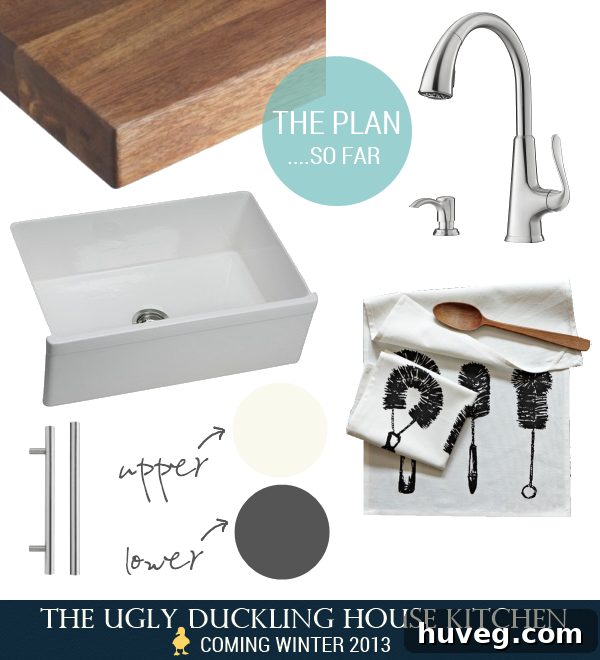
Starting a kitchen renovation project is an exhilarating journey, filled with anticipation and the promise of transforming a vital space in your home. It’s a process where imagination meets practicality, and every decision, big or small, contributes to the final masterpiece. Just like a captivating movie poster hints at an epic story, a well-conceived plan lays the groundwork for a truly remarkable kitchen transformation. The initial blueprint, much like a teaser, offers a glimpse into the future, building excitement and setting the stage for the unveiling of your dream kitchen.
Crafting Your Dream Kitchen: The Power of a Mood Board
Yesterday, we shared a peek at our ambitious kitchen to-do list, a comprehensive roadmap outlining the steps to bring this vision to life. Today, we’re diving deeper into the heart of our design process: the kitchen mood board. This visual compilation isn’t just a collection of pretty pictures; it’s a critical tool that translates abstract ideas into tangible inspiration, guiding every selection from cabinet finishes to faucet styles. It’s where the aesthetic soul of your new kitchen begins to take shape, allowing for coherent design decisions before a single item is purchased or a hammer is lifted.
Why a Kitchen Mood Board is Indispensable for Your Renovation
A mood board serves as the compass for your kitchen renovation, helping you navigate the vast sea of design choices. It’s a carefully curated collage of images, textures, colors, and materials that collectively represent the desired look and feel of your space. For our kitchen project, this board became an essential filter, ensuring that every element considered aligned with our overarching design philosophy. It helps to visualize the synergy between different components, revealing potential clashes or harmonies long before they become costly real-world mistakes. By seeing everything together, you can confirm your initial ideas, or just as importantly, pivot and refine them. This iterative process is invaluable, saving both time and budget in the long run.
The beauty of a mood board lies in its ability to tell a story without words. It communicates the vibe, the functionality, and the personality you envision for your kitchen. It’s also an excellent way to communicate your ideas with contractors, designers, or even just your significant other, ensuring everyone is on the same page. From identifying the perfect shade of gray for cabinetry to selecting the ideal texture for countertops, the mood board acts as a central repository for all design inspiration, helping to maintain consistency and focus throughout the renovation.
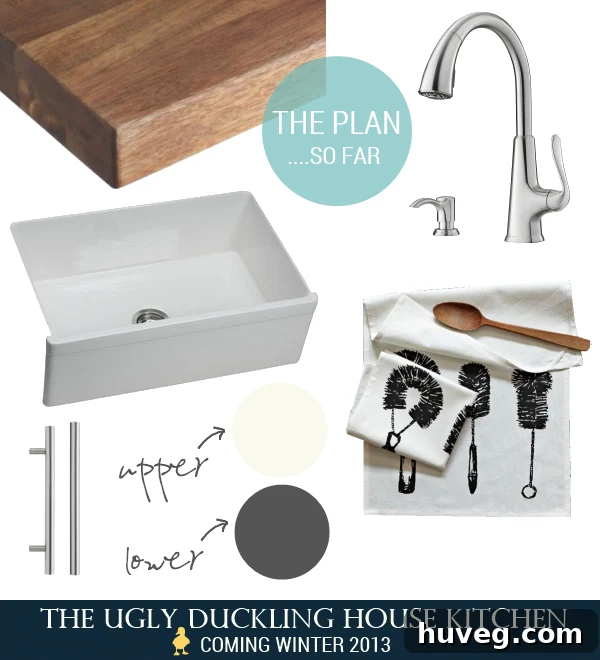
Above, you’ll find the current iteration of our kitchen mood board, a dynamic and evolving representation of our aesthetic goals. While many elements are still conceptual – nothing has been purchased yet, apart from a charming West Elm tea towel destined for framing as kitchen art – the board firmly establishes the design direction. This particular tea towel, though not precisely the one pictured on the mood board, encapsulates the core of our preferred palette: a sophisticated blend of black, white, and various shades of gray. This neutral foundation provides a serene and timeless backdrop, allowing for effortless integration of other design elements. To infuse warmth and an organic touch, we plan to introduce natural wood accents, creating a balanced and inviting atmosphere. The overall aim is a clean, contemporary kitchen that feels both fresh and enduring, with the flexibility to incorporate pops of color through easily changeable accessories, allowing for seasonal refreshes or evolving tastes.
A Timeless Neutral Palette with Organic Warmth
The decision to anchor our kitchen design in a black, white, and gray neutral color palette is a deliberate one, driven by a desire for timeless elegance and versatile appeal. These classic hues offer an incredible foundation that transcends fleeting trends, ensuring the kitchen remains stylish for years to come. White brings brightness and an airy feel, making the space appear larger and more open. Gray, in its myriad forms, adds depth, sophistication, and a calming influence, serving as a perfect bridge between the starkness of white and the drama of black. When layered thoughtfully, these neutrals create a harmonious backdrop that allows architectural details and textures to truly shine.
To prevent the space from feeling too stark or cold, the integration of natural wood elements is crucial. Wood introduces essential warmth, tactile texture, and an organic quality that grounds the design. Whether through butcher block countertops, shelving, or thoughtfully placed decorative items, wood brings an inviting, earthy balance to the sleekness of the neutral colors. This blend of cool and warm tones, hard and soft textures, is key to creating a kitchen that is both chic and comfortable, a truly livable space that invites gathering and culinary creativity. The beauty of this palette also lies in its adaptability; it effortlessly complements various design styles, from minimalist contemporary to modern farmhouse, making it a truly universal choice for homeowners seeking enduring appeal.
The Charm of Two-Tone Cabinetry: Blending Style and Function
A distinctive feature of our kitchen design is the choice of two-tone cabinetry: crisp white for the upper cabinets and a rich, dark gray for the lower units. This popular design strategy is not only visually appealing but also highly functional. Upper white cabinets are instrumental in maximizing the perception of space and light, reflecting natural illumination and making the kitchen feel more expansive and airy. This is particularly beneficial in kitchens where natural light might be limited, as white surfaces naturally bounce light around the room, brightening every corner.
Conversely, the lower dark gray cabinets serve to ground the space, providing a sophisticated anchor that adds depth and definition. Darker tones on lower cabinets are also inherently more practical for concealing scuffs, fingerprints, and daily wear and tear, especially in a high-traffic area like a kitchen. This dual-tone approach creates visual interest, breaking up the monotony that an entirely uniform cabinet color might present, and introduces an element of bespoke design. The dark gray will beautifully complement the planned butcher block countertops, establishing a pleasing contrast that highlights both elements. Furthermore, this specific color choice plays a vital role in ensuring aesthetic cohesion with other visible parts of our home, particularly the black and white staircase, which is easily seen from the front door. Maintaining this consistent palette throughout adjacent spaces creates a seamless flow and a sense of thoughtful design across the entire home’s interior.
Butcher Block Countertops: Where Beauty Meets Enduring Functionality
For the countertops, we are leaning towards butcher block, most likely sourced from Ikea. Butcher block countertops offer a unique blend of natural beauty, warmth, and versatility that aligns perfectly with our desired aesthetic. Crafted from solid wood strips glued together, these countertops bring an organic, inviting texture to the kitchen, softening the sleek lines of the cabinetry and fixtures. The natural grain and inherent variations in the wood add character and a bespoke feel that engineered materials often lack. They are also incredibly durable and, with proper care and maintenance, can last for decades, developing a rich patina over time that adds to their charm.
Beyond their aesthetic appeal, butcher block countertops are also celebrated for their practical advantages. They are remarkably forgiving to knives, making them an excellent surface for food preparation, and minor scratches can often be sanded out, allowing for easy restoration. Their relatively affordable price point, especially when compared to natural stone or engineered quartz, makes them an attractive option for budget-conscious renovators who do not wish to compromise on style or quality. The warmth of the wood will provide a beautiful contrast to the dark gray lower cabinets, creating a balanced and visually appealing workspace that feels both robust and welcoming. We foresee this choice contributing significantly to the overall clean, natural, and inviting atmosphere of the completed kitchen space.
Seamless Flow: Integrating Kitchen Design with Your Home’s Overall Aesthetic
A truly successful home renovation considers the broader context of the entire living space, ensuring that each room flows harmoniously into the next. For our kitchen, this principle is paramount, especially given its visible proximity to the home’s main entry points. The deliberate choice of a black, white, and dark gray palette for the kitchen cabinetry is not an isolated decision; it’s a direct extension of the existing aesthetic established by our black and white staircase. This strategic continuity creates an undeniable visual connection, fostering a sense of cohesion and thoughtful design that permeates the entire home.
When distinct areas share a common design thread – be it a color scheme, a material, or a particular style – it elevates the overall feel of the house, making it feel more expansive and professionally designed. For an open-concept living space or even in homes where rooms are separate but visible from one another, this interconnectedness is key. It ensures that walking from the living room into the kitchen or passing by the staircase doesn’t feel like entering an entirely different design universe. Instead, it offers a consistent and pleasant visual experience, reinforcing the home’s unique character and style. This thoughtful integration transforms individual rooms into components of a larger, unified design narrative, making the house feel more intentional, refined, and ultimately, more like home.
Fixture Finesse: The Details That Define Your Space
While the major elements like cabinetry and countertops form the backbone of your kitchen design, it’s often the smaller details – the fixtures – that truly define the space and elevate its functionality and style. For our kitchen, careful consideration has been given to selecting a sink and faucet that not only perform exceptionally but also complement the overall aesthetic. We’ve identified a suitable sink from National Builder Supply and a promising faucet from Pfister Faucets, each chosen to integrate seamlessly into our vision.
The sink, often the most hardworking fixture in the kitchen, requires a balance of durability, size, and style. Our choice leans towards an undermount design, which offers a sleek, seamless look with the countertop and simplifies cleaning. Material selection is also crucial, with options ranging from stainless steel to composite to cast iron. The chosen faucet, beyond its fundamental role in water delivery, acts as a prominent design accent. Considerations include finish (e.g., chrome, brushed nickel, matte black), functionality (pull-down sprayers, touchless technology), and overall style to ensure it harmonizes with the chosen sink and the broader kitchen aesthetic. These fixtures, though seemingly minor, are crucial contributors to both the daily user experience and the overarching design narrative of the kitchen, proving that attention to detail truly matters.
Navigating the Backsplash Labyrinth: Finding Your Perfect Match
One area where the design decisions are still in flux, as many renovators can attest, is the backsplash. The backsplash is more than just a protective barrier against splashes; it’s an opportunity to introduce texture, pattern, and personality into the kitchen. My current contemplation revolves around two popular, yet distinctly different, options: penny tiles and subway tiles. I’ve been captivated by the charming intricacy of penny tiles seen across Pinterest and various design platforms. Their small, circular form creates a unique mosaic effect, adding a playful yet sophisticated dimension. However, the meticulous installation process, often requiring significant patience and precision, gives me pause. I question whether I possess the necessary fortitude to undertake such a detailed tiling project myself.
On the other hand, subway tiles offer a timeless, classic appeal. Their clean lines and versatile nature make them a perennially popular choice. Yet, for this particular house, I’m not entirely convinced they are the right fit. While undeniably elegant, I worry they might not quite capture the specific character or unique flair I envision for our updated kitchen. This indecision is a common hurdle in kitchen design, where the perfect balance between aesthetics, practicality, and personal preference needs to be struck. To overcome such design roadblocks, it’s often helpful to gather physical samples, place them against the chosen cabinetry and countertop materials, and observe them in different lighting conditions throughout the day. This tactile experience can often provide clarity that photographs alone cannot.
Ultimately, a backsplash decision is one that can be made a little further down the line, once the major components are in place. There’s no rush to commit, and sometimes, seeing the cabinets, countertops, and fixtures installed helps to illuminate the ideal choice. There are also countless other options to consider, from classic ceramic and porcelain to more exotic zellige, handmade tiles, or even slab backsplashes that extend the countertop material upwards. For now, I’m comfortable leaving this decision open, allowing the overall design to evolve and reveal its preferred solution organically. After all, with so much on the to-do list, a little breathing room for certain design choices is a welcome luxury.
Bringing Your Vision to Life: The Exciting Journey Ahead
The journey of a kitchen renovation is a dynamic process, filled with discovery, creativity, and the occasional delightful challenge. From conceptualizing the initial mood board to making intricate material selections, each step brings us closer to realizing the dream of a beautifully functional and aesthetically pleasing kitchen. The excitement of transforming a space, injecting it with personal style, and enhancing its practicality is what makes these projects so rewarding. As we move forward, the detailed planning and deliberate choices outlined here will serve as our guide, ensuring that every element contributes to a cohesive, elegant, and highly livable kitchen environment.
Embracing the renovation process with an open mind and a clear vision, as articulated through our mood board and design decisions, empowers us to navigate the complexities with confidence. The anticipation of seeing white upper cabinets reflect light, dark gray bases ground the space, and natural butcher block add warmth is truly invigorating. While some decisions, like the perfect backsplash, may require a bit more contemplation, the foundation is robust. This ongoing evolution is part of the charm of home improvement – a continuous process of refinement and personalization. We’re eager to bring this vision to life, creating a kitchen that not only looks stunning but also serves as the vibrant heart of our home for many years to come.