Textile Treasures

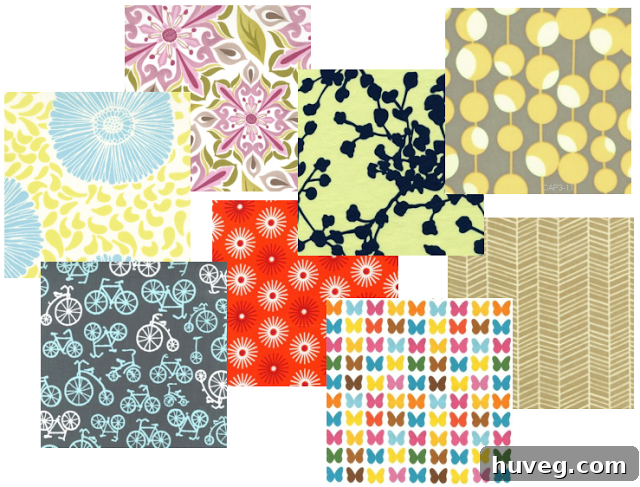
The exhilarating journey of transforming a house reaches a pivotal and highly anticipated stage when the construction dust settles, the drop cloths are folded away, and the heavy tools are finally put to rest. This is the moment when the blueprint translates into a living space, and the exciting prospect of imbuing each room with personality, comfort, and style truly begins. It’s a transition from the structural to the soul-filling, moving from the tangible framework to the intricate details that make a house feel like a home.
For many, including myself, this phase heralds the arrival of textiles. Suddenly, the focus shifts from paint swatches and flooring samples to the luxurious textures and vibrant patterns of fabrics. Curtains to frame the views, plush pillows to invite relaxation, an area rug to ground the space, and a cozy duvet cover to complete a restful sanctuary – these are the elements that add warmth, depth, and character. However, this creative endeavor often comes with a significant challenge: navigating design aspirations within the constraints of a post-renovation budget. It’s a delightful dilemma, demanding both creativity and shrewd shopping strategies.
My current mission revolves around transforming our guest bedroom into an inviting, comfortable haven. I envision a space that feels both stylish and serene, offering our visitors a peaceful retreat. This means carefully selecting the right curtains to ensure privacy and light control, choosing pillows that add both visual interest and soft support, finding an area rug that anchors the room and adds warmth underfoot, and a duvet cover that promises restful nights. The challenge intensifies when every dollar needs to be stretched, compelling a meticulous search for quality items that don’t come with a premium price tag.
The Art of Choosing Textiles on a Budget
Decorating on a budget doesn’t mean sacrificing style or quality; it simply requires a more thoughtful and resourceful approach. Each textile chosen has the power to elevate a room, and understanding how to maximize impact without overspending is key. Let’s explore the individual elements crucial for a guest bedroom makeover and how to approach them strategically.
Curtains: Framing the View and Enhancing Privacy
Curtains are much more than mere window coverings; they are essential architectural elements that can dramatically influence the ambiance of a room. In a guest bedroom, they serve multiple crucial functions: providing privacy, controlling natural light to ensure a good night’s sleep, insulating against drafts, and introducing a significant layer of texture, color, and pattern. The right curtains can soften harsh lines, add a sense of luxury, and complete the overall design scheme.
- Material Matters: Consider lightweight linens for an airy, relaxed feel, luxurious velvets for a touch of opulence and excellent light blocking, or versatile cottons for their durability and ease of care. Each fabric offers a distinct drape and aesthetic.
- Functionality: Decide between sheer curtains that filter light gently, semi-sheers that offer some privacy while still allowing light in, or blackout curtains for complete darkness – a thoughtful touch for any guest room.
- Length and Style: For an elegant look, curtains should ideally just skim the floor or puddle slightly. Common header styles include rod pockets for a classic look, grommets for a modern ripple, or pinch pleats for a more formal, tailored appearance. Ready-made panels are often the most budget-friendly option, but ensure you measure carefully to achieve a custom-like fit. For those with basic sewing skills, simple DIY panels can be incredibly cost-effective, allowing you to choose any fabric you desire.
- Finding Deals: Look for sales at home goods stores, online retailers, and even discount fabric warehouses. Don’t overlook the potential of repurposing or upcycling existing curtains with new trims or dyes.
Pillows: Layers of Comfort and Style
Throw pillows are the unsung heroes of interior design, offering an instant way to add pops of color, introduce diverse patterns, and layer textures. In a guest bedroom, a thoughtfully curated collection of pillows can make the bed feel instantly more inviting and luxurious, transitioning it from merely a sleeping surface to a styled focal point.
- Mix and Match: Play with different textures like knits, faux fur, or velvet, and experiment with various patterns such as geometrics, florals, or abstract designs. Varying sizes and shapes also adds visual interest and depth.
- Invest in Inserts: While decorative covers can be budget-friendly, don’t skimp on quality pillow inserts. A good down alternative or feather-down insert will make even an inexpensive cover feel plush and substantial, providing lasting comfort and shape retention.
- Interchangeable Covers: Instead of buying entirely new pillows, invest in a few quality inserts and multiple covers. This allows for seasonal updates or quick style changes without a significant financial commitment. Look for covers in clearance sections or from independent artisans online.
Area Rugs: Anchoring the Space with Warmth
An area rug is a transformative element in any room, especially a bedroom. It serves to define the space, add warmth underfoot, absorb sound, and introduce another layer of texture, color, and pattern. In a guest bedroom, a well-chosen rug can ground the furniture arrangement, connect different design elements, and create a cozy, welcoming atmosphere.
- Size Matters: Ensure the rug is large enough to extend under the bed and bedside tables, creating a balanced and cohesive look. A common guideline is to have the rug extend at least 18-24 inches beyond the sides of the bed.
- Material Considerations: Wool rugs offer luxurious softness and durability but come at a higher price point. Jute or sisal rugs provide a natural, earthy texture. Synthetic rugs, made from materials like polypropylene, are often more affordable, stain-resistant, and easy to clean, making them practical for a guest room.
- Savvy Shopping: Explore online rug retailers known for competitive pricing, and always check the clearance sections of department stores or home goods outlets. Layering a smaller, more decorative rug over a larger, neutral, and more affordable base rug can also achieve a high-end look without the high cost.
Duvet Covers: The Bed’s Style Statement
As the largest single piece of fabric in a bedroom, the duvet cover acts as the primary canvas for the bed’s style, setting the tone for the entire space. It offers an incredible opportunity to introduce significant color, pattern, and texture, making a bold statement or creating a serene backdrop.
- Fabric Choices: Cotton is a popular choice for its breathability and comfort; percale offers a crisp feel, while sateen provides a smooth, lustrous finish. Linen duvet covers offer a relaxed, lived-in elegance and are incredibly durable. For colder climates, a flannel duvet cover adds extra warmth and coziness.
- Durability and Care: For a guest room, choose a duvet cover that is easy to wash and maintain. Look for quality stitching and durable fabrics that will withstand frequent laundering.
- Budget-Friendly Tips: Opt for a neutral or versatile base color that allows you to easily change the look of the room with different throw pillows and accessories. Keep an eye out for sales during seasonal changes or holiday promotions at major retailers and bedding specialty stores.
The Quest for Affordable Fabrics: Online vs. In-Store
The core of my textile dilemma lies in where to find these essential items without depleting the budget. The advent of online shopping has revolutionized the way we buy fabrics and home goods, offering an unparalleled selection at often competitive prices. However, it also introduces a unique set of challenges compared to the traditional in-store experience.
The Allure and Risks of Online Fabric Shopping
The digital marketplace for fabrics is vast and varied, from large retailers to independent sellers on platforms like Etsy. The primary appeal lies in the sheer volume of choices available at our fingertips, often at prices that are significantly lower due to reduced overhead costs. It’s an ideal environment for comparison shopping, discovering unique patterns, and accessing niche fabrics that might not be available locally.
- Advantages: Access to a global inventory, competitive pricing, the convenience of shopping from home, and the ability to find unique or discontinued patterns. Many online stores, such as Fabric.com or Spoonflower, specialize in textiles, offering detailed descriptions and often customer reviews.
- Disadvantages: The inherent gamble of color accuracy is perhaps the biggest drawback. Screen resolutions and calibrations can dramatically alter how a fabric’s color appears. Similarly, the tactile experience – feeling the texture, assessing the weight and drape – is impossible online. This can lead to unexpected surprises upon arrival.
- Mitigating Risks: Always order samples if available, especially for larger purchases. Read customer reviews for insights into color accuracy and fabric quality. Familiarize yourself with return policies before committing to a purchase. Look for coupon codes, flash sales, and clearance sections, which can yield significant savings.
The Tangible Experience of In-Store Shopping
Despite the convenience of online shopping, the traditional brick-and-mortar fabric store still holds significant value, particularly when precision in color and texture is paramount. There’s no substitute for being able to see, touch, and feel the fabric in person.
- Advantages: The ability to assess true color, texture, and drape instantly. You can envision how the fabric will look in your home’s lighting conditions and feel its quality firsthand. Local fabric stores often have knowledgeable staff who can offer expert advice on suitability and yardage.
- Disadvantages: Selection can be more limited compared to online behemoths, and prices might be slightly higher due to operational costs. However, the certainty of what you’re buying can often outweigh these drawbacks.
- Where to Look: Craft superstores often have extensive fabric sections with frequent sales and remnant bins that can be treasure troves. Dedicated local fabric stores, while potentially pricier, offer high-quality selections and personalized service. Don’t forget home decor outlets or discount retailers that might carry overstock or end-of-season textiles.
Secret Sources and Savvy Shopping Strategies
Beyond the mainstream retail landscape, there are often hidden gems and resourceful methods for unearthing incredible fabric deals. Adopting a mindset of creativity and patience can lead to remarkable finds.
- Upholstery Remnants and Discount Shops: Specialized upholstery supply shops or fabric outlets often have remnants, discontinued rolls, or irregular cuts at significantly reduced prices. These can be perfect for smaller projects like throw pillows or unique chair cushions.
- Estate Sales and Flea Markets: These venues are fantastic for discovering vintage textiles, unique linens, or even antique rugs that can be repurposed or restored. A little elbow grease can transform a neglected find into a cherished piece.
- DIY and Upcycling: If you possess even basic sewing skills, buying raw fabric by the yard and making your own curtains, pillow covers, or even a simple duvet cover can lead to substantial savings. Websites like Pinterest and YouTube are brimming with free tutorials for simple sewing projects. Furthermore, upcycling existing textiles—like dyeing old bedsheets for a fresh look, adding decorative trim to plain curtains, or transforming vintage scarves into unique pillow covers—is a highly sustainable and budget-friendly approach.
- Thrift Stores and Second-Hand Shops: Occasionally, you might stumble upon high-quality curtains, bedspreads, or even designer fabric remnants at thrift stores. While requiring more searching, the payoff can be immense.
Your Expertise is Needed!
As I embark on this exciting, yet challenging, final phase of home renovation, I’m reaching out to this community of design enthusiasts, savvy shoppers, and creative problem-solvers. The collective wisdom of shared experiences is an invaluable resource.
Where do you consistently find the best deals for quality fabrics and home textiles? Do you have a preferred online retailer that consistently delivers on both quality and color accuracy, perhaps even offering reliable sample services? Or do you swear by the tangible experience of in-person shopping, and if so, what are your go-to brick-and-mortar stores or local gems that offer fantastic value?
Perhaps you’ve unearthed a secret source for designer fabrics at a steal—an obscure outlet, a little-known online shop, or a local fabric warehouse? Your insights, personal experiences, and specific recommendations would be immensely helpful to me and to anyone else navigating similar budget-conscious decor projects. Please, don’t hesitate to share your wisdom, post links to your favorite finds, and offer any tips or tricks you’ve learned along your own decorating journeys. Every piece of advice helps turn a house into a truly personalized and beautiful home.