Mastering Kitchen Wall Prep for Your Perfect Tile Backsplash

Welcome, fellow DIY enthusiasts! If you’ve ever dreamt of transforming your kitchen with a stunning tile backsplash, but felt daunted by the process, you’ve come to the right place. Today’s update dives deep into the crucial, often-underestimated, but incredibly rewarding stage of preparing your walls for that perfect tile installation. As you might have caught on Instagram, the most exciting news is this: my beautiful new tile has arrived! It’s finally in my hands, and I can assure you, it’s going to make a spectacular statement.

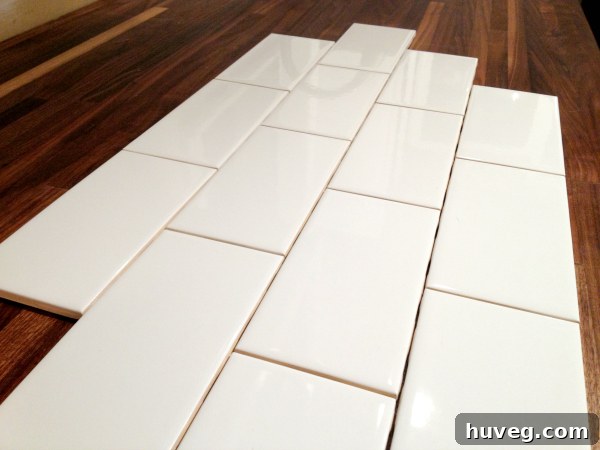
Choosing the right tile is the first step in any backsplash project. For my kitchen, I opted for a timeless classic that would complement, rather than compete with, the natural beauty of my walnut butcher block countertops. These tiles are simple, elegant, and perfectly allow the rich texture of the wood to shine as the room’s focal point. What made these particular tiles even more appealing? They feature built-in spacers, often called “lugs” by tiling professionals, on each side. This small detail significantly streamlines the installation process, especially for DIYers, by ensuring consistent grout lines without the need for additional spacers. And for those hunting for a bargain, I snagged these beauties for a mere 21 cents per tile at Floor and Decor, one of my go-to suppliers for quality and affordability. It just goes to show that a stunning kitchen transformation doesn’t have to break the bank!
Why Meticulous Wall Preparation is Key for a Lasting Backsplash
Every successful tiling project begins long before the first tile adhesive is mixed. It starts with meticulous wall preparation. If you want your beautiful new backsplash to last for years, avoiding cracked grout, loose tiles, or an uneven appearance, then investing time in proper wall prep is non-negotiable. Especially with tiles that have narrow, built-in grout lines like mine (1/16″), any imperfections on the wall surface become glaringly obvious and can severely complicate the installation. Uneven walls can lead to tiles sitting at different depths, creating an unprofessional, ripple-like effect. Taking the time to get the surface perfectly smooth and stable now will save you countless headaches and potential re-work down the line. This foundational step ensures optimal adhesion and a flawless finish, making your DIY efforts truly shine.
Step 1: Repairing Wall Damage from Wallpaper Removal
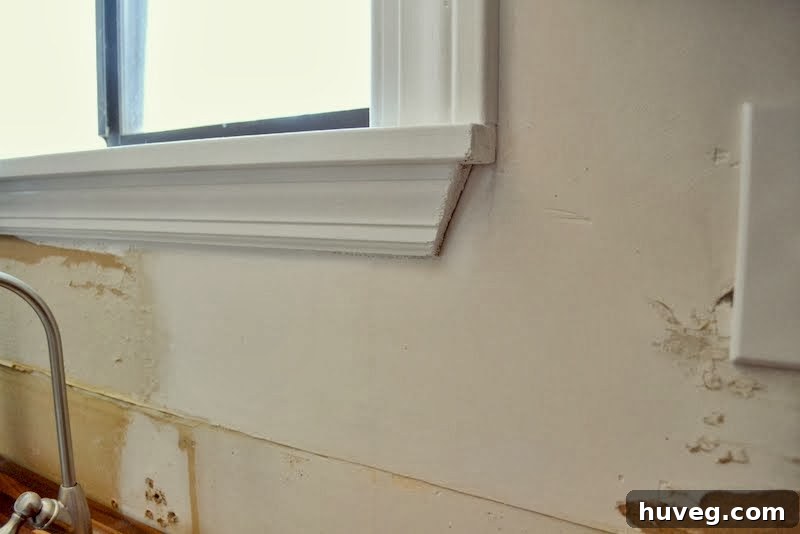
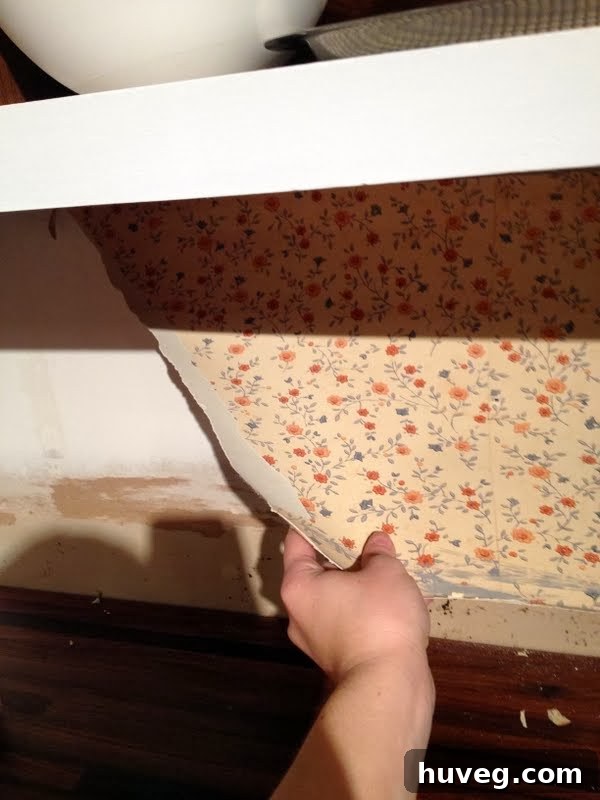
My kitchen renovation journey started with removing old wallpaper from the areas designated for tiling. While satisfying, this process often leaves behind some damage. As expected, peeling away decades-old wallpaper resulted in several gouges and areas where the drywall paper tore. These imperfections need to be addressed before any tile adhesive goes on the wall. To achieve a perfectly smooth and stable surface, I carefully repaired these spots using joint compound, a process similar to how I tackled the pantry wall. The key is to apply thin, even coats, allowing each to dry thoroughly before sanding lightly and applying the next. This ensures that the surface is completely flat and ready to receive the tile, providing a strong, even base for adhesion.
Step 2: Thoughtful Trim Removal for a Seamless Finish
Another crucial step in achieving a professional-looking tile backsplash is addressing existing trim, particularly around windows. In my case, the window’s bottom trim was original to the house, and rather than tiling up to it and creating an awkward visual break, I decided to carefully pry it off. My plan is to reinstall this trim on top of the newly laid tile. This approach ensures a seamless transition and prevents the appearance of the tile “eating” the bottom piece of molding, which can look unfinished and unprofessional. When removing trim, always proceed with caution, using a utility knife to score the paint line and a pry bar with a shim to gently ease the trim away from the wall. This minimizes damage to both the trim and the wall, making reinstallation much smoother.
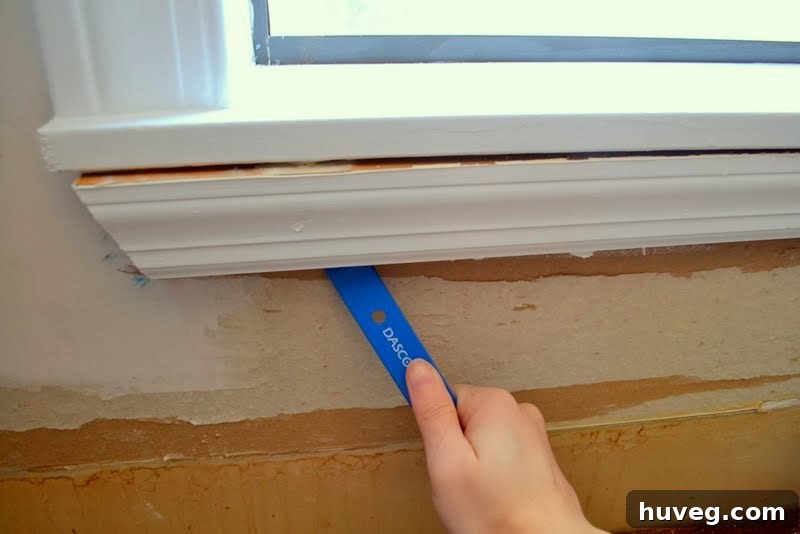
Step 3: Achieving Perfect Smoothness with Skim Coating and Dust-Free Sanding
With repairs made and trim removed, the next step is to achieve an impeccably smooth wall surface. This involves applying a skim coat to any remaining lumpy or bumpy areas, followed by thorough sanding. Skim coating is essentially applying a very thin layer of joint compound over the entire surface to create a perfectly flat plane. This is especially vital for tile backsplashes, as any texture or unevenness on the wall can translate into an inconsistent tile surface, making it difficult to achieve strong adhesion and a professional appearance. I applied the skim coat with a wide drywall knife, using long, even strokes to feather the compound out smoothly.
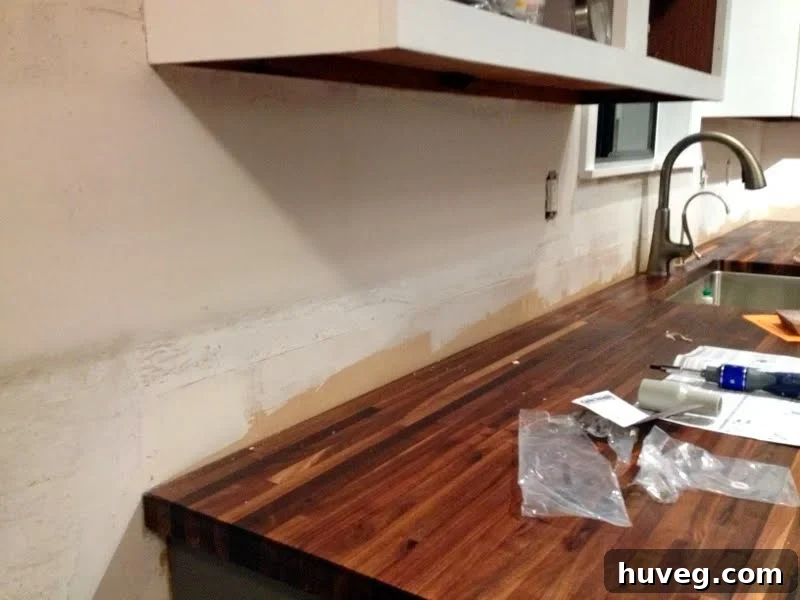
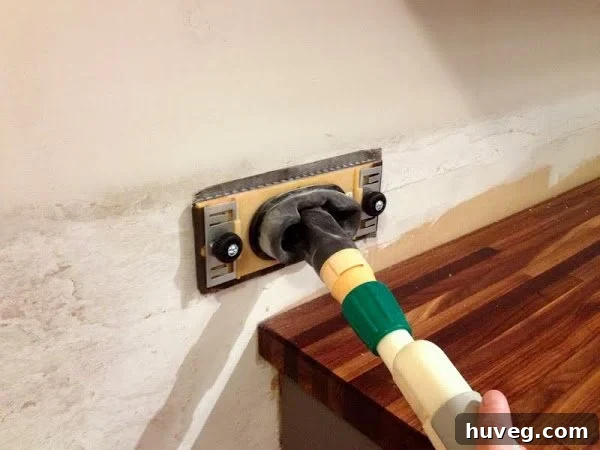
Once the skim coat was fully dry, it was time for sanding. In past projects, I’ve relied on a simple hand sander (and you can find a comprehensive tutorial on how I skim coated my bathroom walls here). However, this time, I planned ahead and invested in a game-changing tool for the job: a Hyde drywall hand sanding kit. This kit includes a 6-foot hose and attachments designed to connect directly to a shop vac. My dad’s thoughtful Christmas gift of a new shop vac (which I hugged like a pony, because tools are often better than ponies for DIYers!) was put to immediate good use. The brilliance of this system is its ability to capture nearly 100% of the drywall dust, preventing it from covering everything in my kitchen and, more importantly, keeping it out of the air I breathe. This isn’t just about convenience; it’s about creating a healthier work environment and drastically cutting down on cleanup time.
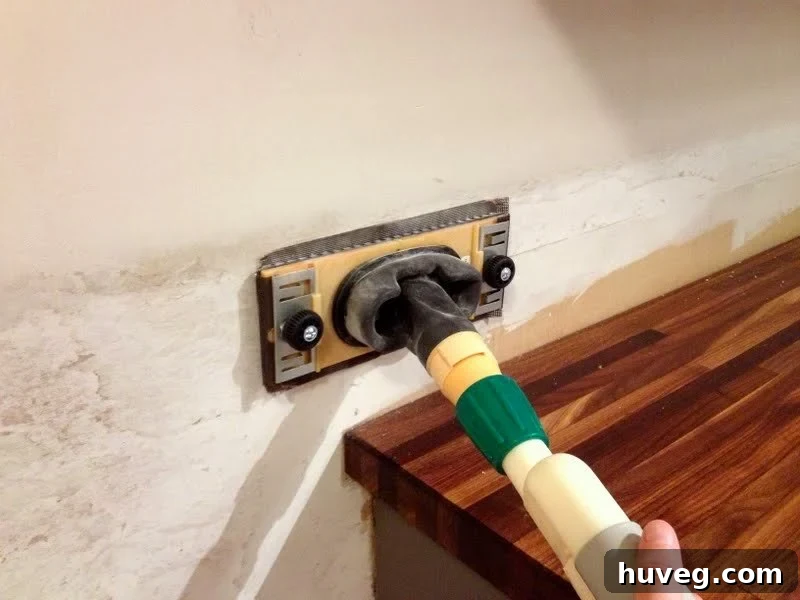
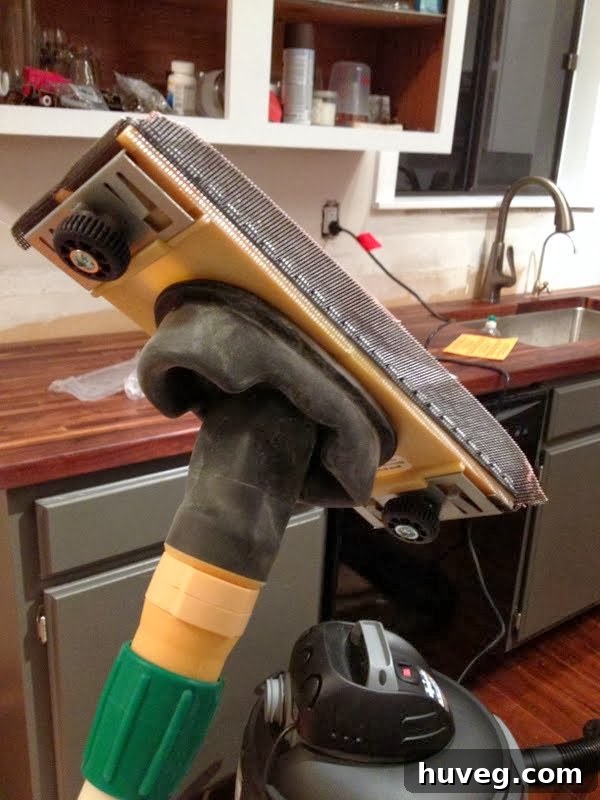
Pro Tip for Dust-Free Sanding: While a standard shop vac is effective for general debris, fine drywall dust requires a special approach. Always use a HEPA filter specifically designed for drywall dust, along with a compatible collection bag. These typically cost around $15 each at the hardware store, but they are an invaluable investment. A regular filter and bag will simply blow the fine dust particles back into the air, defeating the purpose of a dust-collection system. With the right filter, you’ll enjoy truly dust-free sanding, leading to a faster job and significantly cleaner air.
The drywall sanding kit transformed what could have been a tedious, messy task into a quick and efficient one. The entire bottom half of the kitchen walls, from the upper cabinets down to the floor, was perfectly smoothed in less than half an hour! The vacuum’s suction not only collected the dust but also helped the sanding screen glide smoothly across the wall. I highly recommend using sanding screens over traditional sandpaper; they tackle drywall textures much faster and last considerably longer. For those awkward, hard-to-reach areas around the sink, a low-grit sanding sponge proved to be the ideal tool for precise smoothing.
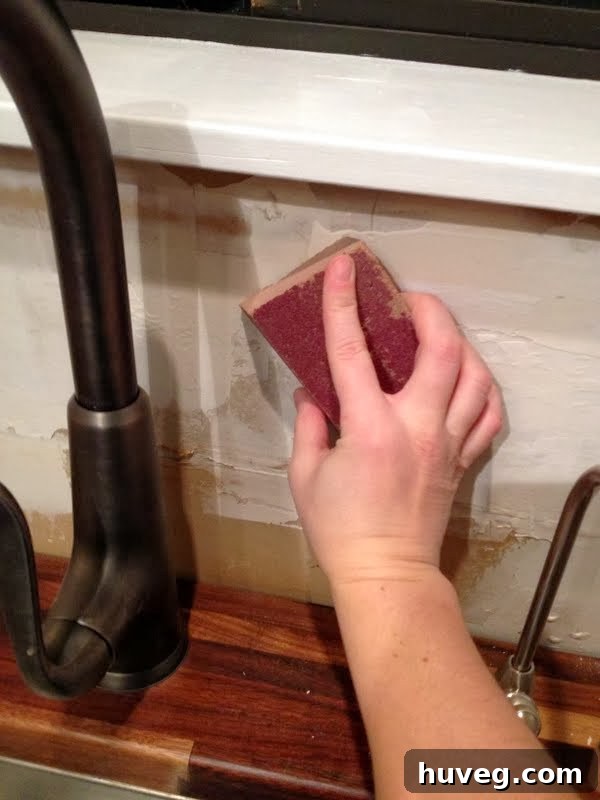
Step 4: Sealing the Walls for Optimal Adhesion
After achieving a silky-smooth surface, an essential, yet often overlooked, step is to seal the walls. My handy uncle wisely recommended this, and it made perfect sense. Joint compound is porous, and if not sealed, it can absorb moisture from the tile adhesive (thin-set), leading to weaker bonds and potential tile slippage during installation. To prevent this, I applied a simple sealer-primer. This step stabilizes the surface, creating an even foundation that ensures the thin-set cures properly and forms a strong, lasting bond with the tile. It’s a small extra effort that makes a significant difference in the longevity and stability of your backsplash. Fortunately, I had plenty of a suitable sealer-primer left over from a previous cabinet painting project, proving that resourceful DIYers always find a way!
Step 5: Meticulous Tile Layout Planning
With the walls perfectly prepped and sealed, the final preparatory step before applying any adhesive is meticulous tile layout planning. While it might seem tempting to just start tiling, a dry run – laying out your tiles on the countertop or floor – is crucial. This allows you to visualize the pattern, assess how the cuts will fall, and identify the most aesthetically pleasing starting point. Since my kitchen wraps around in an L-shape, I carefully mapped out the brick pattern, deciding it would be best to begin tiling from the corner. This strategic starting point helps to minimize unsightly tiny slivers of tile in prominent areas, ensuring that any necessary cuts are placed where they are least noticeable. A well-planned layout can make all the difference between a good and a truly exceptional DIY tile installation.
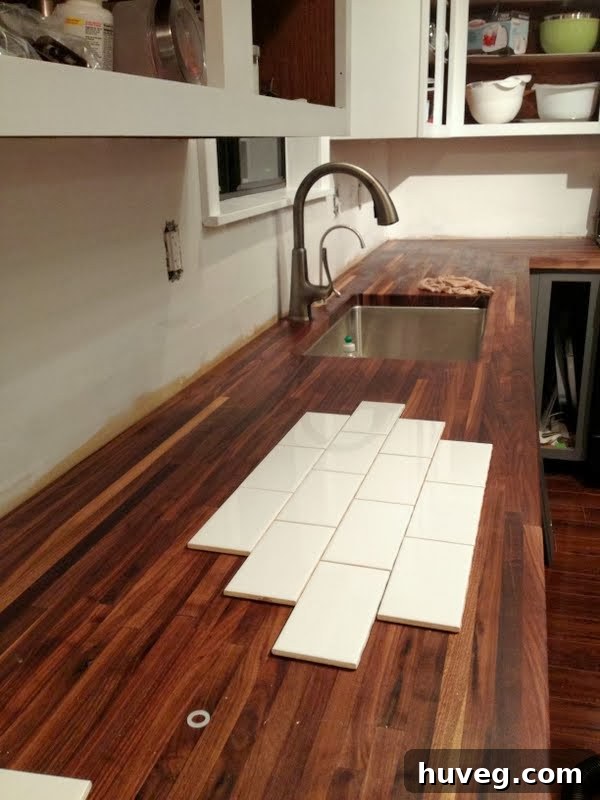
Now, with all the prep work meticulously completed, there’s nothing left but to take the leap and get these tiles on the wall! Cross your fingers that everything goes smoothly, and I’ll have a fantastic update for you next week. As for my friendly Dueling DIY competitor, Carrie, I’m pretty sure I’m giving her a run for her money at this point! Though, in fairness, she’s actually building her cabinets from scratch, which is a massive undertaking I strategically avoided. So, while she’s tackling a more complex build, a little friendly smack talk is part of the fun in this competition, and I’m definitely “kicking her butt” on the backsplash front! What about you? Have you tackled a kitchen backsplash or a similar DIY project? Share your progress and tips in the comments below – I’d love to see what you’re working on!
More Drywall Tips
SEE ALL DRYWALL
Drywall can be intimidating; luckily, I’ve got more posts to help you learn what you need to know! Check them out below.
-
Painting Prep after Drywall Repair
-
Skim Coating Tips: Bubbles, My Favorite Primer, and More
-
DIY Drywall Over Wood Paneling
-
How to Seal Damaged Drywall
-
How to Prep Kitchen Walls for a Tile Backsplash
-
How to Seamlessly Transition Crown Molding Where Tile Meets the Wall