Flawless Surface Preservation

Ultimate Guide to Protecting Your New Laminate Flooring: Say Goodbye to Scratches!
There’s nothing quite like the feeling of stepping onto newly installed flooring. The crisp look, the smooth finish, the sense of accomplishment after a major home improvement project – it’s truly exhilarating. For us, after weeks of diligent work, installing brand-new, commercial-grade laminate flooring throughout our home has been a transformative experience. We made a conscious decision, even embarking on 30-minute trips to find the perfect material, opting for a commercial-grade laminate known for its exceptional durability. We’ve even put the upstairs floors to the test (you can trace our progress here and here) by letting our energetic dog, Colby, run freely, and so far, they’ve held up beautifully without a single scratch. Yet, despite these promising initial results and the inherent toughness of our chosen flooring, a persistent worry lingers: the dread of potential scratches and damage. This “honeymoon phase” with our new floors has me on high alert, constantly scanning for imperfections. My partner, Scott, often observes me walking around with my head tilted, meticulously inspecting every plank. While I might look a tad silly, this vigilance stems from a deep desire to preserve our investment. Short of putting tiny booties on Colby’s paws, I’m committed to implementing every practical measure to protect our pristine surfaces.
The Investment: Why Commercial-Grade Laminate Flooring is a Smart Choice
Choosing the right flooring is a pivotal decision for any homeowner. Our selection of commercial-grade laminate wasn’t accidental; it was a deliberate choice driven by a desire for both aesthetics and unparalleled durability. Unlike standard residential laminates, commercial-grade options are engineered to withstand significantly higher traffic and more rigorous wear and tear. They typically feature a thicker wear layer, which is the transparent top layer that protects the photographic layer underneath, providing superior resistance against scratches, dents, and fading. This robust construction makes them ideal for busy households, especially those with pets or children, where spills and impacts are a regular occurrence. The interlocking plank system also often boasts enhanced water resistance, offering greater peace of mind in areas prone to moisture. Beyond their physical resilience, these laminates offer a wide array of styles, mimicking the natural beauty of hardwood, stone, or tile at a fraction of the cost. They are also remarkably easy to clean and maintain, requiring just a simple sweep or damp mop, which translates to less time spent on chores and more time enjoying your beautiful home. For us, this balance of durability, low maintenance, and aesthetic appeal made commercial-grade laminate the clear winner, promising a long-lasting foundation for our living spaces.
The Ever-Present Threat: Understanding Scratches and Scuffs on Your Floors
Even the most durable flooring, like our commercial-grade laminate, isn’t entirely impervious to damage. Scratches and scuffs are the bane of every homeowner’s existence, capable of diminishing the beauty and longevity of their floors. But how exactly do these unwelcome marks appear? The culprits are often insidious and numerous. Furniture legs, especially those without proper protection, are primary offenders. Every time a chair is pulled out, a table is shifted, or a heavy couch is dragged, unprotected legs can gouge or abrade the surface. Pet claws, even well-trimmed ones, can create micro-scratches that accumulate over time, dulling the floor’s sheen. High heels, dropped objects, and even small bits of grit and debris tracked in from outdoors can act like sandpaper underfoot. The sheer volume of daily activity in a home means that constant vigilance is necessary. Understanding these common sources of damage is the first step in formulating an effective protection strategy. Preventing scratches isn’t just about maintaining the floor’s aesthetic appeal; it’s about preserving its structural integrity and ensuring your investment stands the test of time. Addressing these threats proactively can save you from costly repairs and the disappointment of seeing your beautiful new floors marred.
Our First Line of Defense: The Indispensable Role of Furniture Floor Protectors
With the threat of scratches looming large, our strategy for safeguarding our new laminate flooring began with a simple yet incredibly effective solution: furniture floor protectors. These seemingly minor accessories play a monumental role in preventing direct contact between hard furniture legs and delicate floor surfaces. Essentially, they are small, adhesive-backed pads, typically made of felt or rubber, designed to be affixed to the bottom of furniture feet. Their purpose is straightforward: to create a soft, non-abrasive barrier that allows furniture to glide smoothly across the floor without causing any damage. This significantly reduces friction and impact, protecting against scratches, scuffs, and even dents. The market offers a variety of these protectors, ranging from self-adhesive felt pads that can be cut to size, to screw-in glides for heavier items, and even silicone cups that fully encapsulate furniture legs. Choosing the right type depends on the furniture item, its weight, and how frequently it’s moved. For us, the immediate goal was to cover every piece of furniture that would eventually rest on our new laminate, ensuring comprehensive protection from day one.
Choosing the Right Protectors: A Look at IKEA’s Simple Solution
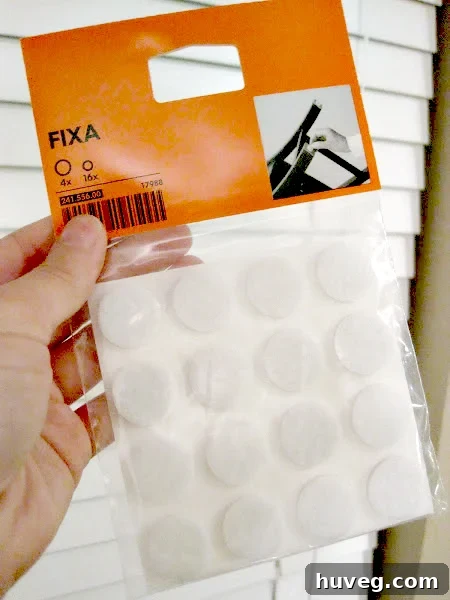
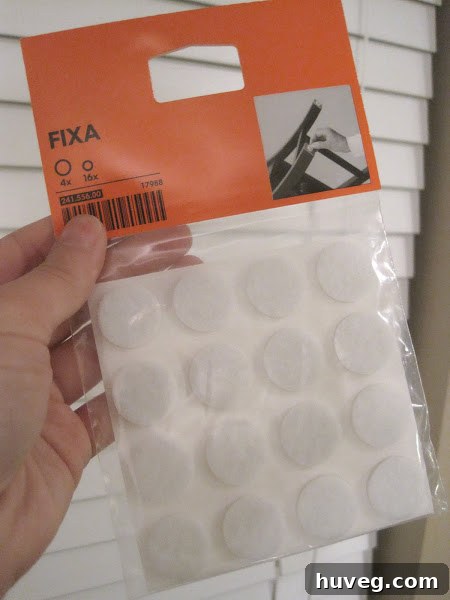
On a recent, somewhat unplanned trip to IKEA (doesn’t it always happen that you go for one item and leave with a cart full?), I made a strategic detour to pick up several packages of floor protectors. IKEA is renowned for its practical and affordable home solutions, and their furniture pads are no exception. What I found were pre-cut discs of high-quality padding, sticky on one side, ready for immediate application. These self-adhesive felt pads are incredibly user-friendly; you simply peel off the backing and press them firmly onto the base of your furniture legs. The beauty of these particular pads lies in their accessibility, affordability, and ease of use. They eliminate the need for measuring or cutting, making the protection process quick and efficient. While there are many brands and types of floor protectors available, the IKEA pads provided an immediate, cost-effective, and highly practical solution for our needs. Their felt material ensures a soft landing and smooth glide, making it easier to rearrange furniture without fear of marking the floor. Stocking up on these during our visit was a small step that promised a huge return in terms of floor preservation and peace of mind.
Strategic Planning: Protecting Floors During the Installation Phase
The installation of new flooring, especially in larger open-plan areas like our living room and dining room, presents its own unique set of challenges. Due to the direction of the laminate planks, these two rooms had to be installed concurrently, which meant we couldn’t simply empty one room entirely. This logistical hurdle required careful planning for furniture management. Imagine trying to install hundreds of square feet of flooring while navigating around couches, dining tables, and entertainment centers! While a couch in the kitchen might sound like an interesting, albeit temporary, novelty, practicality dictates a more structured approach. Our plan involved a phased installation: first, clearing one half of the room, laying the new laminate, and then moving all the furniture onto the newly finished section. This allowed us to then tackle the remaining half of the room. This method, while effective, meant that furniture would be moved multiple times across the floor, highlighting the critical need for protection during the process itself, not just as a final step. It transformed the application of furniture pads from a routine task into an integral part of the installation strategy, safeguarding our progress every step of the way.
A Seamless Transition: Applying Pads Before the Move
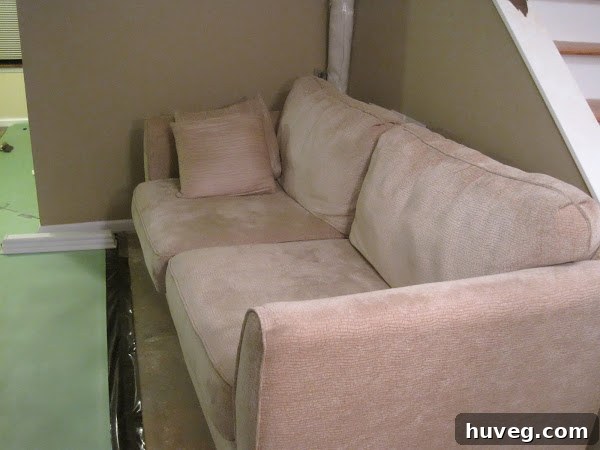
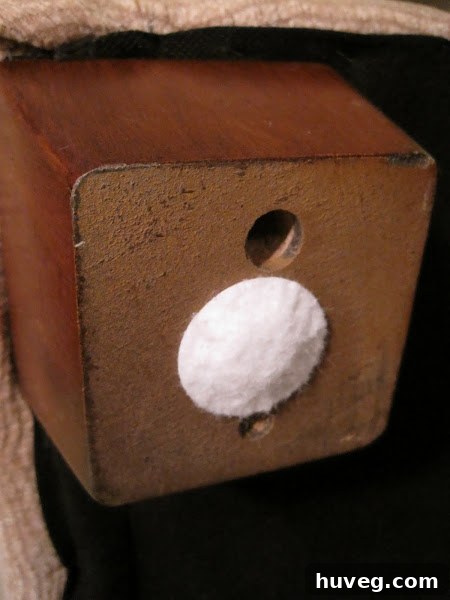
The multi-stage flooring installation presented a perfect window of opportunity to implement our floor protection strategy. Before we even considered moving the heavy furniture, like our substantial living room couch, onto the newly laid laminate, we ensured every leg was properly padded. This wasn’t just about convenience; it was about proactive damage prevention. The process was straightforward and remarkably quick: first, lift the furniture slightly to access the bottom of the legs. Then, clean the surface of the leg to ensure good adhesion – a quick wipe with a cloth is usually sufficient. Next, peel the protective backing from the self-adhesive felt pad and carefully center it on the base of each leg. Finally, press down firmly for a few seconds to secure the pad in place. Repeating this for all legs ensures comprehensive coverage. This simple act, performed before the first major furniture shift, meant that when we slid the couch across the threshold onto the new flooring, it glided effortlessly, leaving no marks or scuffs behind. This preparatory step was inexpensive, took minimal time, and offered immediate gratification in knowing our beautiful new floors were secure. It’s a small detail that makes a world of difference, cementing our progress and providing palpable reassurance.
Beyond the Pads: A Holistic Approach to Floor Care and Maintenance
While furniture pads are an excellent first line of defense, a truly comprehensive floor protection strategy extends far beyond mere adhesive felt discs. To ensure the long-term beauty and durability of your laminate flooring, a holistic approach is essential. Here are several additional measures to integrate into your routine:
- Area Rugs and Doormats: Strategically place durable doormats at all entry points to trap dirt, grit, and moisture before it can be tracked onto your laminate. In high-traffic areas, or underneath heavy furniture like coffee tables and dining sets, consider using area rugs. These not only add warmth and style but also provide an extra layer of protection against daily wear and tear, potential spills, and accidental impacts.
- Regular Cleaning: Establish a consistent cleaning schedule. Sweep or vacuum (using a hard floor setting or a soft brush attachment) regularly to remove dust, dirt, and abrasive particles. For deeper cleaning, use a damp mop with a laminate-specific cleaner, avoiding excessive water, which can damage the core of the planks.
- Pet Nail Maintenance: For homes with pets, especially dogs, keeping their nails trimmed is crucial. Long, sharp claws can easily scratch laminate surfaces over time. Regular grooming, including nail clipping, will significantly reduce this risk.
- Lifting, Not Dragging: Always lift heavy furniture and appliances when moving them, rather than dragging. Even with furniture pads, dragging extremely heavy items can dislodge the pads or still put undue stress on the floor. For very large items, use furniture sliders specifically designed for moving heavy objects.
- Shoe Policy: Consider implementing a “no shoes indoors” policy, especially for shoes with hard soles, heels, or those that might track in outdoor debris. This simple habit can dramatically reduce the amount of grit and potential scratch-causing agents on your floors.
- Immediate Spill Cleanup: While laminate is generally water-resistant, it’s not waterproof. Spills should be wiped up immediately to prevent moisture from seeping into the seams and causing swelling or damage.
The Psychology of New Floors: From Paranoia to Peace of Mind
The initial paranoia that accompanies a significant home renovation, particularly with a substantial investment like new flooring, is a common and understandable phenomenon. It’s the “honeymoon phase” where every tiny speck or potential mark feels like a catastrophe. This anxiety, as I experience it, of constantly checking for scratches or fearing irreparable damage, can be mentally taxing. However, by proactively implementing robust protection strategies, this paranoia can slowly but surely transform into genuine peace of mind. Knowing that furniture pads are in place, that cleaning routines are established, and that common pitfalls are mitigated, allows you to relax and truly enjoy your beautiful surroundings. The shift from hyper-vigilance to confident enjoyment is incredibly rewarding. It’s about building a defense system for your home that allows you to live in it without constant worry. This doesn’t mean becoming complacent, but rather fostering a balanced approach where protective measures become second nature, enabling you to appreciate the aesthetics and functionality of your new floors without the underlying stress.
Enjoying Your Beautiful, Protected Home
Seeing our new laminate floors taking shape, knowing they are well-protected from the outset, fills us with a profound sense of accomplishment and relief. The collective effort involved in selecting, installing, and now diligently protecting these floors culminates in a feeling of deep satisfaction. With the strategic application of furniture pads and a commitment to ongoing care, we’re not just preserving the physical integrity of our flooring; we’re also safeguarding the tranquility and beauty of our home environment. The initial anxiety has given way to a quiet confidence, allowing us to truly appreciate the transformative impact of our renovation. And yes, achieving this progress has certainly called for a celebration – perhaps it’s time to invent an entirely new “happy dance” to commemorate not just the completion of two rooms, but the successful implementation of a long-term strategy for a scratch-free, beautiful home. Our new floors are not just a surface to walk on; they are a testament to careful planning, hard work, and the joy of creating a living space that truly feels secure and cherished.