The Remote Domain

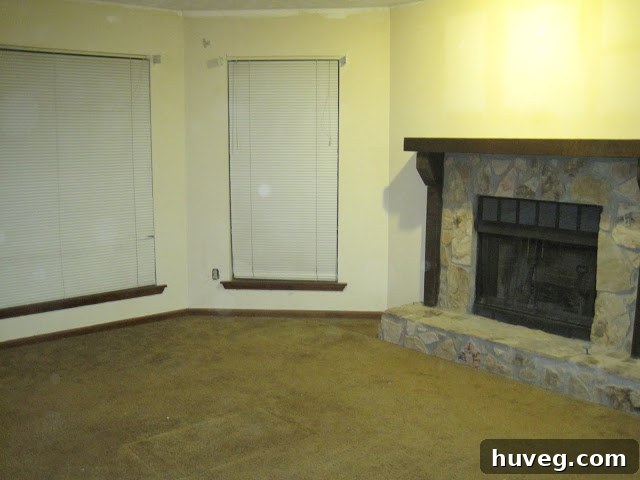
When the opportunity arose to purchase what I affectionately started calling “The Ugg-Duck”—a charming, if somewhat neglected, older home—I eagerly accepted a tour from its previous owner. With a warm, deep Southern drawl, she assured me the house was “move-in ready.” While I could appreciate her optimism, my eyes told a different story. The kitchen, for instance, boasted a truly hideous, stained linoleum floor. Yet, in her words, it would “shine like you wouldn’t believe” if only I were to dedicate enough time on my hands and knees to scrub it. This promise of hidden potential, however, felt a world away from the reality of the visible wear and tear. Fast forward to today, and our new kitchen floor does indeed shine, but without the laborious scrubbing of ancient yellow linoleum; it’s a testament to the transformative power of renovation.
It’s worth noting that during our initial walkthrough, the former owner was perpetually busy creating an impressive array of dishes, all generously laden with butter and bacon. In my mind, this delightful, albeit slightly chaotic, culinary backdrop has since transformed her into a benevolent, Southern matriarch, akin to a famous TV chef—the accent, the food, and the overall ambiance certainly fit the image. This vivid memory perfectly encapsulates the unique character of the house and its previous inhabitant.
So, with the little old lady (as she’s become in my recollection) leading the way, we navigated the house, a grand tour during which she unknowingly—or perhaps strategically—concealed the numerous loose fingernails I would later discover after moving in. (For those new to our journey, an intriguing, albeit post-breakfast, account of these peculiar finds can be read here). Upon reaching the living room, our attention immediately turned to the fireplace, or “farplace,” as she affectionately called it, a pronunciation that stuck with me long after the tour concluded.
The previous owner revealed a surprising detail about this central feature: she had never once used the fireplace during the entire two decades she had resided in the house. While living in the milder climate of the South might lessen the frequency of needing a roaring fire, the thought of a fireplace sitting dormant for twenty years struck me as quite unusual. How could such a beautiful and potentially comforting fixture remain completely untouched for so long? This revelation immediately raised a flag of caution in my mind, signaling that this “farplace” would require a thorough inspection before ever being put to use. Owning an older home often means inheriting its quirks and sometimes its neglected features. A fireplace, while a wonderful amenity, can also be a significant safety concern if not properly maintained and inspected.
Being someone who tends to err on the side of caution, especially when it comes to home safety, I promptly arranged for a trusted family friend, who had extensive experience with home systems, to inspect our “farplace” shortly after closing on the house in 2009. His inspection was meticulous, covering all critical components. He carefully checked the flue for any blockages or damage, ensuring a clear and safe exhaust path for smoke. Creosote buildup, animal nests, or structural cracks can severely impede the flue’s function and pose a significant fire hazard. He also examined the gas starter mechanism—a convenient feature designed to ignite wood quickly and efficiently—to ensure its integrity and proper operation. After a thorough review, he delivered the verdict I had been hoping for: a universally understood, reassuring two thumbs up. This professional assessment provided immense peace of mind, confirming that the fireplace was structurally sound and safe for operation, laying the groundwork for its eventual revival.
Despite receiving the all-clear, our fireplace remained unlit for over a year. This prolonged dormancy stemmed from a combination of factors. Primarily, there was an underlying, persistent fear of burning down the house—a common anxiety for many new homeowners, especially when dealing with older systems they’re unfamiliar with. Secondly, the mild Georgia climate meant there wasn’t a pressing need for a fireplace until the truly chilly nights arrived, which tend to be fewer and farther between. However, the most significant obstacle was the condition of the existing andirons. These crucial pieces, designed to hold logs above the fireplace floor, were broken. Given that our fireplace is wood-burning but equipped with a gas starter, the logs absolutely needed to be propped up. This elevation prevents them from interfering with or damaging the gas line below. With a broken andiron, attempting to light a fire would have been not only precarious but outright unsafe, creating an unavoidable delay until a suitable replacement could be found. Fireplace safety is paramount, and compromising on essential equipment is never an option.
The solution arrived just in time for Christmas, offering both practicality and peace of mind. Instead of traditional andirons, which typically support logs from the ends, my thoughtful parents gifted us a robust fire basket. This iron cradle is ingeniously designed to hold an entire stack of firewood securely above the gas starter setup. The fire basket offered a superior safety solution, ensuring that even as logs burn down and begin to break apart, they remain safely elevated, well away from the gas line beneath. This innovative design significantly reduced my safety concerns, transforming the fireplace from a source of worry into a potential focal point of warmth and comfort for our home. This upgrade was a game-changer, addressing the root cause of our hesitation and making the fireplace truly ready for use.
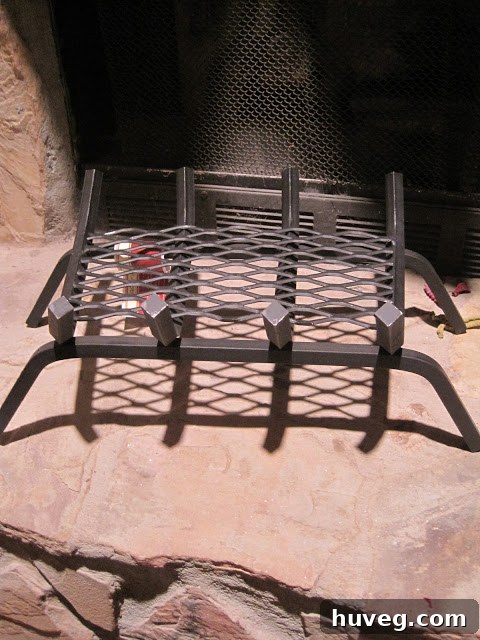
Perhaps it’s just my inherent cautious nature, but I’ve never owned a house before where the possibility of it burning to the ground felt like such a tangible concern. While I trusted the inspector’s word that the gas line was robust enough to endure two decades of disuse and still be perfectly safe on its inaugural lighting, the addition of the new fire basket truly solidified my comfort level. This simple, yet effective, piece of equipment transformed my apprehension into eagerness, allowing me to finally envision cozy evenings by a crackling fire without a shadow of doubt concerning safety. It’s a testament to how small, strategic home improvements can have a profound impact on homeowner confidence and enjoyment.
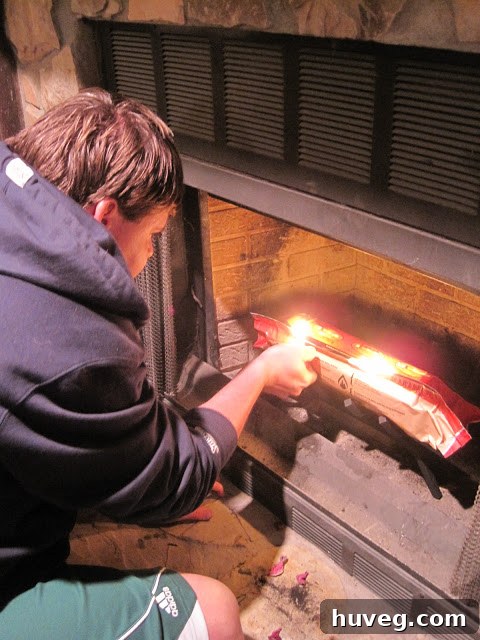
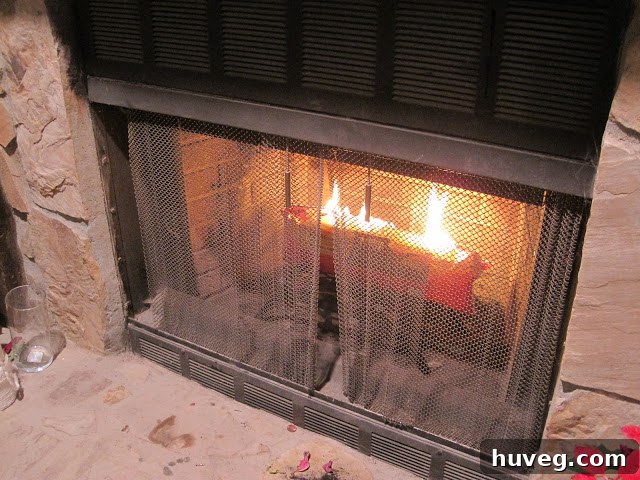
With all safety measures thoroughly addressed and the new fire basket securely in place, the moment finally arrived. This week, we lit our first fire in the “farplace,” and I’m thrilled to report that everything went incredibly smoothly! The logs caught quickly with the gas starter, and soon, a cheerful blaze was warming our living room, filling the air with the comforting scent of woodsmoke—a truly delightful experience after years of an unused hearth. The crackling sounds and the inviting glow immediately transformed the ambiance of our home, making those chilly evenings far more enjoyable.
To take our protection efforts one step further and ensure optimal chimney health, I also incorporated a soot-cleaner stick into each fire we lit this week. These ingenious cardboard containers hold specialized chemicals designed to break down and eliminate dangerous soot and creosote buildup within your chimney flue. Creosote, a highly flammable tar-like substance, is a primary culprit in chimney fires, making its regular removal essential for fireplace safety and efficient operation. Beyond their practical benefits, these sticks offer an added aesthetic bonus: they cause the flames to burn in vibrant colors like green and blue. It’s an unexpectedly enchanting visual, especially when enjoyed with a warm drink on a cold day, adding a touch of magic to the cozy ambiance of your living room. This dual function of cleaning and visual appeal makes them a fantastic addition to any fireplace routine.
Proper chimney maintenance extends beyond just seasonal cleanings; it involves continuous vigilance and smart practices. While a professional chimney sweep is indispensable for thorough annual inspections and deep cleaning, products like soot-cleaner sticks serve as excellent supplementary tools. They help mitigate creosote accumulation between professional visits, particularly useful when transitioning from infrequent use to regular burning during colder months. Investing in a carbon monoxide detector is another non-negotiable safety measure for any home with a fireplace. This device provides crucial early warning of this odorless, colorless, and deadly gas, which can be produced if a chimney flue is blocked or improperly vented. Always ensure your detector batteries are fresh and the unit is tested regularly. Choosing the right kind of wood is also critical; seasoned, dry hardwood burns hotter and cleaner, producing less creosote than green or softwoods.
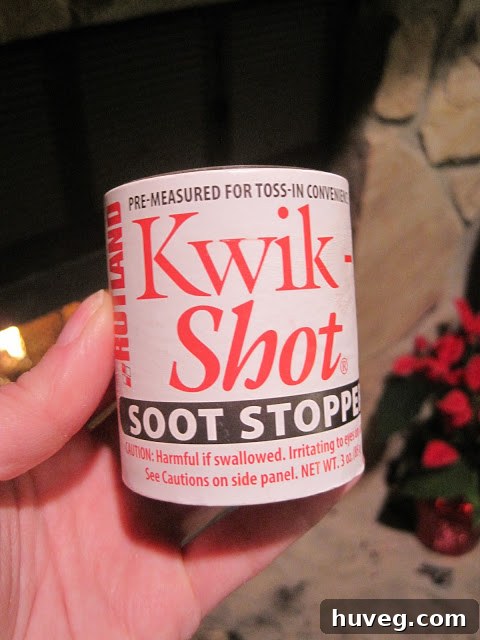
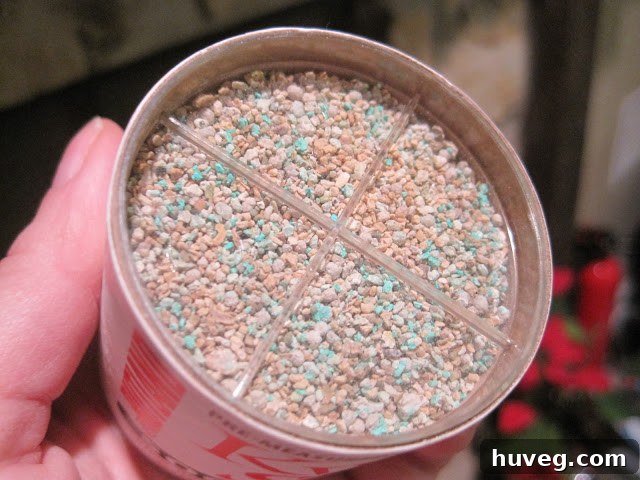
Utilizing these convenient soot-cleaning tubes is especially beneficial anytime your chimney has been dormant for an extended period, such as when you’re lighting the very first fire of the winter season. For the initial few days of renewed use, it’s highly recommended to burn one of these sticks with the first log you ignite each evening. This proactive approach helps to dislodge any accumulated soot and creosote before it becomes a more significant problem, thereby reducing the risk of a chimney fire. I personally plan on purchasing an additional tube (as they often come in packs of three) to continue using them sporadically throughout the next few months. This strategy ensures ongoing, mid-season cleaning, helping to maintain a safer and more efficient fireplace for sustained warmth and enjoyment. Regularly inspecting your chimney for signs of wear, blockages, or animal nests is also vital. Always ensure you’re burning seasoned, dry wood, as wet or green wood creates more smoke and creosote build-up, reducing efficiency and increasing fire risk. It’s also wise to keep a fire extinguisher readily accessible near your fireplace, just as an extra layer of precaution.
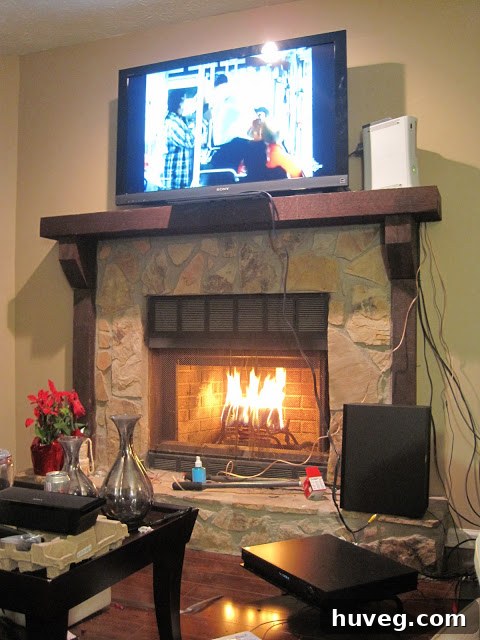
Doesn’t our “farplace” look wonderfully cozy now? I’m genuinely delighted to report that we’ve been enjoying it all week, and its consistent warmth has made our chilly evenings significantly more comfortable and inviting. (The intriguing story behind the surrounding “mess” is a tale for another time!). We’ve truly embraced the added charm and heat that a working fireplace brings to a home. Have you ever used these chimney cleaning tubes before? Or perhaps you have invaluable fireplace tips and tricks of your own to share regarding maintenance, safety, or enhancing the ambiance? We’d love to hear your insights as we continue to learn and improve our home.
Beyond the practical benefits, a fireplace adds undeniable character and a focal point to any living space. It’s a gathering spot, a source of comfort, and a reminder of timeless traditions. Ensuring its safety and longevity through proper care, from initial inspection to regular cleaning with products like soot removers, transforms it from a mere architectural feature into a cherished heart of the home. Embrace the warmth, but always prioritize safety and diligent maintenance for years of enjoyment, creating lasting memories around your newly revitalized hearth.