Reimagined Craft Room Desk Design

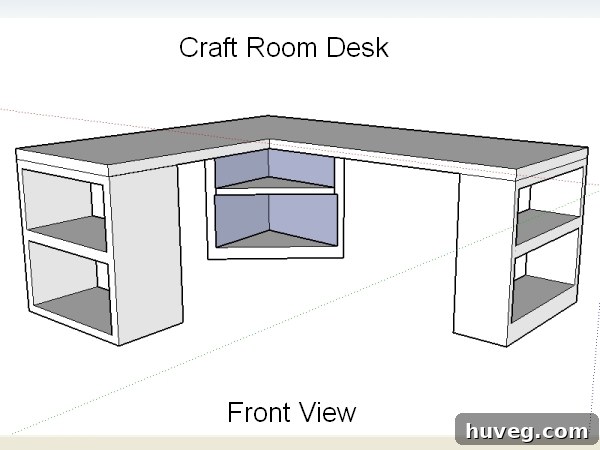
Revisiting the Dream: Crafting My Ideal Studio Desk Design
It feels like a lifetime ago when I first shared my ambitious plans for designing my ultimate craft room desk. Indeed, it wasn’t just yesterday; it was an era marked by over 300 blog posts since then, a testament to the myriad DIY adventures and home transformations I’ve embarked upon. While much has changed in my home and life over these years, one particular aspiration has remained steadfast: the dream of creating a truly beautiful and functional desk for what I now affectionately call my “craft studio.” This isn’t just about a piece of furniture; it’s about carving out a dedicated sanctuary where creativity can truly flourish, a space that inspires and facilitates artistic expression without compromise.
The journey to realizing this dream has been a long one, punctuated by the inevitable demands of homeownership. As many fellow DIY enthusiasts can attest, the remodeling queue often prioritizes necessity over passion. Major projects like renovating bathrooms, revamping kitchens, or updating bedrooms typically take precedence. These endeavors, while incredibly rewarding, consume immense amounts of time, energy, and resources. Attempting to tackle them all simultaneously would undoubtedly lead to a flurry of gray hairs and countless sleepless nights – a scenario I’ve learned to avoid. My home has seen significant upgrades, each a stepping stone, but the personal creative hub had to patiently await its turn amidst these larger, more pressing transformations.
Consequently, the meticulous planning for my craft studio desk was, for a considerable period, relegated to the “someday” pile. After the initial foundational work was completed – the walls received a fresh coat of paint and the new flooring was meticulously laid – the craft room essentially became a holding space, awaiting its final, personalized touch. The vision for its centerpiece, the desk, remained vivid in my mind, a constant beacon of future creativity, but the actual construction patiently awaited its turn in the grand scheme of home improvement.
But the time has finally arrived – or at least, it’s very nearly here! Just a few more critical steps, such as installing the primary bathroom floor and fitting the new vanity, stand between me and diving headfirst into this much-anticipated project. Seriously, I cannot stress this enough: I desperately need to reclaim a dedicated creative space. My bedroom, designed for peace and relaxation, has regrettably transformed into a makeshift crafting zone, blurring the lines between rest and productivity. This encroaching chaos impacts both my ability to relax and my creative flow. To restore both rooms to their intended purposes, I recently made a crucial acquisition during my last pilgrimage to Ikea: a pair of versatile craft desktops.
Affordable Foundation: The Ikea Desktops and Space Maximization
The brilliance of these particular Ikea finds lies not only in their suitability but also their incredible affordability. At just $20 each, they offer the perfect width for custom tabletops, providing an economical yet robust foundation for my studio desk. This budget-friendly approach allows more resources to be allocated to custom details and higher-quality finishes elsewhere in the design. My long-standing plan involves arranging them in an L-shape, allowing them to nestle perfectly into the right-hand corner of the craft room, maximizing the available space. This configuration, envisioned over a year ago, promises ample workspace without overwhelming the room, an essential consideration for any creative individual seeking both functionality and aesthetic appeal within their dedicated space. The L-shape also provides distinct zones for different types of work, enhancing productivity and organization.
However, as my vision for the space has matured from a simple “craft room” to a sophisticated “craft studio,” my aesthetic preferences have evolved significantly. A standard white desk with conventional, enclosed storage, while undeniably practical, no longer aligns with the elevated ambiance I aim to cultivate. I envision a space that exudes an airy, artistic, and even slightly refined atmosphere, rather than a purely cute or overtly playful creative nook. This transformation in perspective means I’m striving for an artist’s sanctuary, a place where genuine creativity can flourish, distinct from a typical scrapbooker’s table. The goal is to create an environment that encourages deep thought, experimentation, and serious artistic endeavor, mirroring the professionalism and inspiration found in a true artist’s studio.
From Conventional to Contemporary: Embracing Modern Rustic Design Principles
To achieve this updated aesthetic, I realized that a simple white tabletop paired with a matching white, boxy base simply wouldn’t suffice. My new design brief called for something more eclectic, a blend of modern sophistication and rustic charm. I wanted to incorporate natural textures, contrasting materials, and an overall sense of unique character that speaks to craftsmanship and artistic intent. This shift marked the decisive departure from my earlier, more conventional desk designs, which, while functional in their own right, ultimately lacked the artistic flair and elevated presence I now desired for my dedicated studio. The new vision embraces an aesthetic that is both timeless and current, offering a backdrop that enhances rather than distracts from the creative work.
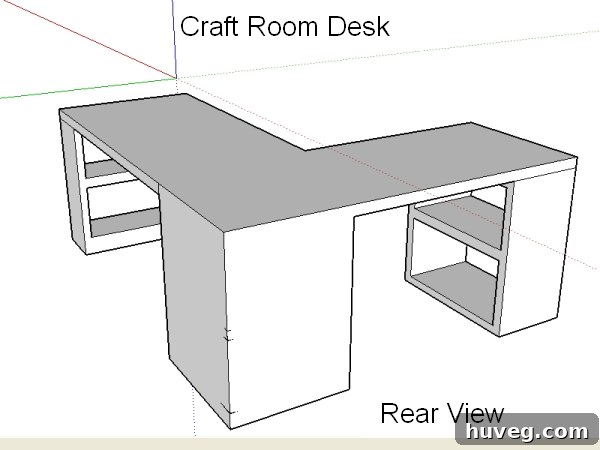
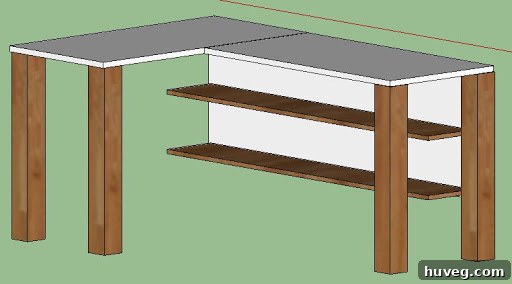
Leveraging the power of Google Sketch-Up once more, I meticulously crafted a fresh design. This iteration embodies a more open, almost “floating” feel, a stark contrast to the heavy, enclosed look of its predecessors. The core functionality, particularly the rear shelving unit, remains undiminished; it retains all the storage capacity of the older design, ensuring that organization is not sacrificed for aesthetics. Crucially, however, this new configuration grants me significantly more legroom on one side, enhancing comfort during long creative sessions. The support system for this revised unit is also a testament to modern design principles, featuring cleaner, more minimalist lines. While the essential structural support is still robustly present – securely anchored by screwing into wall studs – it visually recedes, taking up far less perceived space. This intentional design choice contributes to the desired airy feel. I am particularly drawn to the idea of maintaining an open, fluid feel on one side of the desk, while the other side is backed by a crisp white panel. This combination, set against the existing vibrant blue walls, is poised to create a truly striking and visually arresting focal point within the studio, offering a dynamic interplay of color and form.
Blending Form and Function: The Details of the New Studio Desk Design
The beauty of this modern rustic approach lies in its versatility and visual appeal. Imagine stained, perhaps even slightly aged, wooden legs providing a warm, organic contrast to the clean lines of the white desktops. The natural wood elements will introduce a tactile quality and a sense of grounding, preventing the space from feeling too sterile or overly contemporary. The shelving units, too, would benefit from a similar treatment, creating a cohesive and inviting aesthetic that unifies the entire desk structure. While not explicitly pictured in the initial Sketch-Up rendering, I anticipate that connecting braces might be necessary on the bottom of the legs to ensure optimal stability, particularly given the L-shape configuration and potential for heavy use with various art and craft supplies. This practical consideration will be carefully integrated into the final build, ensuring both enduring beauty and unquestionable structural integrity. The overall effect will be a desk that feels both grounded and ethereal, a perfect blend of natural warmth and contemporary simplicity, designed to withstand the rigors of creative work while inspiring its user.
This design is not just about looks; it’s profoundly about fostering an environment conducive to deep creative work. The increased legroom means less strain and more comfort, encouraging longer periods of focused activity without physical discomfort. The open shelving, while providing ample storage for tools, materials, and display items, also keeps everything accessible and visually appealing, transforming mere supplies into integral parts of the studio’s decor. The strategic decision to have one side open and the other backed by white provides a dynamic visual contrast – the openness invites flow and movement, while the white background offers a clean slate for inspiration boards, project mock-ups, or simply a refined visual break. This thoughtful combination ensures that the studio doesn’t just look aesthetically pleasing, but actively supports and enhances the creative process, making it a true hub for artistic endeavor.
Looking Ahead: Refinements, Anticipation, and Future Updates
So, what are your thoughts on this evolved design? I’m always open to constructive feedback and insightful suggestions as I continue to refine these plans. One primary consideration I’ve debated intensely is the precise placement of the shelving. Part of me acknowledges that if legroom ultimately proves to be an unexpected issue during the actual build, the shelving might need to be repositioned above the desktop to free up under-desk space. However, my current preference leans heavily towards a cleaner, completely uncluttered overhead space. This choice prioritizes an expansive and unobstructed work area, fostering a sense of freedom and visual lightness on the desk surface itself, rather than feeling hemmed in by overhead units. This minimalist approach contributes significantly to the “airy and artistic” vibe I am striving for.
Rest assured, as is my tradition, I will keep you thoroughly updated throughout the entire process of this exciting DIY project. From the initial precise cuts and meticulous assembly to the final staining, finishing, and careful styling, you’ll be with me every step of the way. I’ll share all the triumphs, the inevitable challenges (because every DIY project has them!), and the valuable lessons learned, ensuring a comprehensive and transparent look at how everything unfolds. Let’s collectively hope that this doesn’t turn into another year-long wait before the tools come out and this beautiful vision finally takes tangible, functional form! The anticipation is building with every passing day, and I’m eager to transform these digital renderings into a physical space that not only truly inspires but also dramatically enhances my creative output.

Did you enjoy this post and find inspiration for your own creative space? Please subscribe to get the latest updates, DIY projects, and design insights delivered directly to your favorite reader or inbox for free!