Poison Ivy Smart: Spot It, Stop It, Soothe It

Poison ivy, a common yet often misunderstood plant, can turn a pleasant outdoor activity into a days-long battle against an intensely itchy, blistering rash. For anyone who spends time in nature, whether gardening, hiking, or simply enjoying their backyard, understanding how to identify, prevent exposure to, and treat reactions from this unassuming plant is crucial. My father, who suffers severe allergic reactions, has instilled in me the importance of vigilance whenever we’re tackling yard work, reminding me to always be on the lookout for potentially harmful plants like poison ivy. While I’ve been fortunate enough to avoid a rash myself, his frequent warnings have equipped me with essential knowledge that I believe is vital to share.
This comprehensive guide will walk you through everything you need to know: from spotting poison ivy in its various forms, to implementing effective prevention strategies, and finally, managing a poison ivy rash should exposure occur. By arming yourself with this information, you can minimize your risk and enjoy the outdoors with greater confidence.
Understanding Poison Ivy: Identification is Key
The first line of defense against poison ivy is accurate identification. This resilient plant can adapt to various environments and forms, making it tricky to spot for the untrained eye. However, a few distinct characteristics can help you recognize it before it’s too late.
What to Wear for Protection
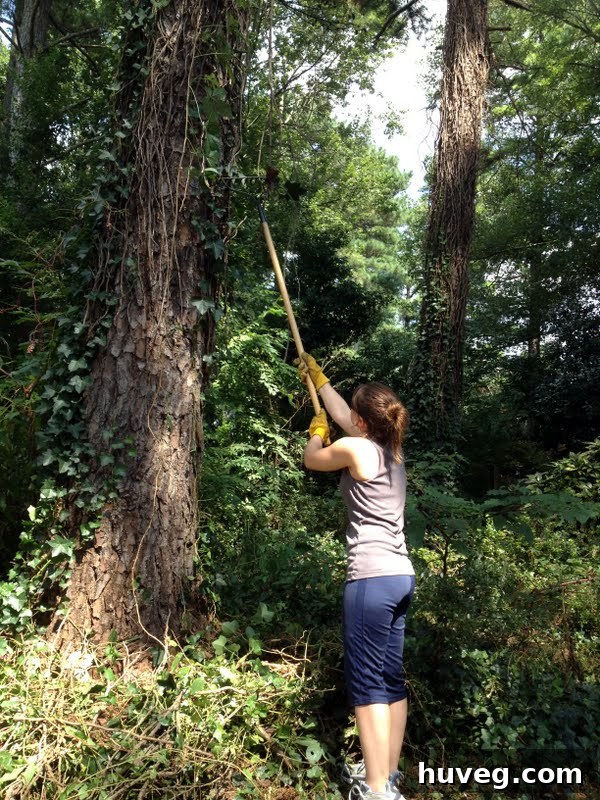
Before you even step foot into an area where poison ivy might be present, proper attire is your best defense. Creating a physical barrier between your skin and the plant’s potent oil, urushiol, is paramount. Always opt for:
- Long-sleeved shirts: Tightly woven fabrics offer superior protection.
- Long pants or jeans: Tuck them into your socks or boots to prevent skin exposure around the ankles.
- Closed-toe shoes or boots: Sneakers offer some protection, but sturdy boots are ideal, especially for dense brush.
- Gloves: Heavy-duty work gloves are essential. Consider wearing disposable gloves underneath or choose gloves that can be thoroughly washed and reused.
- Hats: A wide-brimmed hat can protect your face and neck from stray vines or leaves.
While the heat, especially in warmer climates, can make full coverage uncomfortable, prioritizing protection is always worth it. Remember, even a brief touch can lead to a significant rash.

Where to Look for Poison Ivy
Poison ivy is remarkably versatile and can thrive in a wide range of habitats. You might encounter it in various forms:
- Ground cover: Spreading low across the forest floor or open fields.
- Shrubs: Growing as an upright bush, particularly in sunny areas.
- Vines: Climbing trees, fences, or walls, often appearing hairy as they mature.
Common locations include:
- Along the edges of forests, fields, and hiking trails.
- In disturbed areas such as construction sites, abandoned lots, and roadsides.
- Within your own yard, particularly in neglected corners, undergrowth, or climbing up existing structures and trees.
The plant often seeks out protected or partially shaded spots but can also flourish in full sun. Being aware of these typical growing environments will help you stay vigilant.
Key Features to Identify Poison Ivy
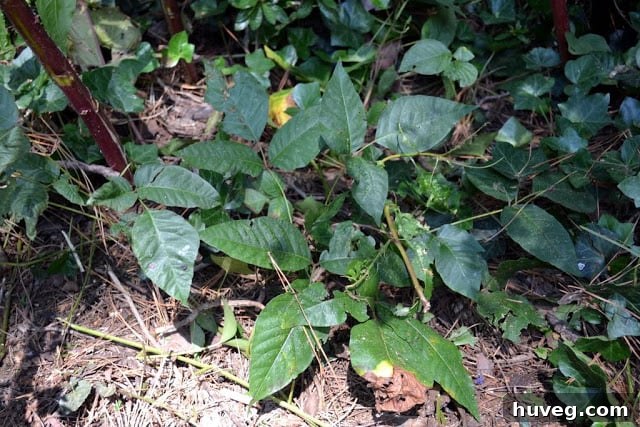
While often generalized, specific visual cues can help distinguish poison ivy from other plants:
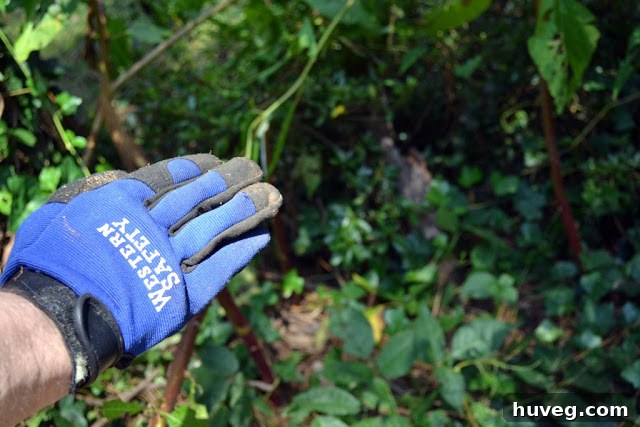
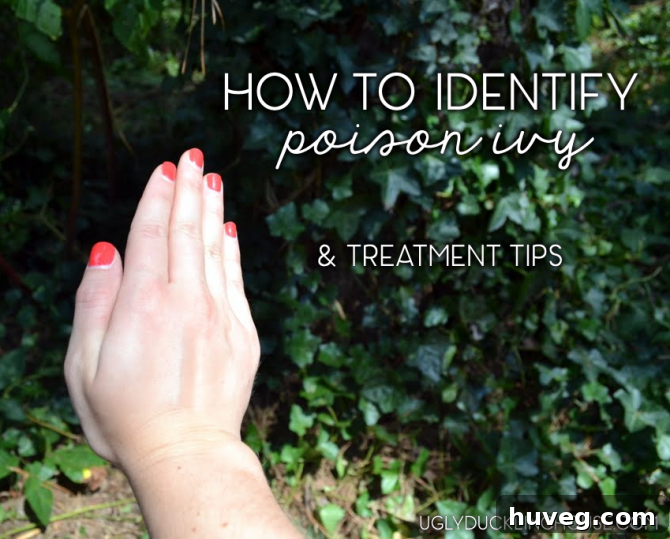
- Leaves of Three: This is the most famous identifier. Each leaf cluster consists of three leaflets growing from a single stem. The middle leaflet typically has a longer stalk than the two side leaflets, which attach directly to the main stem.
- Variable Leaf Shape: The leaves can be shiny or dull, smooth or toothed, and vary in color from light green in spring to darker green in summer, often turning vibrant red, orange, or yellow in the fall. The shape can sometimes resemble a folded mitten, with a distinct “thumb” or lobe on one side.
- Hairy Vines: Older poison ivy vines often develop numerous brown, root-like hairs that give them a fuzzy or “hairy” appearance as they climb trees. This characteristic is particularly dangerous as the urushiol remains potent even on dead vines.
- White Berries: In late summer and fall, poison ivy produces small, round, waxy white or off-white berries, which are a food source for birds but still contain urushiol.
Rhymes and Sayings to Remember Poison Ivy
For centuries, simple rhymes have helped people remember how to identify poison ivy. While not foolproof, they serve as excellent reminders:
- “Leaves of three, let them be.” – The classic and most important rule. If you see three leaflets, assume it’s poison ivy until proven otherwise.
- “Hairy vine, no friend of mine.” – A great reminder for climbing vines, which are especially hazardous due to their often-overlooked presence.
- “Berries white, run in fright.” – Alerts you to the presence of its characteristic white berries, which also contain the irritating oil.
- “Longer middle stem, stay away from them.” – A more specific detail to differentiate it from some other “leaves of three” plants.
Remember, these rhymes are guidelines. Always exercise caution and if in doubt, avoid contact.
Prevention is Better Than Cure: Avoiding Poison Ivy Exposure
Even with excellent identification skills, accidental contact can happen. Implementing robust prevention strategies is vital to minimize your risk of developing a poison ivy rash. The key is understanding how urushiol, the oily resin responsible for the rash, behaves and how to effectively remove it.
Immediate Post-Exposure Protocol
The moment you suspect contact with poison ivy, swift action is crucial. Urushiol begins to bind to skin within minutes, but you have a window of opportunity to remove it before it causes a reaction:
- Wash Skin Immediately: As soon as possible, scrub exposed skin with soap and cool water for at least 10-15 minutes. Cool water helps keep pores closed, preventing the oil from penetrating deeper. Use a washcloth or sponge to thoroughly clean the area, and pay special attention to under fingernails where the oil can easily hide.
- Remove Contaminated Clothing: Strip down as soon as you enter your home, preferably in a laundry room or entryway. Avoid touching other surfaces. Place all potentially contaminated clothing directly into the washing machine.
- Shower Thoroughly: Follow up with a full body shower using soap and warm water to ensure any remaining oil is washed away from areas not directly exposed.
Decontaminating Tools and Pets
Urushiol can remain active on surfaces for weeks, even months, meaning you can get a rash from contaminated items long after initial exposure. Proper cleaning is essential:
- Garden Tools: After any yard work, meticulously wash all tools that may have come into contact with poison ivy. Use rubbing alcohol or soap and water, scrubbing thoroughly. Wear heavy-duty gloves during this process.
- Pets: Most pets are not sensitive to urushiol, but the oil can easily cling to their fur. If your pet has been roaming through dense brush, bathe them thoroughly using a pet-safe shampoo and wear gloves. This prevents the oil from transferring to you when you pet or play with them.
- Other Items: Don’t forget items like shoes, gardening gloves, and anything else that might have touched the plant. Wash them or wipe them down with rubbing alcohol or a strong detergent.
Barrier Creams and Wipes
For added protection, consider using barrier creams specifically designed to prevent urushiol absorption. Products containing bentoquatam (like Ivy Block) can be applied before heading outdoors. Post-exposure wipes (e.g., Technu wipes) are also useful for on-the-go cleansing if immediate washing isn’t possible, though they are not a substitute for a thorough wash.
Managing Poison Ivy in Your Yard
Once you’ve identified poison ivy growing on your property, safe removal is the next step. It’s crucial to handle the plant with extreme care to avoid personal exposure.
Safe Removal Methods
The safest way to eliminate poison ivy is often through chemical treatment:
- Brush Killer Herbicides: Apply a systemic herbicide specifically formulated for brush or woody plants (containing ingredients like glyphosate or triclopyr). Follow product instructions carefully. The herbicide will be absorbed by the plant and kill it down to the roots, preventing regrowth. Apply when the plant is actively growing for best results.
- Manual Removal (with extreme caution): If you choose to physically remove the plant, wear heavy-duty gloves (preferably disposable ones over reusable ones), long sleeves, and pants. Carefully pull or dig up the entire plant, including the root system. Place all plant material into sturdy plastic bags and seal them before disposal. Avoid composting poison ivy, as the urushiol remains active.
- Do NOT Burn Poison Ivy: This is a critical warning. Burning poison ivy releases urushiol into the air as smoke. Inhaling this smoke can cause severe respiratory irritation, leading to a rash in the lungs and airways, which is a medical emergency.
After treatment, wait for the plant to die completely before attempting to clear the dead material, always wearing protective gear.
Treating Poison Ivy Rash: Alleviating the Itch
Despite all precautions, a poison ivy rash can still occur. The good news is that most cases can be managed at home, though severe reactions warrant medical attention.
Understanding the Rash
The poison ivy rash typically develops 12 to 72 hours after exposure, though it can appear sooner or later depending on individual sensitivity and amount of urushiol contact. Symptoms include:
- Redness and Swelling: The affected skin often becomes red and noticeably swollen.
- Intense Itching: This is the most common and distressing symptom, often described as unbearable.
- Blisters: Small to large blisters filled with clear fluid can form. These may eventually burst and crust over. The fluid in the blisters does NOT contain urushiol and cannot spread the rash.
- Streaks: Often, the rash appears in linear streaks where the plant brushed against the skin.
The rash is not contagious and cannot be spread by scratching, but scratching can introduce bacteria, leading to infection.

Home Remedies and Over-the-Counter Treatments
For mild to moderate rashes, several home remedies and over-the-counter (OTC) products can provide relief:
- Cool Compresses: Applying a cool, wet cloth to the affected area can reduce itching and swelling.
- Oatmeal Baths: Colloidal oatmeal added to a lukewarm bath can soothe irritated skin.
- Calamine Lotion: This classic pink lotion helps dry weeping blisters and reduces itching.
- Hydrocortisone Cream: A 1% hydrocortisone cream (an OTC steroid) can reduce inflammation and itching. Apply sparingly as directed.
- Oral Antihistamines: OTC oral antihistamines like diphenhydramine (Benadryl) or cetirizine (Zyrtec) can help relieve itching, especially at night.
- Baking Soda Paste: A paste made from baking soda and water can be applied to itchy spots to provide temporary relief.
- Witch Hazel: This natural astringent can help dry out blisters and reduce irritation.
Avoid hot showers, as while some individuals find temporary relief from scalding water, it can ultimately worsen itching and dry out the skin.
When to Seek Medical Attention
While most poison ivy rashes resolve within 2-3 weeks, some situations warrant a visit to a doctor or an urgent care clinic:
- Widespread Rash: If the rash covers a large portion of your body (more than a quarter of your skin).
- Facial or Genital Involvement: Rashes on sensitive areas like the face, eyes, mouth, or genitals can be serious and require prompt treatment.
- Difficulty Breathing or Swallowing: This is a rare but severe allergic reaction, often caused by inhaling urushiol smoke, and requires immediate emergency care.
- Signs of Infection: Increased redness, warmth, swelling, pus, or fever can indicate a bacterial infection, often caused by scratching.
- Persistent Symptoms: If the rash is extremely painful, itchy, or doesn’t improve after 7-10 days of home treatment.
- Impact on Daily Life: If the itching or discomfort is severe enough to disrupt sleep or daily activities.
A doctor may prescribe stronger topical steroids, oral corticosteroids (like prednisone) to reduce inflammation, or antibiotics if an infection is present. Do not hesitate to consult a healthcare professional if you are concerned about the severity of your rash.
Final Thoughts on Poison Ivy
Poison ivy is an unavoidable part of many outdoor environments, but it doesn’t have to ruin your enjoyment of nature. By diligently learning how to identify this plant, practicing consistent prevention techniques, and knowing how to effectively treat a rash, you can significantly reduce your risk and discomfort.
Remember that sensitivity to urushiol can develop over time, meaning you might not react to your first exposure but could develop a severe allergy later. Therefore, consistent caution is always advised. Stay vigilant, stay protected, and enjoy your time outdoors without the dread of the dreaded itch.