The Definitive Drywall Solution Choose PURPLE

Have you ever considered the remarkable innovations hidden within everyday building materials? What if I told you that the seemingly simple drywall panels adorning our walls and ceilings could offer advanced protection against moisture, withstand significant impact, or even soundproof a room? My recent tour of National Gypsum’s headquarters in Charlotte, NC, was an eye-opening experience that completely transformed my understanding of drywall, especially their unique Purple XP product line. It’s a journey I’m eager to share, revealing secrets that could change the way you approach your next home improvement project.
Delve into the specifics of Purple XP drywall and discover its hidden strengths:
- Conquering Moisture, Mildew, and Mold: The Power of Purple
- Unveiling the Manufacturing Process: How Purple Drywall Embraces Green Principles
- Beyond the Basics: Discovering Specialty Drywall Solutions
- A Friendly Drywall Challenge: My Experience at National Gypsum HQ
Like many, my fascination with how things are made began early, perhaps sparked by countless hours watching shows like “How It’s Made.” There’s something inherently captivating about peeling back the curtain to see the intricate processes that bring everyday objects to life. This childhood curiosity, I now realize, subtly influenced my path, leading me to a career centered on showing others how to create, build, fix, and renovate. It’s a delightful full-circle moment to connect those early inspirations to my current passion.
A significant perk of partnering with brands for blog collaborations is the frequent invitation to visit their manufacturing facilities. For a brand, these tours offer a fundamental way to introduce their products: sharing their company’s rich history, understanding their core motivations, highlighting the dedication of their employees, and showcasing the extensive work involved in new product development. These insights are crucial, culminating in the final step of how their products are utilized in homes. For me, it’s an immersive, living version of that childhood TV show, providing an unparalleled look behind the scenes.

This upcoming fall, I’m thrilled to be collaborating with National Gypsum, incorporating one of their unique Purple XP drywall types into a new sponsored project. Before this trip, however, I held a common misconception: I largely assumed all drywall was essentially the same. Beyond selecting the correct thickness for a wall or ceiling, what more could there be, right? This seemingly minor detail felt like the extent of my drywall knowledge.
As it turns out, that assumption couldn’t be further from the truth! If you’ve ever spotted those distinctive purple drywall panels in a hardware store, prepare to uncover the innovative secrets they hold. These aren’t just colored panels; they represent a significant leap forward in home construction and protection.
Conquering Moisture, Mildew, and Mold: The Power of Purple
This year, I’ve gained an invaluable lesson about home ownership: moisture is the silent, pervasive enemy of a safe, clean, and worry-free home. Whether indoors or out, in bathrooms or kitchens, virtually every part of your home constantly interacts with water. Simultaneously, we’re in a perpetual battle against the insidious threats of mildew, mold, and rot. This is precisely why we prioritize using pressure-treated lumber and flashing tape on outdoor construction projects; it’s why the widespread issues with polybutylene pipes became such a notorious problem; and it’s why discovering a leak in our ceilings can instantly trigger a wave of anxiety. The concept is simple, yet preventing moisture-related problems remains a monumental challenge for most manufactured products. A profound quote I heard during my time in Charlotte has been etched into my memory:
When owning a home, it’s not a matter of if you will have a moisture problem, it’s when.
This statement encapsulates the unavoidable reality of home maintenance and underscores the critical need for proactive protection.
Purple XP® drywall is a product whose name you’ll want to remember. Its most distinguishing feature, beyond its easily recognizable color, is its advanced manufacturing process designed to deliver superior resistance against moisture, mildew, and mold. I’ve previously discussed my preference for using paint products with mildew-resistant properties, and the underlying reason is identical: to proactively prevent the exorbitant costs and severe disruptions associated with a professional remediation specialist. Toxic mold, such as black mold, is not only extremely hazardous to the health of a home’s occupants, but its removal can be incredibly expensive. Once mold infiltrates drywall, the affected sections typically require complete demolition and replacement. While mildew-resistant paint certainly adds a layer of defense, it offers little protection if the core paper backing of the drywall has already succumbed to moisture and begun its journey to “Mold City.”
My own experiences stand as testament to the inevitability of moisture issues. Less than a month after my educational trip to National Gypsum, I encountered significant problems with my air conditioning unit, necessitating a large, unsightly hole in my ceiling. Prior to that, I’d dealt with a burst hot water valve in my primary bathroom, which swiftly flooded the entire room. My friend and fellow DIY blogger, Brittany of Pretty Handy Girl (it’s always a joy to collaborate with her!), has also faced her share of unpleasant encounters with mold. It seems every homeowner eventually accumulates a collection of stories, ranging from narrowly avoided disasters to full-blown catastrophes!

The bottom line is clear: employing a product like Purple XP drywall acts as a powerful first line of defense, actively preventing mold growth from the outset. Given that mold can often grow undetected behind walls, leading to significant structural and health issues, it is undeniably smarter and more cost-effective to prevent its occurrence than to face thousands of dollars in repairs—not to mention the potential health implications for those living in the home. Investing in mold-resistant drywall is an investment in long-term peace of mind and the well-being of your household.
Unveiling the Manufacturing Process: How Purple Drywall Embraces Green Principles
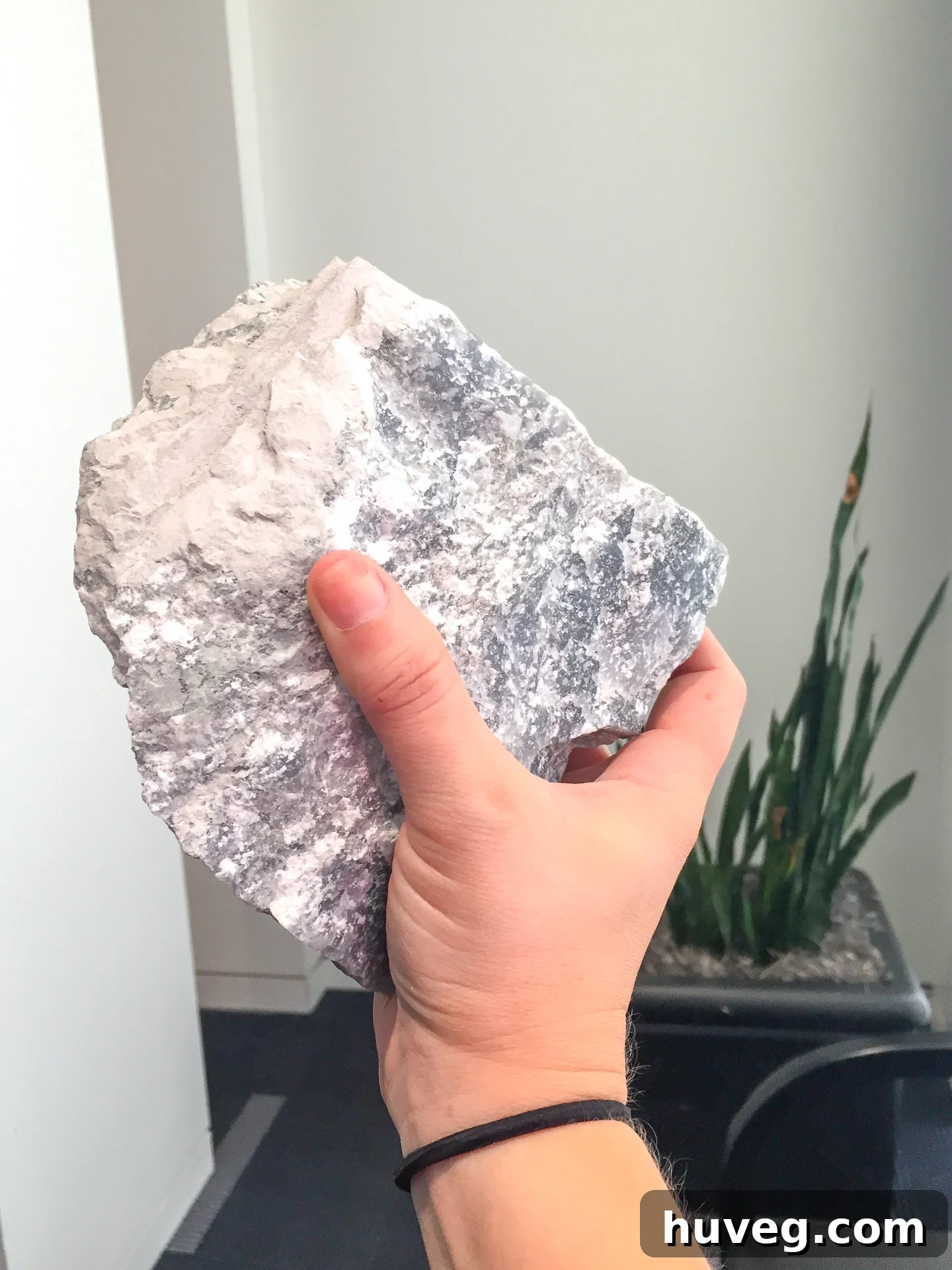
My journey into the world of drywall began, as this post suggests, with a deep dive into “how it’s made.” The tour certainly delivered on that front, expanding my understanding significantly. As the names “National Gypsum” and “gypsum board” imply, drywall is primarily crafted from gypsum. A substantial amount of this mineral is extracted from quarries across the country, appearing in its raw form much like the piece I held in my hand:
However, the story of drywall manufacturing at National Gypsum is also one of remarkable environmental responsibility. A significant portion of their gypsum comes from a byproduct of coal-burning power plants, known as FGD (Flue Gas Desulfurization) gypsum. By meticulously filtering and reusing this industrial byproduct, National Gypsum diverts literal tons of waste from ever reaching landfills, transforming a potential pollutant into a valuable resource. Furthermore, their commitment to sustainability dates back to the 1960s, when they pioneered the use of recycled materials for the paper facings on both the front and back of their drywall panels. Considering that using mold-resistant drywall like Purple XP helps prevent premature demolition due to mold damage, it also inherently keeps old building materials out of landfills for longer. When you piece these elements together, it becomes abundantly clear that Purple drywall is, in fact, remarkably green.
We were granted the incredible opportunity to walk the entire length of the sprawling (and impeccably clean, though quite hot!) manufacturing center. Witnessing the liquid gypsum mixture emerge and then rapidly harden to a touchable state by the time we reached the other end was nothing short of amazing. At one point, staff even scooped some of the liquid product into cups for us, allowing us to observe tiny filaments forming along the edges as we moved through the facility. Unfortunately, capturing this part of the tour on camera or video was not permitted—a standard practice to safeguard proprietary processes from competitors. However, rest assured, I’ll soon be sharing a video showcasing all the other fascinating aspects of our visit! In the interim, for a general understanding of the process, you can explore this “How It’s Made” segment on gypsum board production.
Beyond the Basics: Discovering Specialty Drywall Solutions
As I mentioned earlier, one of the most significant revelations for me was learning just how diverse and specialized drywall can be. It’s not a one-size-fits-all material; rather, there are distinct types engineered for specific challenges, from resisting frequent impacts to effectively minimizing noise transmission between spaces. This specialization fundamentally changes how we can design and protect our interiors.

**XP® Drywall**: This is National Gypsum’s standard Purple XP product, engineered for most typical wall applications. Its true value shines brightest in areas where moisture might eventually become a threat, even if it’s not a direct “wet area.” Think bathrooms (excluding direct shower/tub enclosures, which require dedicated waterproof backer board), kitchens, basements, and laundry rooms. If you’re undertaking a new home construction or embarking on a major wall demolition project, I wholeheartedly recommend using XP drywall wherever old panels need replacing. My own experience with an unexpected AC leak in my living room ceiling, a space I never anticipated having moisture issues, serves as a powerful reminder of this “better safe than sorry” approach. You never know where or when disaster might strike.
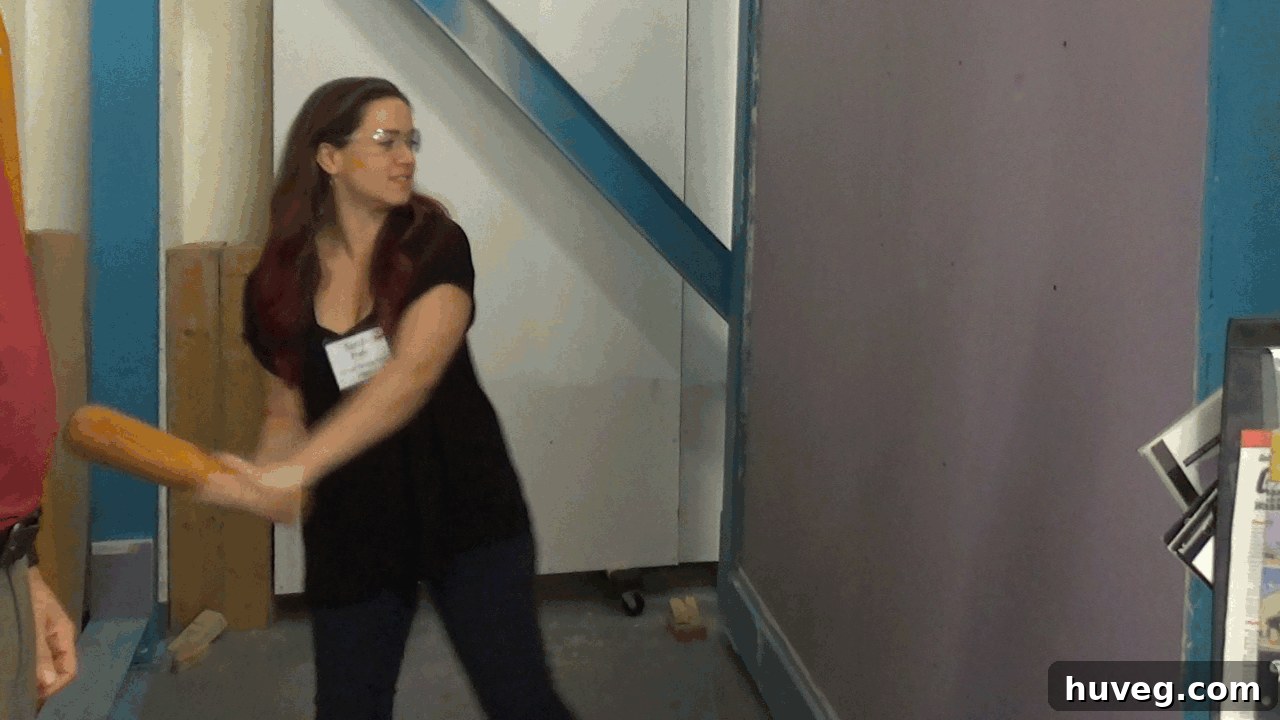
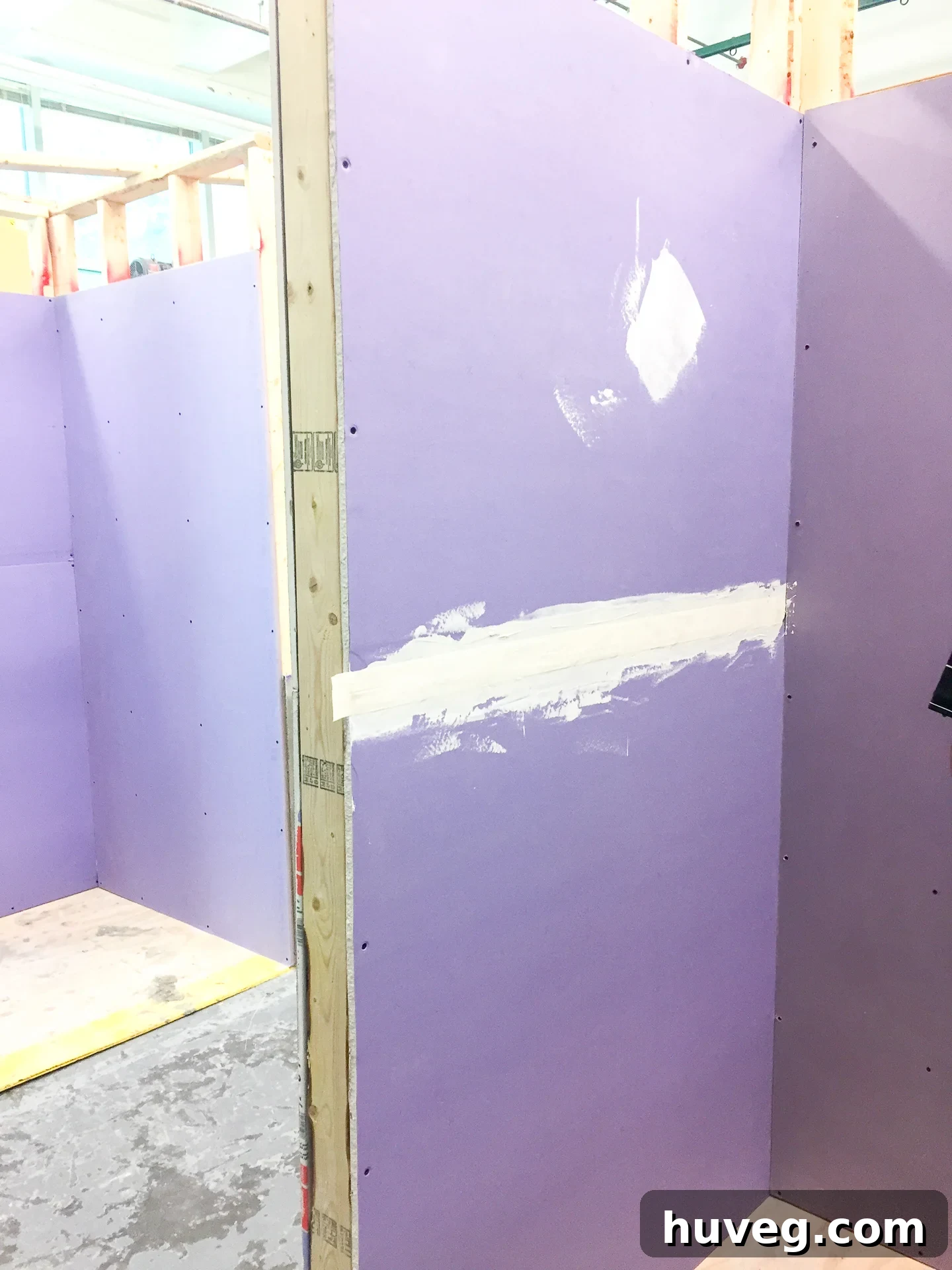
**Hi-Abuse XP® and Hi-Impact XP® Drywall**: These two formidable drywall types are specifically designed for environments where walls endure significant wear and tear. While both offer enhanced durability, their applications differ. Hi-Abuse XP excels at resisting surface damage like scratches, scuffs, and abrasions. It’s ideal for high-traffic areas such as hallways, stairwells, and commercial spaces, or in homes with children, pets, and frequent furniture rearrangement. In contrast, Hi-Impact XP takes durability to an entirely new level; it’s engineered to withstand literal beatings. Its secret lies within its core, reinforced with a robust fiberglass mesh, allowing it to endure truly impressive abuse. I can personally attest to its strength—despite my 5’2” stature and my background playing fastpitch softball, I had to repeatedly strike the same exact spot with considerable force before finally breaking through. This makes Hi-Impact XP a perfect choice for workshops, children’s playrooms, bustling commercial kitchens, perhaps even fraternity houses or a lively brewery tasting room. Anyone who has ever faced the daunting task of patching a gaping hole in a wall will appreciate how infinitely simpler it is to smooth over a mere dent with joint compound.
**SoundBreak XP® Drywall**: This product was, without a doubt, my absolute favorite discovery during the entire trip. The concept of “thin walls” and noisy neighbors is a universally understood frustration, particularly in hotels, apartments, townhomes, or condos where it often feels like you can hear every single movement. An intriguing piece of information shared during the tour highlighted a growing trend: with the increasing popularity of mixed-use real estate developments and the conversion of commercial buildings into high-rise residential lofts, noise-related lawsuits against real estate developers are becoming far more common. This has prompted many developers to re-evaluate the cost versus risk of opting for cheaper, lightweight drywall that offers minimal sound insulation. However, it wasn’t just the commercial implications that captivated me.
**SoundBreak XP Retrofit®Board**: THIS. This product is an absolute game-changer. The genius of SoundBreak XP Retrofit® Board lies in its ability to be applied *on top* of your existing drywall, creating an effective sound barrier without the need for messy, time-consuming demolition. Its ultra-thin profile means it can be installed with minimal disruption, saving immense amounts of time, labor, and clean-up. The applications for such an innovative product are boundless: nursery walls to ensure peaceful sleep, dedicated media rooms for immersive entertainment, bedrooms for enhanced privacy (and perhaps a little more peace and quiet from a snoring partner, hehe), or even home offices and workshops where focus is paramount. As someone who dedicates significant effort to producing both written and video tutorials, I have a constant need to minimize background noise. The persistent barking of dogs or the whirring of air conditioning units and fans are incredibly inconvenient for voice-overs, often forcing me to record in the cramped confines of my primary bedroom closet! And much like my woodworking friends who find their creative surge late at night, I would relish the opportunity to hone new skills in my workshop without inadvertently annoying my neighbors (or, more immediately, the bearded guy sleeping upstairs). SoundBreak XP Retrofit offers an elegant, practical solution to a pervasive modern problem.
A Friendly Drywall Challenge: My Experience at National Gypsum HQ
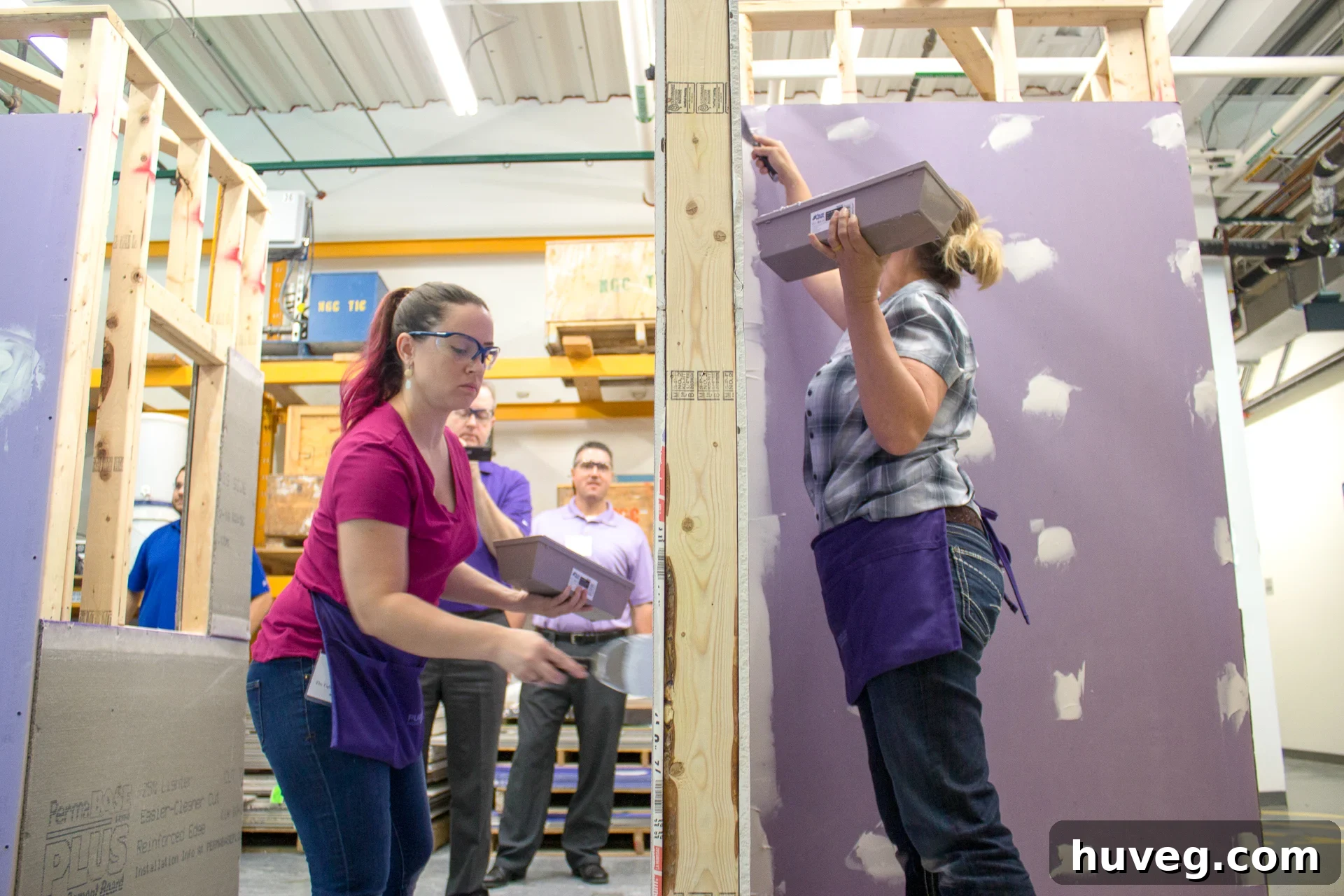
To provide us with genuinely “hands-on” demonstrations, the National Gypsum team first shared invaluable pointers on best practices for taping drywall seams and installing panels correctly. As someone with practical experience in both repairing old drywall and installing new drywall over existing paneling, I was completely absorbed. While my DIY efforts have certainly taught me a lot, receiving solid, expert tips directly from professionals in the field was an incredibly valuable learning experience.
Following the instructive session, the entire group—comprising myself, Brittany, and several seasoned professional remodelers (which was a distinct experience, as most of my press trips typically feature only DIYers)—was invited to participate in a friendly competition! This unique blend of experience levels created an engaging and dynamic atmosphere, offering a fascinating contrast between amateur enthusiasm and professional precision.
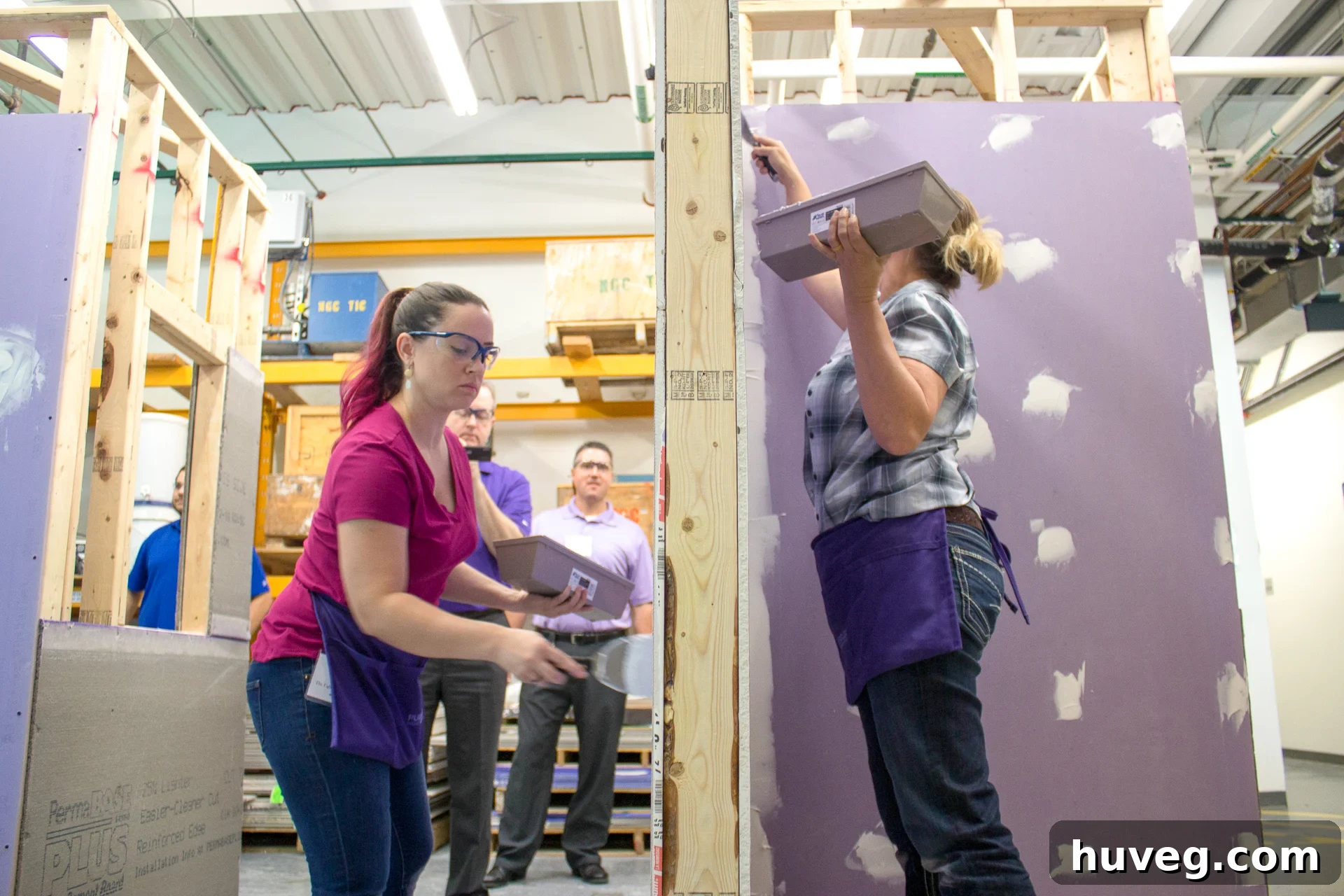
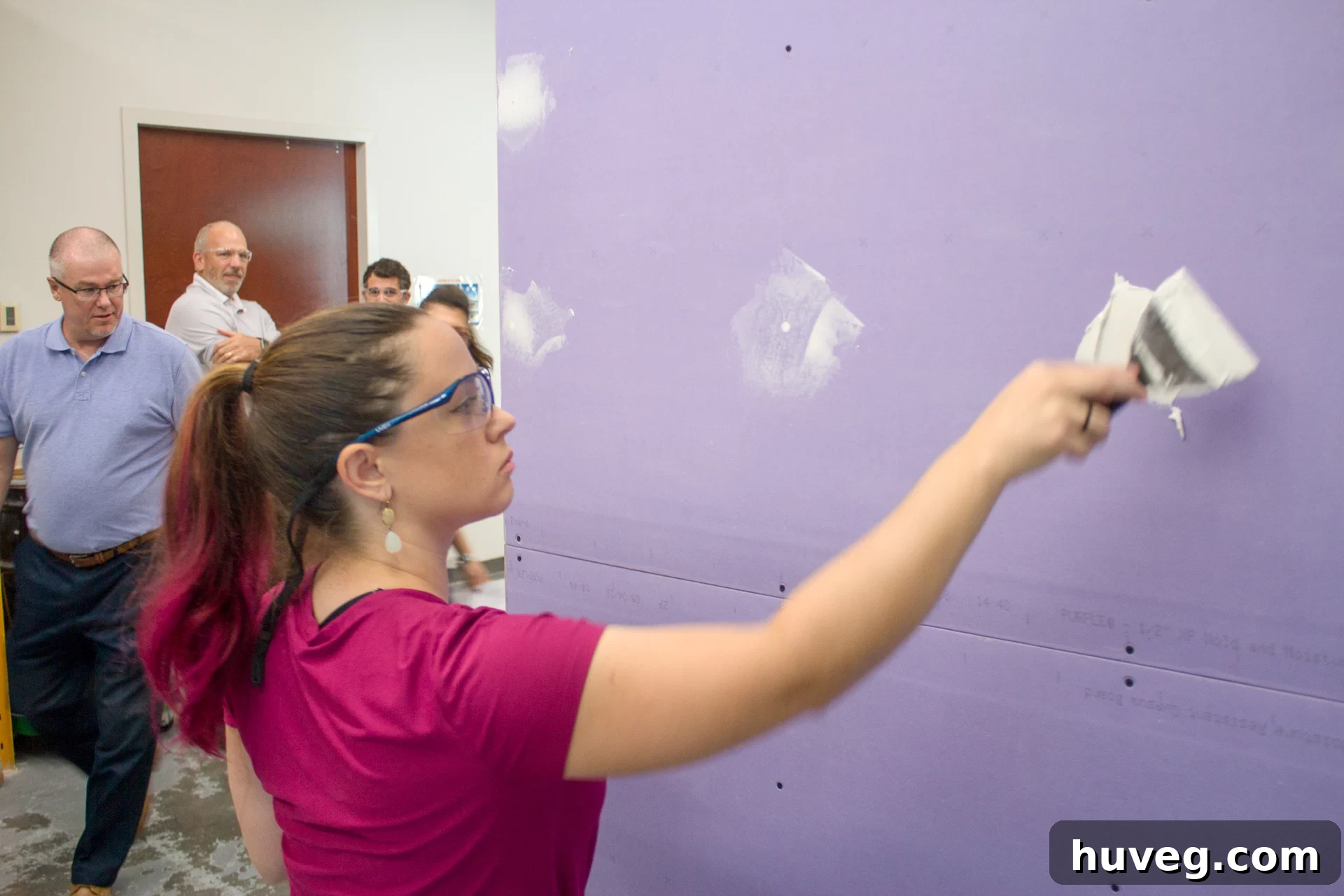
Considering that at least one member of our group boasted *decades* of experience performing this exact task (and *coughcough*, may or may not have subtly utilized his tape measure to ensure precise 12-inch on-center placement, despite the rest of us being explicitly told not to measure—but no, I’m certainly not bitter ?), it came as absolutely no shock that I didn’t emerge victorious. However, I was genuinely pleased to discover that, even among such skilled professionals, I could confidently hold my own in the room, demonstrating a respectable level of competence!
Why I’m Collaborating with Ask for Purple
Before any readers conclude that I’m solely here to sing the praises of Purple drywall without a critical eye, I must address one significant challenge, at least in my local area: availability. While Purple XP products are accessible in large retail chains in some regions, where I reside, obtaining them typically requires a special order, especially for specialized products like the Retrofit board. It’s not that I have an inherent issue with engaging local suppliers—in fact, I firmly believe in supporting local businesses. My concern stems from the practical realities of a busy DIYer’s life: I’m no stranger to making eight supply runs in a single week, with at least one often occurring a mere fifteen minutes before closing time. Therefore, whenever I contemplate a brand partnership, I meticulously weigh whether the “extra effort” required to source their product is truly justified. Regardless of how impressive a product might be, I’m certainly not eager to compound my DIY frustrations by encountering closed stores while daylight remains and a deadline looms, or finding that a product is only available if purchased in bulk quantities. Professional contractors, with their extensive experience, can easily create and adhere to comprehensive supply lists. But that doesn’t reflect my reality, and I refuse to pretend it does. Furthermore, it wouldn’t be honest to advocate for extra efforts that I myself wouldn’t be willing to undertake.
As you might have anticipated, I had absolutely no reservations about candidly sharing these concerns with the marketing team. I emphasized that *a homeowner requires more than just a product’s benefits or its cost; the overall purchasing and installation experience can still be incredibly intimidating and frustrating for a DIYer.* And ultimately, this frank exchange is precisely why I chose to work with them. A seasoned professional can effortlessly articulate why one product surpasses another, advocating for it with complete confidence. A brand’s dedicated sales team can skillfully navigate the intricacies of retail to ensure a product reaches store shelves and performs well. However, if an innovative solution exists that could genuinely resolve a DIYer’s problem, but we remain unaware of its existence, we can neither seek it out nor request our local stores to stock it. This particular instance feels like one of those rare times when the potential “extra effort” might truly be worth it, and I’m genuinely excited to see the results once I get to the installation phase!