Unwavering Resolve


Helping Our Furry Friends Cope: Understanding and Easing Pet Relocation Anxiety
Transitioning to a new home can be an incredibly stressful experience, not just for humans but especially for our beloved pets. My journey with Colby, a furry companion who is not technically “my” dog but very much a part of my family, brought this reality sharply into focus. Colby entered my life almost a year after he was adopted by Scott, his primary owner. Though I never had the chance to cuddle him as a tiny ten-week-old puppy, a thought that still brings a pang of sadness, our bond grew incredibly strong over time.
Despite the “stepmom” title I jokingly adopted, Colby swiftly burrowed his way into my heart. Countless evenings spent caring for him while Scott was away solidified our unique connection. He became a fuzzy, warm, and often hilariously clumsy part of my daily existence. My affection for him runs deep, even recalling moments like the infamous “Christmas cookie incident” where he devoured all the festive treats. That cherished bond makes his recent struggle with pet relocation anxiety all the more poignant, highlighting the emotional depth of our canine companions.
The Unexpected Challenge: Colby’s Struggle with Moving Anxiety
The news arrived the day after Scott’s move: Colby was struggling to adjust to his new surroundings. This came as a significant shock, given Colby’s history with transitions. Throughout his relatively short life, he had adapted to at least four previous moves—from a bustling fraternity house to an Atlanta apartment, then to my apartment, and finally to my house. Each time, he transitioned with remarkable ease, appearing to take everything in stride. This time, however, was starkly different.
Scott described a dog who spent the entire moving day moping around the new place, a clear sign of distress. He eventually found his bed, flopped down, and began to whine incessantly, unable to settle. The distress escalated further when he became physically ill, throwing up on Scott’s brand-new carpet not once, but twice. These profound reactions from Colby were clear indicators of severe canine relocation anxiety, a condition that can affect pets in various ways when their established environment is suddenly altered.
For many pets, a move represents a complete disruption of their familiar world. Their secure territory, established routines, comforting scents, and even the ambient sounds they’ve grown accustomed to are suddenly gone, replaced by an unfamiliar landscape. This drastic change can lead to feelings of insecurity, confusion, and fear, manifesting in various behavioral and physical symptoms. Moping, destructive chewing, changes in eating habits, excessive barking, withdrawal, house-soiling, and vomiting are all common signs that a pet is struggling to cope with their new environment. It’s a powerful reminder that our pets experience emotional turmoil just like we do, and sometimes even more intensely due to their reliance on routine and territory.
A Reassuring Visit: Easing Colby’s Transition
Upon hearing of Colby’s distress, my immediate response was to visit him. The very next day, I made my way to Scott’s new place, eager to provide some comfort and familiarity. It was immensely reassuring to see him, even if he was still a little subdued and not his usual boisterous self. The visit, though brief, allowed me to offer him the comfort and connection he desperately needed during this unsettling time. We took a gentle walk around the new neighborhood, allowing him to explore new scents and sights at his own pace, an important step in helping a dog define their new territory. I spent precious minutes petting him, offering soft words of reassurance, and showering him with kisses, hoping to convey that he was safe and loved, and that familiar faces were still a solid part of his world. Witnessing his gradual calm during our interaction reinforced the power of consistency and affection during such a challenging period.
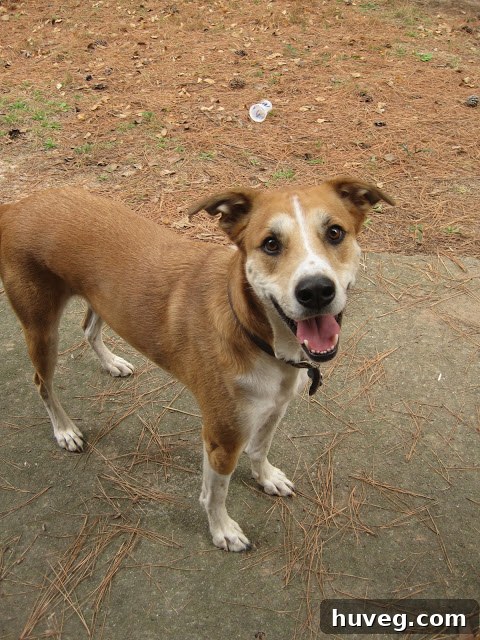
While the visit provided a temporary sense of relief and comfort, it’s clear that Colby, affectionately known as “the Colbster,” will require ongoing time, patience, and support to fully adjust to his new surroundings. It truly breaks my heart to see him take this transition so hard, especially after his previous seemingly effortless adaptations. His experience serves as a powerful and poignant reminder that every pet is an individual; even the most resilient and previously adaptable animals can be overwhelmed by significant life changes like moving. Understanding and proactively addressing pet relocation anxiety is not just a kind gesture, but a crucial responsibility for ensuring their emotional and physical well-being.
Comprehensive Strategies for a Smooth Pet Move: Minimizing Relocation Anxiety
Moving with pets requires careful planning, empathy, and a deep understanding of their unique needs. Based on Colby’s recent experience and widely recognized expert advice, here are comprehensive strategies to help your furry companions navigate the transition to a new home with greater ease and minimal stress. Proactive measures and consistent support can make all the difference in helping them feel secure, loved, and comfortable in their new environment.
Before the Move: Preparing Your Pet for the Transition
- Pre-Exposure to the New Environment: If at all possible, introduce your dog to the new place before the actual moving day. Take them for short, positive visits. Allow them to explore, sniff every corner, and even mark the new territory with their scent. This pre-familiarization helps them build a sense of recognition and reduces the shock of arriving on moving day to an entirely unknown space. It creates a mental map and a degree of comfort before the chaos of moving day begins.
- Gradual Introduction of Moving Preparations: Pets are highly sensitive to changes in routine and environment. Start introducing moving boxes and packing activities slowly over several weeks. Allow your pet to investigate the boxes and don’t make them seem like a threat. Keep their daily routine—feeding, walking, playtime—as normal as possible for as long as you can. This minimizes sudden disruptions and helps them acclimate to the idea of change rather than being blindsided by it.
- Consult Your Veterinarian: Before the move, discuss your plans with your vet. They can offer specific advice tailored to your pet’s health, age, and temperament. For highly anxious pets, your vet might recommend calming supplements, pheromone collars/diffusers (like Adaptil for dogs), or even mild sedatives for the travel day itself. Having a pre-move health check-up also ensures your pet is fit for travel and transition.
- Update Pet Identification: Ensure your pet’s microchip information is current and that their collar has up-to-date ID tags with your new address and phone number. Accidents can happen during moves—a door left ajar, a startled pet—and accurate identification significantly increases the chances of a safe reunion if your pet gets lost.
During the Move: Minimizing Stress on Moving Day
- Create a Safe Haven on Moving Day: On the day of the move itself, it’s best to keep your pet in a quiet, secure room away from the commotion of movers, open doors, and heavy lifting. Provide their favorite bed, toys, water, and food within this safe space. Alternatively, consider boarding them with a trusted friend, family member, or a professional pet sitter for the duration of the move. This prevents accidental escapes and reduces stress from overwhelming noise and activity.
- First Impressions at the New Home: Once you arrive at the new place, prioritize your pet’s comfort. Bring them over and spend quality time with them immediately, even before tackling the unpacking. Play with them, give them treats, and reassure them with your calm presence. Your dog needs to know that everything is okay and that there is no cause for alarm. This positive initial experience sets a good tone for their adjustment.
- Familiar Items First: Prioritize unpacking and setting up your pet’s essential items early. Bring over their favorite toys, bed, food and water bowls, and a blanket that smells like the old home. Place these items in a designated “safe space” where they can retreat and feel secure. Seeing and smelling familiar objects makes the new place feel more like home much quicker and provides an anchor of comfort.
- Designate a “Pet Zone”: Choose a quiet corner or room in the new house as your pet’s special area. Equip it with their bed, water, and toys. This gives them a consistent, secure retreat where they can feel safe and undisturbed as they slowly explore the rest of the house at their own pace. This personal haven helps them process their new surroundings without feeling overwhelmed.
After the Move: Supporting Long-Term Adjustment
- Maintain Routine and Consistency: The single most important factor in helping your pet adjust is maintaining as much normalcy as possible. Stick rigorously to their regular feeding times, walk schedules, and playtimes. Predictability provides immense comfort and reassurance, signaling that despite the new location, their world still makes sense and is secure.
- Patience and Affection: Be incredibly patient and understanding. Your pet may exhibit temporary behavioral changes as they adapt, which could last for several weeks or even months. Offer plenty of attention, affection, and positive reinforcement for calm behavior. Gentle petting, verbal praise, and favorite treats can create strong positive associations with the new home. Make the move a positive experience through your consistent love and reassuring presence.
- Explore the New Neighborhood: Gradually introduce your dog to the new neighborhood. Start with short, calm walks around the immediate vicinity, allowing them to sniff and explore at their own pace. This helps them learn the new territory, become familiar with new sounds and smells, and establish new routines for walks and outdoor activities. Gradually increase the duration and distance of these explorations.
- Social Visits from Familiar Faces: In situations like mine, where certain people are not moving with the pet, it’s incredibly helpful for those familiar faces to visit the new place. These visits can reassure the dog that they haven’t been abandoned and that their “pack” is still connected, even if it’s in a new location. Even short, happy interactions with familiar humans can make a significant difference in their emotional well-being and sense of security.
- Address Persistent Anxiety: If your pet’s relocation anxiety persists beyond a few weeks, or if their symptoms are severe (e.g., prolonged refusal to eat, extreme lethargy, continuous destructive behavior, aggression), consult your veterinarian or a certified animal behaviorist. They can provide professional guidance, recommend behavioral modification techniques, or suggest medical interventions if necessary to alleviate severe anxiety.
- Create New Positive Associations: Engage in fun activities unique to the new home and neighborhood. Play fetch in the new yard, discover new walking trails, introduce new toys that are only used in the new house, and establish new, positive rituals. The more enjoyable experiences your pet has in their new environment, the faster they will form happy associations and truly feel at home.
Share Your Insights: Helping Pets Thrive Post-Move
Colby’s experience taught me invaluable lessons about the emotional resilience of our pets and our profound responsibility to support them through significant life changes. While he is slowly but surely settling in, his initial struggle underscored the universal need for empathy, meticulous preparation, and unwavering patience when moving with pets.
Have your pets ever experienced relocation anxiety? If so, what strategies did you employ to help them overcome it and adapt to their new surroundings? Your insights, personal stories, and practical advice are incredibly valuable. Please feel free to add your own tips and advice in the comments section below. There’s no doubt that your shared experiences can make a significant difference, turning what could be a stressful ordeal into a happy and seamless transition for another pet and their loving family in their new home.
Let’s create a community of support, ensuring every furry family member becomes a happy camper and truly thrives in their new abode, surrounded by love, familiarity, and peace of mind.