The Dining Room Showcase

Transforming the Dining Room: A Journey to a Refined and Functional Space
Every homeowner reaches a point where inspiration strikes, pushing them to redefine their living spaces. For many, this moment arrives when a beautifully completed project, perhaps a relative’s elegant dining room, sparks a desire for personal transformation. Or, it could be the simple, undeniable urge to tackle a long-neglected project, fueled by the ever-present tug of creative energy that prevents one from staying focused on a single task for too long. Yet, for many DIY enthusiasts, the most potent catalyst for change is often the sheer necessity of reclaiming one’s home from the encroaching tide of clutter. The sight of essential dining room and kitchen items, including significant furniture pieces, stacked precariously high in the living room, can feel less like a temporary inconvenience and more like a scene straight out of a home organization show gone awry.
Indeed, that last reason—the urgent need to restore order and functionality—is frequently the most compelling. When your central living area starts to resemble an overflow storage unit, the motivation to finally complete a room becomes undeniable. This realization often marks the decisive moment to embark on a significant home improvement journey, beginning with the foundational elements of the space. For me, that journey now centers firmly on the dining room walls. The groundwork has been meticulously laid, transforming vague ideas into concrete plans.
The Blueprint for Beauty: Laying the Groundwork for a Dining Room Makeover
Successfully revamping any room, especially one as central as the dining room, hinges on a well-thought-out strategy. This isn’t just about picking a paint color; it’s about envisioning the entire aesthetic and functional flow. My own dining room transformation has followed a deliberate path, starting with the very core of design and progressing through crucial preparatory stages.
From Concept to Canvas: The Power of Planning and Mood Boards
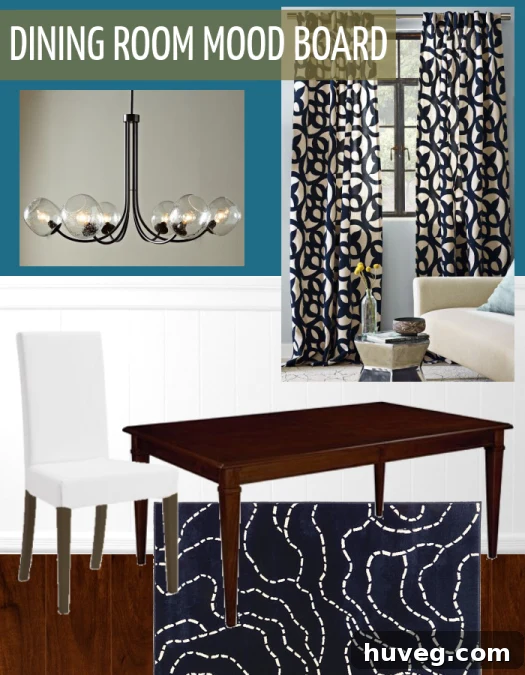
Before any paint can be slapped on or any furniture rearranged, having a clear vision is paramount. This process began with a detailed game plan sketched out. A mood board, whether digital or physical, serves as an invaluable tool for collating ideas, textures, and colors that resonate with the desired outcome. It helps in visualizing how different elements—from furniture styles to decorative accents—will harmonize within the space. This initial conceptualization phase is crucial for avoiding costly mistakes and ensuring that the final result aligns perfectly with your aesthetic aspirations for a cohesive and inviting dining area.
Selecting the Perfect Palette: The Art of Paint Color Choice
Choosing the right paint color is arguably one of the most impactful decisions in any room makeover. It sets the mood, influences the perception of space, and ties all other design elements together. After extensive consideration and testing, the final paint color has been selected. The process involved more than just picking a shade from a swatch; it meant observing how different tones reacted to varying light conditions throughout the day, ensuring the chosen color would create the desired ambiance—whether that be a warm, intimate setting or a bright, airy one—that truly transforms the dining room into a delightful space for gathering and entertaining.
Textiles That Tell a Story: Curtains, Rugs, and Ambiance
Beyond the walls themselves, textiles play an enormous role in defining the character and comfort of a dining room. Curtains and rugs aren’t merely functional; they are essential design elements that add layers of texture, warmth, and visual interest. Recognizing this, new curtains and rugs have been carefully purchased. The selection process involved considering how these items would complement the chosen paint color, the existing furniture, and the overall design scheme. Curtains can soften harsh light and add a touch of elegance, while a well-chosen rug can anchor the dining area, provide comfort underfoot, and introduce a pattern or color that elevates the room’s entire aesthetic. These textile choices are pivotal in crafting an environment that feels complete, inviting, and truly lived-in.
Adding Architectural Elegance: The Impact of Picture Frame Molding
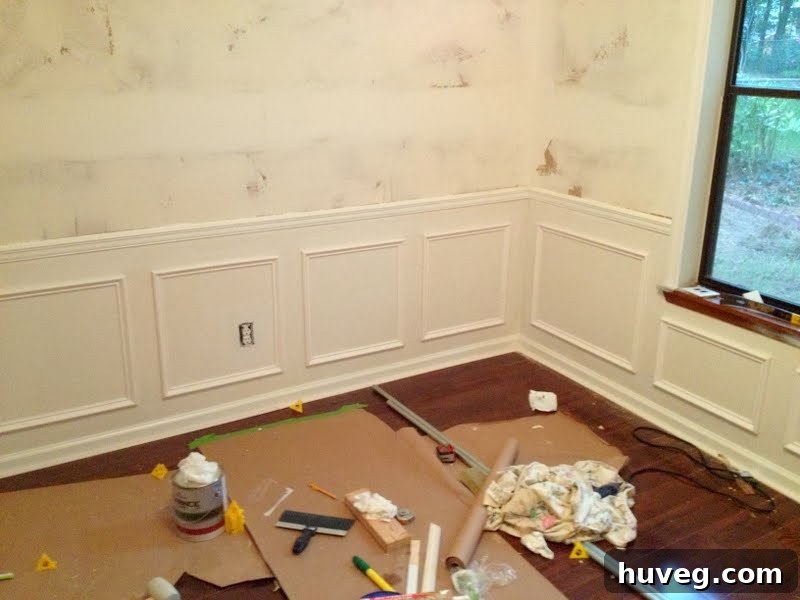
Sometimes, the most significant transformations come from introducing architectural details that elevate a room’s inherent charm. For this dining room, the decision was made to install picture frame molding. This decorative trim adds depth, character, and a touch of classic sophistication to plain walls, creating a sense of grandeur and structure often found in more traditional or upscale homes. The installation process presented its own set of challenges, particularly when navigating around outlets and windows, but the effort is always worth it. Picture frame molding visually breaks up large wall expanses, offers a refined backdrop for art, and contributes significantly to the room’s perceived value and aesthetic appeal, making it feel more bespoke and thoughtfully designed.
The Foundation of Flawlessness: Mastering Wall Preparation for a Superior Finish
With the design elements finalized and decorative molding in place, the focus shifts to the most critical stage before painting: wall preparation. This phase, though often tedious, is absolutely essential for achieving a professional, flawless finish that will stand the test of time. A beautifully painted room is only as good as the surface it’s applied to, making thorough wall prep non-negotiable.
The Skim Coat Secret: Achieving a Perfectly Smooth Surface
The goal is a surface that is utterly smooth, free from imperfections, bumps, or uneven textures. This is where the magic of a skim coat comes into play. A skim coat is a thin layer of joint compound applied over the entire wall surface to create a uniform, smooth finish. It’s particularly effective for old walls with minor damage, rough textures, or after removing wallpaper. The first round of skim coating is already complete, which is a significant milestone. This initial application helps to fill in any minor dents, cracks, or discrepancies, providing a clean slate for subsequent layers and, ultimately, for the paint itself. Achieving this level of smoothness requires patience and careful application, but the payoff in the final painted result is immense, showcasing the paint color beautifully without any underlying distractions.
Precision Through Practice: The Art of Sanding
Following the application of the skim coat, the next crucial step is sanding. This process is not just about roughing up the surface; it’s about meticulously smoothing out any ridges, bumps, or imperfections left by the skim coat application. The objective is to create a perfectly flat and uniform substrate, ensuring that the paint adheres evenly and looks immaculate. While the first round of skim coating is done, the reality of achieving truly perfectionist standards often means that at least one more skim coat and subsequent sanding will be necessary. This iterative process of applying and smoothing is the hallmark of professional-quality wall preparation. It allows for the identification and correction of any missed spots or subtle inconsistencies, leading to a truly pristine canvas for painting.
Equipping Your Arsenal: Tools for a Superior Finish
Efficiency and quality in wall preparation are greatly enhanced by the right tools. Fortunately, I now have access to a nifty new tool that promises to accelerate the typically time-consuming sanding and smoothing process compared to previous rooms. Modern sanding tools, such as pole sanders with dust extraction capabilities or electric sanders designed for drywall, can dramatically reduce labor and improve the consistency of the finish. These innovations not only make the job faster but also minimize dust, creating a cleaner and healthier working environment. Investing in quality tools for joint compound application, smoothing, and sanding is a wise decision for any serious DIYer, as it directly impacts the final appearance and longevity of the wall finish.
The Final Flourish: Painting and the Joy of Reclaimed Space
With the walls prepped to perfection, the moment arrives for the most visually rewarding step: applying the paint. This is where all the planning, hard work, and meticulous preparation truly culminate in a dramatic transformation. Slapping on that final coat of paint isn’t just a task; it’s the grand finale of a dedicated renovation effort.
The immediate satisfaction of seeing the chosen color come to life on the pristine, smooth walls is unparalleled. Each stroke of the brush or roll of the roller brings the vision closer to reality, transforming a workspace into a cherished part of the home. This final stage is exhilarating, as the dining room sheds its utilitarian guise and begins to embody the aesthetic and atmosphere that was painstakingly planned from the very beginning. It’s the moment when the room starts to feel truly “finished,” ready to welcome furniture, décor, and, most importantly, family and friends.
Beyond the Brush: Furnishing and Styling Your Transformed Dining Room
Once the paint has dried and the fumes have cleared, the true joy of reclaiming the space begins. This involves carefully reintroducing the purchased furniture, curtains, and rugs, and then thoughtfully styling the room with personal touches. The newly finished walls provide a fresh, inviting backdrop for dining sets, art, and decorative accents. This stage allows for creative expression, arranging elements to maximize both functionality and visual appeal. The aim is to create a dining room that is not only beautiful but also comfortable and conducive to gathering, entertaining, and making lasting memories. The transformation from a cluttered, unfinished area to a sophisticated and welcoming space is a testament to perseverance and vision.
Embracing the Journey: A Call to Action for Your Own Home
The journey from an inspiration to a fully realized room is often filled with challenges, learning curves, and moments of doubt, but the reward is always worth the effort. There’s an immense sense of accomplishment that comes with taking a space that felt chaotic and unfinished, and systematically transforming it into something functional, beautiful, and reflective of your personal style. My goal this month is clear: to finish these dining room walls, banish the last vestiges of clutter from the living room, and officially reclaim this vital space.
This endeavor serves as a powerful reminder that every home has the potential for transformation, and every homeowner possesses the capacity to bring that vision to life. So, with anticipation building and the finish line in sight, it’s time to stretch out those arms, take a deep breath, and dive into the final push. Ready, set, go! May your own home improvement projects be met with similar determination and rewarding outcomes, turning your aspirations into beautiful realities.