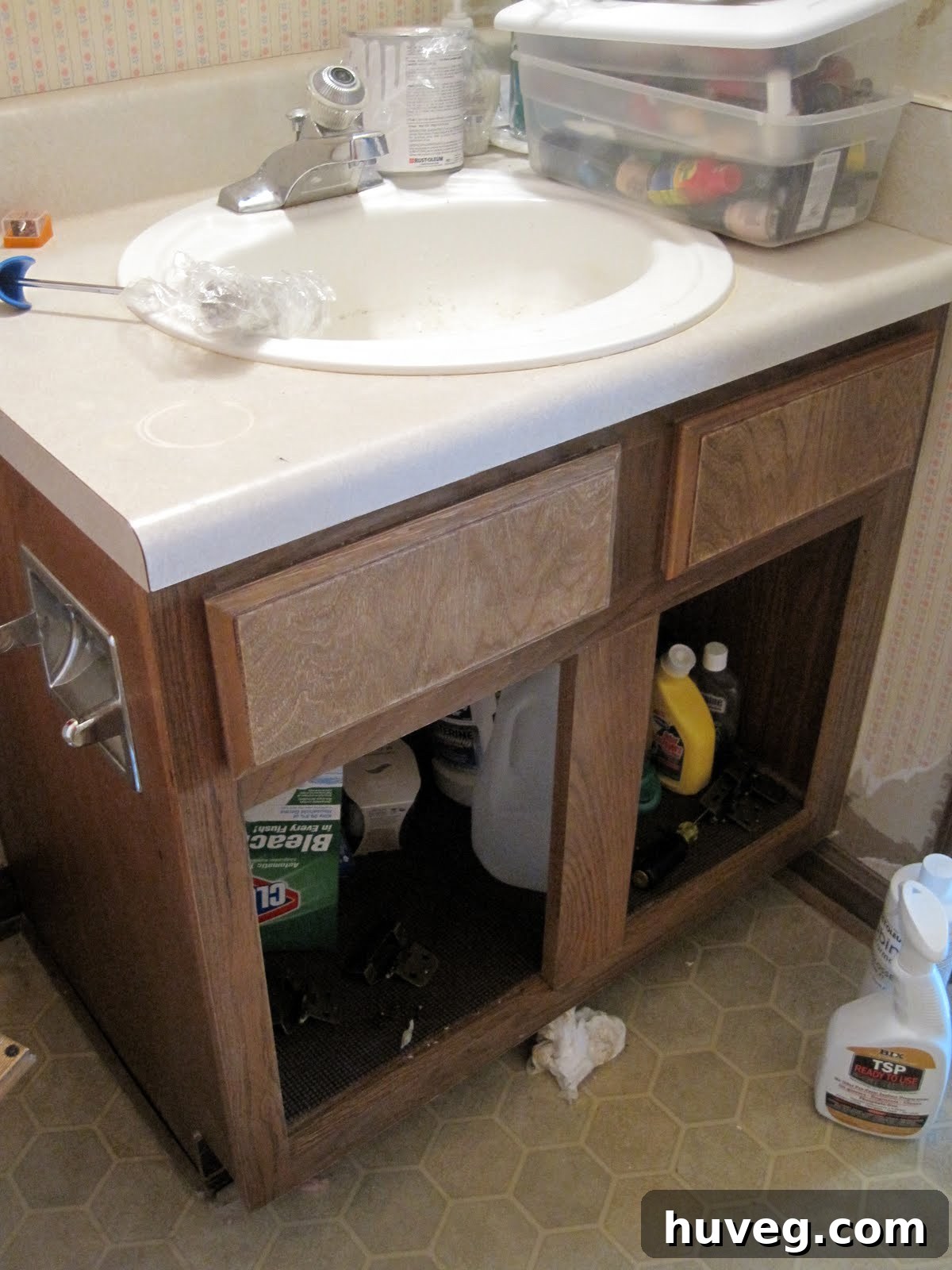
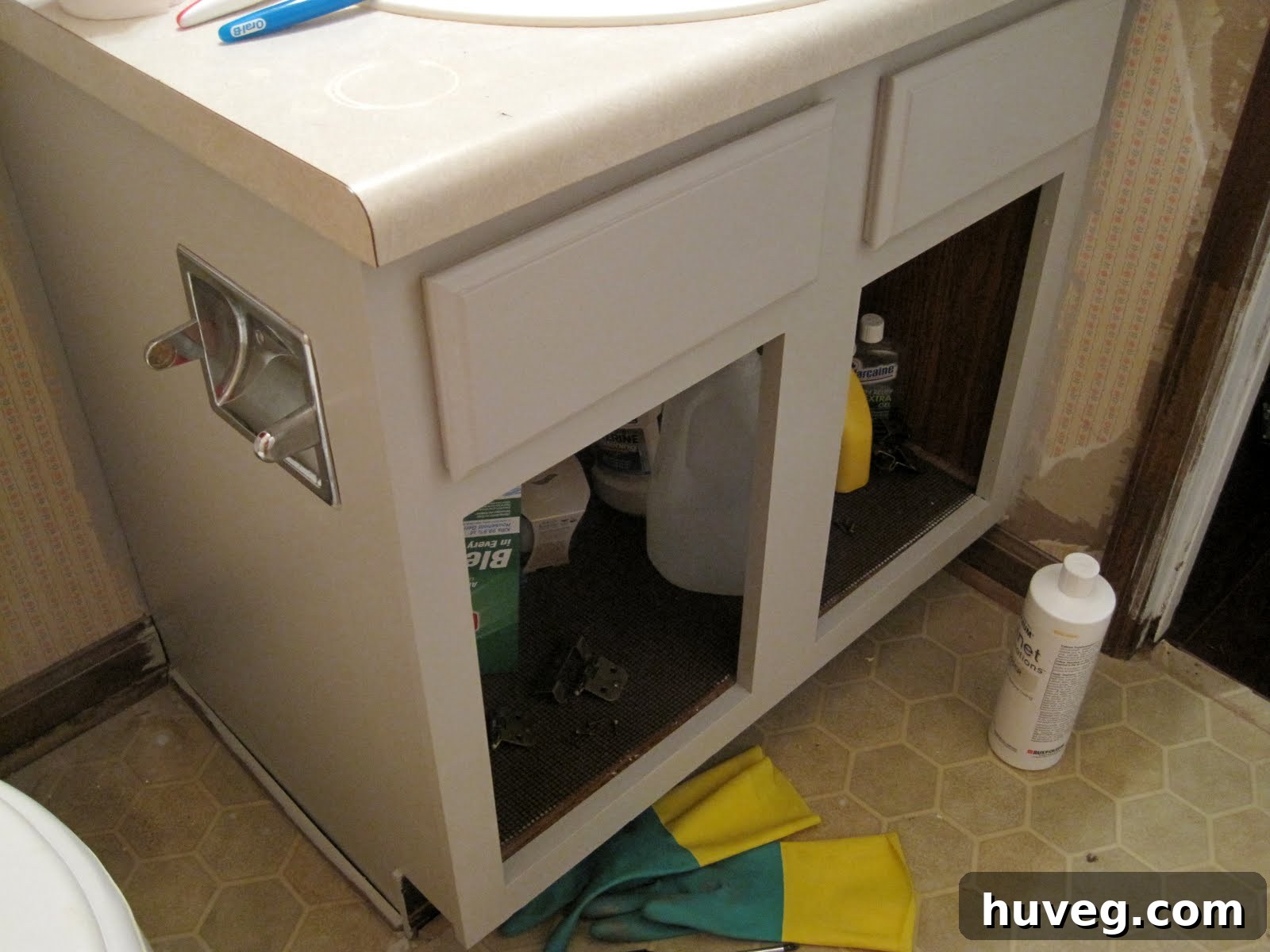
Transform Your Cabinets with Rustoleum Paint

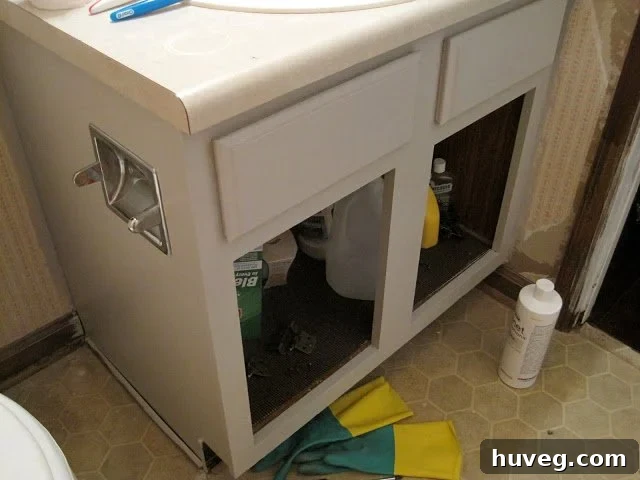
Embarking on a home renovation project can often feel daunting, especially when it comes to updating tired-looking kitchen or bathroom cabinets. The idea of a complete tear-out and replacement can be costly and time-consuming. Fortunately, innovative solutions like the Rust-Oleum Cabinet Transformations kit offer a fantastic alternative for a refreshed look without the extensive labor of traditional cabinet refinishing. Just a few weeks ago, I ventured into transforming my primary bathroom cabinet using this very kit. My initial approach was experimental; knowing a full bathroom remodel was on the horizon – including replacing the floor and entirely new cabinetry – I wasn’t seeking a permanent fix, but rather an aesthetically pleasing interim solution. If the results were disappointing, a fresh space was only months away.
While the long-term renovation plans remain firmly in place (I’ve even selected the future cabinets and am patiently waiting for a sale!), I was genuinely impressed by the immediate results achieved with the Rust-Oleum kit. This success prompted me to tackle the matching guest bathroom, providing an ideal opportunity to document the process in greater detail. My first attempt was a learning curve, and I realized a comprehensive photo tutorial with nuanced insights would be incredibly beneficial for fellow DIY enthusiasts. This guide aims to fill that gap, offering a more in-depth look at each step involved in giving your cabinets a stunning makeover.
Discovering the Simplicity of Rust-Oleum Cabinet Transformations
The Rust-Oleum Cabinet Transformations kit is specifically designed to demystify cabinet refinishing by eliminating the most laborious steps: extensive sanding and priming. Each kit is generously equipped with all the necessary components, including a helpful instructional DVD and a detailed manual. However, it’s a common experience among eager DIYers that the excitement of starting often leads to pouring paint *before* thoroughly reviewing the instructions. I’m certainly guilty of this, frequently discovering crucial preparatory steps hours into a project that delay the actual painting. This tutorial is crafted for individuals who, like me, prefer a more direct, “CliffsNotes” style guide – providing all the essential information in a streamlined, easy-to-digest format to get you to the painting phase efficiently and effectively.
Realistic Time Commitment for Your Cabinet Makeover
Setting realistic expectations for project duration is key to a smooth DIY experience. For the active application stages of the Rust-Oleum Cabinet Transformations, you should anticipate budgeting approximately 12 hours from start to finish. This estimate thoughtfully excludes the final 24-hour cure time required for the top coat. My personal experience, for instance, involved needing four bond coats to achieve complete and even coverage, rather than the two indicated in the kit’s standard instructions. This variation highlights the importance of flexibility. The excellent news, however, is that this project naturally incorporates significant waiting periods between each step. These intervals are perfect for multitasking; you can easily tackle other household chores, run errands, or even progress on a different small project while your cabinet coats are drying, making efficient use of your time and minimizing downtime.
The Essential Steps: A Detailed Guide to a Flawless Finish
Pre-Step: The Critical Role of Thorough Cleaning
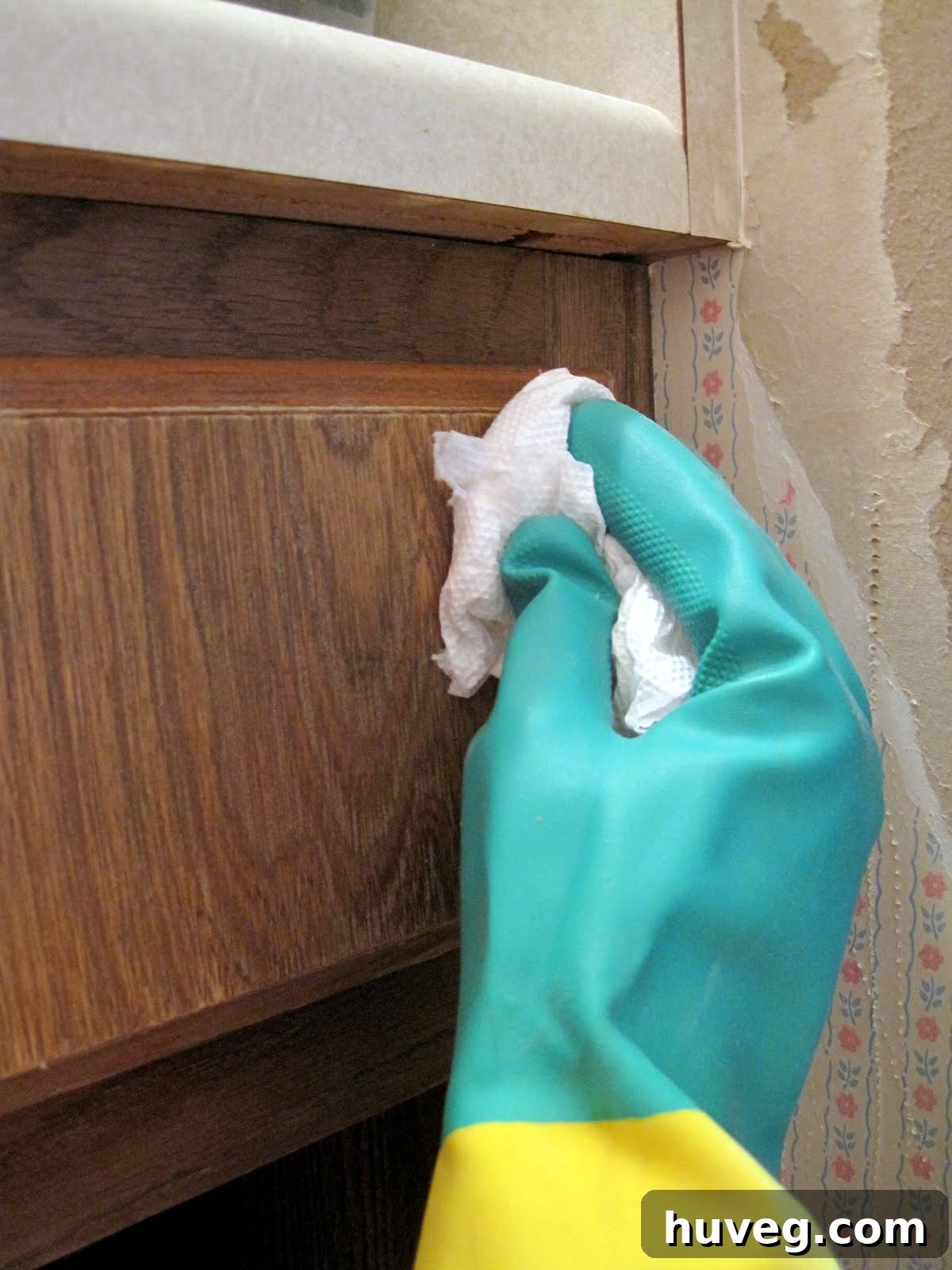
The success of any painting project hinges significantly on meticulous surface preparation, and cabinet transformations are no exception. Neglecting the cleaning phase can severely compromise the adhesion and overall longevity of your new finish. Bathroom and kitchen cabinets, in particular, accumulate layers of grease, grime, dust, and residue from daily use. For this crucial pre-step, I employed a no-rinse TSP substitute. This powerful cleaning agent is highly effective at cutting through stubborn build-up, preparing the surface without requiring an additional rinsing step, which saves time and prevents unnecessary moisture introduction. Ensure you clean every millimeter of the cabinet: the faces, drawer fronts, sides, and any interior edges that will receive paint. A truly pristine surface is the absolute foundation for a durable, professional-looking finish.
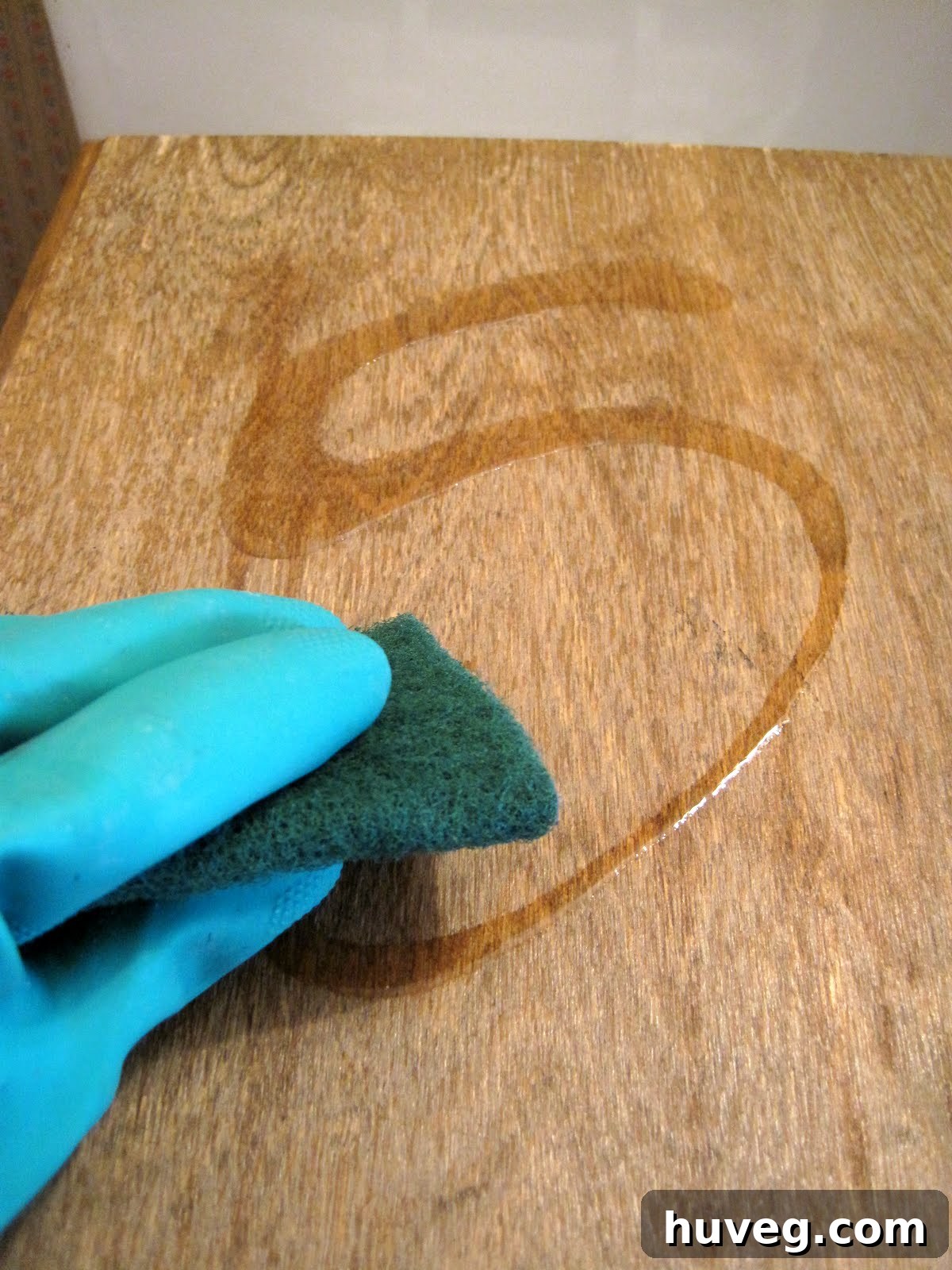
1. Deglossing: The Cornerstone of Superior Adhesion
The first official step in the Rust-Oleum Cabinet Transformations kit is to treat the cabinet surfaces with a specialized deglosser. This phase is arguably the most vital in the entire process, directly determining how effectively the subsequent bond coat will adhere to your existing cabinet finish. The deglosser works by chemically dulling and slightly etching the surface, creating a microscopic texture that provides the ideal grip for the new paint layers. The kit thoughtfully provides scrubbing pads, which are indispensable for working the deglosser thoroughly and evenly over every single inch of the cabinet surface. Do not underestimate or rush this step; meticulous application here will prevent adhesion issues later on. While the written instructions primarily emphasize surface preparation for the bond coat, I also observed that the deglosser gently removed a minuscule amount of the cabinet’s original stain, further priming the surface for a fresh, new look.
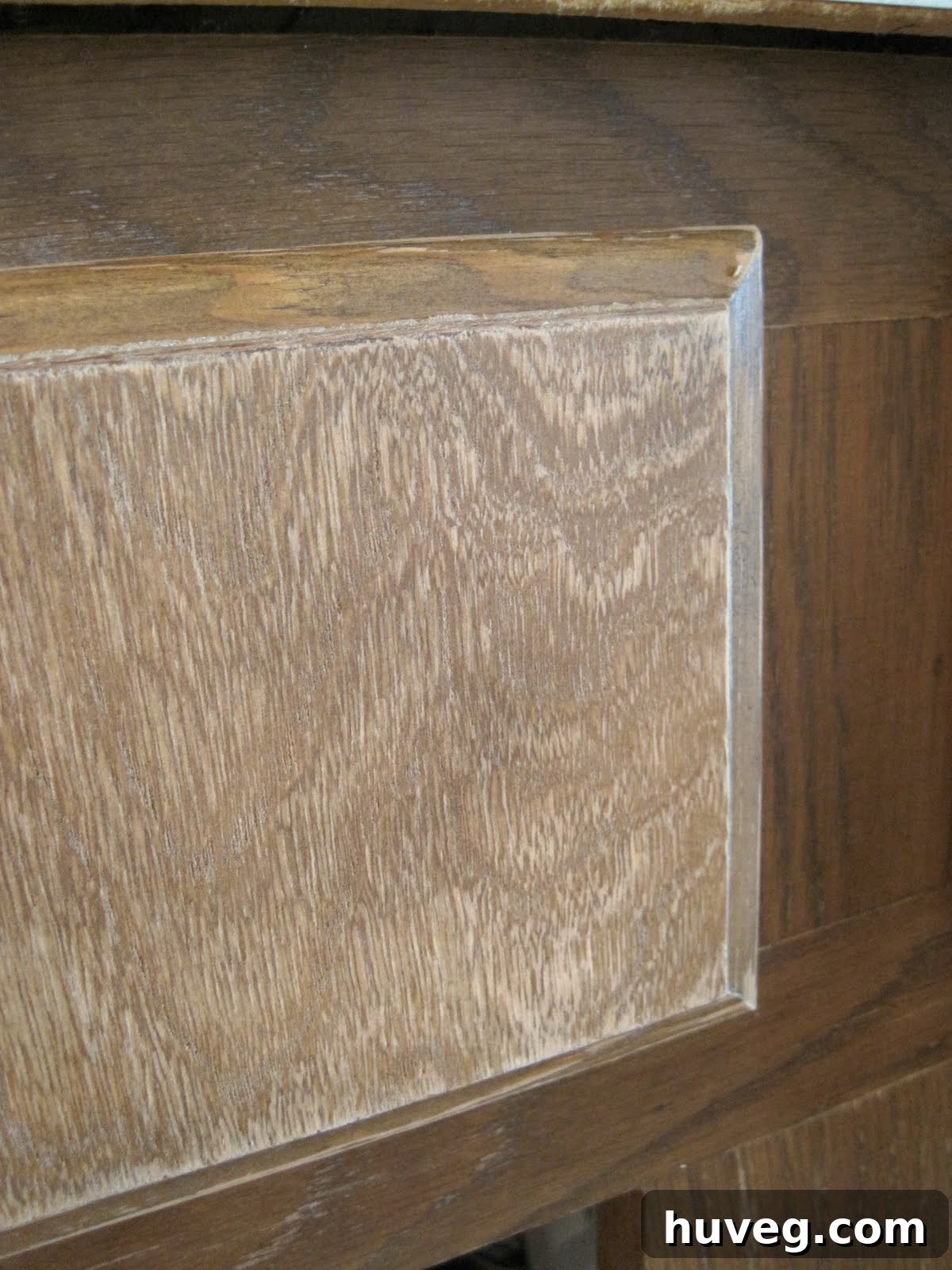
Following the deglosser application, it is absolutely crucial to completely wipe off all residue. I recommend using a clean, damp cloth for this. For these types of “kit” projects, I personally prefer disposable paper towels to ensure no lingering residue is accidentally redeposited. You might notice some white streaks or light bubbling on the surface, particularly if the deglosser was applied a bit thickly. Continue wiping the cabinet with fresh water until these streaks completely vanish, leaving a uniformly clean and prepared surface. Once wiped clean, allow the cabinets to dry for at least **1 hour** before moving on to the first bond coat. This ensures the surface is optimally dry and ready to receive the next layer.
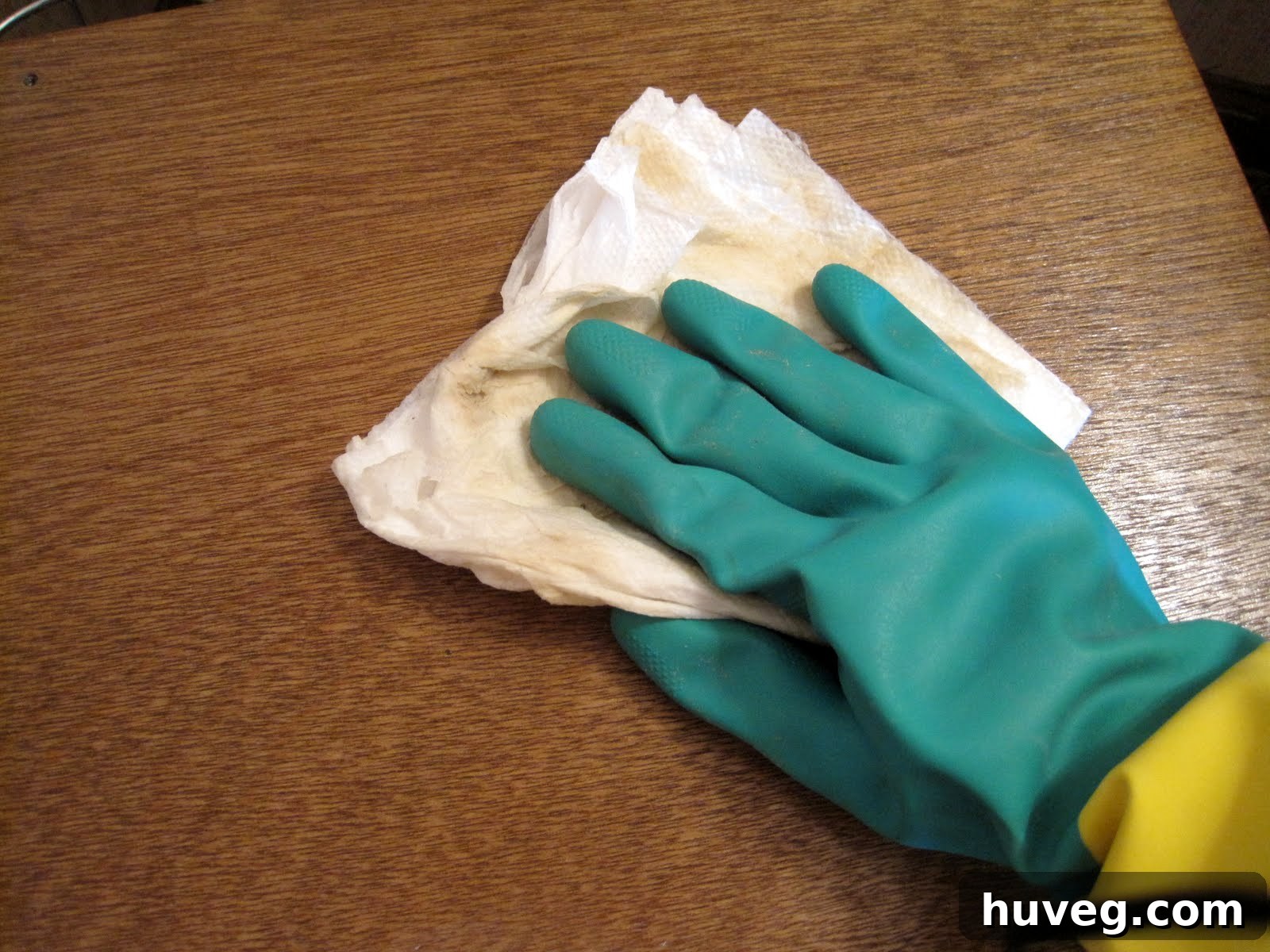
When tackling projects in confined spaces, such as a small bathroom, ingenuity in finding drying areas is paramount. For my guest bathroom cabinet doors, the humble toilet lid served as an unexpectedly functional and convenient drying surface. In tiny rooms, every available inch counts! As for the inexplicable red splotch visible on the linoleum in one of my photos, that was a quirky, pre-existing detail of the bathroom’s past – a companion to the faded fingernail marks and the original orange ceilings that were present long before my renovation efforts began.
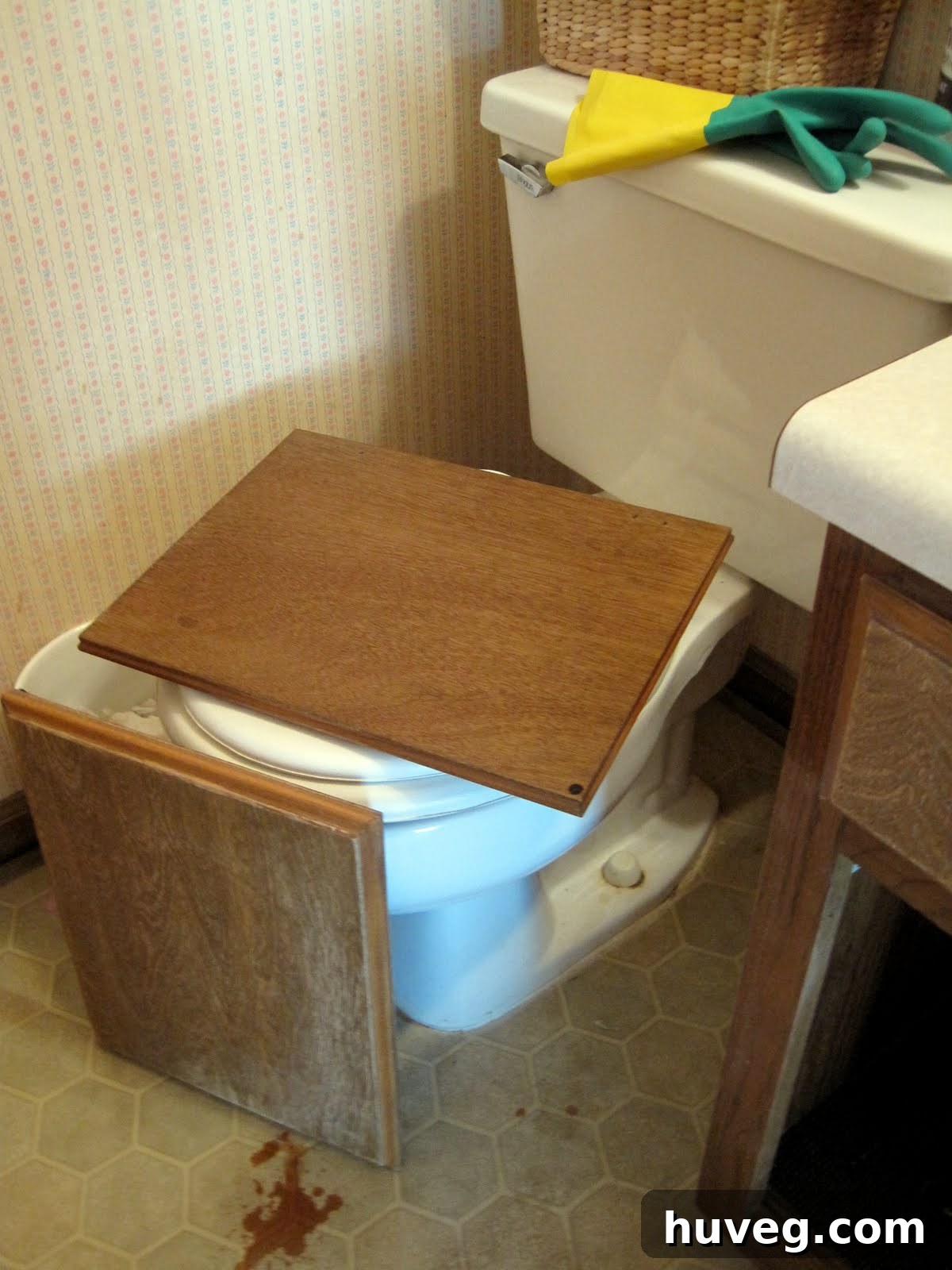
2. Bond Coat Application: Injecting Color and Durability
The bond coat is where the magic truly happens, transforming your cabinets with your chosen color. This specialized coating is engineered to adhere robustly to the deglossed surface, forming a highly durable base for your cabinet’s fresh aesthetic. The Rust-Oleum kit boasts an extensive color palette, organized into dark and light kits, offering 35 distinct shades to choose from. For those seeking an even richer finish, the optional glaze can effectively double your design possibilities, providing a remarkable total of 70 unique looks to perfectly complement any interior style. To achieve the smoothest possible finish and ensure thorough coverage in every nook, cranny, and intricate detail, I strongly recommend utilizing a high-quality foam brush or a dense foam roller. These tools are excellent at minimizing brush strokes and promoting an incredibly even application.
Painting in tight quarters, like a compact bathroom, demands a strategic approach. I found it most efficient to begin by meticulously painting the sides of the cabinet first. This allows you to perform all the necessary arm twists and contortions to reach cramped areas before transitioning to the more visible front sections. By completing the sides initially, you can then comfortably position yourself (perhaps sitting on the floor, if space allows) and paint the cabinet front without the frustration of accidentally brushing against wet paint on the already-completed sides. This sequential method not only guarantees comprehensive coverage but also significantly reduces the risk of unsightly smudges and the need for re-work.
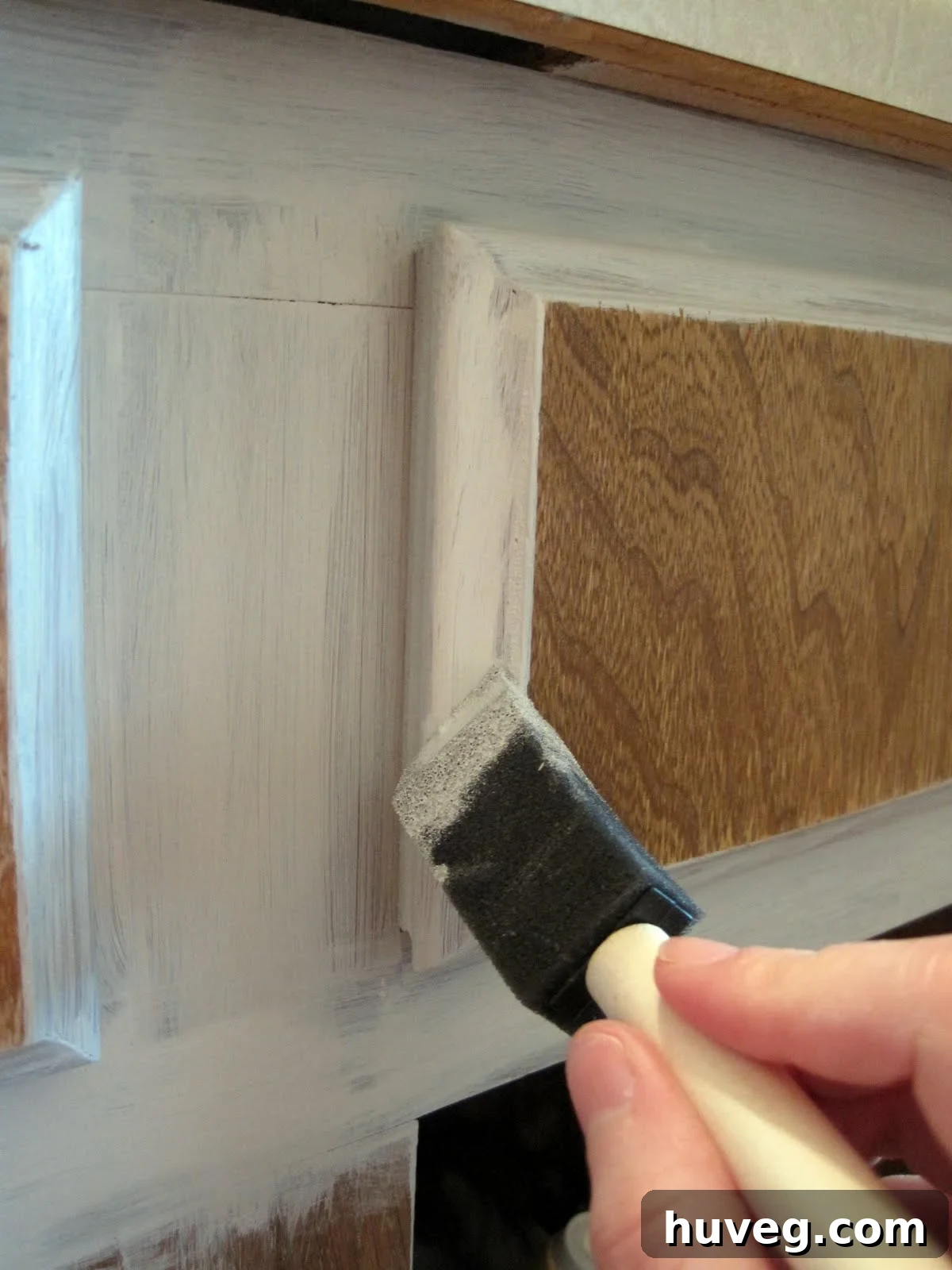
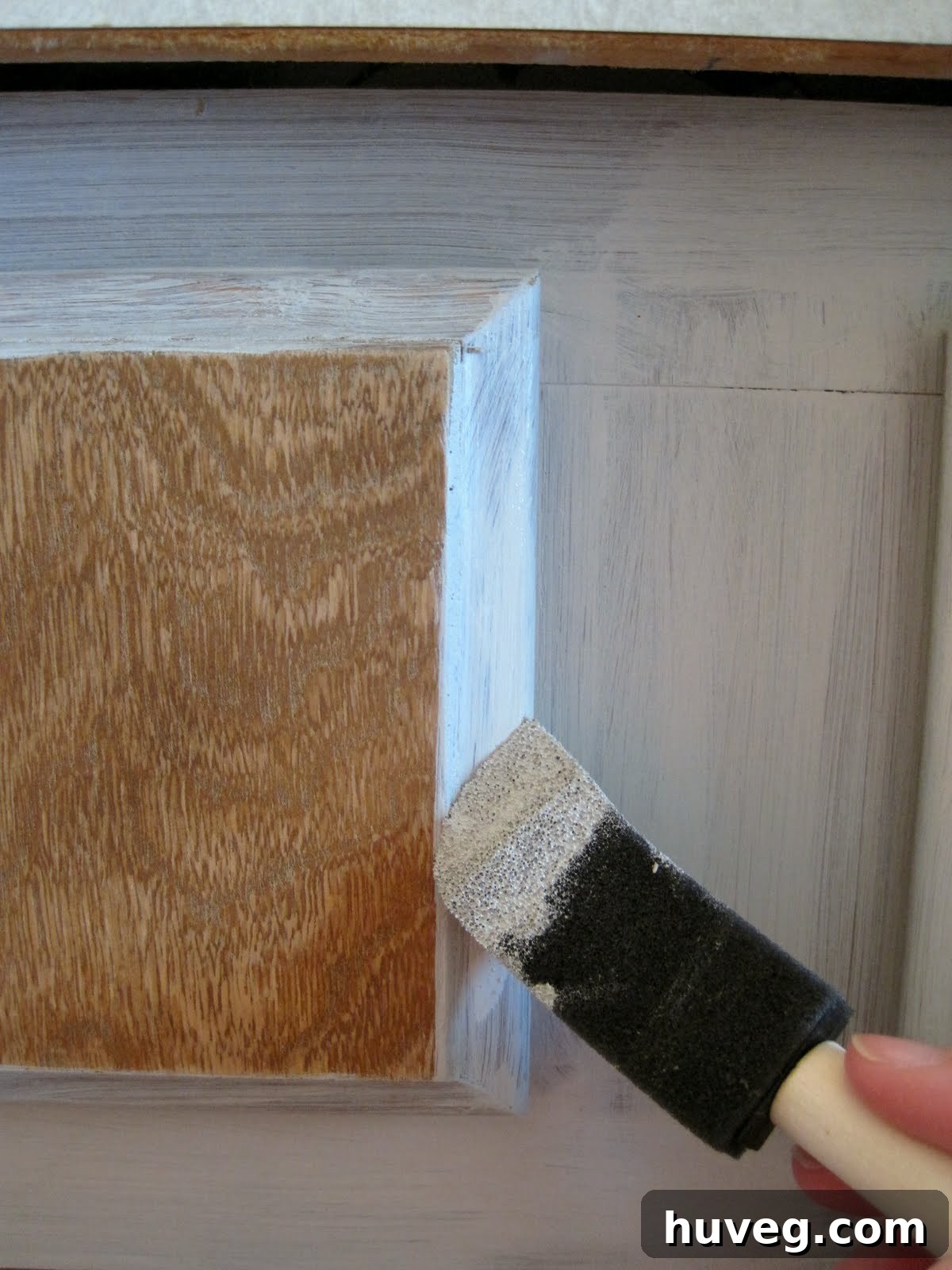
Here’s another invaluable tip: always complete painting the main cabinet face before moving onto the detached drawer fronts and doors. This minimizes the risk of inadvertently damaging the cabinet front as it begins to dry while you are still maneuvering around with wet drawer components. Apply thin, even coats to prevent drips, uneven texture, and ensure a beautifully smooth finish. While the manufacturer’s instructions typically advise waiting 2-3 hours between each bond coat, I discovered that on a warm, breezy day with low humidity, I could comfortably reduce this waiting period to approximately one hour. However, it is paramount to always ensure the previous coat is thoroughly dry to the touch before applying the next, to prevent lifting or inconsistent finishes.
3. Glaze Application (Optional): Enhancing Depth and Character
The glazing step is a purely optional addition that provides an excellent opportunity to introduce depth, character, and an antiqued or distressed aesthetic to your cabinets. While I personally am not inclined towards glazed finishes and chose to bypass this step for my specific project, I genuinely appreciate that this versatile option is included within the kit. If you opt to incorporate glazing, it is crucial to diligently follow the kit’s specific instructions to achieve your desired effect. Glazes typically involve applying a translucent, thin layer over the dried bond coat, and then carefully wiping it back in strategic areas to highlight details and create a varied, multi-dimensional finish. If you’re new to glazing, a prudent approach would be to practice on a scrap piece of wood or an inconspicuous area first, to gain confidence and perfect your technique before applying it to your main cabinets.
4. Top Coat: The Indispensable Protective Final Layer
The top coat serves as the final, crucial protective layer that seals and safeguards your newly painted cabinets, imbuing them with enhanced durability and extending their longevity. Typically, only one coat of this specialized finish is required, and it dries to an elegant satin sheen. Upon opening the can, you will notice that the top coat appears distinctly milky. There’s no need for concern; this is an entirely normal characteristic of the product. During application, you might also observe that it slightly lightens the underlying bond coat color, which can actually be a beneficial visual aid!
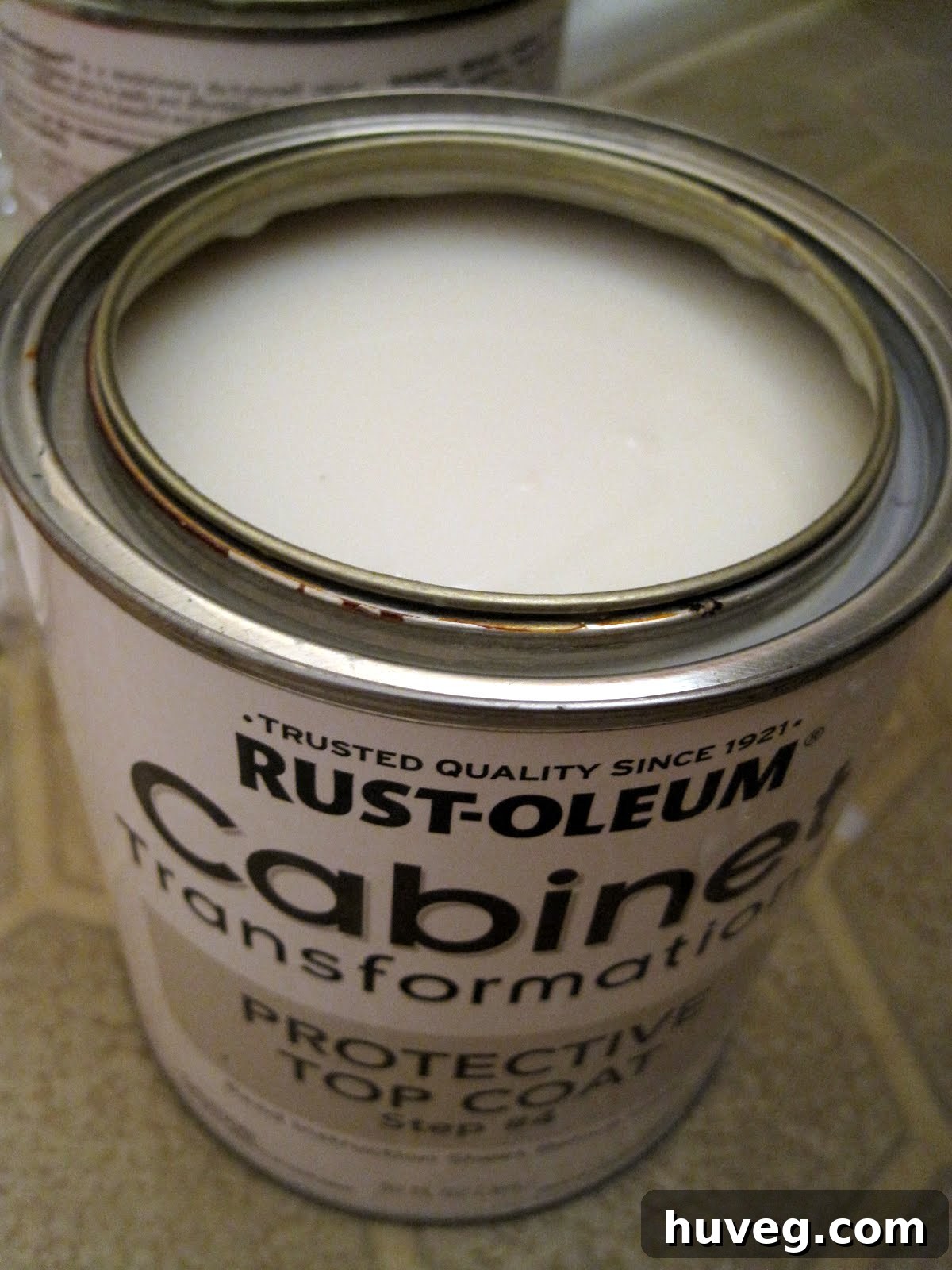
This milky appearance proved incredibly helpful during my application, as it clearly highlighted which areas had already received the top coat, thereby preventing missed spots or inadvertent over-application. The most critical aspect of applying the top coat is to move swiftly, with purposeful and decisive strokes, sweeping the finish over each section of the cabinet only once. The top coat is formulated to dry quite rapidly, and attempting to go back over an area that has already begun to set will almost certainly result in a gummy, uneven sheen and visible brush marks. Work systematically, maintaining a wet edge to ensure seamless coverage, and absolutely avoid overworking the surface. As with the bond coat, utilizing a high-quality foam brush or roller will yield the smoothest and most professional-looking application.
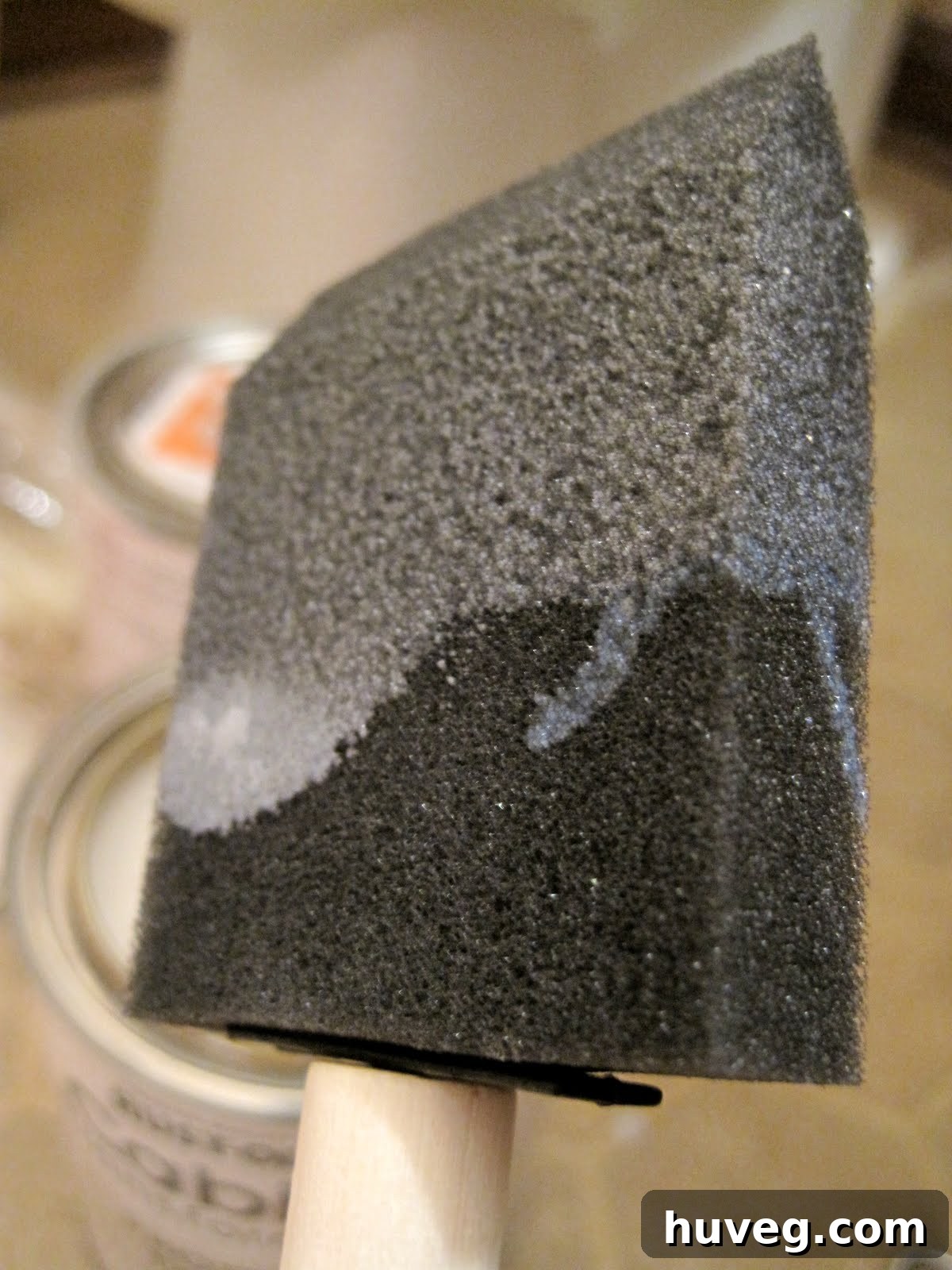
Once the top coat has been meticulously applied, the final and most important waiting period begins. It is absolutely essential to allow a full **24 hours** for the paint to cure completely. Rushing this critical final drying phase can severely compromise the durability, hardness, and protective qualities of the finish, potentially leading to premature wear, chipping, or damage. During this crucial curing period, resist the urge to place anything on the cabinets, reattach hardware, or subject them to any form of stress or heavy use. Your patience during this phase will be generously rewarded with a resilient, long-lasting, and beautifully finished cabinet surface.
Post-Project Reflections and Future DIY Aspirations
When I initially completed the primary bathroom vanity transformation using this kit, my feelings were somewhat mixed, and I wasn’t entirely sold on its long-term merits. However, after living with the refreshed cabinets for several weeks, I can confidently say they have truly grown on me, and I am genuinely pleased with the overall results. My initial strategy of using the bathroom as a manageable testing ground before committing to a larger, more impactful project, such as the kitchen, proved to be an incredibly insightful decision. Despite the significant satisfaction, I still harbor a few minor reservations and have identified areas for potential refinement in future applications.
One minor point of contemplation is the persistent visibility of the wood grain, even after applying a generous four coats of paint. For certain aesthetic preferences or when working with particular wood types, a completely smooth, grain-free finish might be the desired outcome, which could still necessitate some light sanding prior to the deglossing stage. Additionally, while the satin finish is perfectly acceptable and visually appealing for a bathroom environment, I question its absolute suitability for a high-traffic, high-wear area like a kitchen. For future kitchen cabinet projects, I might explore utilizing a different, potentially more robust, polyurethane top coat with a semi-gloss or gloss finish to ensure maximum protection against the daily rigors of spills, grease, and frequent use. Regardless of these minor considerations, the sheer amount of time and effort saved compared to a traditional primer-and-oil-based paint approach is undeniably substantial. The remarkable ease and efficiency of achieving such a transformative result with this kit only amplify my excitement and confidence for tackling a larger, more ambitious project like the kitchen cabinets in the near future.
Witness the Transformation: Before & After
Until that ambitious kitchen project materializes, I will conclude this post with a classic before and after comparison. While the primary bath transformation offered an initial glimpse, the guest bath reveal still provides a satisfying and clear demonstration of the Rust-Oleum Cabinet Transformations kit’s impressive power. For more specific details on additional protection options, close-up views of the finished cabinet doors, and my inspiration behind potential new cabinet hardware selections, you are welcome to refer to my previous posts linked here and here.