Blooming Joy

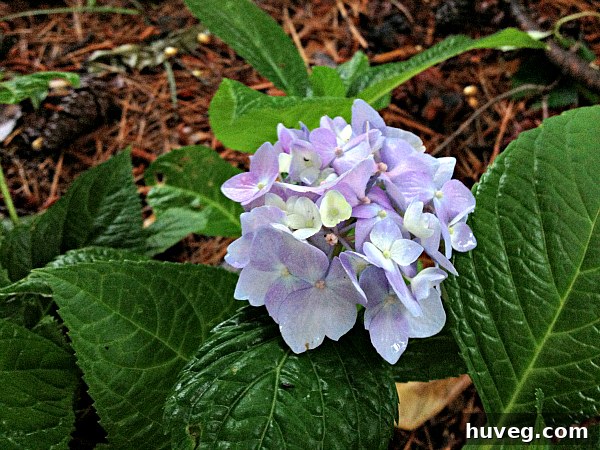
The Resilient Beauty of Hydrangeas: A Southern Garden Essential
There’s an undeniable charm that hydrangeas bring to any landscape, especially in the warmth of the American South. Their voluminous, often vibrant blooms are more than just a decorative touch; they are a quintessential symbol of Southern hospitality and garden grace. For me, the presence of at least one hydrangea in every Southern yard feels less like a preference and more like an unspoken rule, a delightful tradition that enhances the character of our homes and neighborhoods. These magnificent shrubs, with their lush foliage and spectacular flowers, possess an unparalleled ability to transform a simple outdoor space into a captivating haven.
A Tale of Two Hydrangeas: From Loss to Triumph
The Ghost of Hydrangeas Past: A Lesson in Neglect
My own journey with hydrangeas began shortly after moving into my current home. Tucked away in the backyard, amidst an array of other plants whose placements seemed rather haphazard, was a solitary hydrangea. I still remember the initial delight of spotting its beautiful blue cluster of flowers, a vibrant splash of color that instantly caught my eye. It was a moment of pure joy, a silent welcome to my new abode. However, like many things in a new home, this initial discovery was shadowed by eventual disappointment. Over time, whether due to simple neglect on my part or the aggressive encroachment of the ivy ground cover that had taken root throughout the yard, the hydrangea slowly faded from memory. Its vibrant blooms never reappeared after that first year, and eventually, I could no longer even recall its exact location. It seemed to have vanished, a beautiful but fleeting memory, leaving behind a subtle pang of regret for what might have been.
This experience, while disheartening, served as an important, albeit unconscious, lesson. It highlighted the delicate balance required in gardening, particularly when dealing with established plants in a new environment. The struggle between nurturing a beautiful specimen and battling invasive species like ivy is a common plight for many gardeners, especially those inheriting an existing landscape. The loss of that first hydrangea, though sad, planted the seed for a future endeavor, a determination to succeed where I had inadvertently failed before.
A Fresh Start: Planting Hope in the Front Yard
Despite the demise of the backyard hydrangea, my home was not destined to remain hydrangea-free for long. Last year, armed with a renewed sense of purpose and a growing passion for gardening, I decided to give these stunning plants another chance. I carefully selected a new spot in the front yard – a location blessed with ample morning sun but protected from the harsh afternoon glare, an ideal environment for hydrangeas to thrive. This undertaking was part of a larger landscaping project, which involved a significant rearrangement of existing plants and a much-needed trimming of the overgrown camellia bushes. While trimming the camellias is a task I now face annually – a testament to the health and vigor of my plants, even if it adds to my chore list – the effort is always worth the reward of their subsequent blooms.
The planting of this new hydrangea was not without its own set of challenges and anxieties. I had braced myself for a long wait, anticipating that it might take a couple of seasons for the plant to truly settle in and begin producing its characteristic flowers. This cautious optimism was further tested by an unfortunate incident involving my neighbor, a professional landscaper by trade. While tidying his side of the front yard, he inadvertently, and quite aggressively, cleared my side as well, leaving nothing but a small stalk where my carefully planted hydrangea had once stood. My frustration was immense; I had literally just planted it. His nonchalant response – “Oh, well then it must have been dead” – only added insult to injury, showcasing a surprising lack of empathy and professional insight. At that point, simply hoping the plant would survive at all felt like an ambitious goal, let alone expecting it to bloom.
The Unexpected Miracle: A Glimmer of Green
With such low expectations and the memory of the past failure, you can truly imagine my absolute surprise and sheer delight when, just this morning, I spotted this little guy bravely emerging in the yard:
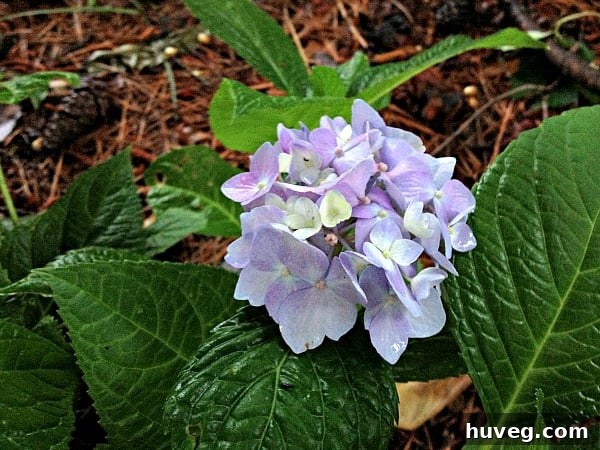
Success! The sight of that first bloom, delicate yet defiant, was a profound moment of triumph. It was a tangible sign that my efforts, despite the setbacks and moments of doubt, were finally bearing fruit, or rather, flowers. I am beyond thrilled that my thumb is indeed getting greener, a testament to persistence and a growing understanding of the nuances of gardening. Perhaps it’s simply a law of averages; plant enough flowers, nurture them with care, and eventually, some are bound to thrive. But for me, this particular hydrangea represents more than just a statistical probability; it embodies resilience, hope, and the immense satisfaction of cultivating beauty from the ground up. It’s a testament to the learning curve of gardening and the profound joy that comes from seeing life flourish under your care.
Cultivating Success: Unlocking the Secrets of Hydrangea Care
Why Hydrangeas Thrive in Southern Climates
Hydrangeas are particularly well-suited to the Southern climate, making them a beloved staple in gardens across the region. The long growing season, generally ample rainfall, and the blend of warm temperatures with sufficient humidity create an almost perfect environment for these adaptable shrubs. Varieties like Bigleaf (Hydrangea macrophylla), Oakleaf (Hydrangea quercifolia), and Panicle (Hydrangea paniculata) particularly flourish here. The key is understanding their specific needs, especially regarding sun exposure. While many associate hydrangeas with shade, most varieties actually prefer morning sun and afternoon shade, which protects their delicate blooms from the scorching Southern summer sun, preventing wilting and prolonging their flowering period. This balance of light and protection is crucial for vibrant, healthy plants that can withstand the regional climate variations.
Essential Care Tips for Vibrant Blooms
Achieving those stunning, prolific hydrangea blooms isn’t just luck; it’s a combination of understanding their fundamental needs and providing consistent care. Here are some essential tips for cultivating successful hydrangeas in your garden:
- Soil pH and Color: For Bigleaf hydrangeas, soil pH dramatically influences flower color. Acidic soil (pH 5.5 or lower) leads to blue flowers, while alkaline soil (pH 6.0 or higher) results in pink blooms. White hydrangeas, however, are not affected by soil pH. You can amend your soil with aluminum sulfate to lower pH for bluer flowers or lime to raise pH for pinker ones.
- Watering: Hydrangeas are notoriously thirsty plants, especially when establishing or during dry spells. Consistent watering, particularly in the morning, is crucial. Aim for deep watering 2-3 times a week, ensuring the soil remains moist but not waterlogged. Wilting can be a sign of insufficient water, but sometimes it’s also a reaction to intense afternoon sun, from which they will often recover in the evening.
- Sunlight: As mentioned, morning sun and afternoon shade is the ideal scenario for most hydrangeas in the South. Too much direct sun can scorch leaves and flowers, while too much shade can result in fewer blooms. Oakleaf and Panicle hydrangeas can tolerate more sun.
- Pruning: Proper pruning is vital but varies by hydrangea type.
- Old Wood Bloomers (Bigleaf/Mophead, Lacecap, Oakleaf): These bloom on previous year’s growth. Prune immediately after flowering in late summer to avoid cutting off next year’s buds. Remove dead or weak stems.
- New Wood Bloomers (Panicle, Smooth/Annabelle): These bloom on current year’s growth. Prune in late winter or early spring before new growth appears. This encourages stronger stems and larger flowers.
- Fertilization: Hydrangeas generally benefit from a light feeding in early spring. Use a slow-release granular fertilizer balanced for shrubs, or one with a slightly higher phosphorus content to encourage blooms. Avoid over-fertilizing, which can promote leafy growth at the expense of flowers.
- Pest and Disease Control: While generally robust, hydrangeas can occasionally suffer from aphids, spider mites, or fungal diseases like powdery mildew. Regular inspection and prompt action with organic insecticidal soaps or fungicides can keep these issues at bay. Good air circulation also helps prevent fungal problems.
Beyond the Blooms: The Joy and Therapy of Gardening
From Brown Thumb to Green: My Personal Journey
My gardening journey has been an evolution, a slow but steady transition from what felt like a perpetual “brown thumb” to a burgeoning “green thumb.” There’s a particular satisfaction that comes from nurturing life, from observing a tiny seed sprout or a struggling plant revive under your care. It’s a testament to patience, observation, and a willingness to learn from both successes and failures. The initial disappointment of the first hydrangea, followed by the frustrating incident with my neighbor, could have easily deterred me. Instead, these challenges fueled a deeper curiosity and resolve. Each weed pulled, each plant watered, and especially each new bloom discovered, builds a sense of accomplishment and connection to the natural world that is profoundly therapeutic. Gardening offers a unique blend of physical activity and mental solace, providing a tangible reward for effort and an escape from the daily grind.
The Enduring Appeal of Hydrangeas
Hydrangeas, beyond their aesthetic appeal, hold a special place in the gardening world for their versatility and enduring beauty. They are perfect for creating stunning focal points, mass plantings, or elegant borders. Their long blooming season, often extending from late spring through fall, ensures a continuous display of color when many other plants have faded. Furthermore, their large, clustered blooms make them excellent for cut flower arrangements, bringing the beauty of the garden indoors. Different varieties offer diverse textures and forms, from the classic Mophead to the delicate Lacecap, the robust Panicle, and the uniquely textured Oakleaf. This diversity allows gardeners to choose the perfect hydrangea to suit their specific landscape design and climate, further solidifying their status as a cornerstone of beautiful and resilient gardens. They are not merely plants; they are living sculptures that enhance the curb appeal and soul of any home.
Embrace the Hydrangea: A Call to Southern Gardeners
My recent success with the new hydrangea bloom has reinforced a deep appreciation for these plants and the rewarding nature of gardening itself. It’s a powerful reminder that even after setbacks, persistence and a little bit of care can lead to beautiful outcomes. To my fellow Southern gardeners, or anyone considering starting a garden, I wholeheartedly encourage you to embrace the hydrangea. Its beauty, adaptability, and the sheer joy it brings are unparalleled. Whether you’re a seasoned horticulturist or just embarking on your gardening adventure, hydrangeas offer a captivating challenge and an even more rewarding display. Plant one, nurture it, and watch as it transforms your yard into a vibrant, welcoming space, embodying the true spirit of a Southern home. The journey of growing something beautiful from a humble beginning is one of life’s most satisfying experiences, and with a hydrangea, that journey is almost guaranteed to be filled with spectacular color and profound joy.