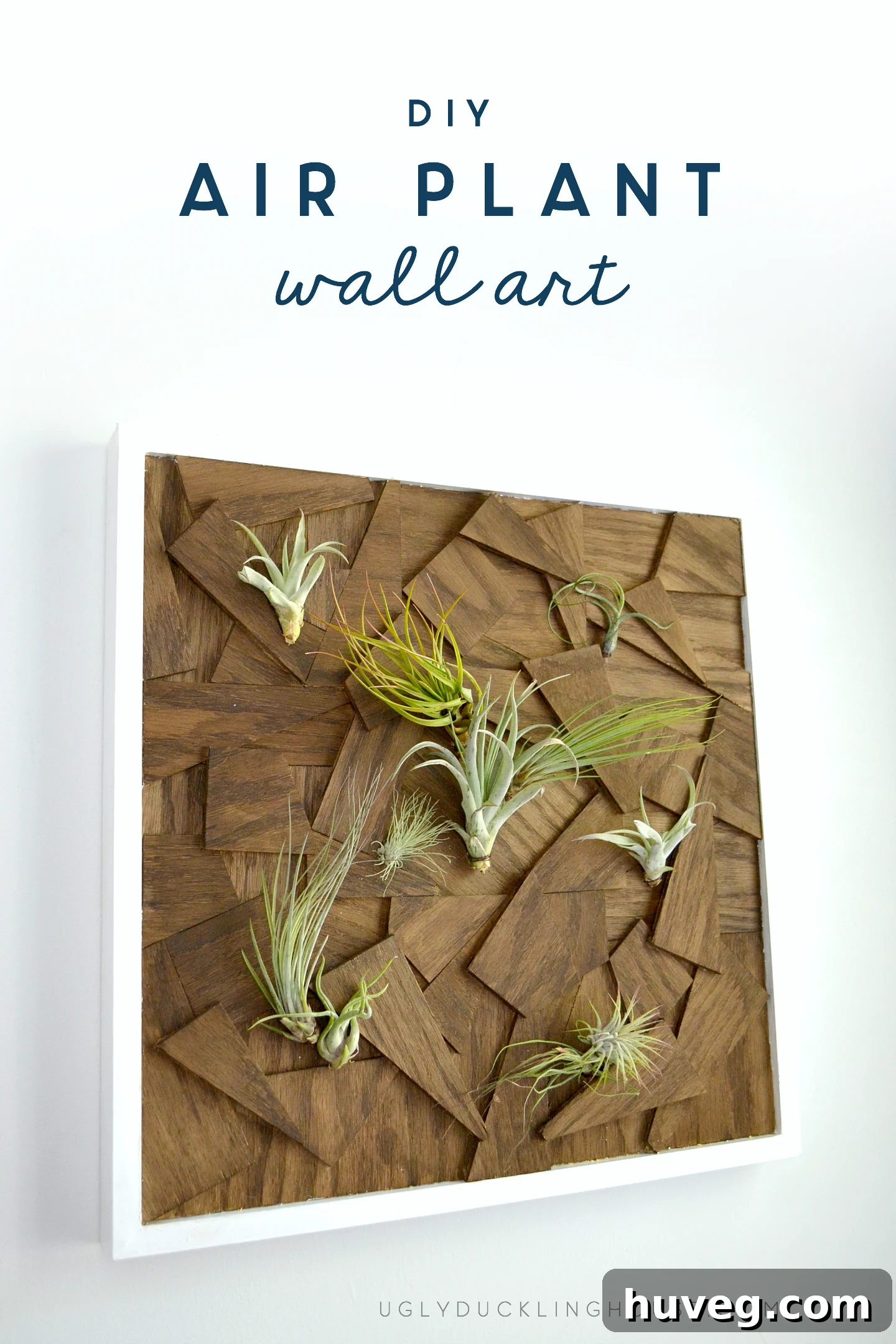
Crafting Unique Air Plant Displays from Reclaimed Wood

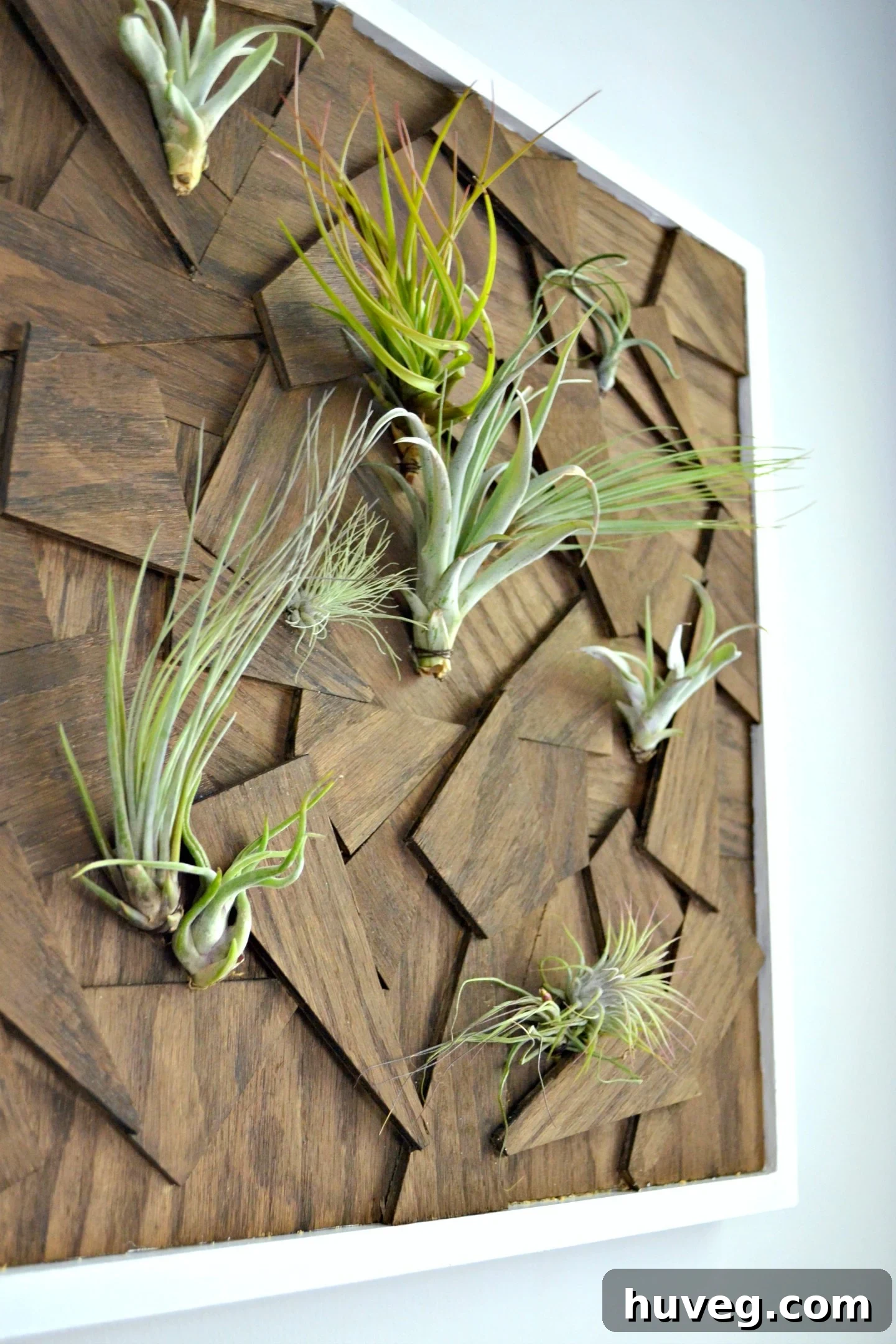
Transforming ordinary scrap plywood into captivating air plant wall art can be an incredibly rewarding and swift DIY project. This guide will walk you through creating your own unique piece, perfect for adding a touch of nature and modern elegance to any room.
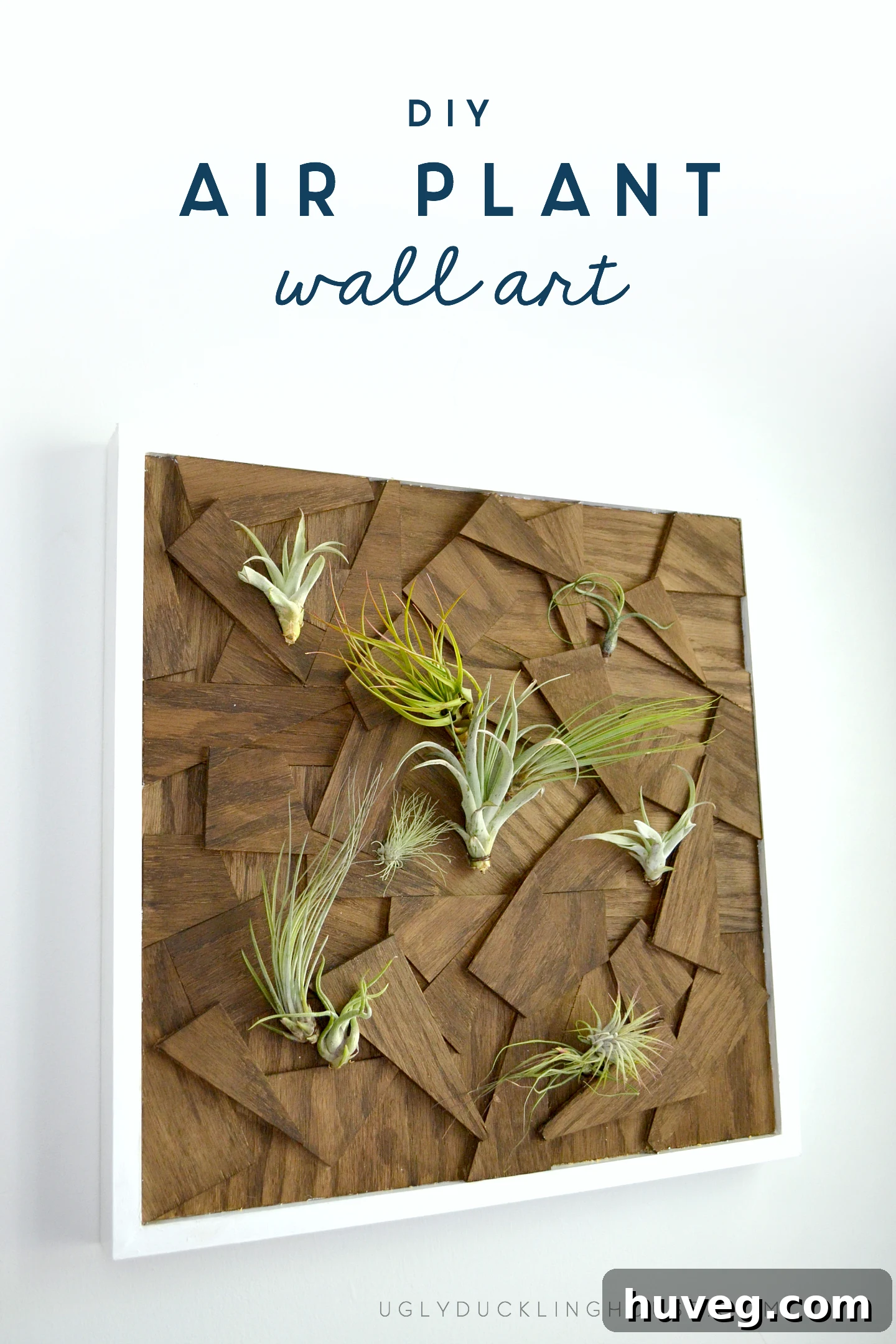
Are you searching for an accessible and affordable way to craft striking wall decor? Perhaps you’ve admired the surge of stunning air plant displays on Pinterest and home decor blogs? If you adore the aesthetic but not the price tag, you’re in luck! My passion for this living art form led me to experiment with reclaimed wood, resulting in a distinctively beautiful and budget-friendly piece that truly stands out.
Before diving into the full tutorial for this delightful air plant wall art, a quick backstory: I initially considered merging this DIY project with a recap of my experience at WorkbenchCon. However, the combined post grew far too extensive! To ensure you receive all the intricate details of both, I opted to split them into two consecutive features.
You can delve into my comprehensive account of designing and constructing a booth for Rust-Oleum at the inaugural WorkbenchCon in Atlanta, GA, right here. This particular DIY air plant wall art was directly inspired by that large-scale booth project and ingeniously utilizes many of the wood offcuts and remnants from its construction, embracing a sustainable approach to home decor.
While my Rust-Oleum booth at WorkbenchCon certainly ignited the initial concept, this project actually served a dual purpose. It was first conceived as a backup for last month’s Wood Art Challenge. Given the experimental nature of my carved wood art piece, I needed a dependable, quick-to-assemble alternative in case the primary design didn’t pan out. As this alternate idea materialized, I became so enamored with its potential that I decided to see it through to completion. And just like that, a brand-new, captivating air plant display found its home in my office!
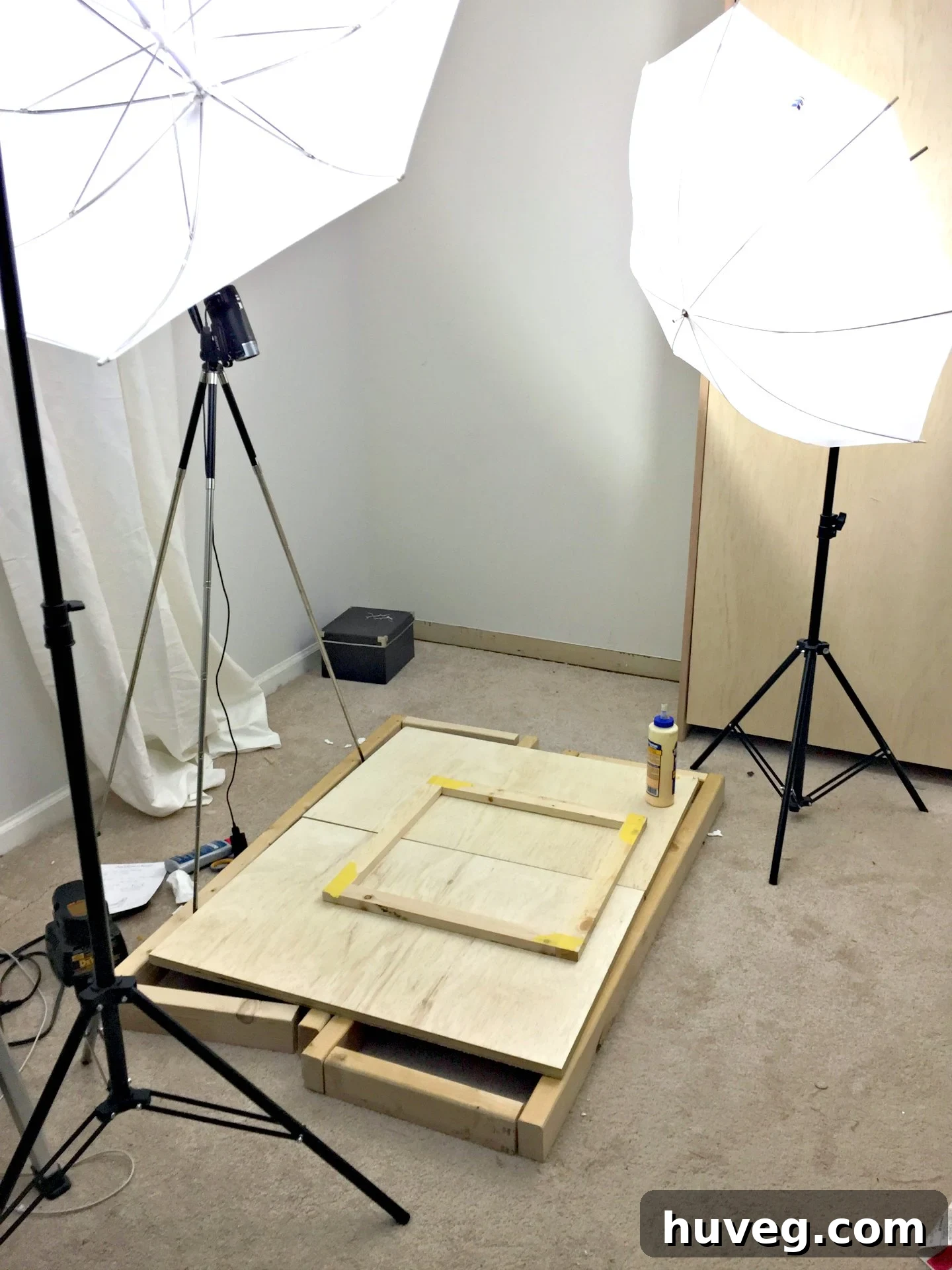
Much of this beautiful botanical art came together on the floor of a makeshift photo studio in my guest bedroom. This temporary setup, born out of necessity amidst a flurry of room makeover chaos, will hopefully evolve into a more organized workspace someday. For now, creativity flourishes wherever there’s an open spot!
Video Tutorial – Crafting Your Air Plant Wall Art
Click here to subscribe to my YouTube channel for more DIY ideas!
Without further delay, let’s embark on this exciting journey to create your very own air plant wall decor!
DIY Air Plant Wall Art: A Modern Scrap Wood Project
This project is a fantastic opportunity to unleash your creativity while utilizing reclaimed materials, resulting in an eco-friendly and stylish piece for your home. Follow these steps to craft your personalized living artwork.
Essential Materials & Tools for Your Botanical Artwork
Gathering your supplies is the first step towards bringing this vision to life. Most items can be found at your local hardware store, or you might even have them in your workshop!
- Cordless Drill: Indispensable for creating precise holes.
- Drill Bit Set: Ensure you have a bit appropriate for thin wire.
- Brad Nailer: For quick and secure fastening (optional, but highly recommended).
- Brad Nails: For use with the nailer.
- 1 x 2 Furring Strips: Ideal for the foundational frame, or any sturdy scrap wood you have.
- 1 x 2 Pre-Primed MDF: For the decorative outer frame, or plain wood you can paint.
- Thin Plywood or Thick Cardboard: The backing for your art canvas.
- 1/4″ Oak Plywood Scraps: Cut into various geometric shapes to create visual interest.
- Painter’s Tape: Essential for holding pieces while glue dries.
- Wood Glue: For strong, lasting bonds.
- Rust-Oleum Aged Wood Accelerator (Brown): The secret to a beautiful, aged wood finish.
- White Paint: For the decorative frame.
- Caulk or Wood Filler: Wood filler is preferred for a seamless look, but caulk works in a pinch.
- Small Paint Brush: For detailed painting.
- Foam Brush: Perfect for applying the wood accelerator.
- Craft or Jewelry Wire: Thin and flexible for securing air plants.
- Assorted Air Plants (Tillandsia): The living stars of your artwork!
- Flush Mount Wall Hangers: For a professional and secure display.
Once you’ve successfully gathered all these components, you are well-prepared to commence assembling this captivating and simple air plant wall art project.
1. Building the Foundation: Your Wall Art Frame
As illustrated in the photograph of my improvised “studio,” the initial step in this DIY project involved constructing a robust square frame. I sourced the materials for this from my collection of reclaimed timber – specifically, cheap 1×2 furring strips. This commitment to using 100% scrap wood not only makes the project incredibly economical but also adds a layer of sustainable charm.
To assemble the frame, I meticulously glued the furring strips together, applying generous amounts of wood glue to all contact surfaces. To ensure a tight and secure bond while the adhesive cured, I strategically used painter’s tape to hold the pieces firmly in place. This method prevents shifting and ensures a perfectly square frame, which is crucial for the subsequent steps.
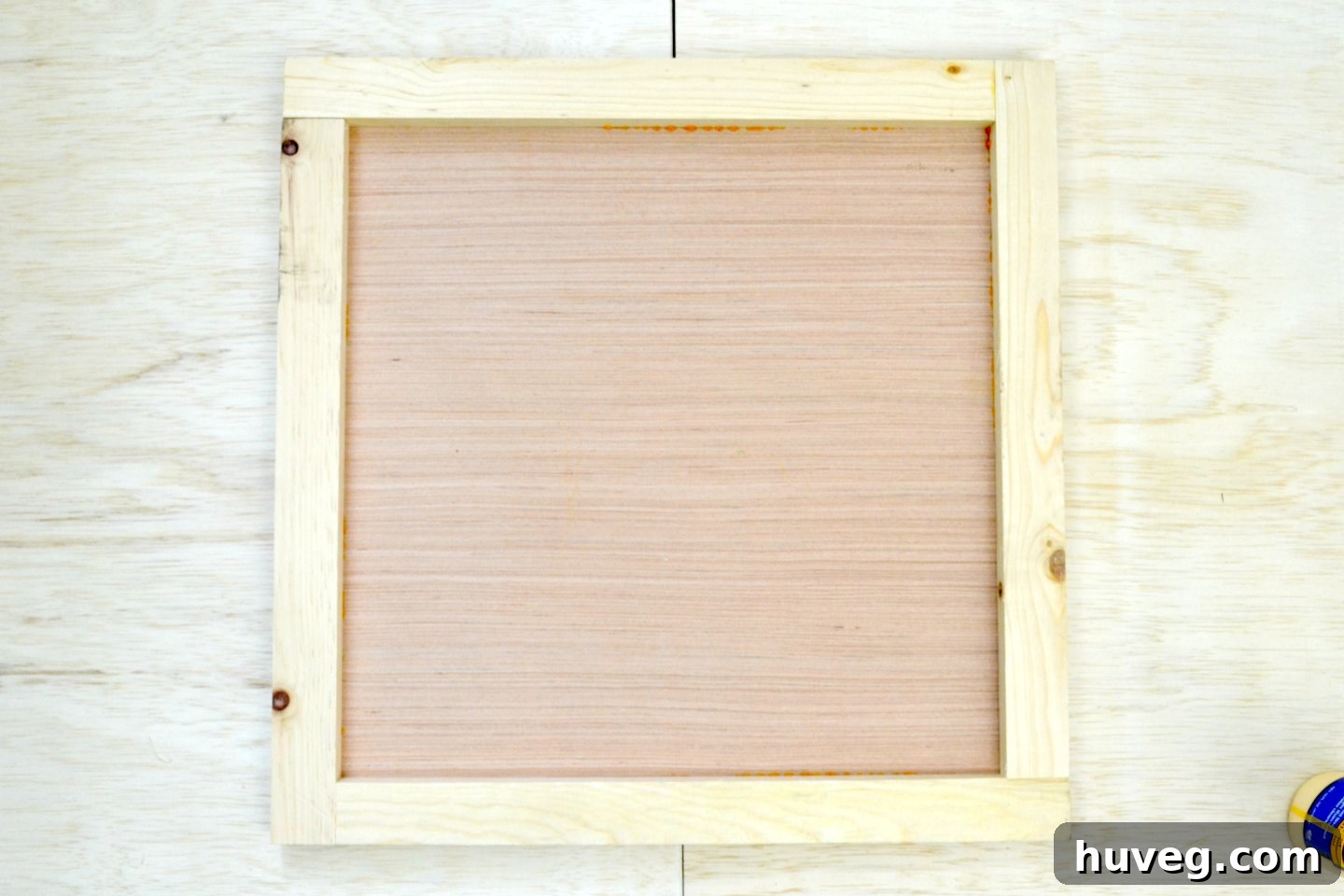
On a lighter note, I can’t help but find humor in my temporary workstation setup – two pieces of scrap plywood serving as my makeshift table surface! These 2x4s, visible propping up the art project, eventually found a permanent purpose as the platforms for the built-in cabinets and shelves flanking the Murphy bed in the guest bedroom (learn more about that ongoing project here). My home, it seems, has truly become a sanctuary for discarded timber, a testament to endless creative possibilities with reclaimed materials.
2. Creating the Canvas: Cutting and Gluing the Plywood Backing
Once the foundational frame for my living plant wall art had fully cured, I proceeded to create the main canvas. This involved carefully cutting a piece of thin plywood to fit precisely within the interior dimensions of the square frame. If you don’t have thin plywood on hand, a piece of sturdy cardboard can serve as an excellent alternative, offering similar rigidity for this purpose.
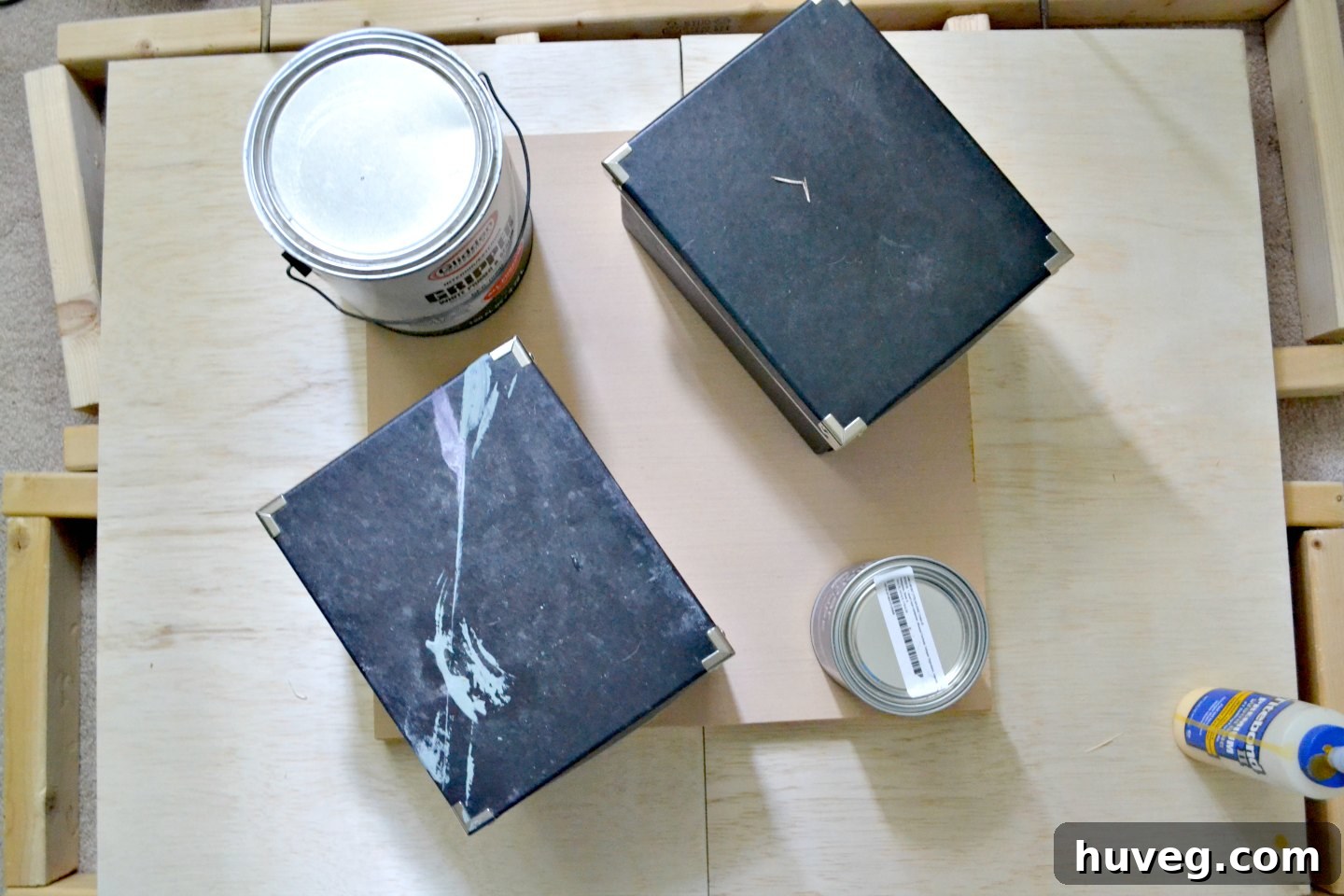
With the plywood cut, I applied wood glue generously to the inside edges of the frame and securely positioned the plywood backing. This forms the essential flat surface upon which the intricate wood layers will be built. Instead of relying solely on painter’s tape, I opted for a more robust method to ensure a perfectly flat and secure bond. I scoured the room for substantial objects – books, paint cans, or anything with significant weight – and strategically distributed them across the surface of the plywood. This even pressure ensured that the plywood remained snug against the frame as the glue dried, preventing any warping or gaps.
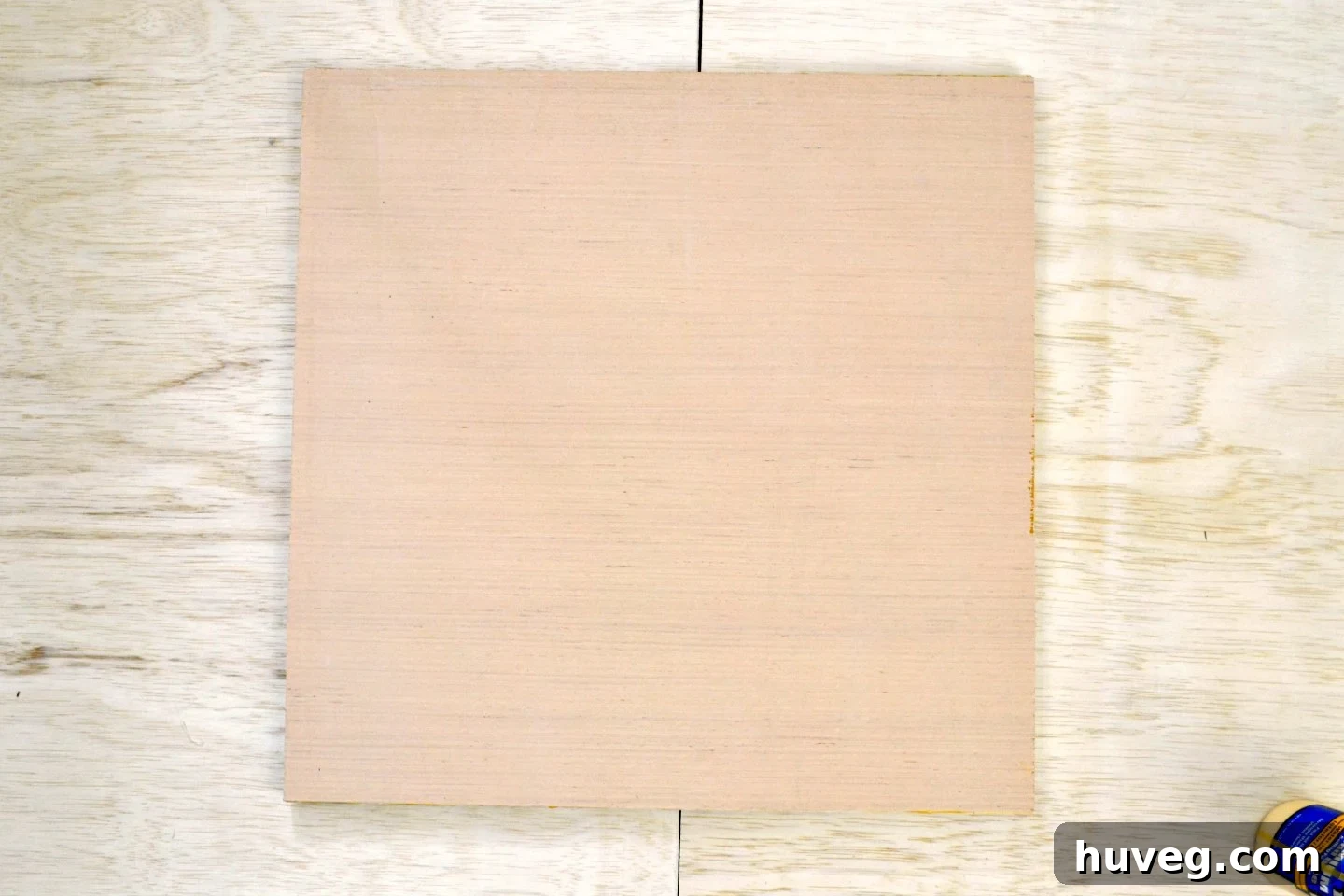
And there you have it: what might appear to be a simple, perhaps even boring, wooden canvas. At this stage, it’s easy to joke, “Woot! DIY minimalist wall art complete!” But, of course, we’re just getting started on transforming this blank slate into a captivating piece of botanical art!
3. Enhancing the Aesthetic: Adding a Decorative Frame
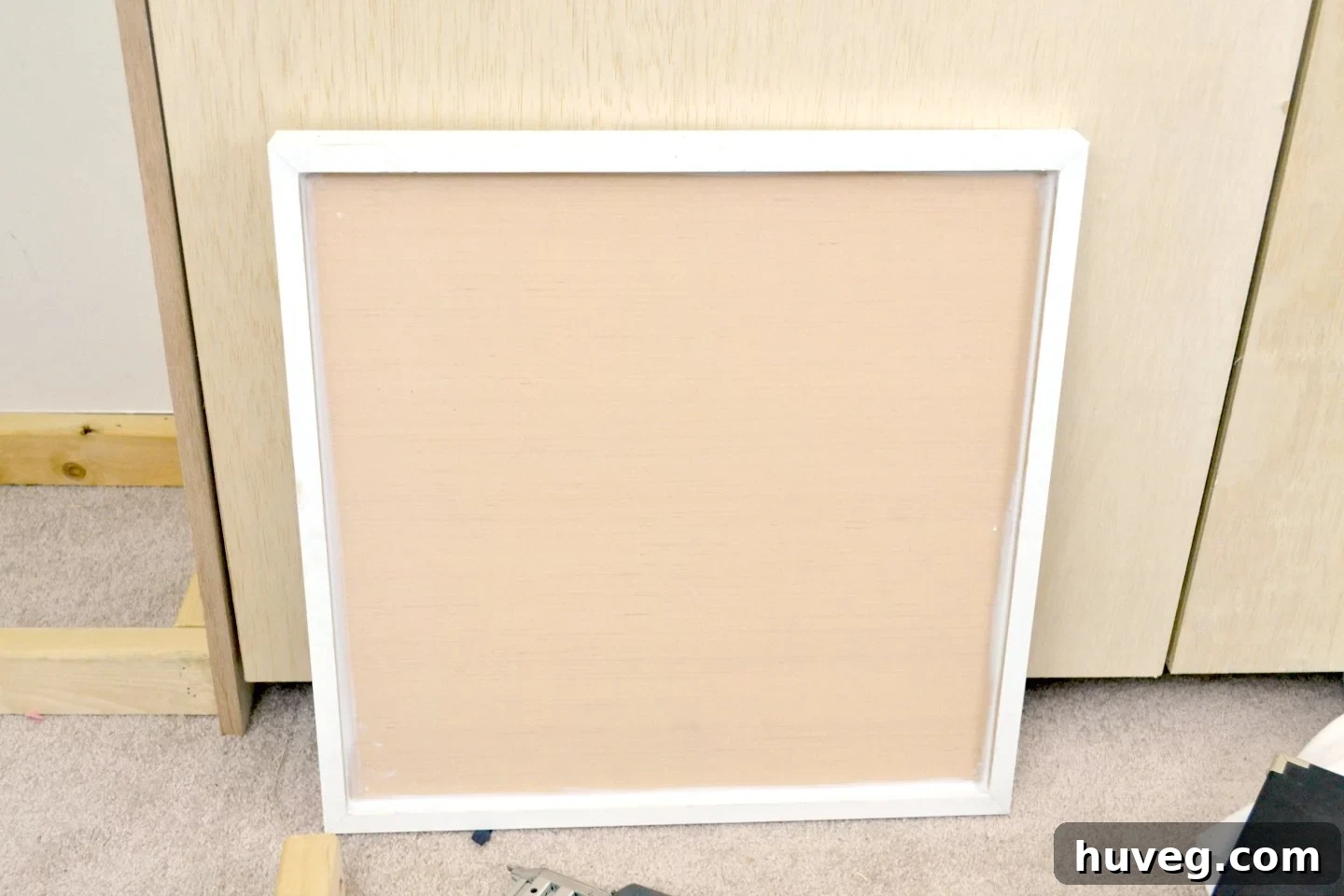
With the basic canvas secure, the next step was to elevate the piece with a sophisticated, decorative frame. I achieved this by using 1×2 MDF strips, skillfully oriented on their side to create a sleek border around the artwork. This technique adds depth and a professional finish, effectively framing the intricate wood design that will soon populate the interior.
I’ve employed this framing method in several previous wall art projects, and it sometimes causes a bit of confusion, especially since 1x2s were also used for the primary back frame. The key distinction lies in their orientation: the initial back frame is laid *flat* against the plywood backing, providing structural support. In contrast, for this decorative MDF frame, the pieces are turned on their *side*, creating a raised edge that cradles the internal art. The corners of this outer frame are meticulously mitered to a precise 45-degree angle, ensuring a seamless, high-end appearance. Once glued and nailed in place, these mitered joints are then filled with wood filler or caulk and painted to eliminate any visible gaps between the plywood canvas and the elegant new frame. This thoughtful detail ensures a polished and integrated look.
4. Dynamic Textures: Layering in the Reclaimed Wood Pieces
Now, for the truly artistic part: layering in the salvaged wood pieces. Utilizing a diverse collection of wood scraps from various previous projects, I began carefully arranging and gluing the first layer of wood onto the plywood canvas. My strategy was to fill as much of the background as possible, creating a rich, textured foundation. I ensured a smooth process by first positioning and gluing the central piece, then strategically securing the four corner pieces. This methodical approach prevented any awkward gaps or problematic areas later on, ensuring a cohesive and visually appealing base layer.
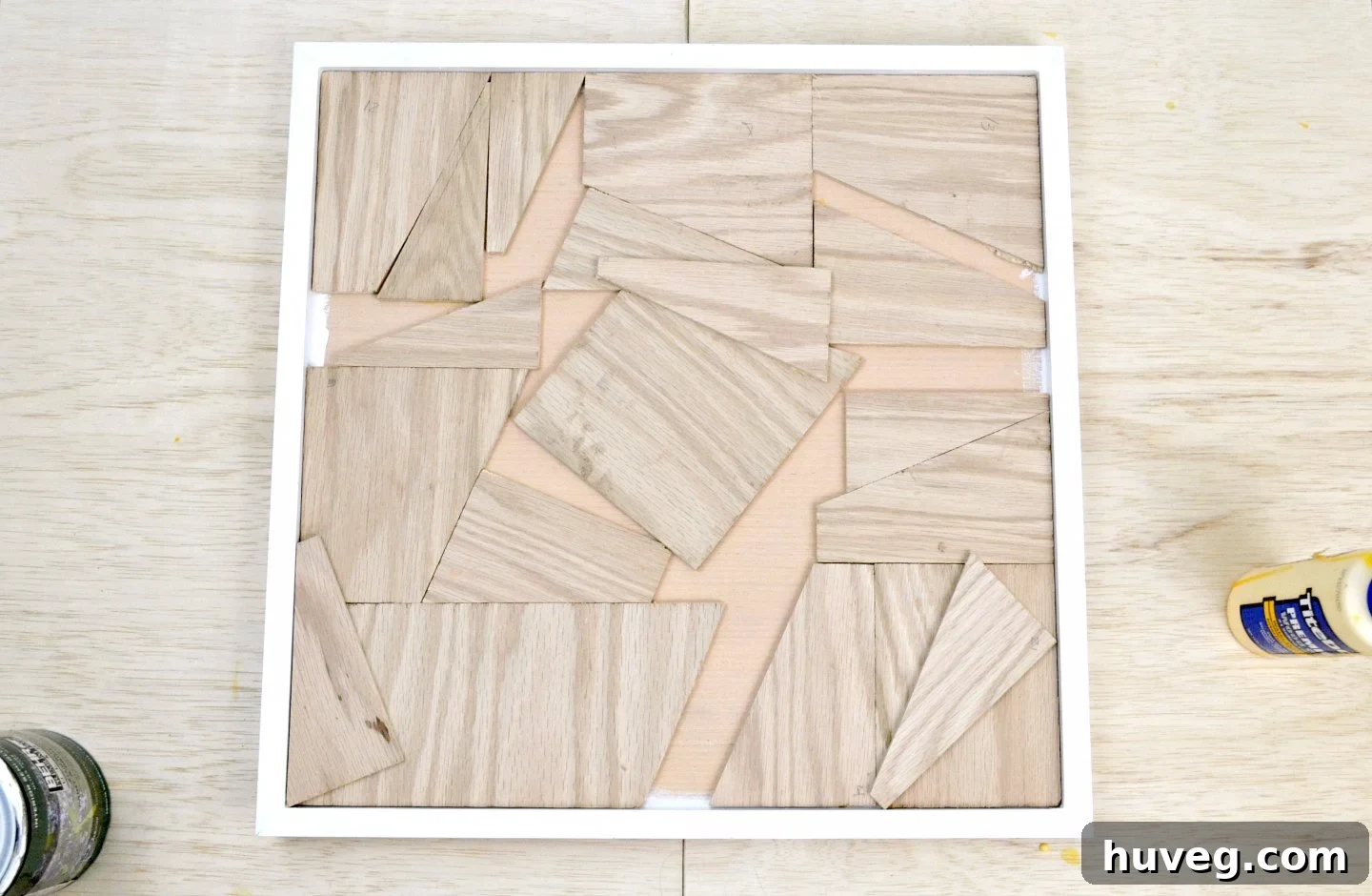
With the foundation set, I moved on to the next two layers, continuing to add more and more unique pieces of reclaimed wood. The goal was to completely obscure the underlying canvas, building up a significant amount of depth and intriguing texture. I deliberately used a wide variety of shapes and sizes – from small slivers to larger, more substantial fragments – believing that this diverse assortment contributes significantly to the modern and singular aesthetic of the wall art. The interplay of these varied forms behind where the air plants will eventually reside creates a captivating visual landscape, full of dynamic shadows and light, making the finished piece truly one-of-a-kind.

5. Unleashing Character: Staining the Reclaimed Wood with Aged Wood Accelerator
The aesthetic appeal of this project is significantly enhanced by the unique finish applied to the wood. Rust-Oleum initially commissioned me for their WorkbenchCon booth to prominently feature their innovative Aged Wood Accelerator. They offer both a “weathered” version, which imparts a subtle gray patina, and the “brown” variant, which I used here to achieve a richer, warmer aged effect. This product is a game-changer for anyone looking to add authentic vintage charm to their wood projects.
Initially, I approached the Rust-Oleum Aged Wood Accelerator with a healthy dose of skepticism, unsure if it would live up to its claims. However, after experiencing its ease of use and remarkable results firsthand, I am officially a convert! One of its most appealing attributes is the complete absence of the strong, often noxious odors associated with traditional wood stains, making for a much more pleasant crafting environment. Furthermore, this product is incredibly forgiving: you don’t need to be meticulously precise with your application. Unlike conventional stains that require immediate wiping to prevent uneven absorption, you can be quite liberal and even a bit sloppy with the accelerator. There’s no need to wipe back excess product, which drastically simplifies the staining process. Plus, the color that develops after it dries is absolutely fantastic, creating a deeply satisfying, aged aesthetic without the wait of natural weathering.
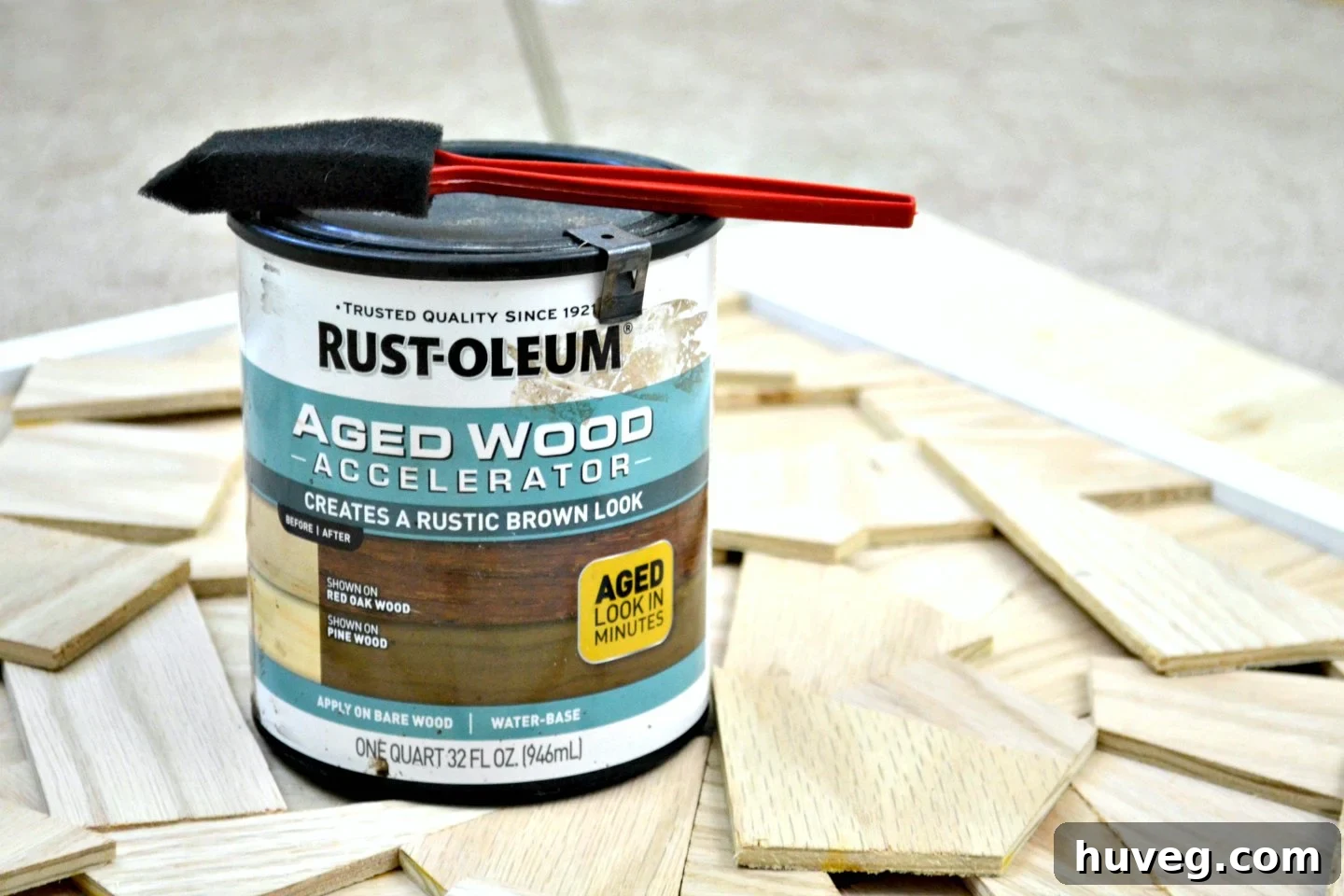
While the Rust-Oleum Aged Wood Accelerator performs admirably on various common wood types, I wholeheartedly recommend using it on red oak. The product truly excels on this particular species, magnificently highlighting and enhancing the natural wood grain. The subtle reddish undertones of the oak, when combined with the accelerator, transform into a rich, deep hue that exudes sophistication and warmth, making your botanical art truly pop.
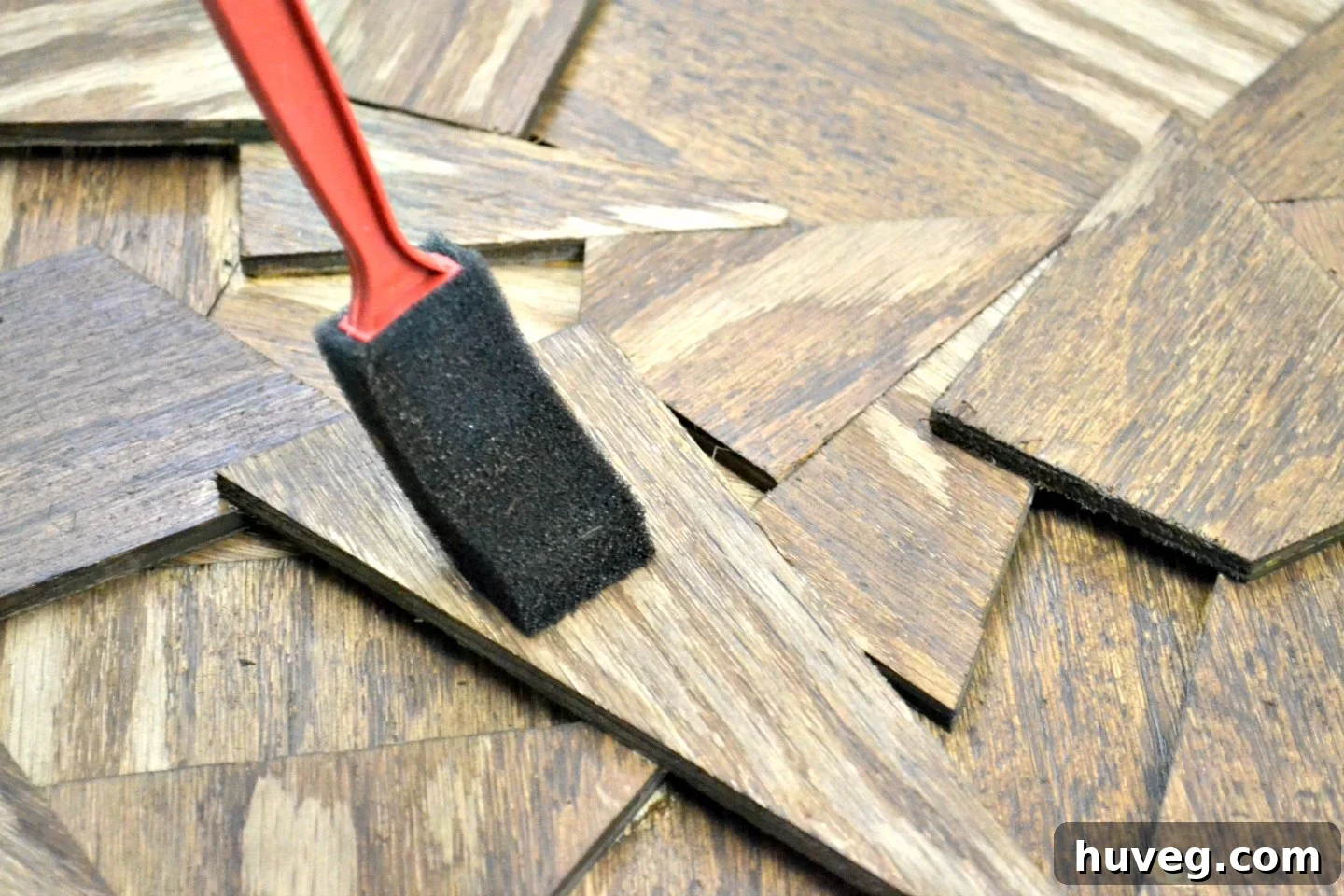
For optimal application of the wood accelerator, especially when dealing with the intricate textures and varying depths of layered wood scraps, a small sponge brush is an invaluable tool. Its flexible design allows you to effortlessly reach into all the tiny nooks and crannies, ensuring comprehensive coverage. To guarantee no spot is missed, meticulously rotate the entire art piece, inspecting it from every angle as you apply the product.
A particularly advantageous aspect of using this product on raw, rough-cut plywood edges is its ability to mask imperfections. The accelerator blends so seamlessly that any tear-out from cutting becomes virtually invisible. Given that the stain is designed to impart a rustic, aged appearance, these minor imperfections simply contribute to the desired aesthetic, making them look entirely intentional and adding to the character of the piece.
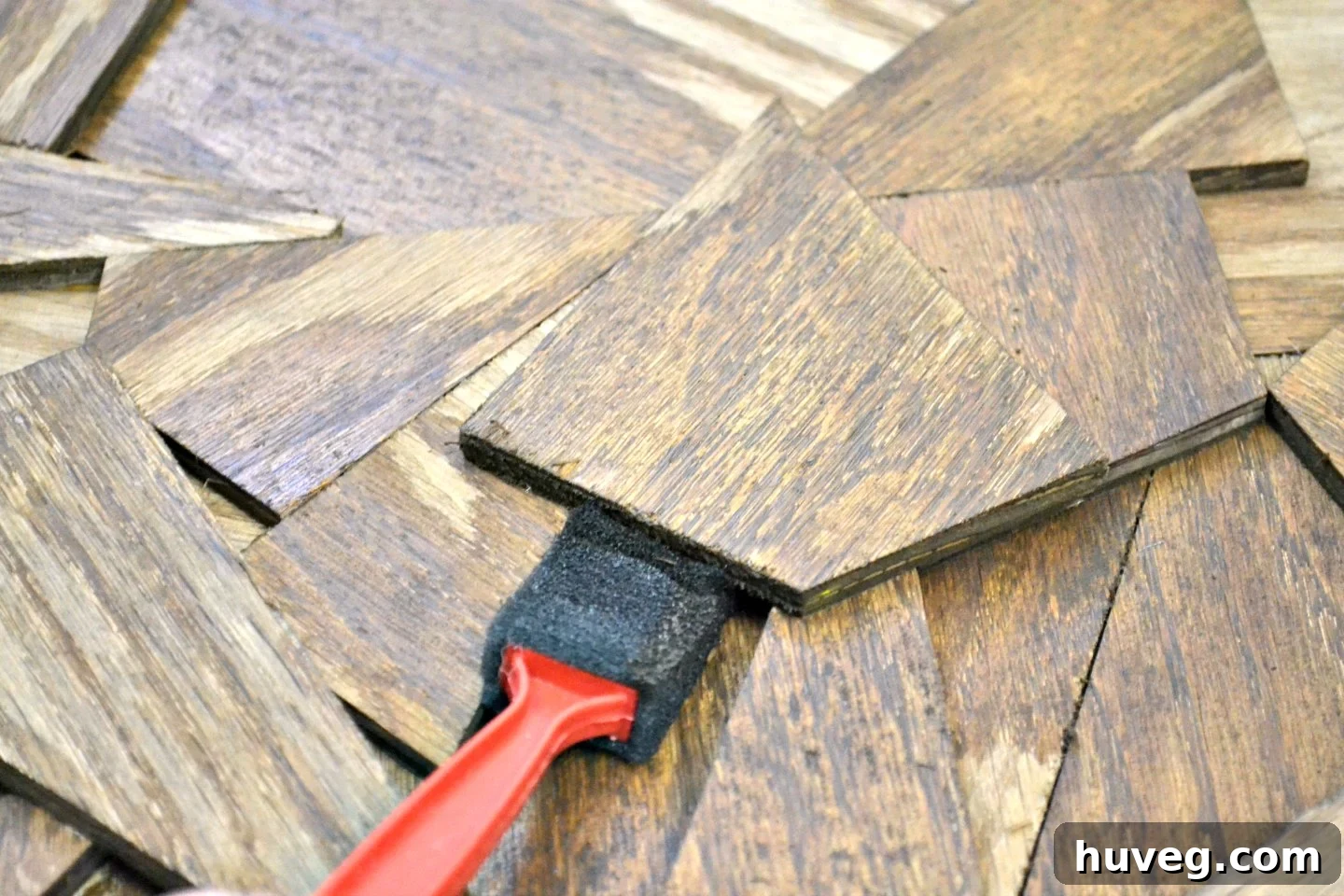
As the wood accelerator deeply penetrates the wood fibers, some areas will dry more quickly than others, while some will continue to soak in the rich color. This natural variation is part of the product’s charm; I didn’t concern myself with wiping any excess off, as this effortless application is precisely what makes the Rust-Oleum Aged Wood Accelerator such a user-friendly and effective product. This particular stain uniquely imparts an authentic, aged finish to your wall art, creating a truly distinctive and beautifully rustic appeal that will be a conversation starter.
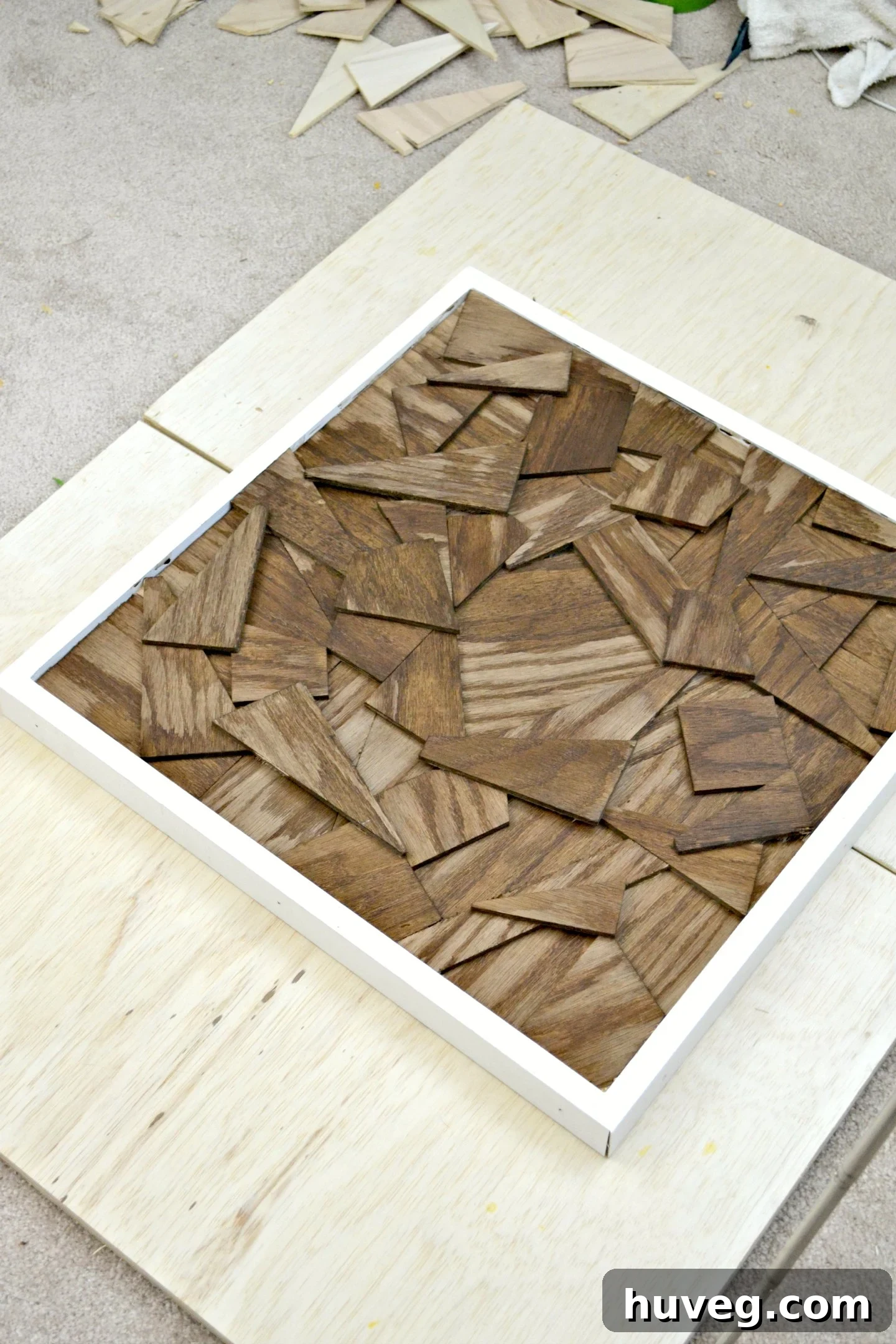
For those desiring a more intense or deeper hue, it is absolutely possible to apply a second coat of the accelerator. In fact, I opted to do so for this project to achieve a richer, more pronounced aged effect. Much like conventional wood stains, a subsequent coat will effectively darken the initial application, allowing you to customize the depth of color to perfectly match your desired aesthetic. This flexibility ensures your unique piece of art truly reflects your vision.
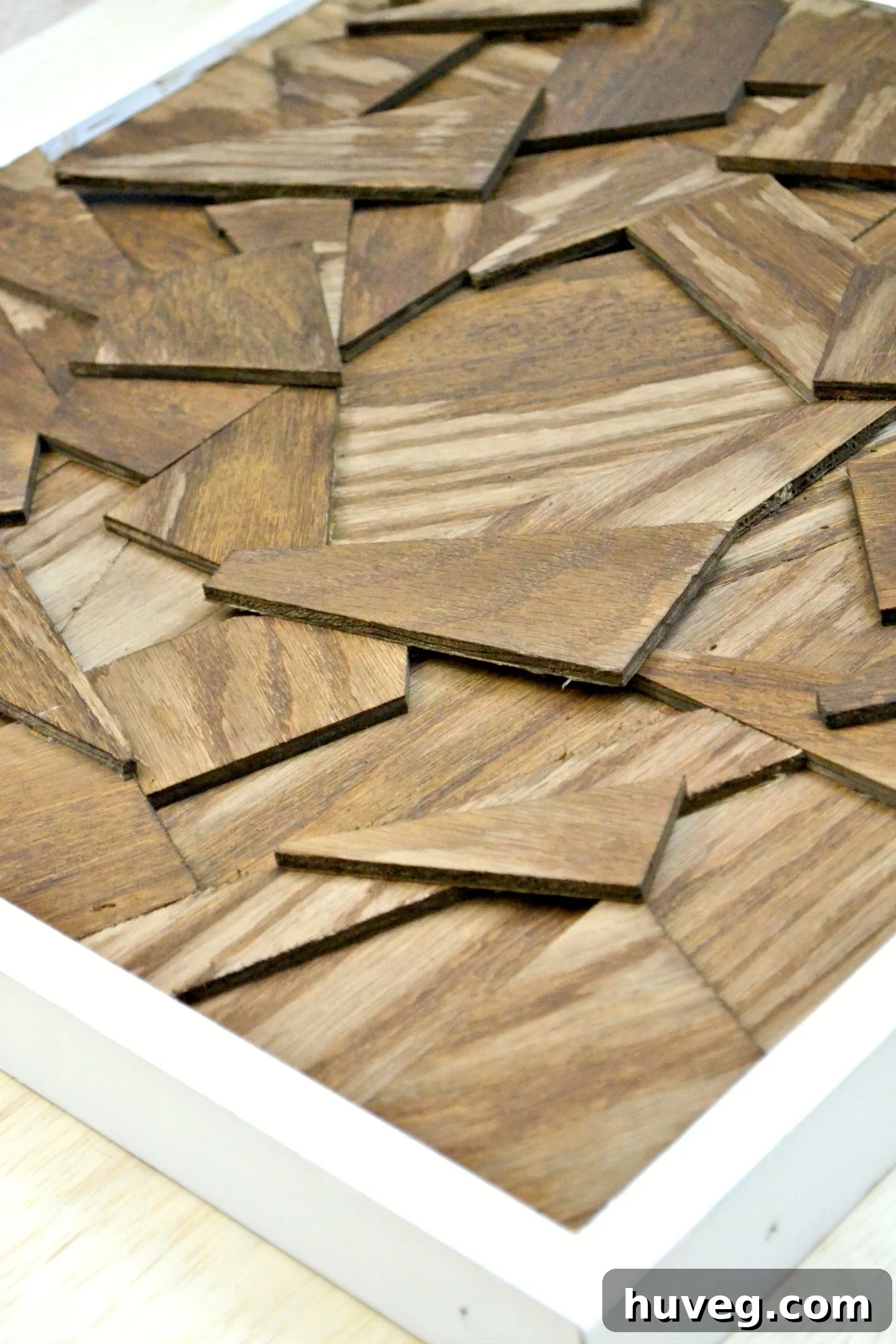
While the richly stained wood pieces were drying, I seized the opportunity to refine the decorative MDF frame. This involved meticulous touch-ups, ensuring a pristine finish, and carefully painting over any visible nail holes. This attention to detail ensures that the overall presentation of the wall art is flawless and professional, allowing the aged wood and vibrant air plants to take center stage.
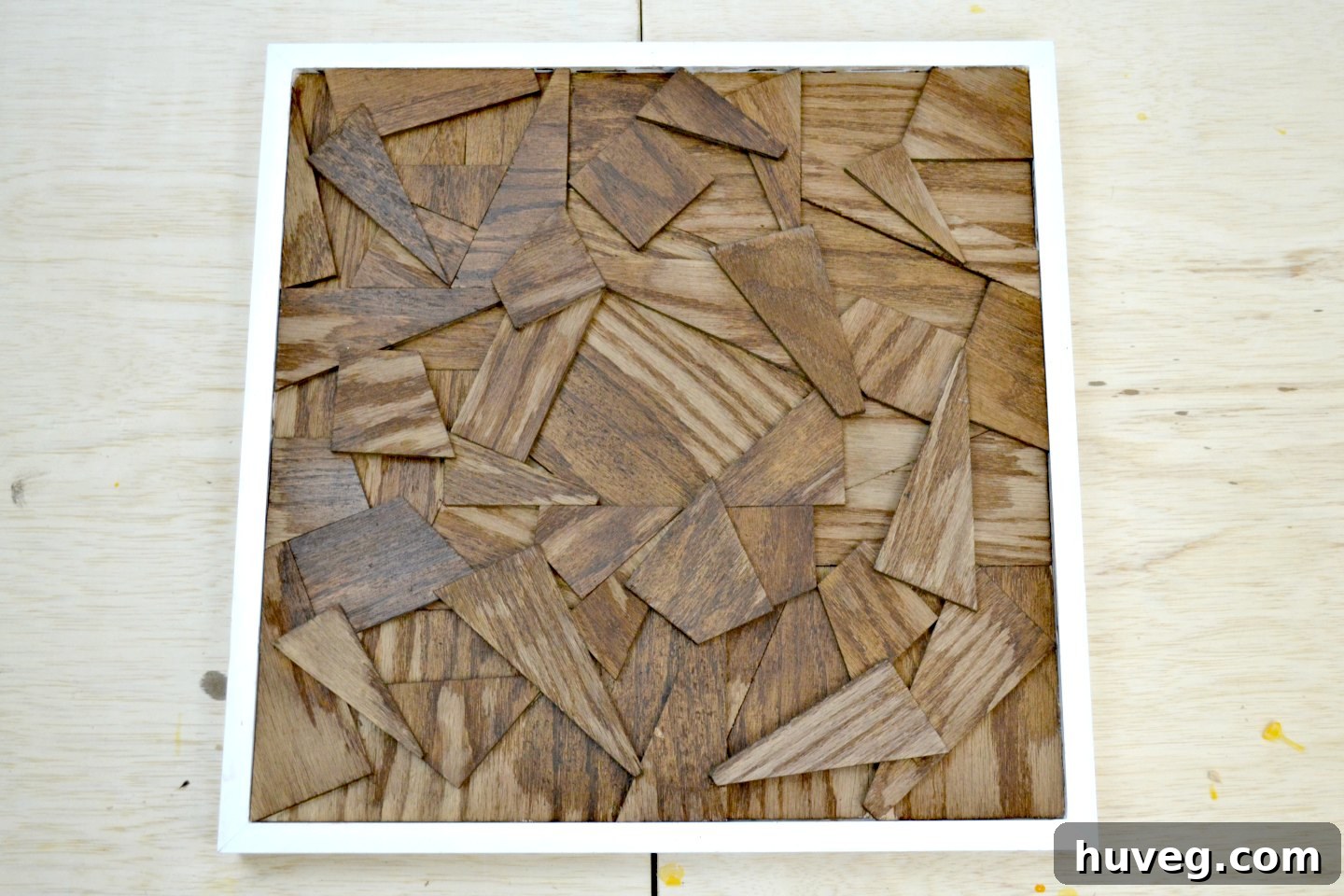
6. Preparing for Life: Drilling Holes for the Air Plants
With the wood art canvas beautifully stained and dried, it was time to introduce the living elements – the air plants! For this project, I conveniently ordered a lovely bundle from Amazon, which even included a handy fertilizer spray. Air plants (Tillandsia) are incredibly low-maintenance, requiring only occasional watering or misting and access to indirect sunlight to thrive. Their unique root systems allow them to absorb nutrients and moisture from the air, making them perfect for this type of display.
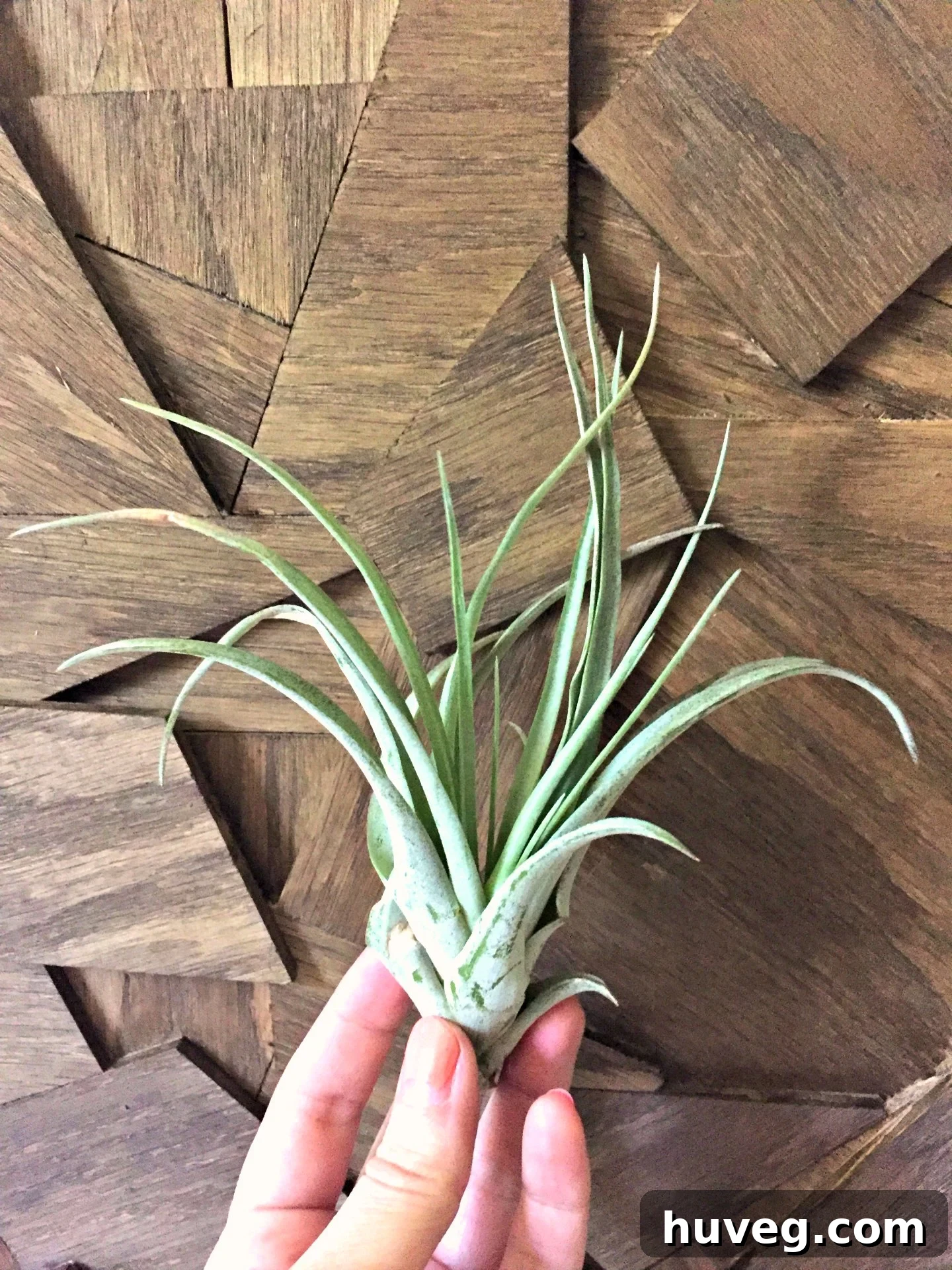
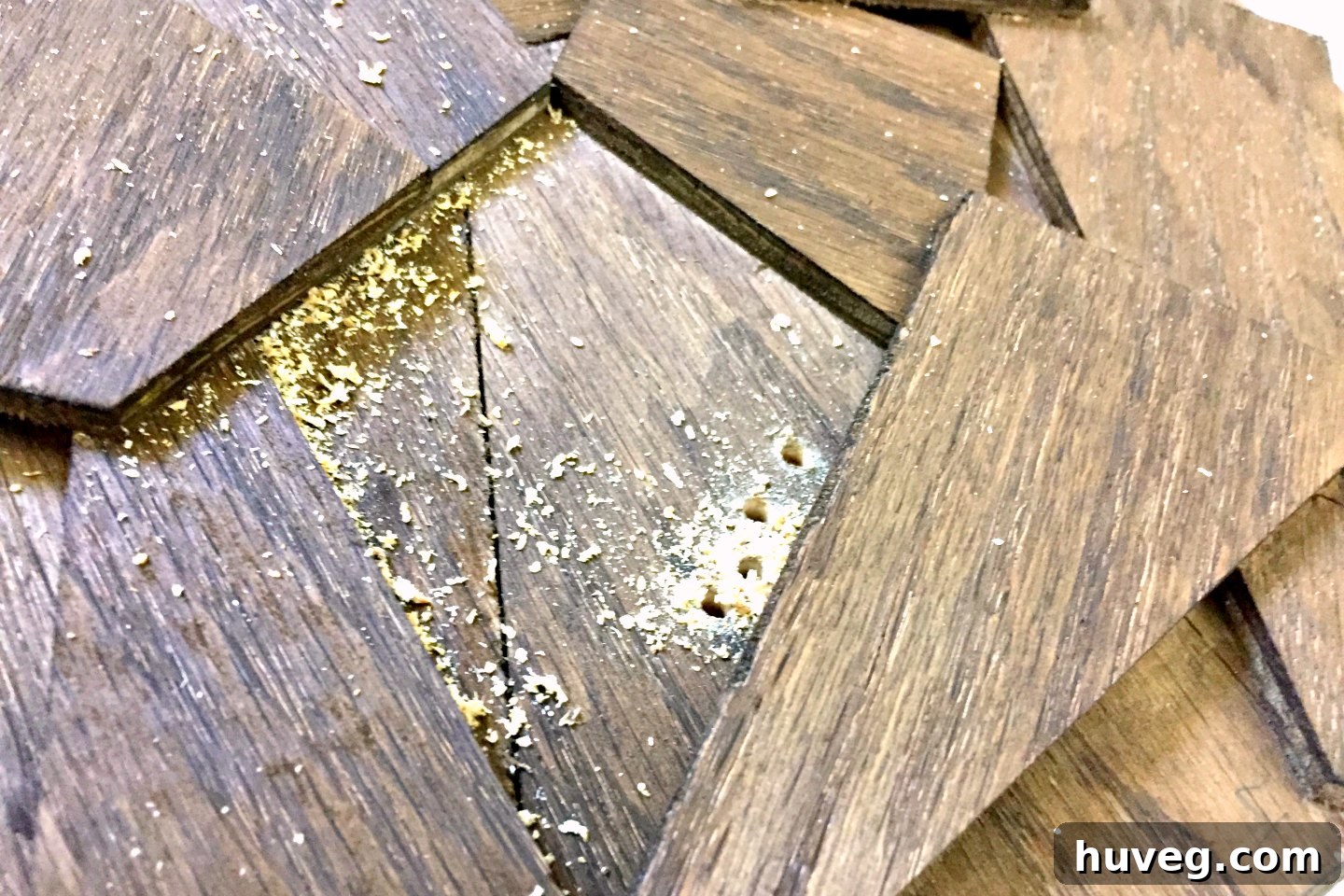
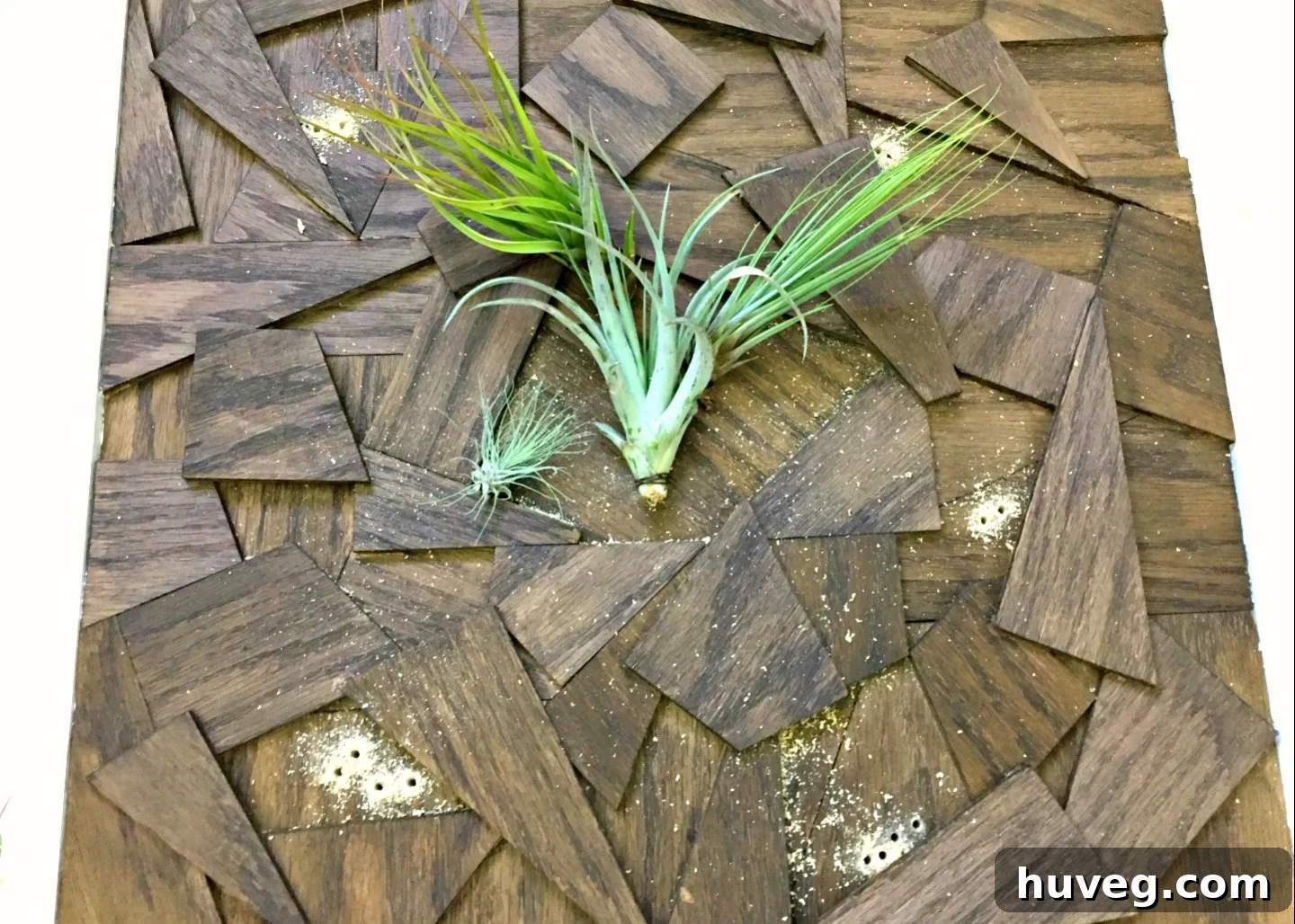
To securely fasten the air plants to the intricate wooden canvas, I rummaged through my collection of jewelry-making supplies and found some fine, brown craft wire (similar options are readily available). After thoughtfully experimenting with various placements for each air plant, determining the most aesthetically pleasing arrangement, I proceeded to drill two small, precisely spaced holes at each designated spot. These holes would serve as anchors for the wire, allowing for secure and stable positioning of the plants.
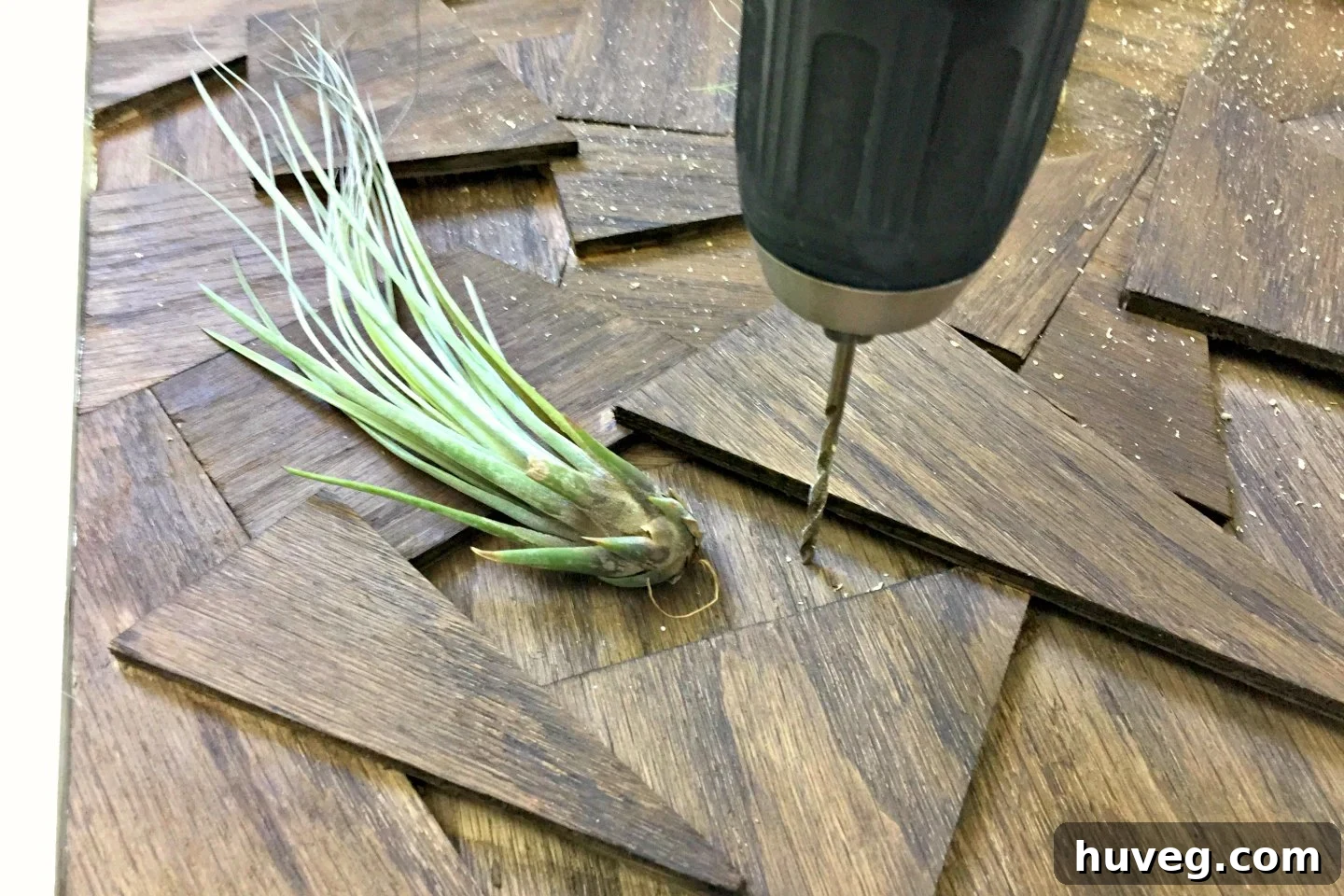
Even in areas where I planned to cluster more than one air plant, I maintained the practice of drilling two distinct holes for each individual plant. This meticulous approach was crucial for achieving precise control over the orientation and angle of each plant. By having separate anchor points, I could delicately nestle the plants side-by-side, allowing me to sculpt captivating visual patterns and create a dynamic, multi-dimensional effect within the overall wall art design. This attention to individual plant placement is key to the artwork’s organic beauty.
7. Securing the Living Elements: Placing the Air Plants with Wire
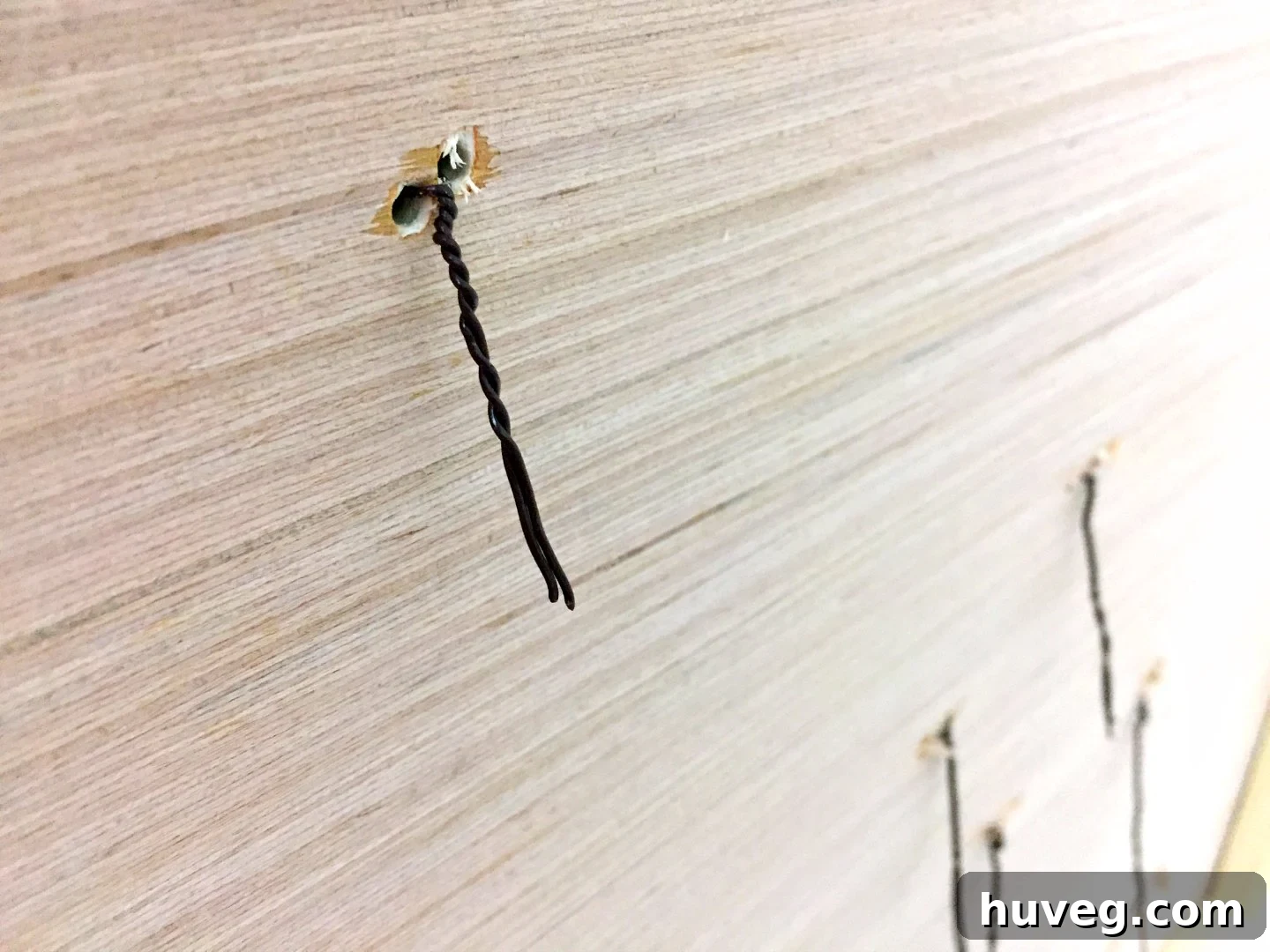
The process of placing the air plants with the delicate craft wire unfolded in two primary methods, depending on the specific characteristics of each plant. For the majority of the air plants, which typically possess a defined base or stem, I began by threading one end of the wire through one of the pre-drilled holes from the back of the artwork. Once through, I carefully wrapped the wire multiple times around the base of the plant, ensuring a snug yet gentle hold. Subsequently, the other end of the wire was fed through the second corresponding hole, also from the front.
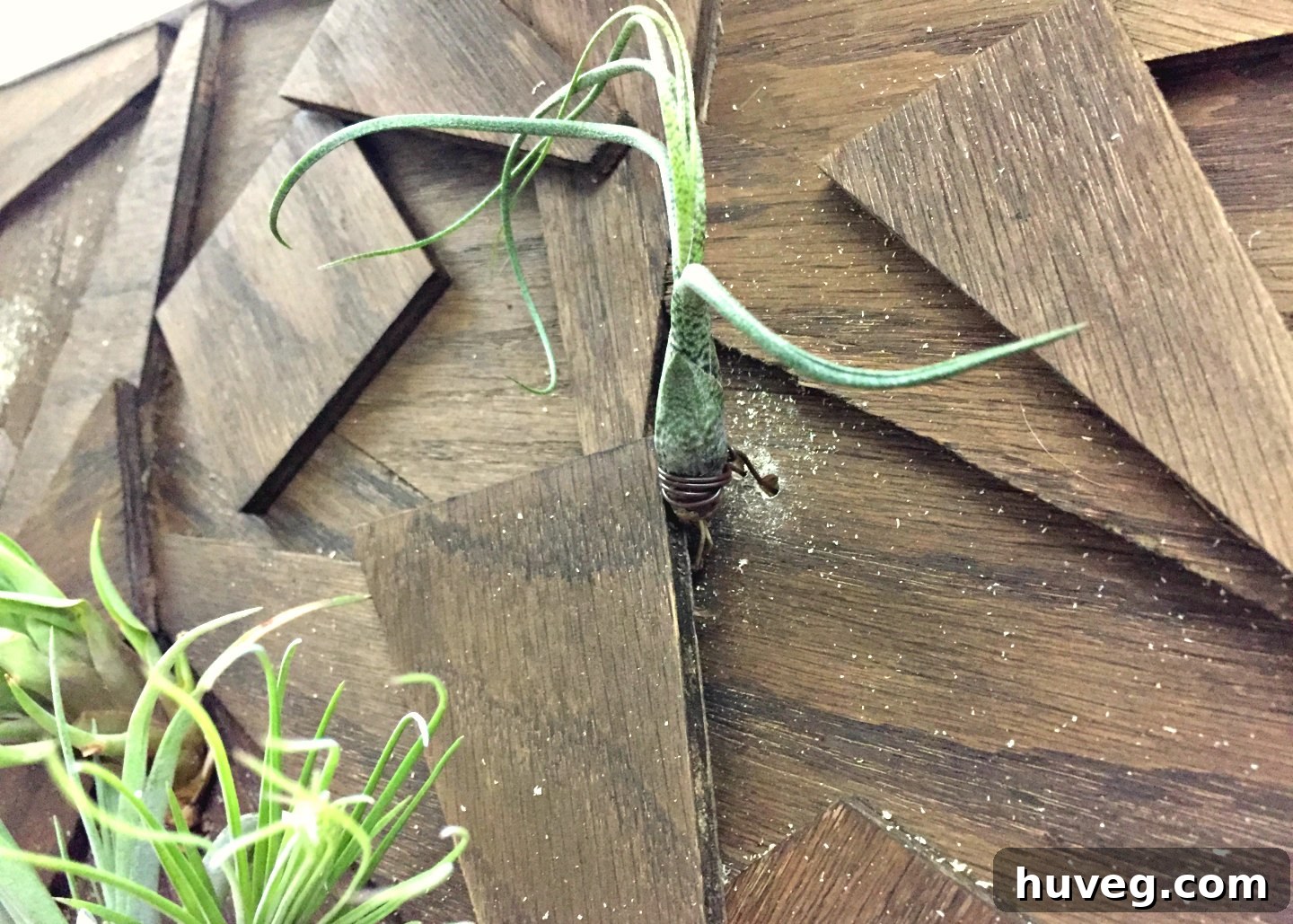
Once both ends of the wire emerged from the back of the wooden “canvas,” I pulled them taut, ensuring the plant was firmly positioned against the layered wood. Then, to permanently secure the plant, I twisted the wire ends together tightly, creating a robust anchor that would keep the air plant perfectly in place without risk of movement or falling. This method provides both stability and a discreet attachment, allowing the plants to be the focal point.
For air plants characterized by thicker, blade-like leaves or those lacking a distinct stem to wrap around, an alternative method was employed. In these instances, I carefully threaded the fine craft wire directly through parts of the plant’s structure, navigating between leaves or along its natural contours. Once the wire was artfully woven through, it was then securely fastened to the wood canvas in the same manner as described before. It is absolutely crucial to exercise utmost gentleness during this step; avoid pulling the wire too tightly, as excessive force can easily damage the delicate structure of your air plants. The goal is a secure hold, not a constricting one, ensuring the plant’s health and vibrant appearance.
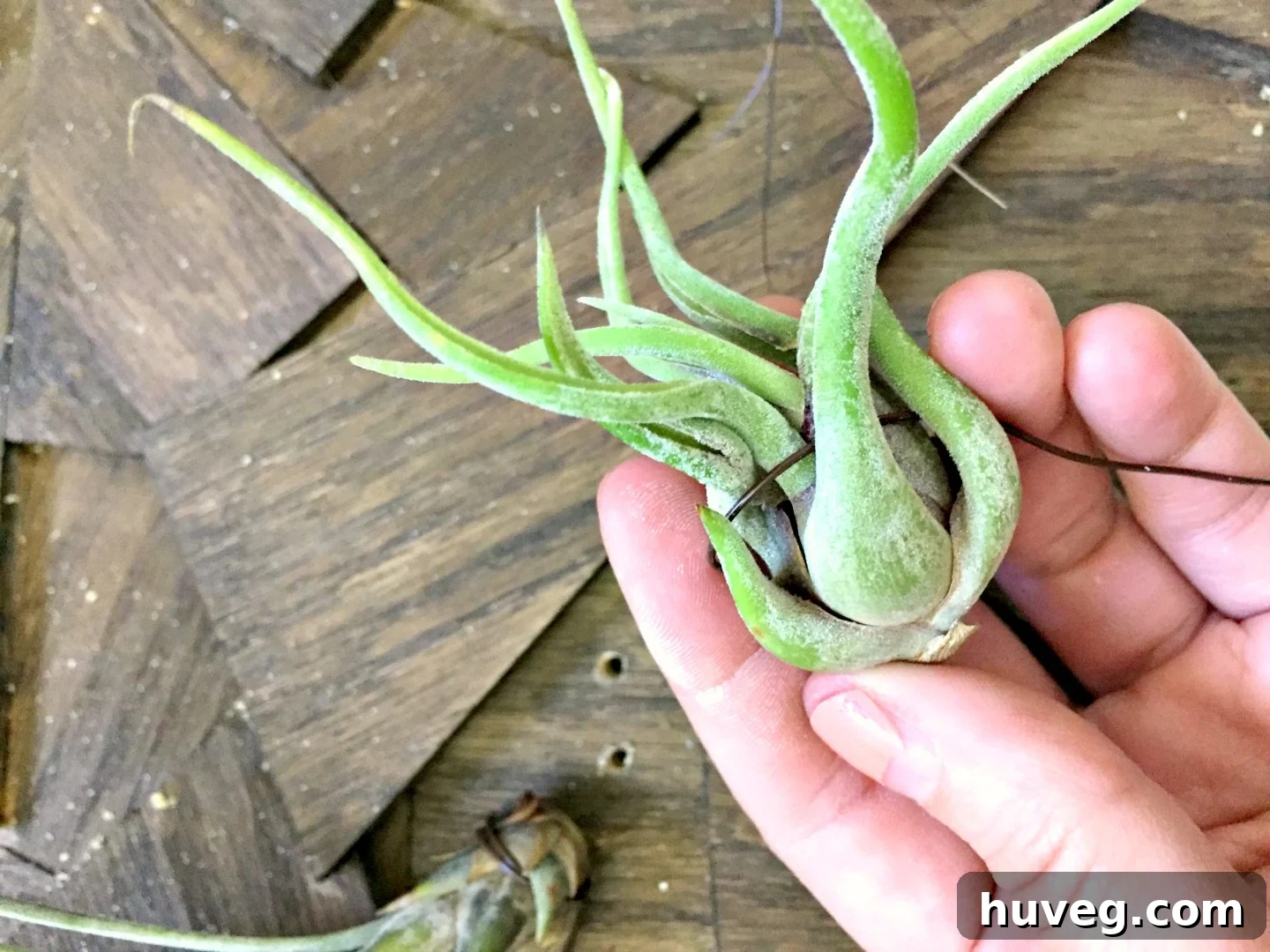
I continued this meticulous process for each individual air plant, adopting a methodical approach by starting from the center of the artwork and gradually fanning outwards. This strategic placement allowed me to focus intently on securing each plant without inadvertently bumping into or damaging those already positioned. This technique ensures a pristine and perfectly arranged botanical display, where every plant is showcased to its best advantage within the unique wooden backdrop.
8. Display and Delight: Hanging Your New Air Plant Wall Art
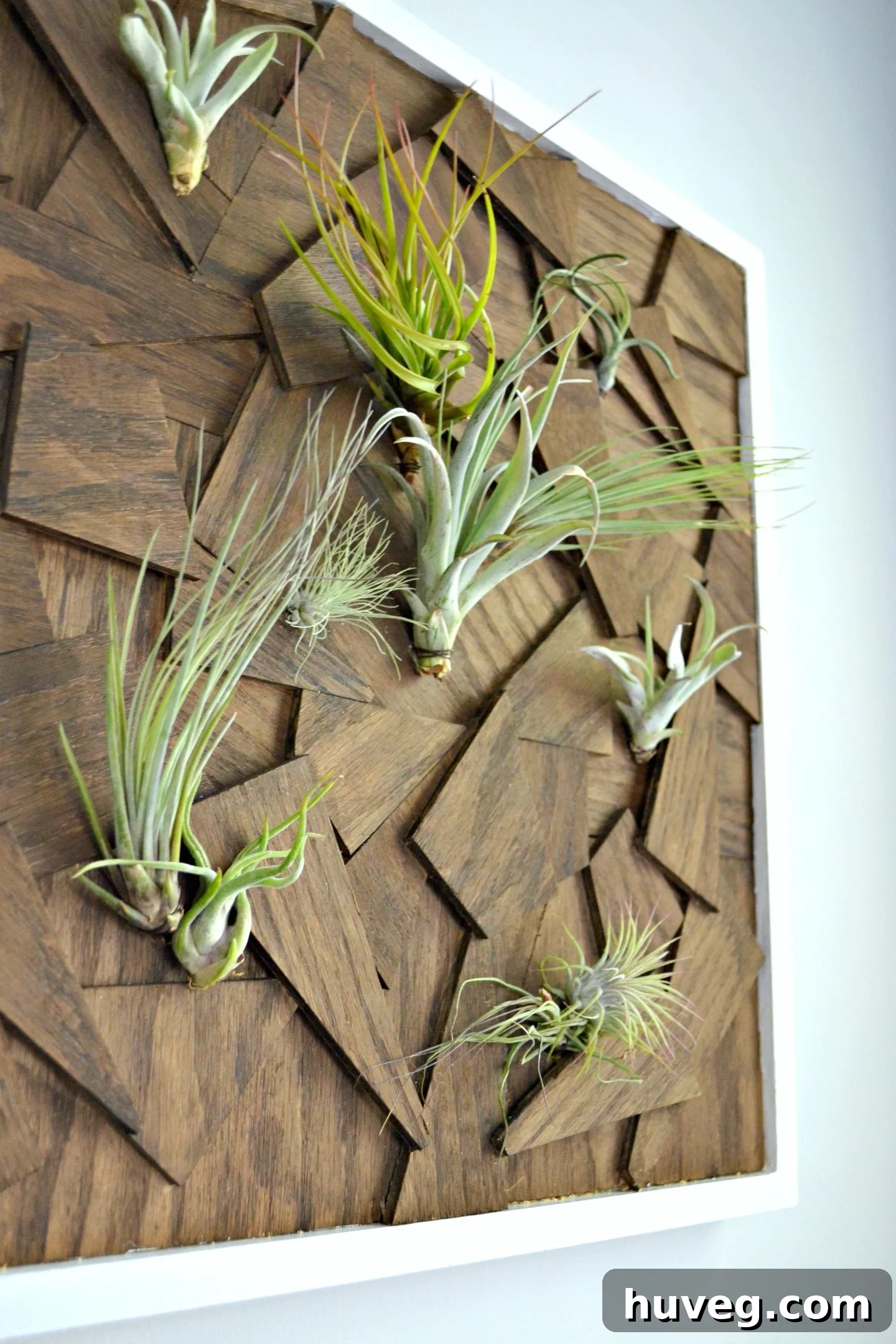
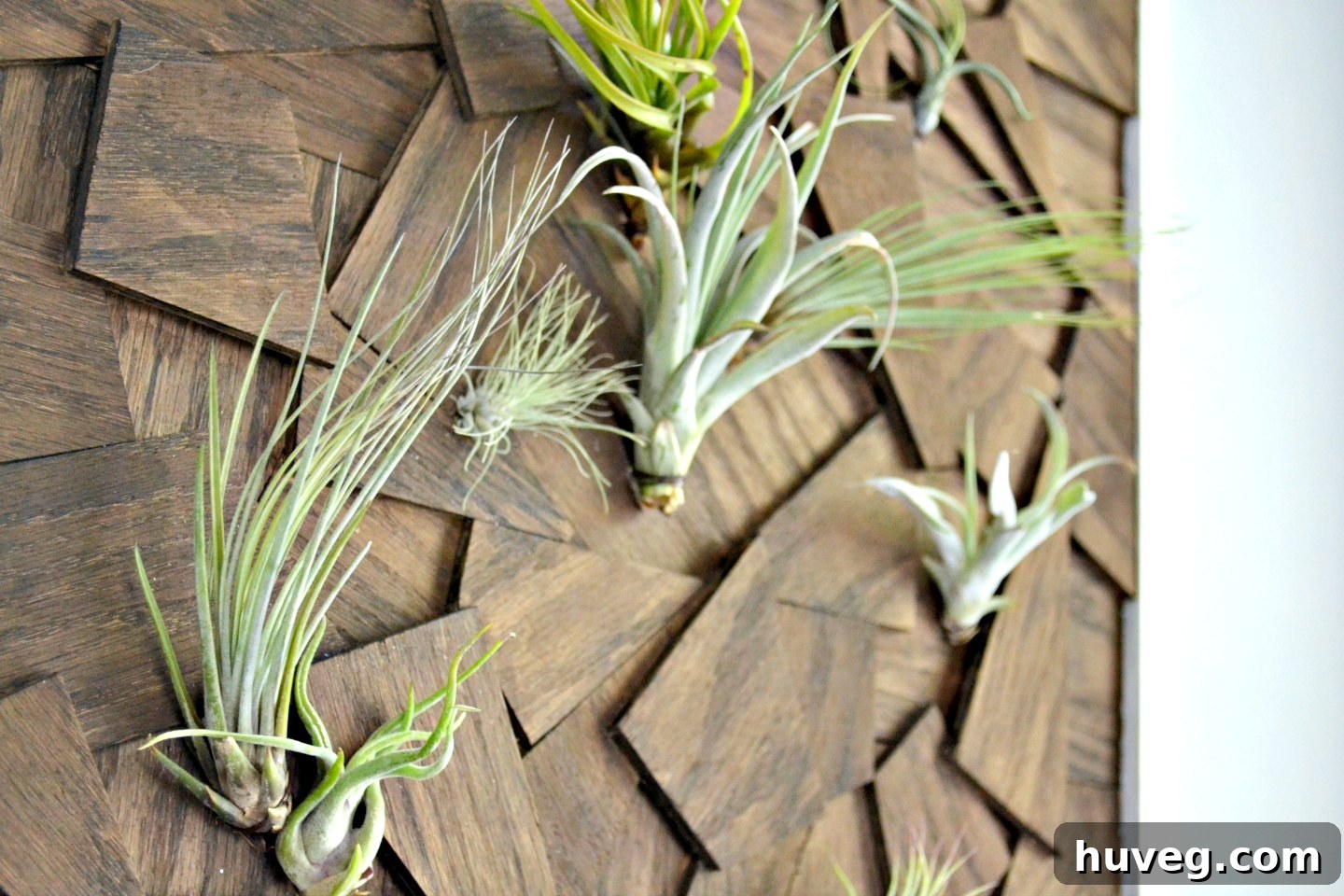
Once every air plant was securely and artfully placed, the stunning DIY wall decor was officially complete and ready for its grand unveiling! I had already earmarked the perfect spot in my home where this modern and organic art piece would not only complement the existing decor but also truly flourish and captivate attention.
To ensure a professional and secure display, I utilized my trusted and favorite new flush mount hangers. These hangers are exceptional because they allow the artwork to sit almost flush against the wall, creating a clean, integrated look that truly makes the art pop (as demonstrated with my carved wood art). With these robust hangers, this exquisite piece of living art gracefully found its new home in my office, instantly infusing the space with natural beauty and creative energy!
As you can see, this remarkably easy DIY air plant wall art project is an ideal undertaking for any afternoon. It requires a minimal array of specialized tools, making it accessible even for novice crafters. More importantly, it offers a wonderfully sustainable and creative avenue to repurpose all those miscellaneous wood offcuts and remnants that accumulate from other projects, transforming them into something truly magnificent instead of discarding them. This eco-conscious approach not only reduces waste but also infuses your home with unique, character-filled decor.
This versatile DIY botanical artwork effortlessly integrates with an extensive range of interior design styles – from the free-spirited charm of bohemian aesthetics to the rugged allure of rustic decor, and even the sleek lines of modern minimalist spaces. Imagine it gracing the walls of a serene beachy cottage, bringing a touch of coastal calm, or adding a unique, earthy element to a cozy country kitchen. By experimenting with different stains, finishes, and wood types, you can tailor this project to perfectly suit the specific ambiance and color palette of any room in your home. Wherever you feel a need for a dash of natural greenery, a whisper of life, or a conversation-starting focal point, this stunning air plant wall art is guaranteed to do the trick, breathing fresh life and unique personality into your living spaces.
Loved this project? Don’t forget to pin it and share the inspiration with your friends!