Small Space Succulent Success

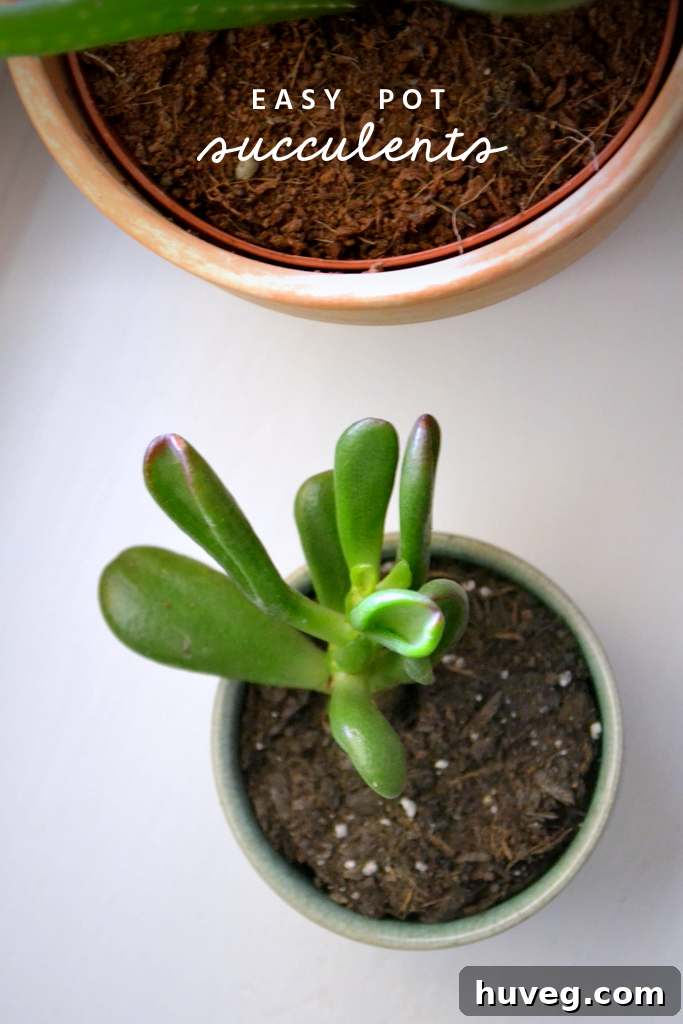
For many years, my journey with indoor plants was less a thriving garden and more a revolving door of green casualties. The simple act of “growing things” felt like a skill beyond my grasp. Yet, through perseverance and a dash of trial-and-error, I’ve gradually transformed my brown thumb into something decidedly greener. Today, I proudly boast a record-breaking seven plants flourishing across my home – from the office and laundry room to the kitchen, dining room, and living room – each a testament to my evolving indoor gardening prowess. This newfound confidence recently inspired me to revisit a past nemesis: succulents.
My previous attempts at cultivating these charming desert dwellers often ended in despair, and upon reflection, I pinpointed the culprits: relentless overwatering and inadequate drainage. These two factors are notorious death sentences for succulents. Determined to break this cycle, I embarked on a new small DIY project this May, armed with a surprisingly simple yet incredibly effective trick to tackle both issues head-on. It’s the kind of ingenious, low-effort solution that truly resonates with my approach to home projects.
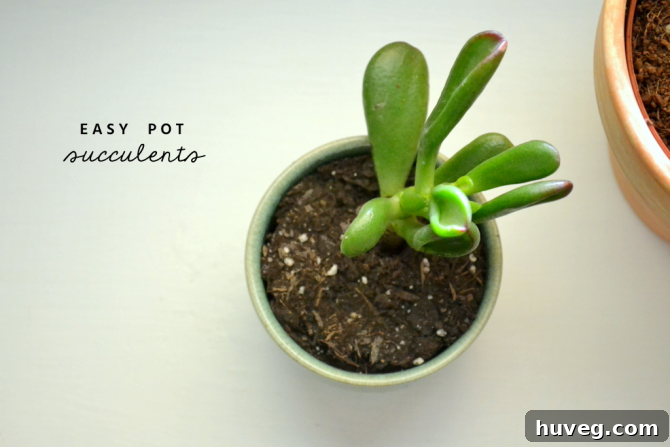
Overcoming the Succulent Drainage Dilemma: A Simple Solution for Thriving Plants
The frustration of plants dying, especially after investing time and effort, is a universal gardener’s lament. For me, it feels like watching money go up in smoke. Despite past failures, the undeniable aesthetic appeal and calming presence of plants make them an absolute necessity in my home, compelling me to try again and again. To mitigate the financial sting of potential losses, I often opt for inexpensive plants while meticulously selecting the right potting materials. The good news is that both cost-effective succulents and specialized potting supplies are readily available at your local home improvement store or a large retail chain, making this hobby accessible to everyone.
Succulents, renowned for their striking forms and diverse textures, have surged in popularity, becoming a staple for both seasoned gardeners and beginners alike. Their low-maintenance reputation, however, can be deceiving if fundamental care principles, especially drainage, are overlooked. These arid-climate natives are perfectly adapted to dry conditions and simply cannot tolerate sitting in soggy soil. Excess moisture leads to root rot, a silent killer that quickly claims even the hardiest succulent. This makes proper drainage not just a recommendation but an absolute imperative for their survival.
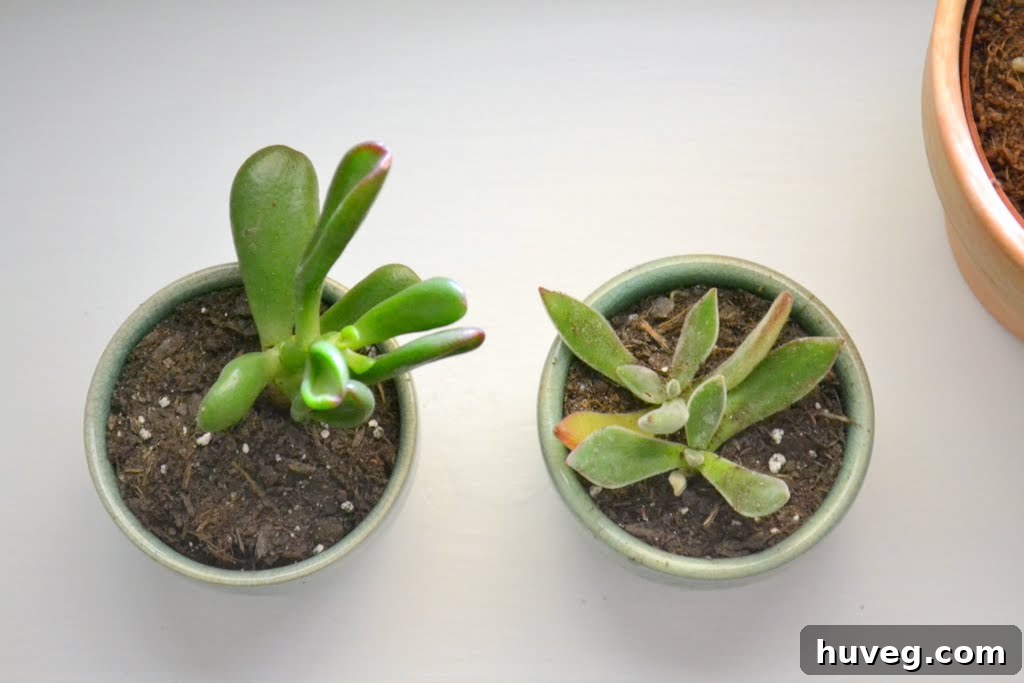
Essential Materials for Your Succulent Project:
To embark on this journey toward healthier, happier succulents, gather the following simple materials. Note that some links provided may contain affiliate partnerships:
- Succulents in Plastic Nursery Containers: Ensure these containers have drainage holes at the bottom, as they are crucial for our method. Opt for varieties that appeal to your aesthetic, remembering that healthy roots are key.
- Decorative Pots (without drainage holes are fine!): This is where your creativity shines! Choose attractive pots, teacups, or any small containers that complement your home decor. The beauty of this method is that drainage holes in these outer pots are entirely optional.
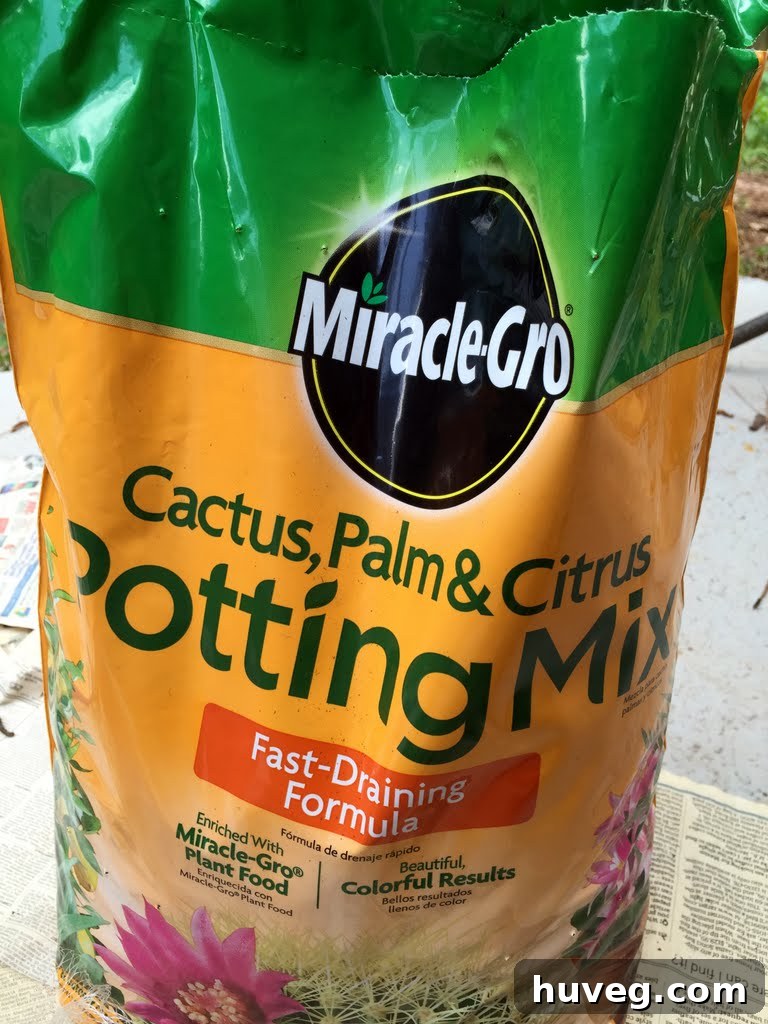
- Cactus Potting Soil: This specialized soil mix is formulated for excellent drainage, preventing waterlogging that regular potting soil can cause. It typically contains sand, perlite, or pumice to ensure quick water runoff and aeration.
- Small Decorative Pebbles or Vase Filler: These will serve a dual purpose: elevating the inner plastic pot for enhanced airflow and adding a decorative top dressing to your finished arrangement. Look for flat-ish stones that can provide stable support.
The Inspiration: Adapting a Proven Strategy for Tiny Succulents
My journey to this simple succulent hack began with an unexpected find at Goodwill: a collection of charming teacups. Their diminutive size immediately sparked an idea for housing small plants. Coincidentally, I was in the midst of a larger outdoor plant project, and during the process, some smaller succulent offsets with intact roots naturally broke away from the parent plants. This provided the perfect opportunity to pot these little guys, but a crucial question emerged: how could I ensure proper drainage in teacups that lacked drainage holes, especially since drilling into their delicate ceramic wasn’t an appealing option?
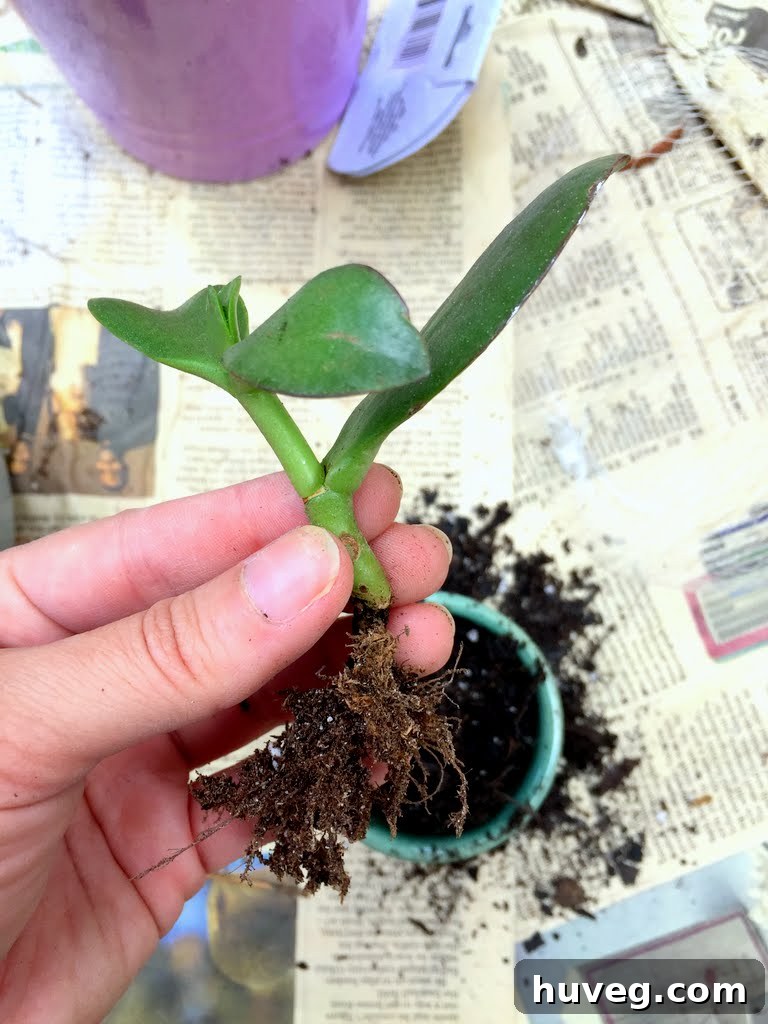
The answer, surprisingly, lay in a “lazy smart” gardening habit I had adopted years ago. I realized my indoor plants had truly flourished ever since I started keeping them in their original plastic nursery containers and simply “plopping” them into more decorative outer pots. Initially, this was born out of a cynical expectation that they would likely perish, making repotting seem like an unnecessary effort. Why bother, I reasoned, when I could just remove and toss the plastic pot if the plant died? To my astonishment, they not only survived but thrived!
This success, I discovered, was largely attributed to the superior drainage and airflow provided by keeping the plants in their original plastic pots. The space between the plastic container and the decorative outer pot allowed excess water to collect at the bottom, away from the roots, effectively preventing waterlogging. While many experienced gardeners advocate adding a layer of pebbles or even packing peanuts to elevate the plastic container from the very bottom of the decorative pot, I’ve personally achieved consistent success for over a year without this extra step, primarily by being meticulous about not overwatering. The most delightful aspect of this method is its discreetness; unless you actively peer into the pot, it’s impossible to tell which plants are potted directly and which are nestled within a hidden plastic container.
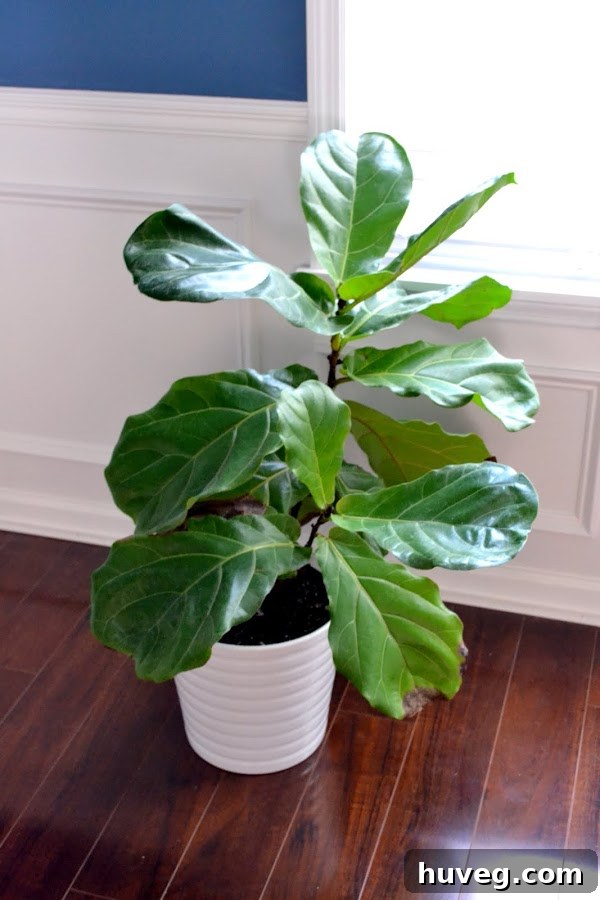
I often joke that my gardening philosophy isn’t about innate wisdom, but rather persistent experimentation until something clicks. This approach perfectly encapsulates the evolution of my “lazy smart” potting technique. However, adapting this proven concept for the tiny succulents destined for my teacups presented a new hurdle. The small scale of the teacups meant that the standard “plop-the-plastic-container-in-the-pot-and-walk-away” method resulted in the plastic nursery pot protruding ungracefully from the top, ruining the aesthetic.
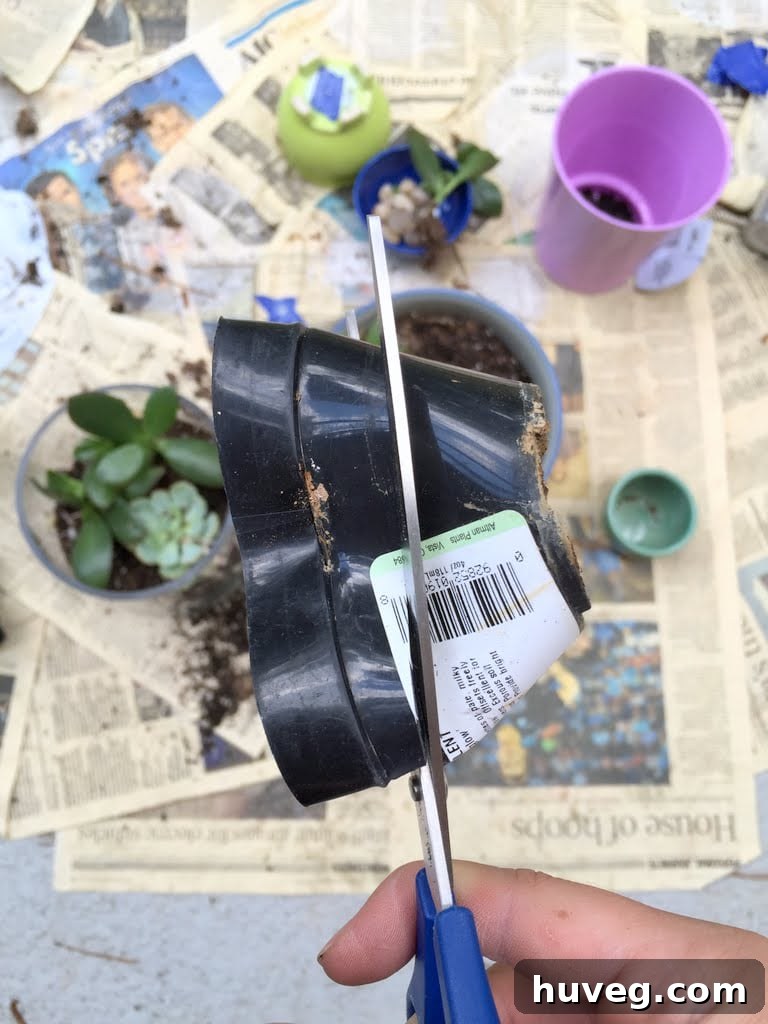
The Brilliant Hack: Trimming Nursery Pots for a Seamless Look
A simple pair of scissors proved to be the game-changer for this miniature succulent project. The solution was elegant: modify the plastic nursery pot itself. Before placing the trimmed nursery pot, I retrieved some tiny decorative pebbles I had on hand from a previous dollar store haul. I placed a single, relatively flat pebble at the bottom of each teacup. This subtle elevation, even if slightly wobbly initially, provided just enough lift for the trimmed plastic container, ensuring optimal drainage at the base. The cactus potting soil would later stabilize the plant and its inner pot. This ingenious step completely eliminated the need to acquire specialized drainage materials like sand, activated charcoal, or gravel, saving both time and money.
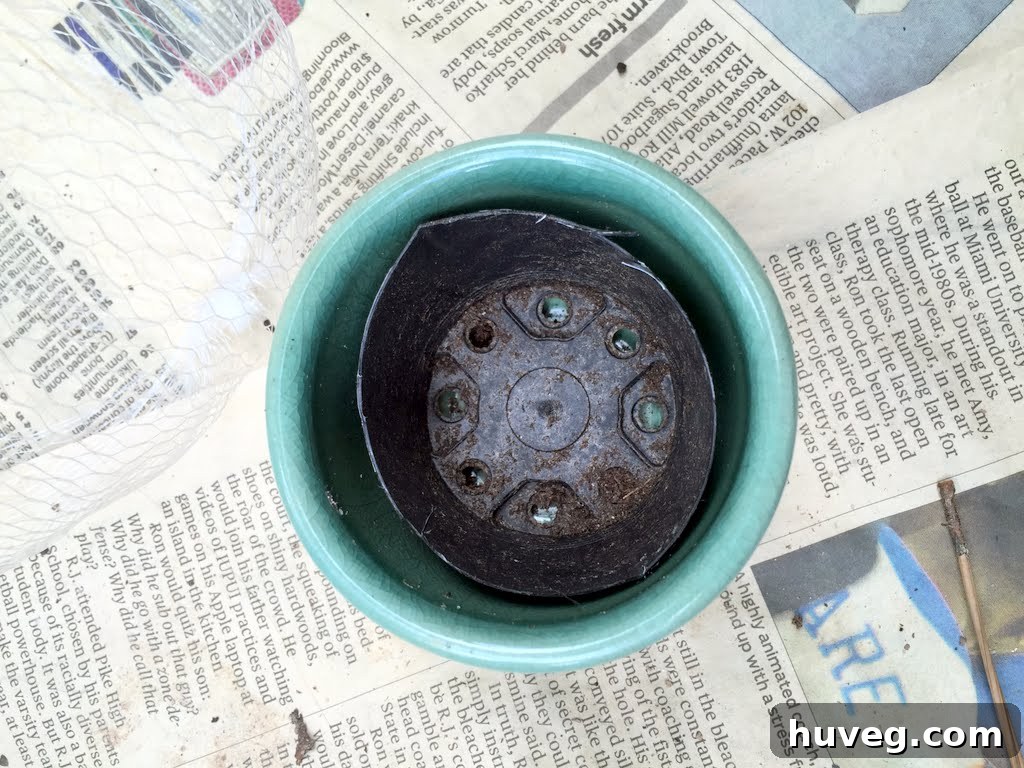
Once the pebble was in place, the process was straightforward. I carefully inserted the succulent (still in its trimmed plastic nursery pot) into the teacup, ensuring it sat at the desired height. Then, I backfilled the surrounding gap between the plastic pot and the teacup with the specialized cactus potting soil. This specific soil is vital because succulents, being desert plants, absolutely require a mix that drains exceptionally well. Its sandy, gritty composition prevents water from lingering around the roots, mimicking their natural arid environment and safeguarding against the dreaded root rot. I made sure to gently tamp down the soil to secure the plant without compacting it too much, which could hinder drainage.
Post-Potting Care for Thriving Succulents
Choosing the right location for your newly potted succulents is paramount. They thrive in bright, but often indirect or filtered sunlight. A window ledge in my laundry room, offering ample natural light without harsh direct sun, proved to be an ideal spot. When it comes to watering, a crucial tip for repotted succulents is patience. Based on various plant forums and expert advice, it’s generally recommended to wait approximately one week after repotting before the first watering. This allows any disturbed roots to heal from the transplanting process before being exposed to excess moisture, which can be detrimental to their recovery in their arid-adapted state. Given that the cactus soil I used was slightly humid straight from the bag, I felt confident that waiting a week would be sufficient.
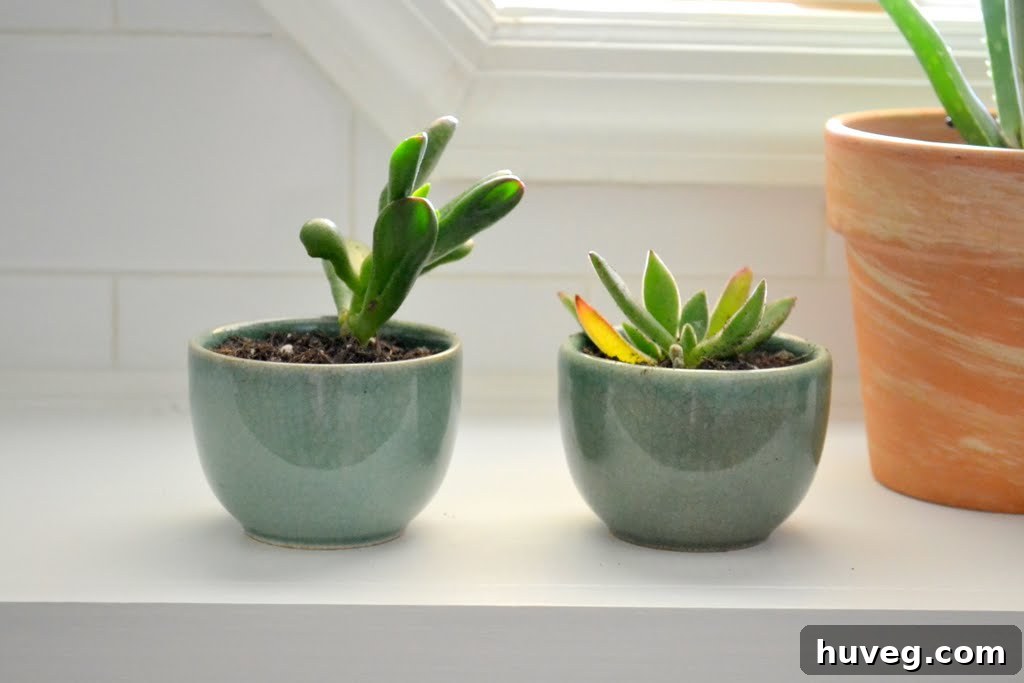
Beyond initial setup, consistent and mindful care will ensure your succulents flourish. Here are some expanded tips to help them thrive:
- Light Requirements: Succulents love light! Aim for at least six hours of bright, indirect sunlight daily. A south- or east-facing window is often ideal. While they enjoy brightness, intense, unfiltered afternoon sun can sometimes scorch their leaves, so filtered light is often preferred, especially indoors.
- Watering Technique: The “soak and dry” method is key. Water thoroughly until water drains from the nursery pot, then allow the soil to completely dry out before watering again. This can take anywhere from 1-4 weeks depending on your environment, pot size, and succulent variety. Test the soil by sticking your finger about an inch or two deep; if it feels dry, it’s time to water. Err on the side of underwatering rather than overwatering.
- Soil Composition: Reiterate the importance of cactus and succulent potting mix. It’s designed to provide the quick drainage and aeration essential for preventing root rot. Avoid standard potting soil, which retains too much moisture.
- Temperature & Humidity: Most succulents prefer average room temperatures between 60-80°F (15-27°C). They generally tolerate low humidity well, reflecting their desert origins.
- Fertilizing (Minimal): Succulents are not heavy feeders. If you choose to fertilize, do so sparingly, once or twice during their growing season (spring/summer), using a diluted, balanced fertilizer specifically formulated for succulents, like the succulent plant food I’ve acquired. A single pump from its convenient container is usually all that’s needed.
- Pest Control: Keep an eye out for common succulent pests like mealybugs or aphids. Address infestations quickly with organic solutions like neem oil or insecticidal soap. Healthy, properly cared-for succulents are more resistant to pests.
- Propagation: One of the joys of succulents is their ease of propagation. Many varieties can be grown from leaf cuttings or stem cuttings, which explains how I easily acquired the “smaller plant bits” from my larger plants, continuing the cycle of growth.
Only time will tell the full success story of these particular teacup succulents, but with the combined wisdom of optimized drainage, the right soil, and appropriate light and watering, I feel thoroughly prepared to nurture my new green companions. The convenience of the ready-to-use succulent plant food also adds to my confidence in their long-term well-being.
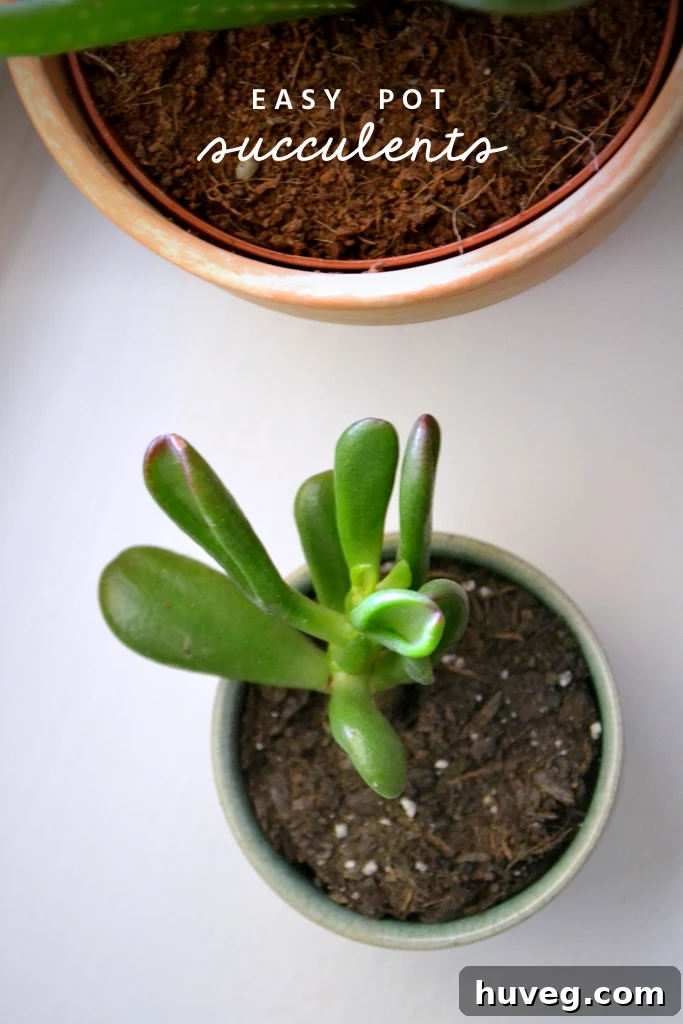
At this very moment, they look absolutely charming and bring a vibrant touch to my new laundry room shelves. I am genuinely thrilled with how this project turned out – a testament to simple solutions yielding beautiful results. Now, I’m eager to hear from you! Do you have any personal tips or tricks for caring for succulents, especially when it comes to navigating the intricacies of indoor environments? I’m always looking for ways to help my green friends keep “growing” forward (yes, I couldn’t resist a plant pun!). Share your wisdom in the comments below!