Mastering the Art of Storing Potting Soil, Seeds, and Fertilizer

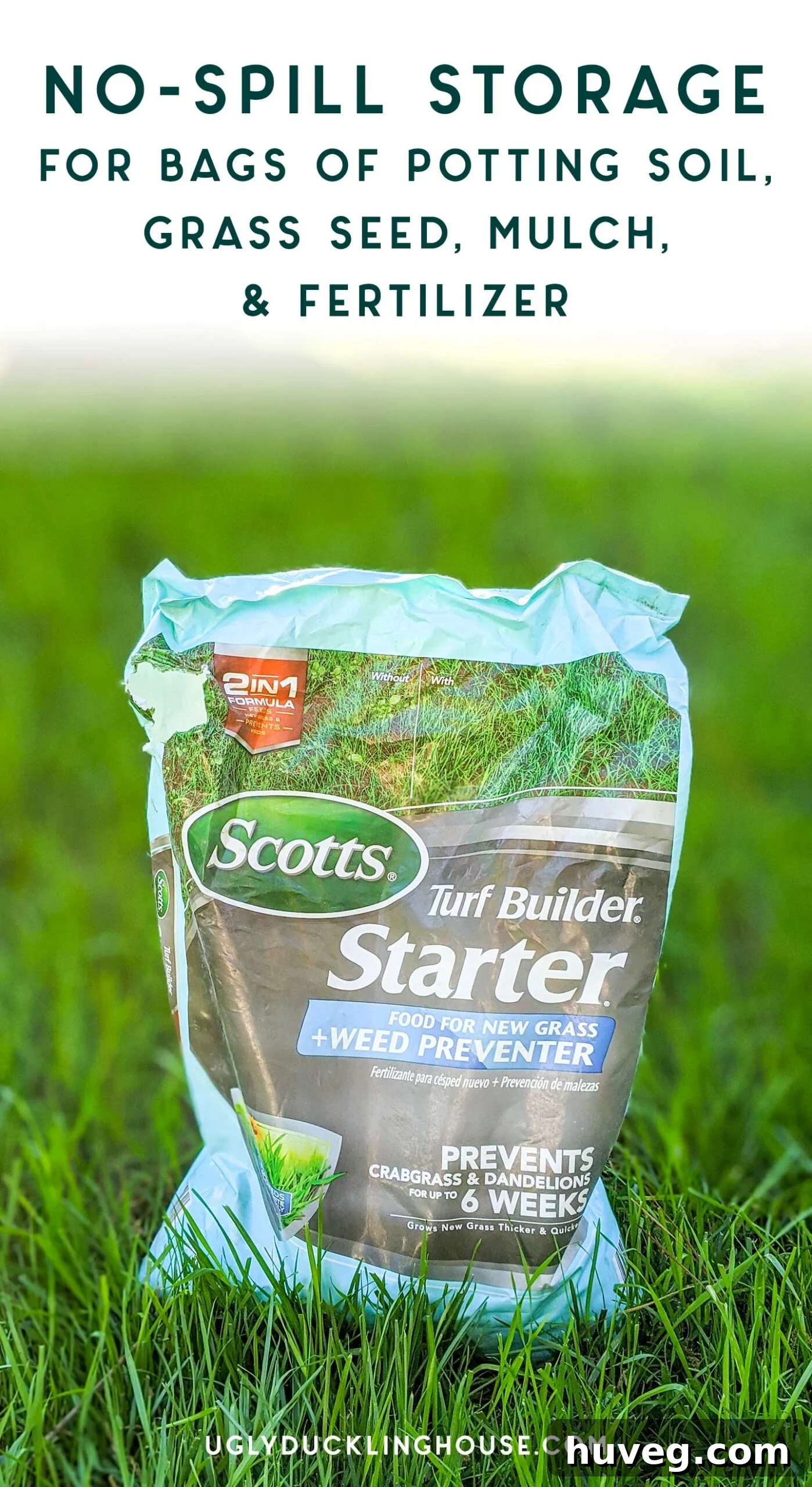
For gardeners, homesteaders, and DIY enthusiasts, the struggle of storing opened bags of bulk materials is all too familiar. Whether it’s a partially used bag of nutrient-rich potting soil, a hefty sack of slow-release fertilizer, a container of freshly acquired mulch, or even leftover grass seed from a recent lawn project, these large, bulky bags present a unique organizational challenge. They often sit half-opened in sheds, garages, or storage areas, susceptible to spills, moisture, pests, and general disarray. This common dilemma leads to wasted product, messy cleanups, and frustrating moments when you simply can’t find what you need. After countless attempts at makeshift solutions, from clumsy clips to unreliable ties, I’ve finally discovered a remarkably simple yet incredibly effective method that promises to revolutionize the way you store these essential garden and home supplies.

We’ve all seen those ingenious viral videos showcasing clever ways to seal snack bags without needing extra clips or containers. Inspired by their simplicity and efficiency, I decided to put a similar concept to the test with a much bigger challenge: my collection of large, unwieldy garden bags. The objective was clear – find a method that was not only effective but also easy to remember and execute, even after a long day in the garden. To my delight, this innovative folding technique proved to be a game-changer, providing a secure, spill-proof seal for even the most stubborn bags of mulch, soil, grass seed, weed preventer, and fertilizer. It’s a hack born from necessity, designed for those situations where you never quite use the entire bag in one go, leaving you with the ongoing task of storing its contents safely until the next season or project.
The frustration of discovering an overturned bag, its contents scattered across the shed floor, is a feeling many of us can relate to. This simple yet brilliant folding method eliminates that common headache. What makes it truly exceptional is that it requires no additional purchases – no special clips, no expensive storage bins, just the bag itself and a couple of minutes of your time. This makes it an incredibly cost-effective and sustainable solution for anyone looking to keep their garden supplies organized and secure. If you’re a visual learner, I’ve got a helpful video demonstration for you right below. However, if you prefer a step-by-step guide, you’ll find a detailed breakdown further down the page. Get ready to transform your storage routine!
Witness the magic in action – check out the video below:
Help me reach 25k subscribers!
Master the Art of Folding: Long-Term, No-Spill Storage for All Your Garden Bags!
Keeping your gardening essentials like potting soil, fertilizer, mulch, and grass seed fresh, dry, and contained is paramount for any successful gardening endeavor. This revolutionary bag-folding technique offers a permanent solution to the perennial problem of messy spills and wasted product. Not only does it create a tight seal that protects the contents from moisture and pests, but it also maximizes your storage space by creating compact, stable packages. This simple, free, and incredibly effective method will transform your shed or garage into an organized haven, ensuring your supplies are always ready when you are. Forget about expensive containers or flimsy clips; all you need is this clever folding trick!
Time needed: 2 minutes
This nifty trick prevents spillage of half-used bags of garden soil, fertilizer, grass seed, etc., that you might have in your shed. No tools required and FREE!
-
Prepare the Bag and Fold the Top Like a Paper Airplane.
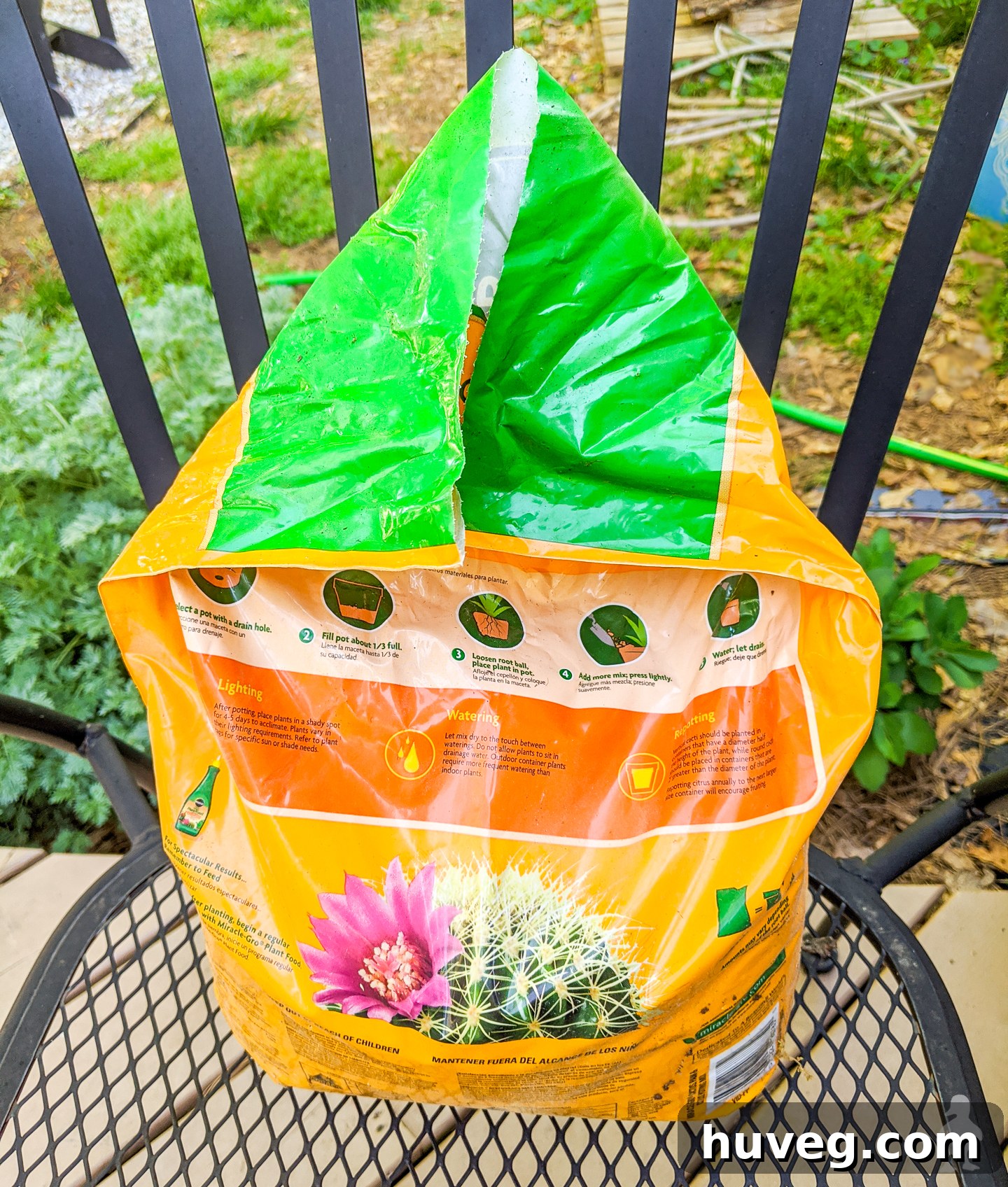
Begin by shaking the contents of the bag down towards the bottom, creating a clear, empty space at the top. This ensures you have ample material to work with for a secure fold. Once the top is clear, take the two uppermost corners of the bag and fold them inward, towards the center and middle of the bag. Imagine you are folding the wings of a paper airplane – this creates a pointed flap at the top. This initial fold is crucial for creating the interlocking mechanism that will secure your bag.

Step 1: Fold the top corners inwards to form a ‘paper airplane’ shape. -
Roll Up From the Bottom 2-3 Times.
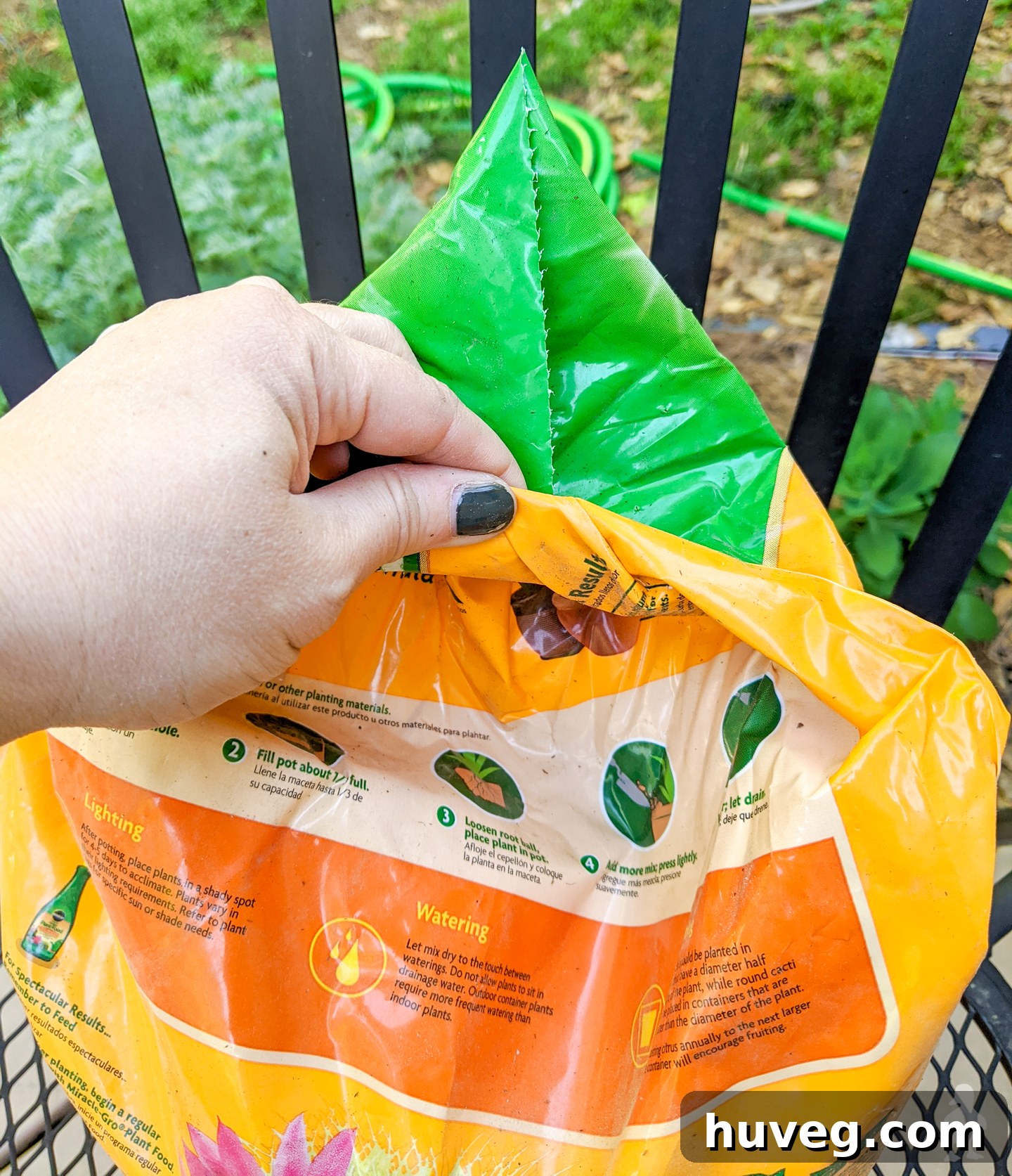
With the top corners now neatly folded towards the center, turn your attention to the newly formed “point” where these folds meet. Starting from this point, begin to roll the top portion of the bag downwards. Make sure your rolls are tight and consistent. Roll the bag two to three times. This creates a sturdy base and begins to compress the bag, expelling some of the air and making the subsequent steps easier. The tighter you roll, the more secure your final seal will be.
Step 2: Roll the bag down two to three times from the folded edge. -
Tuck the Pointed Top Under the Rolled-Up Part.
At this stage, you might notice some trapped air within the bag. Gently squeeze the bag to force out as much air as possible – this creates a more compact and stable package. Remember the pointed flap you created in Step 1? This is where it comes into play. Carefully tuck this pointed section underneath the rolled-up portion from Step 2. Continue to roll the bag down, ensuring the pointed flap is fully secured beneath the existing folds. This interlocking action is key to creating a truly spill-proof seal.
Step 3: Tuck the pointed top under the rolled section and continue rolling. -
Continue Rolling Down, Expelling All Air.
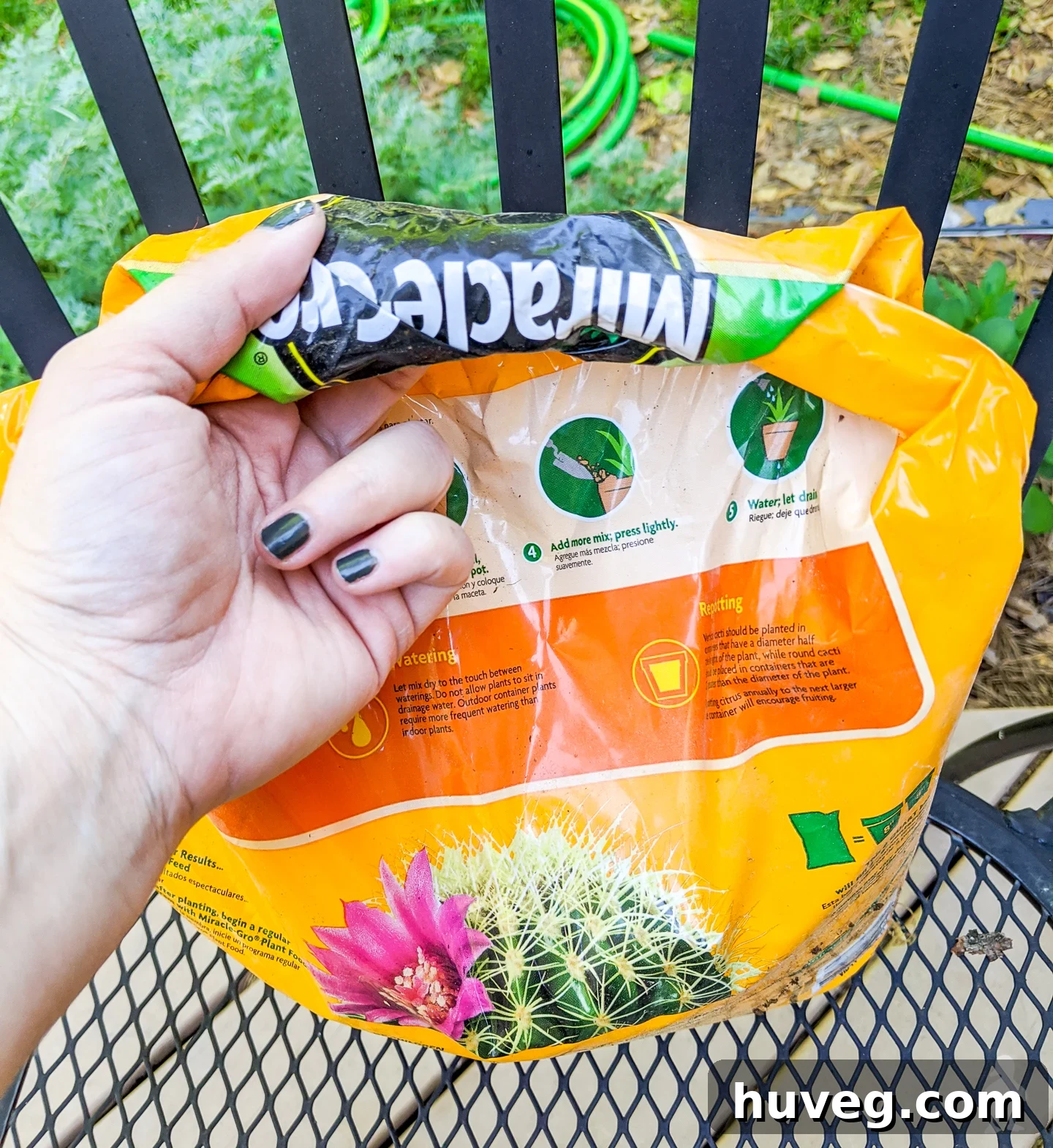
Even if you’ve already expelled some air, there’s a strong likelihood more remains. Continue to roll the entire bag downwards, from the top towards the remaining contents. As you roll, consistently apply pressure and squeeze out any remaining trapped air. The goal is to create a densely packed, firm roll with no empty bag left at the top. This final rolling motion tightens the seal and ensures the bag’s contents are fully compressed and protected.
Step 4: Roll the entire bag all the way down, squeezing out any remaining air for a tight seal. -
Store for Later Use, Spill-Free!
Congratulations! You’ve successfully sealed your garden bag. This method creates such a tight and secure seal that you can confidently turn the bag upside down without a single speck of its contents spilling out. You’ll be amazed by the effectiveness! Now, you can stack and store all your half-used bags neatly in your shed, garage, or storage area without any worry of accidental spills or messes. This not only keeps your storage space tidy but also helps preserve the quality of your soil, fertilizer, and seeds by protecting them from moisture, pests, and air exposure. Enjoy a cleaner, more organized, and more efficient gardening experience!
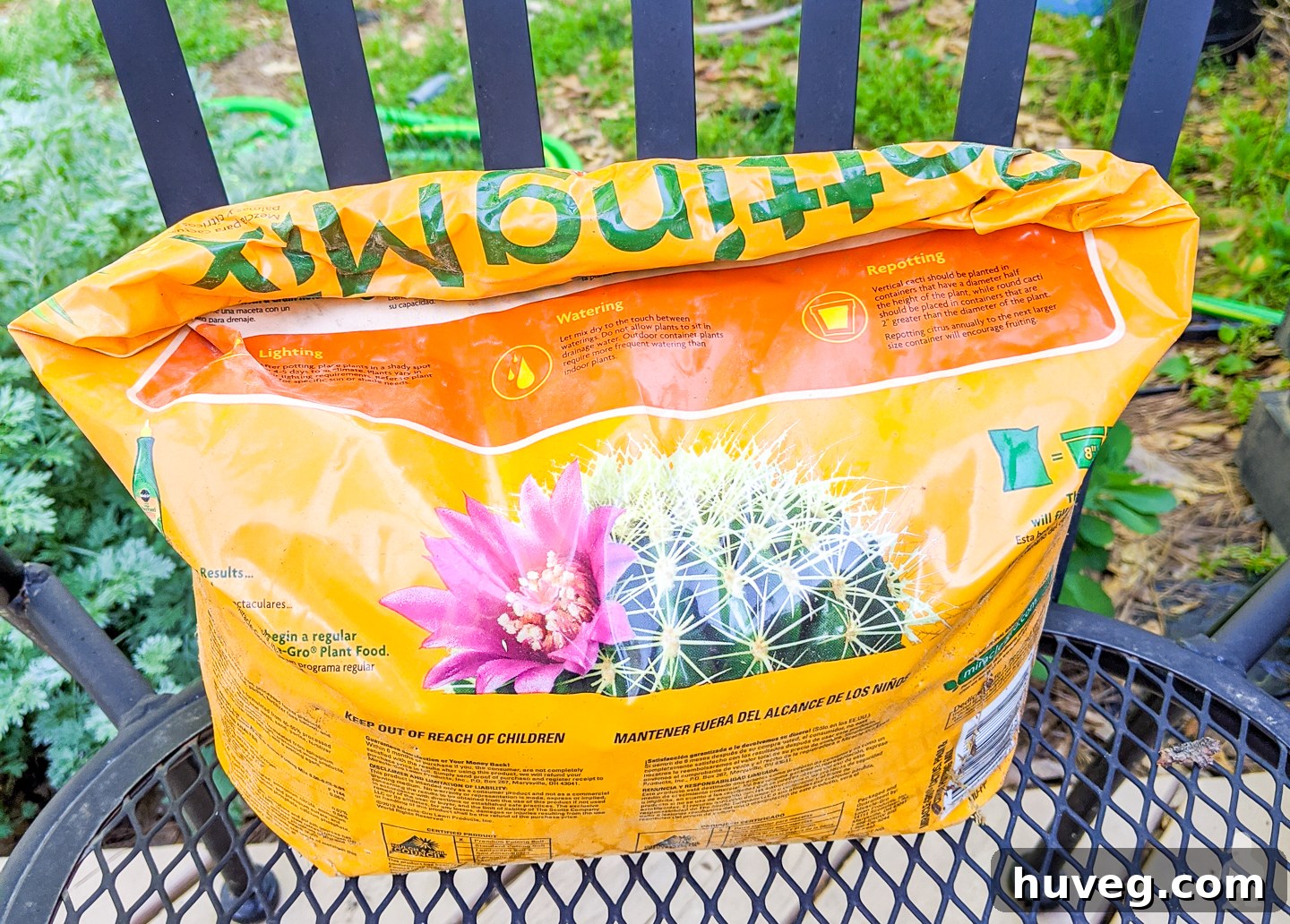
Beyond the immediate benefit of preventing spills, this folding technique offers a multitude of advantages. By expelling excess air, you reduce the risk of moisture infiltration and prevent the contents from hardening or caking, especially crucial for granular fertilizers and seeds. This prolongs the shelf life of your valuable garden supplies, ensuring they remain viable and effective for longer periods. Furthermore, a tightly sealed bag deters pests like rodents and insects, which are often drawn to stored seeds and organic materials. An organized shed also means better inventory management – you can easily see what you have, reducing unnecessary purchases and saving money in the long run. Imagine reaching into your shed and confidently grabbing a bag of potting soil, knowing it’s perfectly sealed and ready for use, rather than sifting through a chaotic pile of leaky, half-open bags.
I’ve explored numerous other methods for sealing bags over the years, from elaborate knot-tying techniques to various types of clips and even improvising with rubber bands. While some of these might work adequately for small snack bags in the pantry, none have delivered the reliability and security needed for the substantial weight and bulk of garden supplies. The sheer volume and granular nature of potting soil, fertilizer, or mulch demand a more robust solution, and this simple folding hack provides exactly that. It leverages the bag’s own material to create an internal lock, making it superior to external fasteners that can often slip or break under pressure.
Have you discovered a particularly effective method for storing your bulky garden bags? While this technique has proven to be an absolute game-changer for me – truly, why fix what isn’t broken? – I’m always fascinated to hear about other practical solutions. Sharing tips and tricks within the gardening community helps everyone cultivate a more efficient and enjoyable experience. Perhaps your method offers a unique perspective or an alternative approach that others might find beneficial. Feel free to share your insights; I’m genuinely interested in the clever ways people tackle common household and gardening challenges!
Don’t forget to pin this valuable tip for future reference and share it with your fellow gardeners!
