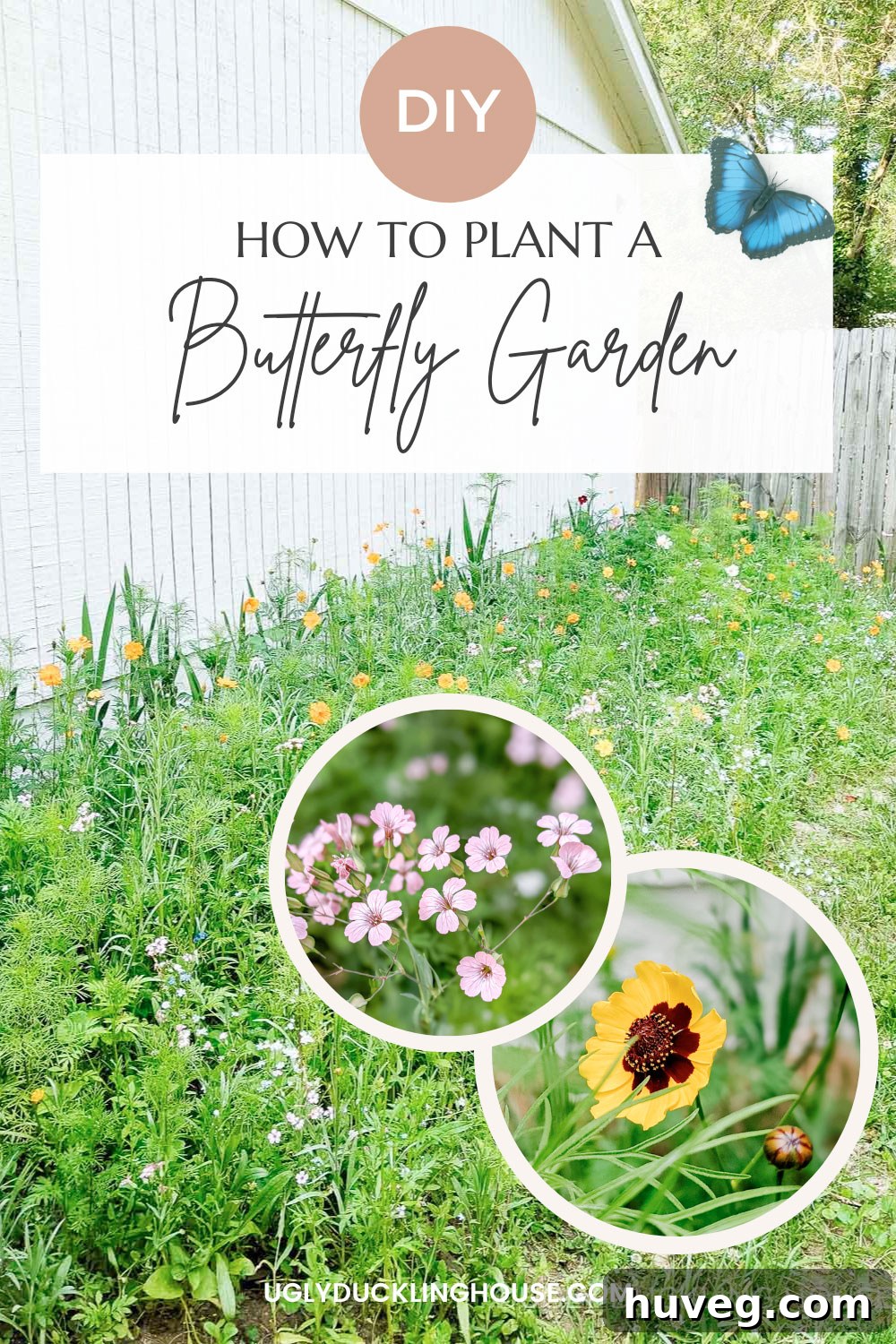
Unlock the Beauty of a Summer Butterfly Garden

Our home’s exterior has been undergoing a significant transformation this year, with the freshly painted siding makeover capturing much of the attention. However, our vision extends beyond just a new coat of paint. As part of our comprehensive landscaping design plan, we’ve also been tackling several other outdoor projects. Long-time readers will undoubtedly be familiar with the often-overlooked side of our house, an area that has seen numerous small improvements over time and is now slated for an even grander transformation.
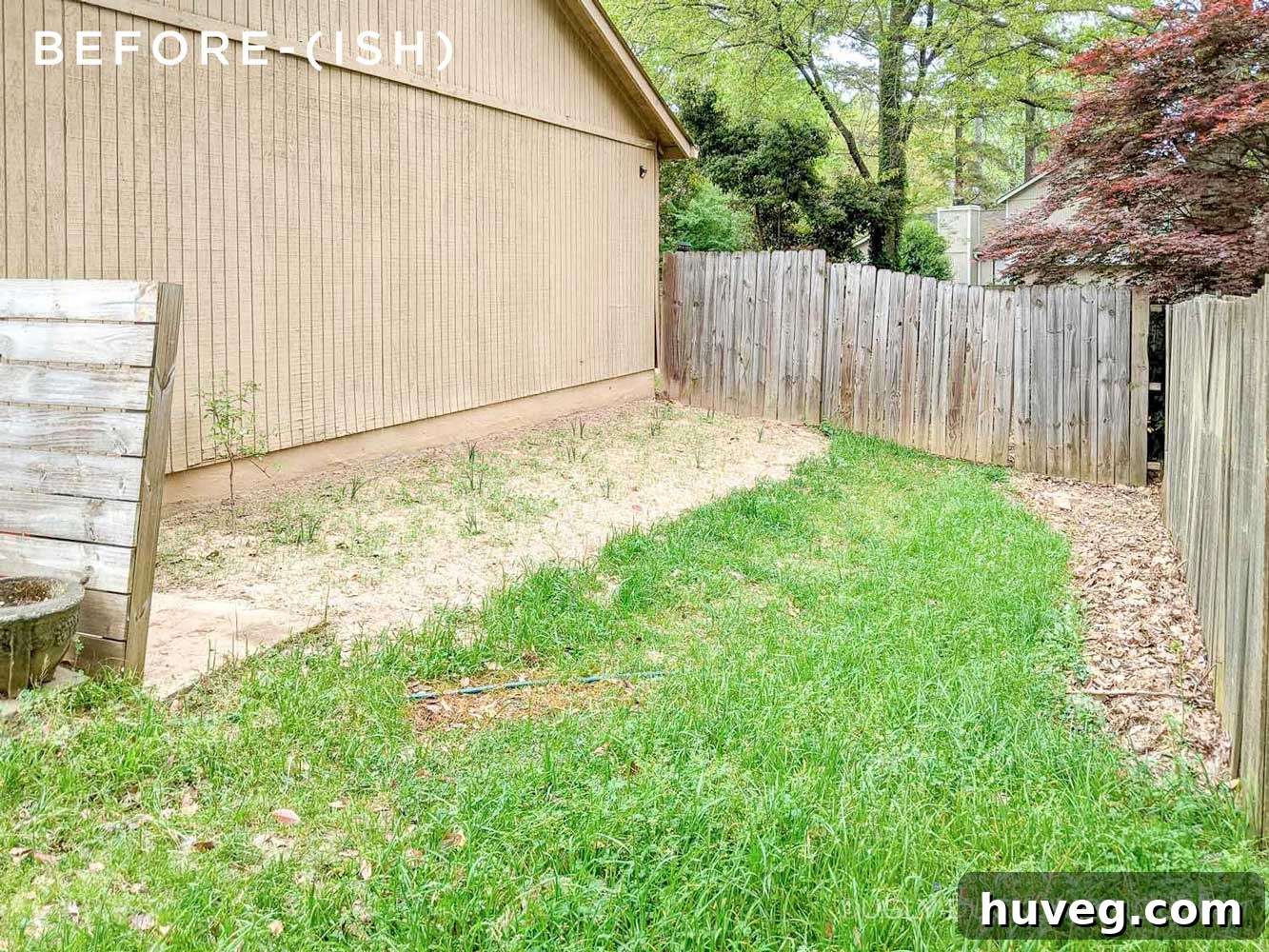
You might recall past efforts to improve this particular space. We previously poured a concrete slab to neatly house our trash bins, effectively shielding them from street view. To further enhance their concealment, we also constructed a small wooden screen. With these functional elements in place, my focus has now shifted to the greenery that will surround and define this area. Our long-term aspirations for this side yard are quite ambitious, aiming to integrate several distinct features:
- **A Vibrant Cut Flower Garden:** I envision a dedicated space brimming with an array of blooming plants, specifically chosen for their suitability as cut flowers. This will allow me to bring fresh, homemade bouquets indoors whenever inspiration strikes. While I already enjoy using hydrangeas for this purpose, I crave more variety and a dedicated plot where these cutting-specific plants can flourish without disrupting the overall design of the main garden. This cutting garden area will be a constant source of joy and beauty.
- **Privacy and Structure with “Pointy Shrubs”:** To elegantly obscure our neighbor’s deteriorating fence, I plan to install a long line of what I affectionately call “pointy shrubs.” More formally known as Arborvitae or similar conical evergreens, these plants, complemented by carefully placed potted plants, will create a much-needed visual barrier and add structural elegance to the boundary.
- **Functional Paver and Gravel Path:** Centrally located, a series of pavers combined with either gravel or grass will create a practical pathway. This will allow us the convenience of driving our truck closer to the backyard, making tasks like unloading heavy bags of gravel or mulch significantly easier. This blend of practicality and aesthetics is key to our design.
Disclosure: This year’s garden transformations were made possible through our valued sponsored partnership with Stihl, whose helpful tools you’ll see featured throughout this project. All words and opinions expressed are 100% my own, and I hope you enjoy following our journey!
Undertaking all these projects simultaneously is, admittedly, a considerable endeavor. Before we could even begin with the long-term planting plans, we had a substantial list of higher-priority tasks. As mentioned in the post detailing our new exterior paint job, we deliberately waited for the painters to complete their work before introducing new plants, preventing any accidental damage or trampling of delicate new growth. This timing, unfortunately, meant we missed the prime winter and spring bulb planting seasons, necessitating an alternative for the interim. We were determined not to leave the side of the house looking neglected, or worse, becoming a convenient dumping ground for yard debris – a habit that urgently needed to cease.
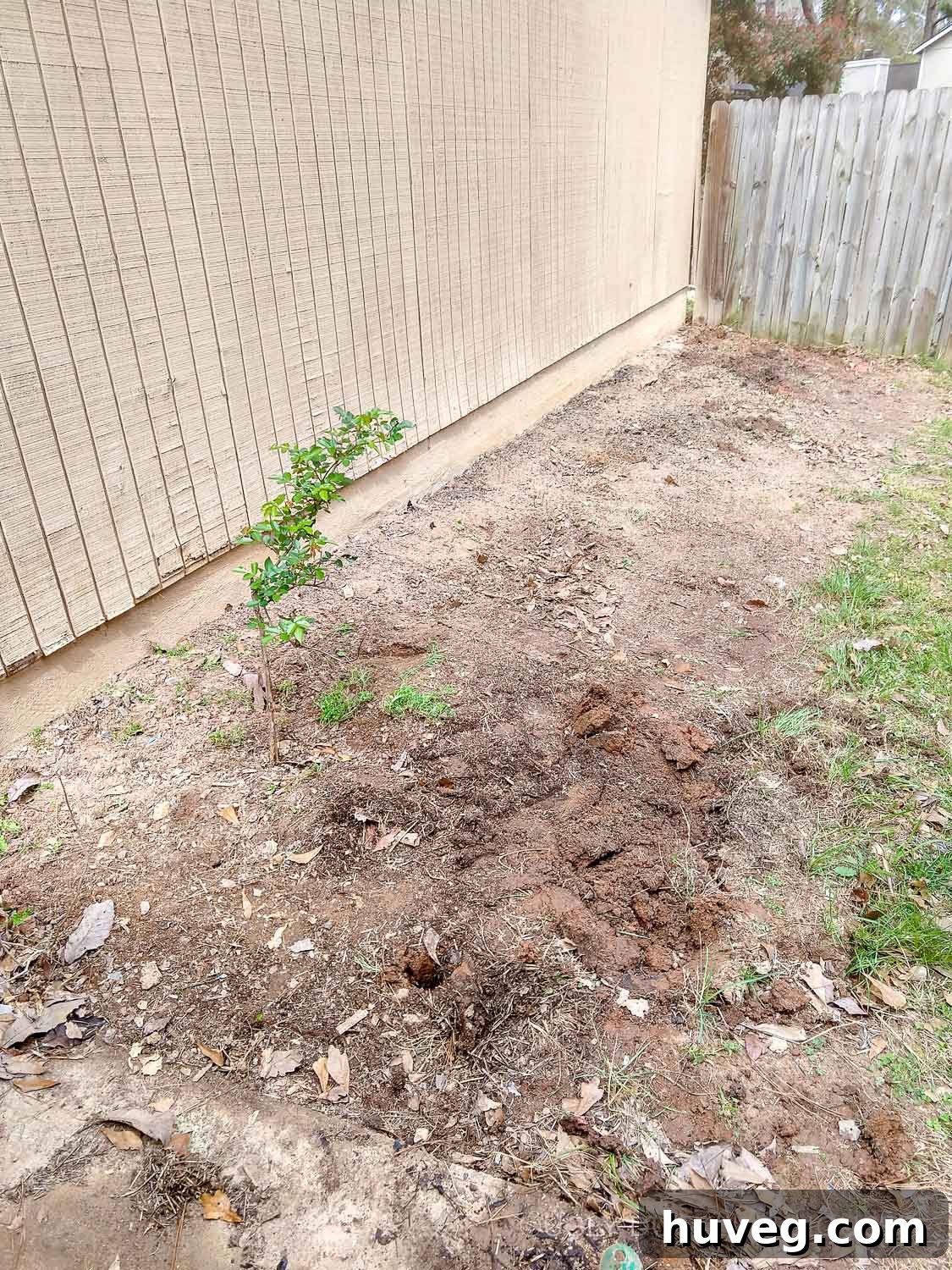
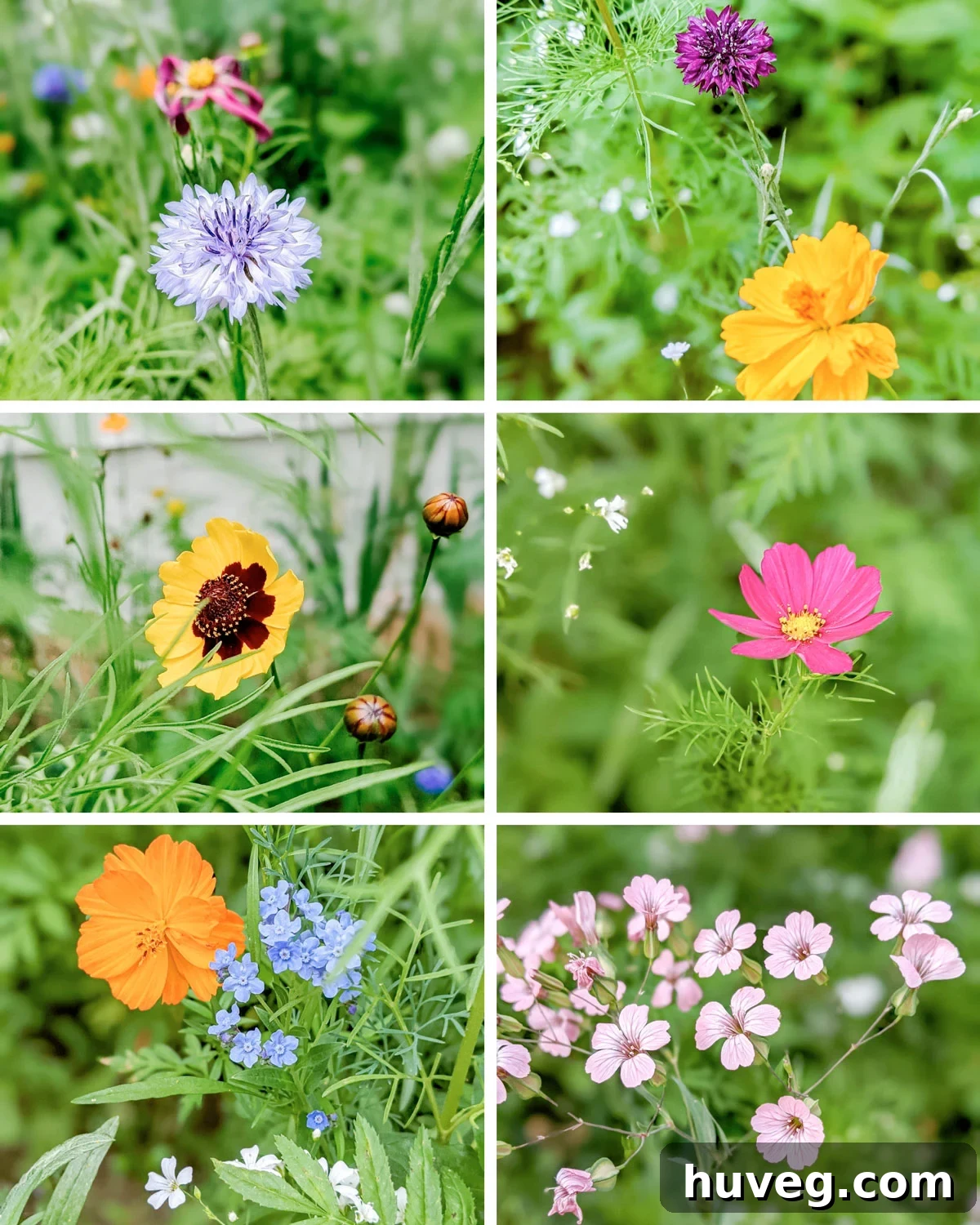
For an immediate, impactful, and low-maintenance solution, we decided to establish a new garden bed featuring cheerful flowering plants. This decision was further solidified after a recent project involving the front porch demolition and the delicate task of relocating the bees residing there. A realization struck me: I could address multiple challenges with a single, elegant solution – a vibrant butterfly and bee garden, cultivated from easy-to-grow wildflowers. This approach promised not only beauty but also ecological benefits and minimal effort during a busy period of renovations.
In This Post
- Benefits of a Butterfly/Wildflower Garden
- How to Plant a Butterfly Garden
5 Big Benefits of a Butterfly Wildflower Garden
1. You Don’t Have to Mow or Maintain.
When searching for a truly low-maintenance garden solution, especially during transitional phases or when planning a larger landscape, a butterfly wildflower garden stands out as the perfect interim option. These gardens require surprisingly little to establish and flourish. What’s more, we found they didn’t demand extensive watering, even during our scorching summer months – a testament to their resilience. This hands-off approach makes them ideal for busy homeowners or those, like us, juggling multiple renovation projects.
Of course, the beauty of a wildflower garden is its versatility. You can absolutely choose to maintain it year after year, enjoying its natural charm indefinitely. However, our ultimate goal includes a dedicated cutting garden for fresh bouquets. Therefore, I’m already envisioning ways to seamlessly integrate some bulbs into this space when the time is right for replanting, ensuring a continuous display of blooms and a steady supply for our vases.
2. It Draws Butterflies, Bees, and Other Beneficial Bugs.
Beyond their aesthetic appeal, wildflower gardens are ecological powerhouses. I’m excited to create small support structures within this garden area, allowing me to hang several of my new bee hotels around the vibrant flower beds. This creates a welcoming habitat for crucial pollinators, a true win-win scenario for both our garden’s health and the local ecosystem. Wildflowers are magnets for not only butterflies and bees but also other incredibly beneficial insects, such as praying mantises and ladybugs, which naturally help keep common garden pests in check.
3. It’s Good for Your Yard’s Ecosystem.
Maintaining a healthy and balanced garden food chain is paramount for a thriving outdoor space, and wildflowers play a vital role in this intricate network. The diverse array of bugs and insects attracted to wildflower gardens provide a natural food source for larger predators, contributing to a robust ecosystem. Simultaneously, many beneficial insects that find refuge here are natural predators of smaller garden pests, like aphids, reducing the need for chemical interventions. Furthermore, by planting native wildflower species, you actively contribute to the conservation of your local butterfly and pollinator populations, offering them essential food sources and crucial nesting sites for their eggs. This simple act can have a profound positive impact on local biodiversity.
4. It Helps Pollinate Other Plants.
The presence of thriving bee and butterfly populations is a significant boon for any garden, especially if you cultivate nearby vegetable gardens or fruit trees. These diligent insects are exceptional pollinators, essential for the reproductive success of many plants. For instance, our apple trees rely on cross-pollination to bear fruit bountifully. This process wouldn’t be possible without these winged helpers diligently flitting from flower to flower, collecting and spreading pollen wherever they go. A butterfly wildflower garden, therefore, acts as a vital hub, fostering the biological activity necessary for a truly productive and flourishing yard.
5. It’s More Beautiful Than Having a Pile of Weeds Again.
Having lived in this house for quite some time, one lesson I’ve learned unequivocally is that if you don’t intentionally plant something in your yard, nature will invariably find a way to fill that void – often with less desirable results (pun absolutely intended!). This side of the house, in particular, has been a battleground. It receives abundant sunshine, making it a magnet for weeds, and its somewhat out-of-sight location means it often slips our minds until we discover the weeds have once again spiraled out of control. This time, after all the arduous work of clearing and preparing the area, I was determined to create something visually appealing and intentionally beautiful. While one person’s “wildflowers” might be another’s “weeds,” the vibrant, diverse blooms of our new garden are undeniably more cheerful and inspiring to behold. Even if we eventually need to implement specific weed maintenance strategies once the permanent cutting garden takes root, the current display is a vast improvement, offering immediate charm and a sense of accomplishment.
6. Babies Love It (Bonus Benefit!).
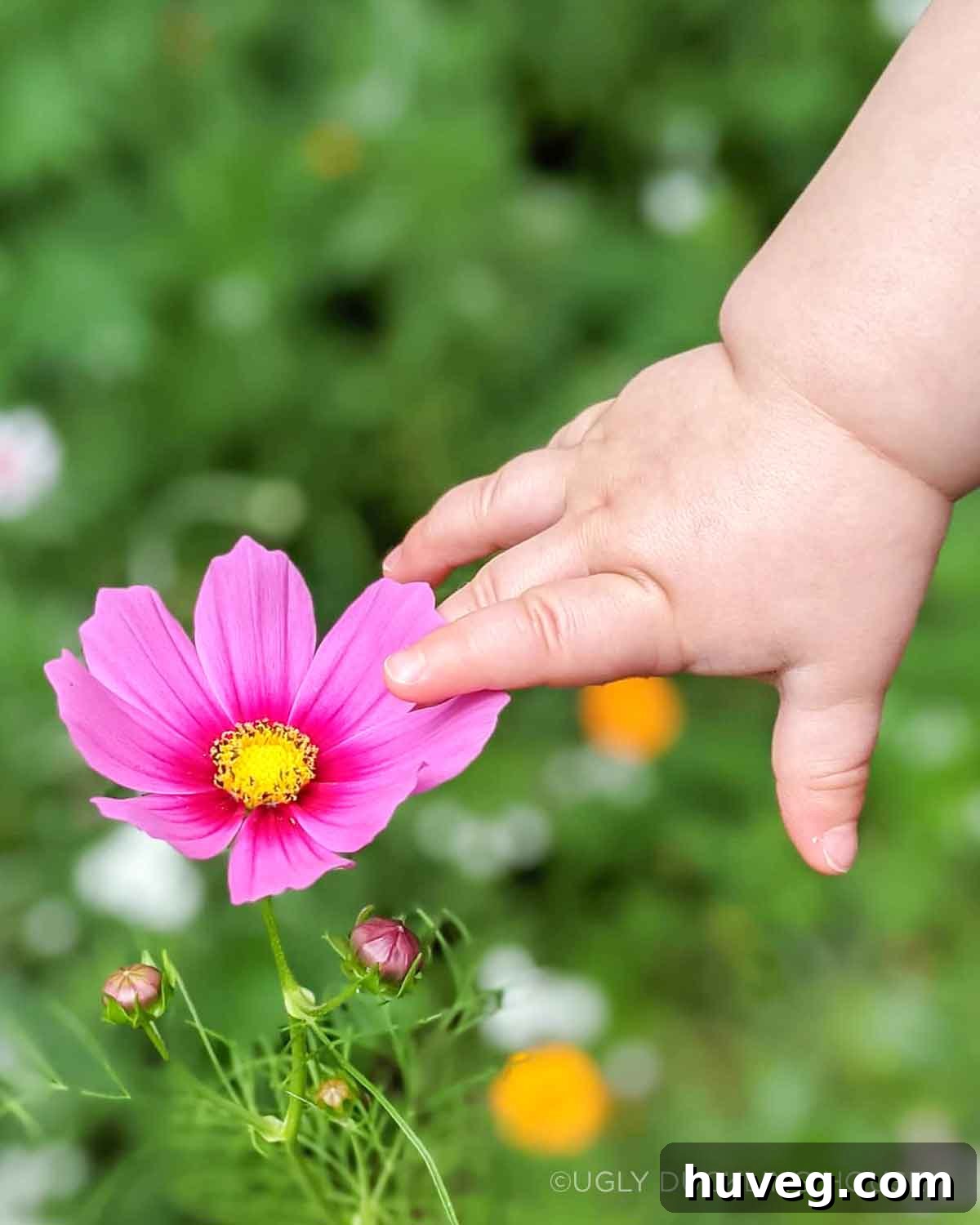
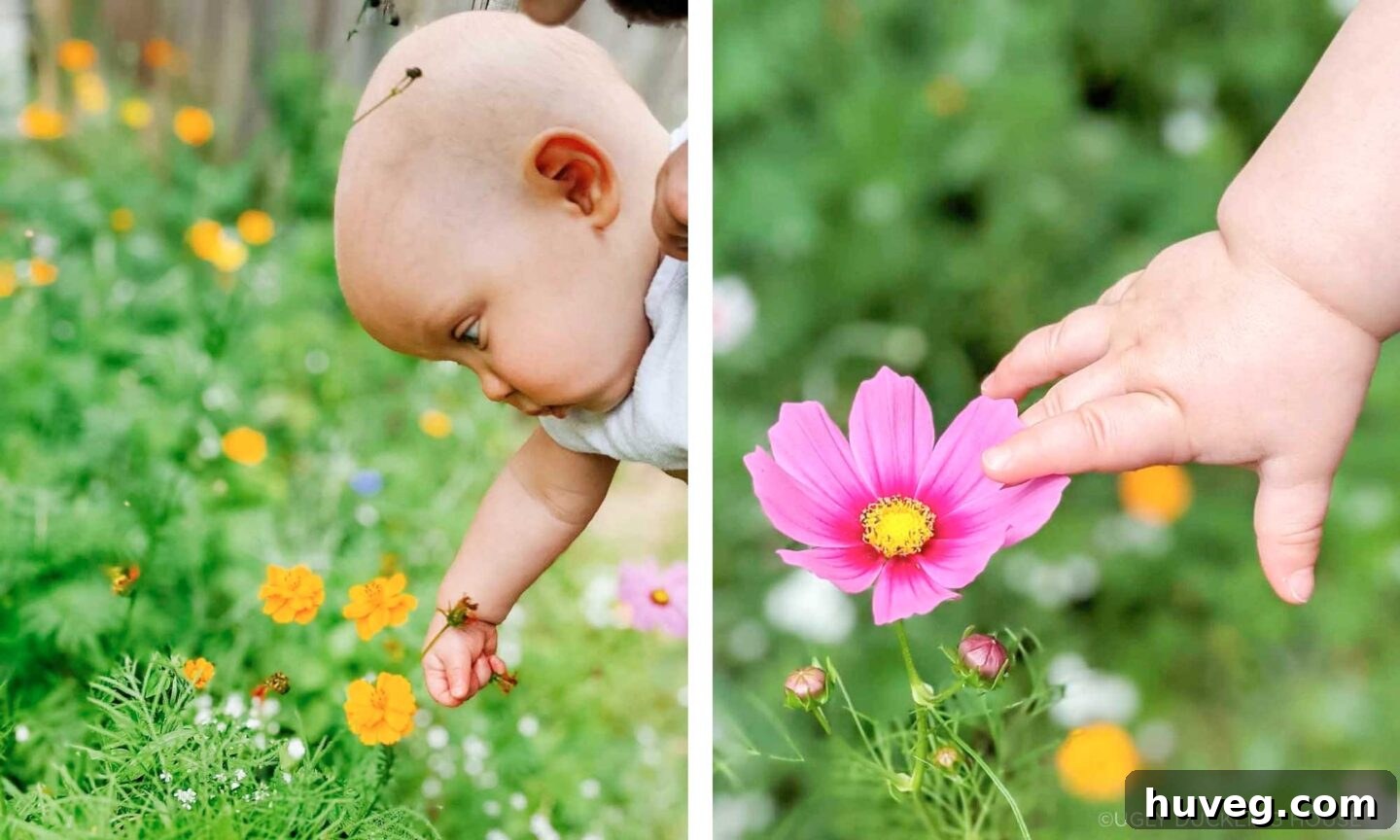
Okay, I’ll admit this one is a tad more specific to our personal experience, but it’s a bonus worth mentioning! Our little one, E, absolutely adores observing the plants all around the yard. Now that we’re navigating the teething months, soothing his cries often requires a full arsenal of distraction techniques, and the garden has proven to be an unexpected ally. While he might be a little enthusiastic when handling leaves and flowers, the resilient wildflowers seem particularly well-suited to withstand the brunt of his still-developing motor skills. More importantly, these moments create truly beautiful photos and cherished memories that we’re already treasuring. There’s a special joy in seeing a child connect with nature, even in the simplest ways, and our wildflower garden provides that opportunity daily.
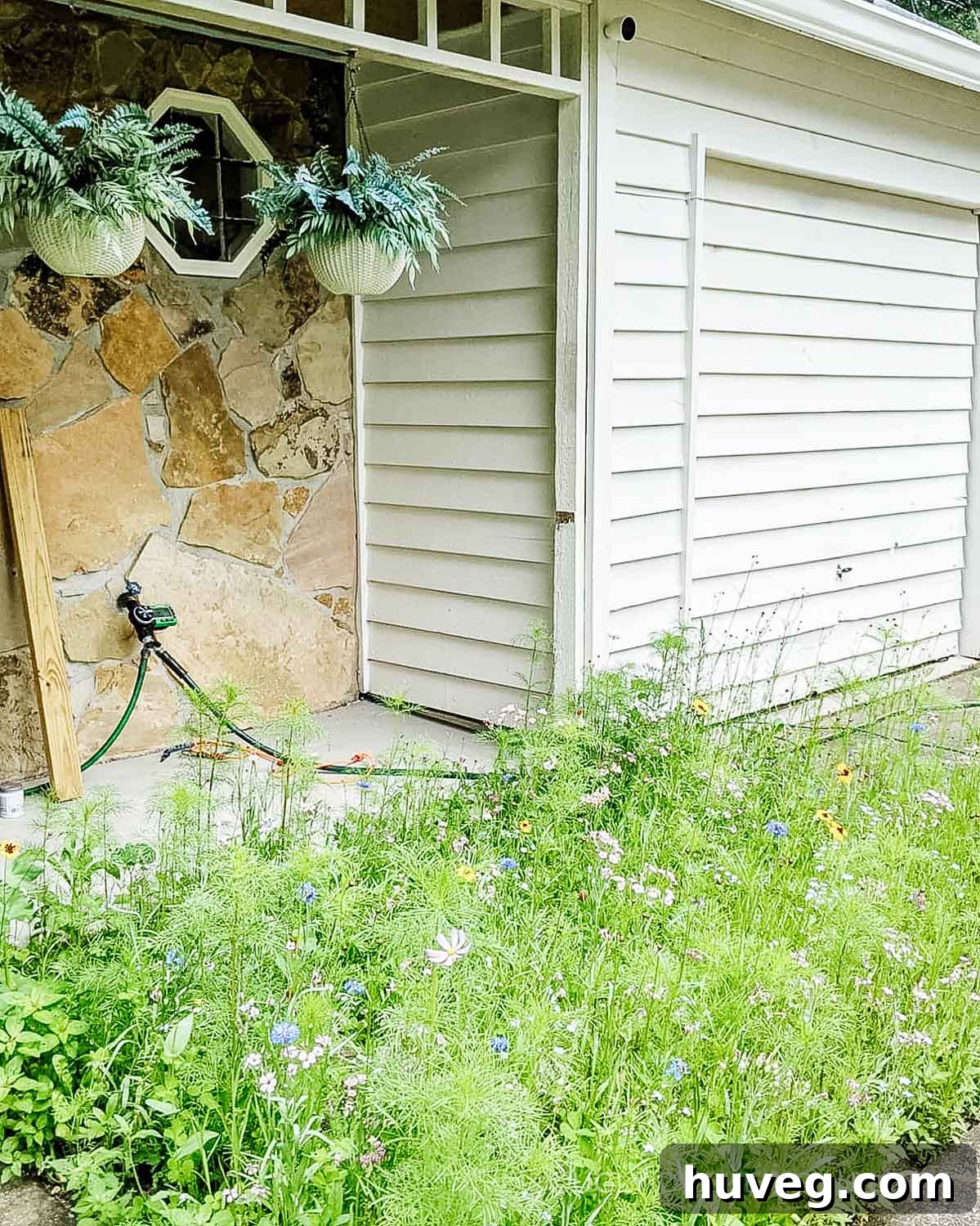
Having had leftover seed from our initial project, we extended the wildflower magic to the front garden beds for many of the same reasons. That area, however, held a higher priority for a complete overhaul. Consequently, its transformation progressed even faster, moving from a neglected weed patch to bare soil, then to temporary wildflowers, and finally to its new, permanent landscaping. You’ll get to see all the dramatic before-and-after photos of those efforts in our very next post!
How to Plant a Butterfly Wildflower Garden
Materials & Tools
- Stihl KombiSystem with Mini Cultivator attachment
- Safety gear (safety glasses, hearing protection, gardening gloves)
- High-quality wildflower seed mix (typically 1 bag per 25 sq. ft., check product instructions)
- An area of your yard that receives full sun (at least 6-8 hours daily)
- Watering can or hose with a gentle spray nozzle
- Optional: Soil amendments like compost for improved fertility and drainage
1. Remove Weeds and Cultivate the Soil
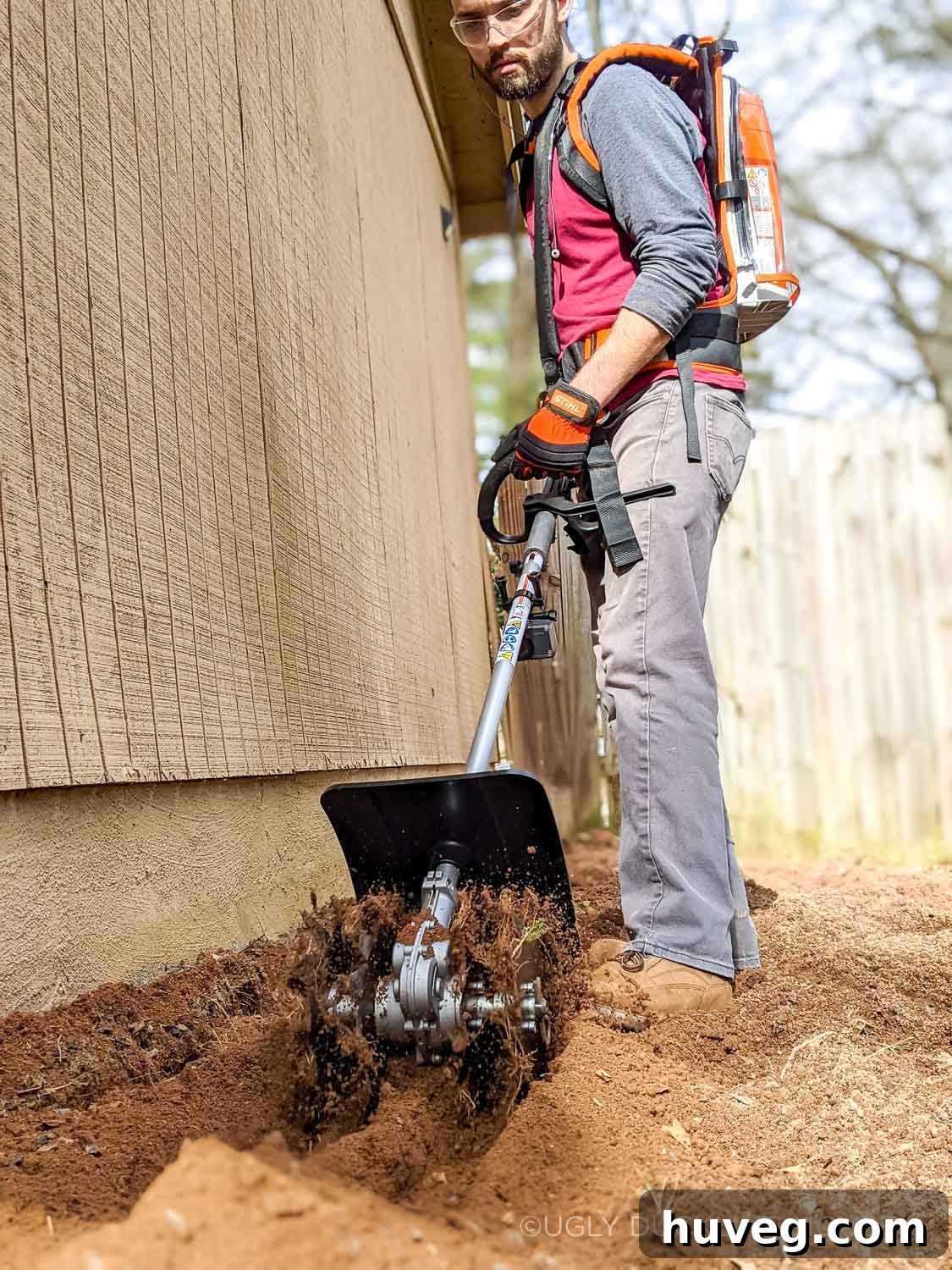
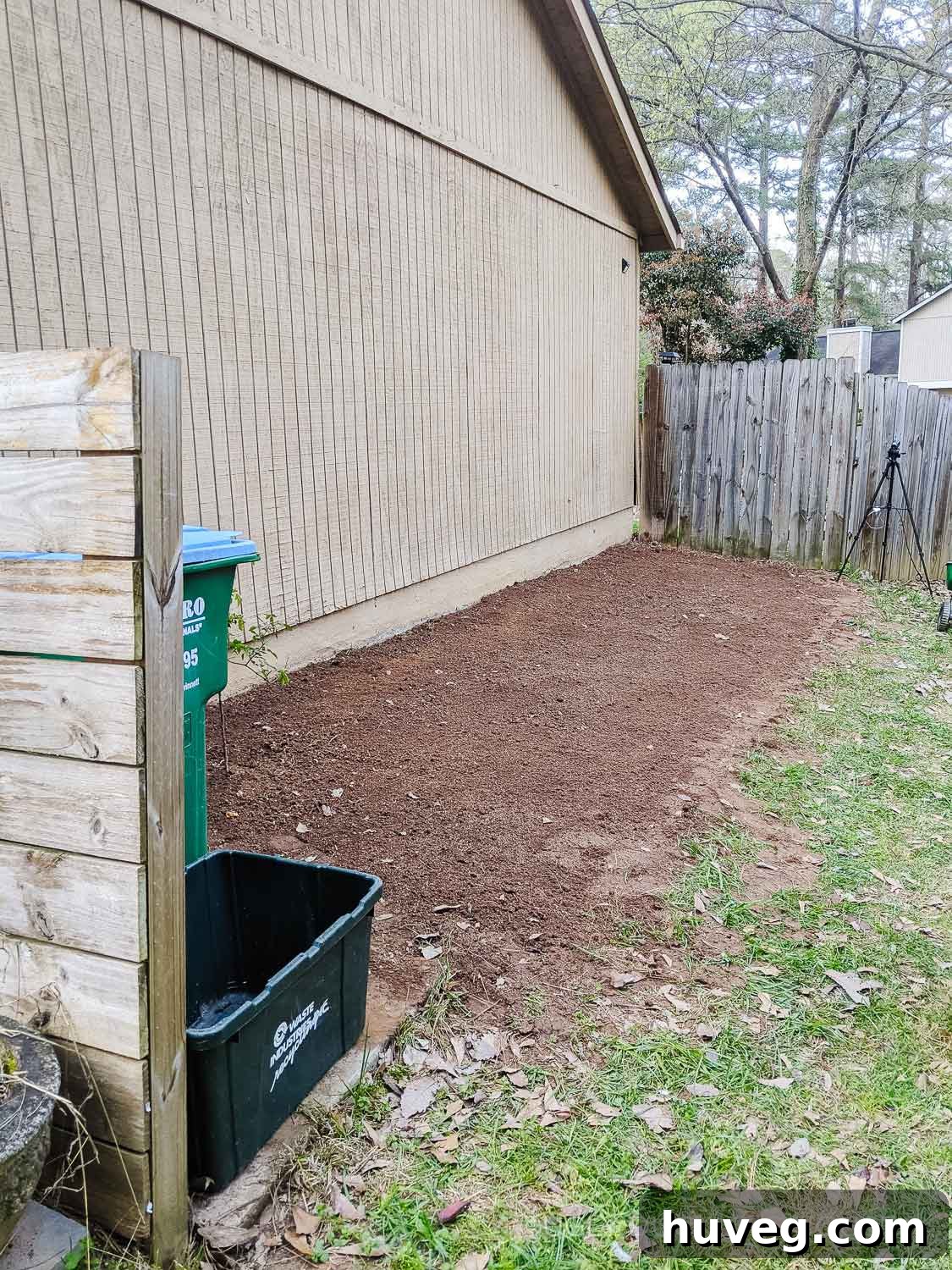
For the most successful wildflower garden, thorough preparation of the soil is key. Begin by completely clearing the designated area of all existing grass and weeds. This crucial step prevents competing vegetation from hindering your new wildflowers’ growth and ensures they have the best chance to establish themselves. Once the area is clear, it’s time to break up and aerate the soil. We accomplished this efficiently using a versatile Stihl multi-tool known as the KombiSystem. This tool is a game-changer for smaller yards like ours, offering a multitude of functions from a single powerhead with a motor. You can attach various implements, such as a mini cultivator, pole pruner, or trimmer. This innovative system allows us to establish and maintain our yard effectively without requiring extensive storage space for a collection of separate, single-purpose tools. Cultivating the soil to a depth of 4-6 inches improves drainage and allows the tiny wildflower roots to penetrate easily.
2. Spread Several Layers of Wildflower Seed
With the soil prepared, it’s time for the exciting part: spreading your wildflower seeds. We opted for a high-quality mix of common wildflower seeds, ensuring a diverse and resilient bloom. To achieve an even distribution and maximize coverage, we performed several passes of seed spreading over a few days. For best results, it’s often recommended to mix your wildflower seeds with some sand or fine soil before broadcasting. This helps to visually gauge where you’ve already sown and prevents clumping. Remember to check the specific instructions on your seed mix packaging for optimal coverage rates and any particular considerations for your climate. After spreading, lightly rake the seeds into the top 1/4 inch of soil, or simply walk over the area to ensure good seed-to-soil contact. Avoid burying the seeds too deeply, as many wildflower varieties require sunlight for germination.
3. Water Regularly for 2 Weeks
Consistent moisture is paramount during the initial germination phase. After planting your seeds, ensure the soil remains consistently damp, but not waterlogged, for the first two weeks. A gentle spray from a hose or watering can is ideal to avoid washing away the tiny seeds. You’ll typically observe the first signs of germination within approximately 14 to 21 days, depending on the specific wildflower varieties in your mix and local weather conditions. Once the seedlings have emerged and begun to establish themselves, you can gradually reduce the frequency of watering, allowing the natural resilience of wildflowers to take over. However, during prolonged dry spells or extreme heat, supplemental watering may still be beneficial to encourage robust growth and vibrant blooms.
4. Let It Grooooow!
And truly, it is that simple! Once the initial two weeks of watering are complete and the seedlings have begun to sprout, the real magic begins. While it’s inevitable that a few seeds might become bird food in any outdoor planting, our thorough blanketing method ensured excellent coverage, and the growth that followed was remarkably dense and lush. To further define and establish this new garden area for the future, I also strategically planted a few bulbs around the perimeter (visible in the photos). Walking around to the side of our now bright, newly white house and being greeted by this vibrant display has been a delightful surprise, evoking strong cottage garden vibes. The ever-changing tapestry of colors, thanks to each flower type’s unique blooming schedule, adds continuous visual interest and joy. All in all, this decision for a temporary, yet incredibly impactful, wildflower garden has proven to be an exceptionally solid one for us. And truthfully, much of the credit goes to K, who took the initiative to tackle this side yard project while I was immersed in the more intricate house upgrades on the front. This made the beautiful outcome even sweeter, as I got to enjoy the transformation without having done all the yard work myself!
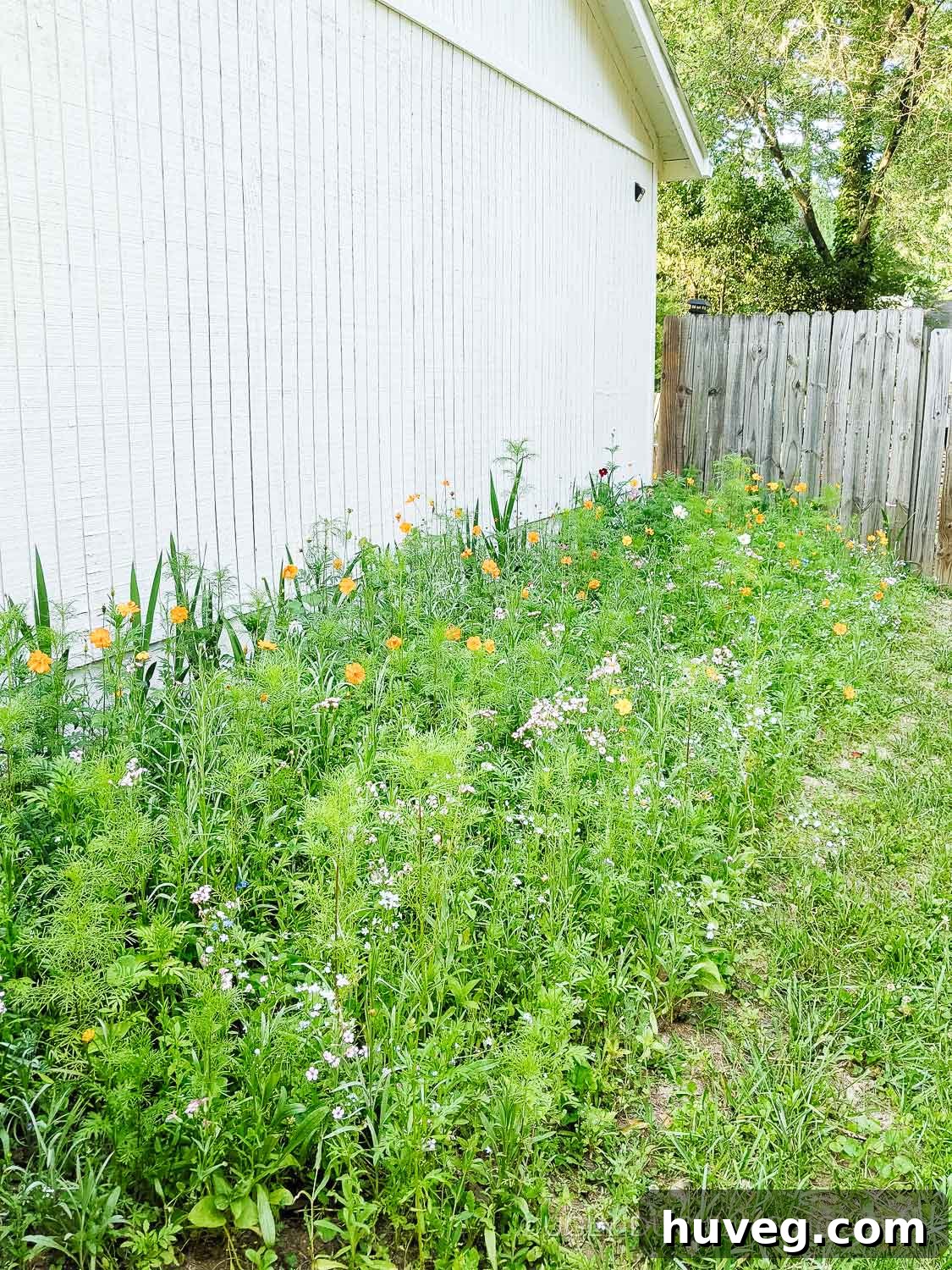
It’s hard to quantify its exact impact (as many factors like weather and our new garden beds, which I’ll elaborate on later, also play a role), but we’ve noticed some incredible benefits this summer. Our backyard fruit trees were unusually heavy with fruit, and our vegetable garden has been growing with unprecedented vigor! It’s clear that fostering a healthy pollinator ecosystem, even through a simple wildflower patch, can yield significant rewards for the entire property.
That wraps up this exciting garden update for now, but don’t miss the upcoming posts this week! I’m catching up on all the projects we’ve been working on, and there are a few more reveals in store for you, including:
- The grand reveal of our new front yard garden (Part 1)
- An exciting look at the new garage door!
- A detailed guide: 101: How to Plant Flowers