Hydrangea’s Dynamic Color Palette

Embracing Autumn’s Hues: The Enduring Charm of Hydrangeas in a Transformed Backyard
As September unfurls its crisp embrace, a delightful shift occurs in the natural world, signalling the gentle transition from the vibrant exuberance of summer to the rich, earthy tones of autumn. For many, this season brings with it a comforting familiarity: the thrill of football games, the rustic scent of pine straw underfoot, and the lingering beauty of a garden offering its final, magnificent show. In my own backyard, this transition is particularly marked by the spectacular display of my blue hydrangeas. These captivating blossoms, known for their lavish, globe-like clusters, embark on their final flourishing of the year, painting the landscape with their last, vivid hues before settling into dormancy. Their steadfast beauty amidst the changing seasons is a true testament to nature’s resilience and a source of constant joy.
The Resilient Beauty of Blue Hydrangeas
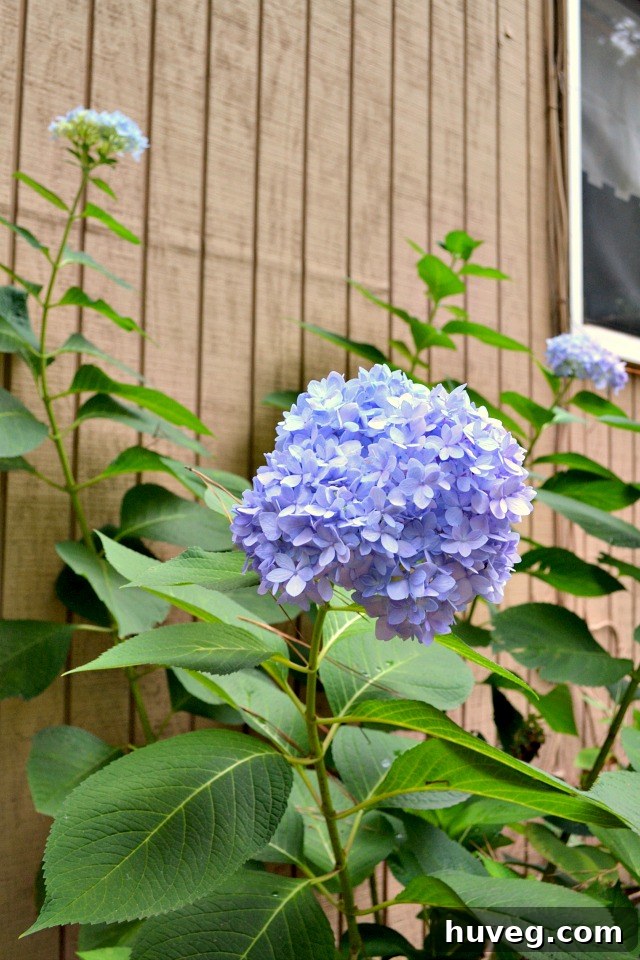
The sight of these magnificent blue hydrangeas thriving in the backyard is a source of immense satisfaction, especially considering the extensive landscaping efforts underway. Amidst ongoing projects like adding fill dirt and meticulously leveling uneven sections of the yard, these vibrant plants stand out as one of the few consistent splashes of green and blue. Their lush foliage and abundant blooms provide a welcome contrast to the often-disrupted appearance of a yard undergoing significant transformation. It’s truly gratifying to witness their vigorous growth and continued health, offering pockets of established beauty even as the surrounding landscape is reshaped. They serve as a vibrant reminder of the future potential of the garden, a beautiful promise amidst the hard work.
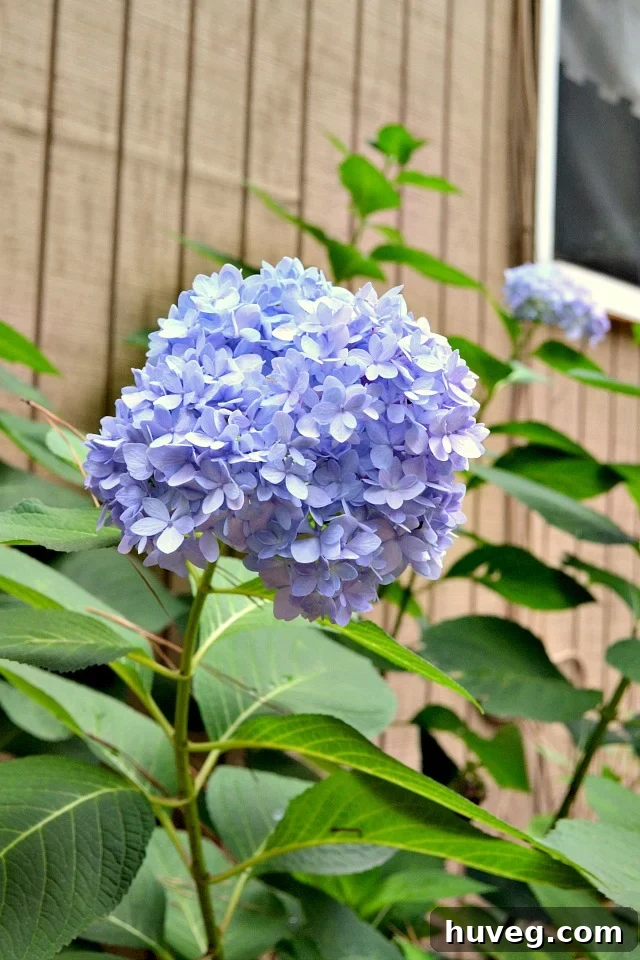
Achieving and maintaining the iconic blue shade in hydrangeas is a fascinating aspect of gardening, often linked to the soil’s acidity. While some varieties inherently lean towards blue, the intensity of their color is largely influenced by the presence of aluminum in acidic soil. Gardeners often amend their soil with specific nutrients or adjust pH levels to encourage these striking sapphire tones. However, regardless of the precise shade, the sheer abundance of their blooms in late summer and early fall makes them an unparalleled addition to any garden. Their ability to produce such a profusion of flowers, even after a long growing season, speaks volumes about their hardiness and enduring appeal. They truly embody a spirit of resilience, providing continuous beauty when many other plants begin to wane.
A Symphony of Seasonal Hues: Hydrangeas Embracing Fall
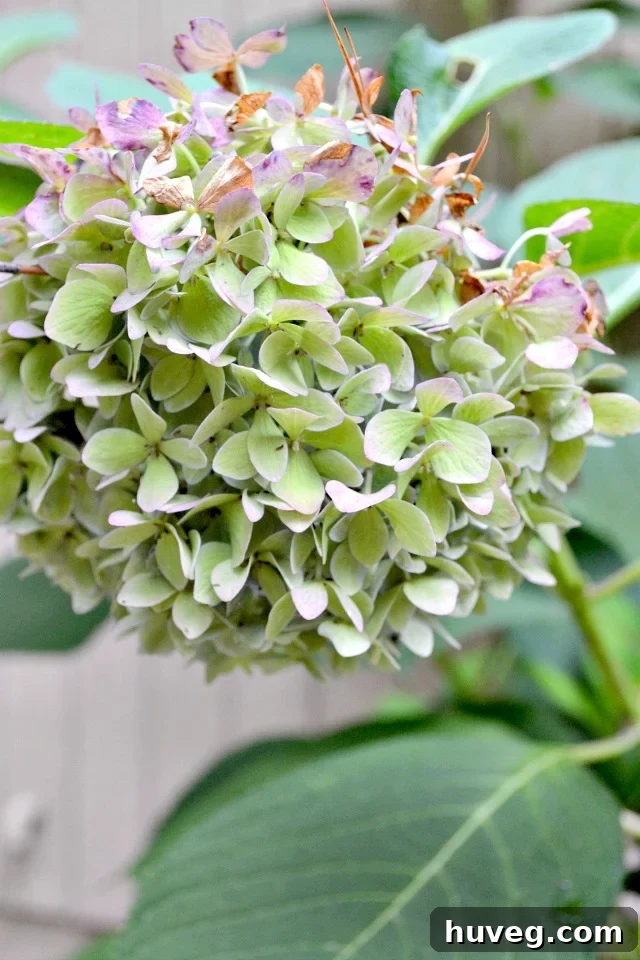
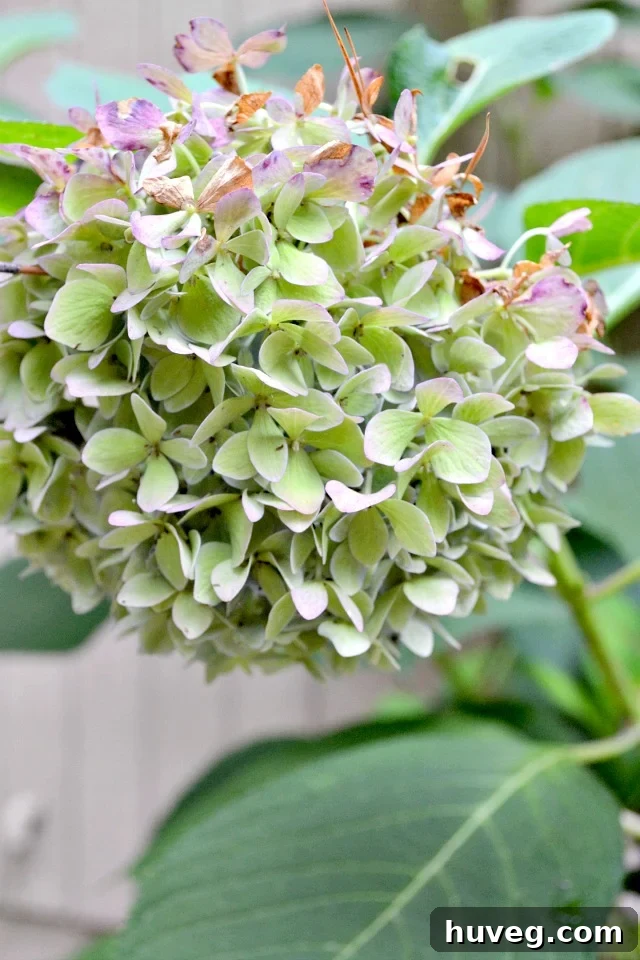
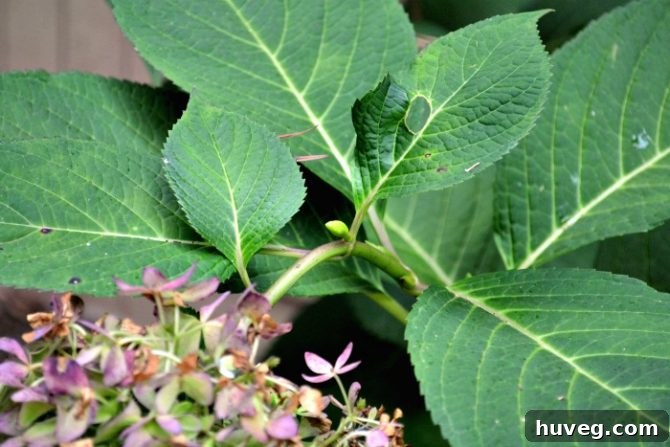
While the classic blue is undoubtedly captivating, not all of my hydrangeas are holding onto their summery blue tones as the seasons progress. As autumn deepens its hold, a fascinating transformation begins to unfold. Some of the lower buds and even established blooms have started to transition, embracing the rich, warm palette of fall. This natural shift brings forth an exquisite blend of colors – hints of soft pinks, gentle purples, and even subtle burgundy tones begin to emerge, weaving through the existing blue. This evolving color scheme is not just beautiful; it’s a living masterpiece, reflecting the changing light and cooler temperatures of September. I find myself utterly enchanted by this natural artistry, truly loving the unexpected beauty that autumn brings to these already magnificent plants.
This autumnal color change in hydrangeas is a delightful surprise for many gardeners. Unlike the vibrant, consistent hues of their summer display, the fall transformation offers a nuanced and variegated appearance. It’s as if each bloom tells a story of the season, a gentle fade from summer’s peak to autumn’s serene elegance. Witnessing these plants slowly adopt their fall attire – from deep blues giving way to splashes of crimson and violet – adds another layer of appreciation for their versatility. It demonstrates how nature orchestrates beauty in every stage of a plant’s life cycle, providing a visual feast that extends well beyond the typical summer blooming period. This natural progression is a testament to the plant’s adaptability, providing a continuous show of color even as the days grow shorter and the air turns crisper.
Nurturing Health and Planning for Future Blooms
This summer has presented its share of challenges for many plants in my garden, making the consistent health and happiness of these hydrangeas even more gratifying. Their lush appearance is a welcome sight, a testament to their hardiness. However, as the final blooms fade and the plant prepares for its winter dormancy, it’s clear that some strategic care will be necessary. I’m already planning to give this particular specimen a good trim once all the flowers have completed their last performance for the year. Proper pruning is crucial for the overall health of hydrangeas, encouraging robust growth and ensuring an even more spectacular display in subsequent seasons. It’s an essential part of garden maintenance that, when done correctly, can significantly enhance the plant’s vitality and floral production.
Understanding when and how to prune hydrangeas is key, as different varieties (such as mophead, lacecap, panicle, and oakleaf hydrangeas) have distinct pruning requirements. Many popular mophead and lacecap varieties, for instance, bloom on “old wood” (meaning the stems that grew the previous year), so pruning them at the wrong time can remove next year’s flower buds. Typically, for these types, it’s best to prune lightly immediately after they finish blooming in late summer or early fall, removing only spent flowers, weak stems, or those that are crossing. More significant structural pruning, if needed, should also be done at this time to avoid impacting the following year’s bloom. For a more in-depth guide on cultivating robust and beautiful hydrangeas, including specific pruning techniques and general care advice, I highly recommend consulting this comprehensive post on growing healthy hydrangeas. It offers invaluable insights to help ensure your hydrangeas thrive year after year, guaranteeing a vibrant show for many seasons to come.
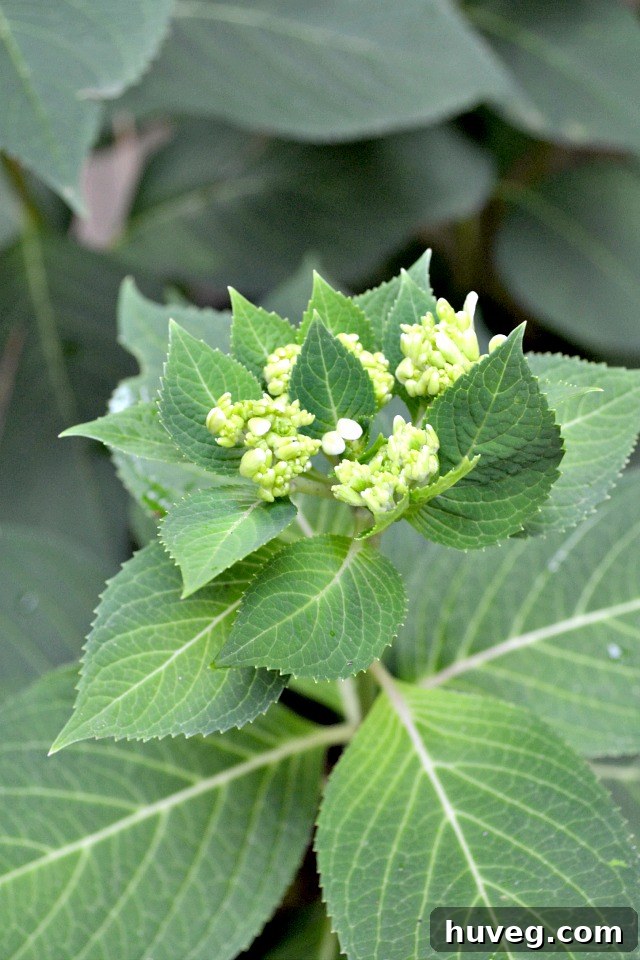
Even as some blooms begin to fade, the plant continues to surprise and delight. There are still clear signs of additional buds forming, nestled amongst the leaves and the more mature flowers. This promise of fresh development ensures that the grand finale of their seasonal display will be extended, offering one last glorious show before the chill of winter truly sets in. This late-season budding is a testament to the plant’s incredible life force and its determination to offer as much beauty as possible. It’s a wonderful reminder to observe closely, as nature often holds hidden gems and unexpected moments of beauty right up until the very last moment. Such discoveries make gardening an ever-rewarding pursuit, full of anticipation and unexpected delights.
Beyond Hydrangeas: Embracing the Fall Garden
While hydrangeas undoubtedly steal the show in my late-season garden, autumn offers a unique charm that extends to many other plants and aspects of outdoor living. It’s a time when the garden shifts from the intense growth of summer to a more contemplative beauty. Trees begin their spectacular transformation, painting the skyline with fiery reds, brilliant oranges, and golden yellows. Perennials like asters and chrysanthemums burst into bloom, providing vibrant pops of color that defy the cooling temperatures. Ornamental grasses sway gracefully in the breeze, adding texture and movement to the landscape. Fall is also an ideal time for planting spring-flowering bulbs, tidying up garden beds, and preparing the soil for the next growing season. The tasks may change, but the joy of gardening remains constant, evolving with each passing month.
The experience of watching the garden evolve through the seasons offers a profound connection to nature’s rhythms. From the vigorous growth of spring and summer to the serene beauty of autumn and the quiet dormancy of winter, each phase holds its own lessons and visual delights. Fall, in particular, encourages us to slow down, to appreciate the subtleties of color and light, and to reflect on the cycle of life and renewal. It’s a season of harvest and preparation, a time to gather the fruits of our labor and lay the groundwork for future abundance. And through it all, plants like the resilient hydrangea stand as beacons of beauty, reminding us that even as one chapter closes, another is always ready to begin. This continuous cycle ensures that the garden remains a dynamic and inspiring space, offering new wonders with every turn of the season.
Share Your Autumn Garden Delights
The beauty of the garden is truly a shared experience, and I’m always eager to hear about what brings joy to other gardeners. As your own yard undergoes its seasonal metamorphosis, what natural wonders are capturing your attention? Is anything particularly vibrant or unexpectedly blooming in your garden right now, defying the cooler temperatures? Perhaps you have a cherished plant that shines brightest in the fall, or a unique autumnal tradition you observe in your outdoor space. Share your stories and photos – let’s celebrate the incredible diversity and enduring charm of our gardens, no matter the season. The world of gardening is an endless source of discovery and inspiration, and every garden, big or small, has a story to tell. Your insights and experiences enrich our collective appreciation for the natural world around us.