Primary Bath Upgrade: 5 Essential Tweaks (and the Accidental Breakages)

Embarking on a DIY bathroom renovation is an exhilarating journey, a true test of grit, patience, and problem-solving skills. Recently, I achieved a significant milestone in transforming my primary bathroom – a weekend filled with intense work that was equal parts challenging and incredibly rewarding. From the strenuous labor to the mental gymnastics of tackling unexpected hurdles, this project truly pushed the boundaries, yet the progress made has been nothing short of spectacular. It wasn’t always glamorous; there were moments of frustration, like an unexpected shouting match over crown molding (a huge shoutout to Sandra from SawdustGirl for her invaluable templates – they were a lifesaver!). And yes, I might have even managed to reverse the hose on my shop vac, turning it into a dirt blower instead of a powerful suction tool, which only added to the cleanup efforts. But through it all, this space, once a chaotic dumping ground of DIY tools and construction debris, is finally beginning to resemble a functional, beautiful bathroom.
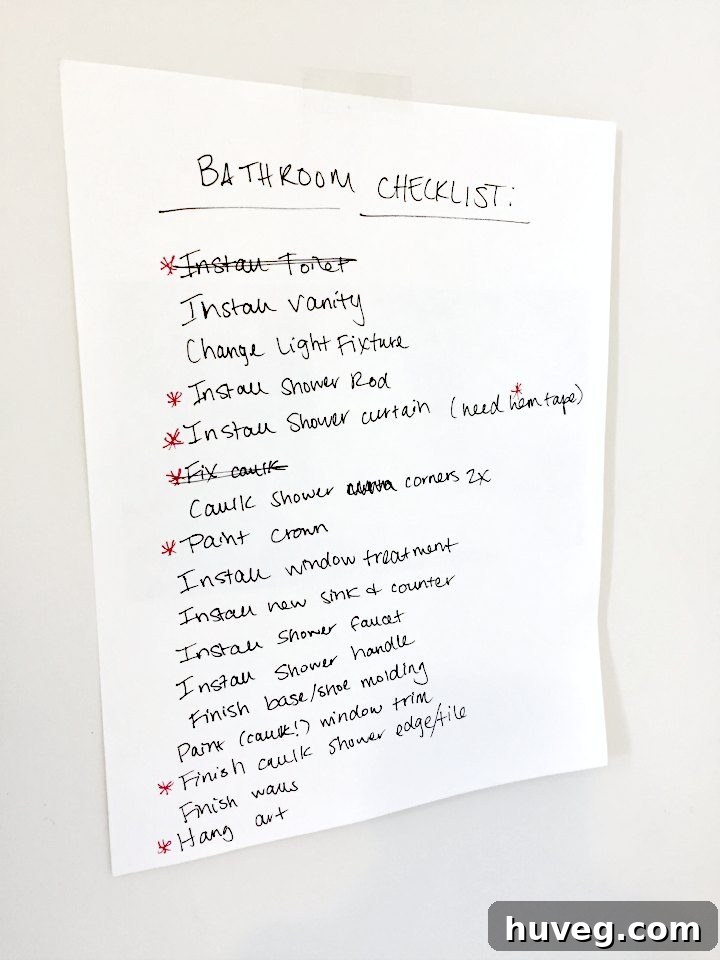
The transformation has been dramatic. The once-troublesome sewer pipe has now been properly converted and sealed, ready to host the new toilet. The floor, previously just bare subfloor, boasts freshly grouted tiles and elegantly installed baseboards, defining the perimeter of the room. The walls, which at one point appeared to be melting from past imperfections, have been meticulously patched and smoothed, creating a pristine canvas for future paint. And the crown molding, along with its intricate caulking, is more than 50% complete, a testament to the multitasking required in such a project. It’s truly amazing how many different tasks need to be juggled simultaneously to keep a renovation moving forward, each step building on the last to create a cohesive whole.
Witnessing these tangible improvements, from the basic infrastructure to the refined finishes, brings immense satisfaction. The bathroom is swiftly moving past its initial construction phase, transitioning into a space that feels increasingly habitable and inviting. Each completed task, no matter how minor, contributes significantly to the overall aesthetic and functionality, making the vision of a fully renovated master bathroom a tangible reality. The satisfaction of seeing the pieces come together, one painstaking detail at a time, makes all the sweat and stress worthwhile, culminating in a space that truly reflects personal effort and style.
The highly anticipated full reveal of the primary bathroom is just around the corner, and it will actually be presented in stages, with the shower reveal leading the way! Before we dive into the grand unveiling of decor and final touches, I wanted to share some invaluable, yet often overlooked, small tips and fixes that were crucial to the success of this remodel. While these aren’t as visually striking as a fully decorated room, overlooking these minor tasks can cause significant delays and headaches when striving for a polished, finished look. To help you navigate your own renovation projects, I’ve created several pinnable images within this post, serving as a handy roundup. Feel free to save these separately for easy reference, as they address common challenges that many DIYers face. These are the unsung heroes of any successful renovation, ensuring that the foundation is sound and every detail is accounted for.
This post contains affiliate links — for the full disclosure policy, click here.
Essential DIY Bathroom Fixes You Need to Know
When undertaking a bathroom renovation, it’s often the small, seemingly insignificant details that can either make or break the project. While the big transformations grab all the attention, mastering these minor fixes ensures a professional finish, prevents future problems, and ultimately saves you time and money. Here are five crucial, yet often overlooked, fixes that were instrumental in our primary bathroom remodel.
1. How to Flawlessly Remove Redgard from Drywall
Redgard, a vital waterproofing membrane, is indispensable for areas like showers and tub surrounds. In retrospect, a more precise application, perhaps using painter’s tape to delineate the exact tiling area, would have prevented some extra work. However, the exact tile pattern and the visual endpoint of the tile surround weren’t entirely clear until the initial rows were laid. This meant that some of the vibrant red Redgard inevitably extended beyond the tiled area onto the drywall.
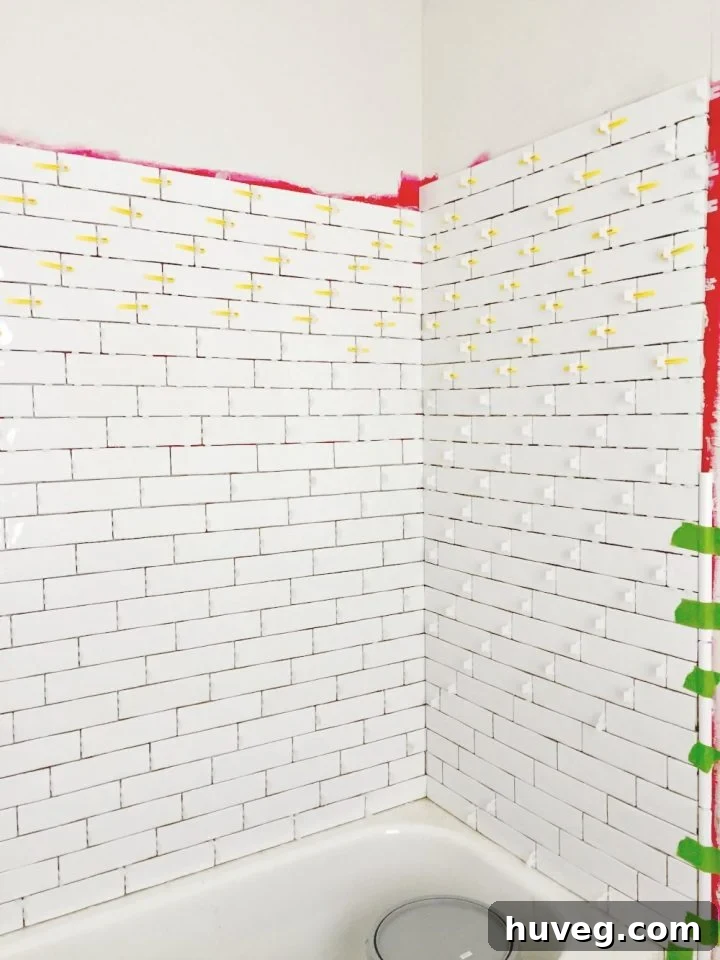
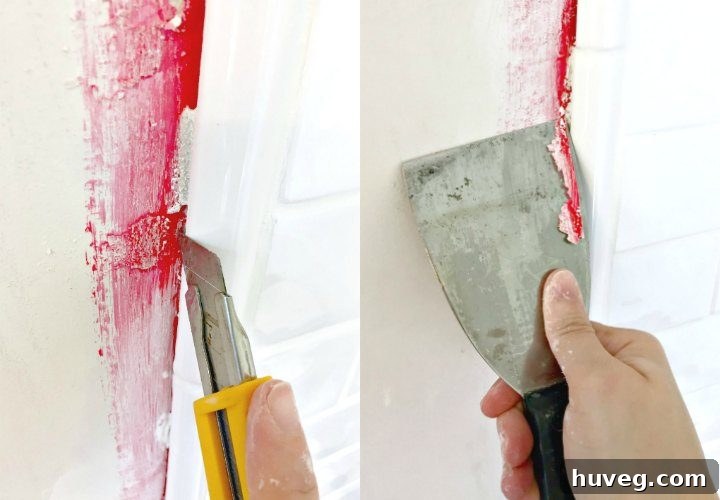
Once the tiles were installed, the exposed Redgard on the drywall became an issue. Its thick, rubbery texture would have created an uneven surface, making painting over it challenging and resulting in a substandard finish. The solution involved a meticulous process: first, using a sharp utility knife to score a clean line where the tile trim met the drywall. This created a defined edge, allowing for controlled removal. Next, with a bit of “elbow grease” and a sturdy scraper, I carefully removed as much of the Redgard as possible. This step requires patience to avoid damaging the underlying drywall. Inevitably, some minor gouges occurred during scraping, but these were easily remedied with joint compound. Given my extensive practice with skim coating and drywall repair, achieving a smooth, paint-ready surface was manageable. For future projects, planning tile placement even more meticulously and using high-quality painter’s tape to create a barrier would be highly recommended to minimize this cleanup step.
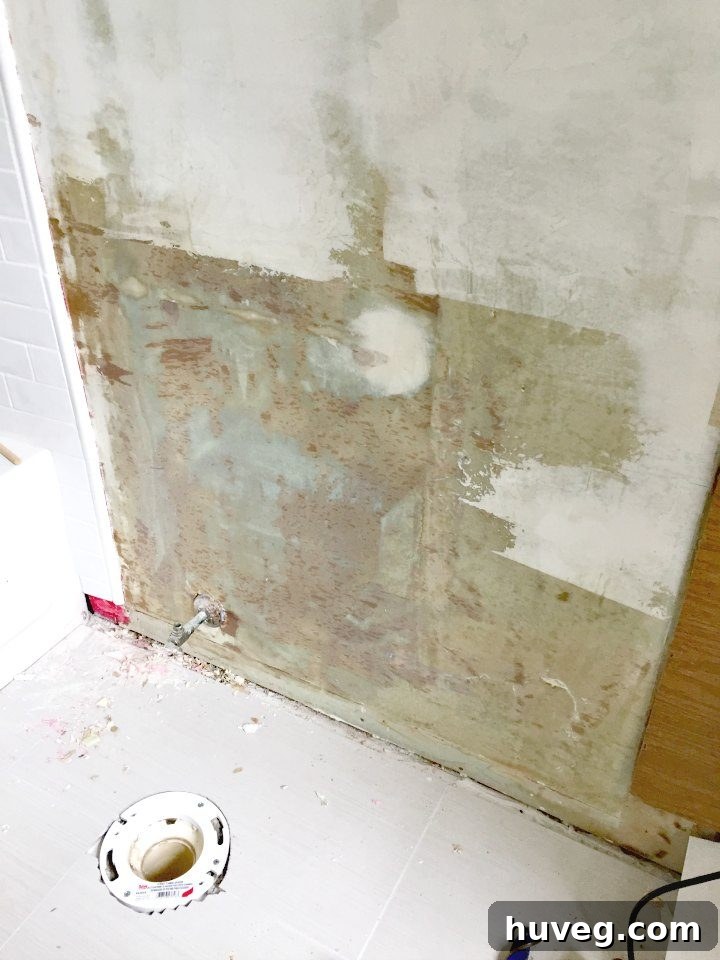
2. Patching Drywall Behind the Toilet: A Smart Pre-Installation Move
This might seem like a minor detail, but it’s a critical preparatory step that pays dividends. Working on drywall in the tight, awkward space behind an installed toilet is notoriously difficult. Before the new toilet could be set, it was imperative to address and patch the section of the wall where old wallpaper had been removed. This area often suffers from imperfections due to previous installations or removals.
The silver lining to my numerous drywall repair projects is the proficiency gained; I can now achieve a remarkably smooth finish with joint compound, often in a single attempt. While I typically apply two coats for absolute perfection, especially in visible areas, for the section behind the toilet, the goal was efficient completion. One well-applied pass brought it very close to flawless, deemed “good enough” for a hidden area. Most importantly, after patching and before installation, remember to thoroughly seal the patched drywall. This step is non-negotiable in a moisture-prone environment like a bathroom. I particularly favor this specific sealer for its reliability and effectiveness in protecting the drywall from humidity and potential moisture damage, ensuring a durable and long-lasting finish.
3. Expertly Fitting Baseboard Next to a Tiled Tub Surround
Even with meticulous planning, minor measurement discrepancies can occur in any DIY project, especially when working with varied materials like tile and wood. Despite my best efforts to precisely plan for the base molding, one side of the tub surround presented a slight misalignment: the tile extended just a fraction too far down, creating an interference with the baseboard. This is a common challenge that arises from the dynamic nature of combining different renovation elements.
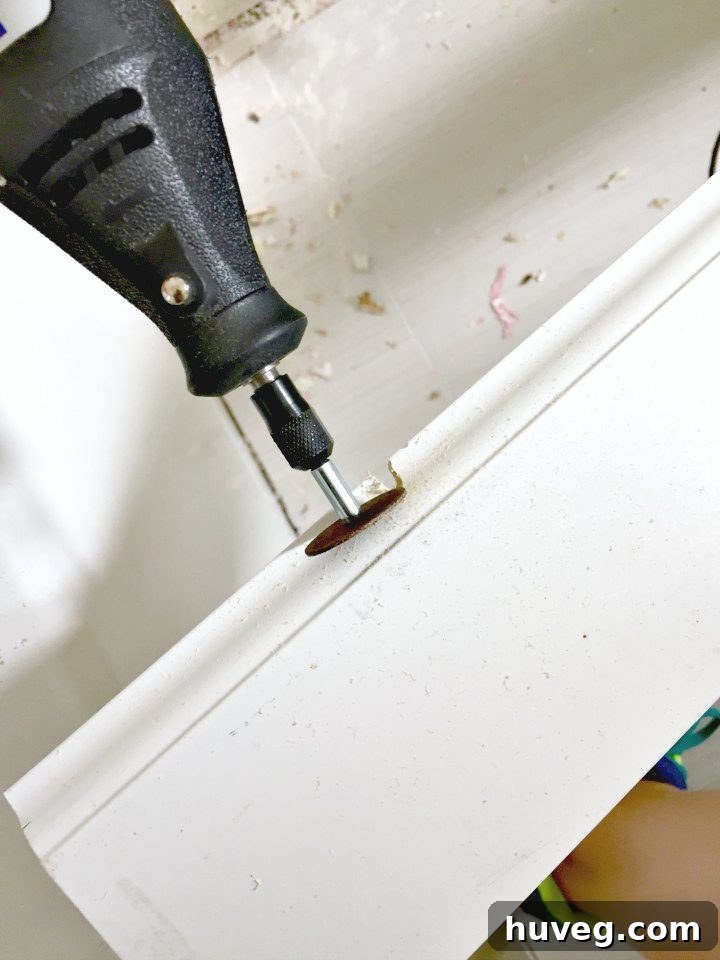
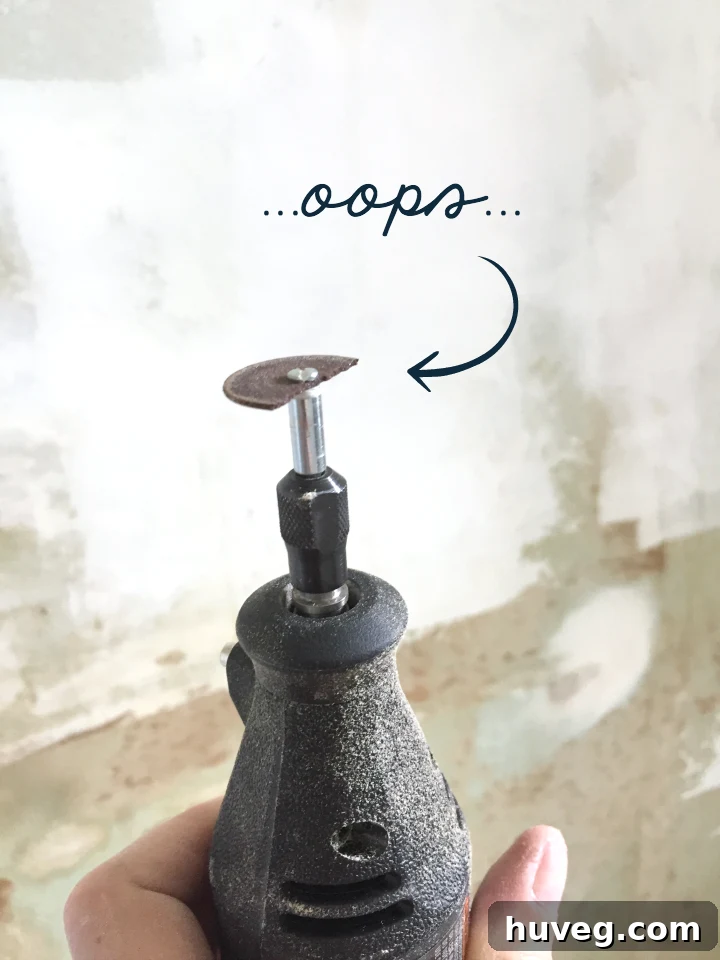
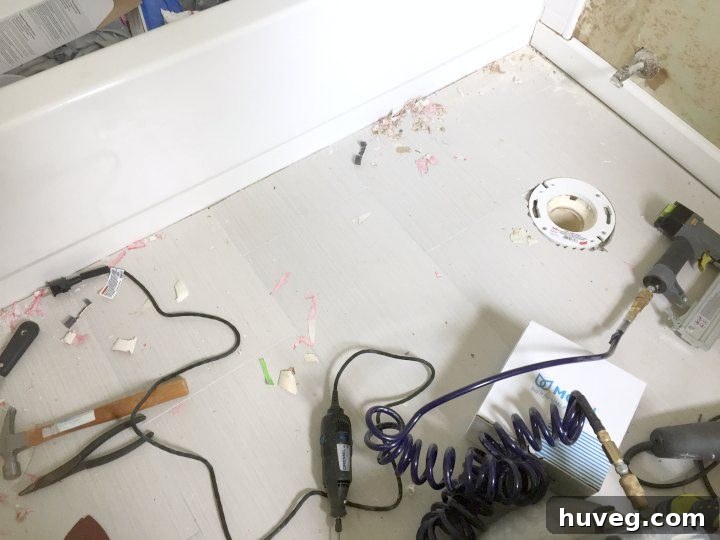
Rather than attempting the far more complex task of correcting the tile installation, the simpler and more efficient solution was to trim a small portion of the baseboard. For this, a Dremel rotary tool proved invaluable. Its precision and versatility made it remarkably easy to make the subtle, necessary cut without damaging the surrounding tile or the baseboard itself. In a moment of relatable DIY humor, the Dremel blade ironically met its demise when I accidentally knocked it into my ladder shortly after this fix. Such incidents are almost a rite of passage in home renovation, reminding us that even the most careful DIYers encounter unexpected setbacks. This experience reaffirmed a lesson: adjusting the baseboard is often a more practical approach than trying to alter existing tile work, a professional-level adaptation to unforeseen challenges.
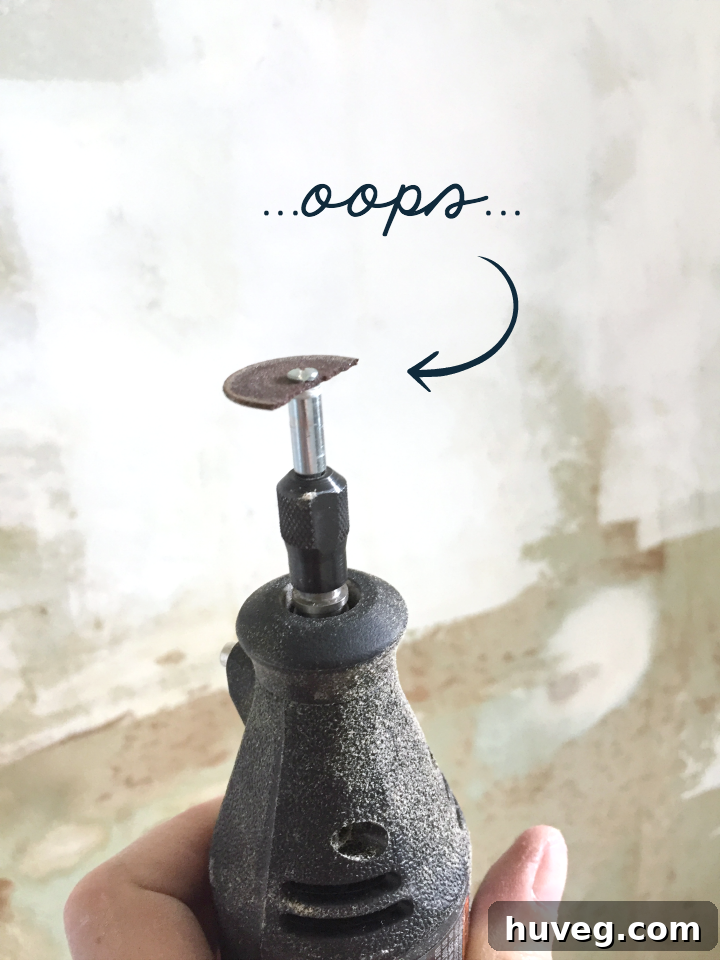
4. Extending a Toilet Flange for New Tile Installations
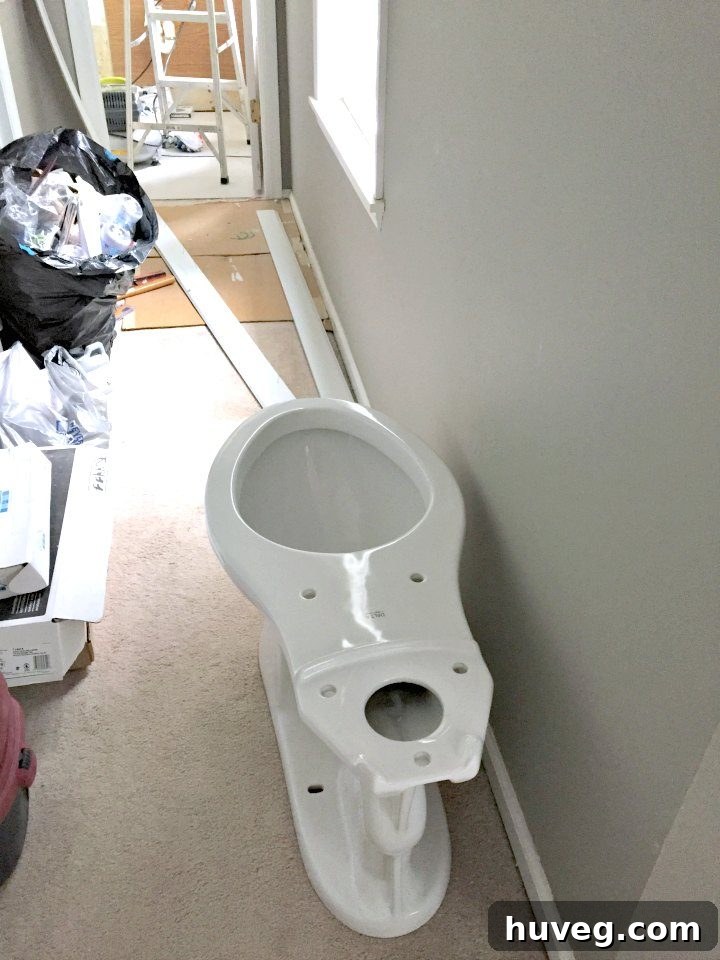
One common issue encountered when upgrading bathroom flooring from a thinner material, like the original linoleum in this bathroom, to a thicker one, such as tile and backer board, is the resulting change in floor height. This increase can leave the existing toilet flange sitting too low relative to the new finished floor. A recessed flange is a significant problem because it prevents the toilet’s wax ring from forming a proper, tight seal, leading to potential leaks, water damage, and unpleasant sewer gas odors. This seemingly small detail is critical for both the functionality and hygiene of your bathroom.
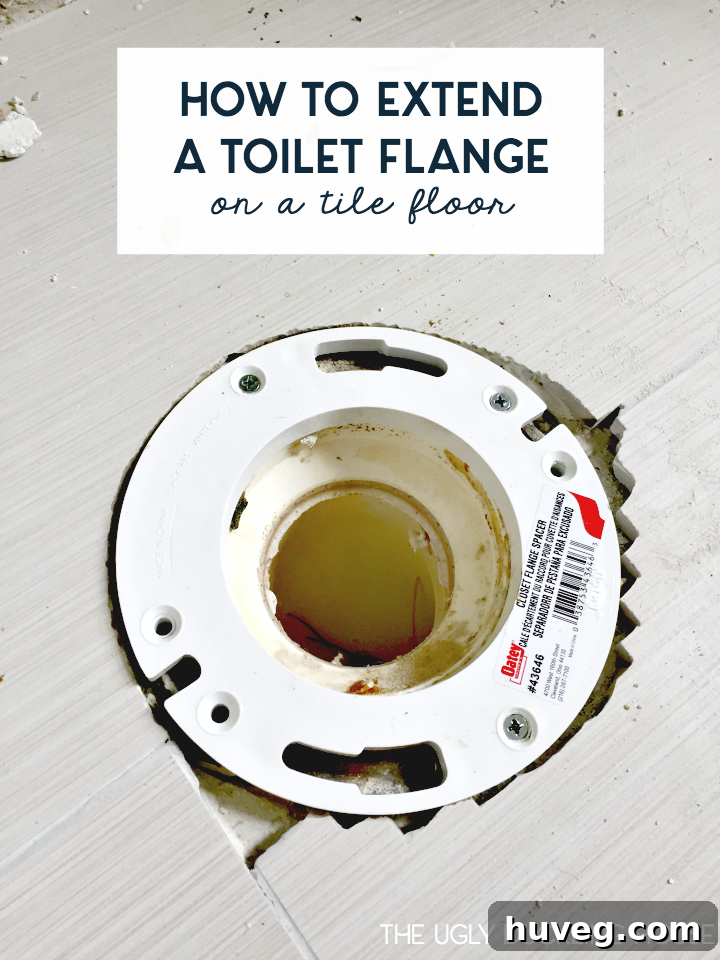
The simplest and most effective solution is to extend the toilet flange using a specialized spacer. These spacers, readily available at home improvement stores and often quite affordable, are designed to raise the flange to be flush with the new tile thickness. The installation process is straightforward: typically, it involves aligning the spacer over the existing flange and securing it with a few quick turns of a screw. This quick fix ensures that the new toilet will have an optimal surface to create a watertight and airtight seal, preventing future headaches and costly repairs. Taking the extra step to address the flange height before setting the toilet is a wise preventative measure that ensures long-term performance and peace of mind in your renovated bathroom.
5. Innovative Solutions for Baseboard and Tile Gap Problems
When it came to installing the new baseboards, an unexpected challenge emerged from the floor tile installation, which I largely did not perform myself. Along the entire back wall, a noticeable gap existed between the tile and the wall. This gap was too narrow to accommodate an additional tile strip but too wide for the baseboard to sit properly, causing it to be lower than the baseboards on other walls. This scenario underscores the critical importance of dry-fitting your tiles before permanent installation to ensure proper spacing and alignment, preventing such frustrating discrepancies.
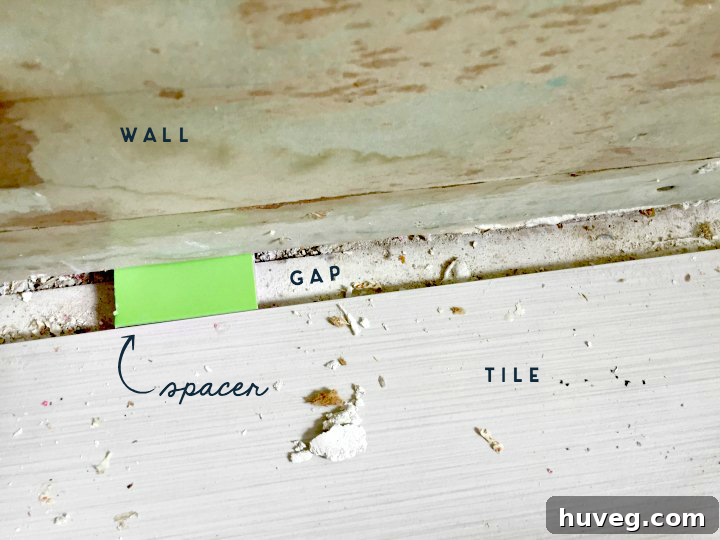
Faced with this awkward gap, I devised a clever DIY solution. I repurposed a thick piece of cardboard packaging—specifically, a section of foam-lined casing from small electronics. This material was ideal because it was just thick enough to fill the gap and provide stable support for the baseboard as I nailed it into place. The foam core allowed me to compress and flatten the cardboard slightly, making it easy to remove from behind the newly secured baseboard. Once the baseboard was firmly in position, I addressed the remaining subtle gap by installing shoe molding. Not only did the shoe molding effectively conceal the gap, but it also enhanced the overall aesthetic, giving the floor a more polished and finished appearance. Furthermore, I extended the shoe molding to wrap seamlessly around the base of the tub. In areas where nailing wasn’t feasible, such as around the tub, I simply secured the shoe molding with strong adhesive, ensuring a clean and consistent look. This creative approach demonstrates that unexpected gaps can be overcome with a bit of ingenuity, often leading to an even more refined final result.
A Sneak Peek at the Transformation!
Ready for a little preview of what’s to come? Take a look at the progress so far!
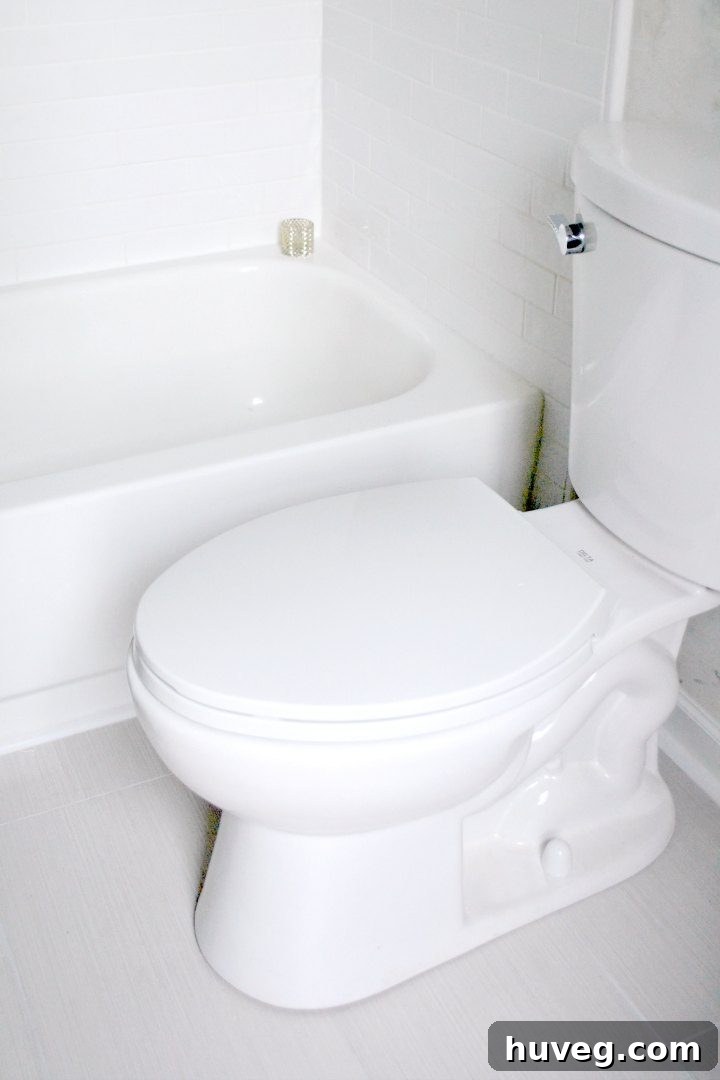
I know it appears a bit minimalist and unadorned at the moment, but rest assured, this space will soon be infused with vibrant colors and thoughtful decor, bringing it fully to life. This initial glimpse showcases the solid foundation and structural upgrades that will soon be complemented by carefully chosen design elements, culminating in a truly stunning master bathroom. Stay tuned for the complete reveal!
Continue Your Renovation Journey with This Series:
- Demolishing the Primary Bathroom: What to Expect
- Essential Tips for Removing Old Shower Tile