Laundry Room Backsplash Design Ideas

Transform Your Laundry Room: A DIY Tile Backsplash Project You Can Master
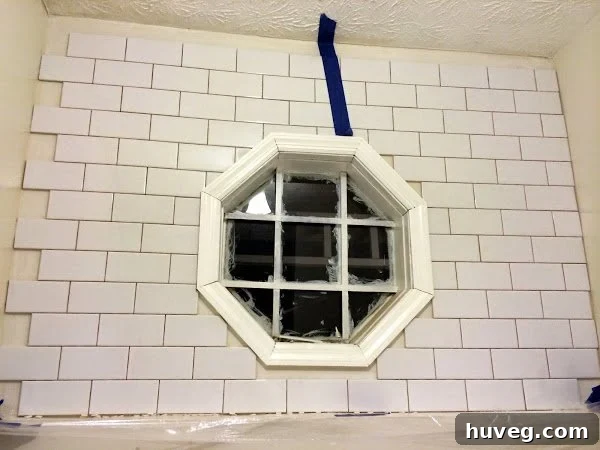
Every home has those overlooked spaces, and often, the laundry room tops the list. But what if we told you that with a little creativity, some leftover materials, and a touch of DIY spirit, you could transform this purely functional area into a stylish, inspiring part of your home? That’s exactly what we set out to achieve with our recent laundry room tile backsplash project. What started as an effort to use up leftover tiles from our kitchen backsplash evolved into a complete aesthetic uplift, proving that even the smallest renovations can make a significant impact.
After a couple of weeks of dedicated work, the back wall of our laundry room proudly showcases 100% of the tile remnants from our much-loved kitchen project. This wasn’t just about utility; it was about creating continuity, adding character, and making every corner of our home feel intentionally designed. The journey, while challenging at times, was incredibly rewarding and has left us with a laundry space that is not only more beautiful but also significantly more durable and easier to maintain.
Why a Tile Backsplash for Your Laundry Room is a Smart Choice
While often seen as a practical addition to kitchens and bathrooms, a tile backsplash offers a myriad of benefits for the laundry room that extend far beyond mere aesthetics:
- Enhanced Aesthetics: A tiled wall instantly elevates the visual appeal of the room, turning a mundane space into something beautiful. It adds texture, color, and a sense of completeness that painted walls simply can’t achieve. Imagine stepping into a laundry room that feels as thoughtfully designed as your living room – a tile backsplash can make that a reality.
- Superior Protection Against Moisture: Laundry rooms are inherently damp environments, prone to splashes from water, detergent, and other cleaning agents. A tile backsplash provides an impermeable barrier, safeguarding your walls from moisture damage, stains, and the growth of mold or mildew, which can be costly to repair down the line. This protective layer is especially crucial behind sinks and appliances.
- Effortless Cleaning and Maintenance: Unlike painted drywall, tiles are incredibly easy to wipe clean. Spills and drips can be quickly removed with a damp cloth or sponge, maintaining a pristine environment with minimal effort. This low-maintenance aspect is a significant advantage in a utility space.
- Exceptional Durability and Longevity: Tiles are a remarkably hard-wearing material that can withstand the rigors of a busy laundry space. They resist scratches, fading, and general wear and tear, ensuring your investment pays off for years to come. This makes them a more durable alternative to paint or wallpaper.
- Achieving Design Cohesion: By extending a design element like tile from an adjacent room, you create a seamless flow and cohesion throughout your home. In our case, tying the laundry room to the kitchen with the same tile pattern makes the entire living space feel more unified and thoughtfully designed, especially since they are right next to each other. This continuity adds a professional touch to your home’s interior.
The Journey Begins: Embracing Sustainability with Leftover Tiles
One of the most satisfying aspects of this project was the sustainable approach. Who doesn’t love a budget-friendly DIY that also reduces waste? Using the leftover box of tiles from our kitchen backsplash was not just economical; it was a testament to mindful home improvement. This approach offers several compelling advantages:
- Unbeatable Cost-Effectiveness: By repurposing materials you already own, you eliminate the need to purchase new tiles, significantly cutting down on overall project costs. This allows you to allocate your budget to other areas of your renovation or simply save money.
- Commitment to Eco-Friendliness: Reducing waste by giving materials a second life is a win for the environment. It minimizes landfill contribution and aligns with sustainable living practices, making your home improvement project greener.
- Seamless Design Consistency: Utilizing the same tile creates a harmonious aesthetic between two interconnected rooms, establishing a cohesive style that flows seamlessly from one space to the next. This thoughtfulness in design elevates the entire home’s character.
Having completed the kitchen backsplash first (tutorial here), I approached the laundry room with a significant advantage: experience. That initial project served as an invaluable training ground, equipping me with the skills and confidence to tackle the nuances of tile installation. While every project presents its unique challenges, having a foundational understanding of adhesive application, cutting techniques, and layout planning made the laundry room transformation considerably smoother and more efficient.
Tackling the Tile Installation: Precision, Patience, and Problem-Solving in Action
Meticulous Planning and Essential Preparation
Before any tile adhesive touched the wall, meticulous planning was paramount. This involved thoroughly cleaning the wall surface, ensuring it was free of dust, grease, and any imperfections that could compromise adhesion. Precise measurements were then taken to determine the optimal layout, carefully considering where full tiles would be placed and where cuts would be necessary. A well-planned layout not only minimizes waste but also ensures a professional-looking finish with balanced grout lines. This preparatory stage, though often overlooked, is absolutely crucial for a successful and lasting tiling project.
The Art of Tile Placement and Adhesive Application
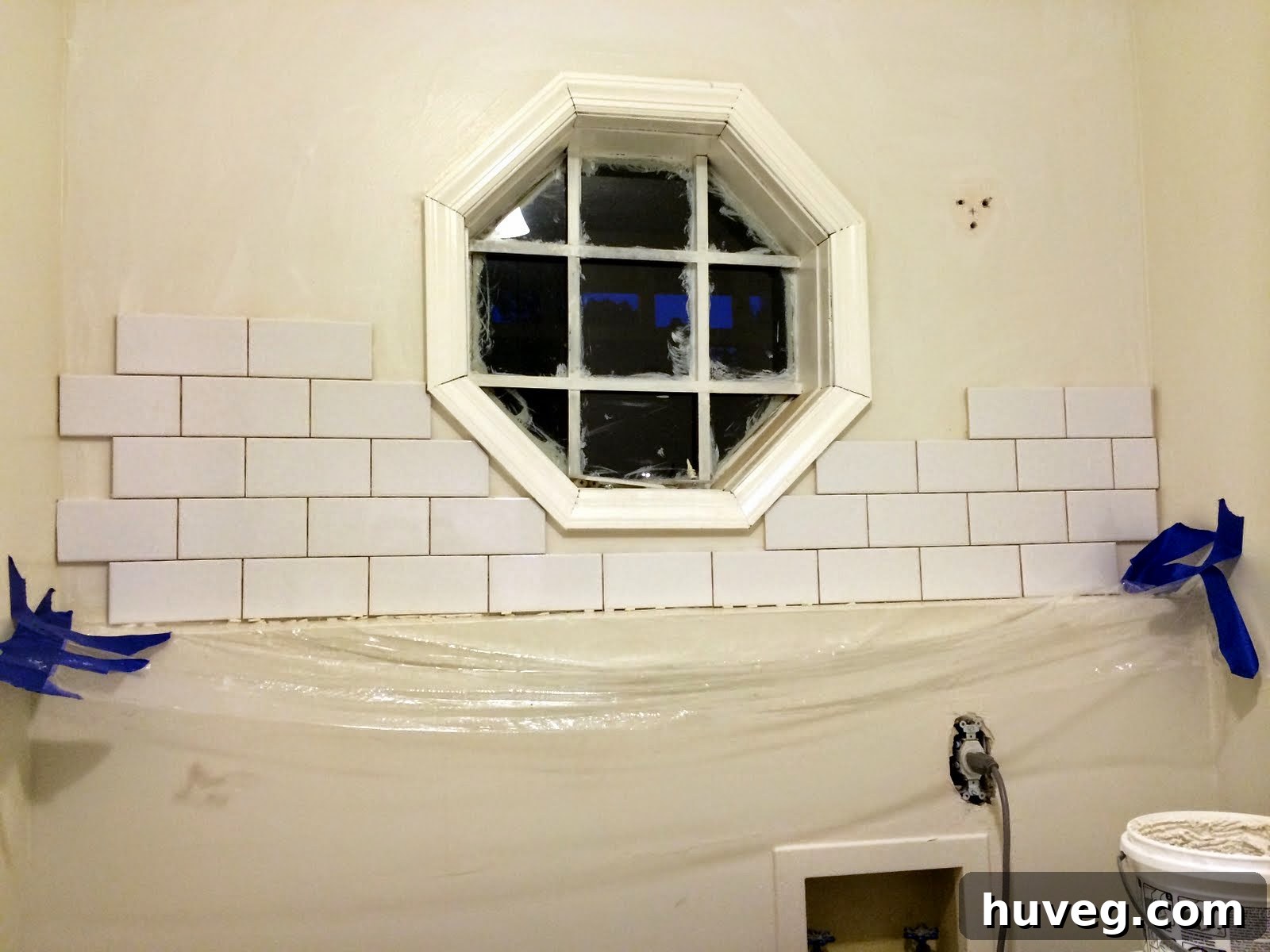
Applying the tile adhesive evenly with a notched trowel is critical for a strong bond and a level surface. The “trowel-and-set” method involves spreading only enough adhesive for a small section at a time, allowing for careful placement of each tile before the adhesive begins to cure. Using tile spacers consistently ensures uniform grout lines, which are essential for a polished and symmetrical aesthetic. Each tile was pressed firmly into place, often with a slight twisting motion, to ensure full contact with the adhesive and prevent air pockets.
Navigating the Window Challenge: Intricate Cuts and Resourcefulness
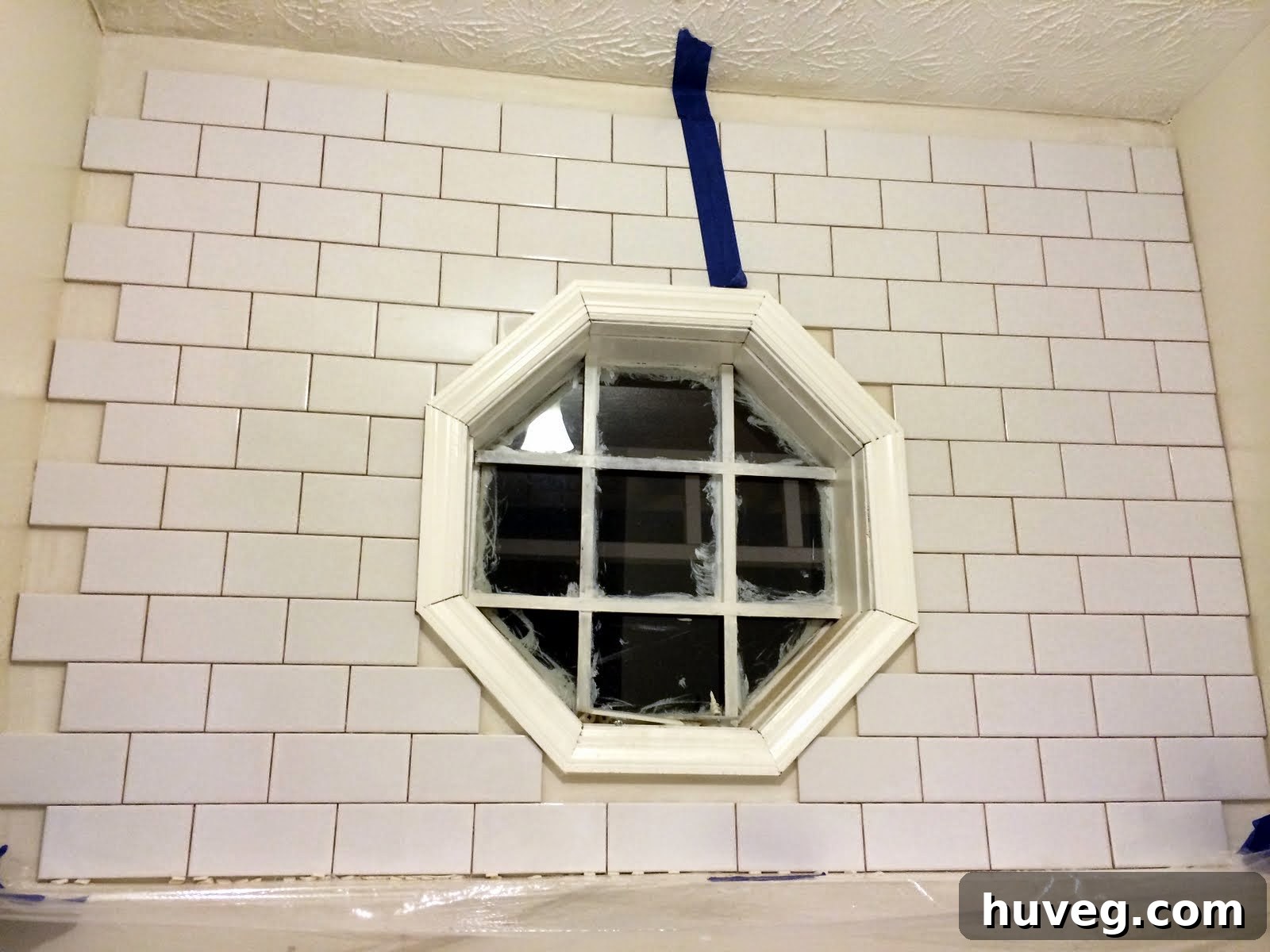
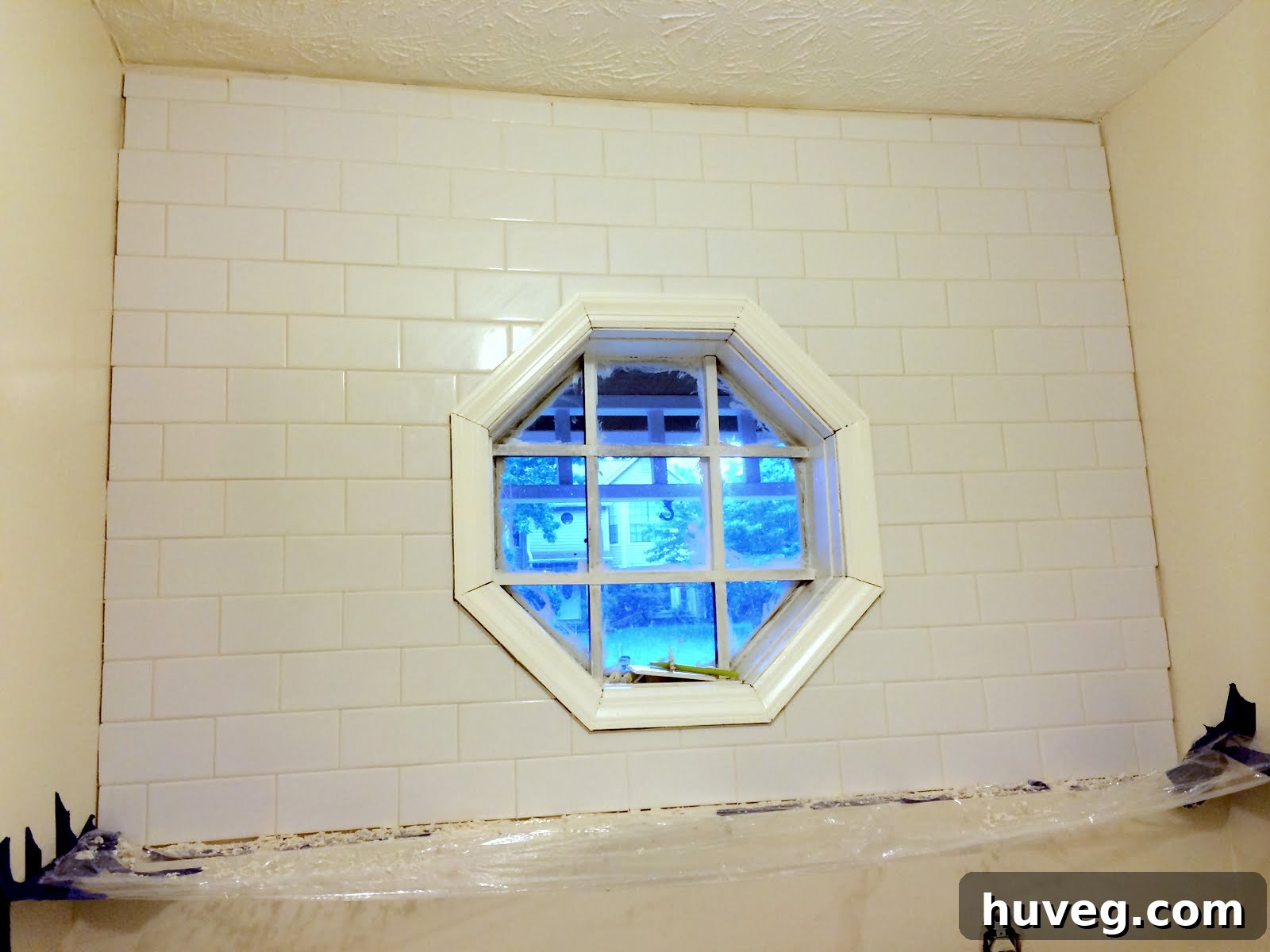
Every DIY project throws a curveball, and for this laundry room, it came in the form of complex cuts around the window. These were genuine “head-scratchers” requiring careful consideration and precise execution. The challenge was amplified by my unwavering determination not to make a twenty-minute drive back to the outlet shop for extra tiles. This meant every single scrap from the kitchen project became precious, necessitating maximum efficiency and minimal errors.
Working around obstacles like windows demands a different level of precision and strategic thinking. It involves:
- Accurate Measuring: Double-checking dimensions for each tile segment that needed to fit around the window frame, ensuring no gaps or overlaps.
- Specialized Cutting Techniques: Employing a wet saw for clean, straight cuts and tile nippers for more intricate curves or small notches. Each cut had to be smooth and precise to ensure a tight fit and a professional finish around the window trim, contributing to the overall aesthetic.
- Strategic Layout Adjustments: Sometimes, shifting the entire tile layout by an inch or two can drastically reduce the complexity of cuts around an obstacle, allowing for more full tiles and fewer tricky pieces, thus saving time and reducing frustration.
- Problem-Solving on the Fly: When a cut didn’t go exactly as planned, it required quick thinking to either adjust the piece or find an alternative scrap that could work. The immense satisfaction of utilizing every last bit of tile, turning potential waste into a perfectly fitted piece, was unparalleled. This phase truly highlighted the value of patience, adaptability, and resourcefulness inherent in successful DIY endeavors.
The ceiling line above the backsplash might still appear a bit unfinished in the progress photos, but this is entirely intentional. I have exciting plans to add some elegant decorative trim around the top edge of the back wall. This trim will not only provide a crisp, clean finish to the tiled section but also clearly distinguish it and beautifully frame it from the rest of the room, which will remain untiled. This thoughtful addition will integrate the backsplash seamlessly into the overall room design, giving it a truly custom and polished look.
Grouting for a Flawless and Durable Finish: The Crucial Final Steps
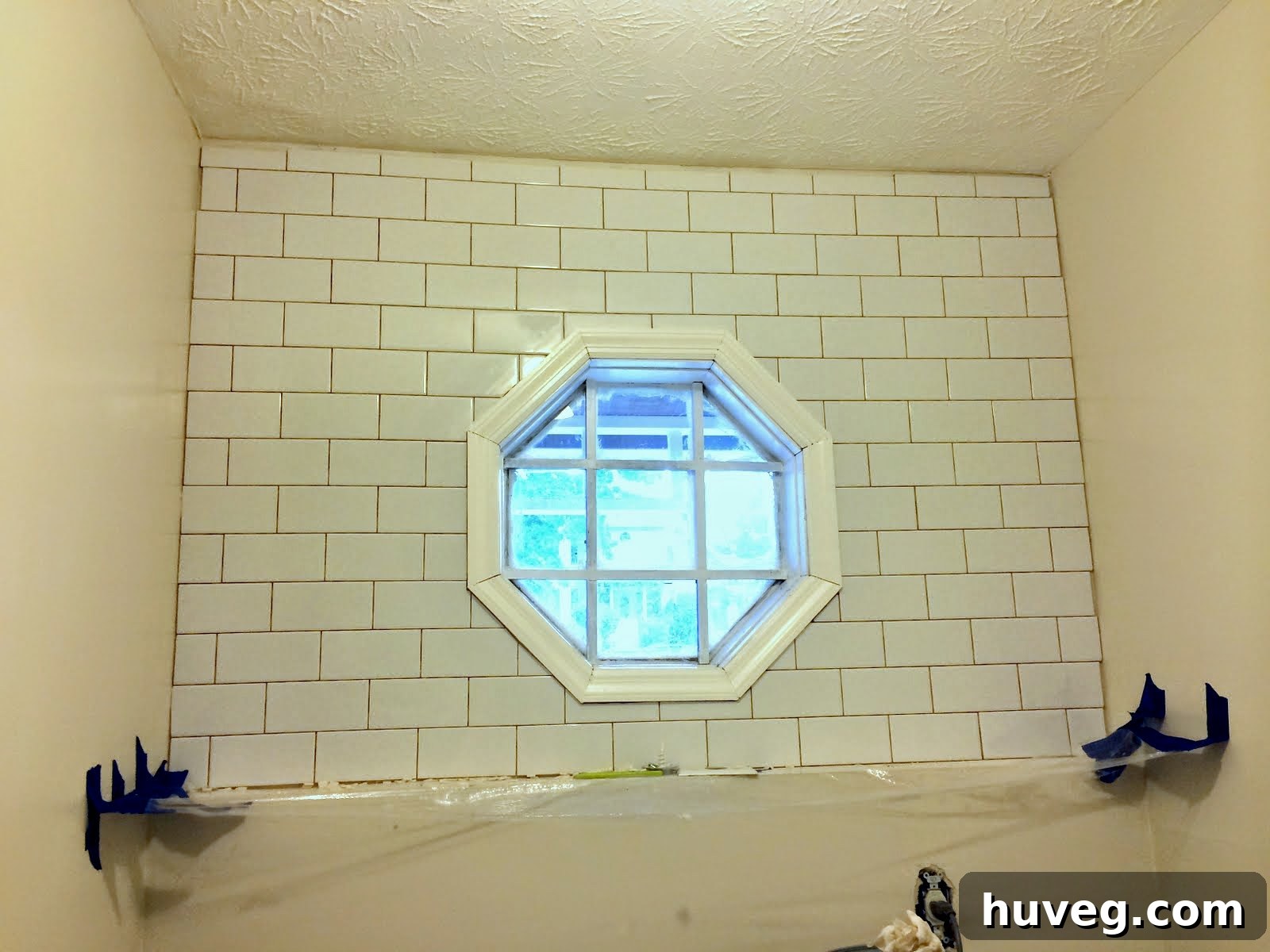
With the tiles securely in place, the next crucial step was grouting. This is where the individual tiles come together to form a cohesive, water-resistant, and aesthetically pleasing surface. Choosing the right grout color can dramatically impact the final look, either blending in for a subtle effect or contrasting to highlight the tile pattern and texture.
The Grouting Process: A Step-by-Step Guide
- Precise Grout Mixing: Following manufacturer instructions for consistency is vital. Grout that is too thin won’t hold properly, while grout that is too thick will be hard to work with and may result in a crumbly finish. Achieving the perfect consistency is key to a smooth application.
- Thorough Application: Using a rubber grout float, the grout is spread diagonally across the tiles, forcing it firmly into all the grout lines. Working in small sections helps manage the process and prevents the grout from drying too quickly, ensuring an even application.
- Initial Excess Removal: After allowing the grout to set for a specified time (usually 15-30 minutes, depending on the product and humidity), excess grout is removed from the tile surface with the float, holding it at a 45-degree angle.
- Meticulous Sponging and Haze Removal: A damp (not wet) sponge is then used to carefully wipe away grout haze from the tile faces, ensuring clean grout lines and a smooth finish. This stage often requires multiple passes with a clean sponge and fresh water to achieve perfection and reveal the true beauty of the tiles.
Protecting Your Space: The Ingenious Makeshift Shelf Solution
Anyone who has tiled before knows that grout and tile adhesive can get everywhere – it’s just the nature of the beast. To protect my precious new washer and dryer from errant crumbles, dust, and drips, I devised a clever makeshift shelf. Using painter’s tape to create a sturdy frame and then covering it with cling wrap, I fashioned a temporary protective barrier over the appliances. This simple yet incredibly effective solution meant I had an easy surface to toss any stray bits of grout or adhesive, and once everything was dry and cured, I could simply peel it away for a pristine, clean finish. This preventive measure, a valuable lesson learned from the messier kitchen install, saved me hours of painstaking cleanup and diligently protected my significant investment in new appliances. It’s a small detail that makes a monumental difference in maintaining a tidy workspace and ensuring a stress-free completion.
Beyond the Tile: The Thoughtful Finishing Touches That Make a Difference
While the tiling and grouting mark major milestones in any renovation, the true beauty and custom feel of a project often lie in the thoughtful finishing touches. For our laundry room, these details are absolutely crucial for completing the transformation and integrating the new backsplash seamlessly into the existing decor.
Elevating the Design with Decorative Trim Work
As mentioned, the final step for the tiled wall will be the addition of decorative trim. This isn’t just an afterthought; it’s a strategic design element chosen to enhance the room’s character. The trim will serve several vital purposes:
- Defining the Space: It will create a distinct and elegant boundary for the tiled area, giving it a framed, intentional look that draws the eye and highlights the craftsmanship.
- Adding Architectural Interest: Trim work instantly adds a layer of sophistication, depth, and craftsmanship to a room. Whether it’s a simple flat stock or a more elaborate molding, it enhances the architectural character and makes the room feel more custom-built.
- Hiding Imperfections: Practicality meets aesthetics – trim can neatly conceal any slight irregularities along the top edge of the tiles or where the tiled wall meets the ceiling, providing a crisp, clean line and a flawless transition.
- Visual Separation: It will clearly separate the back tiled wall from the rest of the room, which will remain painted. This visual break enhances the impact of the backsplash as a focal point and creates distinct zones within the space.
The choice of trim style, profile, and color will be carefully considered to complement both the tile and the existing room decor, ensuring a harmonious and polished outcome that speaks to thoughtful design.
Adding Functional Elegance with a Custom Shelf
Beyond the trim, a custom shelf will be expertly installed on the lower ledge of the tiled wall. This shelf isn’t just about utility; it’s another prime opportunity to thoughtfully tie the laundry room’s design back to the kitchen, creating a unified home aesthetic. My vision is to stain the wood for this shelf a similar color and finish to the rich butcher block countertops in the kitchen. This subtle yet powerful design choice will reinforce the visual connection between the two rooms, creating a cohesive and well-thought-out aesthetic throughout our home that feels both intentional and welcoming.
The shelf will provide a practical and accessible surface for storing laundry essentials like detergent pods, fabric softener, or even decorative items, adding both functionality and personality to the space. It’s these small, deliberate design choices and cohesive elements that elevate a room from merely functional to truly inviting and stylish.
Reflecting on the DIY Journey and Anticipating Future Reveals
While the color balance in these nightly progression shots might vary due to different lighting conditions, rest assured that a fully finished reveal with consistent, professional photography is very much on the horizon. The successful completion of this laundry room tile backsplash project represents more than just a renovation; it’s another significant item enthusiastically crossed off my big fat to-do list. Each completed project brings us closer to our larger home goals, whether that’s preparing the house for sale or simply enhancing our everyday living experience and comfort.
This DIY journey has reinforced several key lessons: the immense value of prior experience (the kitchen backsplash was an invaluable teacher and confidence builder), the power of creative problem-solving when faced with unexpected challenges, and the deep satisfaction that comes from transforming a space with your own hands and vision. It’s a powerful reminder that beauty and functionality can go hand-in-hand, even in the most utilitarian rooms of your home.
We hope this detailed account inspires you to look at your own laundry room—or any underutilized space—with fresh eyes and consider the transformative power of a well-executed DIY project. What projects are you tackling this season to enhance your living spaces?