The World of Shrubs and Trees

Transforming Your Garden: The Art of Pruning a Camellia Bush into a Stunning Tree
Gardens are dynamic spaces, constantly evolving with the seasons and the care they receive. Sometimes, a plant can grow beyond its intended bounds, becoming an “overwhelming blob” rather than a cherished feature. This often leads to a crucial question for many homeowners: Is it a mess? Is it a bush? Or is it destined to become a magnificent tree?
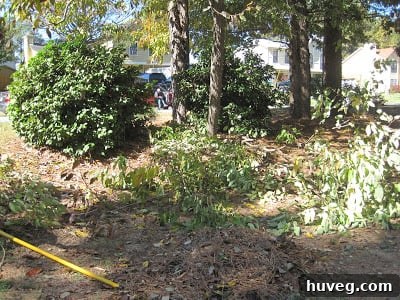
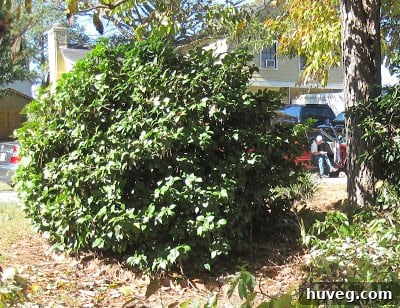
Every garden has its challenges, and often, the biggest one is knowing how to properly care for and shape your plants. What might seem like an unruly mass of leaves and branches can often be transformed into a focal point with the right approach and a bit of horticultural wisdom. This was exactly the situation with a particular flowering plant, which, through the skilled hands of my aunt, underwent a remarkable metamorphosis.
Unveiling the Beauty: The Camellia Plant
The star of this transformation story is a camellia, a plant renowned for its exquisite winter and spring blooms. While I confess to not being deeply “plant-savvy,” the allure of camellias is undeniable. These evergreen shrubs and small trees are cherished worldwide for their glossy, dark-green leaves and stunning, often fragrant, flowers that come in a spectacular array of colors from pure white to vibrant pinks, deep reds, and even variegated patterns.
Camellias typically thrive in acidic, well-drained soil and prefer partial shade, making them ideal understory plants or elegant additions to a shaded garden spot. Their ability to provide vibrant color during the cooler months, when most other plants are dormant, makes them an invaluable asset to any landscape. However, like many vigorous growers, camellias can sometimes become quite large and dense, obscuring their natural beauty and potentially hindering air circulation, which is vital for their health.
The Challenge of Overgrowth and the Vision for Transformation
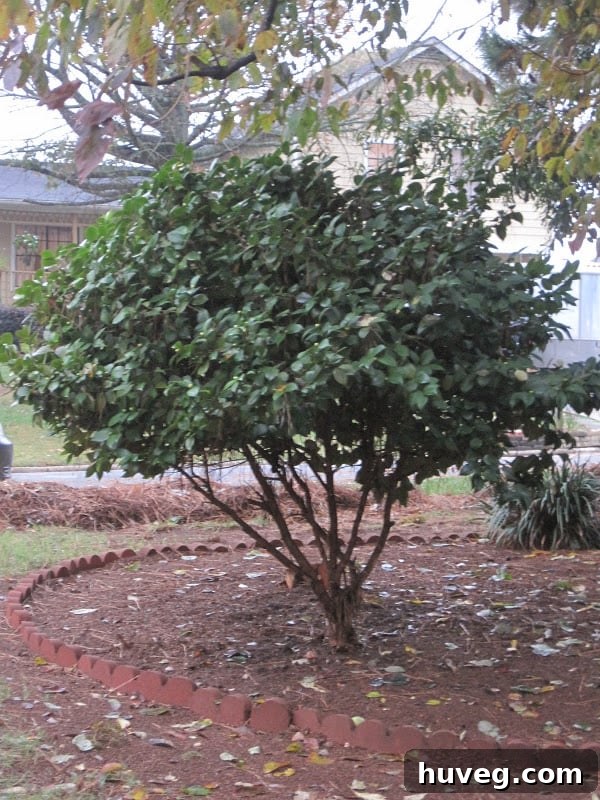
The plant in question had grown into a massive, somewhat overwhelming blob, as many camellias are prone to do if left untended. It was healthy, yes, but its potential for elegance was lost beneath a tangle of branches. My aunt, with her keen eye for garden aesthetics and practical plant knowledge, saw beyond the current state to envision two potentially beautiful blooming trees. Her goal was not just to tidy up, but to sculpt, to reveal the inherent grace of the plant, transforming a dense shrub into a more architectural, tree-like form.
This particular camellia was showing signs of impending glory: its buds were already forming, promising bright pink flowers in the near future. This detail is crucial for any gardener considering pruning. Timing is everything, especially with flowering plants like camellias, which set their buds on old wood. Improper pruning at the wrong time can easily sacrifice an entire season’s bloom.
Strategic Pruning: A Masterclass from My Aunt
Understanding the plant’s life cycle is key to successful pruning. For camellias, the golden rule is to prune *after* they have finished blooming but *before* they set new buds for the following season. My aunt wisely recognized that with buds already present, a top-down trim would be a grave mistake, as it would remove all the nascent flowers. Instead of jeopardizing the upcoming display, she opted for a different, more strategic approach: pruning from the bottom up.
The Bottom-Up Pruning Technique
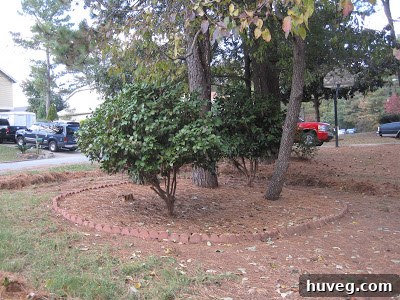
My aunt’s method involved meticulously cleaning up the plant from its base. This technique, often referred to as “limbing up” or “tree-forming,” involves removing lower branches to expose the plant’s main stems, giving it a more open, tree-like structure. By thinning out the dense growth at the bottom, she achieved several things:
- Improved Air Circulation: Removing congested lower branches enhances air flow, which is vital for preventing fungal diseases and maintaining overall plant health.
- Aesthetic Appeal: The transformation from a sprawling bush to an elegant, multi-stemmed “tree” dramatically improves the plant’s visual appeal and integration into the landscape. It creates a sense of order and highlights the plant’s natural form.
- Showcasing the Trunk Structure: Exposing the sturdy, often attractive trunks adds an architectural element to the garden, especially appealing during winter when foliage might be sparse.
- Easier Maintenance: A lifted canopy makes it easier to clean beneath the plant and discourages pests that prefer dense, shaded environments.
This careful, selective removal of branches allowed the camellia to retain its precious flower buds on the upper branches, preserving the promise of its bright pink blooms. It was a testament to her experience that she could visualize the plant’s potential and execute such a thoughtful transformation without sacrificing its immediate beauty.
The Awaited Blooms and Lasting Beauty
There’s always a degree of risk involved with significant pruning, and my aunt acknowledged the chance that the extensive trimming might still affect the number or vigor of the blooms this winter. Plants can sometimes divert energy to recovery rather than flowering after a major cut. However, the beauty of this transformation lies in its long-term benefits and immediate aesthetic improvement.
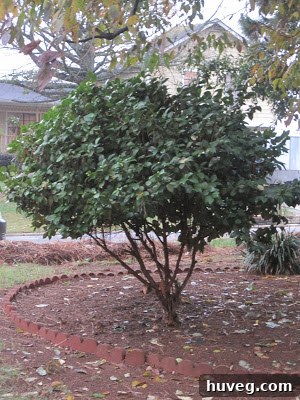
Even if the blooms are somewhat diminished this season, the “pretty, waxy leaves and round shape” of the newly sculpted camellia make for a vastly improved front yard. The plant now stands with newfound dignity, its glossy green foliage forming a sophisticated backdrop for other garden elements. The structural beauty it now possesses is a year-round asset, far superior to the shapeless mass it once was. This transformation elevates the entire curb appeal, demonstrating that a well-maintained garden is an investment in beauty and tranquility.
Beyond the Pruning: General Camellia Care Tips
While strategic pruning is crucial, comprehensive care ensures your camellias remain healthy and vibrant for years. Here are a few essential tips for nurturing these exquisite plants:
- Soil and Location: Camellias prefer slightly acidic, well-draining soil rich in organic matter. Plant them in a location that receives partial shade, ideally with protection from harsh afternoon sun and strong winds.
- Watering: Consistent moisture is key, especially during dry periods and when the plant is establishing. However, avoid waterlogging, as this can lead to root rot.
- Fertilization: Feed camellias with an acid-loving plant fertilizer in late winter or early spring, after they finish blooming. Follow package directions for application rates.
- Mulching: Apply a layer of organic mulch around the base of the plant to help retain soil moisture, regulate temperature, and suppress weeds.
- Pest and Disease Watch: Keep an eye out for common camellia issues like scale insects or camellia blight. Good air circulation (achieved through proper pruning) often helps prevent many problems.
The Enduring Appeal of a Thoughtfully Designed Garden
My aunt’s work is a wonderful reminder that gardening is an ongoing process of observation, care, and artistry. It’s about understanding the specific needs of each plant and applying techniques that allow it to flourish and enhance its surroundings. Her ability to see the “tree” within the “bush” and bring it to fruition has not only beautified our front yard but also provided a valuable lesson in patience and skilled horticultural practice.
Ultimately, whether it began as a messy sprawl, a dense bush, or was always destined for tree-like elegance, the result of thoughtful care is undeniable beauty. The camellia now stands as a testament to the transformative power of gardening, promising not only future blooms but also year-round structural appeal. It’s a joy to witness such a beautiful plant thriving, adding charm and character to our home, all thanks to a bit of strategic pruning and a lot of love.